Big flavor, juicy texture, and a quick weeknight method that delivers smoky, sweet, spicy bites without the restaurant bill.
You know that moment when the plate hits the table and everyone suddenly forgets how to talk? That is this recipe. It gives you sticky, savory, caramelized pork with the kind of flavor that usually costs way too much at a restaurant. The best part is you do not need special chef skills, a fancy grill, or a two hour commitment. You just need a smart marinade, high heat, and the confidence to let the edges get gloriously charred.
This dish wins because it tastes expensive while being wildly practical. It works for weeknights, meal prep, and those last minute dinners where you want applause for doing almost nothing heroic. The sauce brings sweet, salty, garlicky, and spicy energy in one move, which honestly feels unfair. If dinner has been boring lately, this fixes it fast.
The Secret Behind This Recipe
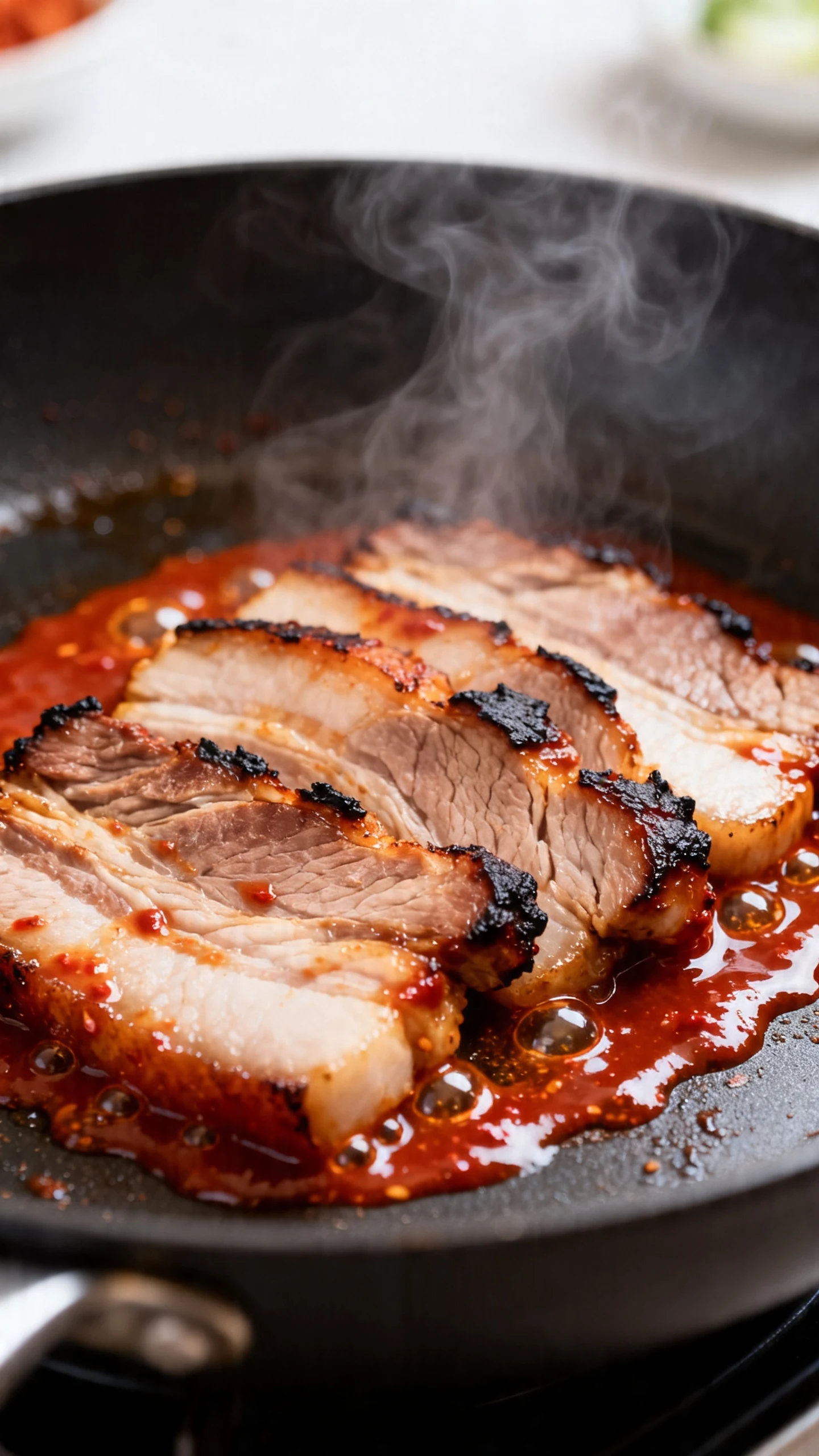
The real magic comes from balance. You want soy sauce for salt, brown sugar for caramelization, garlic and ginger for punch, sesame oil for depth, and gochujang for that sweet heat that makes people go back for one more bite and then accidentally eat six more. Each ingredient has a job, and together they create that glossy, bold flavor Korean barbecue lovers crave.
The second secret is using the right cut of pork. Thinly sliced pork shoulder or pork butt gives you enough fat to stay juicy under high heat. Lean cuts can work, sure, but they dry out fast and then everybody starts politely chewing forever. That is not the vibe.
High heat matters just as much as the marinade. You want quick cooking that sears the outside while keeping the inside tender. A hot skillet, grill pan, or outdoor grill all work beautifully, as long as you do not crowd the pan and steam the meat into sadness.
Finally, give the marinade a little time. Even 30 minutes helps, but a few hours creates deeper flavor and better browning. IMO, overnight is the sweet spot if you can plan ahead. If not, this recipe still delivers more than enough drama for dinner.
What Goes Into This Recipe – Ingredients
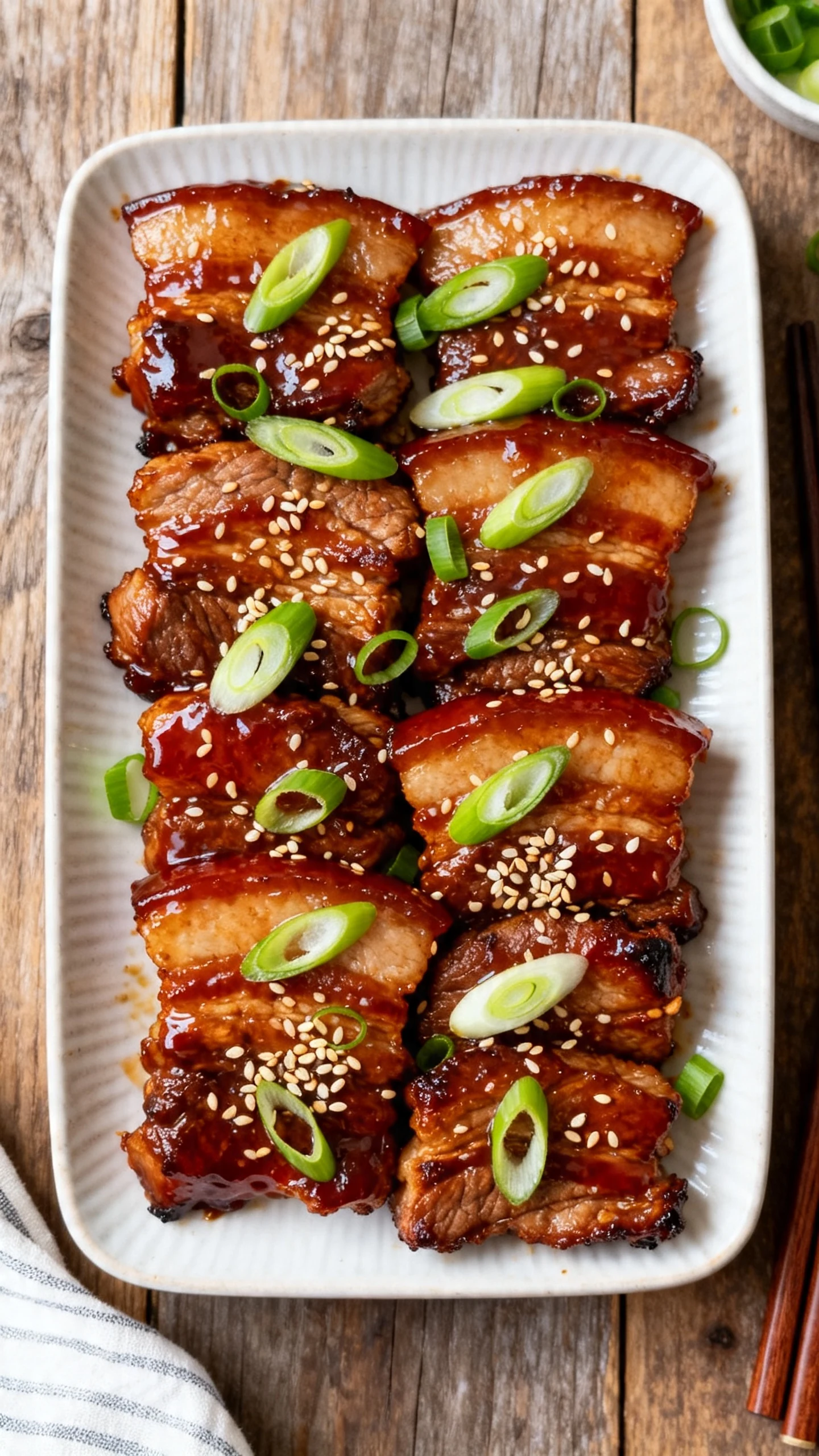
Here is everything you need for a deeply flavorful batch. These ingredients keep the recipe approachable while still delivering that signature sweet savory spicy finish.
- 2 pounds pork shoulder, thinly sliced
- 1 small onion, thinly sliced
- 4 cloves garlic, minced
- 1 tablespoon fresh ginger, grated
- 1/3 cup soy sauce
- 2 tablespoons gochujang
- 2 tablespoons brown sugar
- 1 tablespoon honey
- 1 tablespoon rice vinegar
- 1 tablespoon sesame oil
- 1 tablespoon neutral oil for cooking
- 1 teaspoon black pepper
- 1/2 teaspoon red pepper flakes, optional
- 2 green onions, sliced
- 1 tablespoon sesame seeds
For serving, keep it simple and strategic. Steamed rice, lettuce leaves, kimchi, cucumber slices, or quick pickled vegetables all pair beautifully. A fried egg on top also makes this feel suspiciously luxurious for a weekday meal.
Let’s Get Cooking – Instructions
-
Slice the pork thin. If your pork is hard to cut, place it in the freezer for 20 to 30 minutes first. That firms it up and makes thin slicing much easier. Thin pieces cook fast and soak up more marinade, which is exactly what you want.
-
Make the marinade. In a large bowl, combine soy sauce, gochujang, brown sugar, honey, rice vinegar, sesame oil, garlic, ginger, black pepper, and red pepper flakes if using. Stir until smooth and glossy. It should smell amazing already, which is always a good sign.
-
Marinate the pork. Add the sliced pork and onion to the bowl. Toss thoroughly so every piece gets coated. Cover and refrigerate for at least 30 minutes, or up to overnight for deeper flavor.
-
Heat your pan or grill. Place a large skillet, grill pan, or griddle over high heat. Add the neutral oil once the surface is very hot. If the pan is only kind of warm, the meat will release water and sulk instead of sear.
-
Cook in batches. Add a single layer of pork to the hot pan. Do not overcrowd it. Cook for 2 to 4 minutes per side until browned, lightly charred in spots, and cooked through.
-
Let the sugars caramelize. As the marinade hits the heat, it will thicken and cling to the pork. This is where the flavor gets loud. Watch closely so it caramelizes without burning, because there is a fine line between delicious char and kitchen regret.
-
Finish and garnish. Transfer the cooked pork to a serving platter. Sprinkle with sliced green onions and sesame seeds. If you want extra shine, drizzle a tiny bit of sesame oil on top right before serving.
-
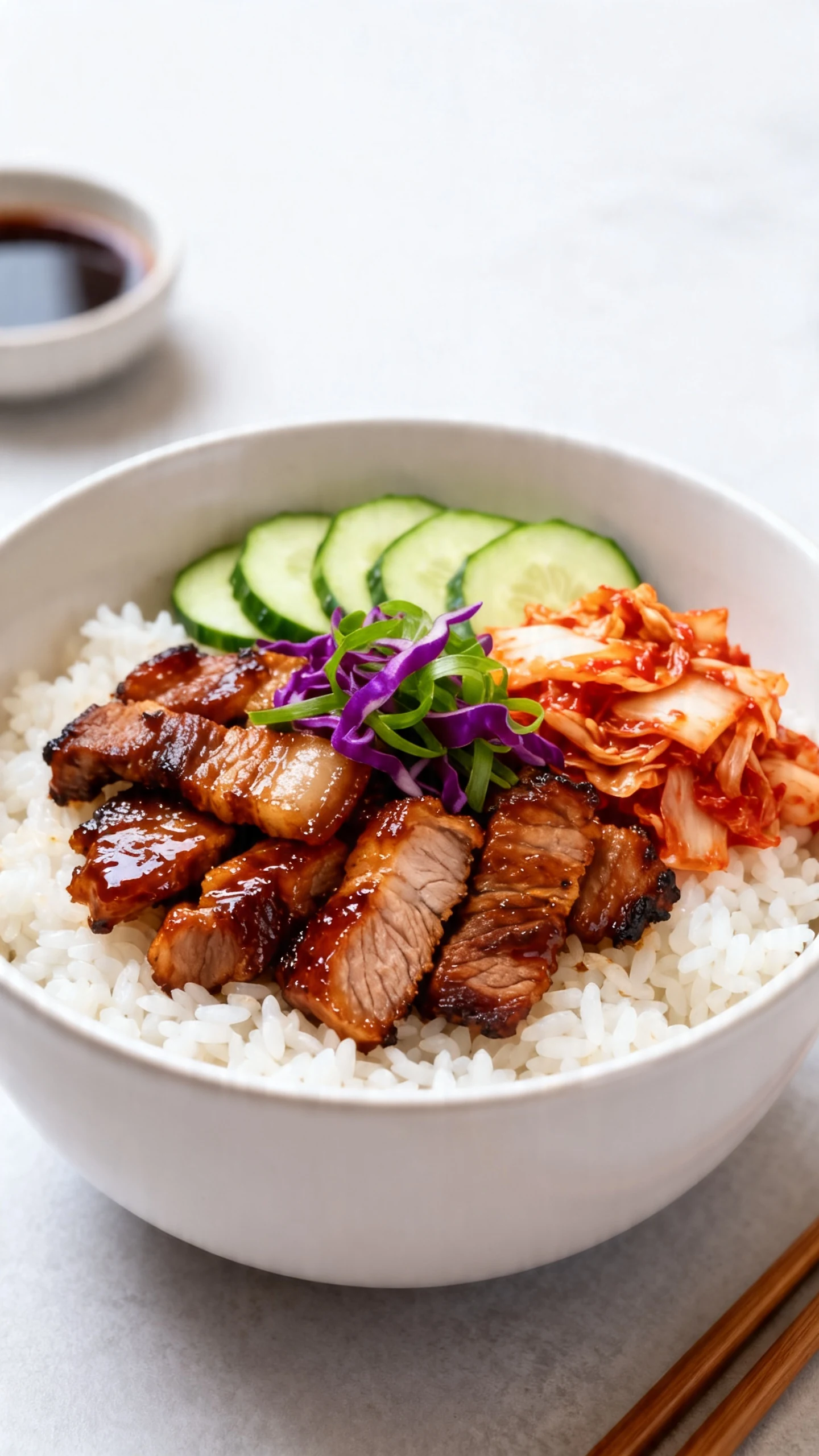
Serve immediately. Spoon it over rice, tuck it into lettuce wraps, or pile it into bowls with crunchy vegetables. FYI, people will absolutely hover near the stove and steal pieces. Plan accordingly.
Storage Instructions
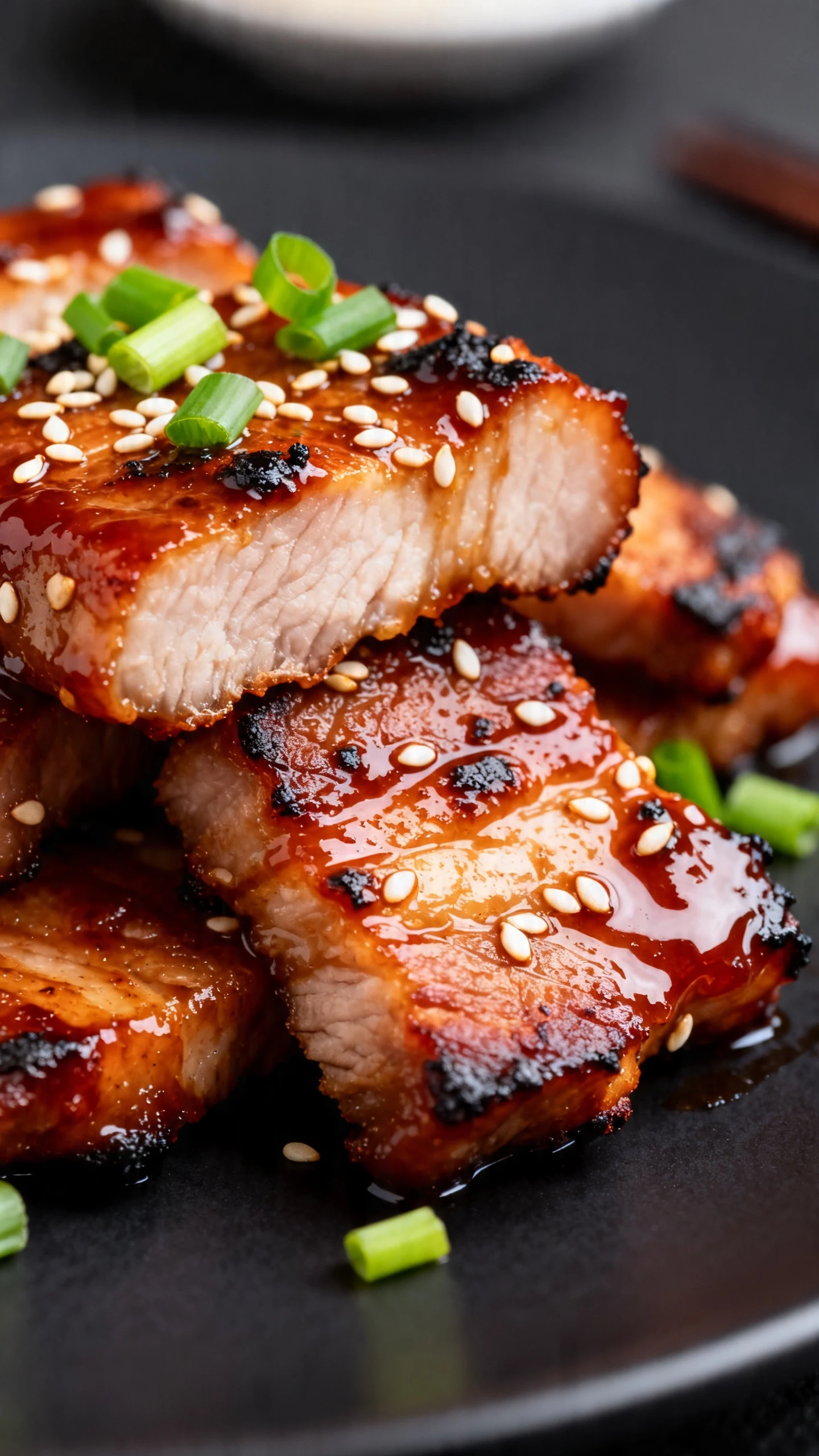
Store leftovers in an airtight container in the refrigerator for up to 4 days. The flavor actually deepens a little by the next day, so leftovers are not a consolation prize here. They are a strategy.
To reheat, warm the pork in a skillet over medium heat for a few minutes until hot. You can also microwave it, but the skillet brings back some of the caramelized edges. Add a splash of water if the sauce looks too thick.
You can freeze cooked pork for up to 2 months. Let it cool completely, portion it into freezer safe containers, and label it so it does not become a mystery brick later. Thaw overnight in the fridge before reheating.
Nutritional Perks
This recipe brings more to the table than just big flavor. Pork provides a solid amount of protein, which helps make the meal satisfying and useful for meal prep. It also offers nutrients like B vitamins, zinc, and selenium.
Garlic and ginger add more than aroma. They contribute antioxidants and plenty of punch without relying on heavy cream, butter, or complicated extras. That means you get bold taste with a pretty efficient ingredient list.
You also control the sugar, sodium, and heat level at home. That is a major win compared with many takeout versions, which can go full chaos with sweetness and salt. Pair the pork with rice and vegetables, and you have a balanced meal that does not feel like diet food pretending to be fun.
Avoid These Mistakes
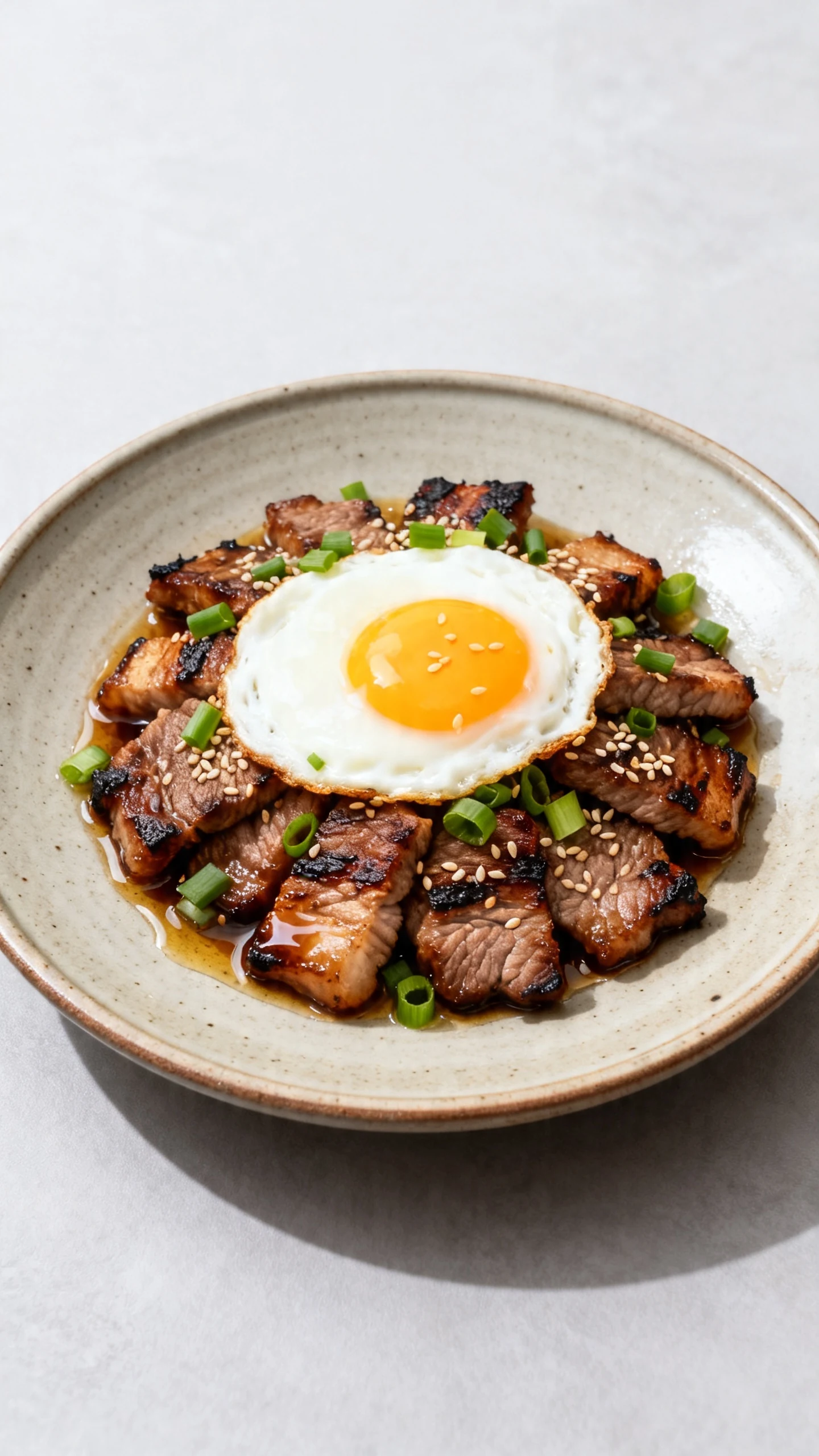
Do not use a cold pan. High heat creates the signature sear and caramelized edges. A lukewarm skillet turns this into a saucy pork pile, and nobody asked for that.
Do not crowd the pan. If the pieces sit too close together, they steam instead of brown. Cook in batches and keep your standards high.
Do not skip the marinating time. Even a short rest helps the meat absorb flavor. Tossing the pork straight into the pan with barely any time to sit will still work, but it will not hit the same.
Do not overcook lean cuts. If you use pork loin because it was in the fridge already, watch it carefully. Lean meat dries out fast and loses that juicy texture that makes this recipe irresistible.
Do not burn the sugars. Brown sugar and honey help create those glossy edges, but they can go from caramelized to bitter quickly. Stay close to the stove and keep the cooking time short.
Mix It Up
If you want a spicier version, add extra gochujang or a little sriracha to the marinade. For a sweeter finish, increase the honey slightly. You are in charge here, which is honestly the best part of cooking at home.
Try swapping the pork for chicken thighs or thinly sliced beef if that is what you have. The same marinade works beautifully, though cooking times may vary slightly. This sauce has range.
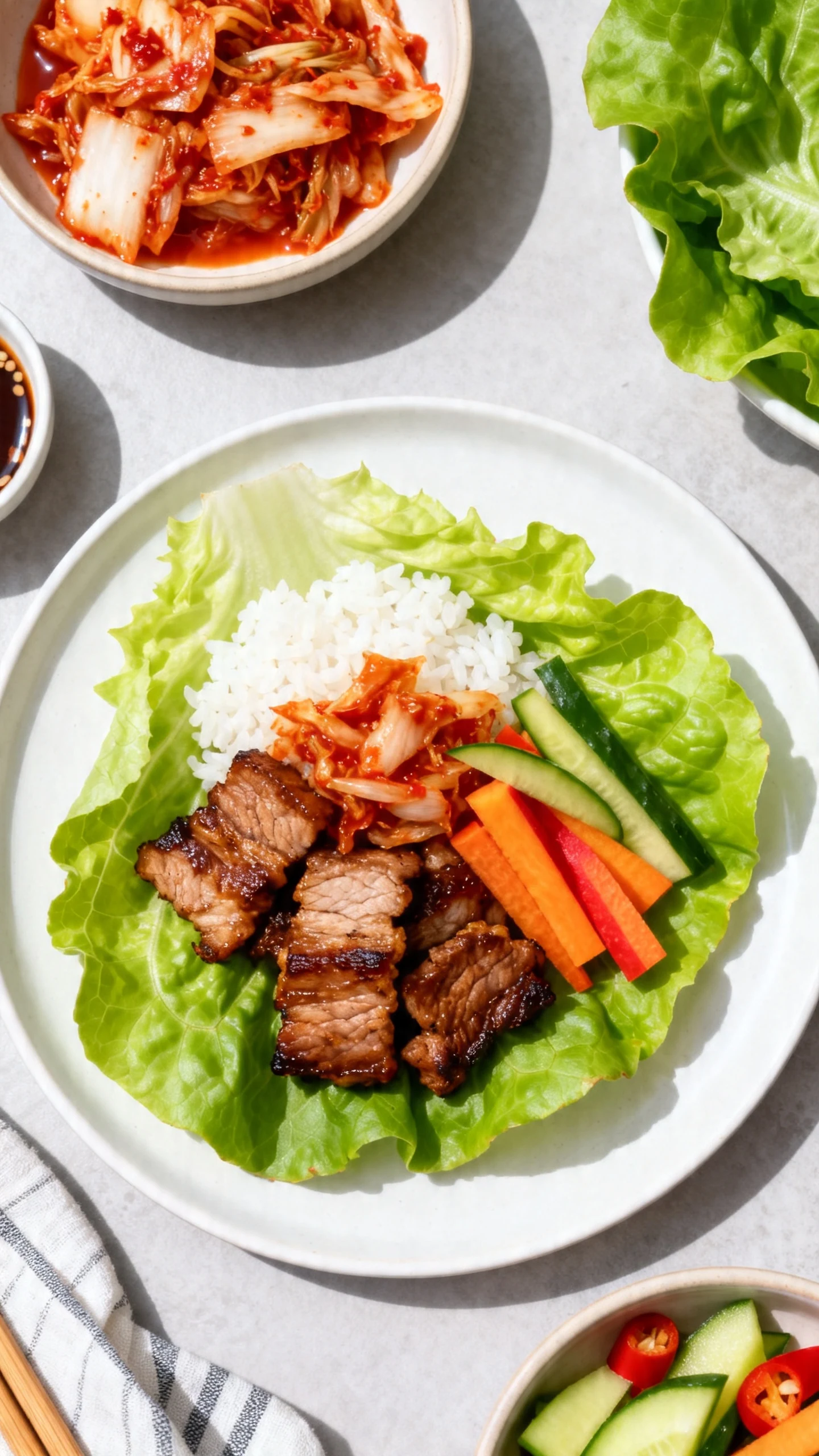
For a lighter bowl, serve the meat over cauliflower rice or in lettuce wraps with shredded carrots and cucumbers. For a richer version, top it with a fried egg and a drizzle of spicy mayo. Yes, that sounds a little extra, because it is.
You can also bulk it up with vegetables. Add sliced mushrooms, bell peppers, or cabbage to the pan after the pork cooks. They soak up the sauce and make dinner stretch further without tasting like a compromise.
FAQ
What cut of pork works best for this recipe?
Pork shoulder is the top choice because it has enough fat to stay juicy and flavorful under high heat. Thinly sliced pork belly also works if you want a richer result. If you use leaner cuts, cook them quickly and watch them closely.
Can I make this without gochujang?
Yes, but the flavor will change. You can mix a little chili garlic sauce with a touch of miso or extra soy sauce and sugar for a rough substitute. It will still taste good, just not quite as deep, sweet, and distinctly Korean inspired.
How long should I marinate the pork?
Thirty minutes is the minimum for solid flavor. Two to four hours gives you better penetration and more balanced taste. Overnight is excellent if you want the easiest possible dinner the next day.
Can I cook this in the oven?
Yes, though you will lose some of the quick sear you get from a pan or grill. Spread the pork on a sheet pan and roast it at a high temperature until cooked through, then broil briefly to caramelize the edges. Keep an eye on it so the sugars do not burn.
What should I serve with it?
Steamed rice, kimchi, lettuce wraps, cucumber salad, and pickled vegetables are all great choices. If you want a full spread, add grilled vegetables and a simple soup. If you want minimal effort, rice and sliced cucumbers already make this feel complete.
Is this recipe very spicy?
It has a gentle to moderate heat, depending on your gochujang and whether you add red pepper flakes. You can easily adjust it down by reducing the chili elements or up by adding more. This recipe does not need to be a fire challenge to be delicious.
In Conclusion
This recipe delivers exactly what great home cooking should deliver: huge flavor, straightforward steps, and results that make people think you worked harder than you did. It is fast enough for a weeknight, exciting enough for guests, and flexible enough to fit whatever serving style you like best. That is a pretty strong return for one skillet and a marinade.
If you want a meal that feels bold, comforting, and just a little bit showy in the best way, make this. Let it char, serve it hot, and do not be surprised when everyone asks for the recipe before they finish chewing. Honestly, that is the whole point.