Sticky, smoky-sweet chicken with crisp edges and a fast marinade—weeknight-friendly, grill or oven, minimal cleanup.
You know that moment when the tray hits the table and everyone suddenly “forgets” their phone exists? That’s this chicken. It’s glossy, spicy-sweet, and just charred enough to taste like you paid someone with a flame-thrower and a secret sauce vault. The best part: you don’t need a grill, a wok, or a culinary degree from Seoul. You need a bowl, a pan, and the courage to use enough garlic.
This recipe plays the hits: soy, gochujang, ginger, and a little honey to make it cling like it has separation anxiety. It’s built for busy nights, meal prep, and those “I should probably cook” moods. And yes, it makes rice taste like it finally found its purpose.
What Makes This Recipe Awesome
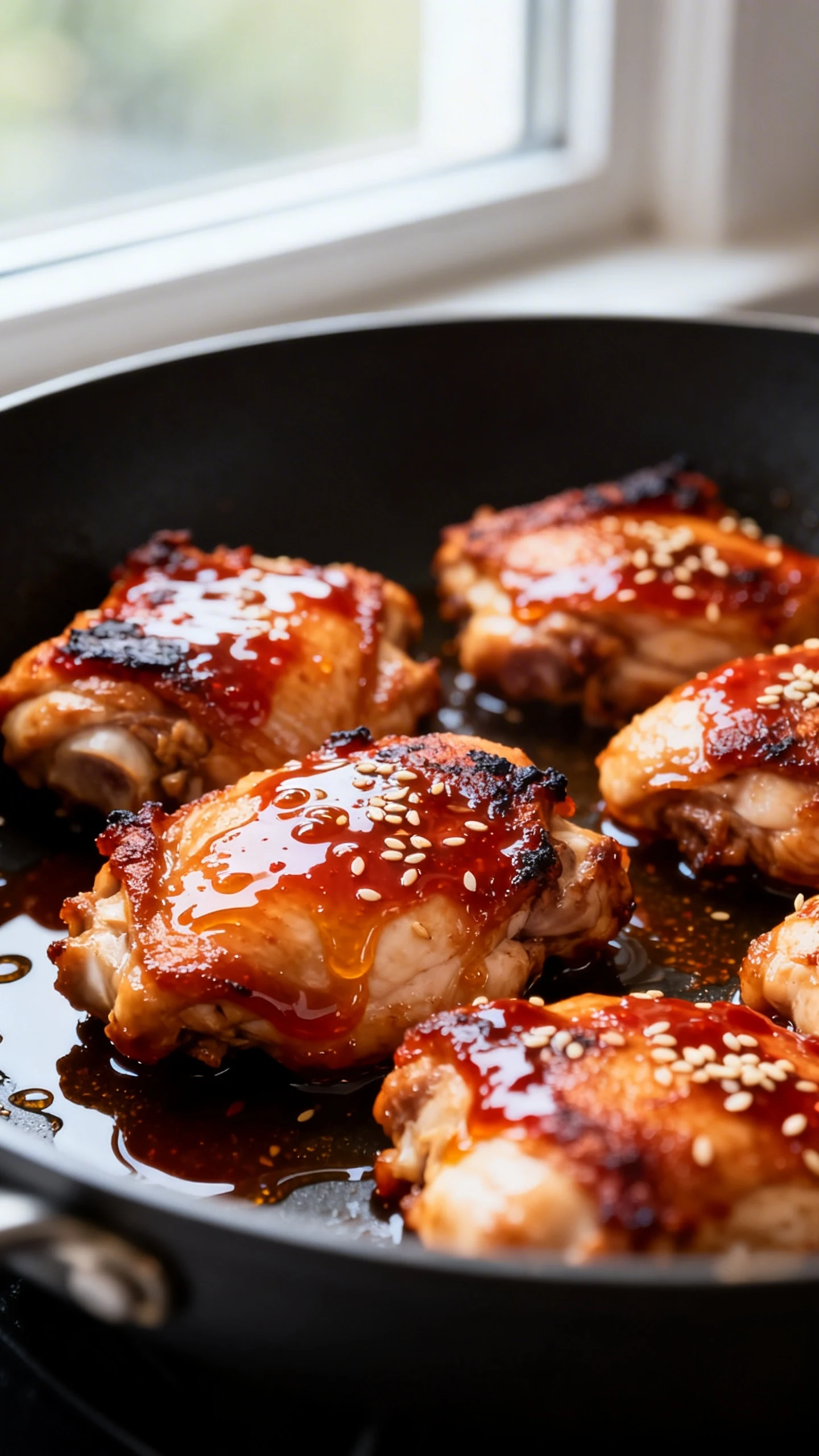
This is the rare dinner that feels impressive but behaves like a low-maintenance friend. You get caramelized edges, juicy meat, and a sauce that turns into a glossy glaze without weird thickeners. It scales up easily, so it works for date night or feeding a small army of hungry relatives.
Big flavor, small effort drives the whole thing. The marinade doubles as the finishing glaze, so you don’t make two sauces and wash twice the dishes. You can cook it on a grill, under the broiler, or in a hot skillet, and it still delivers that smoky-sweet vibe.
Also, the leftovers don’t get sad. The next day, it becomes rice-bowl gold, taco filling, salad topper, or “standing at the fridge with a fork” snack. No judgment, just results.
Ingredients
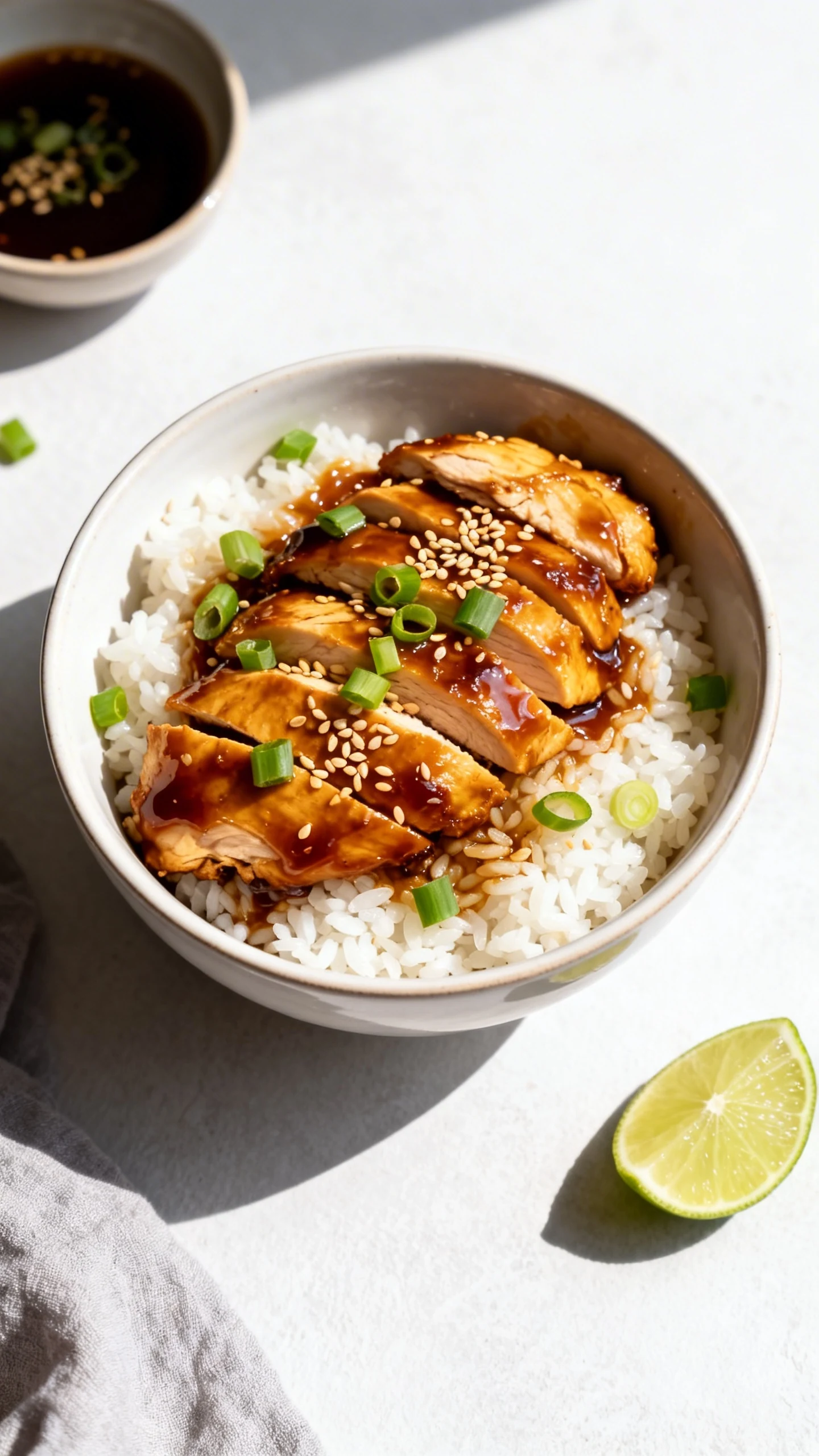
These amounts serve about 4, with enough sauce to keep things interesting.
- 1 1/2 to 2 pounds boneless, skinless chicken thighs (or breasts, sliced thinner)
- 2 tablespoons neutral oil (avocado, canola, or grapeseed), plus more for cooking
- 1/4 cup soy sauce (or tamari)
- 2 1/2 tablespoons gochujang (Korean chili paste)
- 1 tablespoon gochugaru (Korean chili flakes), optional for extra heat
- 2 tablespoons honey or brown sugar
- 1 tablespoon toasted sesame oil
- 2 tablespoons rice vinegar (or apple cider vinegar)
- 4 cloves garlic, grated or finely minced
- 1 tablespoon fresh ginger, grated
- 2 tablespoons ketchup, optional for extra glossy sweetness
- 2 teaspoons cornstarch (for a thicker glaze), optional
- 2 tablespoons water (only if using cornstarch)
- 2 to 3 scallions, thinly sliced (for finishing)
- 1 to 2 teaspoons toasted sesame seeds (for finishing)
- Freshly ground black pepper
- Lime wedges, optional
- Cooked rice, lettuce leaves, or steamed veggies for serving
Instructions
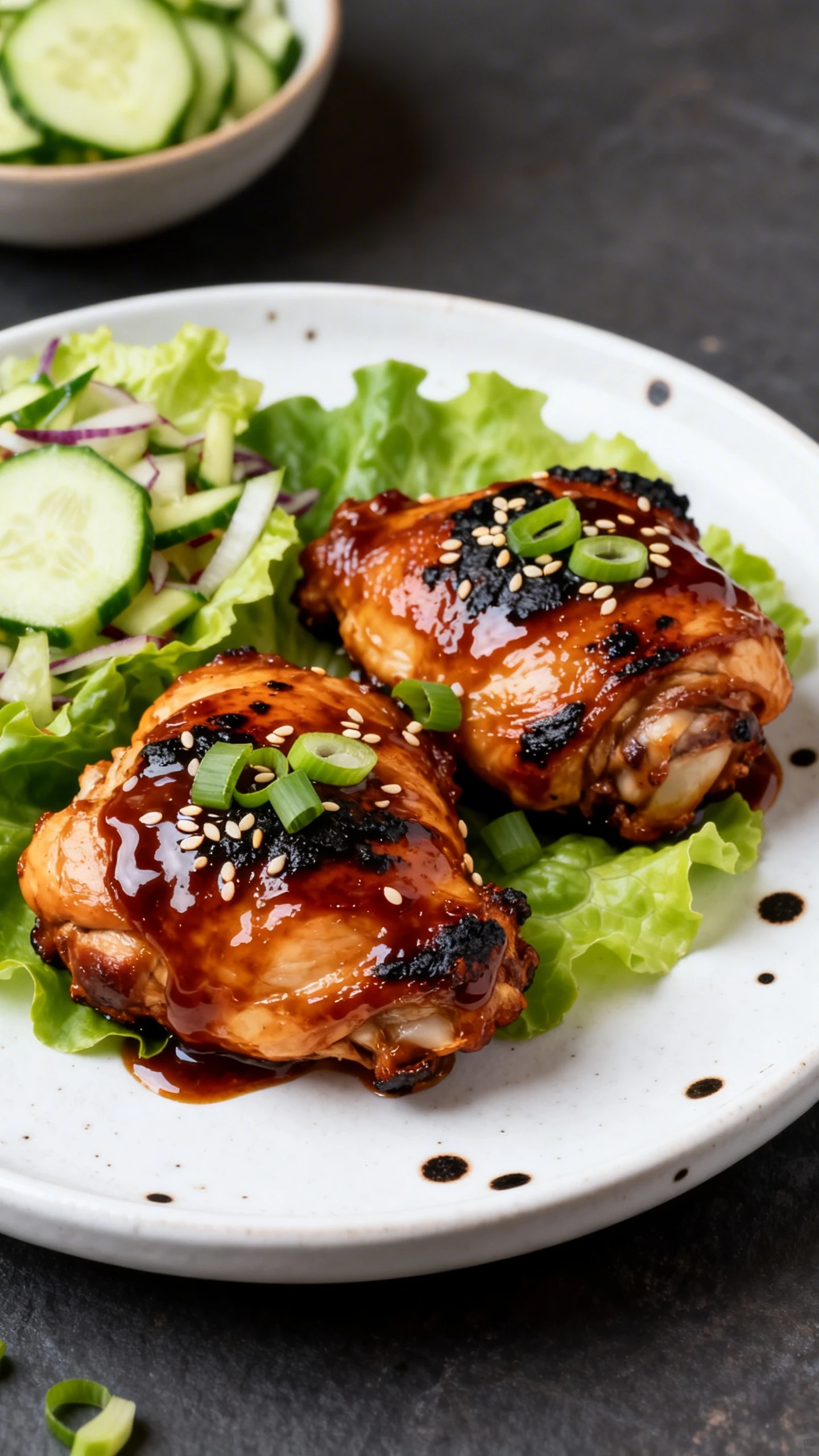
Choose your cooking method based on your mood and your smoke alarm’s personality.
-
Make the sauce-marinade. In a bowl, whisk soy sauce, gochujang, honey, sesame oil, vinegar, garlic, ginger, neutral oil, black pepper, and ketchup if using.
-
Reserve some for glazing. Scoop out about 1/3 cup of the mixture into a small bowl and set it aside. This keeps the finishing sauce clean and not “raw chicken adjacent.”
-
Marinate the chicken. Add chicken to the remaining sauce and toss until coated. Marinate 20 to 30 minutes at room temp, or 2 to 12 hours in the fridge for deeper flavor.
-
Optional: thicken the glaze. If you want a stickier finish, mix cornstarch with water. Add it to the reserved sauce, then simmer it in a small pan for 1 to 2 minutes until glossy. Keep it warm.
-
Skillet method (fast and foolproof). Heat a large skillet over medium-high with a thin layer of oil. Cook thighs 5 to 7 minutes per side (or until cooked through). If the pan looks dry, add a tiny splash of water to prevent scorching.
-
Broiler method (hands-off char). Line a sheet pan with foil and lightly oil it. Broil chicken 5 to 7 minutes per side, about 5 to 6 inches from the heat, until caramelized and cooked through.
-
Grill method (maximum bragging rights). Preheat to medium-high and oil the grates. Grill 5 to 6 minutes per side for thighs, flipping once, and pull when the thickest part hits 165°F.
-
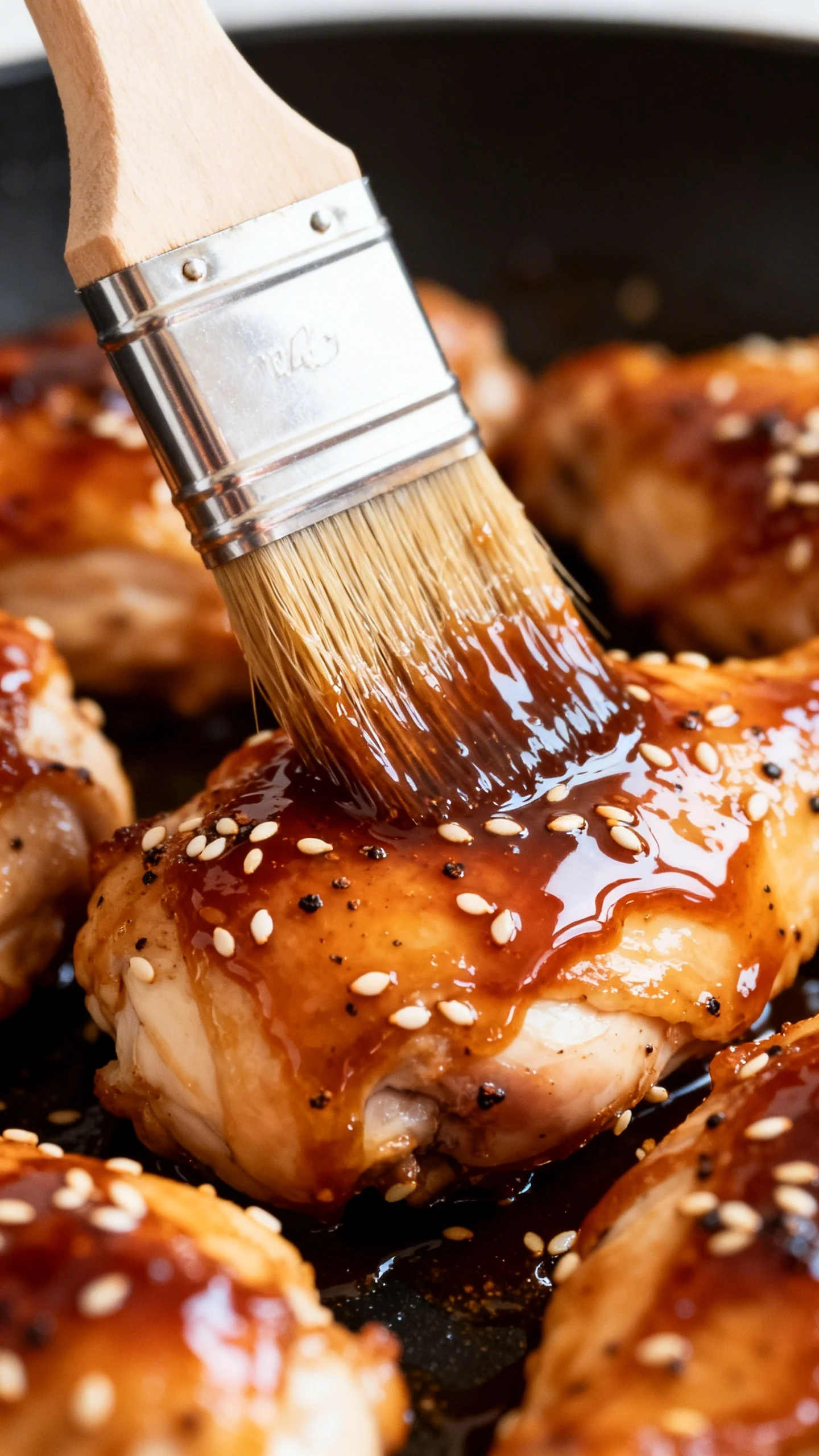
Glaze like you mean it. In the last 1 to 2 minutes of cooking, brush or spoon on the reserved sauce. Let it bubble and cling. Do not walk away now; sugar loves drama.
-
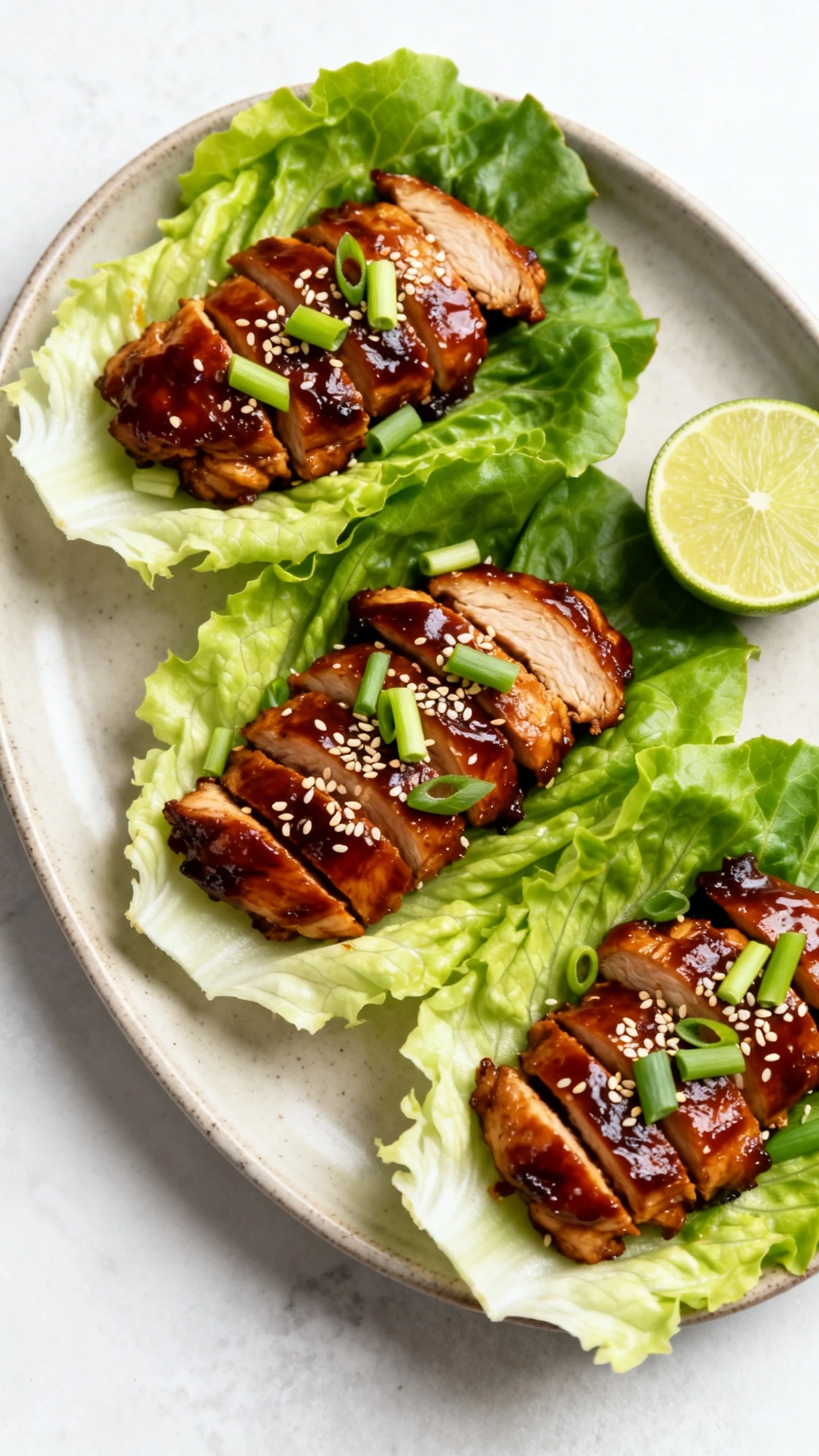
Rest, then slice. Rest the chicken 3 to 5 minutes. Slice against the grain for the juiciest bite.
-
Finish and serve. Top with scallions and sesame seeds. Serve with rice, lettuce wraps, or a crunchy cucumber salad. Add lime if you want a bright pop.
Storage Instructions
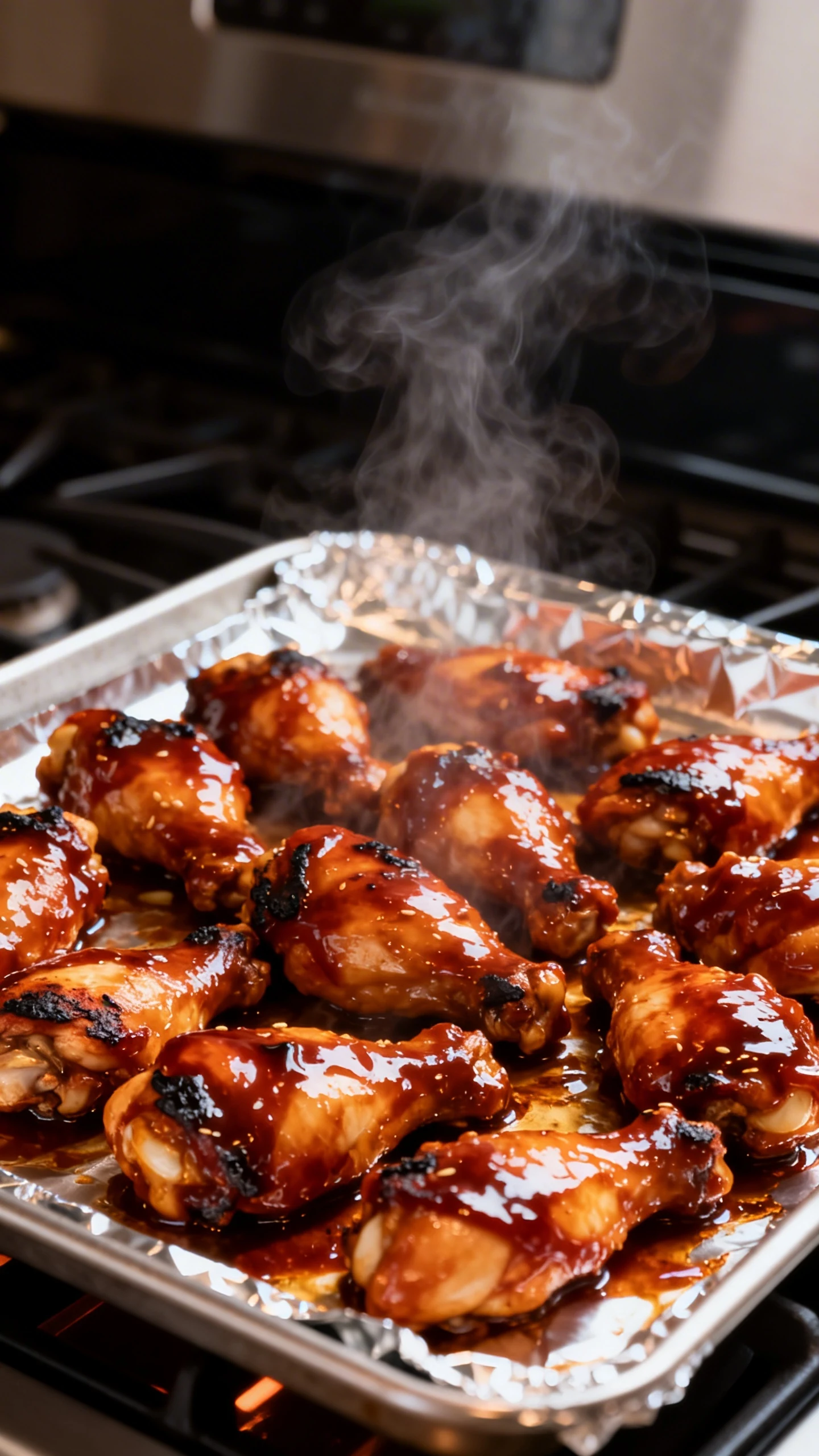
Store leftovers in an airtight container in the fridge for up to 4 days. The glaze thickens as it chills, which is basically it getting more confident. If you meal prep, keep rice and chicken separate so the rice doesn’t turn into a sticky situation.
For freezing, cool completely, then freeze in portions for up to 2 months. Thaw overnight in the fridge for best texture. Reheat gently in a skillet with a splash of water, or microwave in short bursts, stirring the sauce so it doesn’t over-reduce.
If you saved extra glaze, store it separately and use within 3 days. Warm it up and drizzle over reheated chicken to bring back that fresh-cooked shine.
Nutritional Perks
You get a solid dose of protein from the chicken, which helps keep you full and makes this meal feel like a real dinner, not a snack that pretends. Chicken thighs add richness and stay juicy, especially helpful if you tend to overcook things while checking “just one more” message.
Ginger and garlic bring more than flavor; they add a punchy, aromatic kick that makes the dish feel vibrant. The spicy elements can also make the meal feel more satisfying, so you don’t chase dessert out of boredom. FYI, you can control the sweetness and salt easily by adjusting honey and soy sauce.
Pair it with veggies and rice or whole grains for a balanced plate. If you want lighter, lettuce wraps work shockingly well and still feel like a treat.
Common Mistakes to Avoid
This recipe forgives a lot, but it doesn’t love chaos. Keep these in mind so you get glaze, not regret.
- Skipping the reserved sauce: Don’t use raw-marinade as a finishing drizzle unless you boil it first.
- Cooking on low heat: You need medium-high heat to caramelize; low heat makes it watery and pale.
- Adding all the glaze too early: Sugar burns quickly, so glaze near the end.
- Overcrowding the pan: Steam is not the vibe. Cook in batches if needed.
- Using chicken breasts without adjusting: Slice thinner or reduce cooking time so they stay juicy.
- Forgetting acid: Vinegar or lime balances sweetness; otherwise it can taste flat.
Variations You Can Try
Once you nail the base recipe, you can remix it like a playlist. Keep the core sauce idea, then tweak based on what you have and what you crave.
- Spicy-sweet extra heat: Add more gochugaru or a spoon of chili crisp. IMO, this is the move if you love a slow burn.
- Pineapple glaze: Swap half the honey for pineapple juice and broil for a tropical char.
- Crispy air-fryer version: Air fry at 400°F for about 12 to 16 minutes, flipping halfway, then brush glaze and cook 1 to 2 minutes more.
- Garlic-forward: Add 2 more cloves and a little extra black pepper for a sharper bite.
- Sesame-ginger lean: Use chicken breast and add extra ginger, then serve with a big crunchy salad.
- Vegetarian-friendly: Use extra-firm tofu or thick-sliced mushrooms; press tofu well and cook hot for browning.
FAQ
Do I need gochujang to make this taste right?
It’s the secret engine of the flavor, so yes, it helps a lot. If you can’t find it, mix a little sriracha with miso and a pinch of sugar, but expect a different vibe. The dish will still be tasty, just not as deeply savory and sticky.
How long should I marinate the chicken?
Twenty to thirty minutes works for a weeknight. If you plan ahead, 2 to 12 hours gives a deeper, more even flavor. Avoid going too long with lots of vinegar if you use very thin slices, because the texture can get a little weird.
Can I bake it instead of broiling or pan-searing?
Yes. Bake at 425°F until cooked through, usually 18 to 25 minutes depending on thickness, then broil for 1 to 3 minutes to caramelize. Add the glaze near the end so it doesn’t burn during the longer bake.
How do I keep the sauce from burning?
Cook the chicken most of the way first, then add the sugary glaze in the last couple minutes. If your pan runs hot, lower the heat slightly and add a splash of water to loosen the sauce. Stay close; this is not a “walk away and fold laundry” sauce.
What should I serve with it?
Rice is the obvious classic, but it also loves lettuce wraps, roasted broccoli, or a crunchy cucumber salad. Add something fresh and crisp to balance the sticky glaze. If you want a fast side, sliced cucumbers with vinegar and a pinch of salt basically handles itself.
Is this recipe very spicy?
At the base level, it’s more of a warm, flavorful heat than a dare. To make it milder, reduce gochujang slightly and skip gochugaru. To crank it up, add gochugaru, chili crisp, or a pinch of cayenne.
Can I make it ahead for meal prep?
Absolutely. Cook it, cool it, and portion it with rice and veggies for up to 4 days. Keep extra glaze separate and add it after reheating for the best texture and shine.
Final Thoughts
This is the kind of dinner that makes you feel like you hacked the system. You get bold, glossy, restaurant-style flavor with basic tools and a short ingredient list. It’s fast enough for a weeknight, impressive enough for guests, and flexible enough to fit whatever’s in your fridge.
If you try it once, you’ll start “accidentally” buying extra chicken thighs. You’ll also catch yourself looking at random vegetables like, “Would you be better with this glaze?” The answer is usually yes.