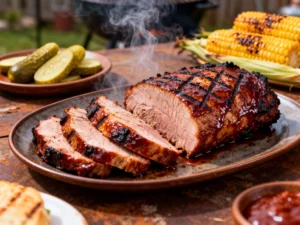
Sweet, savory, and fast to mix, this bold sauce turns weeknight meat into restaurant-style barbecue with minimal effort.
You do not need a fancy grill, a culinary degree, or a secret auntie recipe to make absurdly good Korean-style barbecue at home. You need the right balance of sweet, salty, garlic, and umami, and this marinade delivers all of it fast. It makes cheap cuts taste expensive, boring chicken taste intentional, and dinner feel like a flex. If your current marinade tastes flat, this is the upgrade that fixes the whole situation.
The magic here is simple: a few pantry ingredients team up and do far more than they should. Soy sauce brings depth, brown sugar gives caramelized edges, garlic and ginger wake everything up, and sesame adds that unmistakable roasted finish. Pear or apple softens the meat and adds subtle sweetness without making things weird. In other words, it works hard so you do not have to.
Why This Recipe Works
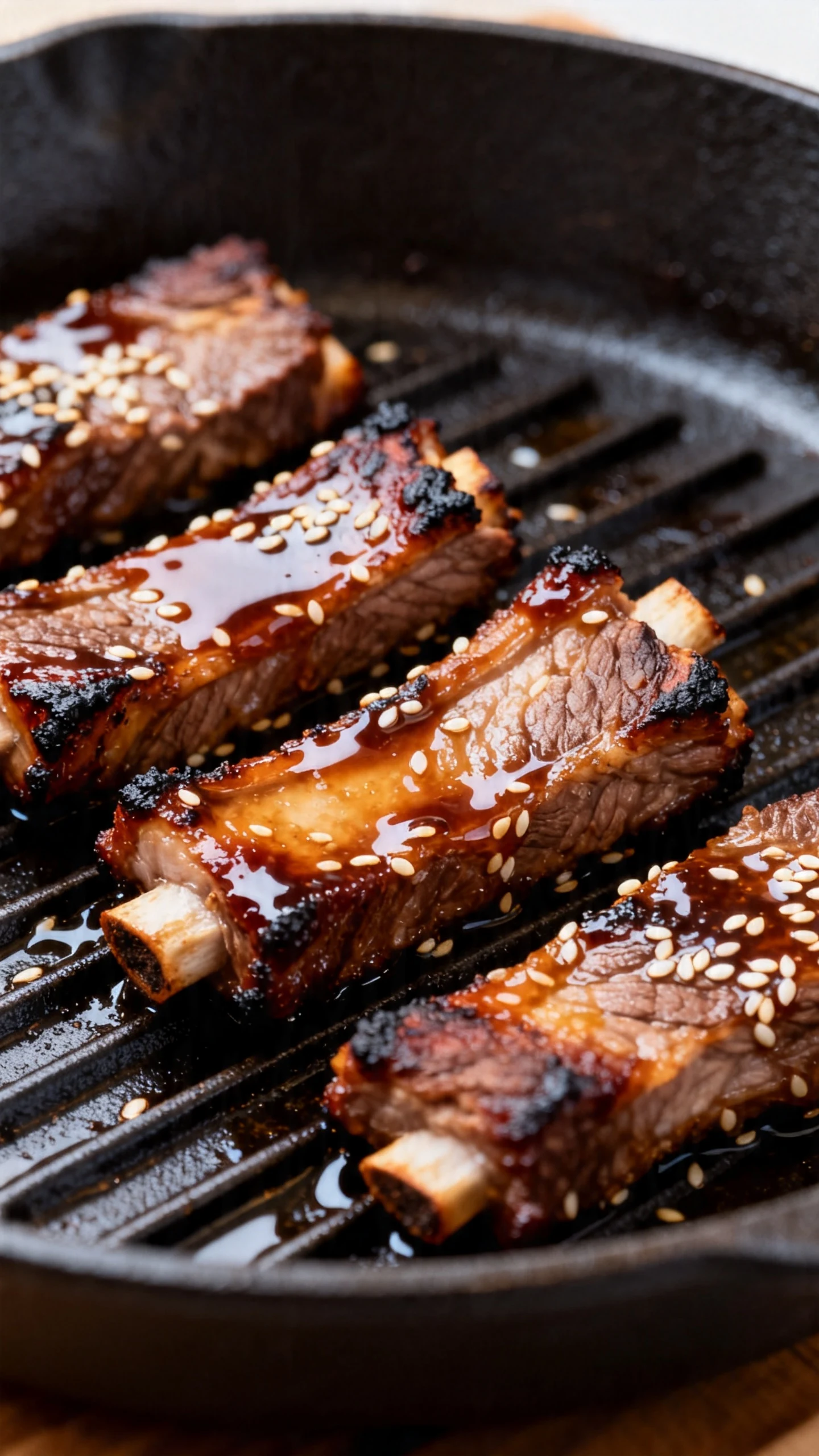
This marinade hits the core flavor notes that make Korean barbecue so addictive: salty, sweet, savory, nutty, and just a little sharp. Nothing dominates. Every ingredient has a job, and unlike some marinades that taste like sweet soy soup, this one stays balanced.
It also works across multiple proteins. Use it for thinly sliced beef, chicken thighs, pork shoulder, short ribs, tofu, or even mushrooms. That means one bowl of marinade can handle your whole dinner plan, which is frankly efficient behavior.
The texture payoff matters too. The sugar helps create glossy browning, while ginger, garlic, and fruit purée help the marinade cling to the surface. You get edges that char beautifully and centers that stay juicy. That is the kind of math we support.
Best of all, the method is forgiving. Mix, marinate, cook hot and fast, and you are in business. IMO, recipes that taste complicated but act simple are the ones worth keeping.
What You’ll Need (Ingredients)
This ingredient list makes enough marinade for about 2 to 3 pounds of meat or vegetables. You can halve it for a smaller batch, but leftovers are useful, so maybe do not.
- 1 cup low-sodium soy sauce
- 1/2 cup brown sugar, packed
- 1/4 cup sesame oil
- 1 Asian pear or sweet apple, peeled and grated or blended
- 6 cloves garlic, finely minced
- 1 tablespoon fresh ginger, grated
- 2 tablespoons rice vinegar
- 2 tablespoons mirin or additional brown sugar mixed with a splash of water
- 2 tablespoons gochujang for heat, optional
- 1 tablespoon honey
- 3 green onions, thinly sliced
- 1 teaspoon black pepper
- 1 tablespoon toasted sesame seeds
For the protein, choose one or a mix of the following:
- Beef short ribs
- Thinly sliced ribeye or sirloin
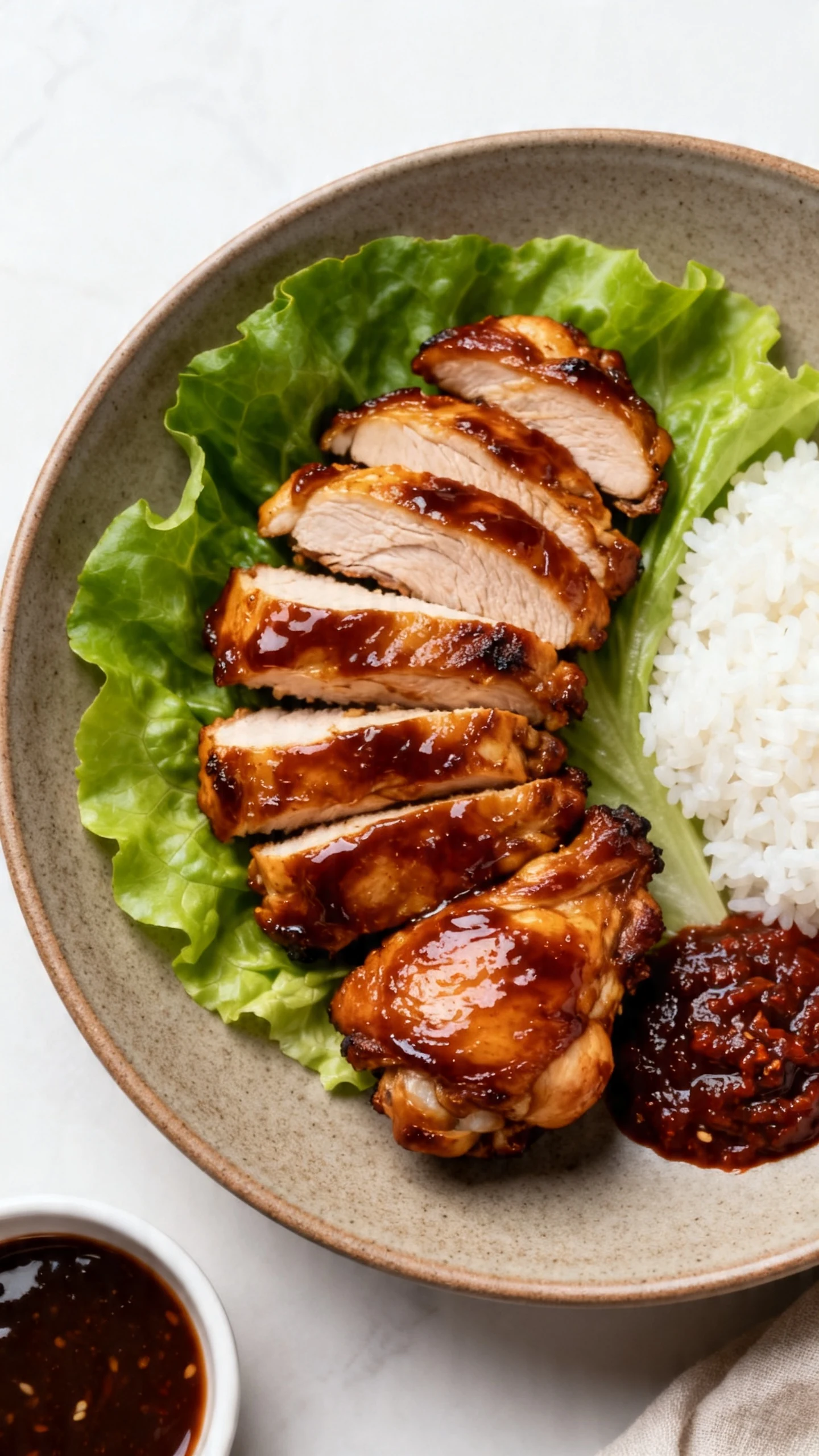
- Boneless chicken thighs
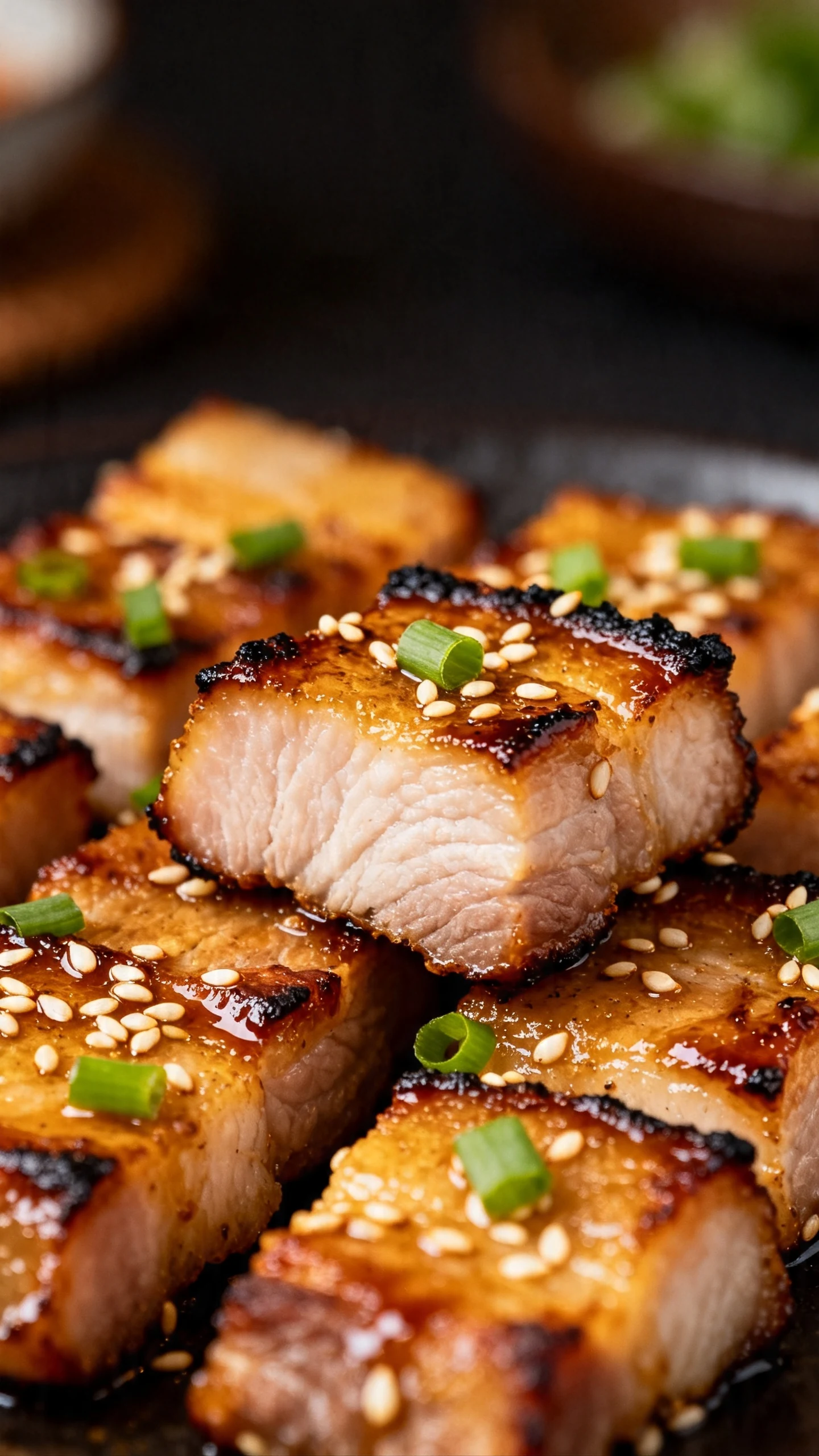
- Pork shoulder or pork belly
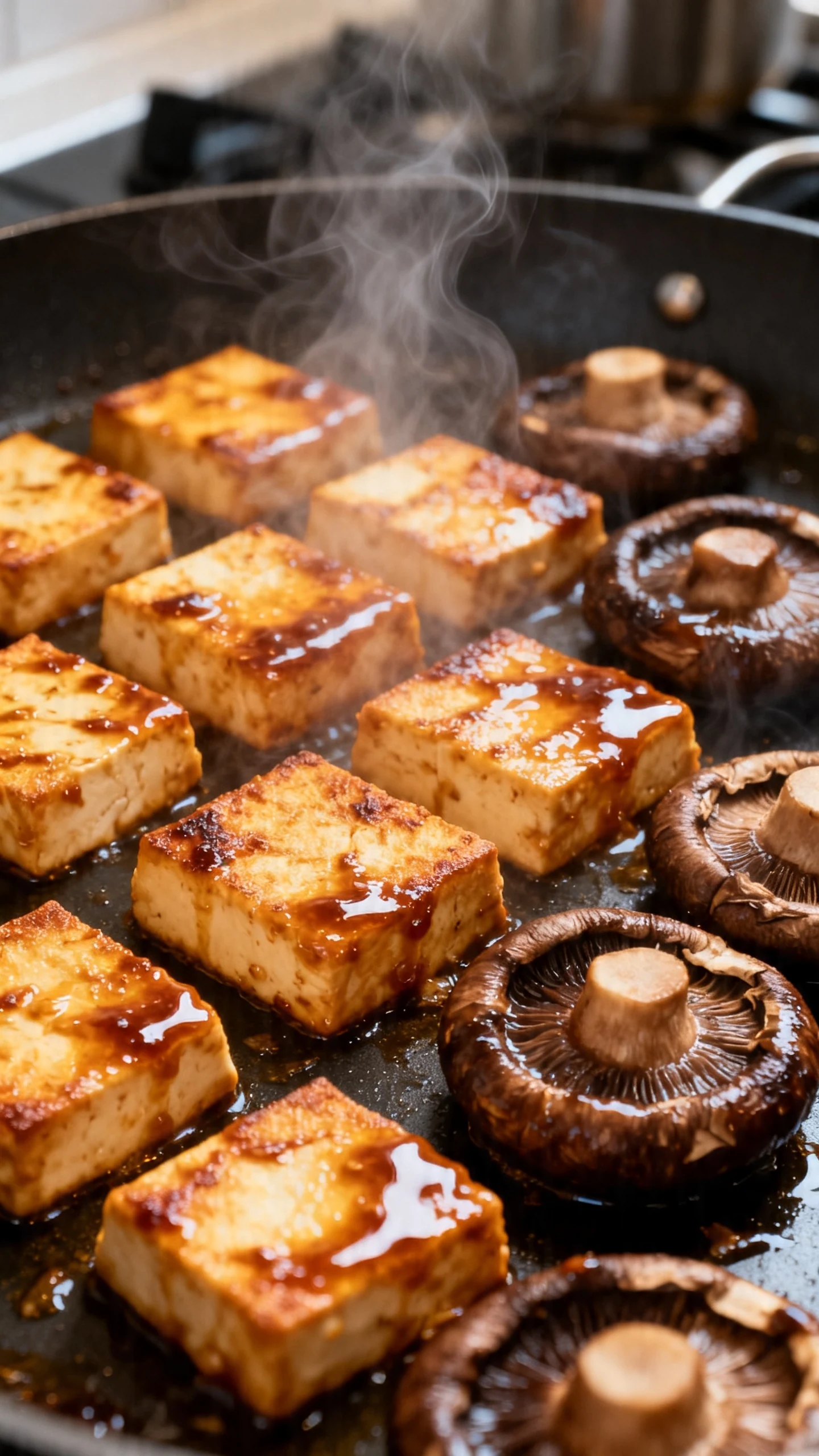
- Extra-firm tofu
- Portobello mushrooms or king oyster mushrooms
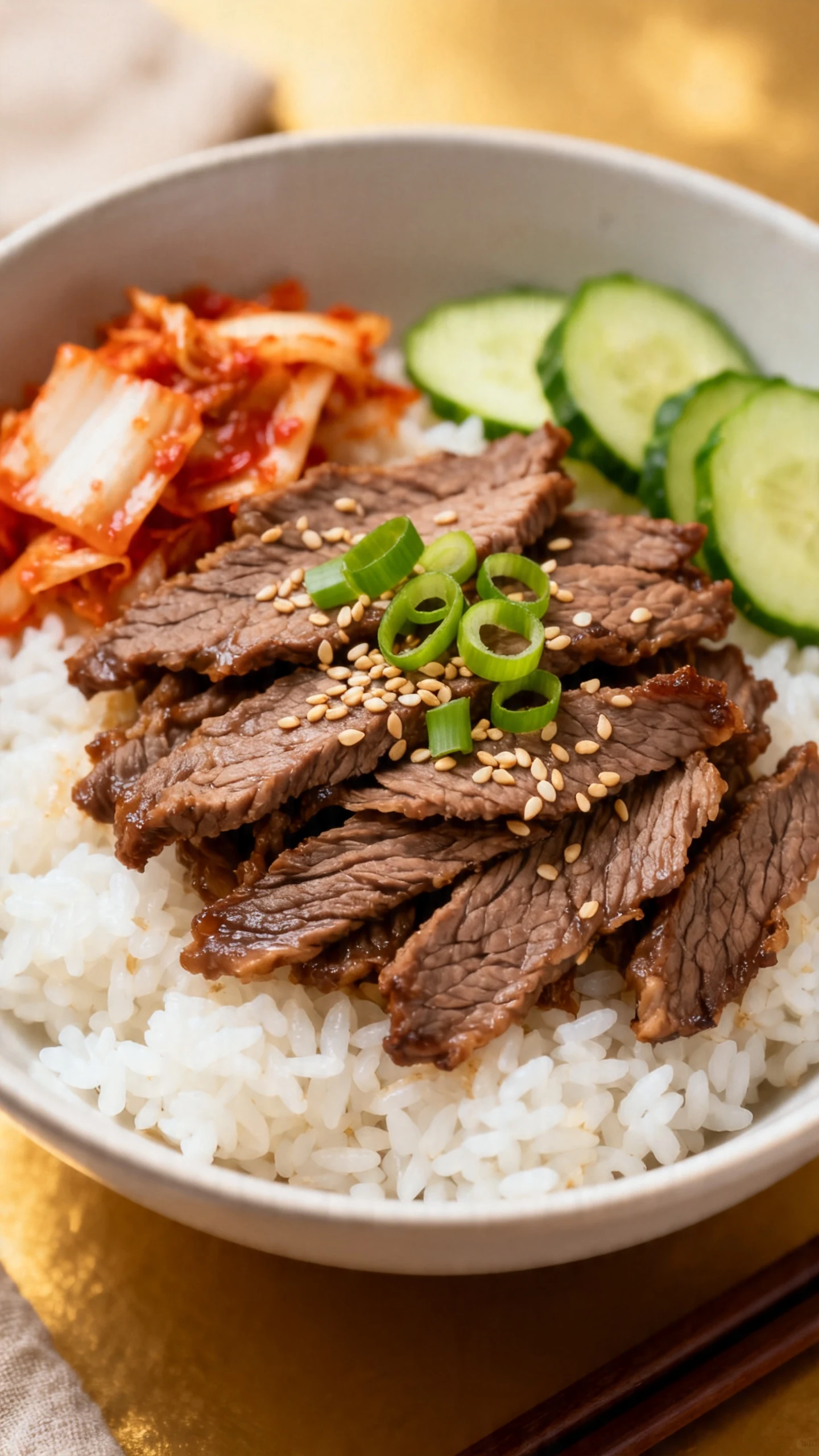
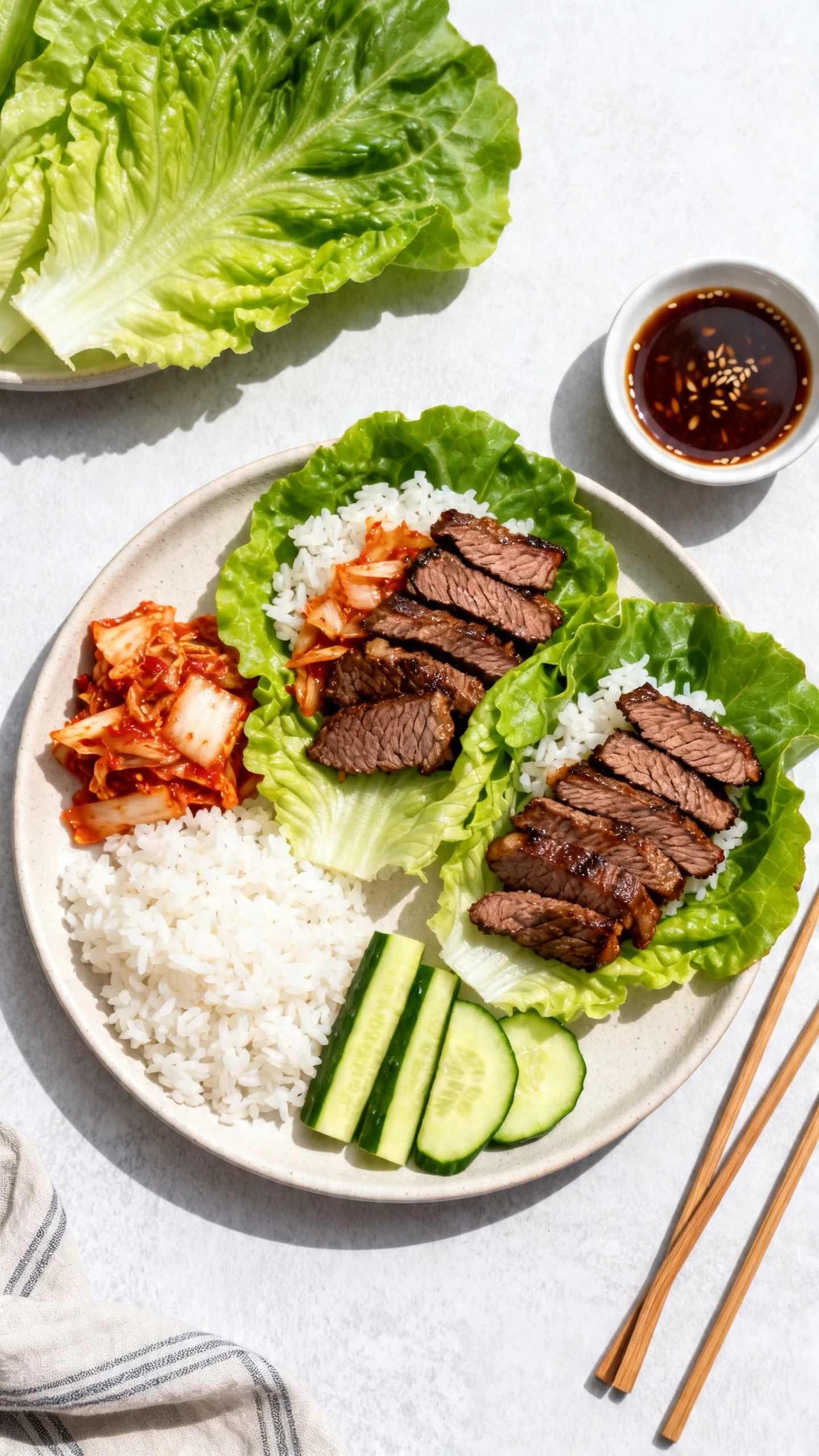
If you want serving extras, grab lettuce leaves, steamed rice, kimchi, sliced cucumbers, and ssamjang. Nobody will complain. They may, however, expect you to make this again.
Let’s Get Cooking – Instructions
-
Make the marinade. In a medium bowl, whisk together soy sauce, brown sugar, sesame oil, grated pear, garlic, ginger, rice vinegar, mirin, honey, green onions, black pepper, and sesame seeds. If you want spice, stir in the gochujang until smooth. Taste it and adjust the sweetness or saltiness before it meets the meat.
-
Prep your protein. Slice beef thinly if needed, trim excess fat from chicken, and cut pork into grill-friendly pieces. If you use tofu, press it well so it does not act like a wet sponge with trust issues. Pat everything dry so the marinade can coat instead of slide off.
-
Marinate with intention. Place your protein in a zip-top bag or shallow dish and pour the marinade over it. Turn everything so every piece gets coated. Marinate beef for 30 minutes to 4 hours, chicken or pork for 2 to 8 hours, and tofu or mushrooms for 30 minutes to 2 hours.
-
Preheat the cooking surface. Heat a grill, grill pan, cast-iron skillet, or broiler until very hot. Korean barbecue loves high heat because it creates quick browning without drying the meat out. If your pan is lukewarm, you are steaming dinner, and nobody asked for that.
-
Cook in batches. Remove the protein from the marinade and let excess drip off. Cook in a single layer so the pieces sear instead of crowd each other into sadness. Thin beef may need only 1 to 2 minutes per side, while chicken and pork need longer until fully cooked.
-
Caramelize, do not burn. Because the marinade contains sugar, it can go from glossy to scorched fast. Keep the heat high, but stay present and flip as needed. You want deep brown edges, not a pan full of edible regret.
-
Rest briefly. Let cooked meat rest for 3 to 5 minutes before serving. This keeps juices inside where they belong. Slice larger pieces against the grain for the most tender bite.
-
Serve it right. Pile the meat over rice, wrap it in lettuce, or serve it alongside kimchi and vegetables. Spoon any reserved, unused marinade that you boiled separately into a glaze or dipping sauce. FYI, that extra step makes the whole meal taste more complete.
Storage Instructions
Store unused marinade in an airtight container in the refrigerator for up to 5 days. Stir before using because the ingredients naturally settle. If it smells off or looks questionable, trust your instincts and move on.
Store cooked meat in the refrigerator for up to 4 days. Reheat it in a hot skillet or microwave until warmed through. A skillet works better if you want to bring back some of the caramelized edges instead of just warming the sadness.
You can freeze the marinade for up to 3 months. You can also freeze raw meat in the marinade, which saves time later and lets the flavor sink in while it thaws. Just label it clearly so future you does not play freezer roulette.
Why This is Good for You
This recipe gives you big flavor without requiring heavy cream, deep frying, or a pile of processed ingredients. You control the sugar, sodium, and spice level, which means you can tailor it to your goals instead of letting a bottled sauce decide your life. Homemade usually wins that round.
Garlic and ginger bring more than flavor. They contain compounds linked to anti-inflammatory and antioxidant benefits, and they make food taste alive. The pear or apple adds natural sweetness, so you can often use less refined sugar overall.
If you pair the marinade with lean proteins, tofu, or vegetables, it fits easily into a balanced meal. Add rice, lettuce wraps, cucumbers, or grilled vegetables for fiber and freshness. Strong flavor often makes healthy meals easier to stick with, which is not exactly a tragedy.
Common Mistakes to Avoid
-
Using too much marinade in the pan. Excess liquid causes steaming instead of searing. Let the extra drip off before cooking.
-
Marinating too long. Thin beef can get overly salty or mushy if it sits forever. More time is not always more genius.
-
Skipping the fruit. Pear or apple adds sweetness and helps tenderize the meat. It is not random. It is doing real work.
-
Cooking over low heat. You need strong heat for char and caramelization. Otherwise, you get gray meat with enthusiasm issues.
-
Burning the sugars. Stay close to the stove or grill. Sugar browns fast, then turns bitter even faster.
-
Not tasting the marinade first. Soy sauces vary, and so do personal preferences. Taste, adjust, and then commit.
-
Reusing raw marinade without boiling it. If the marinade touched raw meat, boil it thoroughly before serving it as sauce. Food safety is still cool.
Alternatives
If you need to swap ingredients, you have options. Use apple or kiwi instead of Asian pear, though kiwi works faster and can soften meat more aggressively. Maple syrup can replace honey, and coconut aminos can stand in for soy sauce if you want a different flavor profile.
For a less sweet version, reduce the brown sugar and honey, then add a bit more sesame oil and rice vinegar. For a spicier version, increase the gochujang or add gochugaru. Want a garlic-heavy marinade that announces itself from the driveway? Add two more cloves.
You can also turn this into a vegetarian favorite. Marinate tofu, tempeh, eggplant, or mushrooms, then grill or roast until browned. The same flavor structure still works because umami does not care whether dinner mooed.
FAQ
How long should I marinate beef for Korean-style barbecue?
Thinly sliced beef usually needs only 30 minutes to 4 hours. Short ribs can go longer, but overnight may make some cuts too salty. Start shorter if you are unsure and adjust next time.
Can I make this marinade ahead of time?
Yes. Mix it up to 5 days in advance and keep it refrigerated in a sealed container. In fact, making it early can improve the flavor because the garlic, ginger, and green onion have more time to mingle.
Is this marinade spicy?
Not unless you add gochujang. The base version leans savory and sweet with lots of garlic and sesame. Add spice gradually so you can control the heat instead of accidentally setting your mouth on a side quest.
Can I use this for chicken and pork too?
Absolutely. Chicken thighs and pork shoulder both work really well because they stay juicy and absorb flavor nicely. Just cook them to safe internal temperatures before serving.
What if I do not have an outdoor grill?
No problem. A cast-iron skillet, grill pan, broiler, or very hot nonstick pan can still give you great results. The key is high heat and not crowding the pan.
Can I use bottled pear juice instead of fresh pear?
Yes, in a pinch. Use a small amount and reduce another liquid slightly so the marinade does not get too thin. Fresh pear gives better texture and flavor, but bottled juice is still a solid backup.
Should I poke holes in the meat before marinating?
No, especially not with thinner cuts. The marinade already works on the surface and around the edges, and holes can make the texture worse. Good slicing and proper marinating time do more than stabbing ever will.
Wrapping Up
This marinade gives you the fast track to bold, glossy, deeply savory barbecue flavor without turning dinner into a whole production. It is flexible, easy to customize, and strong enough to transform everything from weeknight chicken to weekend short ribs. Once you make it from scratch, the bottled stuff starts tasting like a compromise.
Keep this recipe in your rotation for cookouts, meal prep, or those random nights when plain protein feels deeply uninspiring. Mix it once, use it often, and let the charred edges do the heavy lifting. Sometimes the best kitchen upgrade is not expensive gear. It is just one very smart bowl of sauce.