Juicy, smoky grilled bites with a sticky-sweet glaze, built for weeknights and parties—fast prep, big flavor, zero drama.
You know that moment when you put a platter down and it’s gone before you finish turning around? That’s the goal here. These skewers hit the sweet spot: charred edges, juicy centers, and a glaze that clings like it pays rent. They’re simple enough for a Tuesday and impressive enough for the “oh, you can cook?” crowd. If your grill has ever made chicken dry, congrats—you’re about to fix that problem.
The Secret Behind This Recipe
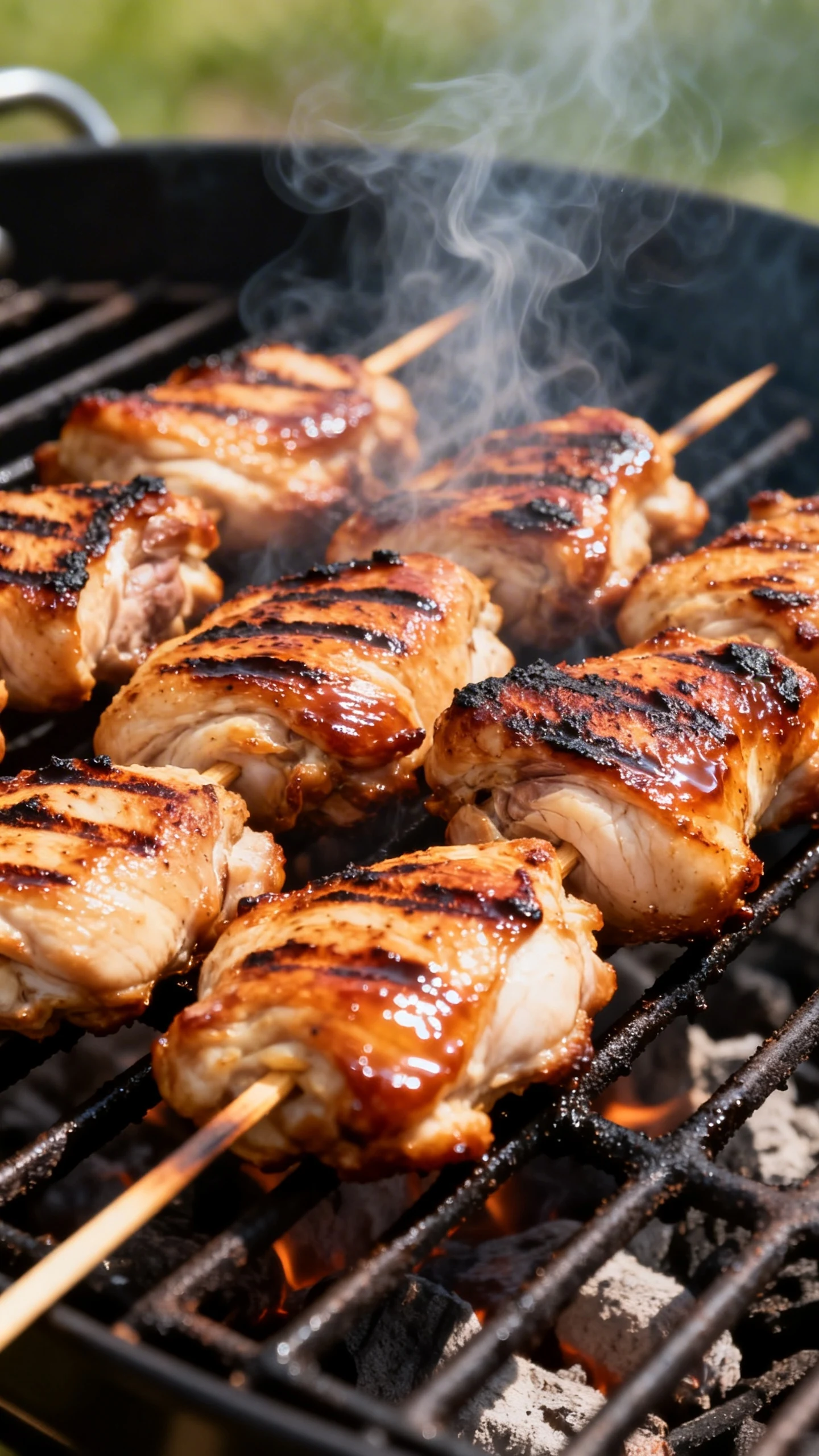
The secret is a two-part strategy: season first, sauce later. If you paint sugary sauce on raw chicken and blast it over high heat, the sugar burns before the meat cooks. That’s how you get bitter black crust and sad, underdone centers—no thanks.
Instead, you marinate the chicken for flavor and moisture, grill it until it’s almost done, then glaze in the final minutes. That timing gives you glossy, caramelized edges without turning your grill into a smoke machine. One more trick: keep the pieces uniform so they cook at the same speed. Your future self will feel extremely validated.
Ingredients Breakdown
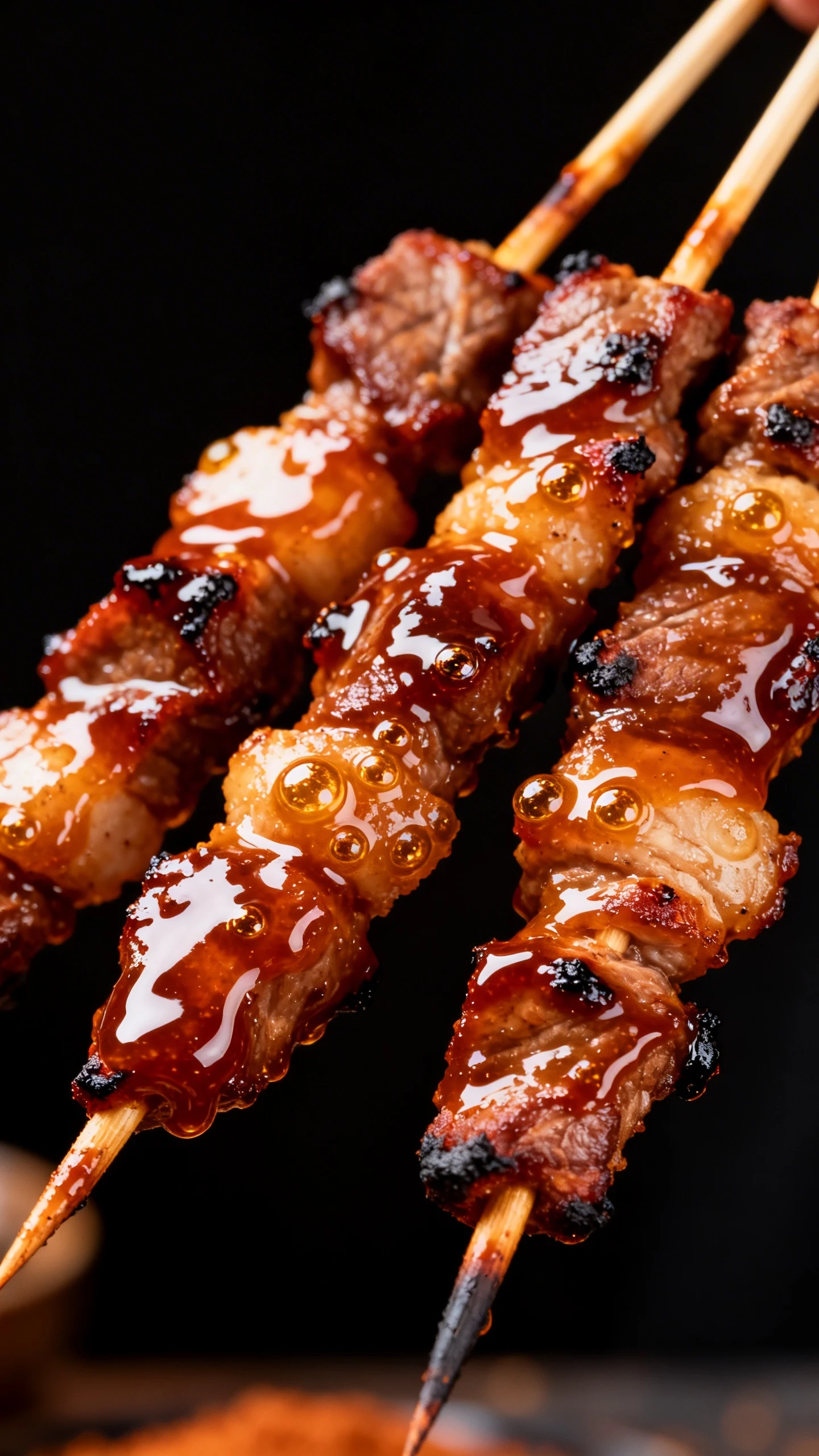
This list keeps it classic, flexible, and pantry-friendly. You can swap brands and still win.
- Chicken: 2 pounds boneless, skinless chicken thighs (juicier) or breasts (leaner), cut into 1 to 1 1/2-inch pieces
- BBQ sauce: 1 cup, plus more for serving (choose your favorite: smoky, sweet, spicy)
- Olive oil: 2 tablespoons
- Soy sauce: 2 tablespoons (adds savory depth)
- Honey or brown sugar: 1 tablespoon (optional, for extra shine)
- Apple cider vinegar or lemon juice: 1 tablespoon (balances sweetness)
- Garlic: 3 cloves, minced (or 1 1/2 teaspoons garlic powder)
- Smoked paprika: 2 teaspoons
- Onion powder: 1 teaspoon
- Kosher salt: 1 teaspoon (adjust if using a salty sauce)
- Black pepper: 1/2 teaspoon
- Optional heat: 1/4 to 1/2 teaspoon cayenne or a few dashes hot sauce
- Skewers: metal skewers, or wooden skewers soaked in water for 30 minutes
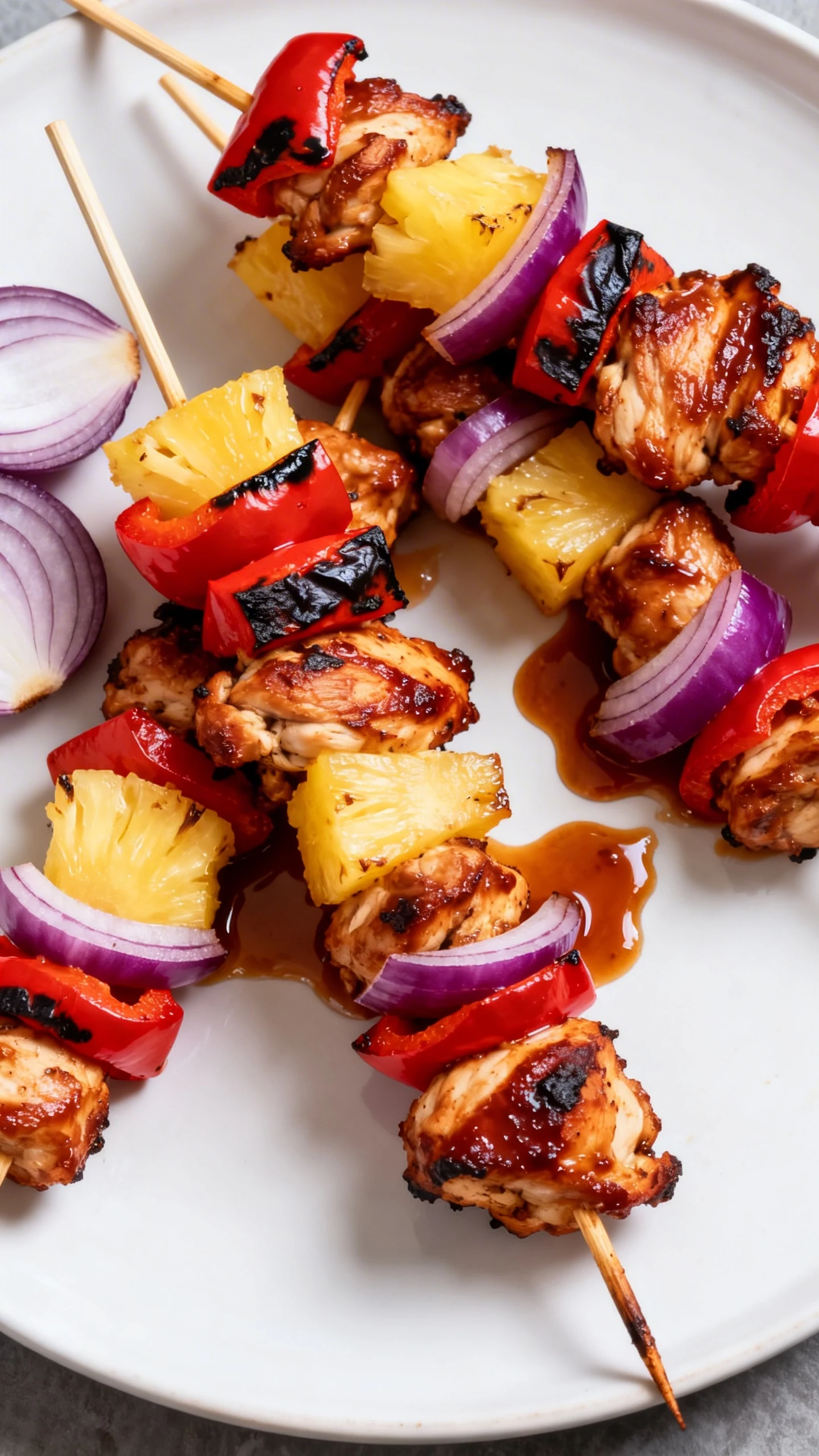
- Optional add-ons: bell pepper chunks, red onion wedges, pineapple pieces
Step-by-Step Instructions
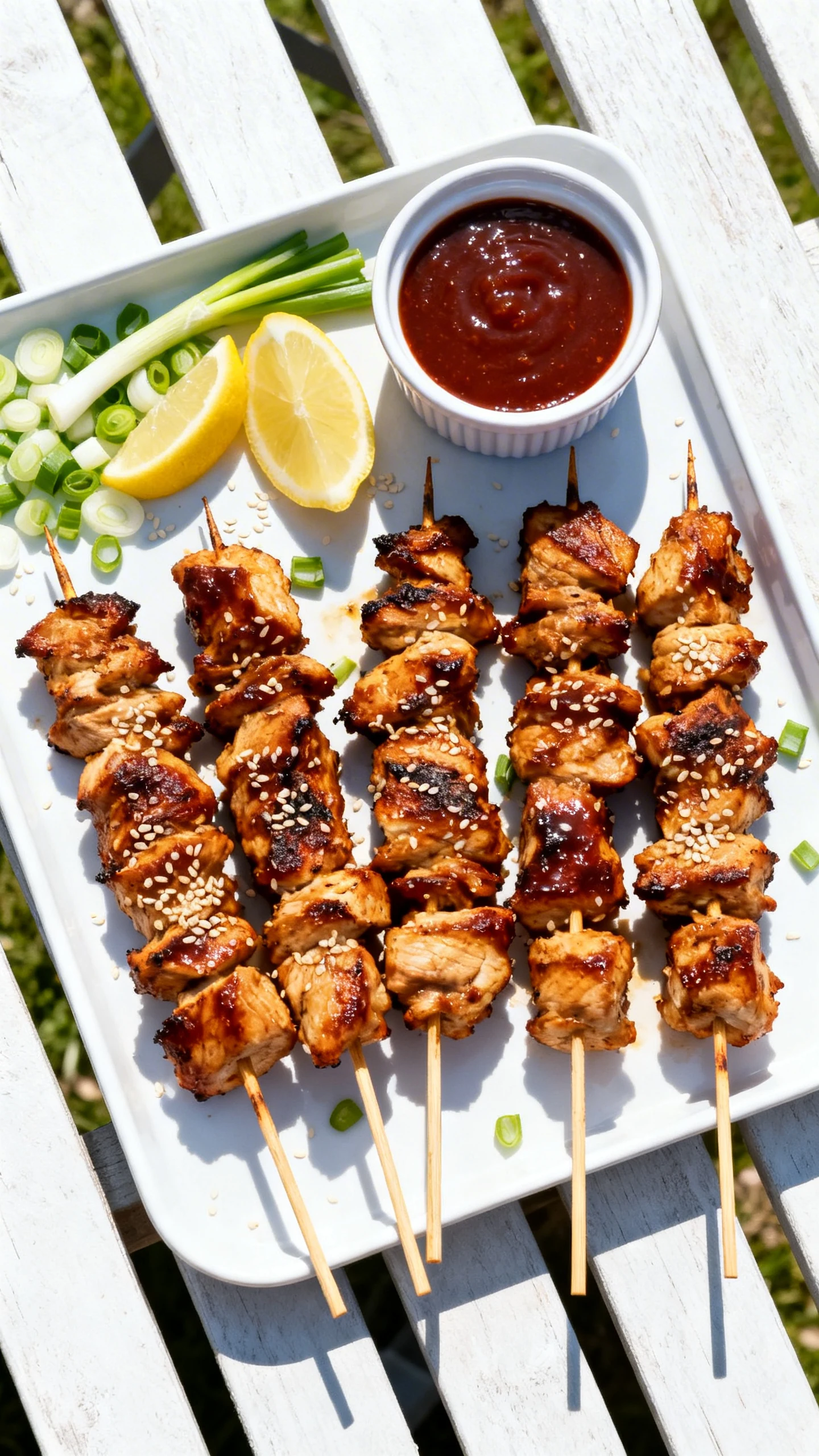
Follow this list and you’ll get juicy chicken with that sticky, lacquered finish people pretend they “don’t like,” right before grabbing seconds.
-
Soak skewers if needed. If you use wooden skewers, soak them in water for 30 minutes so they don’t torch instantly. Metal skewers skip this whole drama.
-
Cut chicken evenly. Aim for 1 to 1 1/2-inch cubes. Too small and they dry out; too big and they cook unevenly. Uniform pieces = consistent doneness.
-
Mix the marinade. In a bowl, whisk olive oil, soy sauce, vinegar (or lemon juice), garlic, smoked paprika, onion powder, salt, pepper, and optional heat. Add 2 tablespoons of BBQ sauce to start the flavor base.
-
Marinate. Toss chicken in the marinade, cover, and refrigerate for 30 minutes to 4 hours. FYI, even 30 minutes helps; overnight can make the texture a little too soft.
-
Preheat the grill. Heat to medium-high (about 400–450°F). Clean grates, then oil them lightly. If your grates stick, your chicken will audition for a shredding contest.
-
Skewer the chicken. Thread pieces snugly but not compressed. Leave tiny gaps so heat can circulate. If adding veggies, group similar cook-times together or put chicken on its own skewers for maximum control.
-
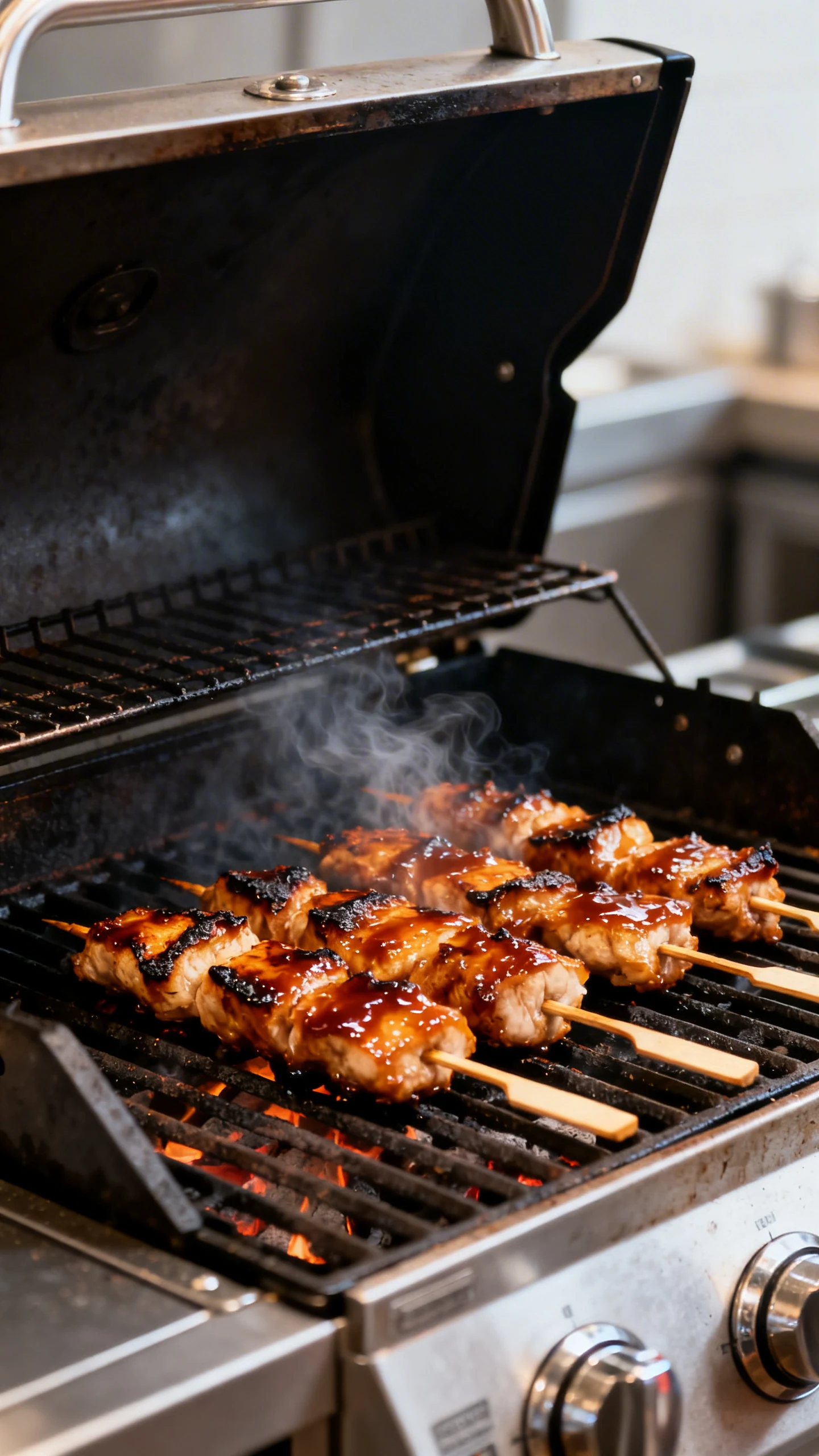
Grill the first side. Place skewers on direct heat and grill 3 to 4 minutes with the lid closed. Don’t move them too soon; you want grill marks and easy release.
-
Flip and cook until nearly done. Turn and grill another 3 to 4 minutes. Rotate as needed for even color. At this point the chicken should look close, but not finished.
-
Glaze late. Brush skewers with BBQ sauce and grill 1 to 2 minutes. Flip, brush again, and grill another 1 to 2 minutes. If you want extra sticky shine, mix your sauce with honey or brown sugar first, then apply in thin layers.
-
Check temperature. Pull skewers when the thickest piece hits 165°F. If you use thighs, they stay juicy even a touch higher, but don’t treat that like a dare.
-
Rest and serve. Rest 3 to 5 minutes, then serve with extra sauce on the side. Optional: finish with a squeeze of lemon, sliced scallions, or sesame seeds if you want “restaurant energy” at home.
How to Store
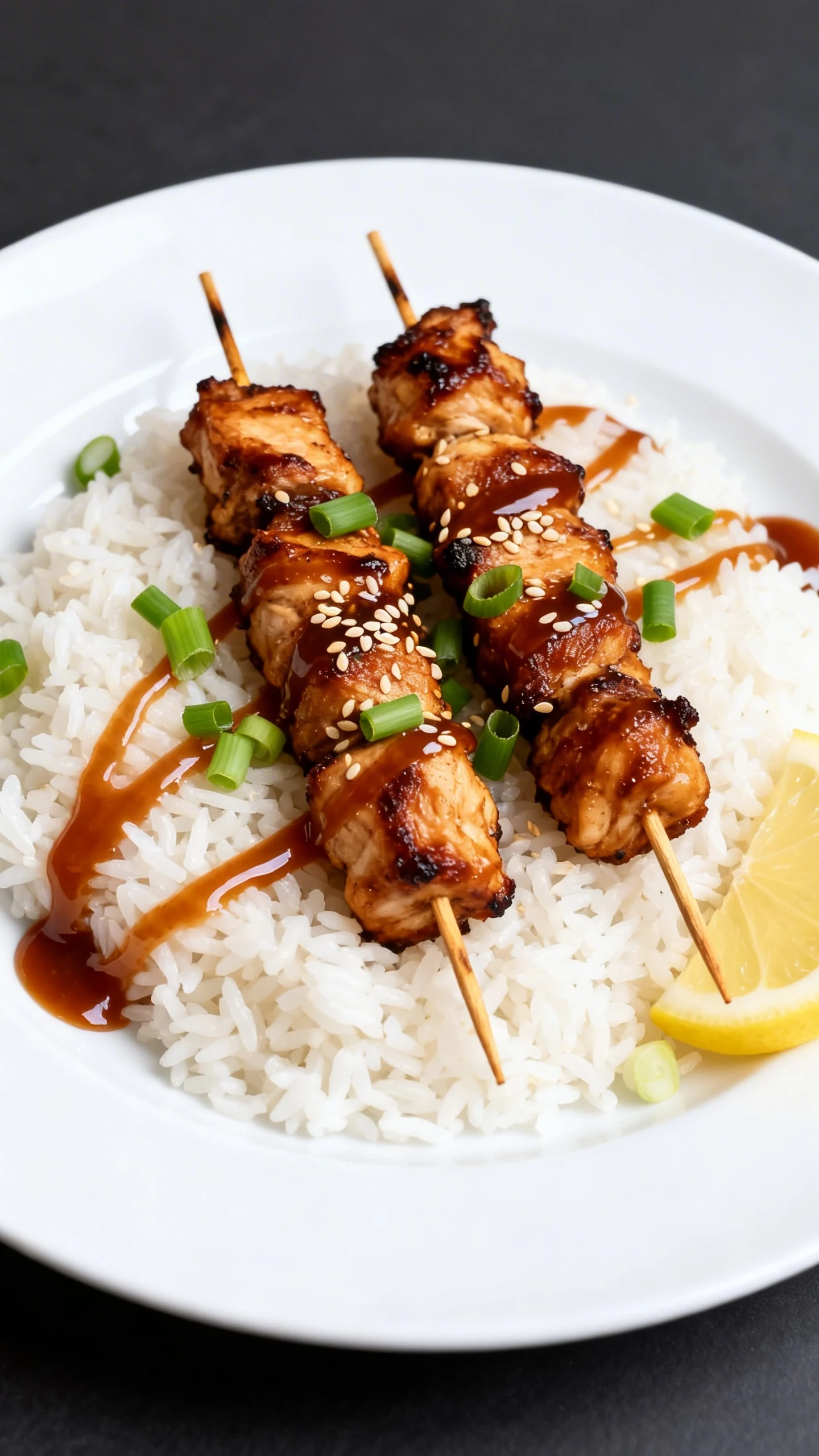
Let leftover skewers cool to room temp for about 20 to 30 minutes, then refrigerate. Store chicken in an airtight container for up to 4 days. If the pieces stay on the skewers, that’s fine, but sliding them off saves space and keeps things less awkward.
For reheating, use a skillet over medium heat with a tiny splash of water or extra sauce to prevent drying. You can also microwave in short bursts, but expect the glaze to lose some of its “just-grilled” attitude. IMO, a quick hot pan reheat tastes best.
Freezing works too: freeze cooked chicken pieces (off the skewers) in a freezer-safe bag for up to 2 months. Thaw overnight in the fridge, then reheat gently and brush with fresh sauce to bring back the shine.
Benefits of This Recipe
These skewers deliver maximum payoff for minimal effort. You get crowd-pleasing flavor without needing a culinary degree or a 19-ingredient rub named after a distant uncle.
- Fast cooking: Small pieces grill quickly, so dinner happens before you start snacking on chips out of desperation.
- Juicy results: The marinade and high-heat sear lock in moisture, especially with thighs.
- Easy scaling: Double the batch for parties or meal prep without changing the method.
- Customizable: Swap sauces, add heat, thread on veggies, or go sweeter with pineapple.
- Less mess: Skewers keep everything tidy and flip-friendly, which your future sink appreciates.
Don’t Make These Errors
Most “bad skewer” stories share the same villains. Avoid these and you’ll look like the grill whisperer.
- Saucing too early: Sugar burns fast. Glaze near the end so it caramelizes instead of carbonizes.
- Uneven chicken chunks: Random sizes cook randomly. Then you either overcook some or undercook others. Pick a lane.
- Skipping the oil on grates: Sticking equals torn chicken and lost glaze. Clean and oil the grill.
- Crowding the skewers: Packed pieces steam instead of sear. Leave small gaps for heat flow.
- Using high heat the whole time: You want medium-high, not “surface of the sun.” Manage flare-ups by moving skewers to indirect heat briefly.
- Guessing doneness: Use a thermometer. Chicken doesn’t care about your vibes.
Alternatives
No grill? Different diet? Weirdly specific pantry situation? You still get to eat well.
- Oven broiler method: Line a sheet pan with foil, place skewers on a rack, broil 4 to 5 minutes per side, then glaze and broil 1 to 2 minutes more per side.
- Grill pan on the stove: Cook over medium-high, turning often. Glaze at the end and reduce heat if the sauce threatens to burn.
- Air fryer bites: Skip skewers, air fry chicken pieces at 380°F for 10 to 12 minutes, toss with warmed sauce, then air fry 1 to 2 minutes to set the glaze.
- Turkey or pork: Turkey tenderloin and pork loin work well; keep pieces similar in size and cook to safe internal temps for the meat you use.
- Vegetarian-friendly: Use extra-firm tofu or halloumi. Pat dry, season boldly, and glaze lightly at the end to avoid burning.
- Flavor spins: Add chipotle in adobo for smoky heat, go Korean-style with gochujang mixed into the sauce, or add a little mustard for tang.
FAQ
Should I use chicken thighs or chicken breasts?
Thighs stay juicier and forgive timing mistakes, so they’re the safest bet for perfect texture. Breasts work if you cut evenly, avoid overcooking, and glaze late. If you’ve ever said “my chicken always turns out dry,” pick thighs and move on with your life.
How long should I marinate the chicken?
Thirty minutes gives you noticeable flavor, and 2 to 4 hours is the sweet spot. Longer than that can make the surface a little mushy because of the acid. If you’re short on time, even a quick toss and 15 minutes on the counter helps.
Can I prep these ahead for a party?
Yes. You can cube and marinate the chicken up to a day ahead, then skewer it a few hours before grilling. Keep skewers covered in the fridge, and bring them out for 15 to 20 minutes before grilling so they cook more evenly.
How do I prevent flare-ups on the grill?
Trim excess fat, keep the heat at medium-high, and avoid dripping thick sauce early. If flames pop up, move skewers to indirect heat until things calm down. Also, keep the lid closed when you can—oxygen feeds flare-ups like it’s doing a side hustle.
What’s the best way to know when the chicken is done?
Use an instant-read thermometer and pull the thickest piece at 165°F. Color and grill marks look impressive, but they don’t guarantee safe doneness. Temperature does.
Can I add vegetables to the skewers?
Absolutely, but choose veggies that cook at a similar pace, like bell peppers, red onion, zucchini, or mushrooms. If you want perfect control, keep chicken and veggies on separate skewers so nothing gets overcooked while you wait on something else.
Wrapping Up
These skewers solve the only problem that matters at a cookout: getting food that people actually want to eat. You get juicy chicken, bold smoky flavor, and a sticky glaze that looks like you tried harder than you did. Keep the sauce for the finish, cut pieces evenly, and let the grill do its job.
If you want to level up, serve them with grilled corn, a crunchy slaw, or simple rice to soak up extra sauce. Then watch the platter disappear and act surprised. That’s the tradition.