Juicy, smoky, and fast enough for weeknights, this grill-friendly approach delivers big flavor with minimal prep and zero stress.
You know that moment when you serve something and people suddenly stop talking? This is that. Pork tenderloin cooks fast, stays tender, and acts like a flavor sponge for smoke, spice, and sauce. Most “BBQ” recipes either dry it out or drown it in sugar and call it a day. This one hits the sweet spot: bold bark, juicy center, and the kind of bite that makes you look way more skilled than you feel.
The Secret Behind This Recipe
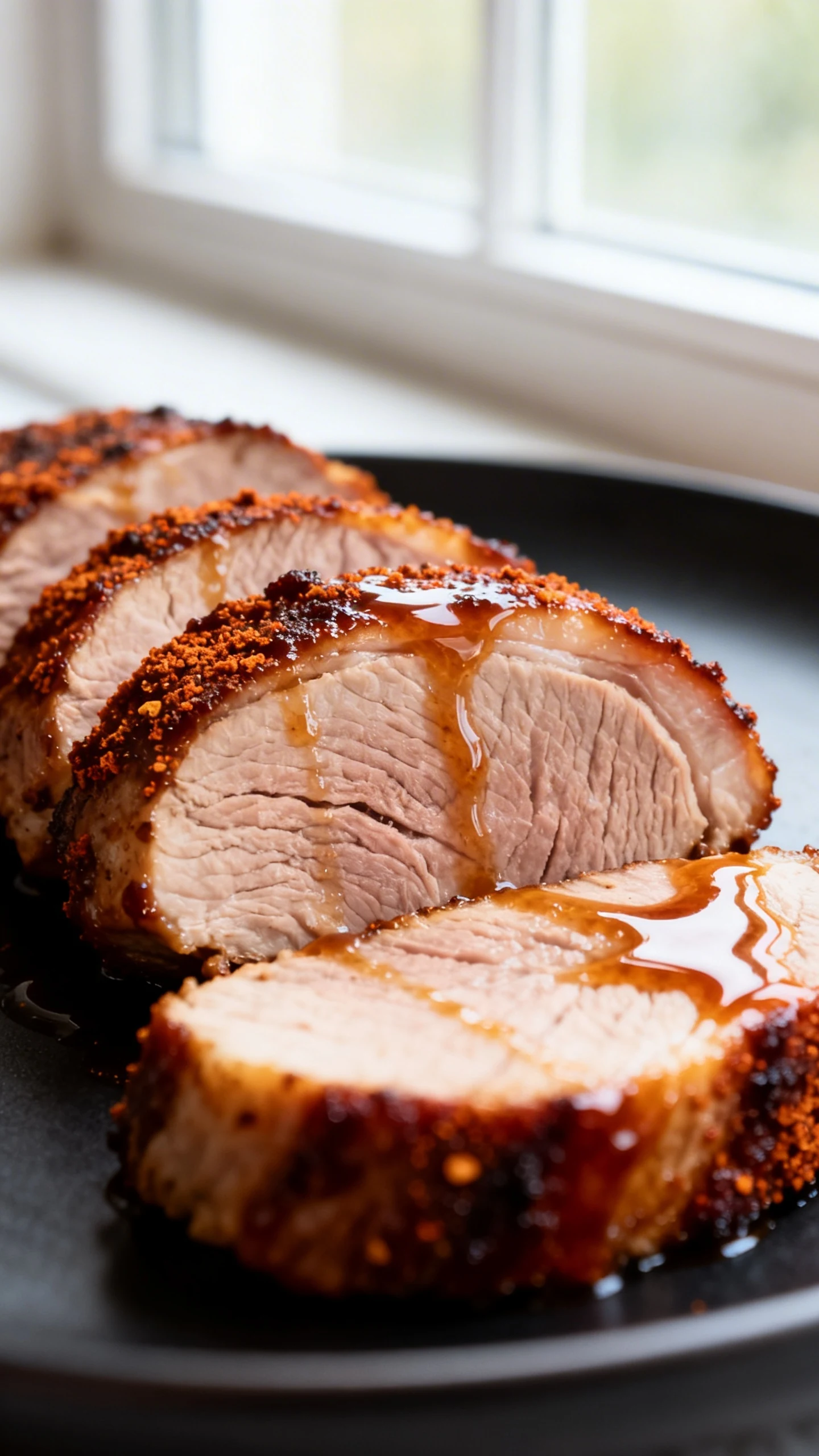
The secret is simple: two-phase flavor. First, you build a dry-rub crust that grabs smoke and locks in moisture. Then you finish with a thin layer of sauce at the end so it caramelizes without burning.
Also, you treat tenderloin like what it is: a lean, quick-cooking cut. That means moderate heat, short cook time, and a mandatory rest. Skip the rest and you’ll watch your juices run off like they’re late for a meeting.
Finally, you slice it the right way. Cut against the grain and you get tender bites. Cut with the grain and you’ll wonder why you bothered.
What You’ll Need (Ingredients)
- Pork tenderloin (1 to 1.5 pounds), silver skin removed
- Kosher salt (about 1 1/2 teaspoons)
- Brown sugar (1 tablespoon)
- Smoked paprika (2 teaspoons)
- Garlic powder (1 teaspoon)
- Onion powder (1 teaspoon)
- Black pepper (1 teaspoon)
- Ground cumin (1/2 teaspoon)
- Cayenne (pinch to 1/4 teaspoon, optional)
- Neutral oil (1 tablespoon), like avocado or canola
- BBQ sauce (1/3 to 1/2 cup), your favorite
- Apple cider vinegar (1 tablespoon) to loosen sauce
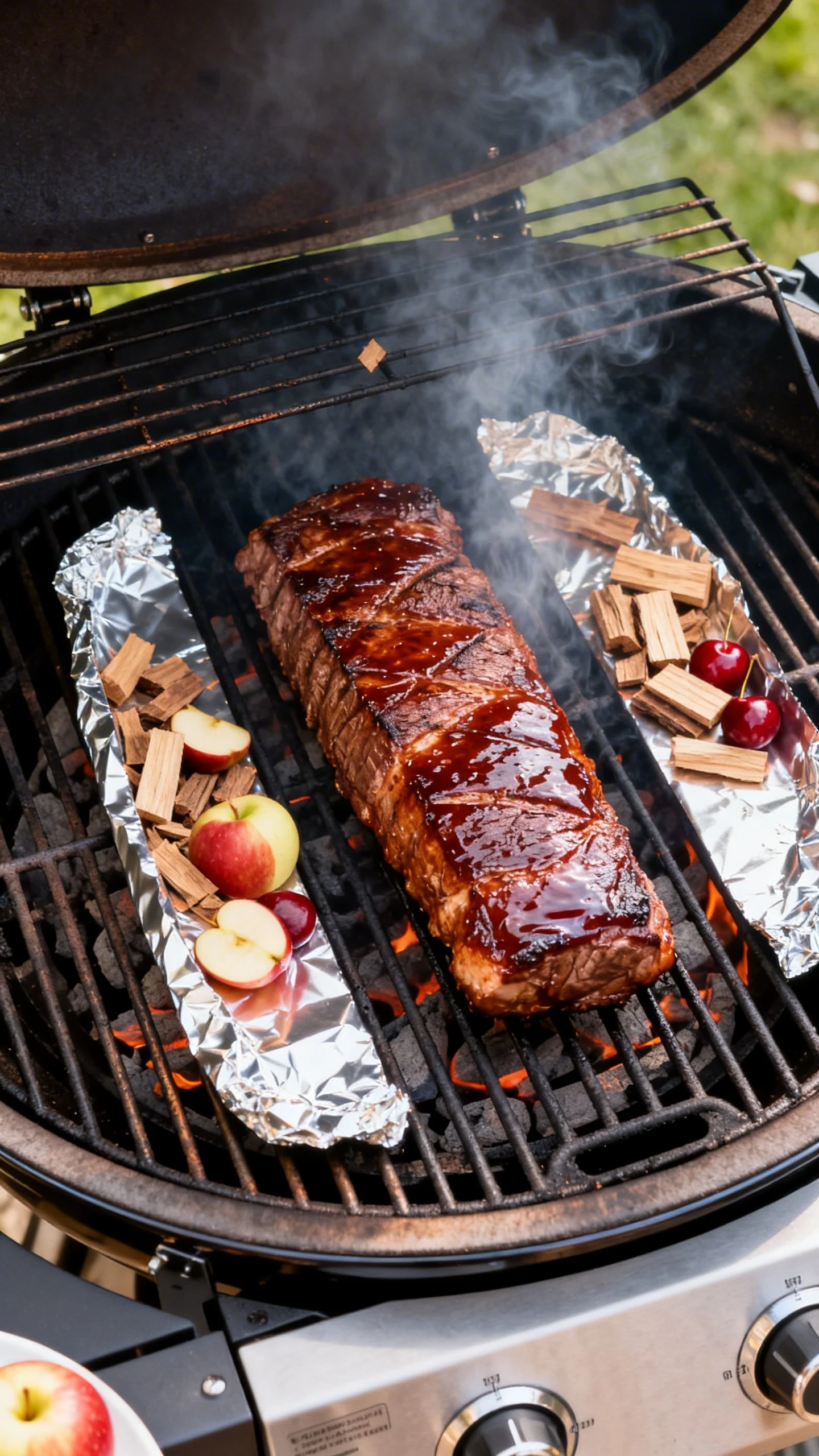
- Optional smoke boost: wood chunks or chips (hickory, apple, or cherry)
The Method – Instructions
-
Trim like you mean it. Remove silver skin if it’s still there. That stuff tightens up while cooking and turns tenderloin into a rubber band with a good personality.
-
Mix the rub. Combine salt, brown sugar, smoked paprika, garlic powder, onion powder, black pepper, cumin, and cayenne. Smell it. If it doesn’t make you hungry, adjust the paprika and pepper.
-
Oil, then rub. Coat the tenderloin with oil, then press the seasoning blend all over. Don’t sprinkle from three feet away like you’re afraid of flavor.
-
Let it sit (briefly). Rest at room temp for 15 to 25 minutes while you heat the grill. This helps the surface dry slightly for better browning. FYI, it also calms down the “cold center” problem.
-
Set up the grill for two zones. You want one side medium-high for searing and one side medium for finishing. On gas, leave one burner lower. On charcoal, pile coals on one side.
-
Add smoke if you want the full backyard vibe. Toss wood chunks on coals or use a smoker box on gas. Fruit woods keep it sweet; hickory brings the punch.
-
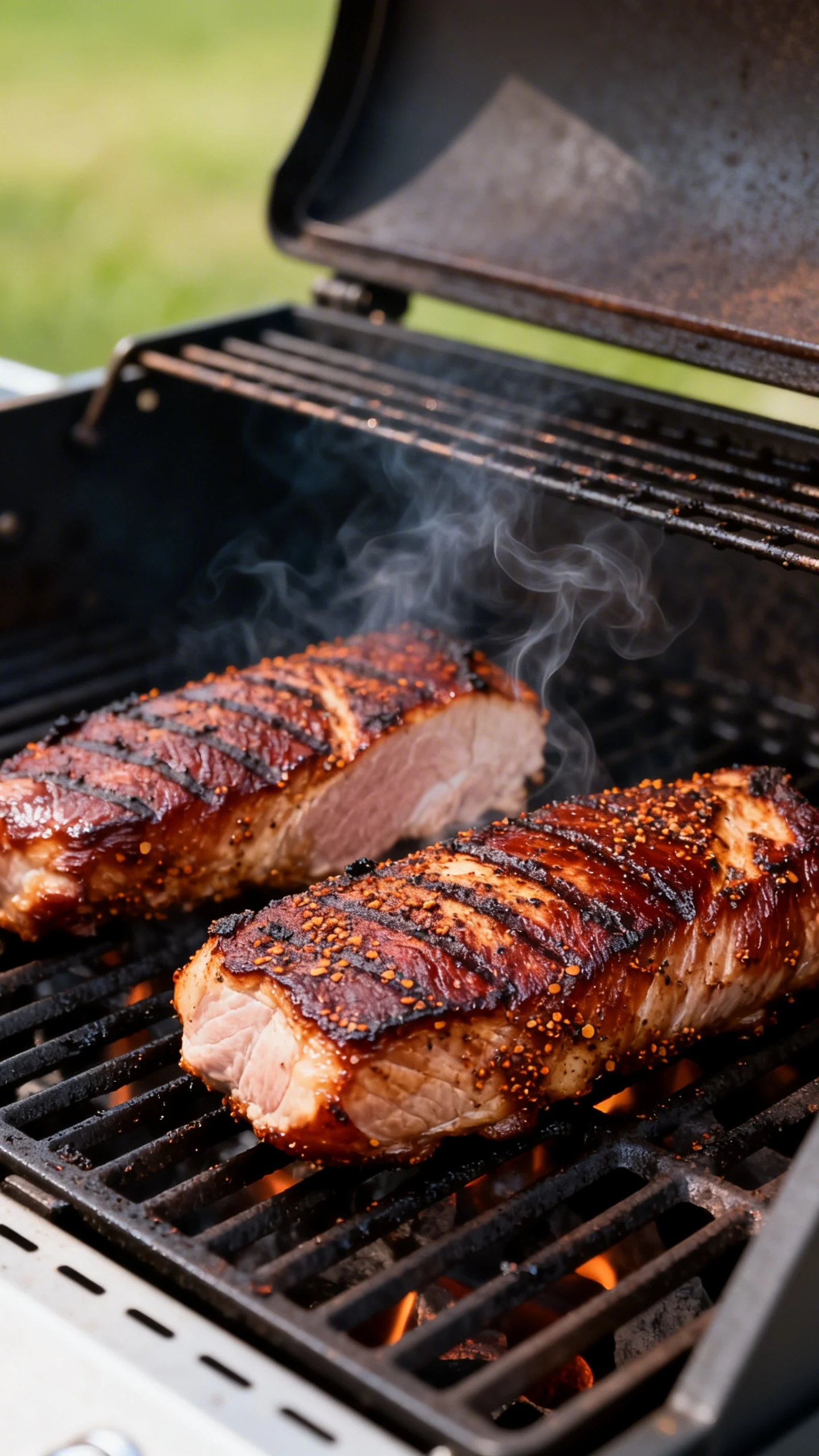
Sear first for the crust. Place tenderloin over the hotter side and sear 2 to 3 minutes per side, turning until you get color all around. You’re building bark, not cremating dinner.
-
Move to indirect heat and close the lid. Finish over the cooler side until the thickest part hits 145°F. This usually takes 10 to 18 minutes depending on thickness and grill temp.
-
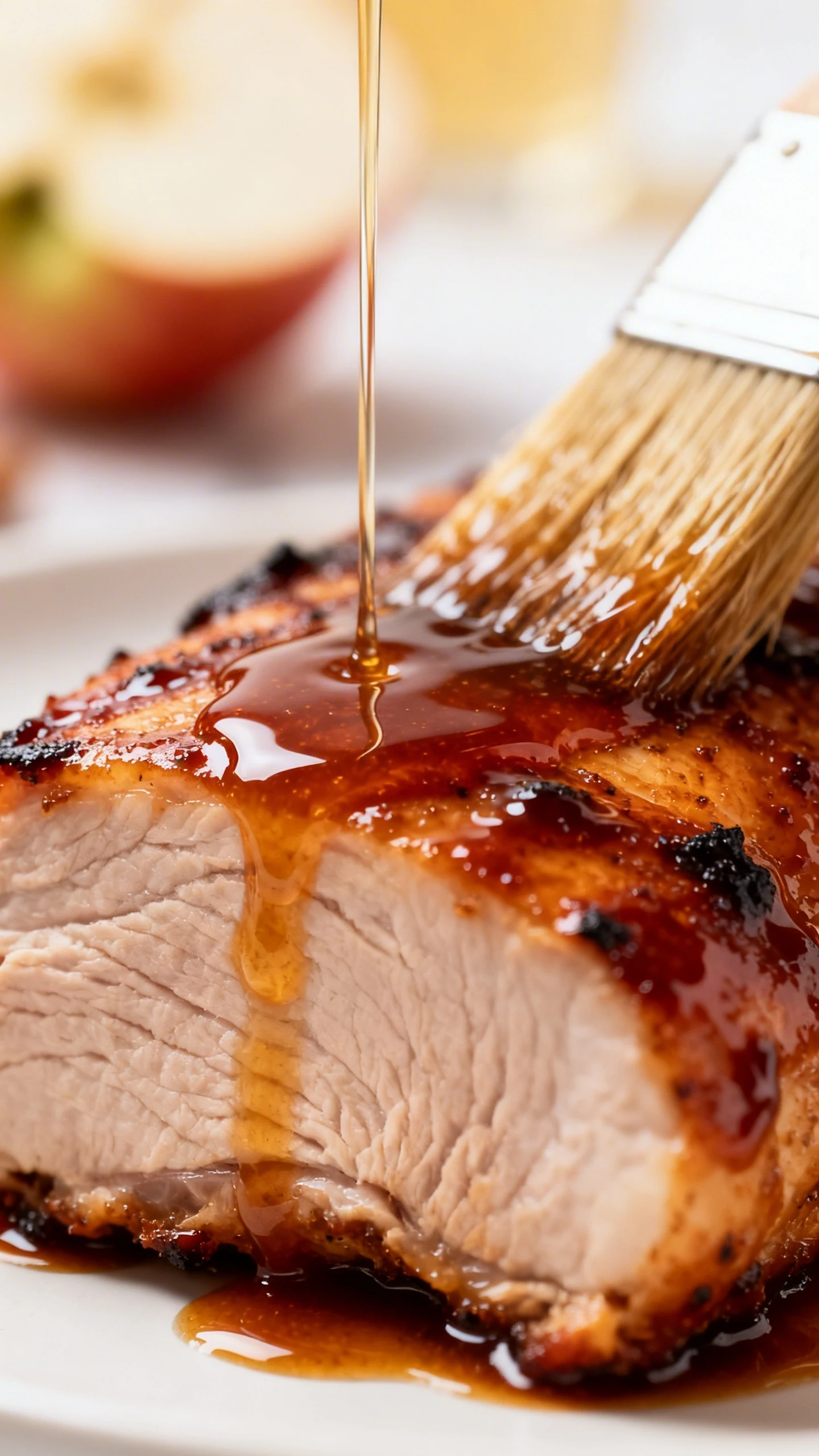
Sauce at the end, not the beginning. Stir BBQ sauce with apple cider vinegar. Brush a thin layer on during the last 3 to 5 minutes, flipping once. Sugar burns fast, and burnt sugar tastes like regret.
-
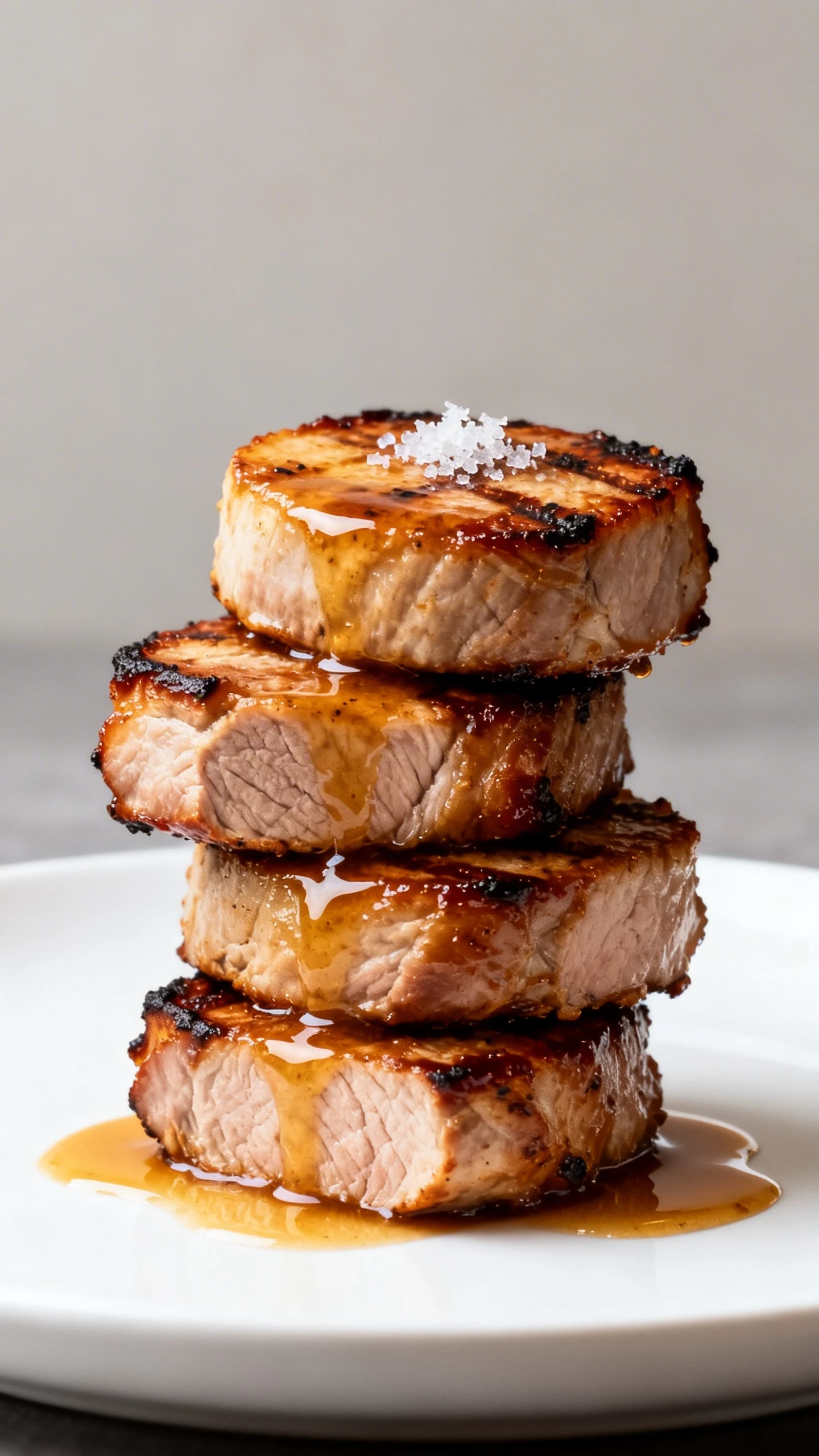
Rest, then slice. Rest 7 to 10 minutes. Slice into medallions against the grain. Add a final light brush of sauce if you want it glossy and dramatic.
-
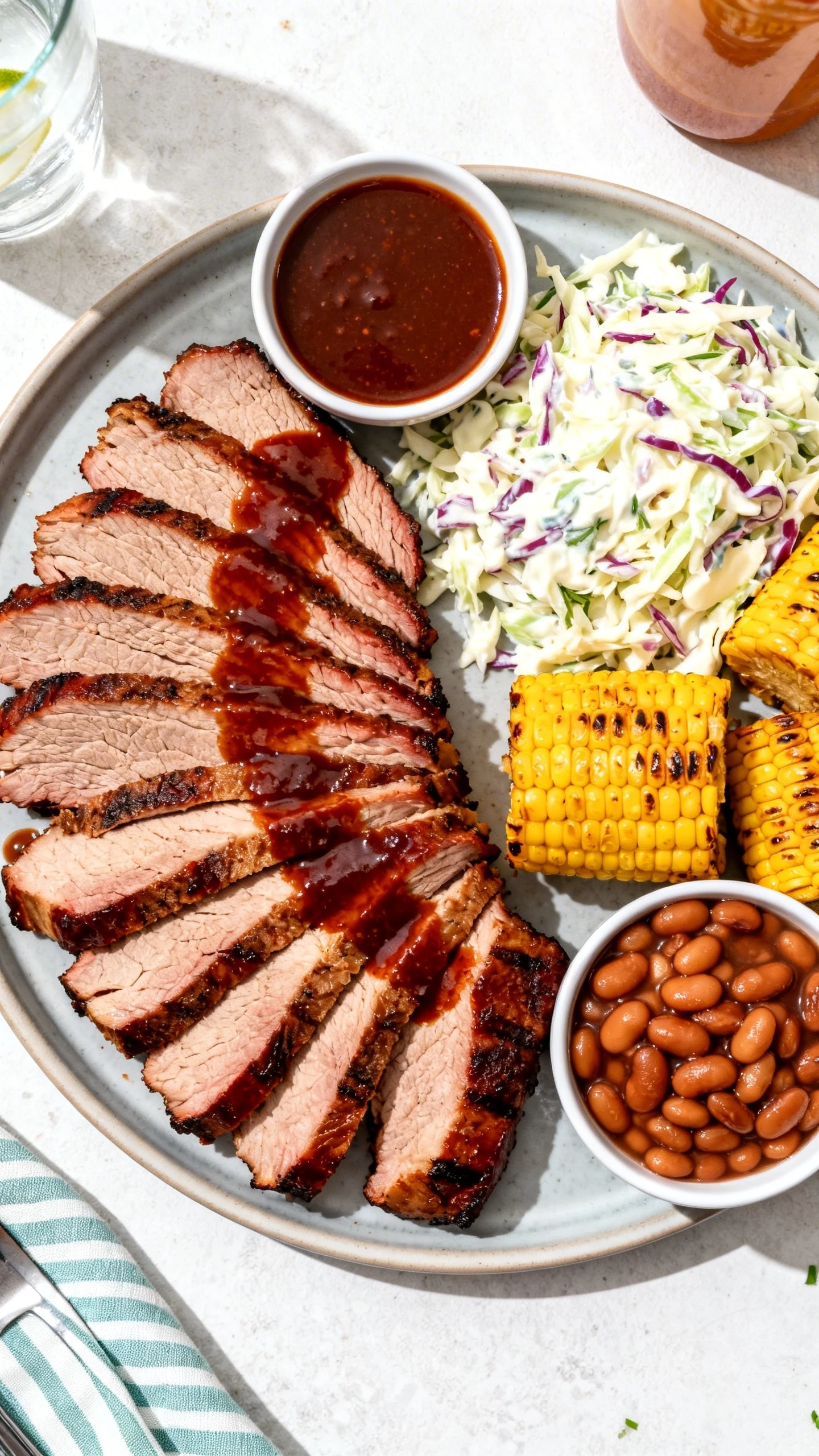
Serve like a pro. Pair with slaw, grilled corn, baked beans, or a simple salad. If you want extra swagger, sprinkle a pinch of salt on the slices right before serving.
Storage Tips
Store leftovers in an airtight container in the fridge for up to 3 to 4 days. Keep any extra sauce separate so the meat doesn’t get soggy and weird.
For freezing, wrap slices tightly and freeze up to 2 months. Thaw overnight in the fridge. Reheat gently, because tenderloin hates high heat once it’s cooked.
Best reheat method: place slices in a covered skillet with a splash of water or broth over low heat until warm. Microwave works too, but use short bursts and stop before it turns into pork jerky. IMO, a quick sear in a pan can bring back some crust magic.
Why This is Good for You
Pork tenderloin brings a lot to the table: it’s lean, high in protein, and cooks fast, which makes it easier to avoid drowning it in extra fats. You get a satisfying meal without the “I need a nap” aftermath.
The rub adds big flavor with minimal calories, and you control the sugar by choosing your sauce. Want it lighter? Use a lower-sugar BBQ sauce and keep the glaze thin.
Plus, grilling lets extra fat drip away while still delivering that smoky taste people chase. You get the comfort-food vibe without the heavy, greasy downside.
Don’t Make These Errors
-
Overcooking past 145°F. Tenderloin dries out fast. Use a thermometer and trust it.
-
Saucing too early. Most sauces contain sugar. Sugar burns. Burnt sugar ruins everything.
-
Skipping the rest. Slice immediately and the juices run out. Then you wonder why it feels dry.
-
Cooking on one heat level only. You need sear for flavor and indirect heat for control. One-zone grilling is chaos.
-
Not trimming silver skin. It tightens during cooking and makes slices chewy in a bad way.
-
Slicing with the grain. That’s how you turn tender meat into “why is my jaw sore?”
Alternatives
If you want to switch it up, you’ve got options that still keep the same core method: rub, sear, finish, glaze, rest. The framework stays solid even if your pantry changes.
-
Spicy-sweet version: Add chipotle powder and a little honey to the sauce-vinegar mix.
-
Carolina-style tang: Swap the glaze for a vinegar-forward sauce with mustard and black pepper.
-
Herby smoke: Add dried thyme and rosemary to the rub, and use apple wood for a lighter smoke.
-
No-sauce finish: Skip the glaze and serve with sauce on the side. This keeps the crust extra punchy.
-
Oven-friendly method: Sear in a skillet, then roast at 425°F until 145°F. Broil with sauce for 1 to 2 minutes at the end.
FAQ
What temperature should I cook pork tenderloin to on the grill?
Pull it at 145°F in the thickest part, then rest 7 to 10 minutes. The temperature may rise slightly as it rests, and the meat stays juicy instead of dry.
How long does it take to grill pork tenderloin?
Most tenderloins take about 15 to 25 minutes total, depending on thickness and grill heat. Sear for color, then finish over indirect heat until it hits 145°F.
Should I marinate it or just use a rub?
A rub works great because tenderloin cooks fast and benefits from a dry surface for browning. If you do marinate, keep it short (30 minutes to 2 hours) and pat it dry before grilling.
What’s the best wood for smoking pork tenderloin?
Apple and cherry give a sweeter, lighter smoke, while hickory adds a bolder BBQ flavor. If you want balance, mix a fruit wood with a small amount of hickory.
Can I use pork loin instead of tenderloin?
Yes, but pork loin is thicker and needs more time. Use the same seasoning approach, but cook longer over indirect heat and expect a different texture. Always rely on a thermometer, not vibes.
Why did my tenderloin turn out dry?
The usual culprit is overcooking or slicing too soon. Cook only to 145°F, rest properly, and slice against the grain. Also, keep sauce to the final minutes so you don’t scorch the surface.
In Conclusion
This recipe delivers big BBQ energy without turning dinner into an all-day project. You get a smoky crust, a juicy center, and a glaze that tastes caramelized instead of burnt.
Stick to two-zone grilling, sauce late, and treat 145°F like the finish line. Do that and your tenderloin won’t just be “good for a quick meal.” It’ll be the one people ask you to make again, which is both flattering and slightly inconvenient.