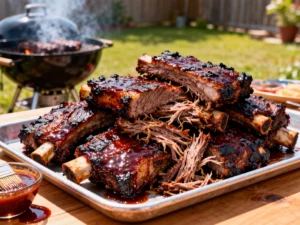
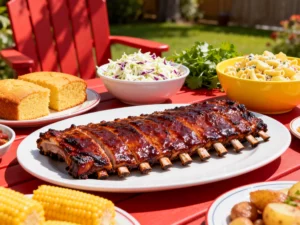
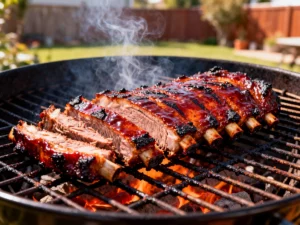
Make sticky, juicy, caramelized pork for weeknights or parties with simple ingredients, big flavor, and easy steps.
You know that glossy, smoky, sweet savory pork from restaurants that makes plain rice suddenly feel like a life event? This is that energy, minus the mystery ingredients and the long wait. You get deep flavor, charred edges, and juicy slices without needing chef credentials or a backyard smoke setup the size of a spaceship. If dinner has felt boring lately, this recipe shows up like the friend who actually brings snacks.
The real win here is efficiency. A bold marinade does most of the heavy lifting while your fridge quietly handles the magic. Then the oven, grill, or air fryer finishes the job with caramelized edges and enough aroma to make people wander into the kitchen “just to check something.” Funny how that happens.
Why This Recipe Works
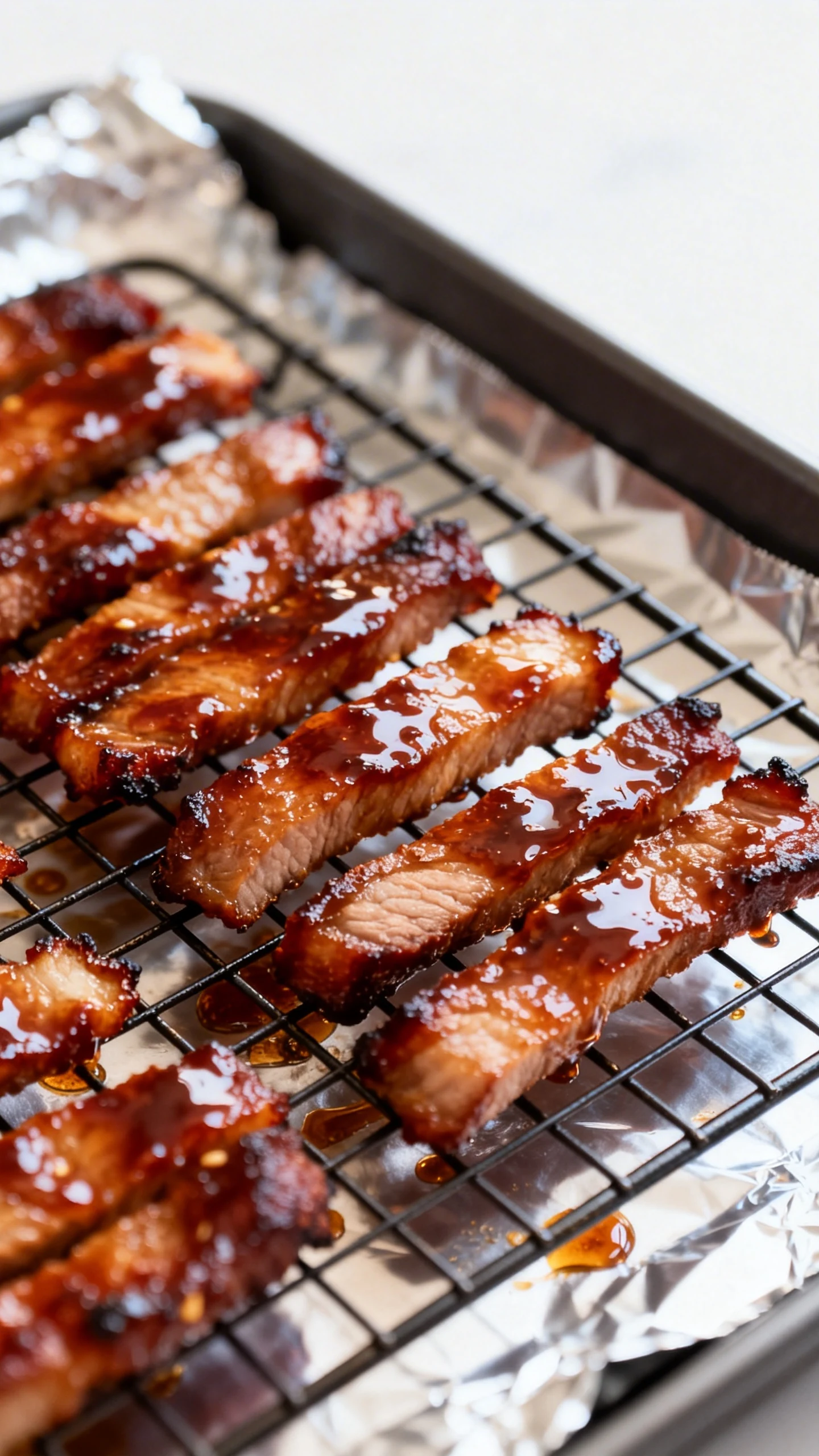
This recipe works because it balances the four flavors that make barbecue pork unforgettable: sweet, salty, savory, and aromatic. Hoisin sauce, honey, soy sauce, garlic, and five spice build layers fast, so the pork tastes rich instead of one-note. A little acid keeps everything bright, and a touch of oil helps the surface brown instead of dry out.
The cut of meat matters too. Pork shoulder gives you the best mix of fat and flavor, which means tender bites and beautifully caramelized edges. Pork tenderloin also works if you want something leaner, but shoulder delivers that classic sticky, juicy finish people usually fight over.
Another reason this recipe wins: it flexes with your kitchen. Roast it in the oven, char it on the grill, or crisp it in the air fryer. Same flavor payoff, different path. IMO, recipes that adapt to real life deserve a permanent spot in the rotation.
What You’ll Need (Ingredients)
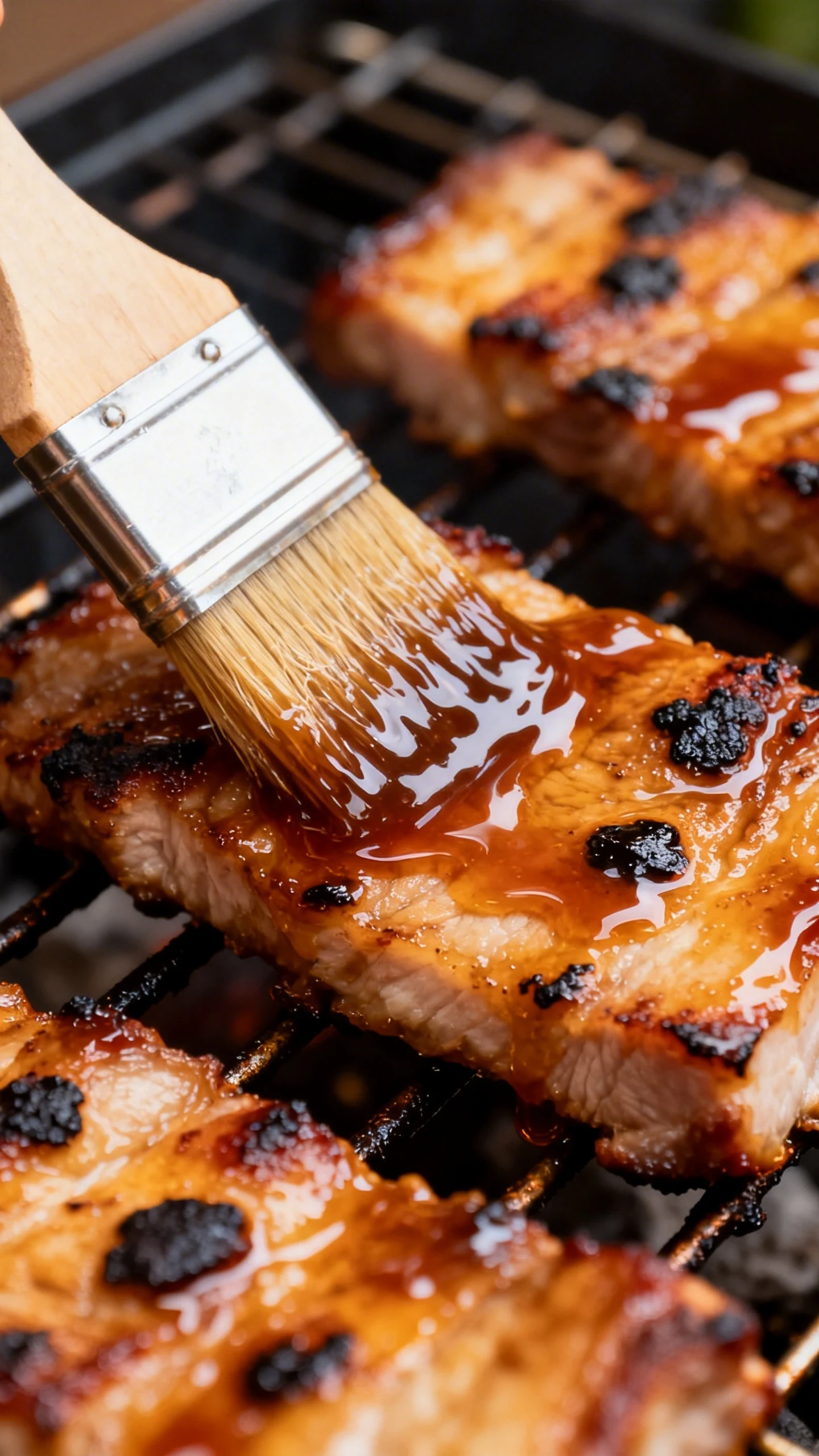
Most of the ingredients are pantry friendly, and each one actually pulls its weight. No random “optional but secretly required” nonsense here.
- 2 1/2 to 3 pounds pork shoulder, boneless, cut into long strips or thick slabs
- 4 tablespoons hoisin sauce
- 3 tablespoons soy sauce
- 2 tablespoons oyster sauce
- 3 tablespoons honey
- 2 tablespoons brown sugar
- 1 tablespoon sesame oil
- 1 tablespoon neutral oil, such as avocado or vegetable oil
- 4 cloves garlic, finely minced
- 1 tablespoon fresh ginger, grated
- 1 teaspoon Chinese five spice powder
- 1/2 teaspoon white pepper or black pepper
- 1 tablespoon rice vinegar
- 1 tablespoon Shaoxing wine or dry sherry
- 2 teaspoons red food coloring, optional, for that classic red barbecue shop look
- 1 tablespoon cornstarch, optional, for a thicker glaze
- 2 tablespoons water, if using cornstarch for glaze
- Sliced scallions, for garnish
- Sesame seeds, for garnish
For serving, you can keep it simple or build a full spread.
- Steamed jasmine rice
- Stir fried noodles
- Cucumber salad
- Steamed bok choy or broccoli
- Lettuce leaves for wraps
Let’s Get Cooking – Instructions
-
Prep the pork. Trim only the very thick outer fat, but do not strip it bare. Fat equals flavor, and flavor is kind of the whole point. Cut the pork into long strips or slabs about 1 1/2 to 2 inches thick so they cook evenly and collect maximum glaze.
-
Make the marinade. In a large bowl, whisk together hoisin sauce, soy sauce, oyster sauce, honey, brown sugar, sesame oil, neutral oil, garlic, ginger, five spice, pepper, rice vinegar, Shaoxing wine, and optional food coloring. The mixture should look glossy and smell strong in the best possible way.
-
Marinate like you mean it. Add the pork and coat every surface well. Cover and refrigerate for at least 6 hours, but overnight gives the best flavor. If you only have 60 minutes, you can still make it work, but the full soak turns good pork into “wait, you made this?” pork.
-
Bring it closer to room temp. Take the pork out of the fridge about 30 minutes before cooking. This helps it cook more evenly, which means fewer dry spots and less kitchen heartbreak.
-
Preheat your oven. Set it to 400°F. Line a sheet pan with foil and place a wire rack on top. The rack lets heat circulate around the pork so the sides roast instead of steaming in their own juices like they are at a sad spa.
-
Reserve the marinade. Remove the pork from the bowl and place it on the rack. Pour the leftover marinade into a small saucepan. You will boil it later for basting, because raw pork marinade does not belong on finished food. FYI, food safety is not optional.
-
Roast the pork. Cook for 20 minutes, then flip each piece. Roast for another 15 to 20 minutes, depending on thickness. You want the pork nearly cooked through before you start chasing extra char.
-
Boil the basting sauce. While the pork roasts, bring the reserved marinade to a full boil in the saucepan for several minutes. If you want a thicker glaze, whisk cornstarch with water and stir it in. Simmer until glossy and lightly thickened.
-
Glaze and caramelize. Brush the pork generously with the cooked sauce, then return it to the oven for 5 to 8 minutes. Flip, glaze again, and roast another 5 minutes. For darker edges, broil for 1 to 2 minutes at the end, but watch it closely because sugar goes from perfect to “who burned the good pan?” very fast.
-
Check doneness. The internal temperature should reach at least 145°F, but pork shoulder often tastes better when cooked a bit further until tender. You are looking for juicy meat, sticky glaze, and caramelized edges, not dry slices with a nice personality.
-
Rest before slicing. Transfer the pork to a cutting board and let it rest for 10 minutes. This keeps the juices in the meat instead of all over the board where they help nobody.
-
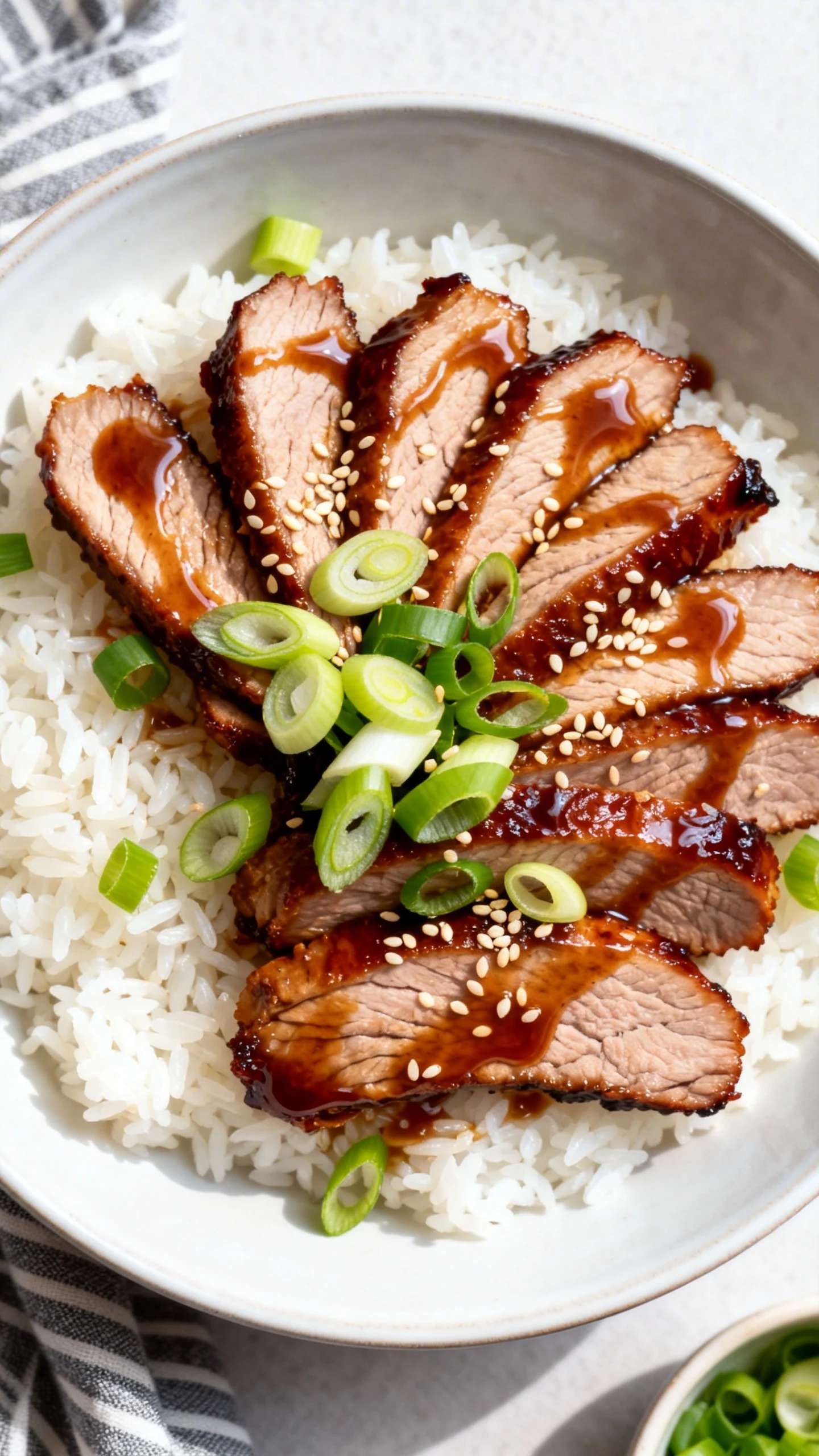
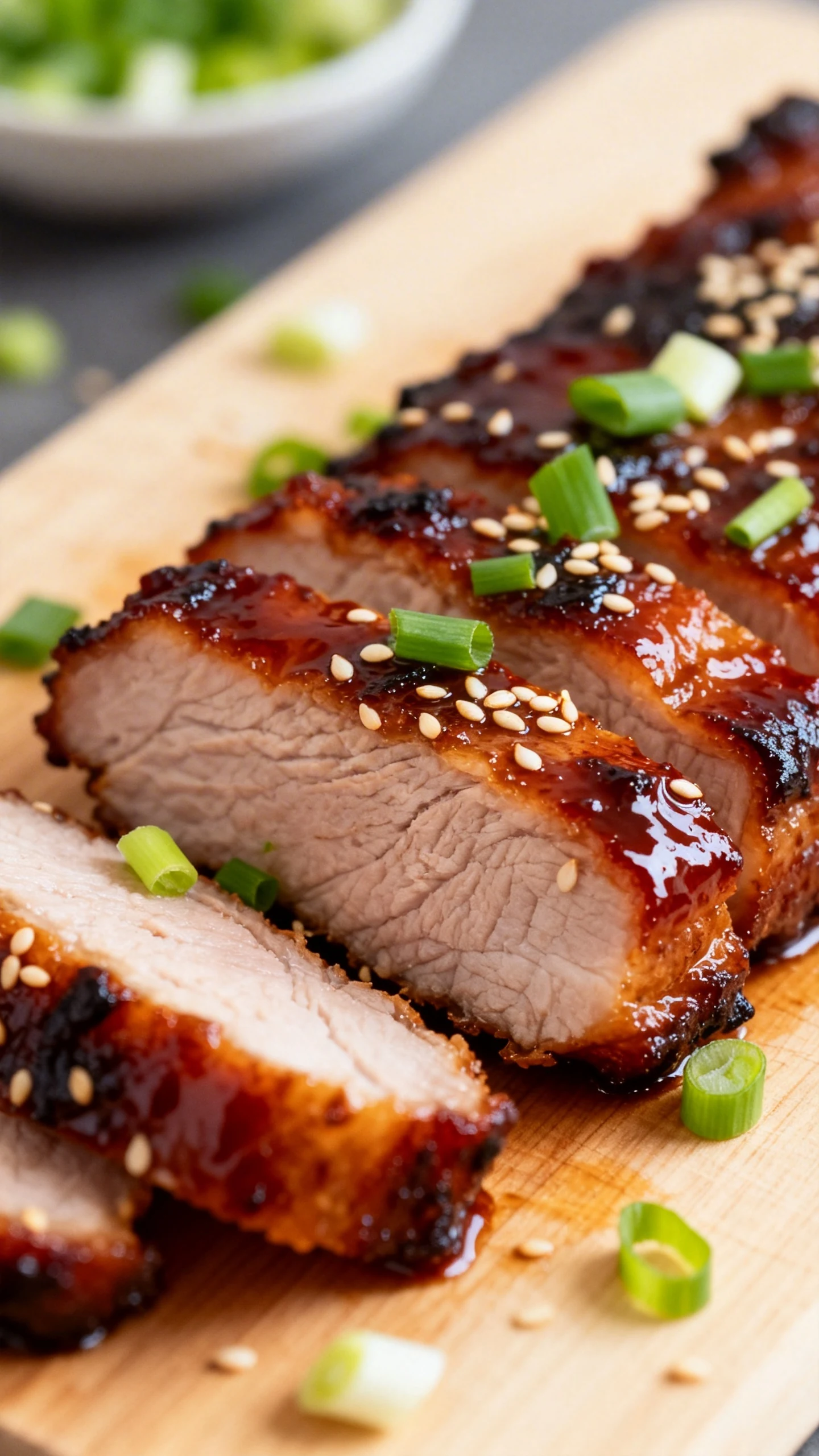
Slice and serve. Cut into thin slices across the grain. Brush with any extra glaze and top with scallions and sesame seeds. Serve over rice, in noodles, or straight from the cutting board if you are “just testing one piece” for the seventh time.
If you want to grill it, cook over medium heat and turn frequently, brushing with boiled marinade as it cooks. If you want to use an air fryer, cook at 375°F in batches, flipping halfway, then glaze near the end. Both methods work beautifully when you keep an eye on the sugars.
Keeping It Fresh
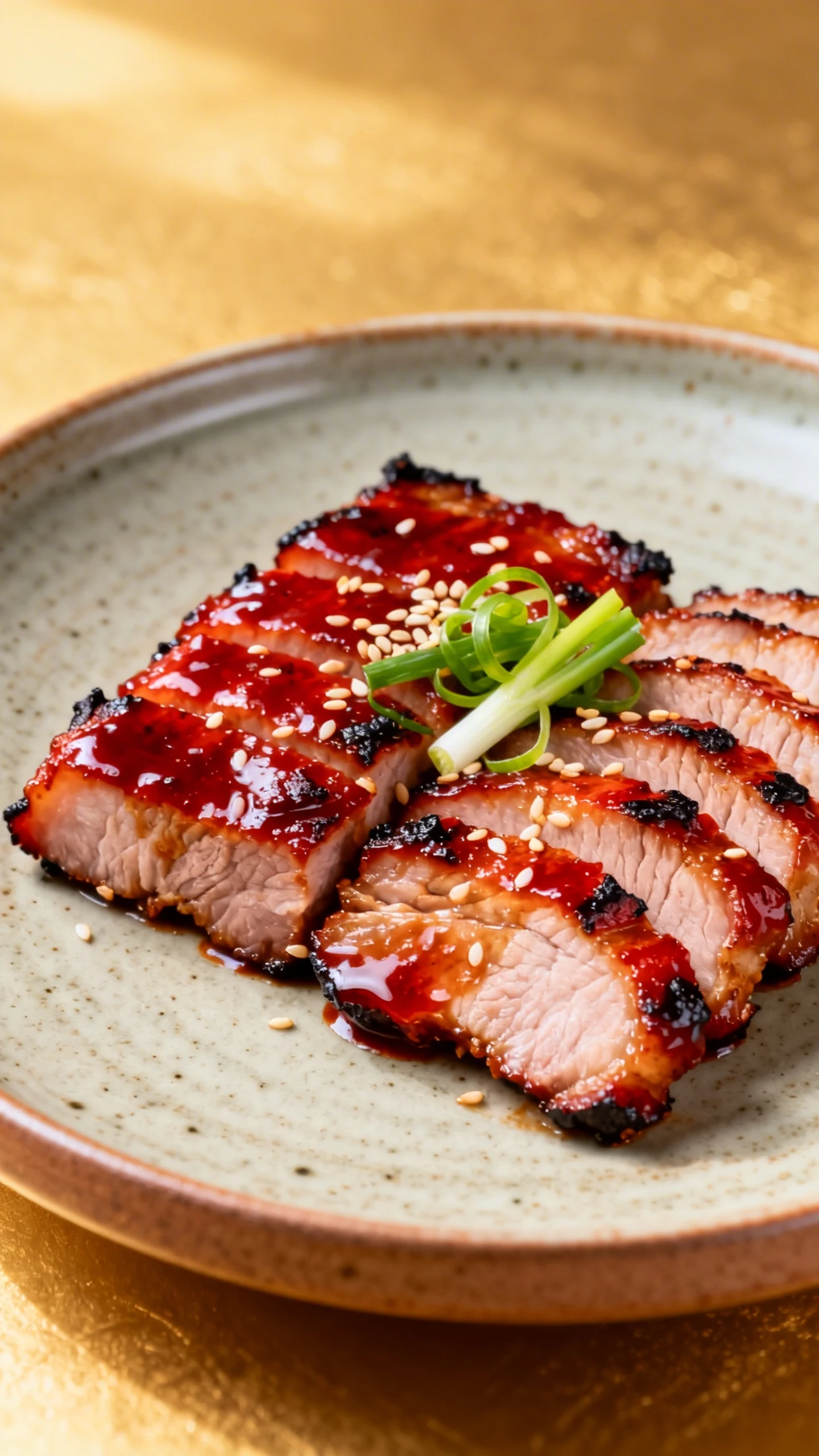
Store leftovers in an airtight container in the refrigerator for up to 4 days. Keep any extra glaze in a separate container so you can refresh the pork when reheating. That small move makes a weirdly big difference.
To reheat, use a skillet over medium low heat with a spoonful of water or extra sauce. You can also microwave it in short bursts, covered, but the skillet keeps the edges from turning rubbery. Nobody craves rubbery barbecue pork. Truly groundbreaking information, I know.
This pork also freezes well. Slice it first, then pack it into freezer safe bags with a little glaze. Freeze for up to 2 months and thaw overnight in the fridge before reheating.
Health Benefits
Pork provides a solid amount of protein, which helps keep meals satisfying and supports muscle repair. It also contains important nutrients like B vitamins, zinc, iron, and selenium. Translation: this dish brings more than just flavor to the table.
Using pork shoulder gives you richness, but you can choose tenderloin for a leaner option with less fat. Pairing the pork with rice and vegetables creates a more balanced plate, especially if you add greens like bok choy, broccoli, or snap peas. Yes, vegetables can join the party too.
You can also control the sugar and sodium more easily at home than you can with many restaurant versions. Use reduced sodium soy sauce, cut back slightly on honey, or add more aromatics for flavor without relying only on salt. Homemade wins again.
Common Mistakes to Avoid
-
Using super lean pork without adjusting the method. Lean cuts cook faster and dry out sooner. If you use tenderloin, reduce cook time and watch the temperature closely.
-
Skipping the marinating time. A quick coat of sauce is not the same as a real marinade. Give it time to absorb flavor so the inside tastes as good as the outside.
-
Not boiling the leftover marinade. If the raw pork touched it, cook it thoroughly before using it as glaze. This is the easy kind of smart.
-
Overcrowding the pan. Leave space between pieces so the heat can circulate. Crowded pork steams, and steamed barbecue is not exactly the dream.
-
Burning the glaze. Sugar caramelizes fast. Keep a close eye on the pork during the final minutes, especially under the broiler or on the grill.
-
Slicing too soon. Resting keeps the juices where you want them. Cut immediately, and the moisture runs out like it just got bad news.
Recipe Variations
This recipe is flexible, which is excellent news for both picky eaters and people who forgot one ingredient and now want to improvise with confidence.
-
Spicy version: Add chili crisp, sriracha, or a spoonful of sambal oelek to the marinade. Sweet heat works beautifully with the sticky glaze.
-
Leaner version: Swap pork shoulder for pork tenderloin. Cut the roasting time and glaze carefully to keep it juicy.
-
Citrus twist: Add orange zest and a little orange juice for a brighter, slightly sweeter finish. This works especially well for grilled pork.
-
Honey free version: Use maple syrup or extra brown sugar mixed with a bit of water. The flavor changes slightly, but the glaze still shines.
-
Low sodium version: Use reduced sodium soy sauce and reduce the oyster sauce slightly. Add extra garlic, ginger, and a splash of vinegar to keep the flavor lively.
-
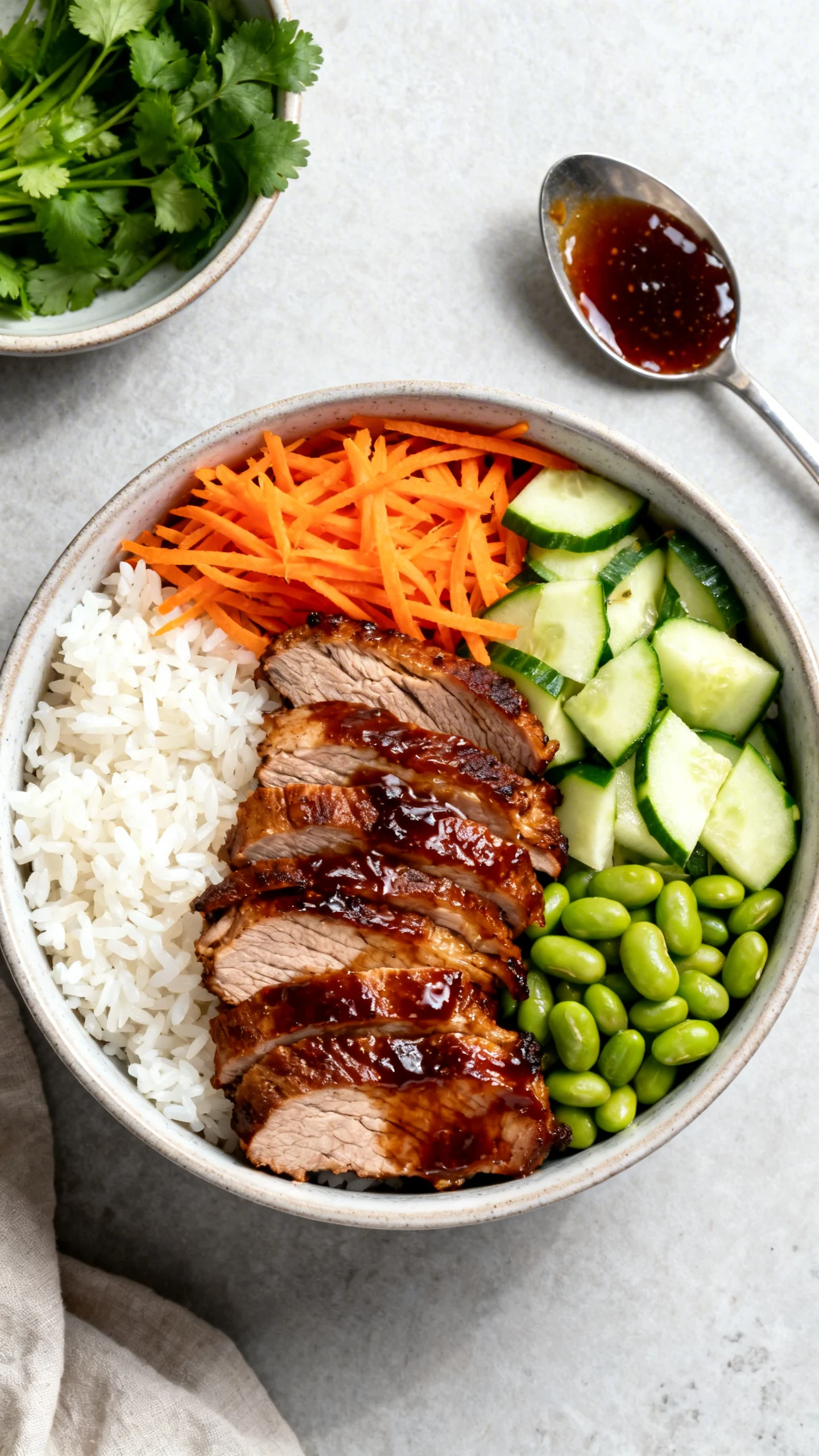
Meal prep bowls: Slice the pork and pack it with rice, shredded carrots, cucumbers, and edamame. Lunch suddenly stops being depressing.
FAQ
What cut of pork is best for this recipe?
Pork shoulder gives you the juiciest, most flavorful result because it has enough fat to stay tender during roasting. If you want a leaner option, pork tenderloin works, but you need to reduce the cooking time to avoid drying it out.
Can I make this ahead of time?
Yes. You can marinate the pork a day in advance and cook it when needed, or fully cook it, slice it, and reheat it later with extra glaze. It is great for parties because the flavor holds up well.
Do I need red food coloring?
No. It only adds that classic restaurant style red tint. The flavor stays the same without it, so feel free to skip it if that is not your thing.
Can I cook this without an oven?
Absolutely. A grill gives you amazing char, and an air fryer works well for smaller batches. You can even finish sliced pieces in a skillet for extra caramelization if needed.
How do I know when the pork is done?
Use a meat thermometer for the most reliable result. The pork should reach at least 145°F, though shoulder often tastes best when cooked a bit further until more tender. Visual clues help too: the glaze should look sticky, and the edges should be caramelized.
What should I serve with it?
Steamed rice, noodles, stir fried greens, cucumber salad, and lettuce wraps all pair well. If you want a full spread, add quick pickled vegetables and a simple soup on the side.
Can I use chicken instead of pork?
Yes, especially boneless chicken thighs. They handle the marinade well and stay juicy, though the flavor profile will be a little different. Just adjust the cooking time since chicken cooks faster.
Final Thoughts
This recipe gives you everything people want from barbecue pork: sticky glaze, deep flavor, juicy meat, and those dark caramelized edges that disappear first. It feels impressive, but the process stays simple enough for a weeknight if you marinate ahead. That is the kind of cooking flex we respect.
Once you make it, you will start finding excuses to serve it everywhere. Rice bowls, noodle plates, party platters, leftover sandwiches, late night fridge raids, all valid. Make a batch, slice it thin, and watch it vanish like you accidentally invited hungry people. Because you probably did.