Get glossy, sweet savory roast pork with deep flavor, simple steps, and juicy slices even on a busy weeknight.
You know that moment when the takeout box opens and everyone suddenly appears in the kitchen? That is the power of great roast pork. The wild part is you can make that same sticky, red edged, deeply savory magic at home without owning a restaurant oven or a secret uncle in Chinatown. You just need the right marinade, the right heat, and enough patience to not eat it straight off the cutting board. Honestly, that last part is the toughest step.
This dish hits the sweet spot between impressive and shockingly doable. It looks dramatic, smells expensive, and tastes like you worked way harder than you actually did. If your goal is maximum flavor for minimum chaos, this recipe absolutely delivers. IMO, it is one of the smartest things you can learn to cook once and flex forever.
What Makes This Recipe So Good
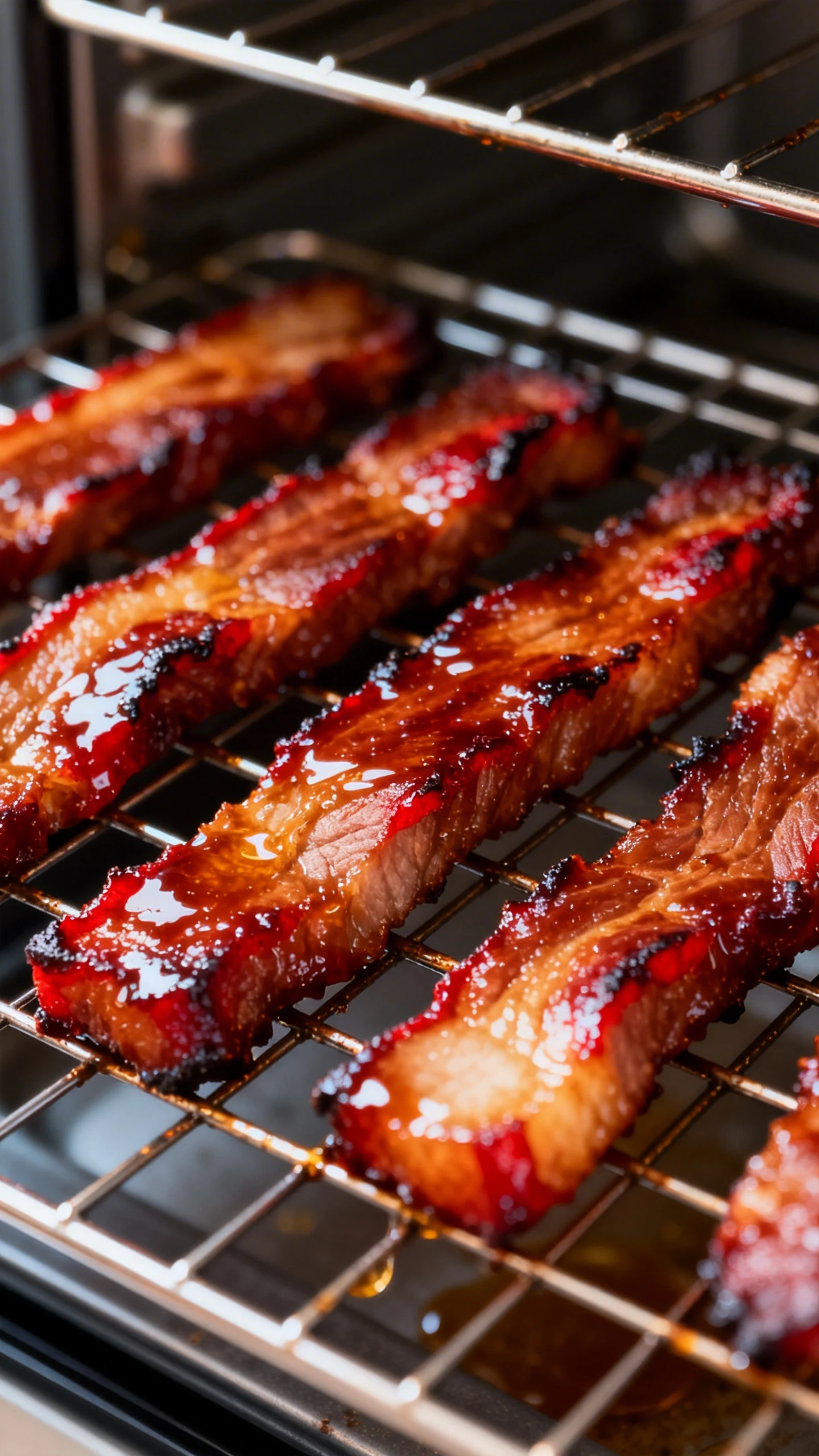
The magic starts with the marinade. Traditional style roast pork, often called char siu, balances sweet, salty, savory, and aromatic flavors in a way that feels almost unfair to other meats. Honey or sugar gives it shine and caramelization, soy sauce builds depth, hoisin adds body, and five spice brings that unmistakable warm edge.
The second reason this recipe works so well is the cut of meat. Pork shoulder or pork butt has enough fat to stay juicy under high heat, which means you get tender slices instead of dry disappointment. Lean cuts can work, but they require more babysitting, and frankly, nobody has time for that on a Tuesday.
Then there is the texture. Good roast pork has charred edges, a lacquered surface, and a soft interior that slices cleanly but still feels succulent. That contrast is the whole point. You are not just cooking pork here. You are building a bite that tastes glossy, smoky, savory, and just a little bit addictive.
It is also wildly versatile. Serve it with rice, tuck it into buns, pile it into noodles, or eat suspiciously large amounts standing at the fridge. FYI, all of these options are valid.
Ingredients Breakdown
Here is what you need to make a classic, deeply flavorful version at home.
- 2 to 2 1/2 pounds pork shoulder or pork butt, cut into long thick strips for even marinating and roasting
- 3 tablespoons hoisin sauce for sweetness, salt, and body
- 3 tablespoons soy sauce for umami and seasoning
- 2 tablespoons oyster sauce for rich savory depth
- 3 tablespoons honey plus more for glazing
- 2 tablespoons brown sugar for caramel notes and color
- 1 tablespoon Shaoxing wine or dry sherry for aroma and complexity
- 1 teaspoon Chinese five spice powder for warmth and signature flavor
- 3 cloves garlic, finely grated or minced
- 1 teaspoon fresh ginger, grated
- 1 teaspoon sesame oil for nutty depth
- 1/2 teaspoon white pepper or black pepper
- 1/4 teaspoon red food coloring, optional, for that classic red tint
- 1 tablespoon neutral oil if needed for the pan or rack
- Pinch of salt only if your sauces are low sodium
If you want a cleaner ingredient list, skip the coloring. The flavor stays excellent, and the pork will still develop a rich mahogany tone. The bright red look is traditional in many restaurant versions, but your dinner will survive without cosmetic drama.
Step-by-Step Instructions
-
Cut the pork into strips. Slice the pork shoulder into long pieces about 1 1/2 to 2 inches thick. This shape gives you more surface area for marinade and helps the meat cook evenly. Tiny cubes are not the move here unless you enjoy chaos.
-
Make the marinade. In a bowl, whisk together hoisin sauce, soy sauce, oyster sauce, honey, brown sugar, Shaoxing wine, five spice, garlic, ginger, sesame oil, pepper, and optional red coloring. Stir until smooth and glossy. It should smell so good that you briefly question whether a spoon counts as dinner.
-
Marinate the pork. Add the pork strips to a zip top bag or shallow dish and coat them thoroughly with the marinade. Cover and refrigerate for at least 6 hours, but overnight is better. The extra time lets the flavor move deeper into the meat instead of just sitting on the surface like a lazy influencer.
-
Bring the meat closer to room temperature. Take the pork out of the fridge about 30 minutes before cooking. This helps it roast more evenly and prevents the outside from overcooking before the inside catches up. Cold meat straight into a hot oven is rarely a genius plan.
-
Preheat the oven. Heat your oven to 400°F. Line a baking tray with foil for easier cleanup and place a wire rack on top if you have one. The rack helps hot air circulate so the pork roasts instead of steaming in its own juices.
-
Arrange and roast. Place the pork strips on the rack with space between them. Roast for about 20 minutes, then flip each piece and brush with reserved marinade or a fresh honey mixture. Roast another 15 to 20 minutes until the edges darken and the surface looks lacquered.
-
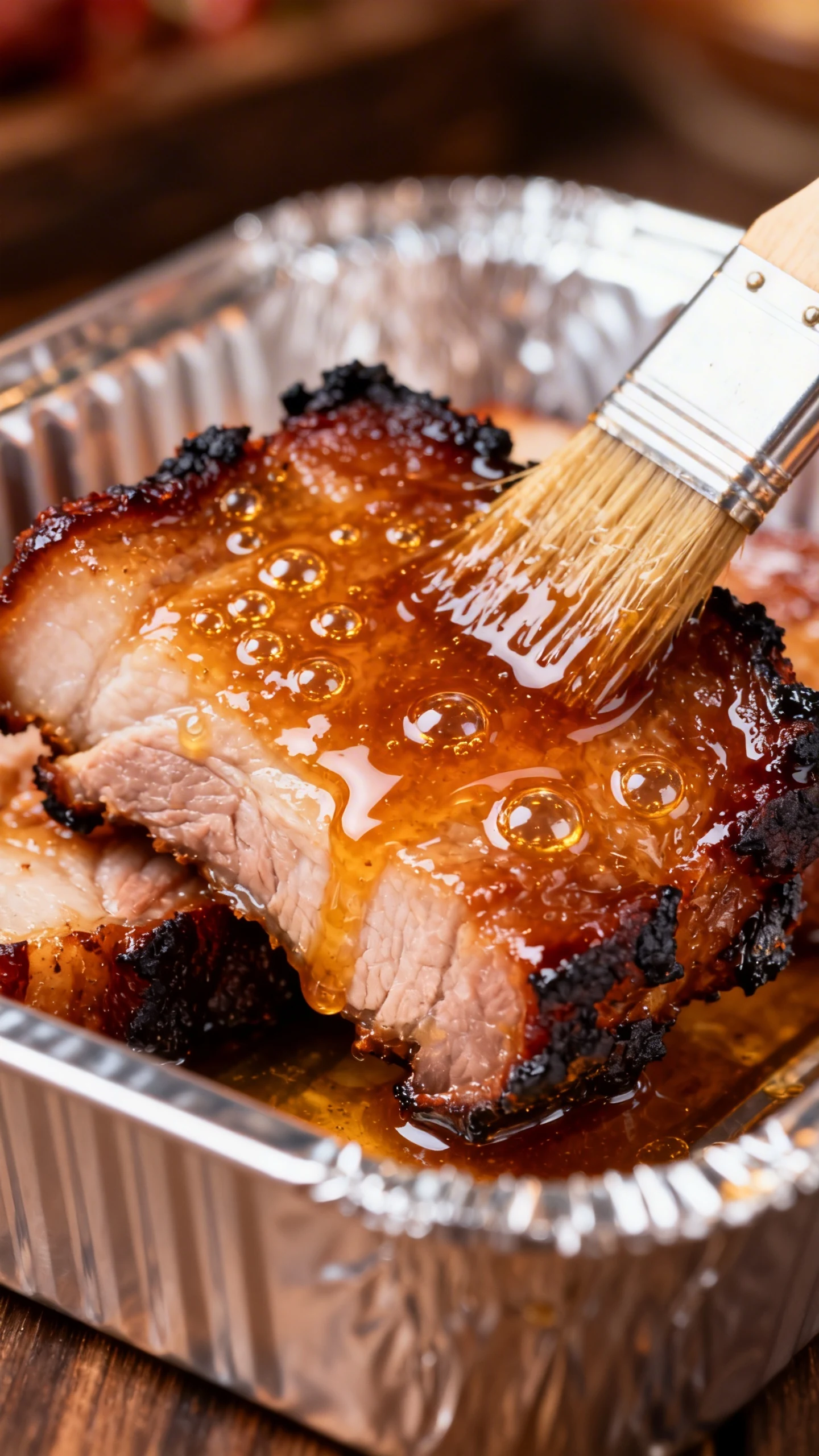
Glaze for shine. In the last 5 minutes, brush the pork with a little more honey mixed with a splash of warm water. This gives the exterior that sticky, glossy finish people lose their minds over. Watch it closely, because sugar goes from caramelized to burned with absolutely zero respect for your feelings.
-
Broil briefly if needed. If you want extra char, broil for 1 to 2 minutes at the end. Stay nearby and keep your eyes on it the entire time. This is not a walk away and answer emails situation.
-
Rest before slicing. Let the pork rest for 10 minutes after roasting. Resting keeps the juices inside the meat instead of all over your cutting board. Then slice across the grain into thin pieces for maximum tenderness.
-
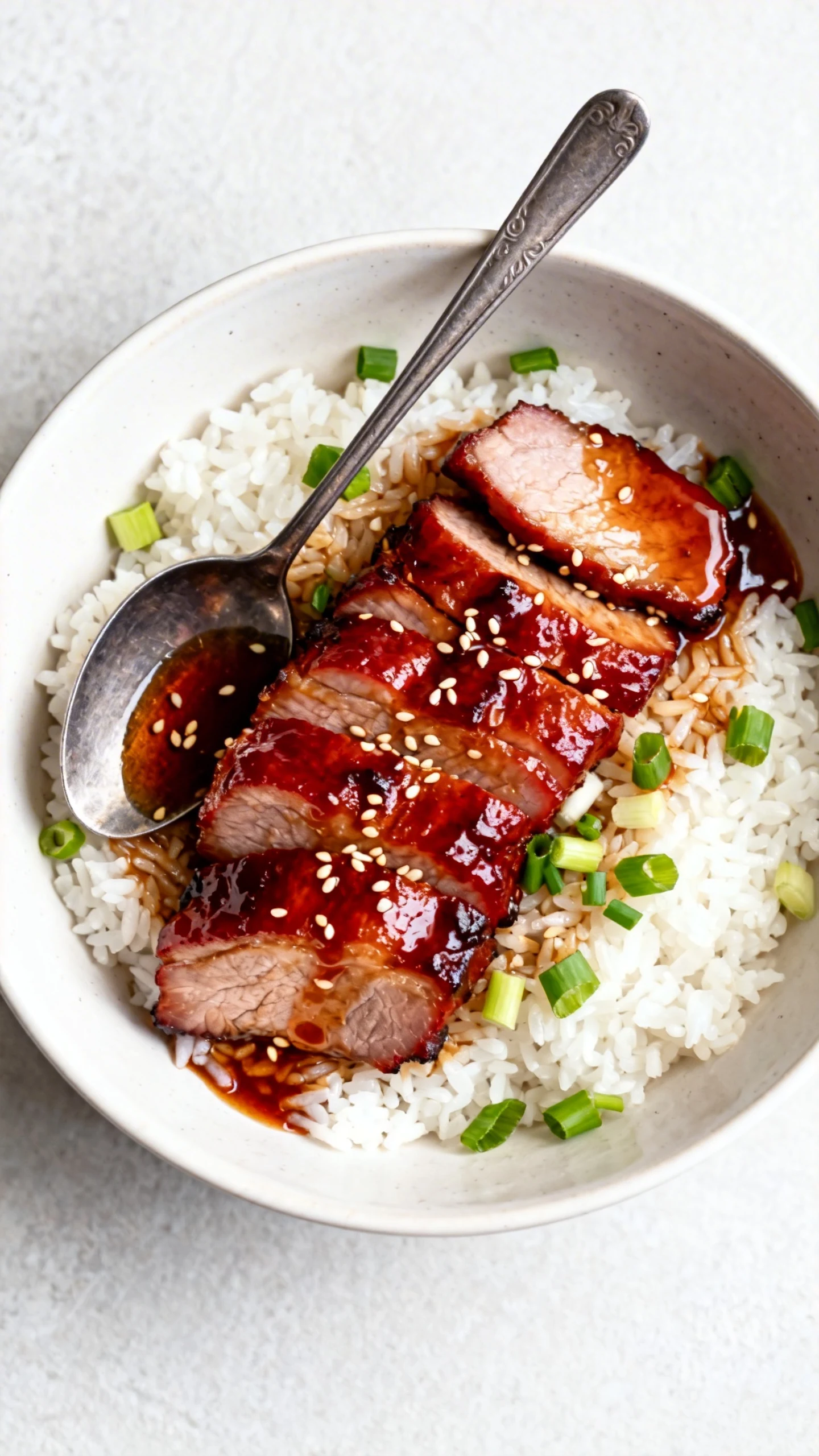
Serve hot. Spoon any pan juices over the slices and serve with rice, greens, noodles, or steamed buns. Add scallions or sesame seeds if you want a little extra flair. Suddenly takeout feels very overpriced.
Storage Instructions
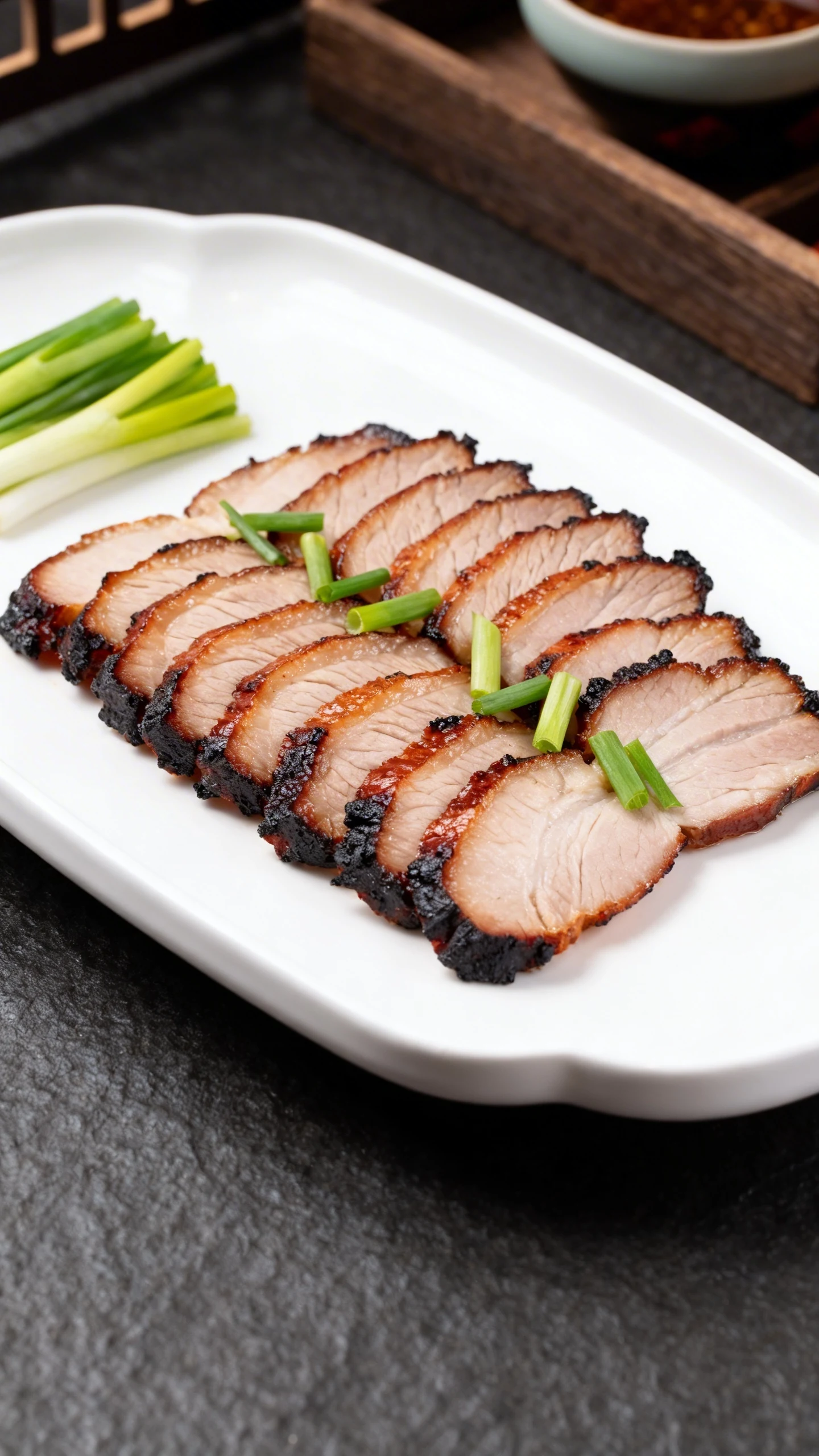
Store leftover pork in an airtight container in the refrigerator for up to 4 days. Keep any extra glaze or juices in the same container if possible, because they help the meat stay moist. Dry leftover pork is the culinary version of a scam.
To reheat, warm the slices in a skillet over medium low heat with a splash of water, stock, or reserved juices. You can also microwave it in short bursts, covered, to avoid drying it out. If you want the edges to crisp again, finish them quickly in a hot pan.
For longer storage, freeze the sliced pork in portions for up to 2 months. Wrap it well or use freezer bags with the air pressed out. Thaw overnight in the fridge before reheating for the best texture.
Why This is Good for You

Pork shoulder brings a solid dose of protein, which helps with satiety and muscle maintenance. A serving can feel hearty and satisfying, so you are less likely to roam the kitchen an hour later looking for random snacks. That alone deserves some respect.
The marinade also packs flavor without requiring heavy breading or deep frying. You get a bold result through roasting, which keeps the process simpler and often lighter than many restaurant versions. Pair it with vegetables and rice, and you have a balanced meal that actually feels complete.
Garlic and ginger contribute more than taste. Both contain compounds linked to anti inflammatory and antioxidant benefits, and they make the entire dish taste brighter and more complex. It is not a salad, sure, but it is still a smarter choice than many greasy fast food options.
Common Mistakes to Avoid
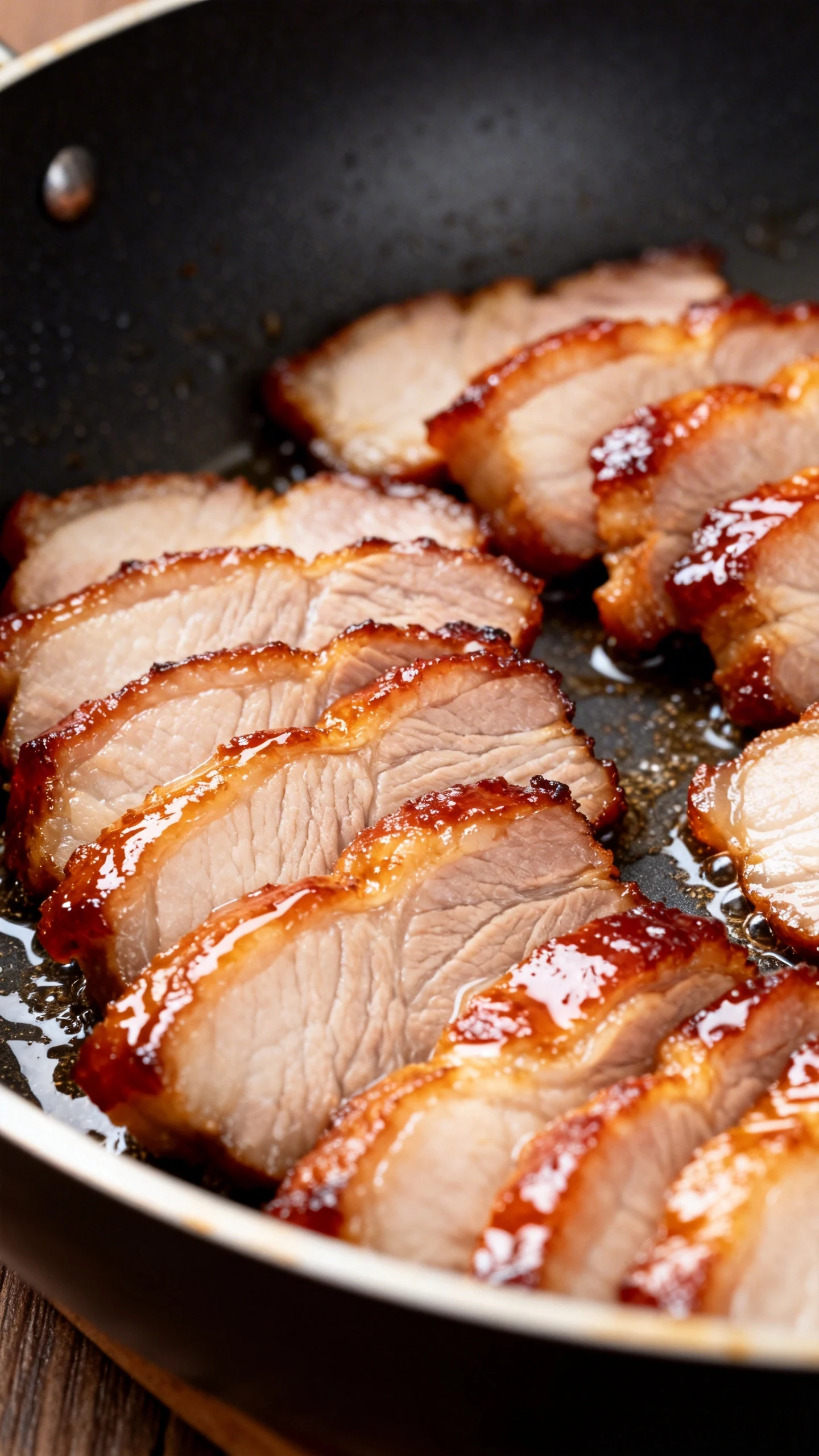
- Using lean pork loin without adjusting the method. It can dry out quickly. If you use it, reduce the cooking time and monitor the internal temperature closely.
- Skipping the long marinade. A quick 30 minute soak will not give you the same depth. The flavor needs time to work.
- Crowding the pan. When pieces sit too close together, they steam instead of roast. Space matters.
- Using all the raw marinade as a finishing sauce. If it touched raw pork, boil it thoroughly before using, or make a fresh glaze. Food safety is not optional.
- Overbroiling. Sugar burns fast. One distracted scroll through your phone and the glaze turns from gorgeous to tragic.
- Slicing immediately. Resting the meat keeps it juicy. Cut too soon and the juices run out like they are late for a meeting.
Variations You Can Try
If you want a more traditional Cantonese style flavor, lean harder into maltose instead of honey. Maltose gives a thicker, shinier finish and a subtly different sweetness. It can be harder to work with, but the final glaze looks incredibly polished.
For a spicier version, add chili crisp, a spoon of sambal, or a little sriracha to the marinade. The heat cuts through the sweetness and makes the pork feel even more dynamic. Sweet plus spicy is a combo that rarely misses.
You can also make this in an air fryer for smaller batches. Cook at a slightly lower temperature and flip often so the glaze does not burn before the meat cooks through. It will not be exactly the same as oven roasted, but it gets you very close in less time.
If you like meal prep, turn the pork into rice bowls with cucumber, shredded cabbage, scallions, and a jammy egg. Or stuff it into bao buns with pickled vegetables for a party friendly option. Same core recipe, totally different mood.
FAQ
What cut of pork is best for this recipe?
Pork shoulder or pork butt works best because it has enough fat to stay juicy during roasting. That fat also helps create a more luxurious texture and richer flavor. If you use pork loin, be extra careful not to overcook it.
Can I make it without red food coloring?
Yes, absolutely. The color is mostly for the classic restaurant look and does not define the flavor. Without it, the pork will still roast into a beautiful reddish brown glaze.
How long should I marinate the pork?
At least 6 hours gives you good flavor, but overnight is ideal. If you are short on time, even 2 hours helps, though the taste will not be as deep. Longer marinating usually means a better result here.
What internal temperature should the pork reach?
A safe target is 145°F minimum, but many people prefer taking shoulder a bit higher for tenderness. Because the pieces are narrow, texture and appearance matter almost as much as exact numbers. You want cooked through meat with juicy centers and caramelized edges.
Can I grill this instead of roasting it?
Yes, and it tastes fantastic on a grill. Use medium heat and turn the pork often so the glaze caramelizes instead of burning. Keep a close eye on flare ups, because sweet marinades love to start drama.
What should I serve with it?
Steamed rice, stir fried greens, noodles, cucumber salad, or bao buns all work beautifully. It also pairs well with simple vegetables because the pork already brings plenty of flavor. You do not need an overly complicated side situation.
Can I prepare it ahead for a party?
Yes. Roast it earlier in the day, then reheat gently and glaze again just before serving. It slices well, holds flavor beautifully, and makes entertaining much easier.
The Bottom Line
This is one of those recipes that feels like a cheat code. You get sticky glaze, savory depth, caramelized edges, and juicy meat with ingredients you can actually find and steps you can actually follow. It tastes special enough for guests but easy enough for a weeknight, which is basically the dream.
If you want a homemade dish that beats takeout on flavor, aroma, and bragging rights, this is it. Learn the marinade, respect the glaze, and do not skip the resting time. After one batch, you will understand why people get weirdly protective over the last slice.