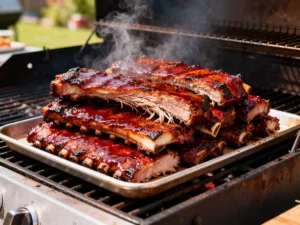
Tender, smoky, saucy beef with a simple method, big flavor, and make-ahead ease for weekends or party day.
Some recipes ask for your whole Saturday and still give you meat with the personality of a paper towel. This is not that recipe. These ribs bring deep smoke, rich beef flavor, sticky glaze, and that dramatic pull from the bone people suddenly go silent for. You get maximum payoff without acting like you joined a barbecue cult last week. If you want a cookout dish that makes everyone hover by the grill, this is it.
What Makes This Recipe So Good
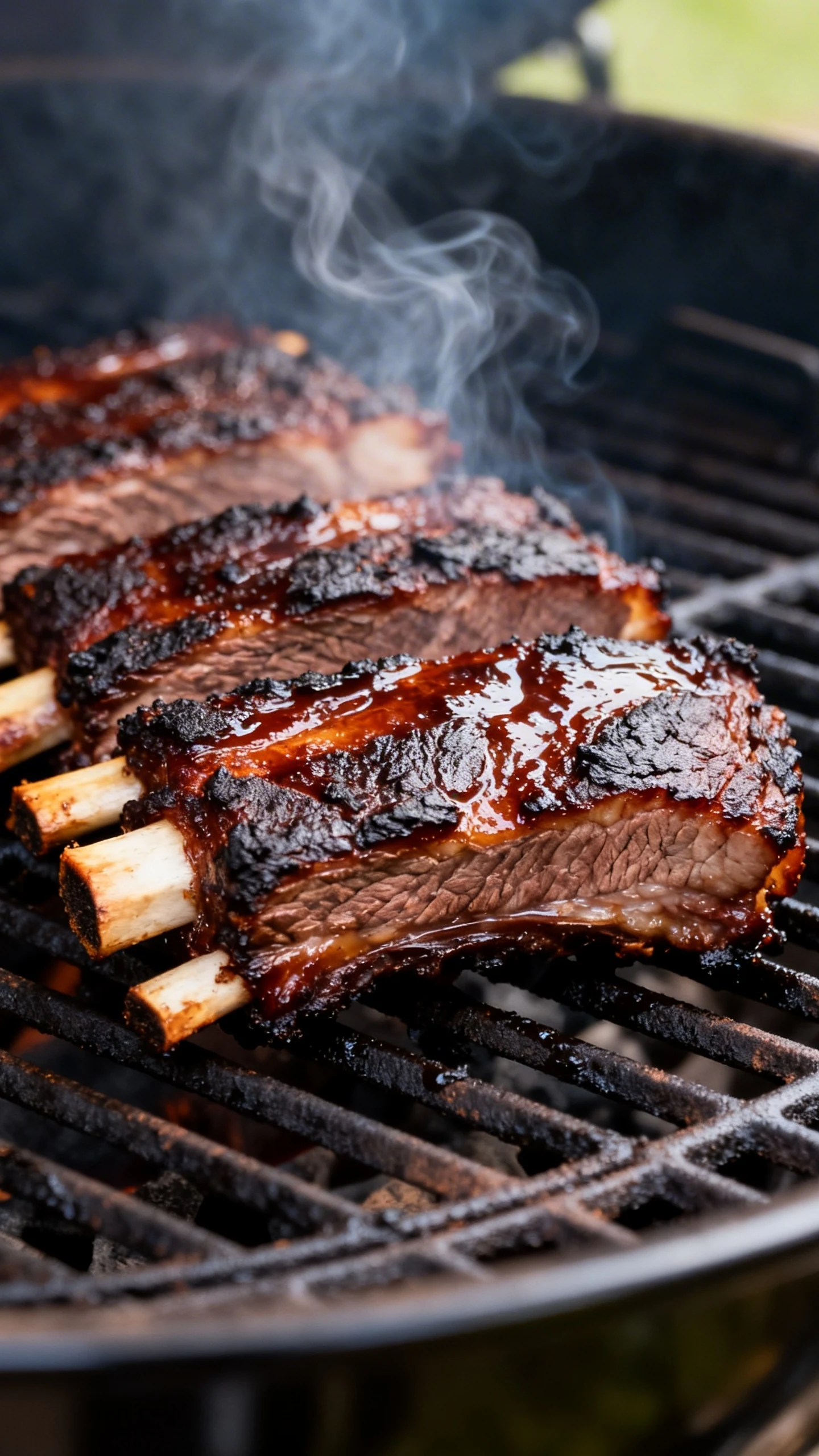
The magic starts with the cut. Short ribs pack more marbling and beefy flavor than a lot of barbecue meats, so they stay juicy while they cook low and slow. That fat renders into the meat instead of escaping into sadness.
The seasoning also does real work here. A balanced rub builds a savory crust with salt, pepper, paprika, garlic, and a little brown sugar for color and caramelization. Then smoke layers in depth, and the sauce finishes everything with sweet, tangy, and spicy notes.
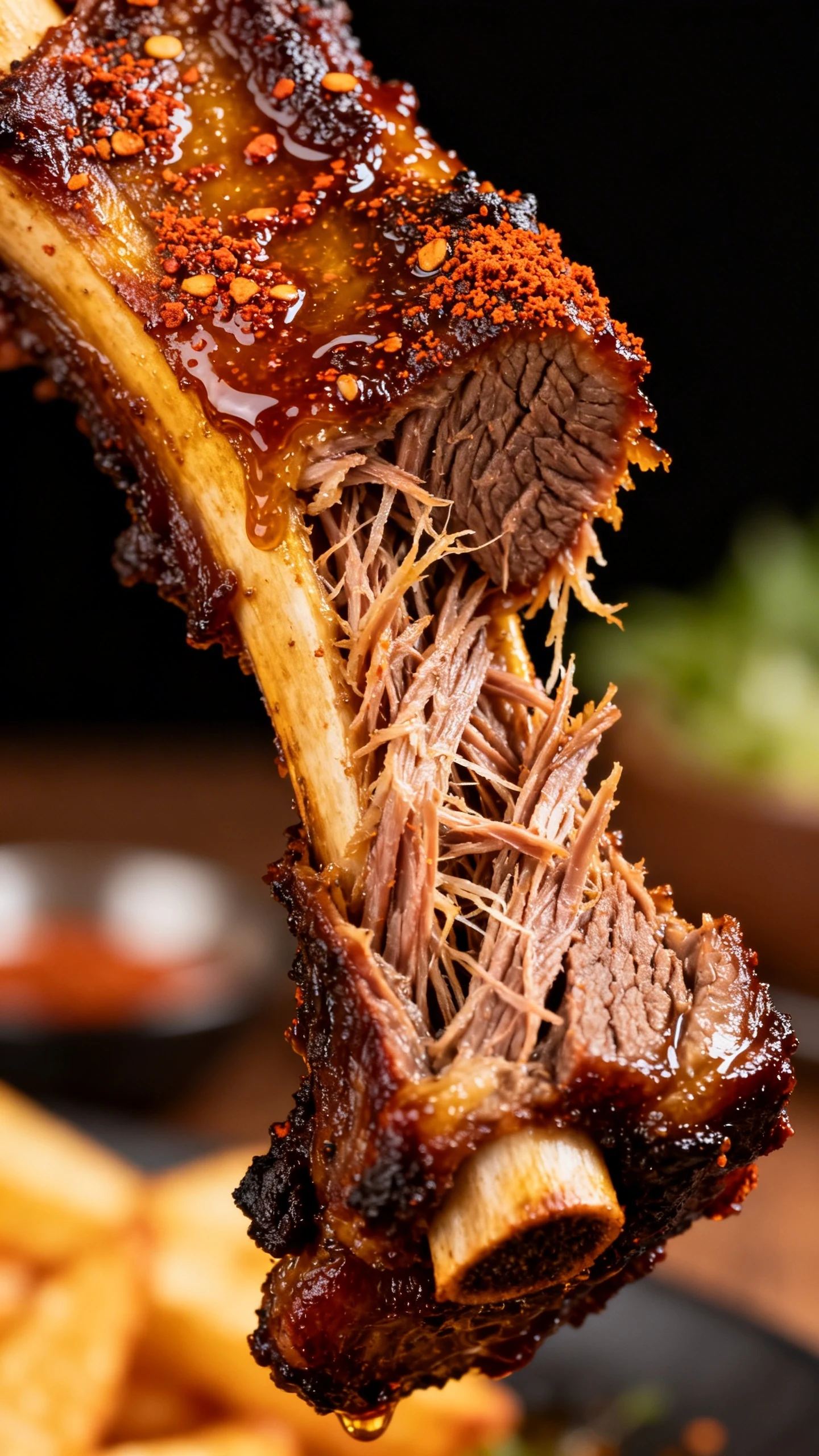
Texture is the real flex. Done right, these ribs feel tender without turning mushy, which matters because nobody wants beef pudding on a bone. You want that clean bite, glossy finish, and enough richness to make one rib feel satisfying while somehow convincing you to eat three.
This recipe also gives you room to win. You can smoke them, bake them, or finish them on the grill, and they still come out impressive. IMO, that kind of flexibility is what turns a good recipe into a repeat recipe.
What You’ll Need (Ingredients)
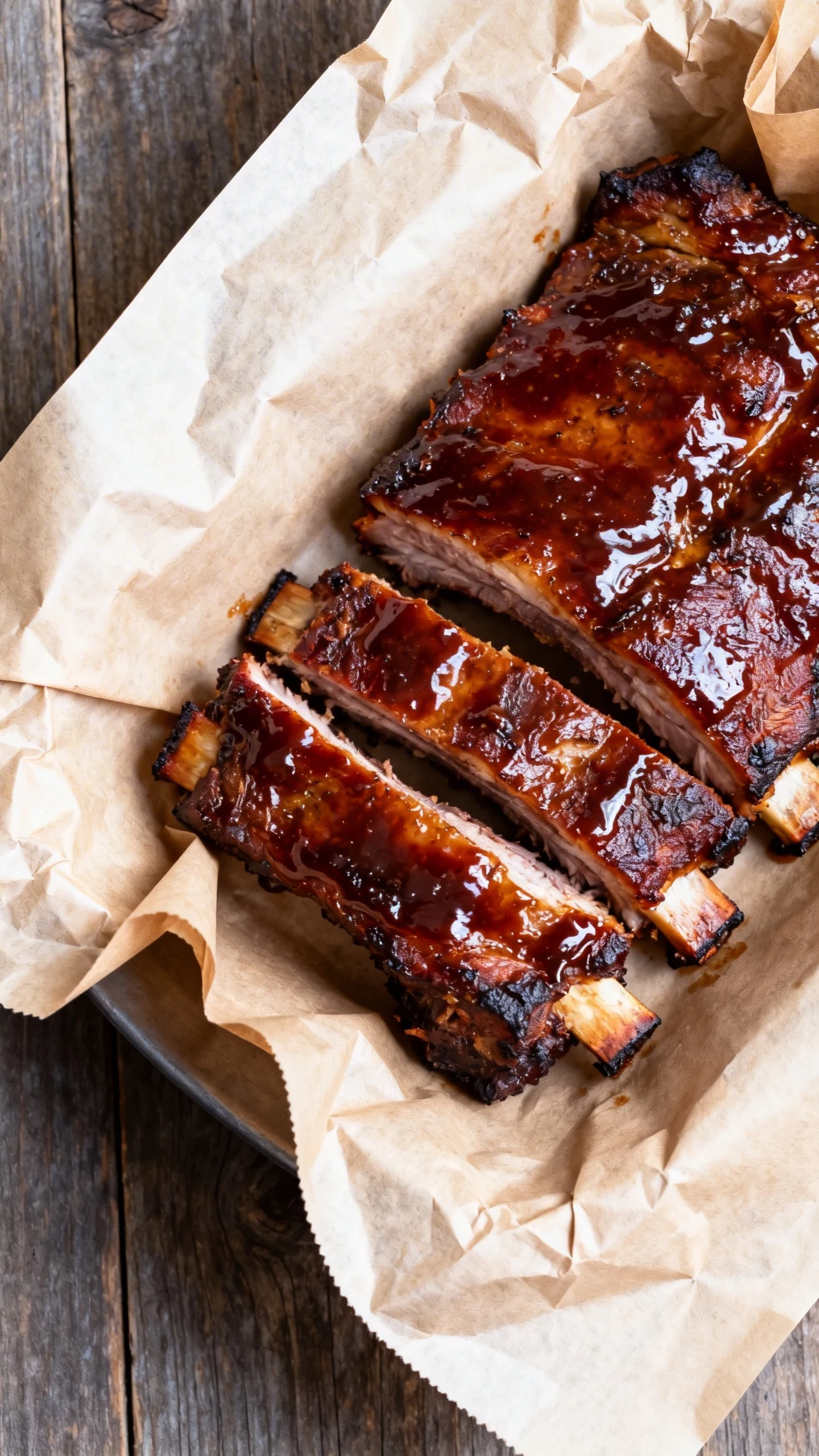
Use English cut short ribs for thick, meaty portions or flanken style if you want thinner ribs that cook faster. Either works, but the method below shines with thick-cut ribs because they handle low heat beautifully.
- 4 to 5 pounds beef short ribs, trimmed of excess surface fat
- 2 tablespoons kosher salt
- 1 tablespoon coarse black pepper
- 2 teaspoons smoked paprika
- 2 teaspoons garlic powder
- 1 teaspoon onion powder
- 1 tablespoon brown sugar
- 1 teaspoon chili powder
- 1 teaspoon mustard powder
- 2 tablespoons yellow mustard or olive oil, for binding the rub
- 1 cup barbecue sauce, your favorite style
- 2 tablespoons apple cider vinegar
- 1 tablespoon honey
- 1 teaspoon hot sauce, optional
- Wood for smoking, such as oak, hickory, or cherry
If you want to add extra depth, keep beef broth on hand for wrapping. A splash in the foil or butcher paper helps maintain moisture during the second part of the cook. It is not mandatory, but it is a nice insurance policy when your grill decides to act mysterious.
Step-by-Step Instructions
-
Prep the ribs. Pat the ribs dry with paper towels. Trim any thick caps of hard fat or loose flaps that could burn, but leave the marbling alone because that is where the flavor lives. If the membrane on the bone side feels thick and rubbery, loosen and remove it.
-
Mix the rub. In a small bowl, combine the salt, black pepper, smoked paprika, garlic powder, onion powder, brown sugar, chili powder, and mustard powder. Stir until evenly blended. This is your flavor foundation, not a decorative dusting, so mix it well.
-
Season generously. Lightly coat the ribs with yellow mustard or olive oil. Sprinkle the rub all over every side and press it in so it adheres. Let the ribs sit at room temperature for about 30 minutes while you preheat your smoker or grill.
-
Preheat for low and slow cooking. Heat your smoker or indirect grill zone to 250°F. Add wood chunks or chips if smoking. Stable heat matters more than showing off, so get the temperature steady before the meat goes on.
-
Smoke the ribs. Place the ribs bone side down on the grates. Smoke for about 3 hours, spritzing lightly with water or apple cider vinegar if the surface looks dry. You want deep color and a formed bark, not scorched edges trying to cosplay as barbecue.
-
Wrap for tenderness. Set each rack or portion on foil or butcher paper. Add a small splash of beef broth or a teaspoon of vinegar if you want extra moisture, then wrap tightly. Return to the smoker and cook for another 2 to 3 hours, until the ribs feel tender when probed.
-
Make the glaze. In a bowl, stir together the barbecue sauce, apple cider vinegar, honey, and hot sauce if using. The vinegar keeps the sauce bright, and the honey adds shine. This quick glaze tastes like you worked harder than you did, which FYI is the dream.
-
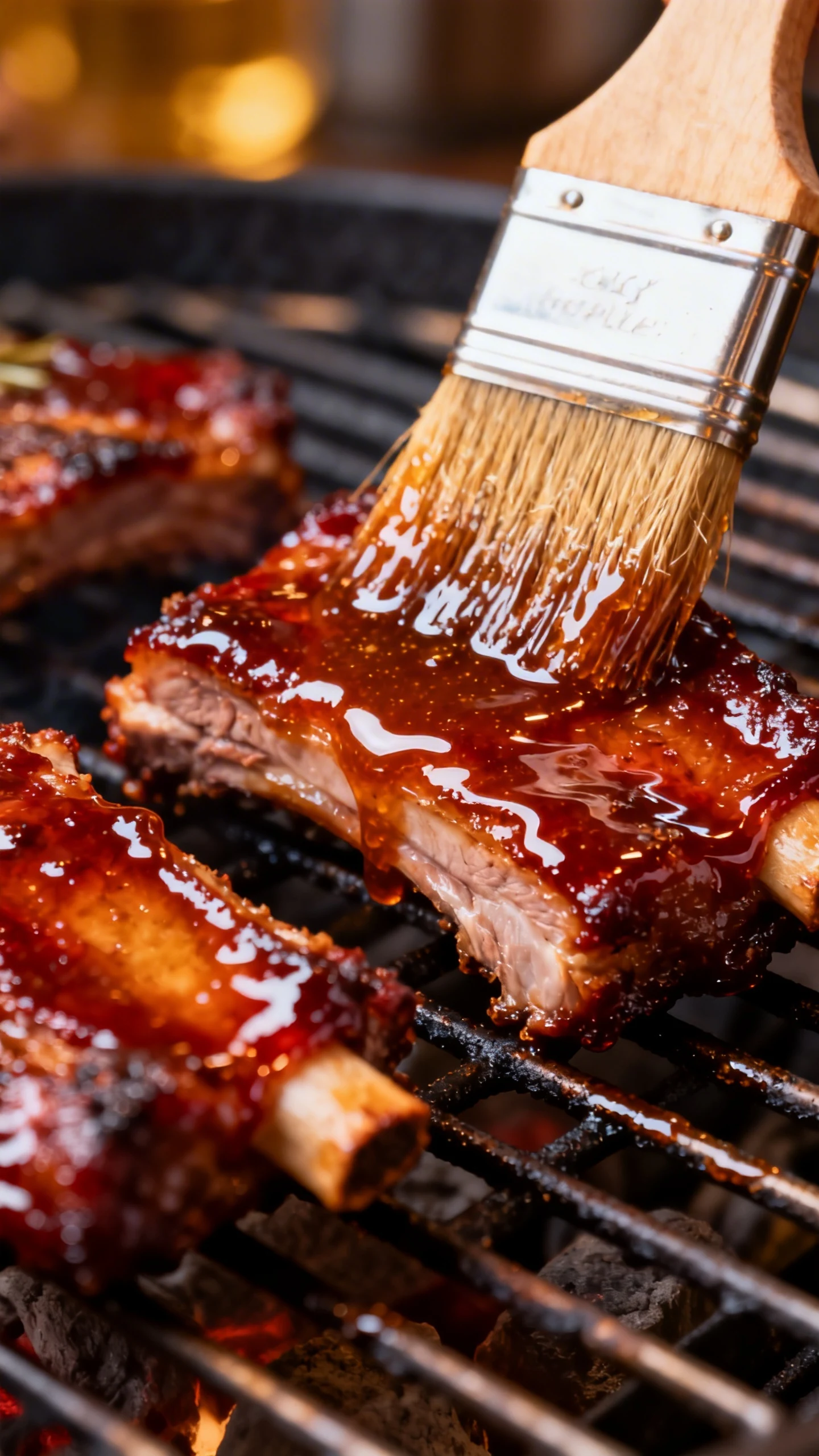
Sauce and finish. Carefully unwrap the ribs and brush them with the glaze. Put them back on the grill or smoker for 15 to 20 minutes to set the sauce. The glaze should look sticky and lacquered, not wet like it just lost an argument.
-
Rest before serving. Transfer the ribs to a board and let them rest for 10 to 15 minutes. Resting keeps the juices in the meat instead of all over your cutting board. Slice between the bones and serve hot.
If you use the oven, bake the seasoned ribs covered at 300°F until tender, then finish with sauce under the broiler or on a hot grill. You lose some smoke, sure, but you still get excellent texture and flavor. A little liquid smoke in the sauce can help, though use a light hand because nobody wants their dinner tasting like a campfire-scented candle.
Preservation Guide
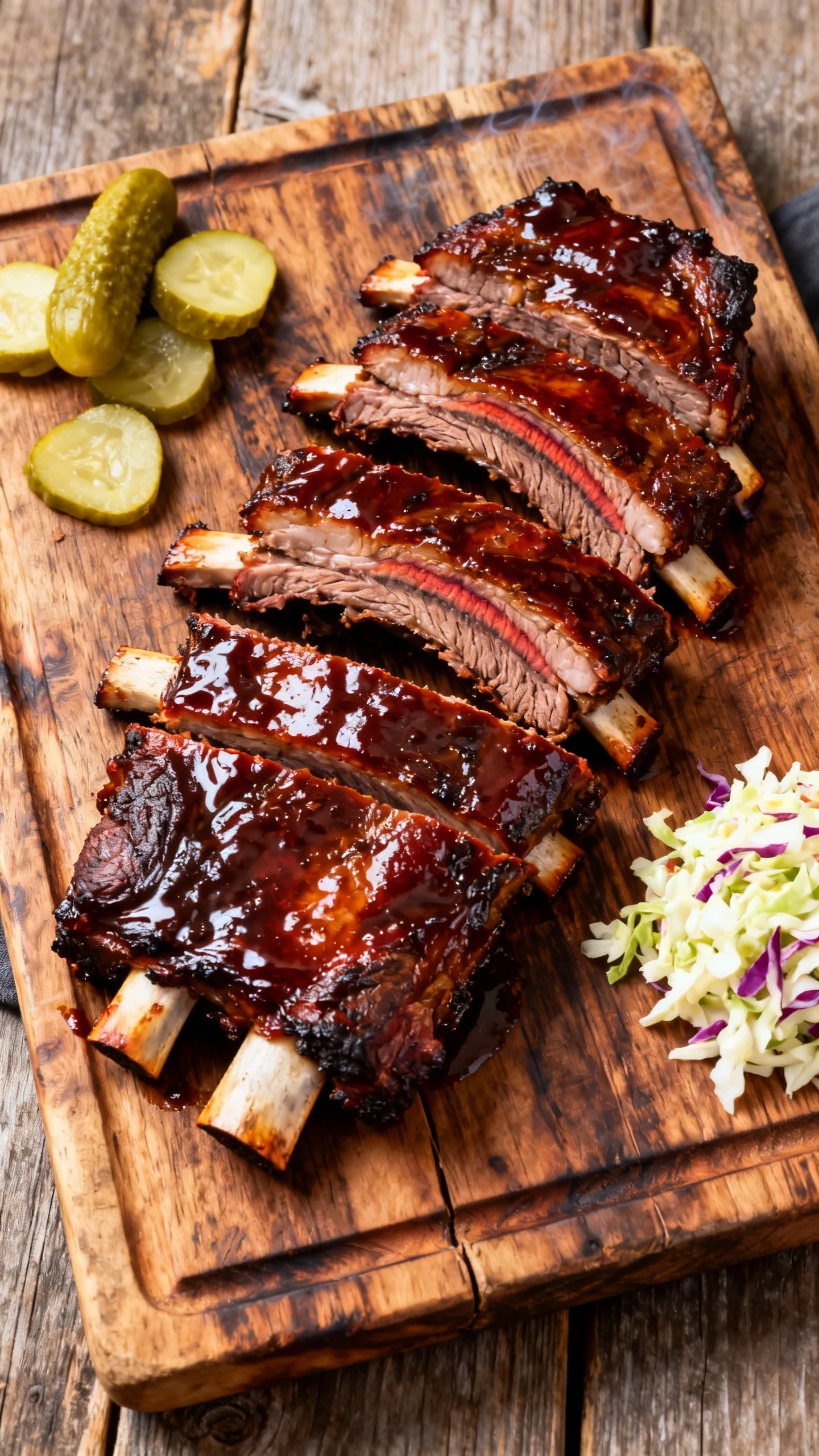
Store leftover ribs in an airtight container in the refrigerator for up to 4 days. Keep some extra sauce in a separate container so the meat does not get soggy while it sits. Reheat gently, and they stay surprisingly juicy.
For longer storage, freeze the ribs for up to 3 months. Wrap portions tightly in plastic wrap or foil, then place them in freezer bags with as much air removed as possible. Label them, unless you enjoy the game of guessing whether that mystery package is dinner or regret.
To reheat, place the ribs in a covered baking dish with a splash of broth or water and warm at 300°F until heated through. You can also reheat them on a grill over indirect heat. Brush on fresh sauce at the end to revive the gloss and flavor.
Benefits of This Recipe
Big flavor tops the list. Short ribs offer rich beefiness, and the low-and-slow process gives the fat time to render, which creates a deep, satisfying bite. This recipe tastes expensive even when the ingredient list stays pretty straightforward.
It works for gatherings. You can prep the ribs ahead, cook them in stages, and hold them warm before serving. That makes them ideal for backyard parties, game days, or family dinners where you want to look calm and competent at the same time.
It is flexible. Use a smoker, charcoal grill, gas grill with indirect heat, or even the oven. You can keep the seasoning classic or tweak the sauce to go sweeter, spicier, or smokier depending on your mood and your pantry.
It feels special. Some meals are fuel. These ribs are an event. The aroma alone gets people wandering into the kitchen or patio asking fake-helpful questions like, “Need me to taste that?”
Common Mistakes to Avoid
Cooking too hot ruins the texture fast. High heat tightens the meat before the connective tissue has time to break down, so the ribs turn tough. Keep the temperature steady and let time do the heavy lifting.
Under-seasoning is another common issue. Short ribs are rich and thick, so they need enough salt and spice to balance the meat. A timid sprinkle of rub will disappear into the beef like it never even tried.
Adding sauce too early can burn the sugars. Most barbecue sauces contain sweeteners that scorch over long cooks. Wait until the final stage so the glaze sets instead of blackening into sticky bitterness.
Skipping the rest costs you juiciness. Letting the ribs sit for a few minutes after cooking helps the juices redistribute. Cut too soon, and all that moisture runs out while you stare at it like betrayal in liquid form.
Chasing exact time instead of tenderness also trips people up. Every rack cooks a little differently depending on thickness, fat content, and grill stability. Probe the meat and trust feel over the clock when it matters.
Different Ways to Make This
If you like a Kansas City style finish, use a sweeter sauce with extra brown sugar, molasses, and a little more paprika in the rub. The result turns glossy, sticky, and deeply comforting. It is classic in the best way.
For a Texas-inspired version, simplify the rub to mostly salt, coarse pepper, and garlic, then skip the heavy sauce. Let the smoke and beef flavor dominate. This route tastes bolder and more meat-forward, which a lot of barbecue fans swear by.
Want more heat? Add cayenne, chipotle powder, or a spicy sauce blend for a hotter profile. The richness of the meat handles spice really well, so you can push it farther than you might with leaner cuts.
You can also go Asian-inspired with soy sauce, brown sugar, garlic, ginger, sesame oil, and a touch of gochujang or chili crisp in the glaze. Finish with scallions and sesame seeds after cooking. It is not traditional barbecue, but it is wildly good.
If speed matters, use flanken-cut ribs and grill them hot and fast after marinating. They will not have the same bark or low-and-slow texture, but they deliver excellent flavor in a fraction of the time. Weeknight barbecue energy, basically.
FAQ
What are the best short ribs for barbecue?
English cut short ribs usually work best for this style because they are thick, meaty, and hold up well during a long cook. Flanken-cut ribs cook faster and taste great too, but they suit quicker grilling methods better than classic smoked barbecue.
How do I know when the ribs are done?
Look for deep color, rendered fat, and meat that feels tender when you slide in a probe or skewer. The ribs should not fall apart instantly, but they should offer very little resistance. Internal temperature often lands around 200°F to 205°F, though feel matters most.
Can I make these in the oven?
Yes. Season the ribs, cover them tightly, and bake until tender at a low temperature. Then sauce and broil or grill them briefly to caramelize the exterior and create that sticky finish.
Do I have to wrap the ribs?
No, but wrapping helps push the ribs through the stall and keeps them moist during the tenderizing stage. If you prefer a firmer bark, skip the wrap and cook longer. Just watch moisture levels and avoid drying them out.
What wood tastes best with beef short ribs?
Oak is a great all-around choice because it gives strong smoke without overwhelming the meat. Hickory adds a bolder, bacon-like edge, while cherry contributes a slightly sweeter profile and beautiful color. Mixing oak and cherry works especially well.
Can I make them ahead for a party?
Absolutely. Cook the ribs until tender, cool them, and refrigerate. Reheat gently in a covered pan with a little broth, then glaze and finish on the grill or in the oven right before serving.
What sides go well with these ribs?
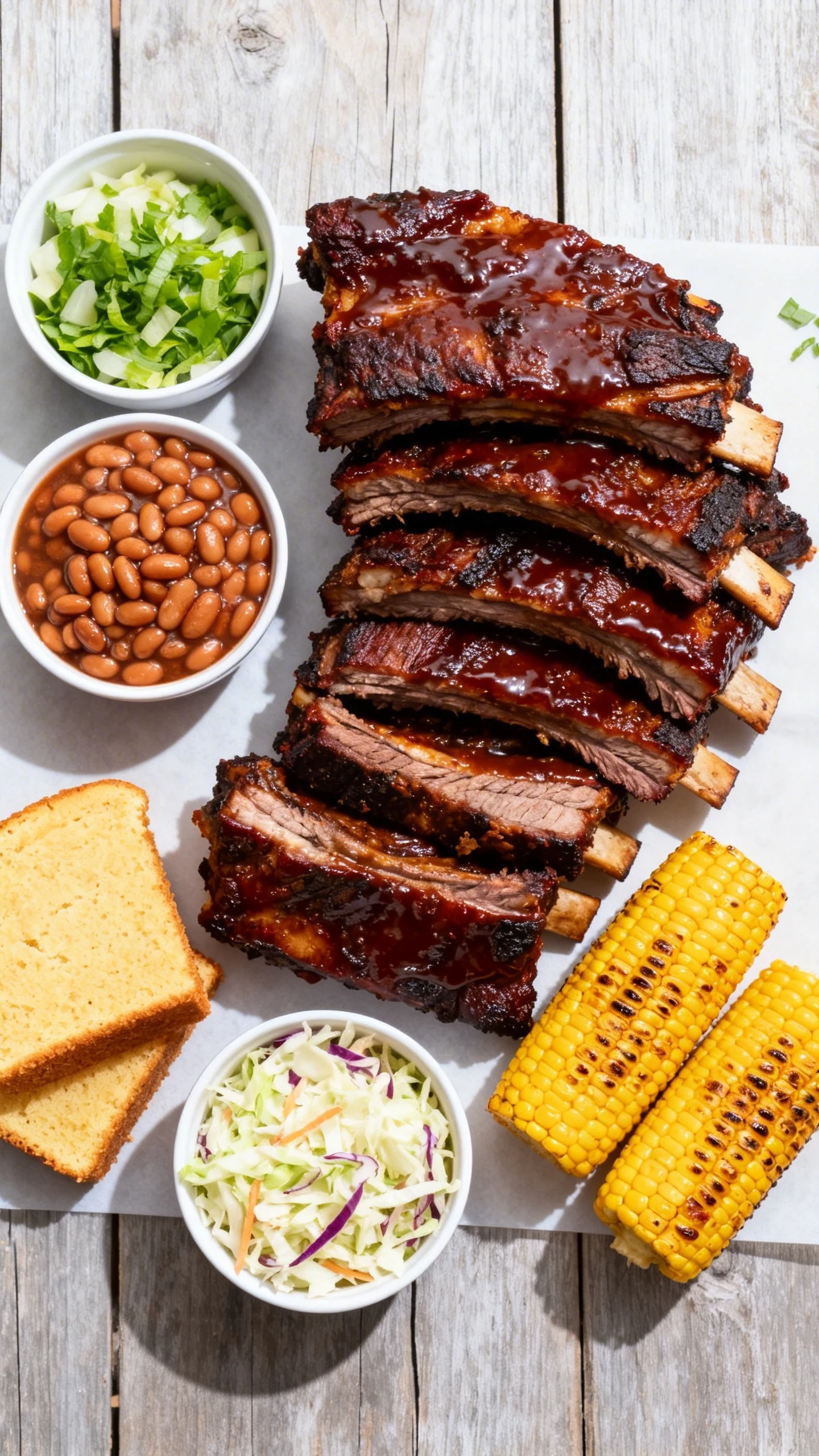
Coleslaw, mac and cheese, cornbread, baked beans, potato salad, grilled corn, and pickles all pair well. You want sides that cut through the richness or complement the smoke. A crisp slaw is especially smart because beef this rich likes contrast.
My Take
This recipe hits the sweet spot between backyard comfort and serious barbecue payoff. It looks dramatic, tastes even better, and does not require a truckload of obscure ingredients or supernatural grill instincts. That makes it a keeper.
I also like how forgiving it is. You can take the classic route, tweak the seasoning, change the sauce, or finish it in the oven, and it still delivers. In a world full of overhyped recipes, that kind of reliability feels almost suspicious.
If you want one meat recipe that makes people remember the meal, start here. Make it once, and it will quietly become the thing friends request over and over. Which is flattering, until you realize they now expect you to bring the ribs every time.