Get the sizzle, sauces, sides, and pro timing that turn a casual meat feast into a fun, flavor packed outing.
You know a meal is winning when the table becomes the event. That is the magic here: fire, smoke, fast hands, and food that tastes better because you cooked it yourself two inches from your face. A great Korean barbecue experience feels part dinner, part sport, part tiny delicious flex. And once you understand what makes it work, you stop ordering randomly and start eating like you actually have a plan.
People think it is just grilled meat. That is cute. The real appeal comes from the combo of marinades, crisp lettuce wraps, punchy sauces, bubbling stews, chilled noodles, and a table covered in little side dishes that somehow disappear in minutes. IMO, it is one of the few meals where waiting for food is fun.
If you have ever sat down at the grill and wondered what to order, how to cook it, or why some spots feel unforgettable while others feel like smoky chaos, you are in the right place. This guide breaks down the full experience in a practical way. Less guessing, more sizzling.
What Makes This Special
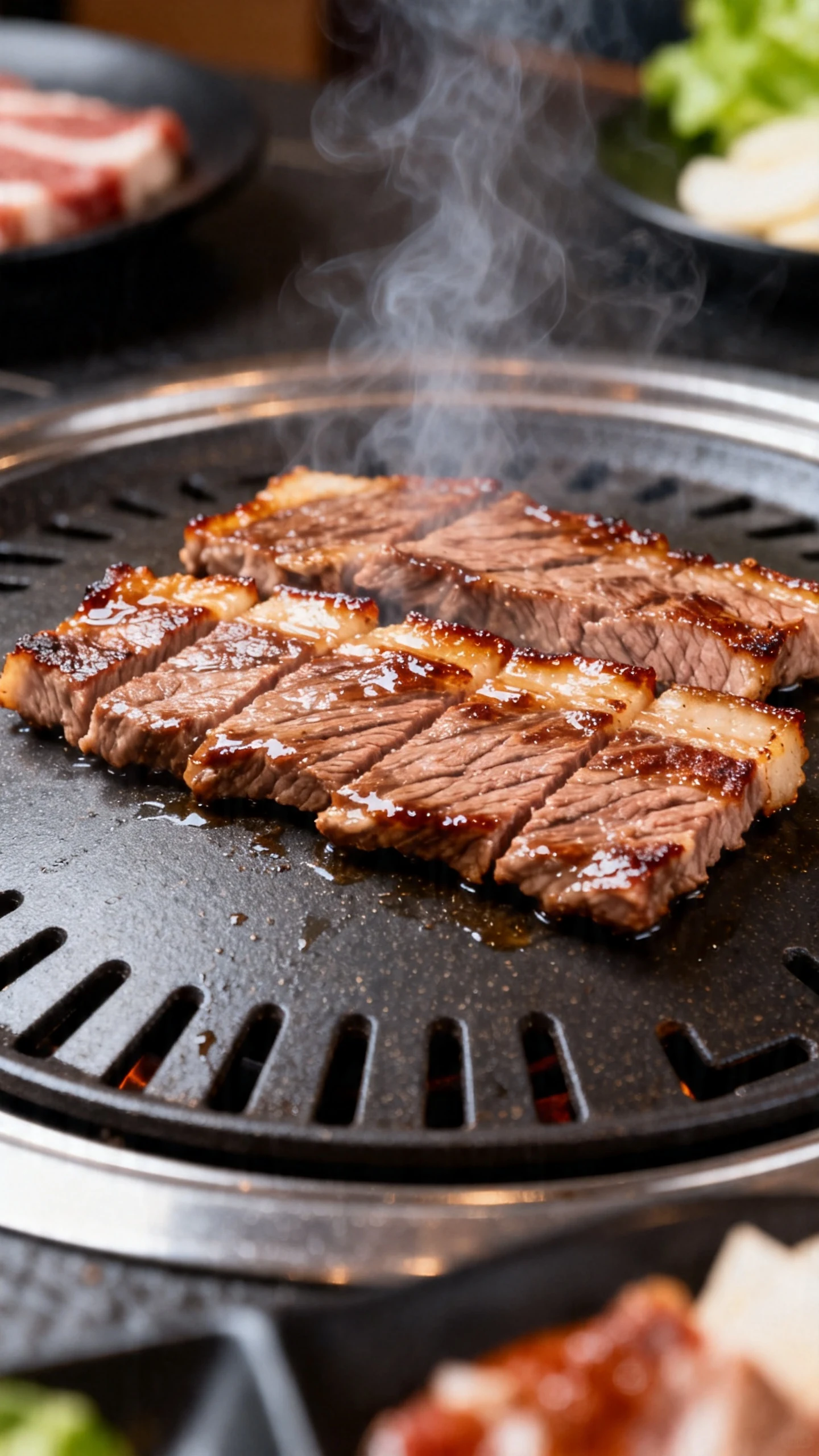
A Korean barbecue meal stands out because it turns eating into a shared ritual. Instead of one plate arriving fully finished, the table becomes the kitchen. Everyone leans in, watches the grill, flips meat at the right moment, builds wraps, swaps opinions, and argues over who let the short ribs char too much. Very normal dinner behavior.
The flavors also hit from multiple angles at once. You get sweet soy marinades, salty sesame oil, spicy gochujang, bright pickled vegetables, fresh herbs, and rich grilled fat in one sitting. That balance keeps the meal exciting from first bite to last. It is rich, yes, but it rarely feels one note.
Another huge part of the appeal is variety. A solid spot gives you beef, pork, chicken, seafood, soups, rice dishes, noodles, and a spread of banchan, the little side dishes that show up like edible confetti. Each bite can taste completely different depending on what you combine. That is why people leave talking about the meal like it was a full event, not just dinner.
Ingredients
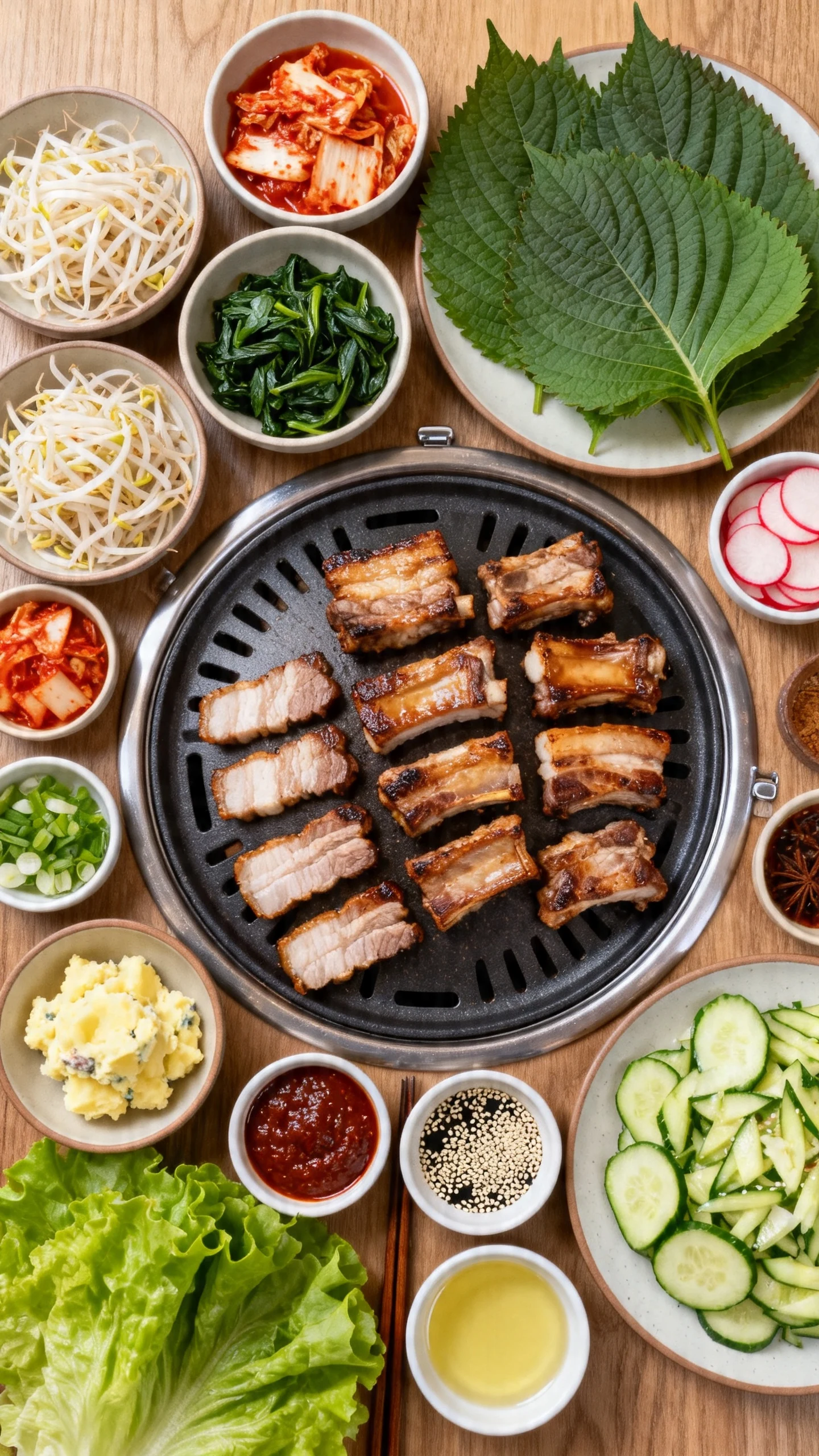
If you want to understand what defines a great Korean barbecue spread, start with the core building blocks. These are the ingredients you will usually see at a strong restaurant or recreate at home for a similar vibe.
- Beef short ribs, often marinated for galbi
- Thin sliced beef brisket, usually unmarinated and cooked quickly
- Ribeye or sirloin, sliced for grilling
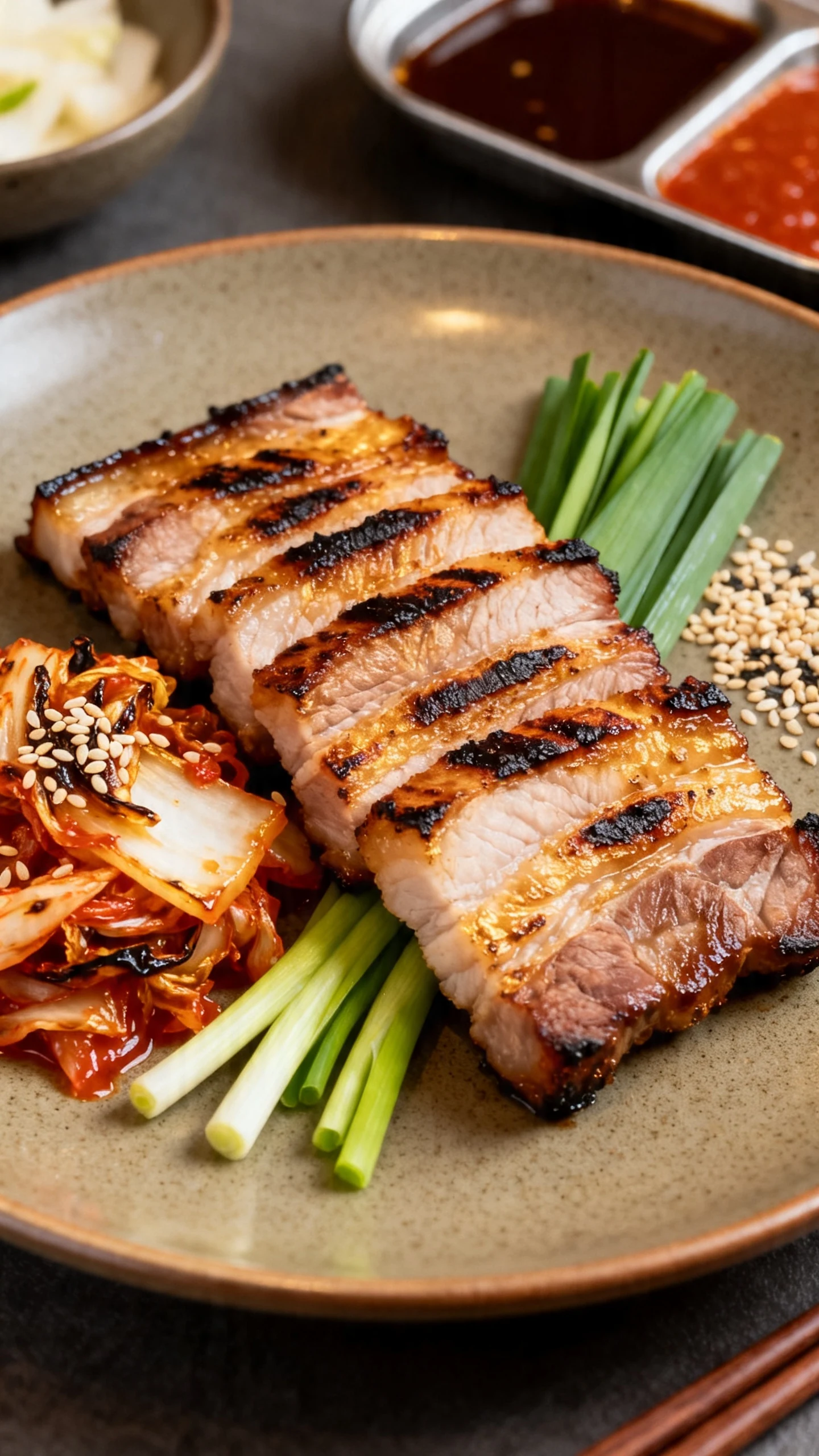
- Pork belly, thick or thin cut
- Spicy pork, marinated with gochujang
- Chicken thigh, plain or marinated
- Shrimp or squid for seafood options
- Lettuce leaves for wraps
- Perilla leaves for a minty, herbal bite
- Steamed rice
- Kimchi
- Pickled radish
- Seasoned bean sprouts
- Seasoned spinach
- Potato salad, often slightly sweet and creamy
- Cucumber salad
- Green onions, often dressed in a spicy vinaigrette
- Garlic cloves for grilling or wrapping
- Sliced jalapenos or fresh chilies
- Sesame oil with salt and pepper
- Ssamjang, a savory thick dipping paste
- Gochujang, for heat and depth
- Soy sauce
- Sesame seeds
- Scallions
- Sugar or pear puree in marinades
- Garlic and ginger
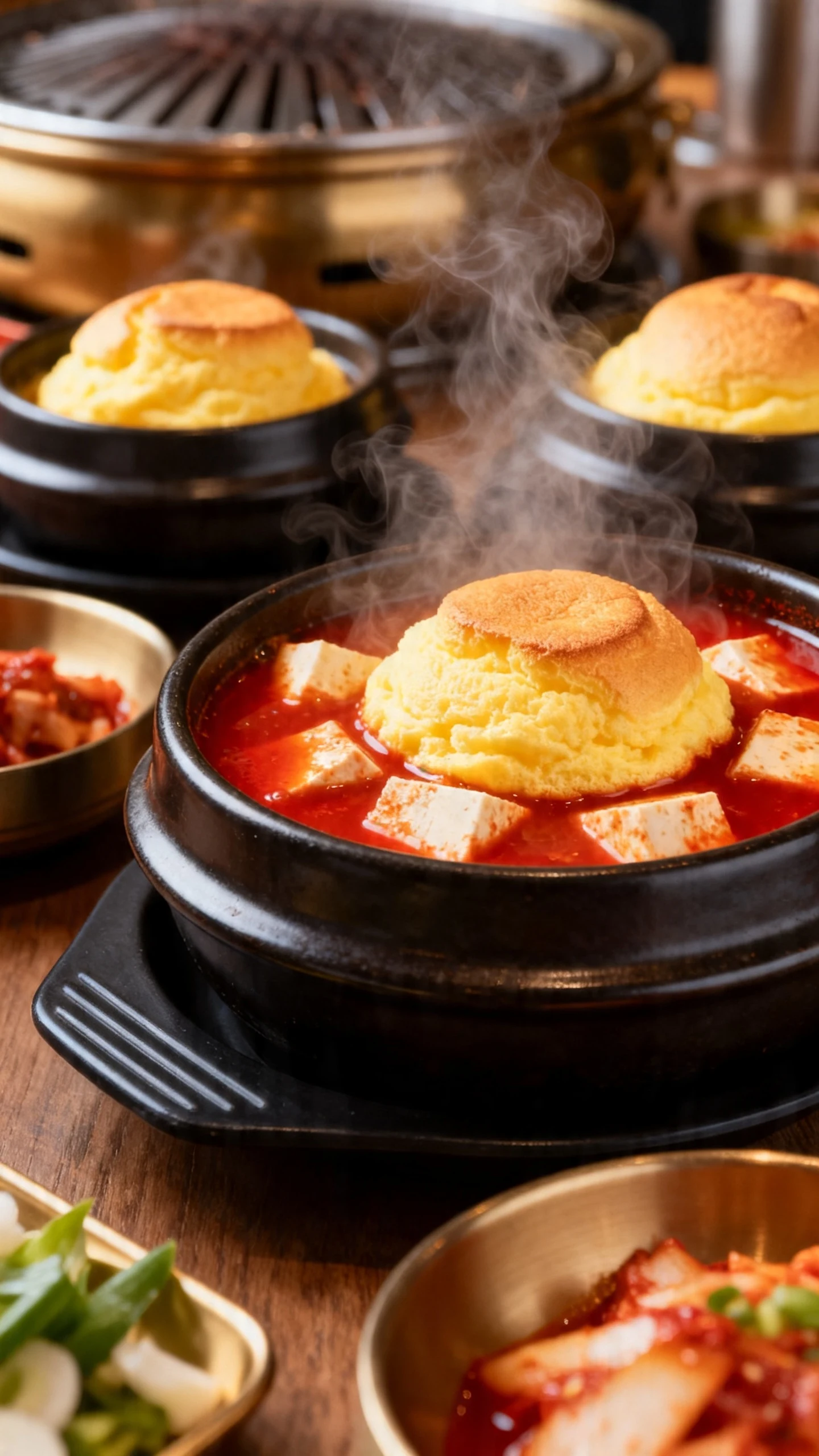
- Tofu stew, egg souffle, or soybean paste soup as side dishes
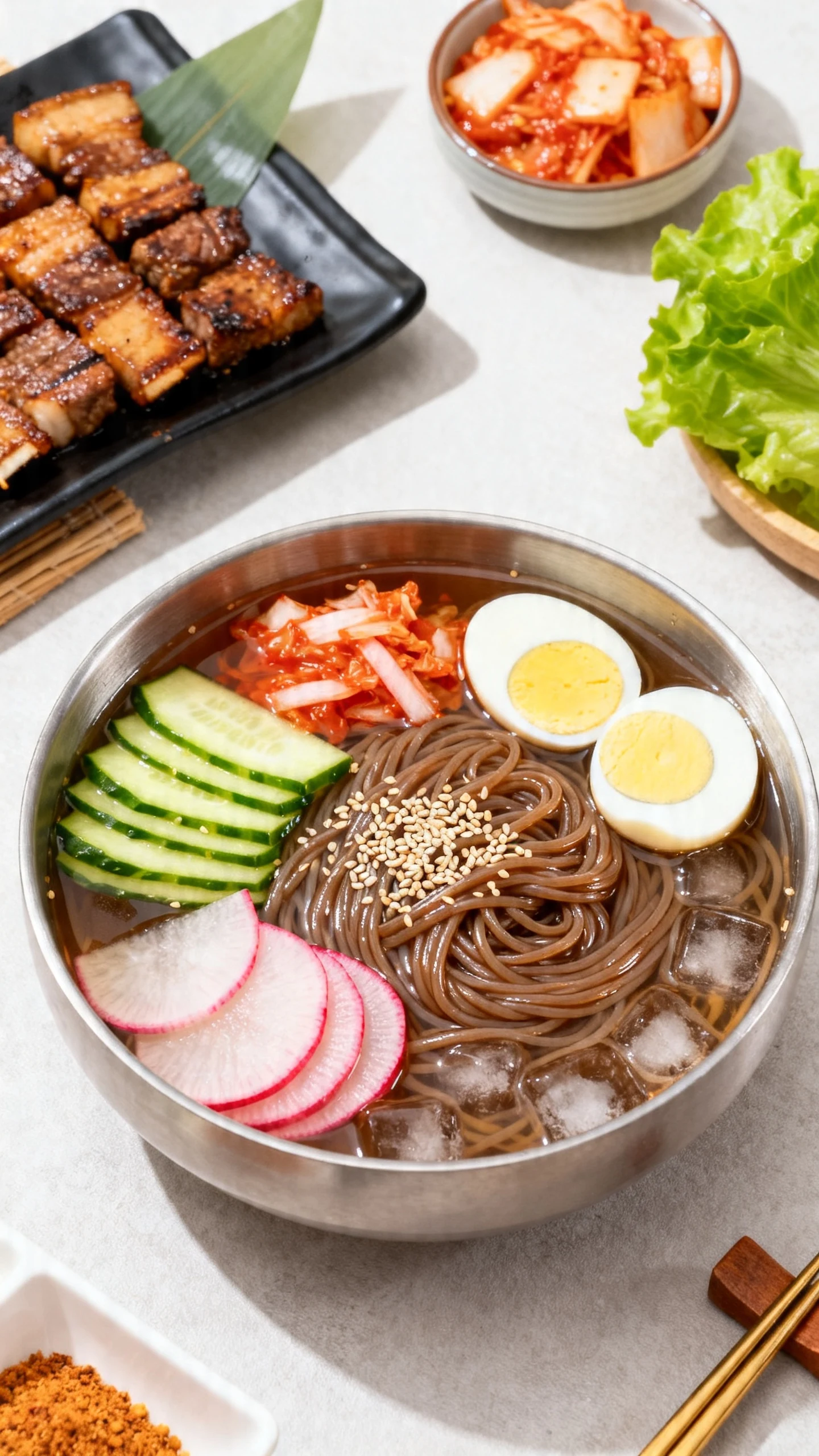
- Cold noodles or glass noodles for contrast
Instructions
At a restaurant, there is a rhythm to doing this well. Follow it, and the meal flows. Ignore it, and you end up with burned meat, cold sides, and the vague sense that the table defeated you.
-
Pick a balanced mix of proteins. Order a combo if you are new. A mix of marinated beef, plain beef, pork belly, and one spicy option gives you range without turning the table into a traffic jam.
-
Start with the faster cooking cuts. Thin brisket and lighter slices help you warm up the grill and get food moving fast. Save thicker, richer cuts for once everyone has settled in.
-
Use the banchan strategically. Do not treat the side dishes like decoration. Kimchi cuts richness, pickled radish refreshes your palate, and seasoned vegetables keep the meal from feeling like a meat marathon.
-
Cook in small batches. Crowding the grill kills browning and creates steaming instead of searing. You want sizzling edges, not sad gray slices collecting emotional damage.
-
Watch marinades closely. Sugary marinades burn fast. Flip those cuts often and move them to cooler spots on the grill if needed.
-
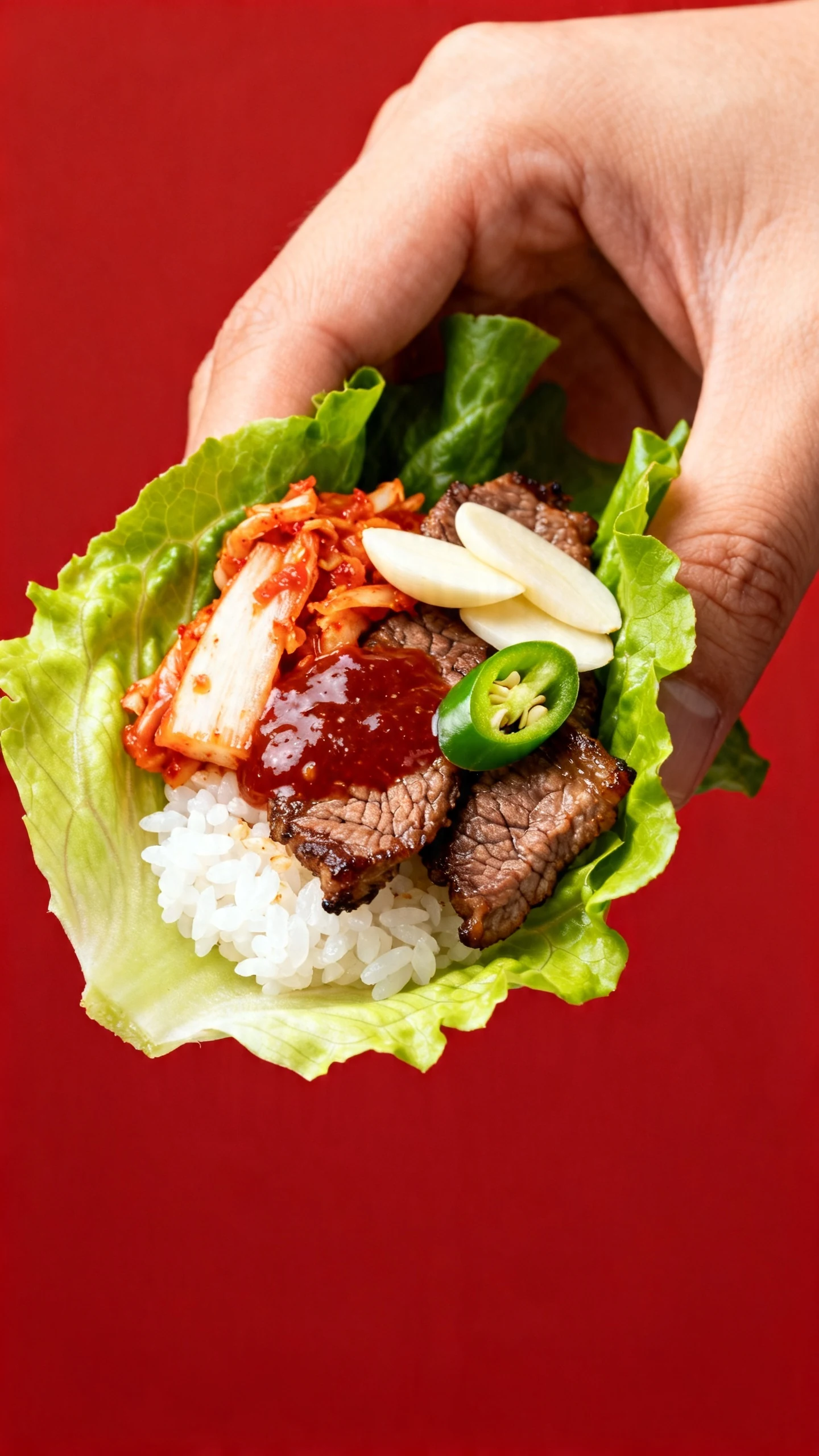
Build a proper wrap. Take lettuce or perilla, add meat, a touch of rice, a little ssamjang, maybe garlic, maybe kimchi, and fold it into one bite. It should feel loaded but still manageable. If it explodes in your hand, you aimed too high.
-
Rotate flavors as you go. Switch between beef and pork, spicy and plain, rich and bright. That pacing keeps your taste buds interested and prevents flavor fatigue.
-
Add a hot side dish midway through. Kimchi fried rice, steamed egg, or a bubbling stew helps reset the meal. It also gives the table something cozy between grill rounds.
-
Finish with noodles or rice. Cold noodles bring relief after rich grilled meats. Fried rice cooked on the grill at the end is also elite, FYI.
-
End before the table gets overwhelmed. The best meals peak at the right moment. Ordering everything at once sounds ambitious, but pacing wins every time.
Storage Tips
If you brought leftovers home, cool them quickly and store them in airtight containers within two hours. Keep grilled meats separate from sauces, greens, and side dishes when possible. That small move keeps textures better and stops everything from tasting like one smoky mystery box.
Most cooked meats stay good in the fridge for up to three days. Fresh sauces, lettuce, and delicate banchan taste best sooner, usually within one to two days. Reheat meat in a skillet over medium heat rather than blasting it in the microwave until it turns into chewy homework.
If you have raw marinated meat from a meal kit or home setup, refrigerate it and use it within one to two days. Freeze it for longer storage if needed. Labeling containers helps too, because all reddish marinades begin to look suspiciously identical after midnight.
Nutritional Perks
Korean barbecue can actually offer a smart nutritional mix when you order intentionally. Grilled meats provide strong protein, iron, zinc, and B vitamins. Add lettuce wraps and vegetable sides, and the meal starts bringing fiber, antioxidants, and more balance to the table.
Fermented foods like kimchi may support gut health and add flavor without needing heavy creamy sauces. Garlic, chili, ginger, and sesame also contribute compounds linked with general wellness. No, this does not mean unlimited short ribs become a health cleanse. Let us remain calm.
The best part is portion control by design. Because you assemble each bite yourself, you can shift the ratio toward more greens, leaner cuts, and smaller amounts of rice or sauce. That flexibility makes it easier to enjoy the full experience without feeling wrecked afterward.
Pitfalls to Watch Out For
The biggest mistake is overordering. The menu looks incredible, the combos sound heroic, and suddenly your table has enough food for a minor festival. Start smaller than you think and add more if needed.
Another common issue is burning marinated meats. Sweet sauces caramelize fast, which is great until they cross into blackened bitterness. Keep those cuts moving and avoid the hottest part of the grill for too long.
People also ignore balance. If every bite is just fatty meat dipped in sauce, the meal gets heavy fast. Use the wraps, eat the vegetables, sip the soup, and let the banchan do their job.
Finally, do not let cooked food sit too long on the grill edge. It dries out fast and loses that just grilled magic. Eat in waves, not in backlog.
Mix It Up
Once you know the basics, you can customize the experience like a pro. Choose brisket for a fast, beefy start, then move to galbi for deeper sweetness, then bring in pork belly for rich contrast. That order creates momentum and keeps the meal from feeling repetitive.
You can also play with sauce combinations. Dip one bite in sesame oil and salt for purity, then try another with ssamjang and garlic for depth, then another with kimchi for acid and heat. Tiny changes create completely different results.
If you want a lighter meal, focus on lean beef, chicken, seafood, lettuce wraps, and extra vegetable sides. If you want comfort food energy, add corn cheese, fried rice, and a bubbling stew. There is no one correct path here, just better decisions than ordering six plates of pork belly and acting shocked later.
FAQ
What should I order first at a Korean barbecue spot?
Start with a combo platter if the restaurant offers one. It gives you a curated mix of cuts and helps you sample different textures and marinades without overthinking the menu. For beginners, brisket, galbi, and pork belly create a strong first lineup.
Is Korean barbecue always all you can eat?
No. Some places offer all you can eat menus, while others price each dish individually. Both formats can be excellent, but the experience feels different. All you can eat rewards pace and appetite, while a la carte often feels more curated and premium.
Do I cook the food myself?
Usually yes, though some restaurants help with the grilling or handle it entirely for certain cuts. If staff members take over, let them. They have done this far more often than the guy at your table holding tongs like a game show prop.
What sauces matter most?
The essentials usually include sesame oil with salt and pepper, ssamjang, and sometimes soy based dipping sauces. Each one changes the bite in a different way. Sesame oil highlights the meat, while ssamjang adds savory, funky depth.
What are banchan, exactly?
Banchan are the small side dishes served with the meal. They can include kimchi, pickled vegetables, seasoned greens, tofu, potatoes, and more. They are not extras in spirit, even if they look tiny. They create contrast and make the whole meal feel complete.
Is it okay to ask for grill changes?
Absolutely. If the grill gets too charred or greasy, ask for a fresh surface. This matters especially when switching from heavily marinated meats to plain cuts, because leftover burnt sugar can wreck the next round.
What drink pairs well with this meal?
Sparkling water, beer, soju, and light lagers all pair well depending on your mood. Cold drinks help cut through the richness of grilled meat and spicy sauces. If you want the food to stay center stage, keep the drink crisp and simple.
Can I enjoy Korean barbecue if I do not eat beef?
Yes. Many places offer pork, chicken, seafood, tofu dishes, stews, and plenty of vegetable sides. You can still get the full social and flavor experience without touching beef once.
In Conclusion
A great Korean barbecue meal works because it delivers more than food. It gives you interaction, variety, control, and a steady stream of bold flavors that keep the table engaged. Few restaurant experiences feel this lively while still being genuinely delicious from start to finish.
If you know how to choose your meats, pace the grill, use the side dishes, and build balanced bites, the whole thing gets better fast. Suddenly, you are not just eating dinner. You are running the table like you have done it for years, and honestly, that is a pretty satisfying way to eat.