Build a crave worthy spread with fast, flavor packed banchan that balances smoky grilled meat without hours of prep.
You can grill the most beautiful marinated beef on earth and still lose the room with sad sides. That is the brutal truth of Korean barbecue. The little dishes around the grill are not extras, they are the flex. Get these right, and suddenly dinner feels like a restaurant move, not a Tuesday survival tactic.
The magic sits in contrast. Hot meat meets cold crunch, rich bites meet sharp pickles, and spicy flavors get checked by creamy, nutty, or fresh ones. Every tiny plate earns its spot. That is why one bowl of seasoned spinach can somehow make a whole table act like you hired a chef.
The best part? Most of these dishes are simple, fast, and wildly forgiving. You do not need a culinary degree or a mysterious grandmother recipe notebook. You just need a few staple ingredients, a little confidence, and the willingness to let sesame oil do an absurd amount of heavy lifting.
Why You’ll Love This Recipe
This spread gives you maximum impact with minimal chaos. You can prep many of the dishes ahead, which means less scrambling while the grill heats up and more pretending you totally planned this all along.
These sides create balance. Korean barbecue can be rich, smoky, sweet, and savory all at once, so the table needs brightness, crunch, and heat to keep every bite exciting. Otherwise, your palate taps out halfway through, and that is just embarrassing for everyone involved.
You can also mix and match based on time, budget, and spice tolerance. Want a quick weeknight setup? Make three. Hosting friends and feeling dramatic? Build six to eight and watch people hover around the table like it is the season finale.
Ingredients Breakdown
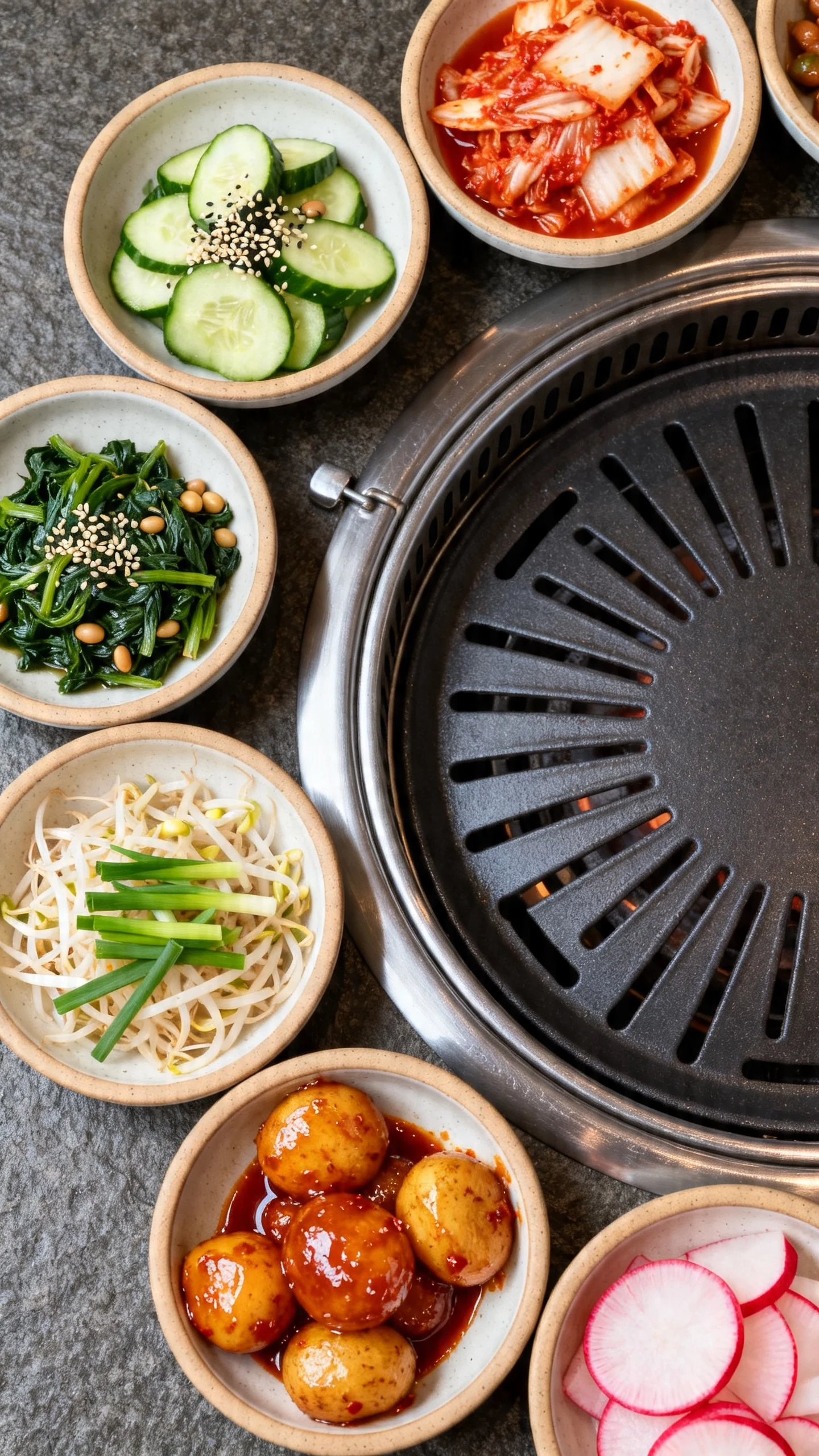
This article focuses on a classic home style banchan lineup that pairs beautifully with grilled beef, pork, chicken, or mushrooms. You can make all of them or choose your favorites.
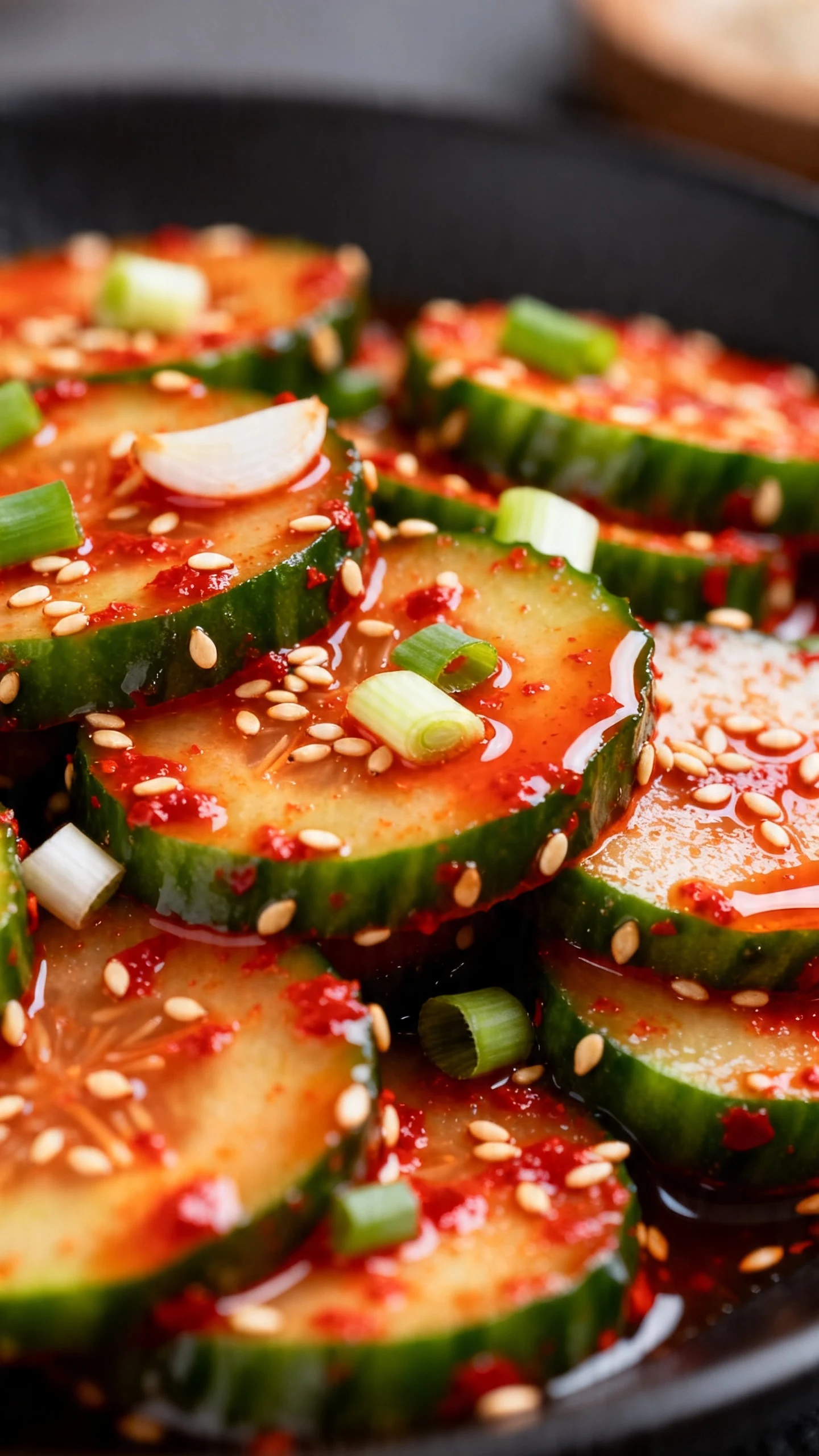
For quick kimchi cucumber salad
- 2 Persian cucumbers or 1 large cucumber, thinly sliced
- 1 teaspoon salt
- 1 teaspoon gochugaru
- 1 teaspoon rice vinegar
- 1 teaspoon sugar
- 1 teaspoon sesame oil
- 1 teaspoon toasted sesame seeds
- 1 teaspoon finely chopped garlic
- 1 sliced scallion
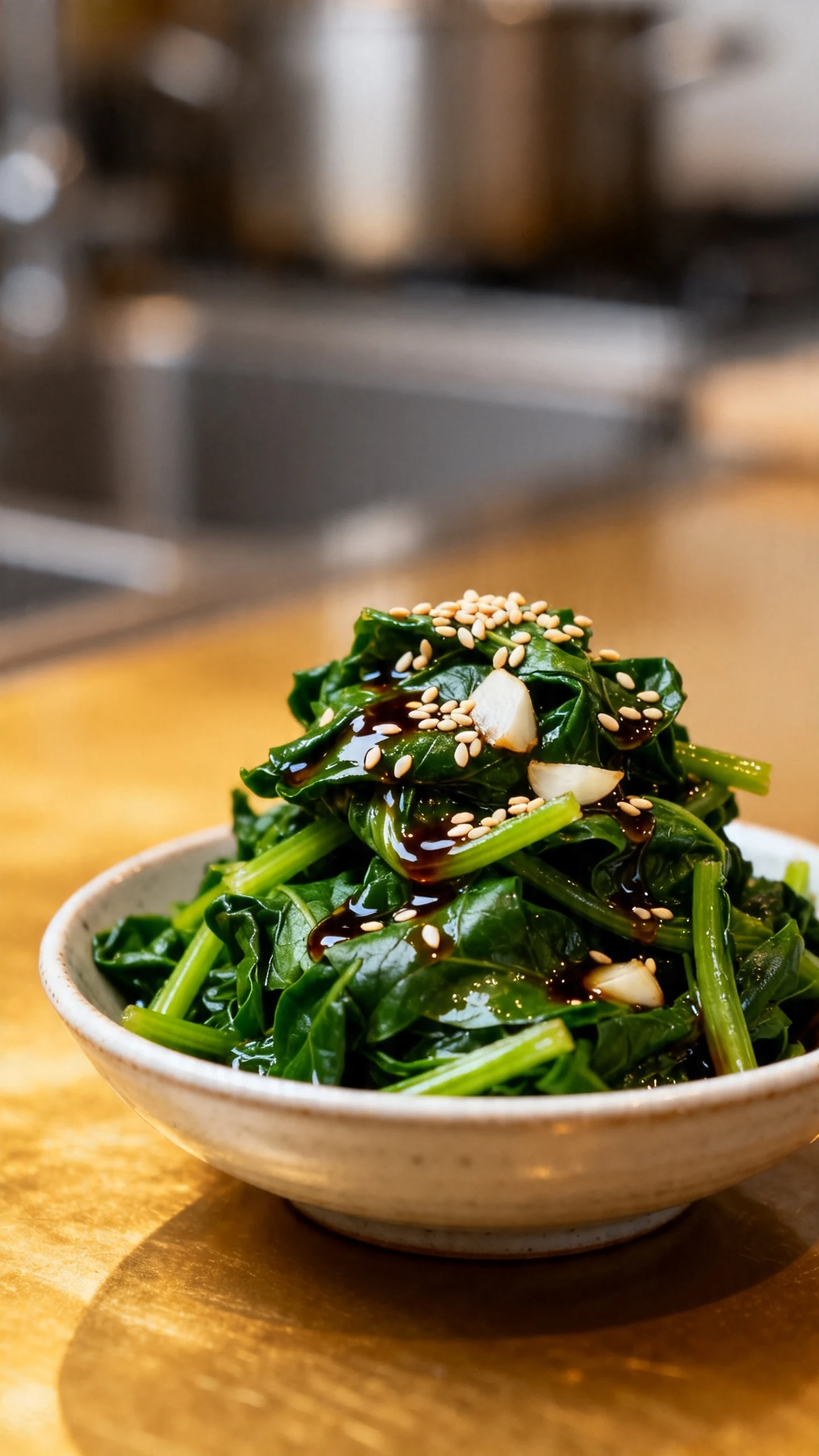
For sesame spinach namul
- 1 large bunch spinach
- 1 teaspoon soy sauce
- 1 teaspoon sesame oil
- 1 teaspoon toasted sesame seeds
- 1 small garlic clove, minced
- Salt to taste
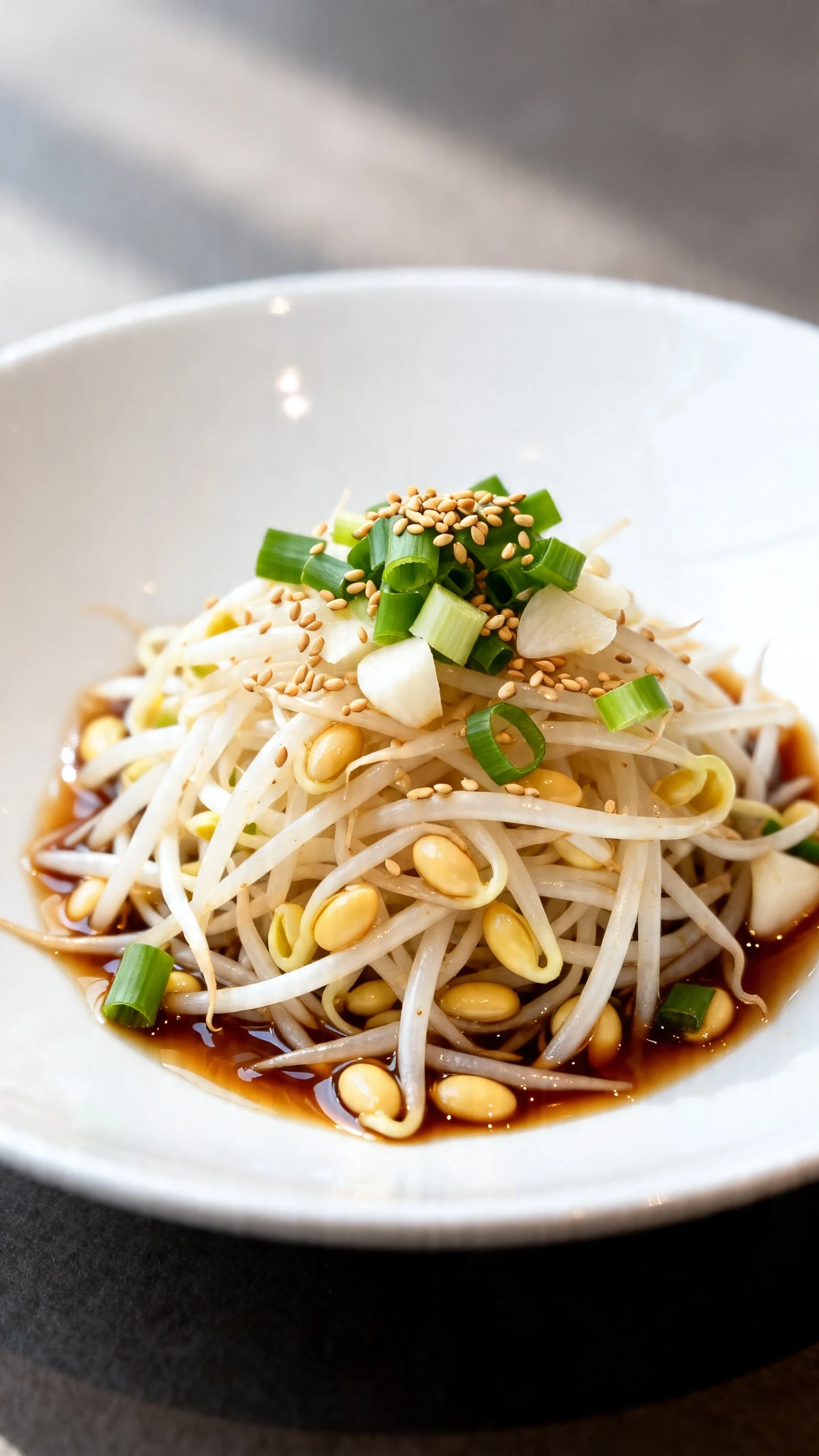
For soybean sprout banchan
- 10 ounces soybean sprouts
- 1 teaspoon sesame oil
- 1 teaspoon soy sauce
- 1 teaspoon toasted sesame seeds
- 1 minced garlic clove
- 1 chopped scallion
- Salt to taste
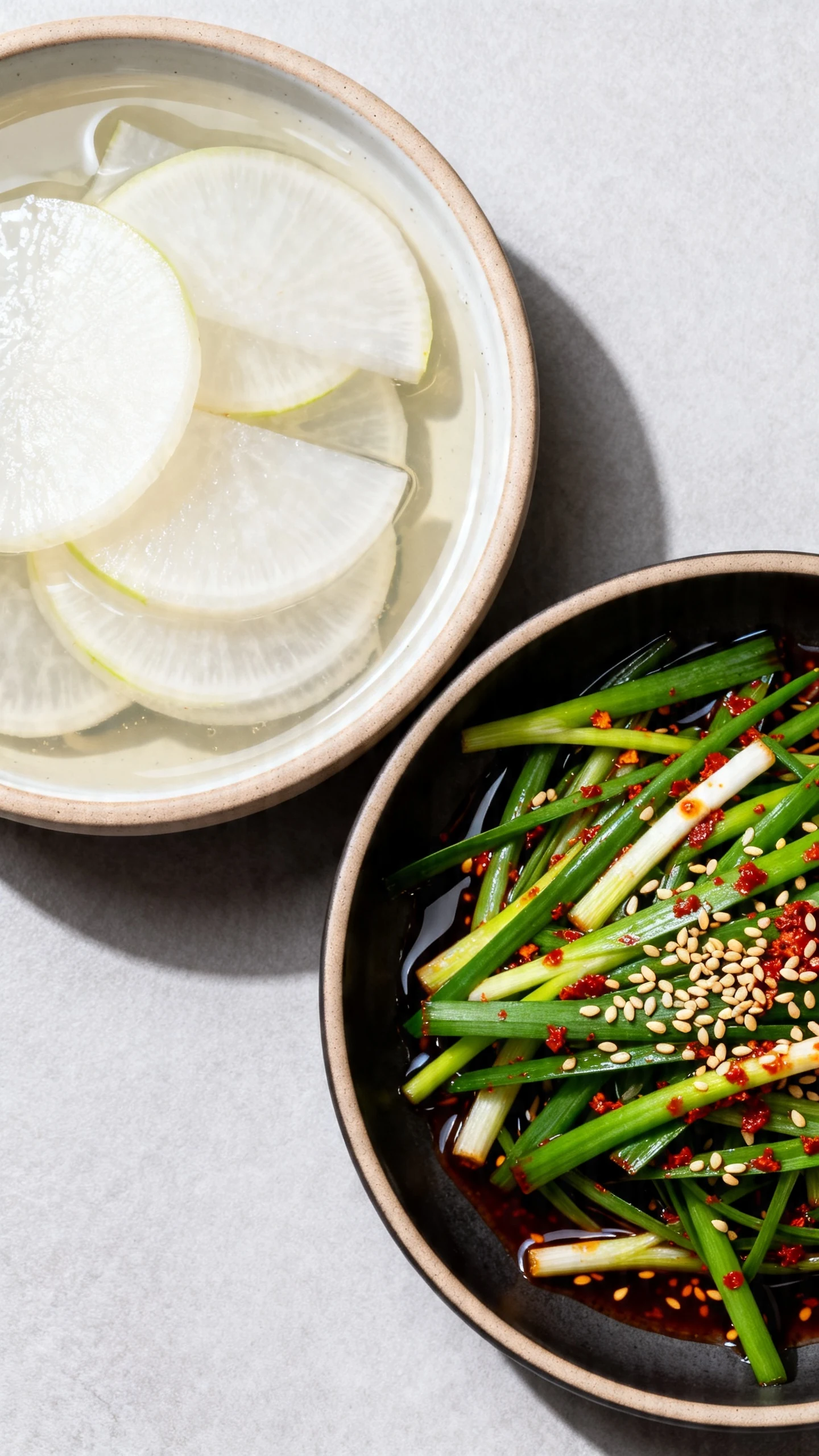
For spicy scallion salad
- 4 scallions, very thinly sliced
- 1 teaspoon gochugaru
- 1 teaspoon soy sauce
- 1 teaspoon rice vinegar
- 1 teaspoon sugar
- 1 teaspoon sesame oil
- 1 teaspoon toasted sesame seeds
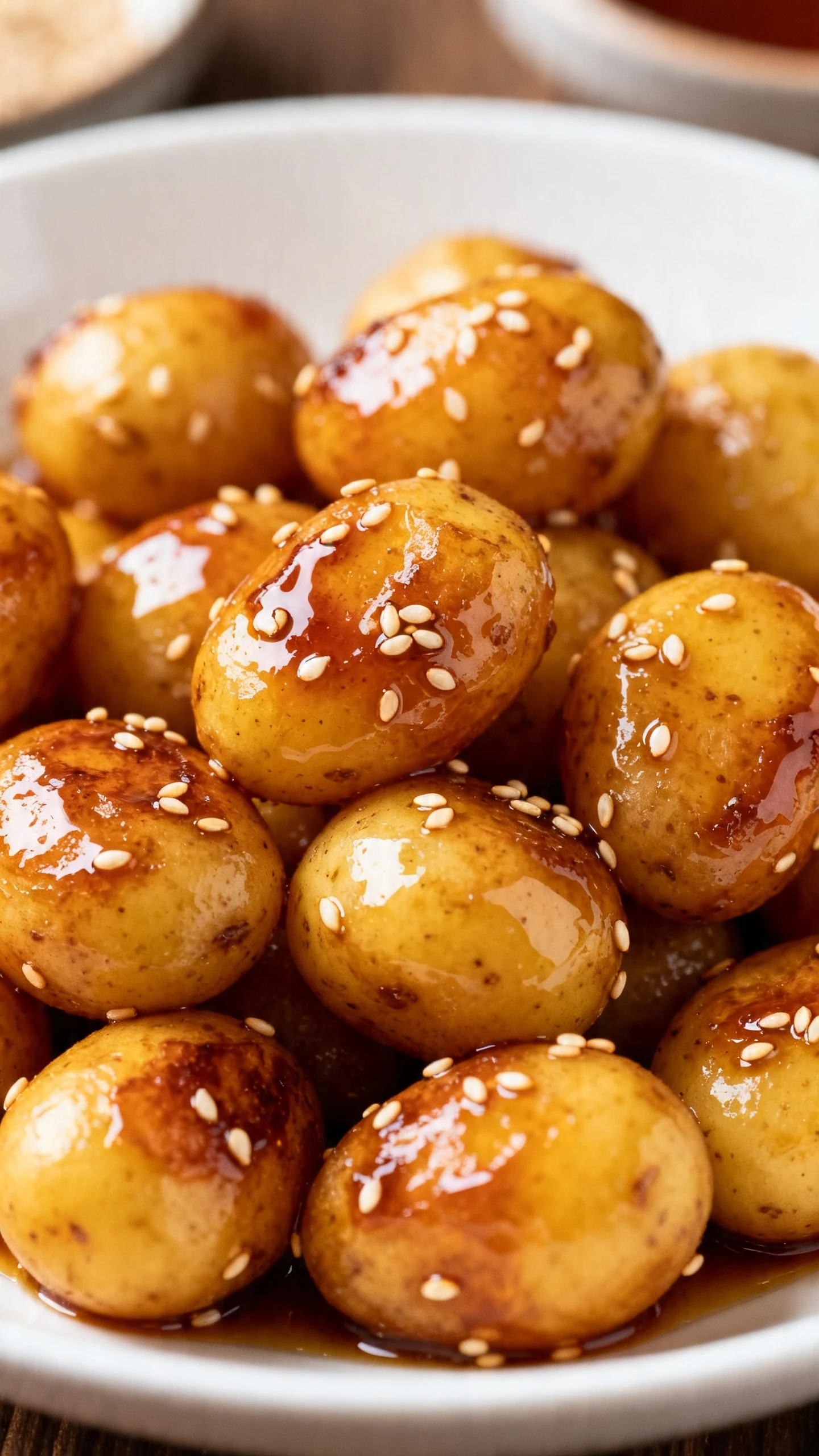
For braised potatoes
- 1 pound baby potatoes or waxy potatoes, cut into bite size pieces
- 1 tablespoon soy sauce
- 1 tablespoon sugar or honey
- 1 teaspoon sesame oil
- 1 teaspoon neutral oil
- 1 cup water
- 1 teaspoon toasted sesame seeds
For quick pickled radish
- 2 cups daikon radish, thinly sliced
- 1 cup water
- 1 cup rice vinegar
- 2 tablespoons sugar
- 1 tablespoon salt
Optional serving extras
- Steamed rice
- Leaf lettuce or perilla leaves
- Ssamjang
- Kimchi
- Sliced garlic
- Fresh green chilies
A few pantry notes help a lot. Gochugaru is Korean red pepper flakes, and it gives clean heat and bright color without turning everything into punishment. Sesame oil should smell nutty and toasty, not dusty. Rice vinegar keeps pickles sharp without tasting harsh.
The Method – Instructions
-
Start with the pickled radish. Stir water, rice vinegar, sugar, and salt until dissolved. Add the sliced radish and let it sit for at least 30 minutes. If you make only one thing ahead, make this. It cuts through fatty grilled meat like a tiny edible reset button.
-
Salt the cucumbers. Toss cucumber slices with salt and let them rest for 10 minutes. This pulls out extra water so your salad stays punchy instead of watery. Nobody wants a soggy side pretending to be refreshing.
-
Mix the cucumber seasoning. Rinse and gently squeeze the cucumbers, then toss with gochugaru, rice vinegar, sugar, sesame oil, sesame seeds, garlic, and scallion. Chill until serving. The flavor should hit salty, tangy, spicy, and just a little sweet.
-
Blanch the spinach. Drop spinach into boiling water for 20 to 30 seconds, then move it straight to cold water. Squeeze out as much moisture as possible and chop lightly. Season with soy sauce, sesame oil, sesame seeds, garlic, and a pinch of salt.
-
Cook the soybean sprouts. Boil the sprouts for 3 to 4 minutes until tender but still lively. Drain well, let them cool slightly, and toss with sesame oil, soy sauce, garlic, scallion, sesame seeds, and salt. They should taste light, nutty, and fresh.
-
Make the scallion salad. Slice the scallions into thin strips and soak them in cold water for 5 minutes if you want a milder bite. Drain thoroughly, then toss with gochugaru, soy sauce, rice vinegar, sugar, sesame oil, and sesame seeds. This one wakes up the whole table fast, FYI.
-
Braise the potatoes. Heat neutral oil in a pan, add potatoes, and cook for a few minutes to get a little color. Add soy sauce, sugar, and water, then simmer until the liquid reduces and the potatoes turn glossy and tender. Finish with sesame oil and sesame seeds.
-
Taste and balance everything. This matters more than people admit. Add a little more vinegar if a dish tastes flat, a tiny pinch of sugar if it feels too sharp, or more sesame oil if it needs warmth. Small tweaks make the spread feel intentional instead of random.
-
Serve in small dishes. Put each side in its own bowl or plate around the grill or centerpiece platter. Korean barbecue looks abundant by design, so spread things out. Half the experience is visual, and yes, your guests absolutely eat with their eyes first.
-
Replenish as needed. Bring out smaller portions first and refill during the meal. This keeps everything fresh and crisp. It also makes you look suspiciously organized, which is always fun.
Storage Instructions
Most of these sides store very well, which is great because making them fresh every single time would be a lot. Keep each dish in a separate airtight container in the refrigerator. That way flavors stay clean and textures do not blur into one another.
The cucumber salad tastes best within 1 to 2 days. After that, it softens too much, though it still works chopped into rice bowls. Spinach and soybean sprouts keep for 2 to 3 days and often taste better after the seasoning settles in.
Braised potatoes hold for 3 to 4 days. Reheat them lightly or serve them at room temperature. Quick pickled radish can last up to 1 week in the fridge and gets even better as it sits.
Avoid freezing these dishes. The textures suffer, and then you are left explaining why your once crisp vegetables now feel like a bad life choice. IMO, banchan is one place where the fridge wins and the freezer loses badly.
Health Benefits
Korean barbecue sides do more than make the table pretty. They add fiber, vitamins, hydration, and acidity that help balance a richer meal. This matters when the main event includes marinated meat, dipping sauces, and enough rice to make your nap inevitable.
Vegetable heavy banchan brings in nutrients from different colors and textures. Spinach offers iron and folate, cucumbers provide hydration, radish supports freshness and crunch, and soybean sprouts add plant based protein and minerals. Tiny dishes, big contribution.
Fermented and pickled elements can also support digestion for some people. Kimchi and vinegar based sides create contrast that helps rich foods feel less heavy. No, they do not cancel out everything on the grill, but they definitely pull their weight.
Another benefit is portion balance. Because the meal includes many small dishes, you naturally alternate bites instead of just chasing meat with more meat. Bold strategy, sure, but the body usually appreciates a vegetable showing up now and then.
Avoid These Mistakes
-
Do not overseason every dish. If every side screams with garlic, sugar, and chile, nothing stands out. Some dishes should feel bright and gentle so the stronger ones can shine.
-
Do not skip draining and squeezing. Watery spinach, sprouts, and cucumbers dilute flavor fast. Moisture is the silent villain of good banchan.
-
Do not serve everything ice cold. A mix of chilled, room temperature, and slightly warm sides tastes more interesting. Straight from the coldest corner of the fridge is not a personality.
-
Do not make giant portions of one side. Variety matters more than volume. A few bites of several dishes beat one enormous bowl that everyone politely ignores.
-
Do not forget acid. Rich grilled meat needs vinegar, pickle, or fermentation nearby. Without that contrast, the meal can feel heavy fast.
Recipe Variations
You can customize the spread depending on the protein and the mood. For beef heavy meals, lean into crisp and acidic sides like cucumber salad, radish pickles, and scallion salad. For spicy pork, add cooling options like lightly dressed cabbage or chilled tofu with soy sauce.
If you want a vegetarian friendly table, pair grilled mushrooms, tofu, or eggplant with the same banchan. Sesame spinach, soybean sprouts, braised potatoes, and pickled radish work beautifully without meat. Add rice and lettuce wraps, and nobody leaves disappointed.
Need lower spice options? Reduce or skip the gochugaru in one or two dishes and focus on sesame, soy, vinegar, and garlic for flavor. You can also put chile flakes on the side so heat lovers can customize while everyone else avoids unnecessary drama.
If you feel ambitious, add more classics like pickled garlic scapes, braised black beans, or a soft rolled omelet sliced into ribbons. But honestly, even a modest set of three or four sides can feel complete when the flavors are balanced and the grill is hot.
FAQ
What side dishes are usually served with Korean barbecue?
Common options include kimchi, pickled radish, seasoned spinach, soybean sprouts, scallion salad, braised potatoes, and lettuce for wraps. Restaurants may offer many more, but at home you only need a few solid choices to create the same effect.
Can I make these side dishes ahead of time?
Yes, and you probably should. Most banchan tastes great after a few hours in the fridge because the flavors settle and blend. Prepare them earlier in the day or even the night before, then plate them before serving.
How many side dishes should I serve?
For a simple home meal, 3 to 5 sides is plenty. If you are hosting or want a more restaurant style spread, aim for 6 to 8. The goal is balance and variety, not turning your kitchen into a production studio.
What goes best with bulgogi?
Bulgogi pairs especially well with crisp, acidic, and lightly spicy sides. Try cucumber salad, pickled radish, scallion salad, and sesame spinach. Those flavors keep the sweetness of the beef from taking over the whole meal.
Are Korean barbecue side dishes spicy?
Some are, but many are not. Sesame spinach, soybean sprouts, and braised potatoes usually have little to no heat. You can easily adjust spice levels by changing the amount of gochugaru or serving it on the side.
What is the difference between kimchi and banchan?
Kimchi is one specific category of fermented dish, while banchan refers to the broader group of Korean side dishes served with meals. So kimchi is banchan, but not all banchan is kimchi. Nice and tidy.
Can I serve these dishes without a grill?
Absolutely. These sides work with pan cooked meats, roasted vegetables, fried tofu, or even simple rice bowls. They bring enough flavor and texture to upgrade almost any dinner, which is frankly why people get obsessed with them.
In Conclusion
Korean barbecue becomes memorable when the whole table works together, not just the meat. The side dishes bring crunch, acid, freshness, heat, and contrast that turn a good meal into one people talk about later. They are the support cast that somehow steals every scene.
Start with a few essentials like cucumber salad, spinach namul, sprouts, braised potatoes, and pickled radish. Learn how each one balances the rich grilled flavors, then build your own favorite lineup from there. Once you get the rhythm, these dishes feel less like extra work and more like your secret weapon.
And that is the real win. You do not need a restaurant setup to make dinner feel abundant, generous, and wildly craveable. You just need a hot grill, a cold pickle, and the good sense to respect the tiny plates.