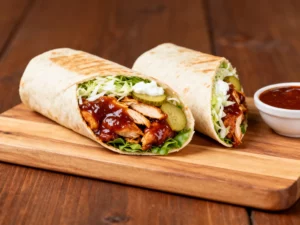
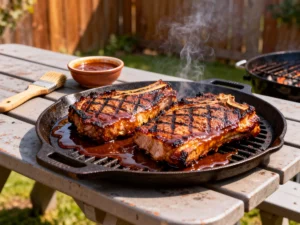
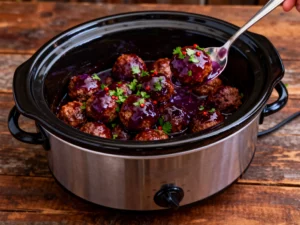
Create a sleek, photo ready table with smoky grill vibes, easy styling tips, and cozy details that feel restaurant chic.
Some dinners feed you. This one feeds your camera roll too. The right Korean BBQ setup turns a normal meal into a full scene: glossy meats, tiny banchan, steam in the air, and that low key glow that makes everyone suddenly act like a food stylist. If you want your table to look expensive without actually being expensive, you are in the right place. IMO, this is one of the easiest ways to make home dining look absurdly good.
The best part? You do not need a design degree, a viral apartment, or seventeen matching ceramic bowls from a boutique shop with impossible parking. You need a smart color palette, the right mix of textures, and food that naturally shows off. Korean BBQ already does half the work for you. The rest is just arranging it like you meant to be this cool all along.
Why You’ll Love This Recipe
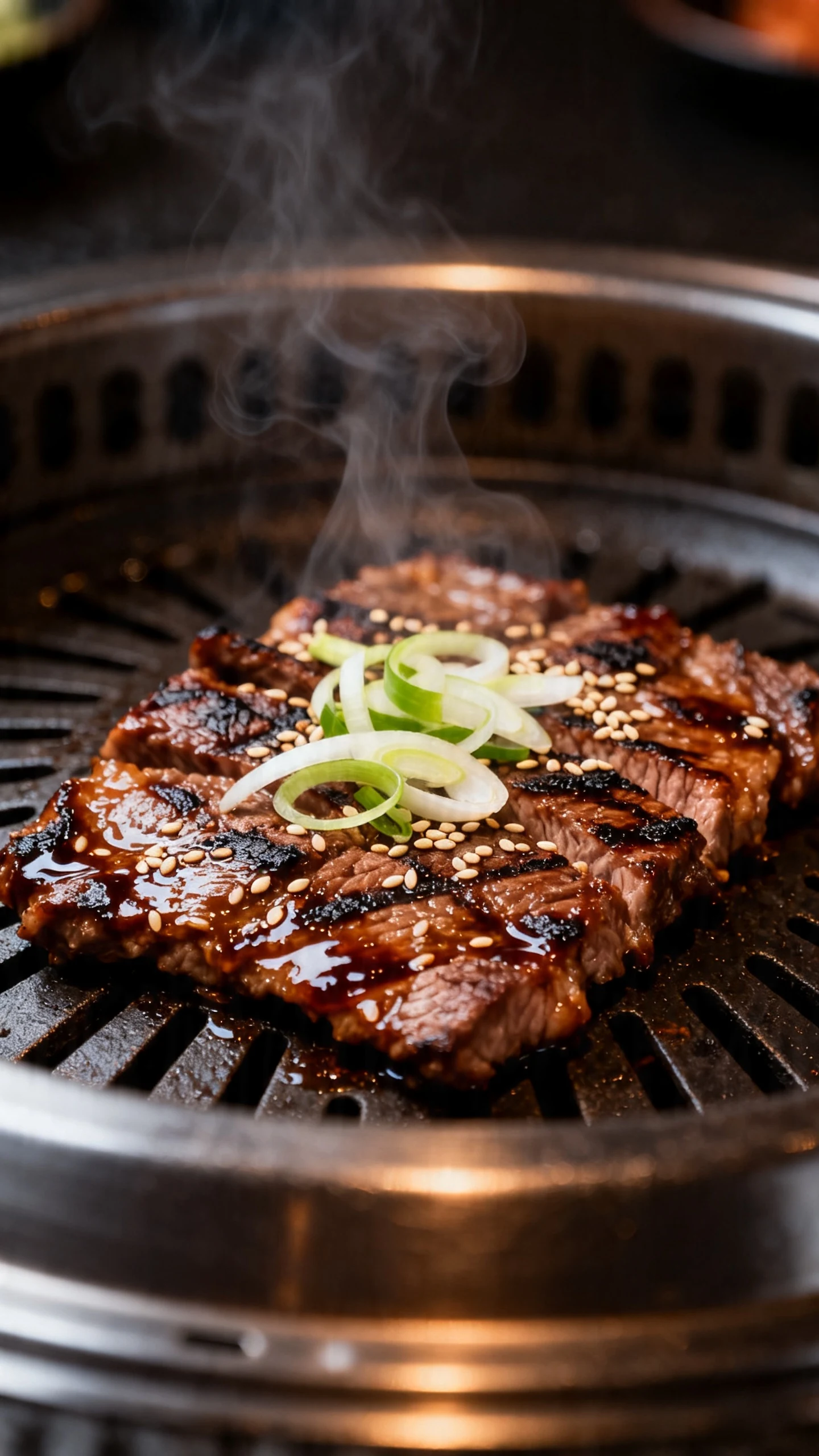
This is technically a recipe article, but it is also your cheat code for building a whole mood. You get incredible flavor, interactive dining, and a table setup that looks cinematic with very little effort. That is a strong return for one meal.
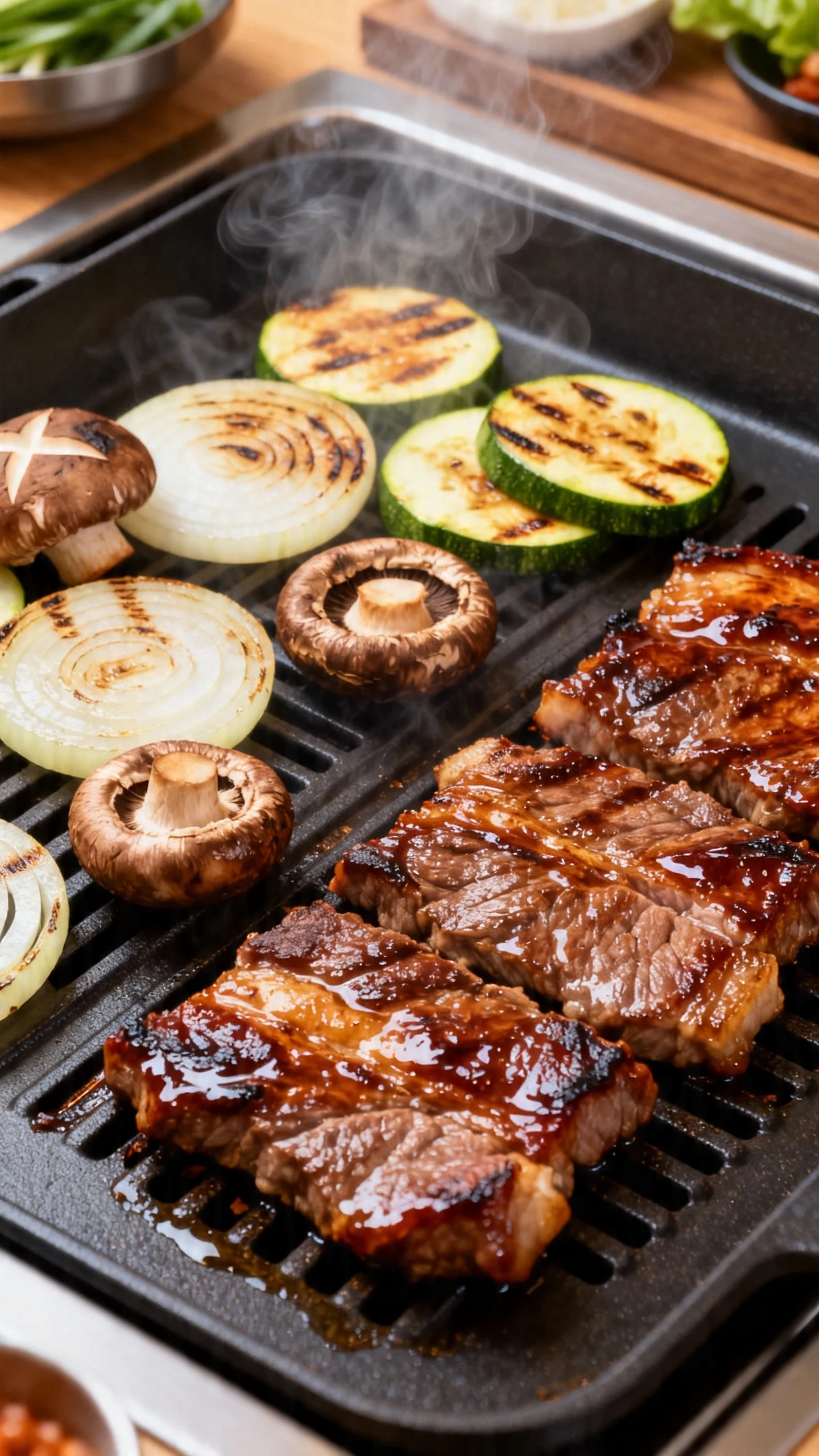
- Visually stunning: Grilled meat, bright side dishes, crisp lettuce, and shiny sauces create natural contrast.
- Built for sharing: Korean BBQ feels social, warm, and slightly chaotic in the best way.
- Easy to customize: You can go classic, minimalist, moody, modern, or cozy.
- Restaurant energy at home: A tabletop grill instantly upgrades the experience.
- Photo friendly: Steam, char, and lots of small plates make every angle work harder.
- Flavor first: Even if nobody posts a single picture, dinner still wins.
Ingredients
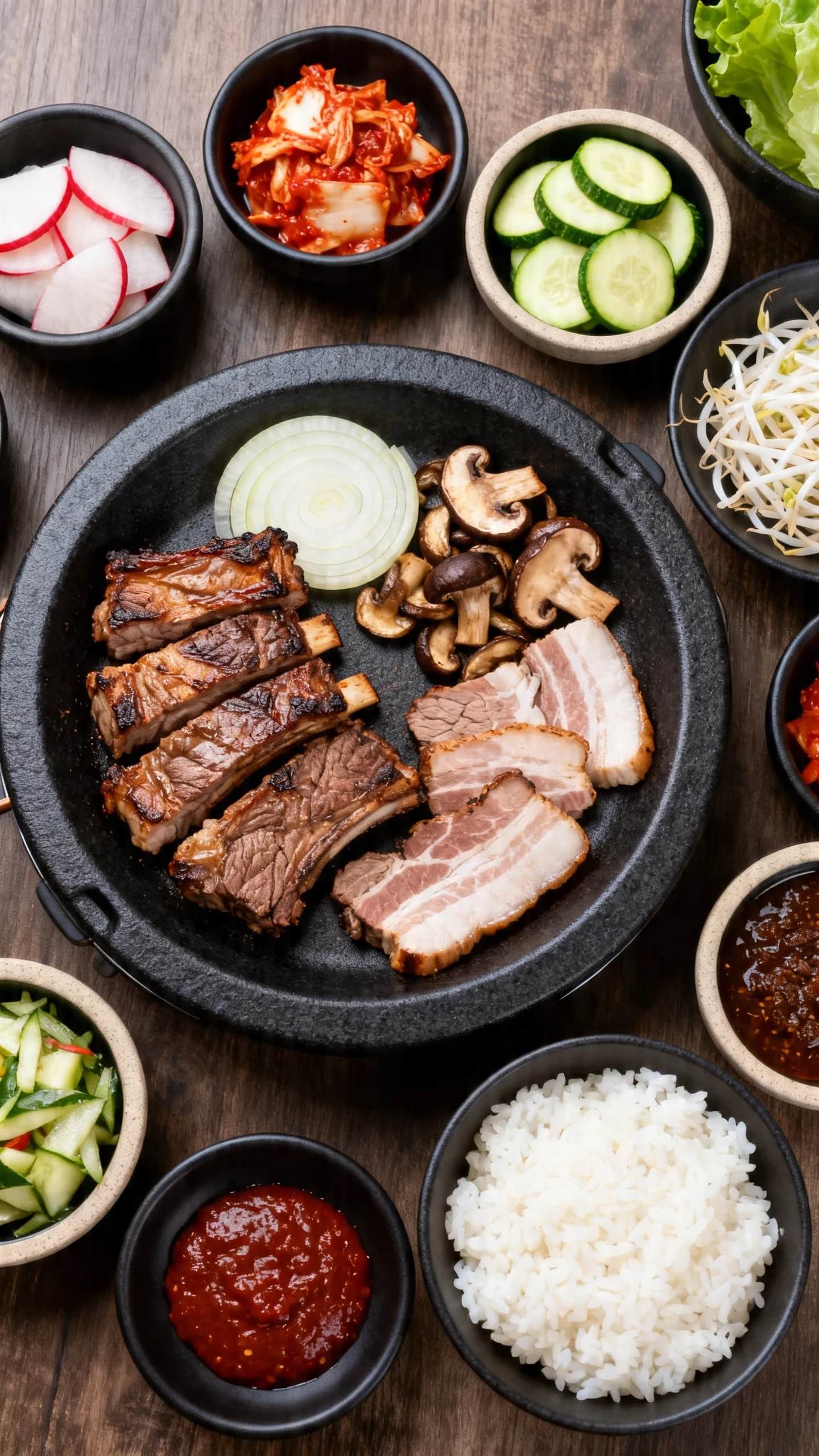
To create the full look and feel, think beyond the marinade. The aesthetic comes from the food, the serving pieces, and the way everything lands on the table. Here is a solid home setup that tastes amazing and looks even better.
- Thin sliced beef short rib or bulgogi beef
- Pork belly, sliced
- Chicken thighs, thinly sliced, optional
- Soy sauce
- Brown sugar or honey
- Sesame oil
- Garlic, minced
- Fresh ginger, grated
- Gochujang
- Rice vinegar
- Scallions, sliced
- Sesame seeds
- Lettuce leaves for wraps
- Perilla leaves, optional
- Steamed rice
- Kimchi
- Pickled radish
- Cucumber salad
- Bean sprouts, seasoned
- Ssamjang
- Gochugaru, optional
- Mushrooms, sliced
- Onions, sliced
- Zucchini, sliced
- Neutral colored plates, matte black, white, or stoneware
- Small dipping bowls
- Metal chopsticks and spoons
- Tabletop grill or grill pan
- Soft warm lighting, because overhead lights rarely help anyone
Step-by-Step Instructions
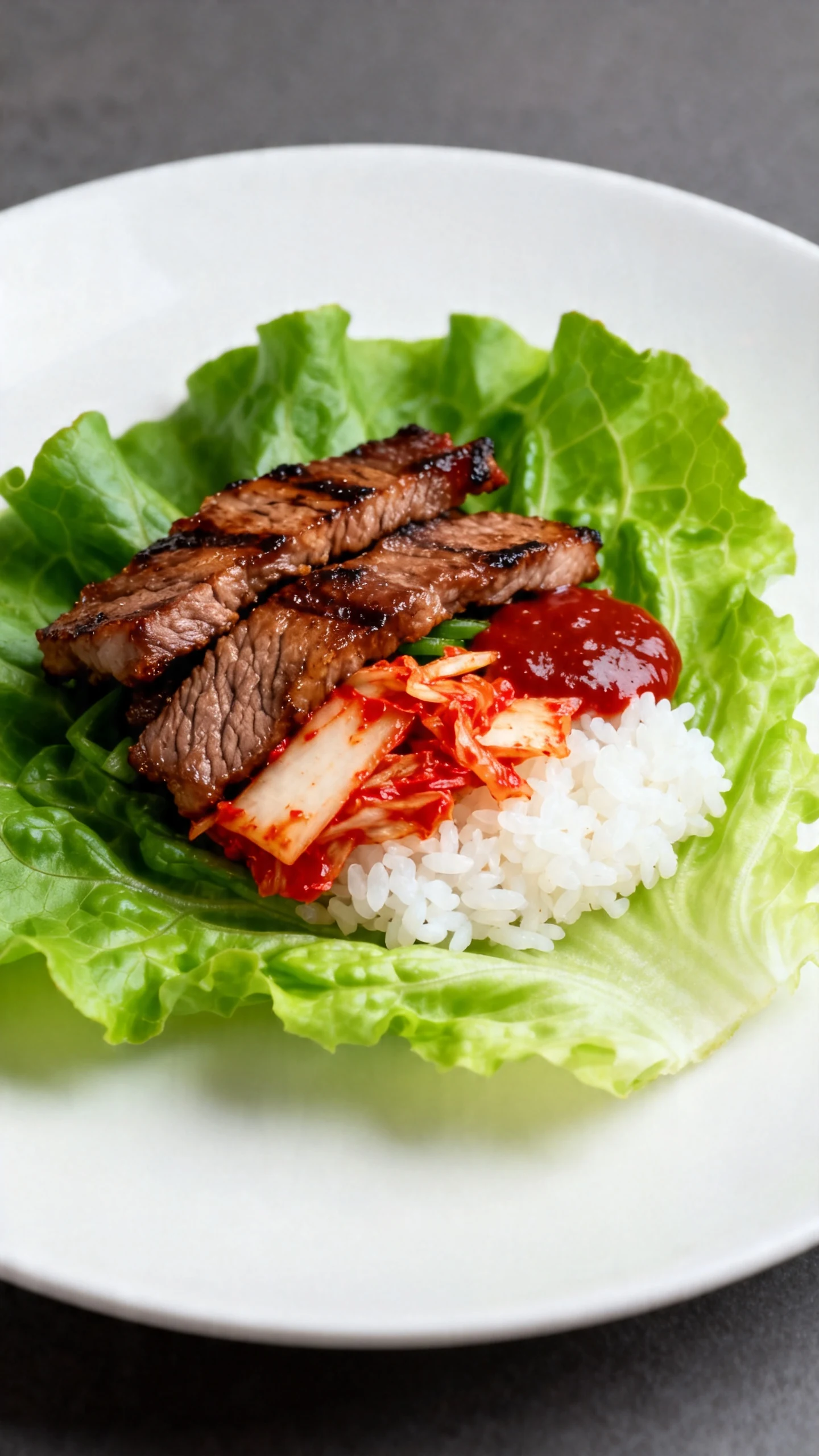
If you want the table to feel intentional, do not cook first and panic style later. Build the visual plan before the grill gets hot. That keeps the meal smooth and your setup far less chaotic.
-
Choose your aesthetic direction. Decide if you want sleek modern, warm cozy, or dark moody. A modern look uses black and stainless accents. A cozy look leans into wood, linen, and soft light. Pick one lane so the table does not look like three personalities fighting.
-
Marinate the meat. Mix soy sauce, brown sugar or honey, sesame oil, garlic, ginger, and scallions for a classic sweet savory base. For a spicy option, add gochujang and a splash of rice vinegar. Let the meat rest for at least 30 minutes, though longer gives you deeper color and flavor.
-
Prep your banchan. Arrange kimchi, pickled radish, cucumbers, bean sprouts, and sauces in small bowls. Use a mix of heights and shapes, but keep the color palette controlled. The food should look abundant, not like a yard sale.
-
Slice vegetables with intention. Clean cuts matter here. Mushrooms, onions, and zucchini should look neat and uniform so they grill evenly and photograph well. Yes, we are being dramatic about vegetables, but it works.
-
Set the table before cooking. Place the grill in the center, then create a balanced ring with meats, vegetables, sauces, and banchan. Leave enough negative space so the setup feels elegant. Crowding the table kills the vibe fast, FYI.
-
Use warm, low lighting. Harsh kitchen lights make everything look tired. Use a pendant light, a lamp nearby, or candles if your setup is safe. The goal is glow, not interrogation room.
-
Grill in stages. Start with vegetables, then cook meats in small batches. This keeps the food fresh, glossy, and exciting on the table. Piling everything on at once creates steam chaos and sad gray meat, which helps nobody.
-
Build wraps and plates with contrast. Layer lettuce, rice, grilled meat, kimchi, and ssamjang for a balanced bite. The reds, greens, browns, and whites naturally create that signature Korean BBQ visual appeal. It is almost unfair how good this looks.
-
Keep refilling strategically. Replace half empty bowls, wipe spills, and add fresh greens as needed. A polished table stays attractive through the whole meal. The aesthetic should survive first contact with actual eating.
-
Finish with one standout detail. Add sesame seeds over the meat, fresh scallions on top, or a final neat platter of grilled mushrooms. One finishing touch makes the whole setup feel deliberate. Tiny effort, huge payoff.
Preservation Guide
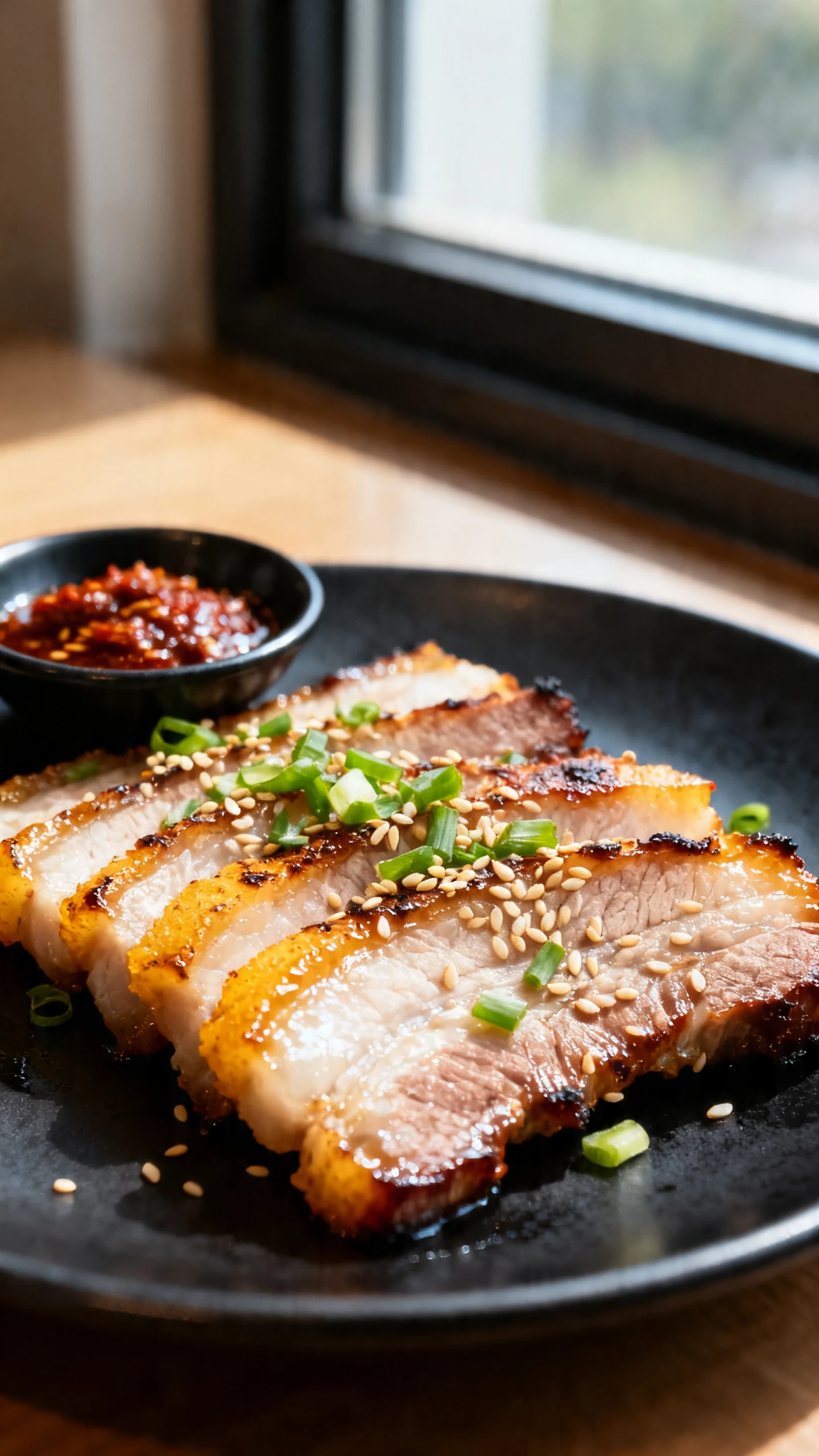
Korean BBQ works best fresh, but you can absolutely preserve both flavor and presentation for later. Store cooked meats in airtight containers in the refrigerator for up to 3 days. Keep sauces separate so they do not turn everything soggy overnight.
Fresh greens and lettuce wraps should stay dry and chilled in sealed containers lined with paper towels. Banchan like kimchi and pickled radish usually hold well for several days, sometimes longer. In fact, kimchi often gets even better, which feels a little smug.
To reheat, use a skillet over medium heat instead of the microwave when possible. You will bring back some caramelization and avoid that rubbery texture nobody asked for. If you want the table to look good again the next day, replate everything in small bowls instead of serving leftovers straight from containers.
What’s Great About This
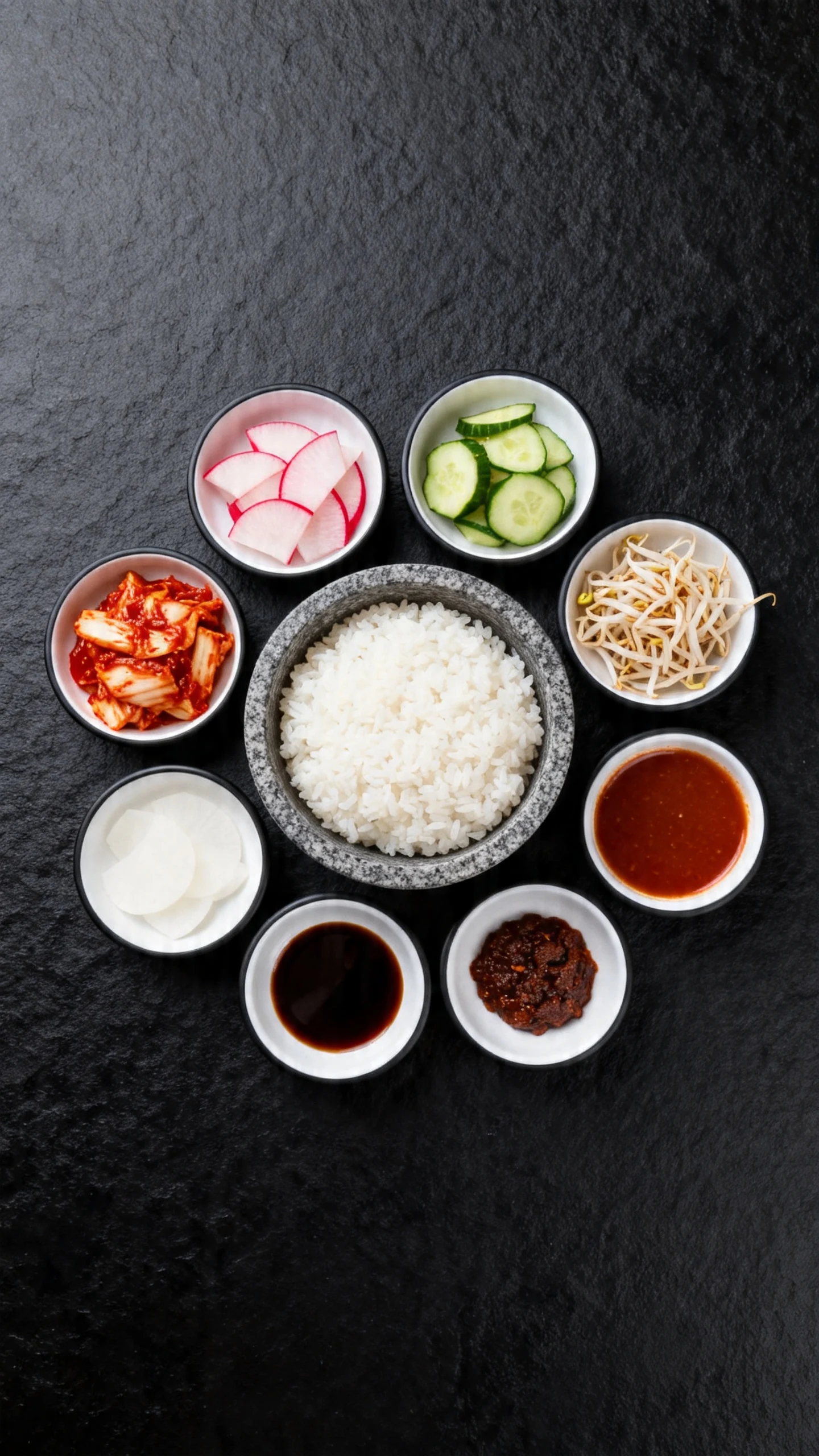
This style of meal turns dinner into an experience without making you work like a restaurant line cook. It feels luxurious, but most of the effect comes from arrangement, lighting, and contrast. Translation: the table looks expensive, even when the budget says otherwise.
It also invites people to participate. Guests grill, build wraps, pass dishes, and talk more because the meal keeps moving. That interaction creates the cozy, social atmosphere people associate with a great Korean BBQ night.
And visually, it is hard to beat. Shiny marinated meat, crisp lettuce, bright kimchi, dark grill marks, and little bowls everywhere create built in texture. It is one of those rare meals that tastes as good as it looks, which should be the standard, but here we are.
Avoid These Mistakes
- Using only one color on the table: If everything is beige or dark brown, the setup looks flat. Add bright banchan and fresh greens.
- Overcrowding the grill: Too much food at once causes steaming instead of searing. You want char, not traffic.
- Ignoring plate choice: Busy patterns can compete with the food. Simple dishes let the ingredients stand out.
- Forgetting lighting: The fastest way to ruin the look is aggressive overhead light. Warm light saves the mood.
- Serving giant bowls of everything: Smaller portions look cleaner and more curated. Refill as needed.
- Skipping texture: Mix glossy sauces, crisp greens, matte ceramics, and metallic utensils for depth.
- No visual focal point: The grill should anchor the table. Let it be the center of attention.
Mix It Up
Once you understand the formula, you can adapt the look to fit your space and taste. The core idea stays the same: balanced color, intentional serving pieces, and interactive food. Everything else can shift.
- Minimalist version: Use black plates, white bowls, and just a few carefully chosen banchan for a clean editorial look.
- Cozy home version: Add wood serving boards, warm linens, and softer lighting for a more relaxed feel.
- Date night version: Keep the table tighter, use candles, and focus on one premium meat plus two or three elegant sides.
- Party version: Offer several proteins, lots of wraps, and colorful side dishes arranged in repeating patterns.
- Vegetarian version: Feature mushrooms, tofu, eggplant, zucchini, and spicy sauces for the same visual drama.
- Street style version: Lean into metal trays, casual seating, and a louder mix of sauces and pickles.
FAQ
What defines this dining style visually?
It usually combines sizzling tabletop cooking, small side dishes, clean plating, and strong contrast between colors and textures. Think glossy marinated meats, bright fermented sides, crisp greens, and sleek serving ware. The overall effect feels social, modern, and warm at the same time.
Do I need a tabletop grill to create the look?
No, but it helps a lot. A grill pan or cast iron skillet can still give you char and drama if you plate everything thoughtfully. The real secret is arrangement and atmosphere, not expensive equipment.
Which colors work best for the table setup?
Neutral bases usually work best: black, white, gray, stone, and natural wood. Those tones make the reds, greens, and golden browns in the food stand out. If you add too many decorative colors, the table can start competing with the meal.
How many side dishes should I serve?
For a balanced home setup, aim for three to six side dishes. That gives you variety without overwhelming the table. More is fun, but only if you have the space to keep it looking organized.
Can I make this style work for a small apartment?
Absolutely. Use a compact grill or stovetop pan, serve fewer items at once, and keep your palette simple. Small spaces often look even better with a more edited setup.
What is the easiest way to make it feel more premium?
Focus on lighting, plating, and one high impact ingredient. A beautifully marinated cut of beef, served with neat banchan and warm lighting, instantly elevates the whole scene. Fancy does not always mean more stuff.
How do I keep the table looking good during the meal?
Bring out food in batches, wipe spills quickly, and refresh greens and sauces as needed. Use smaller bowls that you can refill instead of oversized platters that get messy fast. This keeps the table polished without making dinner feel stiff.
In Conclusion
The appeal of a great Korean BBQ setup goes way beyond food. It creates a full sensory moment with smoke, shine, contrast, color, and conversation all happening at once. That is why it feels so magnetic in person and so irresistible on camera.
If you want a table that looks curated but still feels warm and fun, this is a perfect formula. Start with strong ingredients, choose simple serveware, control the lighting, and let the grill do its thing. Suddenly your dinner looks like a scene people want to copy, and honestly, fair enough.