Make a bold, balanced homemade sauce that turns smoky pork into a crowd favorite with pantry staples and easy steps.
Good pulled pork can carry a sandwich. Great sauce makes people text you for the recipe before they finish eating. That is the difference here. This sauce hits sweet, tangy, smoky, and just enough heat, so your pork tastes like it came from someone who owns three smokers and a strong opinion about wood chips. Best part: you can make it with basic ingredients and zero drama.
What Makes This Recipe So Good
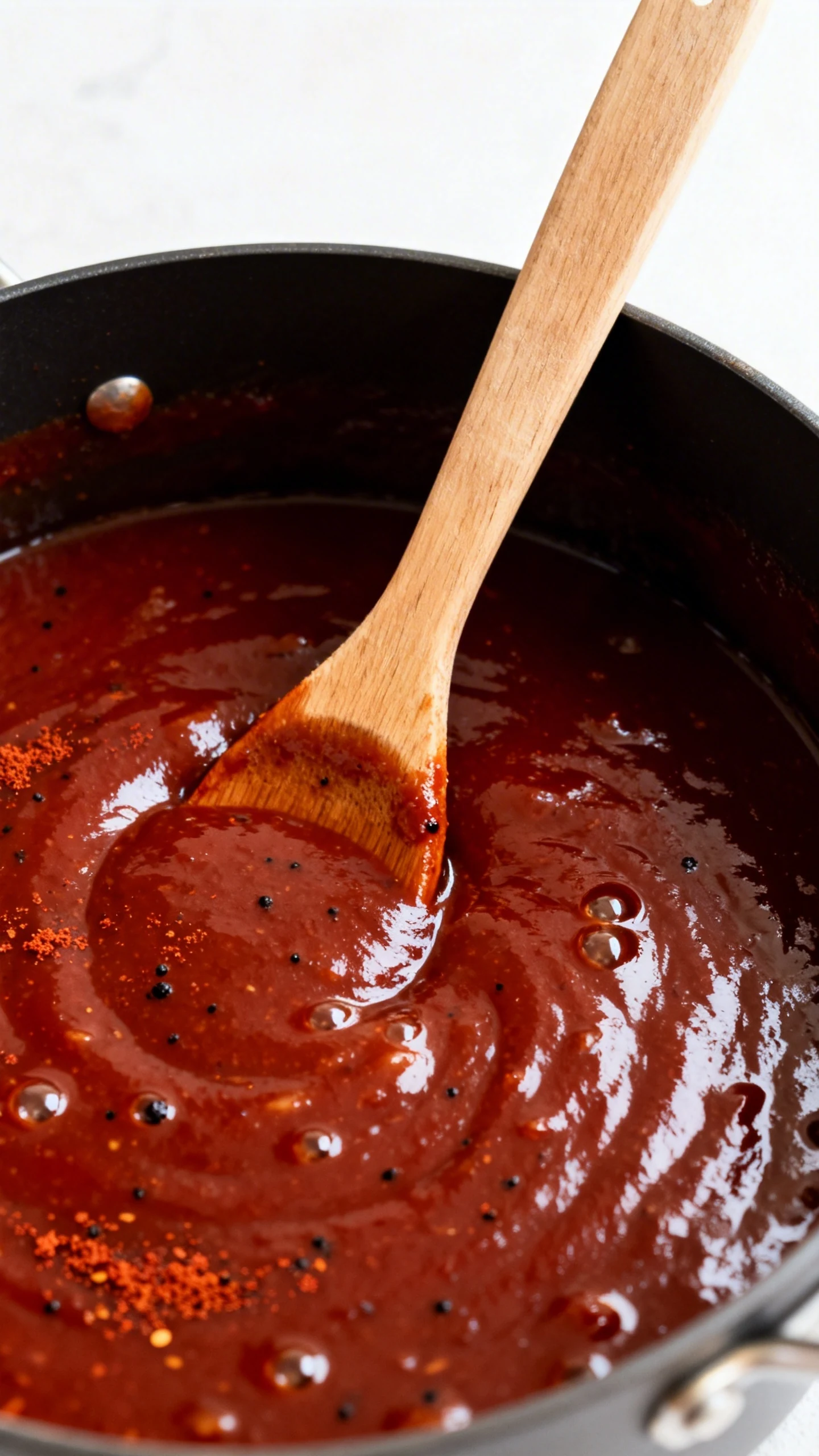
This sauce works because it builds flavor in layers instead of punching you in the face with sugar and calling it balance. You get tang from vinegar, body from ketchup, sweetness from brown sugar, depth from Worcestershire, and a little smoke and spice to keep things interesting. It clings to shredded pork without turning the whole pile into soup.
It also plays nicely with the meat instead of covering it up. Pulled pork already brings rich, savory, smoky flavor, so the sauce should boost that, not bury it. IMO, the best version tastes bold enough for a sandwich and subtle enough for a platter.
Another reason this recipe wins: it is flexible. Want it sweeter? Easy. Want more heat, more tang, or a Carolina style vibe? You can tweak it in minutes. Homemade sauce lets you control everything, which is nice because bottled sauces often taste like liquid candy with commitment issues.
Shopping List – Ingredients
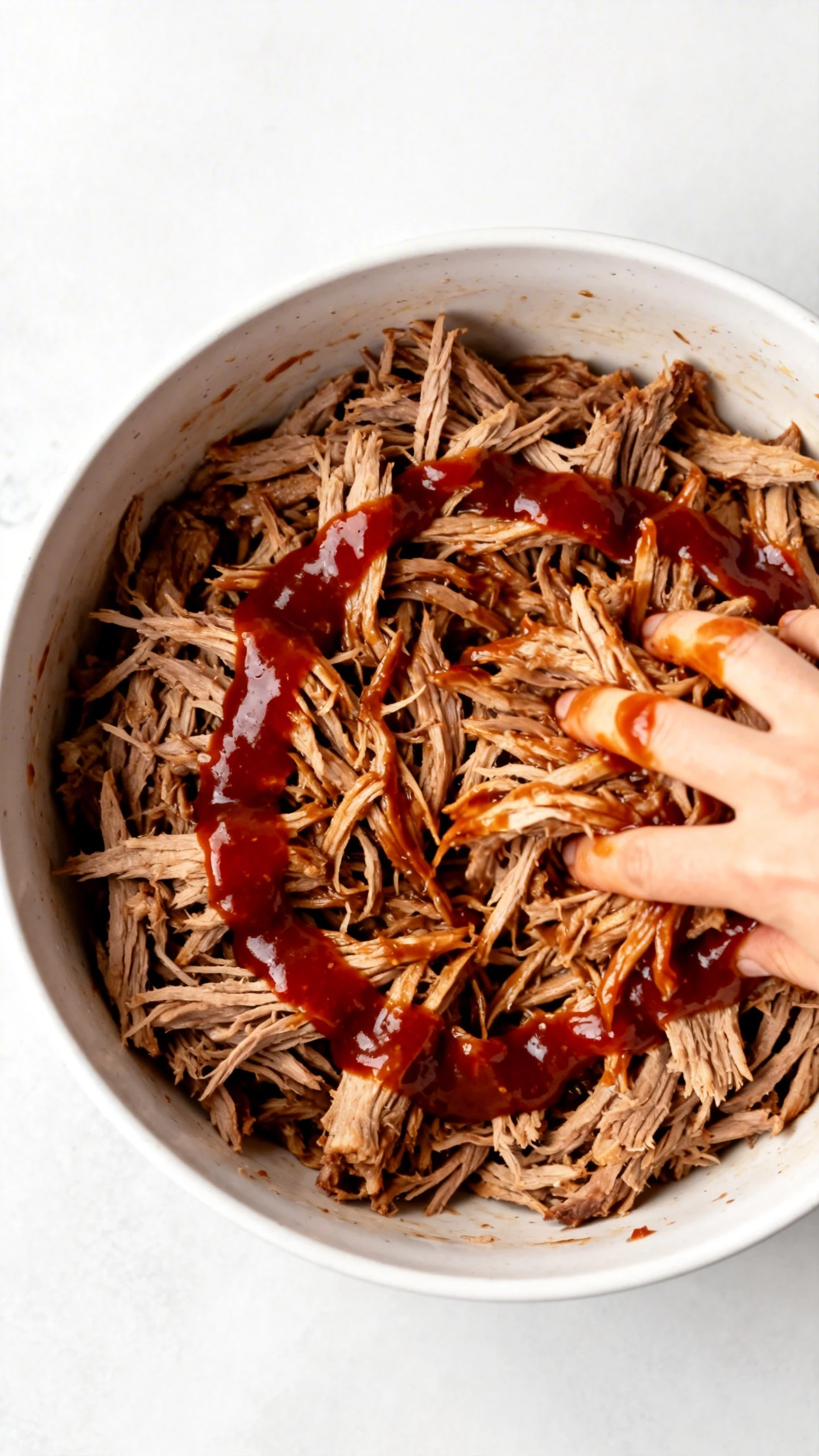
These ingredients make a classic, balanced sauce that suits smoked pork, slow cooker pork, oven roasted pork shoulder, or even leftovers from last night.
- Ketchup for the base and tomato sweetness
- Apple cider vinegar for brightness and tang
- Brown sugar for deep sweetness and caramel notes
- Molasses for richness and a darker barbecue flavor
- Worcestershire sauce for savory depth
- Yellow mustard for a little zip
- Smoked paprika for smoky flavor without needing extra equipment
- Garlic powder for savory backbone
- Onion powder for rounded flavor
- Chili powder for warmth and mild spice
- Cayenne pepper for heat, optional but recommended
- Kosher salt to sharpen the whole sauce
- Black pepper for bite
- Butter for a silky finish, optional
- Hot sauce if you want extra kick
- Water as needed to thin the sauce slightly
If you want exact amounts for a reliable batch, use 1 1/2 cups ketchup, 1/2 cup apple cider vinegar, 1/3 cup brown sugar, 2 tablespoons molasses, 2 tablespoons Worcestershire sauce, 1 tablespoon yellow mustard, 1 teaspoon smoked paprika, 1 teaspoon garlic powder, 1 teaspoon onion powder, 1 teaspoon chili powder, 1/4 teaspoon cayenne, 1 teaspoon kosher salt, 1/2 teaspoon black pepper, and 1 tablespoon butter.
Cooking Instructions
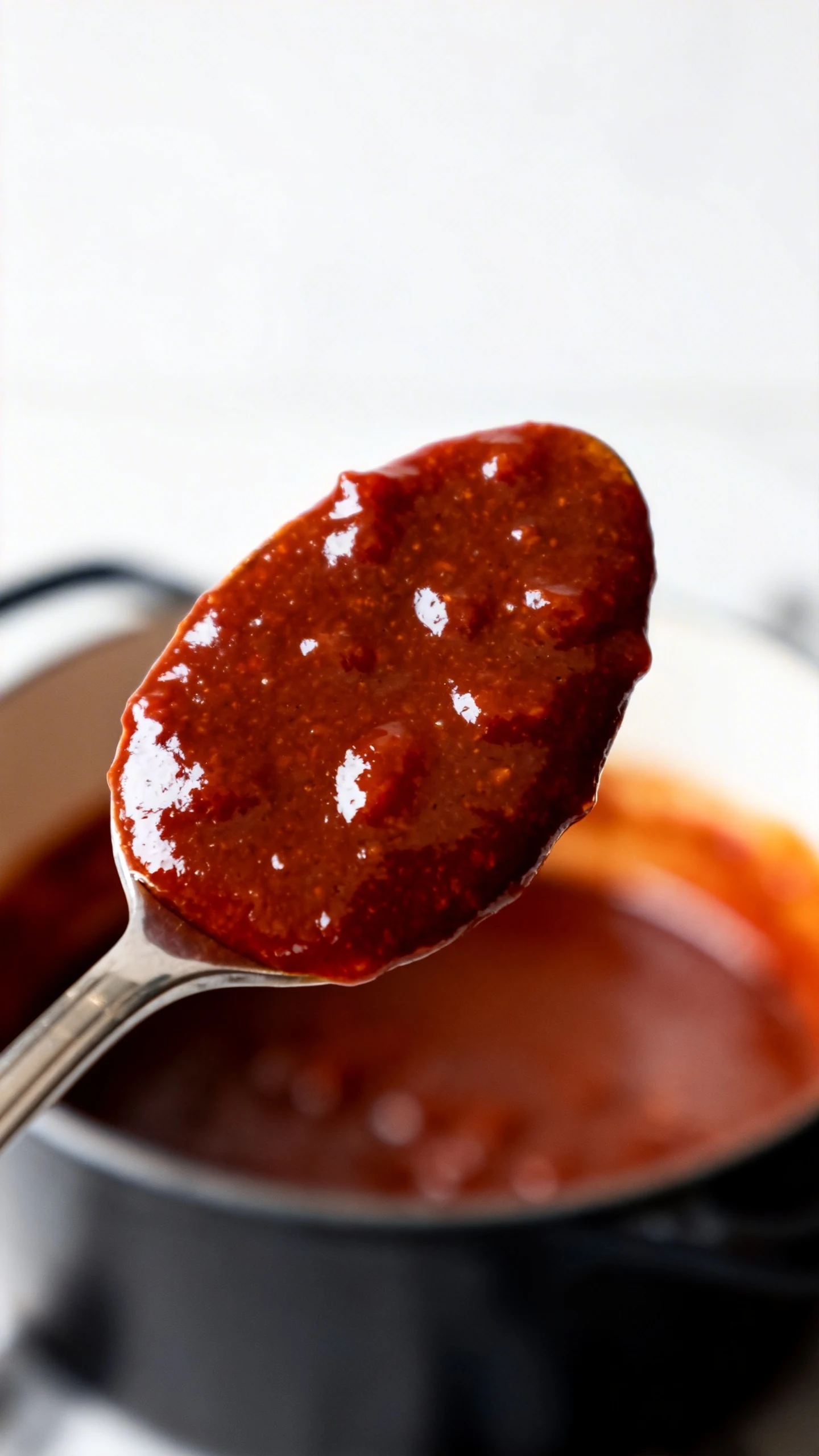
This process takes about 15 to 20 minutes. You are basically one saucepan away from feeling way too accomplished.
-
Combine the base ingredients. Add ketchup, apple cider vinegar, brown sugar, molasses, Worcestershire sauce, and mustard to a medium saucepan. Whisk until smooth so the sugar starts dissolving and the sauce looks evenly blended.
-
Add the seasonings. Sprinkle in smoked paprika, garlic powder, onion powder, chili powder, cayenne, salt, and black pepper. If you like a bolder sauce, add a few dashes of hot sauce now.
-
Bring it to a gentle simmer. Set the pan over medium heat and stir often. Once the sauce starts bubbling lightly, lower the heat so it simmers instead of splattering your stove like a tiny tomato volcano.
-
Cook until slightly thickened. Let the sauce simmer for 10 to 15 minutes, stirring every few minutes. It should look glossy, smell amazing, and coat the back of a spoon.
-
Finish with butter if using. Stir in the butter at the end for a smoother texture and richer flavor. This step is optional, but it adds that little “why is this so good?” effect.
-
Taste and adjust. For more tang, add a splash of vinegar. For more sweetness, add a bit more brown sugar. For more heat, use cayenne or hot sauce. FYI, sauces mellow slightly as they cool, so aim just a touch bolder than your final target.
-
Use it the right way on pulled pork. Toss a warm batch of shredded pork with a small amount first, then add more as needed. You want the meat coated, not swimming like it made bad life choices.
-
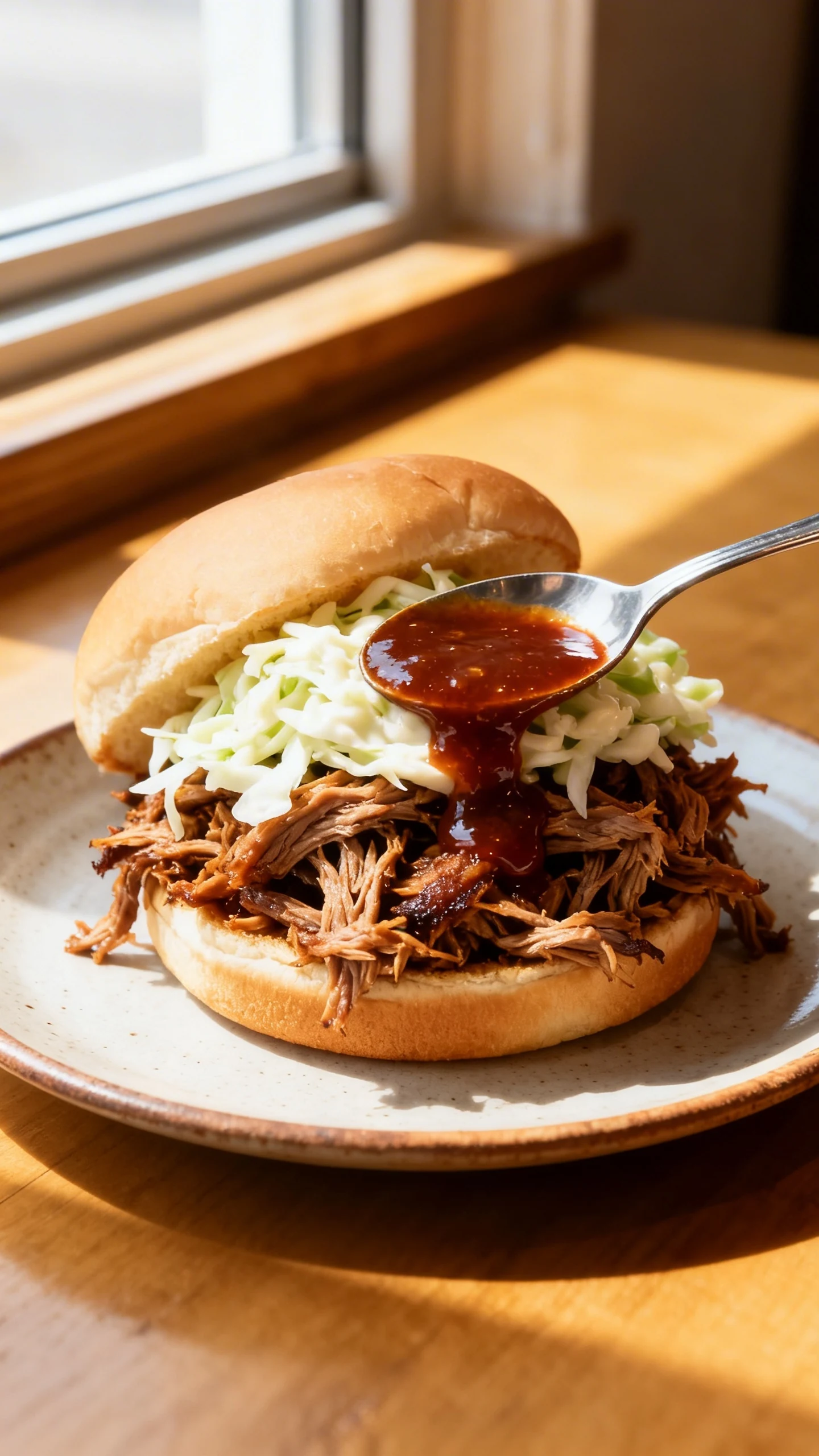
Serve extra on the side. Some people like a lightly dressed sandwich. Others want sauce in every bite. Let them choose and avoid a family debate over barbecue philosophy.
Storage Tips
Let the sauce cool before you store it. Pour it into a clean glass jar or airtight container and keep it in the refrigerator. It usually stays fresh for about 1 week, sometimes a bit longer if handled cleanly.
If you want to make a larger batch, freezing works well. Store it in freezer safe containers or bags in smaller portions, then thaw overnight in the fridge before reheating. Small portions save you from thawing a gallon of sauce for one lonely sandwich.
Reheat the sauce gently on the stove or in short microwave bursts, stirring in between. If it thickens too much after chilling, add a tablespoon of water at a time until it loosens up. The flavor often gets even better the next day once everything settles in.
Health Benefits
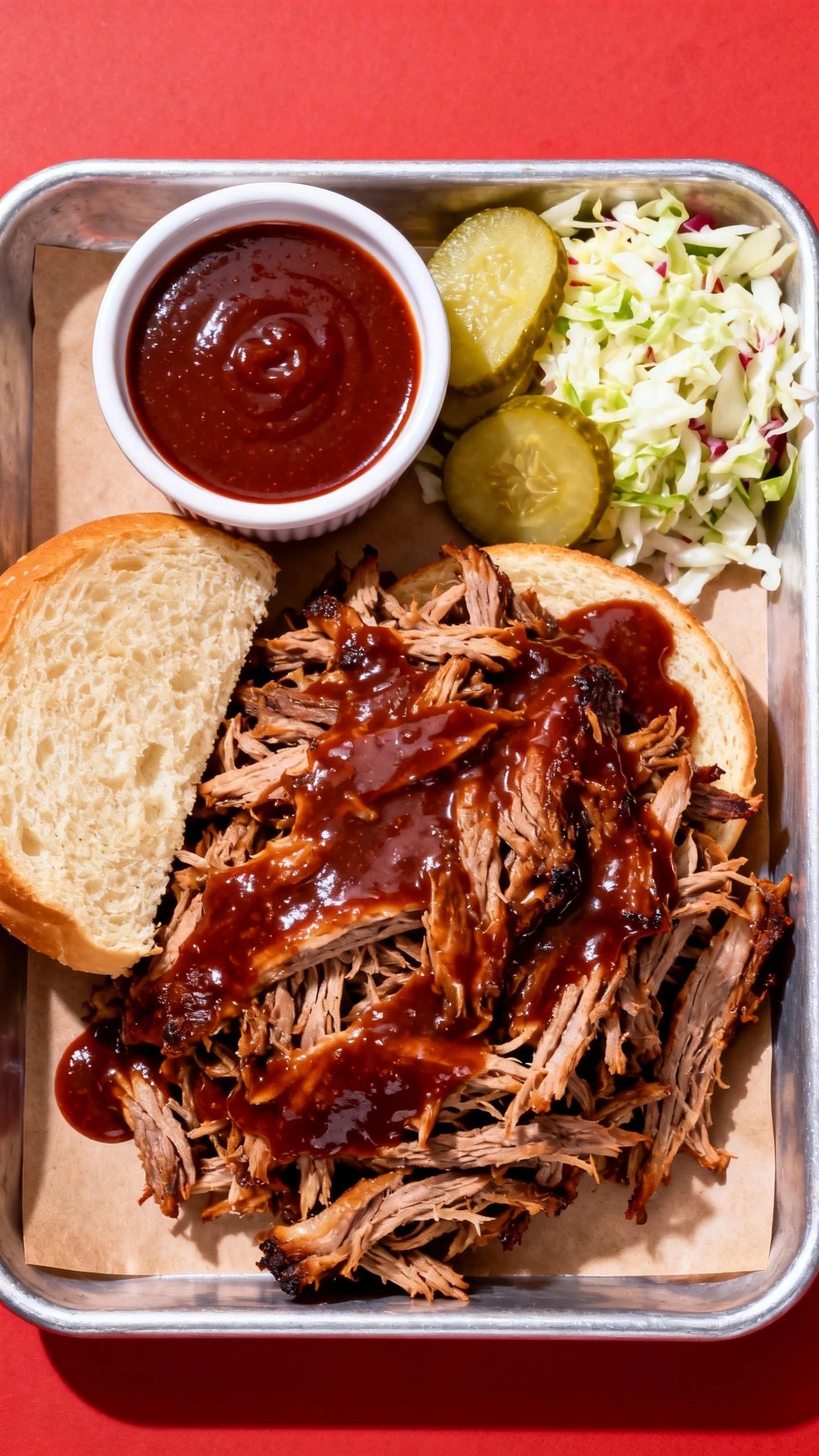
Let us be honest: barbecue sauce is here to make food delicious first. Still, homemade gives you a few real advantages. You control the sugar, sodium, and spice level, which makes it easier to fit the sauce into your own eating style.
Tomato based ingredients like ketchup contain antioxidants such as lycopene. Spices like paprika, garlic, and chili powder also bring flavor without adding much fat. That means you can create a sauce with strong taste and fewer mystery ingredients than many store bought options.
Using homemade sauce may also help you eat more satisfying meals with simple ingredients. Pair it with pulled pork, slaw, roasted vegetables, or a baked sweet potato, and you have a filling plate without needing every side dish to be deep fried. A noble concept, truly.
Common Mistakes to Avoid
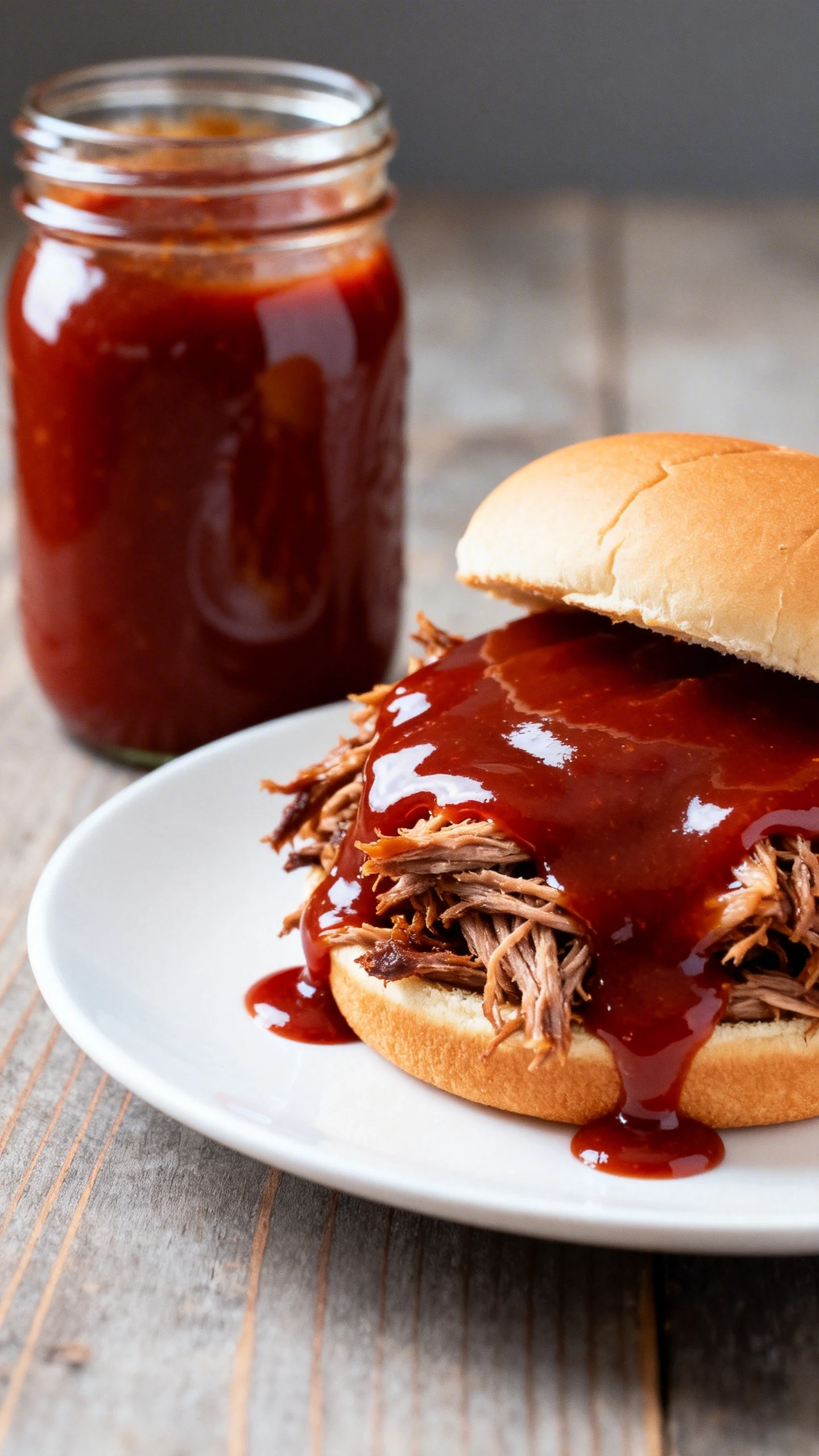
Even an easy sauce can go off the rails if you rush it or skip tasting. Here are the most common mistakes and how to avoid them.
- Using too much sugar. Sweetness should support the sauce, not dominate it. Start balanced, then adjust after simmering.
- Not enough acid. Pulled pork loves tang. If your sauce tastes flat or heavy, it probably needs more vinegar.
- Boiling too hard. A furious boil can scorch the sugars and create a harsh taste. Keep the simmer gentle.
- Over saucing the pork. Add the sauce gradually. You can always add more, but you cannot un sog a sandwich.
- Skipping the rest time. Let the sauce sit for a few minutes before serving. The flavor settles and tastes more cohesive.
- Forgetting the meat matters too. Sauce cannot rescue dry, bland pork. It helps a lot, sure, but it is not wizardry.
Recipe Variations
This sauce starts classic, but you can shift it in several directions depending on your taste or the style of pulled pork you want to serve.
Sweet and Smoky
Add extra brown sugar and a bit more smoked paprika. This version tastes especially good on pork piled onto soft buns with creamy slaw.
Tangy Carolina Inspired
Increase the apple cider vinegar and mustard, then reduce the ketchup slightly. You will get a thinner, sharper sauce that cuts through rich pork beautifully.
Spicy Kick
Boost the cayenne, stir in chipotle powder, or add your favorite hot sauce. This variation works well if you want a little heat in every bite without overwhelming the meat.
Honey Barbecue
Swap some of the brown sugar for honey. The result tastes a little lighter and smoother, with a sweeter finish that kids usually love.
Bourbon Style
Add a small splash of bourbon while the sauce simmers and let it cook down. It adds warmth and depth, plus it makes dinner sound suspiciously sophisticated.
FAQ
What kind of barbecue sauce is best for pulled pork?
A balanced sauce with sweetness, tang, and a little smoke usually works best. Pulled pork has rich, fatty flavor, so it benefits from acid and spice to keep each bite lively. Tomato based sauces are the most crowd friendly, but vinegar heavy versions also pair beautifully.
Should I mix the sauce into the pulled pork or serve it on the side?
Do both if you can. Toss the pork with a small amount to keep it juicy and flavorful, then serve more on the side for people who want extra. That keeps the meat moist without drowning it.
Can I make this sauce ahead of time?
Yes, and you probably should. Making it a day ahead gives the flavors time to settle and blend. Store it in the fridge and reheat gently before using.
How do I make the sauce less sweet?
Cut back on the brown sugar and molasses, then increase the vinegar slightly. You can also add a bit more mustard or Worcestershire to shift the balance toward tangy and savory.
Can I use this sauce for other meats?
Absolutely. It tastes great on ribs, chicken, burgers, meatloaf, and even roasted vegetables. Once you have a good homemade barbecue sauce, you start finding excuses to use it on everything.
How much sauce should I use for pulled pork?
Start with about 1/2 to 3/4 cup of sauce for every 4 cups of shredded pork, then adjust to taste. Some pork releases juices that thin the mixture, so add gradually and stir well between additions.
Can I make it without ketchup?
Yes, though the flavor profile changes. You can use tomato sauce or tomato paste thinned with water, then adjust the sugar and vinegar until the balance tastes right. The result may feel less classic, but it can still be delicious.
Wrapping Up
If you want pulled pork that people remember, sauce matters more than most folks admit. This homemade version brings the sweet, tangy, smoky balance that turns good meat into a full on event. It is easy, customizable, and miles better than grabbing a random bottle and hoping for the best.
Make a batch, taste as you go, and tune it to your style. Spoon it over smoky pork, stack it on buns, and watch the room go oddly quiet except for chewing. That is usually the sign you nailed it.