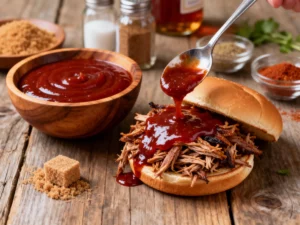
Tender, smoky, sticky perfection with simple steps, big flavor, and a foolproof method for weekends or party nights.
You know that moment when a platter hits the table and everyone suddenly forgets how to act? That is what this recipe does. You get meat so tender it barely hangs onto the bone, plus a glossy sauce that makes people lick their fingers and lose all dignity. Fancy grill skills are not required, which is great news for the rest of us. If you want maximum praise for minimum chaos, this is your move.
Great ribs are not about luck. They are about timing, heat control, and building flavor in layers so every bite tastes expensive. Once you learn the rhythm, you stop guessing and start winning cookouts on command. IMO, that is a better flex than buying some overpriced smoker gadget you use twice a year.
The Secret Behind This Recipe
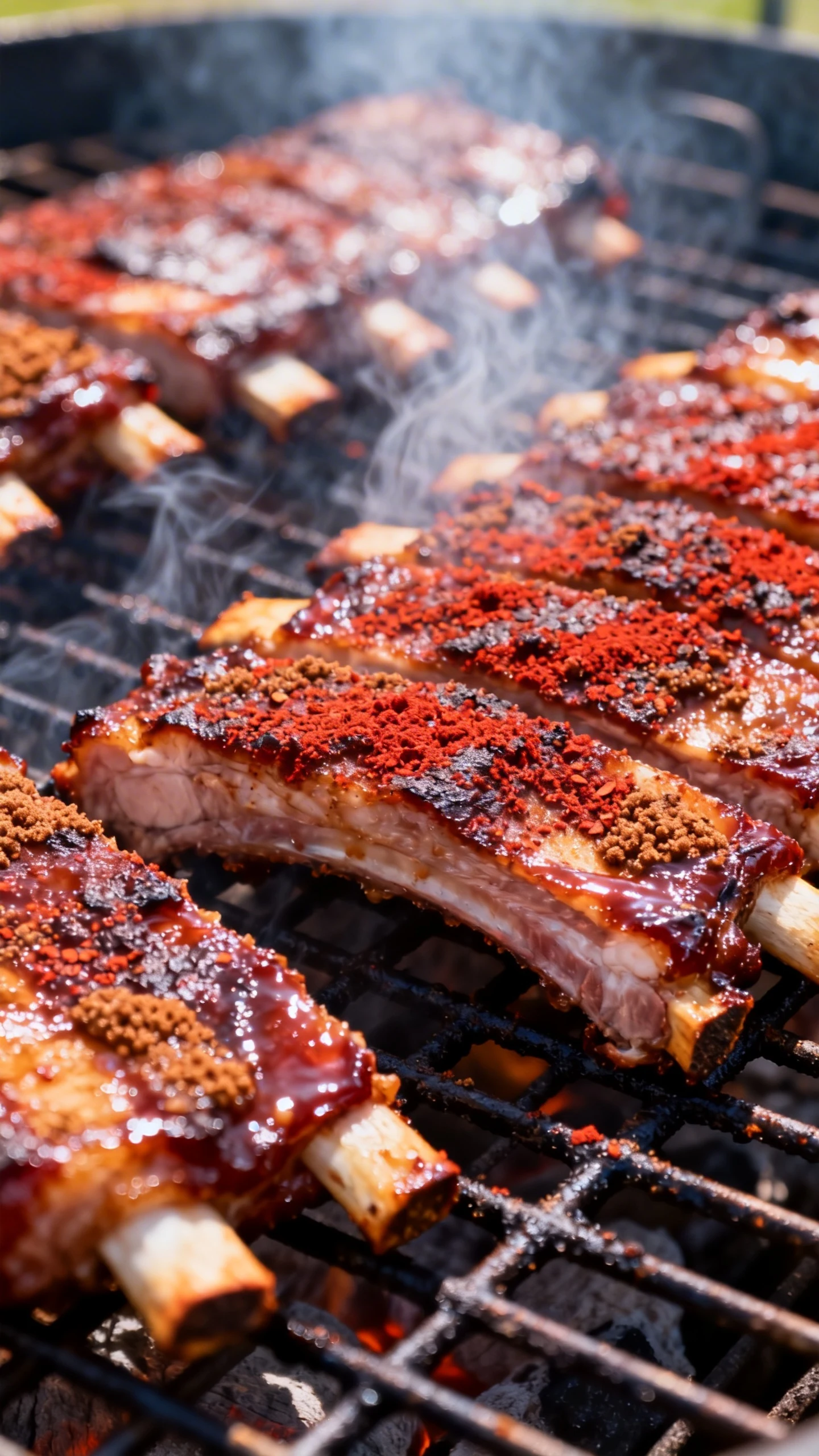
The secret is simple: season boldly, cook low and slow, then finish with sauce at the end. That order matters more than people think. If you sauce too early, the sugars burn and your beautiful rack turns into a sticky cautionary tale.
This method gives you three things at once: a flavorful crust, juicy meat, and a lacquered finish. The dry rub builds depth, the gentle heat breaks down connective tissue, and the final glaze creates that irresistible shine. It is not magic. It just tastes like it.
Another key move is patience. Ribs hate being rushed, and they will punish you with chewiness if you try. Give them time, keep the temperature steady, and let the meat relax before serving. Suddenly, you look like the person who always knows what they are doing.
What You’ll Need (Ingredients)
You can keep this ingredient list basic and still get massive flavor. Most of these items already live in a decent pantry, waiting for their big moment.
- 2 racks pork ribs, baby back or St. Louis style
- 2 tablespoons brown sugar
- 1 tablespoon smoked paprika
- 2 teaspoons kosher salt
- 2 teaspoons black pepper
- 2 teaspoons garlic powder
- 2 teaspoons onion powder
- 1 teaspoon chili powder
- 1 teaspoon mustard powder
- 1 teaspoon cayenne pepper, optional for heat
- 2 tablespoons yellow mustard for binding the rub
- 1 cup barbecue sauce, your favorite brand or homemade
- 2 tablespoons apple cider vinegar
- 2 tablespoons honey
- 1 tablespoon Worcestershire sauce
- 1 tablespoon butter, optional for extra richness
- Wood chips or chunks, such as hickory, apple, or cherry, if smoking
If you want to make your own sauce, combine ketchup, brown sugar, vinegar, Worcestershire, a little mustard, and spices. Keep it balanced: sweet, tangy, smoky, and just sharp enough to wake everything up. Store bought works too, FYI. This is dinner, not a personality test.
Instructions
Follow these steps and you will get ribs that taste like they came from someone who owns a giant metal smoker and strong opinions.
-
Prep the ribs. Remove the thin membrane from the back of each rack by sliding a knife underneath it and pulling it off with a paper towel. This step helps the seasoning penetrate and improves texture. Skip it if you enjoy fighting your food.
-
Make the rub. In a bowl, mix the brown sugar, smoked paprika, salt, black pepper, garlic powder, onion powder, chili powder, mustard powder, and cayenne. Stir until evenly combined. You want every spoonful to carry the full flavor profile.
-
Season generously. Pat the ribs dry, then coat both sides lightly with yellow mustard. Sprinkle the rub over every surface and press it in well. Let the racks sit for 20 to 30 minutes at room temperature while your grill or oven heats.
-
Set up low heat. Preheat your grill, smoker, or oven to 275°F. If using a grill, create an indirect heat zone so the ribs do not sit directly over the flame. Add wood chips for smoke if you want that classic backyard aroma.
-
Cook low and slow. Place the ribs bone side down and cook for 2 1/2 to 3 1/2 hours, depending on the size and style of the rack. Keep the lid closed as much as possible. Every unnecessary peek steals heat, and the ribs do not need your emotional support.
-
Check for tenderness. The meat should shrink back from the bones slightly, and the rack should bend when you lift it with tongs. You are not aiming for meat that falls apart into strings. You want tender with a bit of structure.
-
Make the glaze. In a small saucepan, combine the barbecue sauce, apple cider vinegar, honey, Worcestershire sauce, and butter if using. Warm it over low heat until smooth and glossy. This gives the sauce better flow and a richer finish.
-
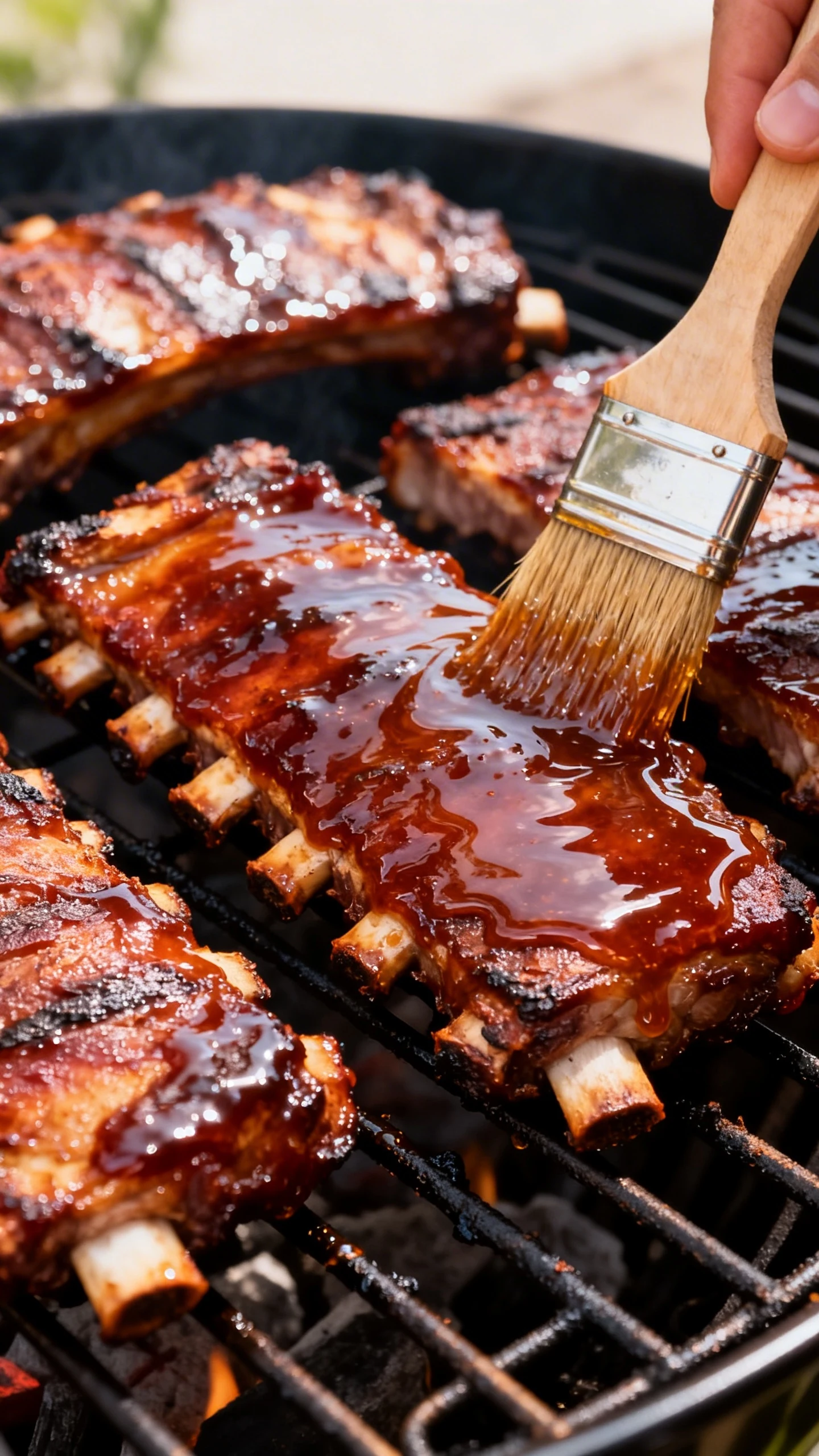
Sauce at the end. Brush the ribs with the glaze during the last 20 to 30 minutes of cooking. Apply one or two thin layers instead of one heavy dump. That builds a shiny coating without burning the sugars.
-
Rest before slicing. Remove the ribs from the heat and let them rest for 10 minutes. This helps the juices settle and keeps the meat moist. Slice between the bones with a sharp knife.
-
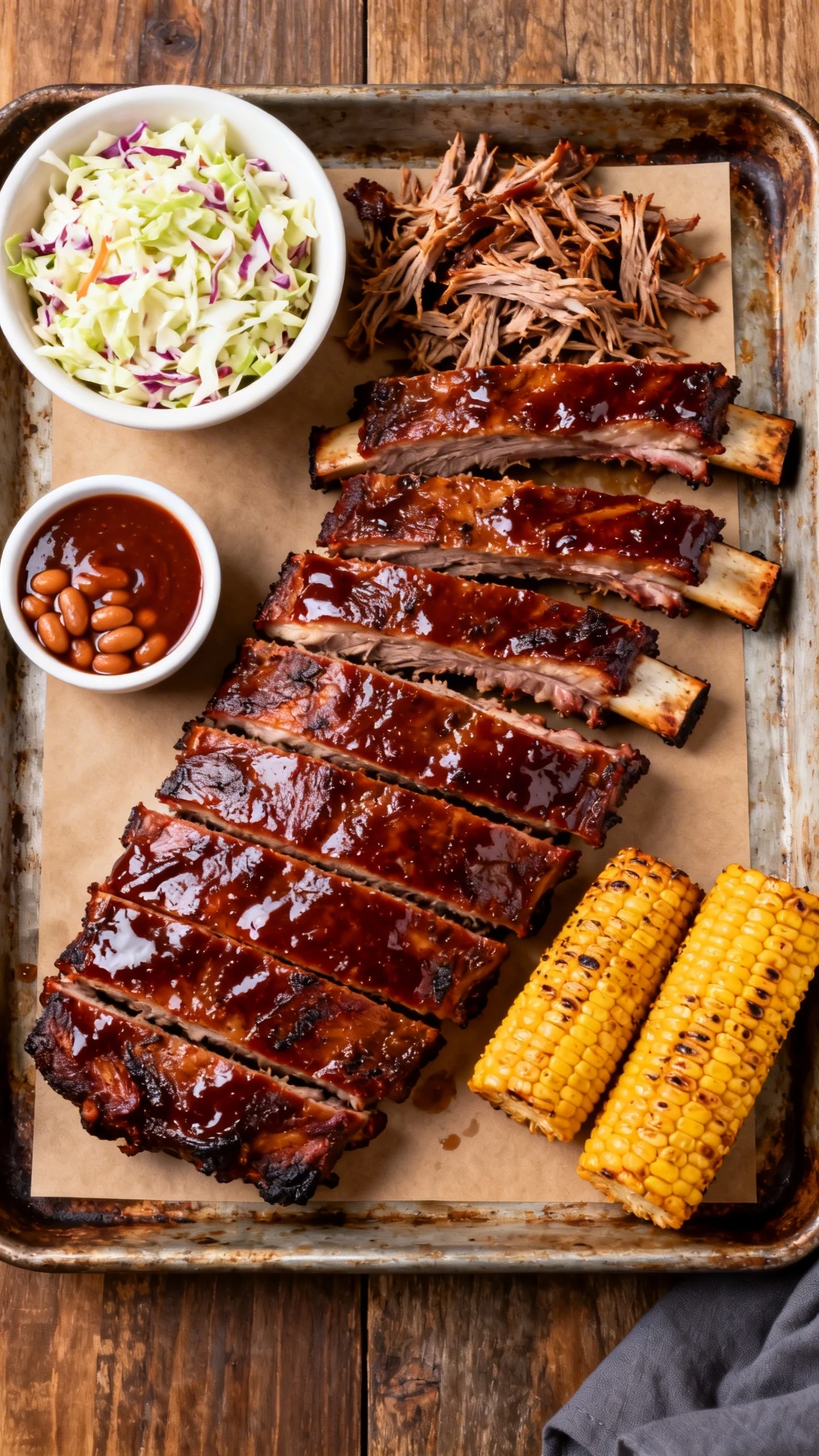
Serve hot. Pile them onto a platter and add extra sauce on the side. Pair them with slaw, baked beans, corn, potato salad, or bread to catch every last drop. Then pretend you are surprised when people ask for the recipe.
Preservation Guide
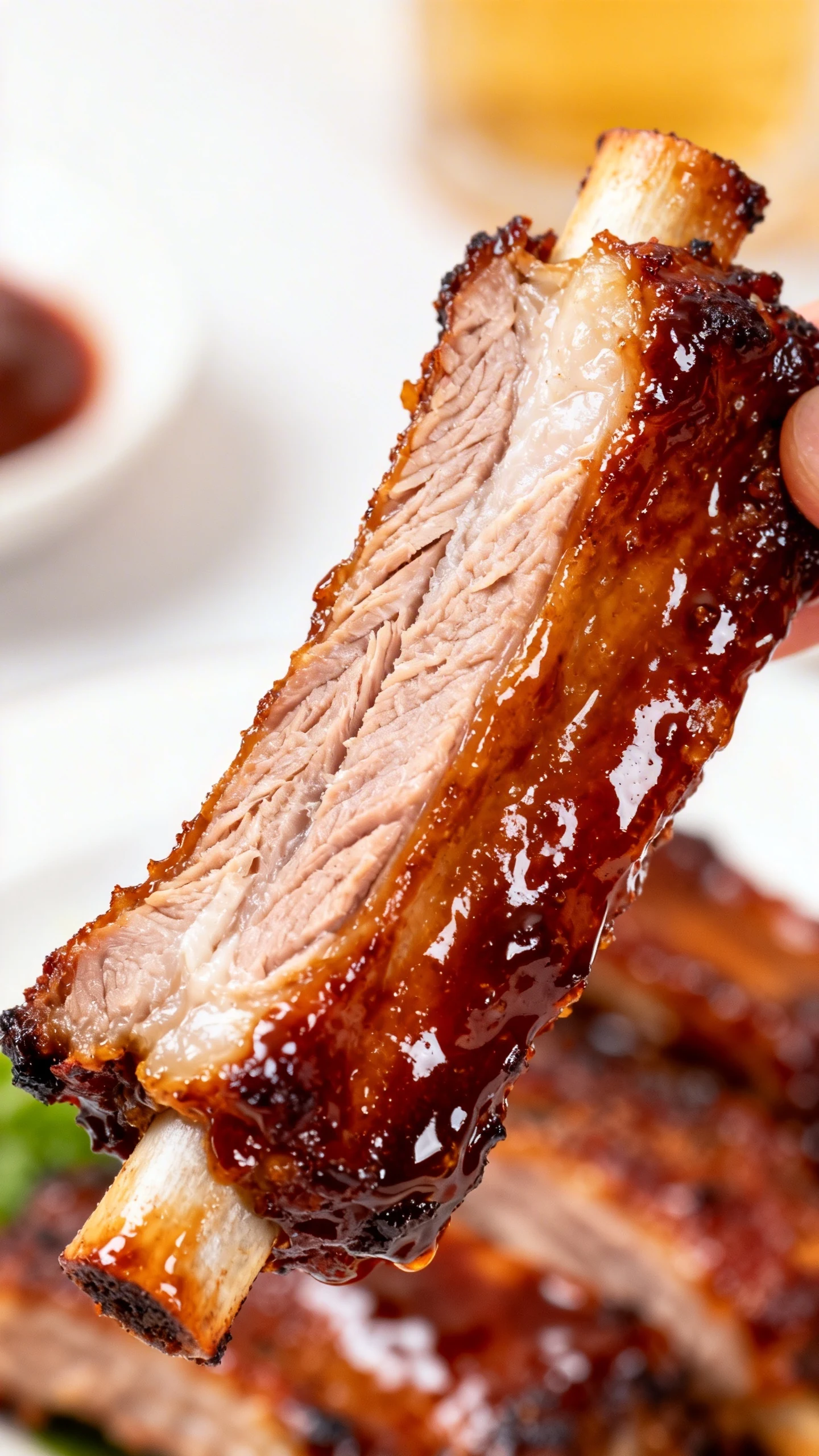
If you somehow have leftovers, store them properly so they stay juicy. Let the ribs cool slightly, then place them in an airtight container or wrap them tightly in foil. Refrigerate within two hours of cooking.
They will keep well in the fridge for 3 to 4 days. For longer storage, wrap portions in foil, then seal them in freezer bags. Frozen ribs stay at their best for about 2 to 3 months.
To reheat, add a splash of water or extra sauce, cover tightly, and warm them in a 300°F oven until heated through. You can also reheat them on a grill over low indirect heat. Microwaving works in emergencies, but the texture may sulk a little.
Health Benefits
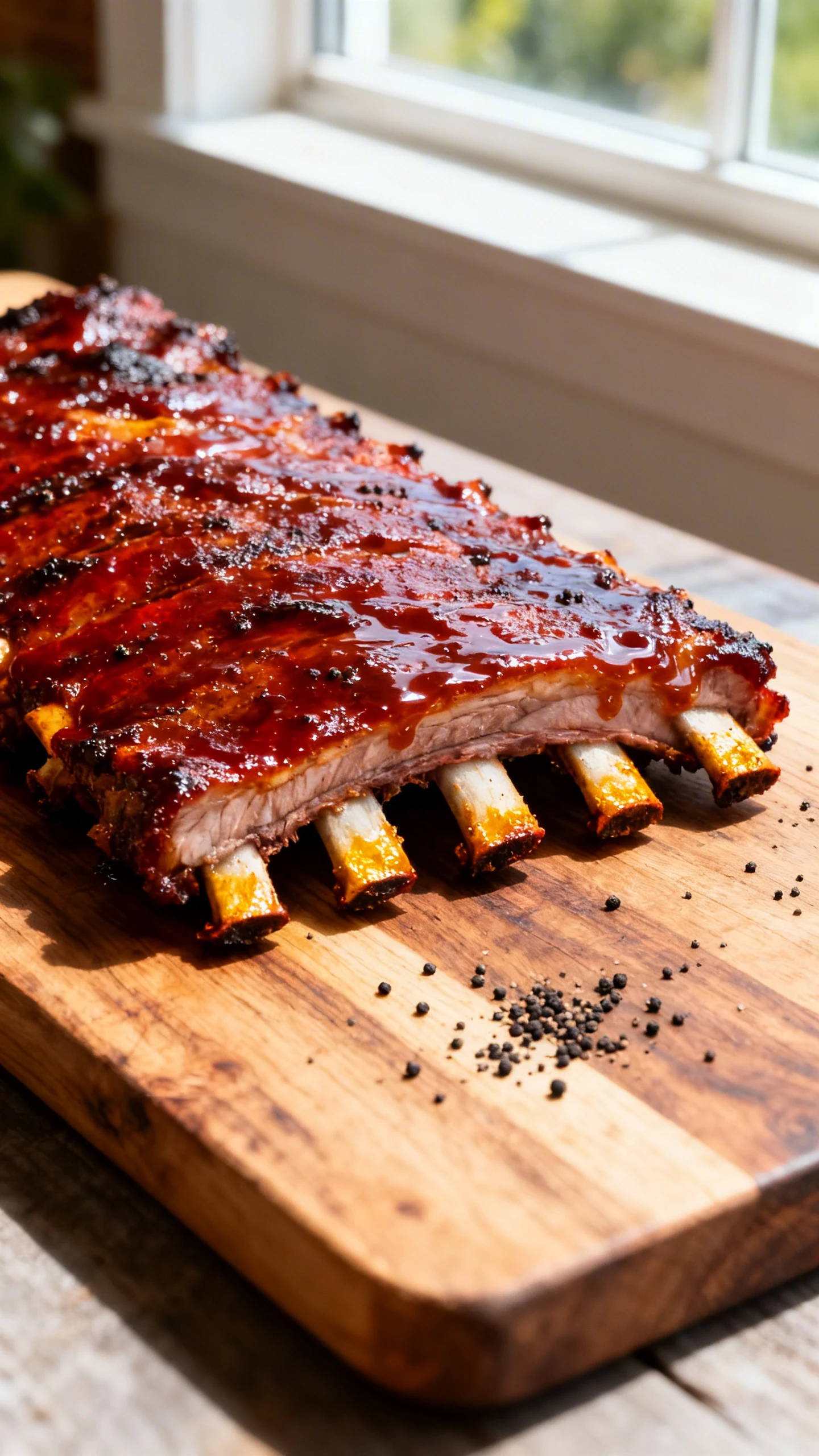
Ribs may not wear a kale halo, but they do bring value to the table. Pork provides protein, which supports muscle maintenance and helps keep you satisfied. It also contains important nutrients like iron, zinc, and B vitamins.
If you want a lighter version, trim excess fat, use less sugar in the rub, and choose a sauce with lower added sugar. You can also serve smaller portions with generous sides of grilled vegetables or a crisp salad. Balance exists, even at a cookout.
Cooking at home gives you control over sodium, sweetness, and ingredient quality. That alone often makes homemade ribs a better option than heavily processed restaurant versions. Plus, you know exactly what went into the sauce. No mystery syrup situation.
Avoid These Mistakes
-
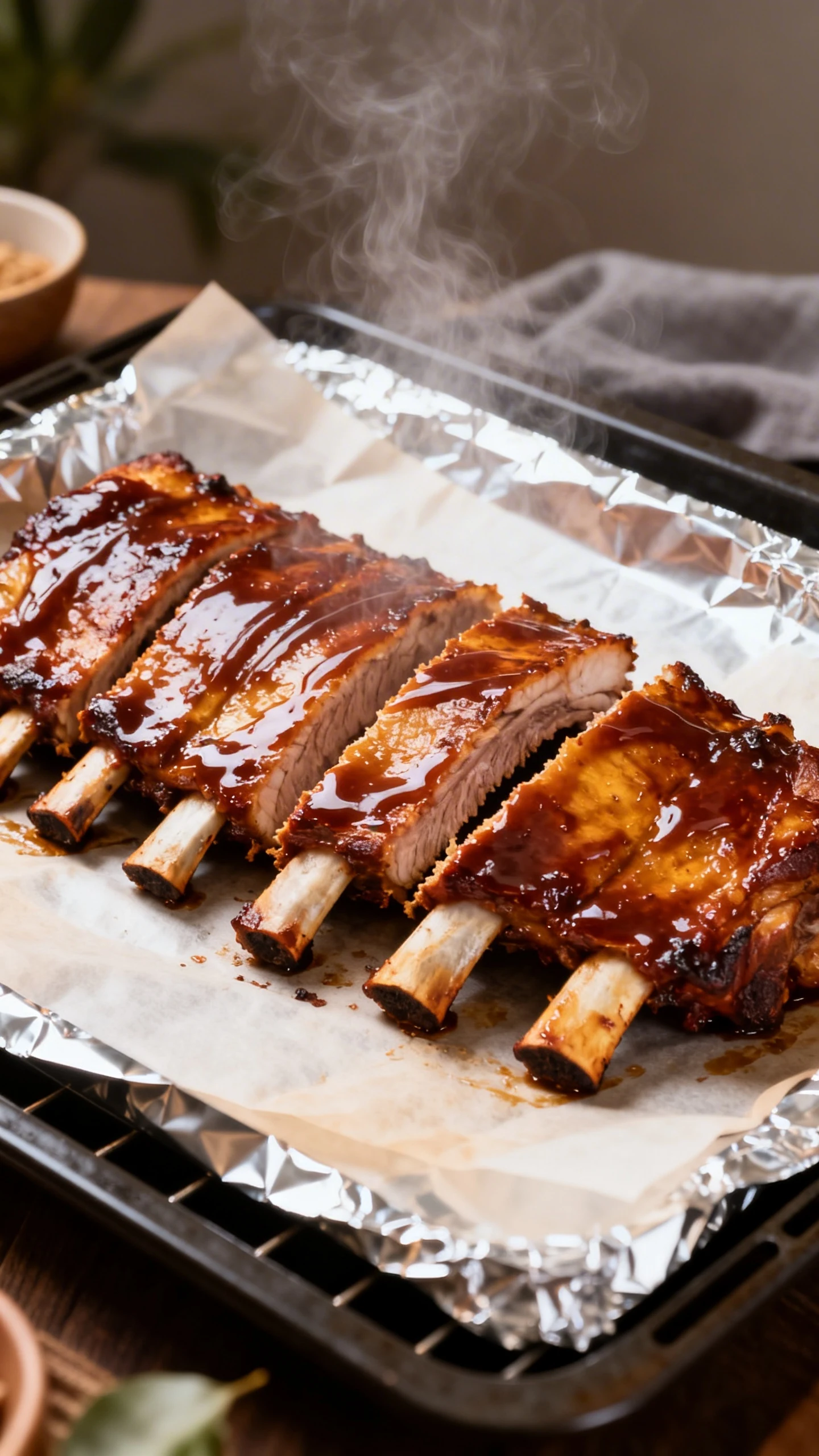
Cooking over high heat: High heat toughens the meat and burns the outside before the inside becomes tender. Ribs need steady, gentle cooking. Slow is the whole point.
-
Skipping the membrane removal: That thin layer on the back can turn unpleasantly chewy. Removing it helps with tenderness and flavor absorption. It takes one minute and saves regret.
-
Using too much sauce too early: Sauce contains sugar, and sugar burns fast. Add it near the end for a glossy finish instead of a blackened mess. Char is nice; carbon is not.
-
Underseasoning: A large rack of meat needs real flavor. Be generous with the rub so every bite tastes intentional. Bland ribs are honestly offensive.
-
Overcooking until they fall apart: Tender does not mean mushy. When the meat shreds before you cut it, you have gone too far. Save that texture for pulled pork.
Different Ways to Make This
One of the best things about ribs is how easily you can switch up the flavor. The method stays mostly the same, but the personality changes fast.
-
Smoky classic: Use hickory wood and a tomato based sauce with brown sugar and molasses. This version tastes like a proper summer Saturday.
-
Sweet and spicy: Add more cayenne, hot sauce, and a little extra honey to the glaze. You get heat first, then sweetness, then that addictive smoky finish.
-
Dry style: Skip the sauce and increase the rub slightly. This creates a more concentrated crust and lets the pork flavor stand out. Memphis fans know what is up.
-
Oven baked: No grill, no problem. Bake the seasoned racks covered for most of the cook time, then uncover and glaze at the end. Your neighbors will still be jealous somehow.
-
Asian inspired: Use hoisin, soy sauce, rice vinegar, garlic, ginger, and honey for a sticky glaze with sweet savory depth. Top with sesame seeds and scallions for extra flair.
-
Mustard style: Swap the usual sauce for a tangy mustard based glaze with vinegar and a touch of brown sugar. It cuts through richness beautifully and wakes up the whole plate.
FAQ
What type of ribs works best for this recipe?
Both baby back ribs and St. Louis style ribs work great. Baby backs cook a bit faster and tend to be leaner, while St. Louis ribs offer more meat and a richer bite. Choose based on your preference, not barbecue peer pressure.
Can I make these in the oven only?
Yes. Bake them at 275°F, covered tightly with foil for most of the cooking time, then uncover and glaze during the final stretch. You will miss some smoke, but you will still get tender, flavorful results.
How do I know when the ribs are done?
Look for meat that has pulled back from the ends of the bones and a rack that bends easily when lifted. A toothpick should slide into the meat with little resistance. If it still feels tough, give it more time.
Should ribs fall off the bone?
Not necessarily. Many people love that texture, but properly cooked ribs usually hold to the bone lightly and come away with a clean bite. Fall off the bone often means they are slightly overcooked.
Can I prepare the ribs ahead of time?
Absolutely. You can season them a day ahead and keep them covered in the refrigerator. You can also cook them mostly through, chill them, and finish with sauce before serving.
What wood tastes best with ribs?
Apple and cherry give a sweeter, milder smoke, while hickory delivers a stronger classic barbecue flavor. Oak works well too if you want something balanced. Start mild if you are new to smoking.
What sides go best with ribs?
Coleslaw, cornbread, mac and cheese, baked beans, grilled corn, and potato salad all pair beautifully. A crunchy, acidic side helps balance the rich meat. Your plate should not feel like a dare.
Can I use beef ribs instead of pork?
You can, but beef ribs need a different cooking time and bring a heavier flavor. The same low and slow mindset applies, though. Just expect a meatier, richer result.
In Conclusion
If you want a recipe that gets attention fast and disappears even faster, this is it. Great ribs come down to simple fundamentals: a bold rub, low heat, patience, and sauce at the right moment. Master those, and you can turn any weekend meal into the kind of spread people talk about on the ride home.
Whether you use a smoker, grill, or oven, this method gives you reliable, crowd pleasing results. Keep it classic or customize the flavor to match your style. Either way, you end up with sticky fingers, empty plates, and zero leftovers. That sounds like success to me.