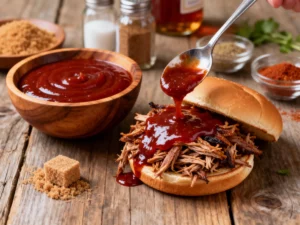
Sticky, smoky, and weeknight-fast: juicy grilled or baked chicken with a foolproof sauce plan and crisped edges every time.
You know that moment when you put food down and people suddenly forget their manners? That’s what this recipe does. You get juicy meat, crackly edges, and sauce that clings like it pays rent. No dry chicken, no sad pale skin, no “it’s fine” compliments. Just a loud, sticky win that makes you look like you’ve been practicing.
The secret isn’t a magic grill or a rare spice from a mountain. It’s sequence: season hard, cook hot, sauce late, finish even hotter. That’s it. And once you learn the rhythm, you’ll crank these out for game days, meal prep, and random Tuesdays when you want dinner to feel like a flex.
Why You’ll Love This Recipe
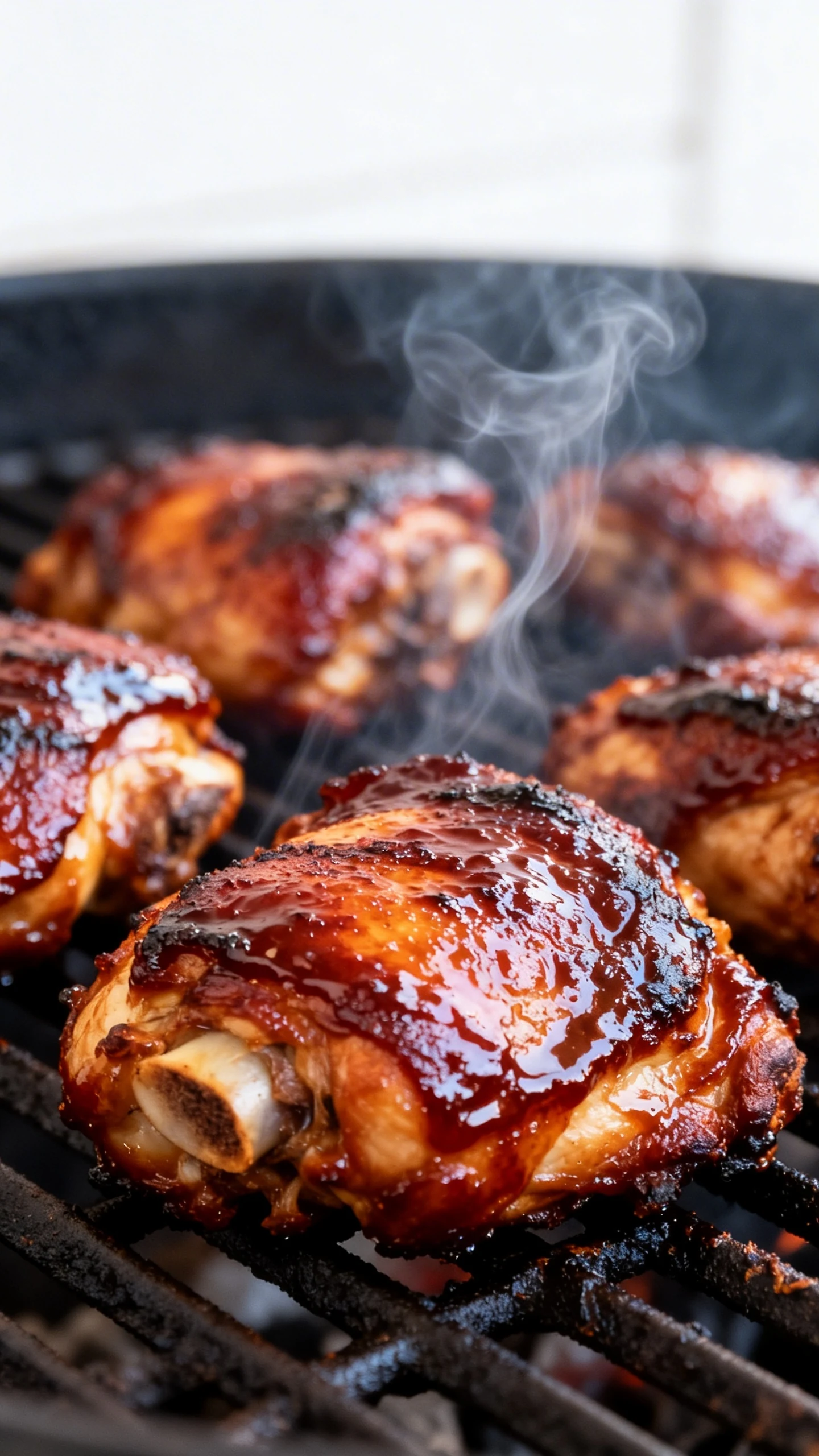
This recipe hits the sweet spot between “impressive” and “not annoying.” It’s forgiving, fast, and it scales easily for crowds. Plus, thighs stay juicy even if you get distracted by, say, literally anything.
- Juicy by default: Dark meat has more wiggle room than breasts.
- Big flavor, low effort: A simple rub plus a glossy finish does the heavy lifting.
- Works on grill or oven: Same vibe, different tools.
- That sticky lacquer: Sauce caramelizes without burning because you add it at the right time.
- Meal-prep friendly: Reheats like a champ and stays tender.
Shopping List – Ingredients
Grab these basics and you’re set. If you already keep sauces and spices around, this is basically a “walk to the kitchen” recipe.
- 2 to 2 1/2 pounds bone-in, skin-on chicken thighs (or boneless, skinless)
- 1 tablespoon kosher salt
- 1 1/2 teaspoons black pepper
- 2 teaspoons smoked paprika
- 1 teaspoon garlic powder
- 1 teaspoon onion powder
- 1/2 teaspoon chili powder or cayenne (optional)
- 1 tablespoon brown sugar (optional, for extra caramelization)
- 1 to 2 tablespoons neutral oil (avocado, canola, or grapeseed)
- 3/4 cup barbecue sauce (store-bought or homemade)
- 1 tablespoon apple cider vinegar (brightens the sauce)
- 1 tablespoon honey or maple syrup (optional, for shine)
- 1 teaspoon Dijon mustard (optional, for bite)
- Optional garnish: sliced green onions or chopped parsley
The Method – Instructions
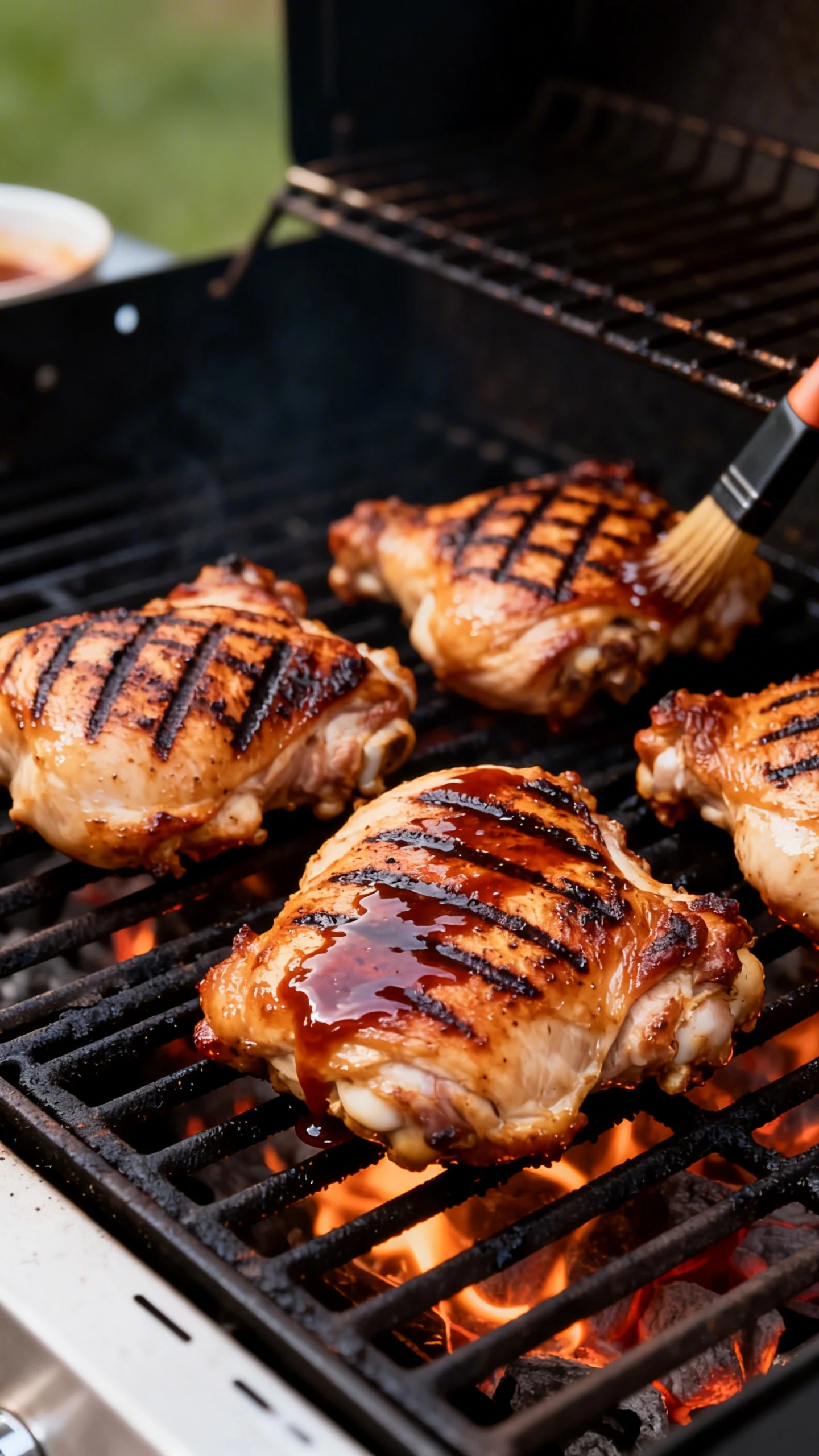
Follow this list and you’ll get crispy skin, deep smoky flavor, and sauce that sticks without turning bitter. The big rule: don’t sauce too early unless you enjoy scraping burnt sugar off grates.
-
Season like you mean it. Pat the thighs dry, then coat with oil. Mix salt, pepper, paprika, garlic powder, onion powder, and optional heat and sugar. Rub all over, including the underside.
-
Let them sit (even briefly). Rest 15 minutes at room temp while you heat the grill or oven. If you have time, refrigerate uncovered 2 to 8 hours for better skin and deeper seasoning.
-
Heat your setup properly. Grill: set up two-zone heat (one hot side, one cooler side) and aim for 425–450°F. Oven: preheat to 425°F and place a rack over a sheet pan for airflow.
-
Start skin-side down. Grill: sear on the hot side skin-down 4–6 minutes until the skin releases and browns. Oven: place skin-side up on the rack and roast 20 minutes to begin rendering.
-
Move to gentler heat to cook through. Grill: flip and move to the cooler side, cover, and cook 12–18 minutes. Oven: continue roasting another 10–15 minutes. You want an internal temp of 175–190°F for the best texture.
-
Upgrade the sauce (optional but elite). Stir barbecue sauce with vinegar, and optionally honey and Dijon. This makes it brighter, glossier, and less one-note.
-
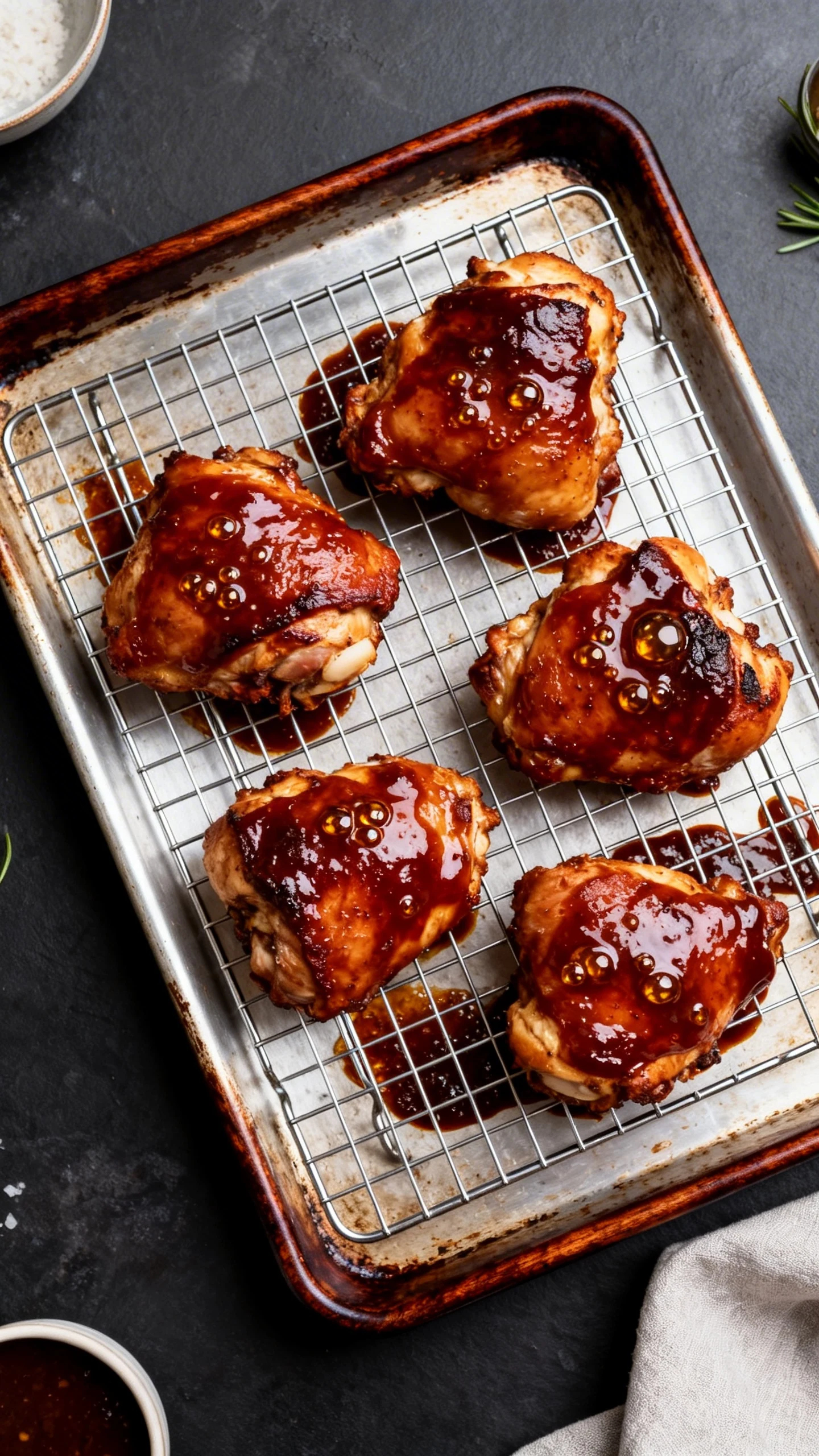
Sauce late, then caramelize. Brush a thin layer of sauce on both sides. Grill: move back to the hot side for 1–2 minutes per side, watching closely. Oven: brush sauce on, then broil 1–3 minutes until bubbly and lacquered.
-
Rest, then serve. Rest 5 minutes so the juices calm down. Sprinkle herbs if you want to pretend this was “planned.”
-
Quick doneness check. If you don’t have a thermometer, look for clear juices, tender meat near the bone, and skin that looks like it actually tried.
Storage Tips
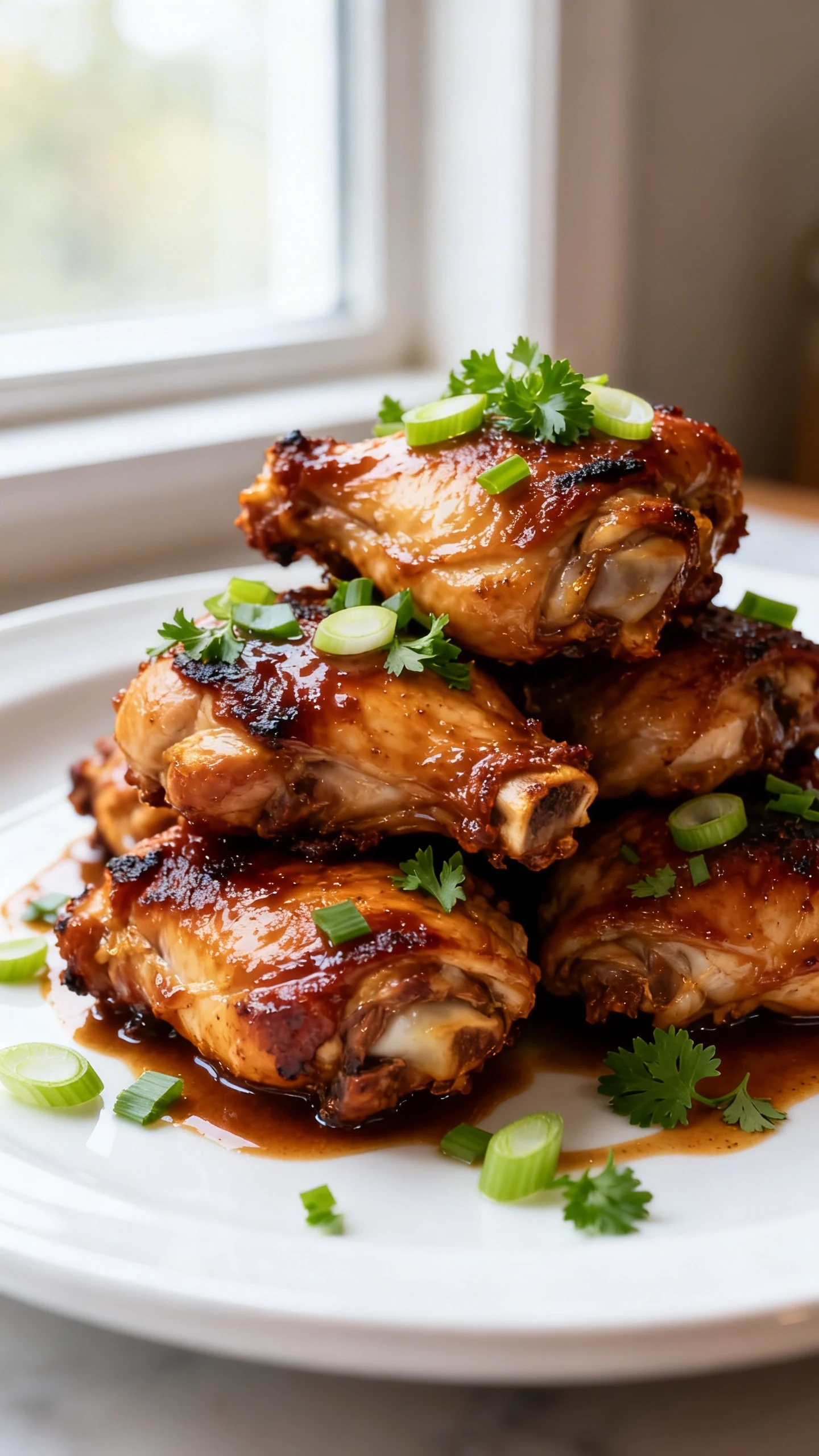
These store ridiculously well, which is dangerous because you’ll “accidentally” eat one cold from the fridge. Keep the sauce sticky by sealing them tightly so they don’t dry out.
- Fridge: Store in an airtight container up to 4 days.
- Freezer: Freeze up to 3 months; wrap tightly to avoid freezer burn.
- Reheat best method: Oven or air fryer at 375°F until hot. Add a small brush of sauce at the end.
- Microwave tip: Cover and use medium power so they heat through without turning rubbery.
FYI, if you plan to freeze, go lighter on the final caramelization. You can re-lacquer after reheating for that fresh-off-the-grill shine.
Health Benefits
This meal can be both satisfying and reasonable. Chicken thighs bring protein and key nutrients, and you control the sugar and sodium by choosing your sauce and seasoning levels.
- High-quality protein: Supports muscle repair and keeps you full longer.
- Iron and zinc: Helpful for energy and immune function.
- More forgiving fat profile: The natural fat keeps the meat moist, so you don’t need heavy creams or extra oils.
- Customizable sauce: Choose low-sugar sauces or thin with vinegar to reduce sweetness while keeping flavor.
If you want it lighter, use skinless thighs and a tangy, vinegar-forward sauce. If you want it more indulgent, keep the skin and embrace the crunch. IMO, both are valid life choices.
Pitfalls to Watch Out For
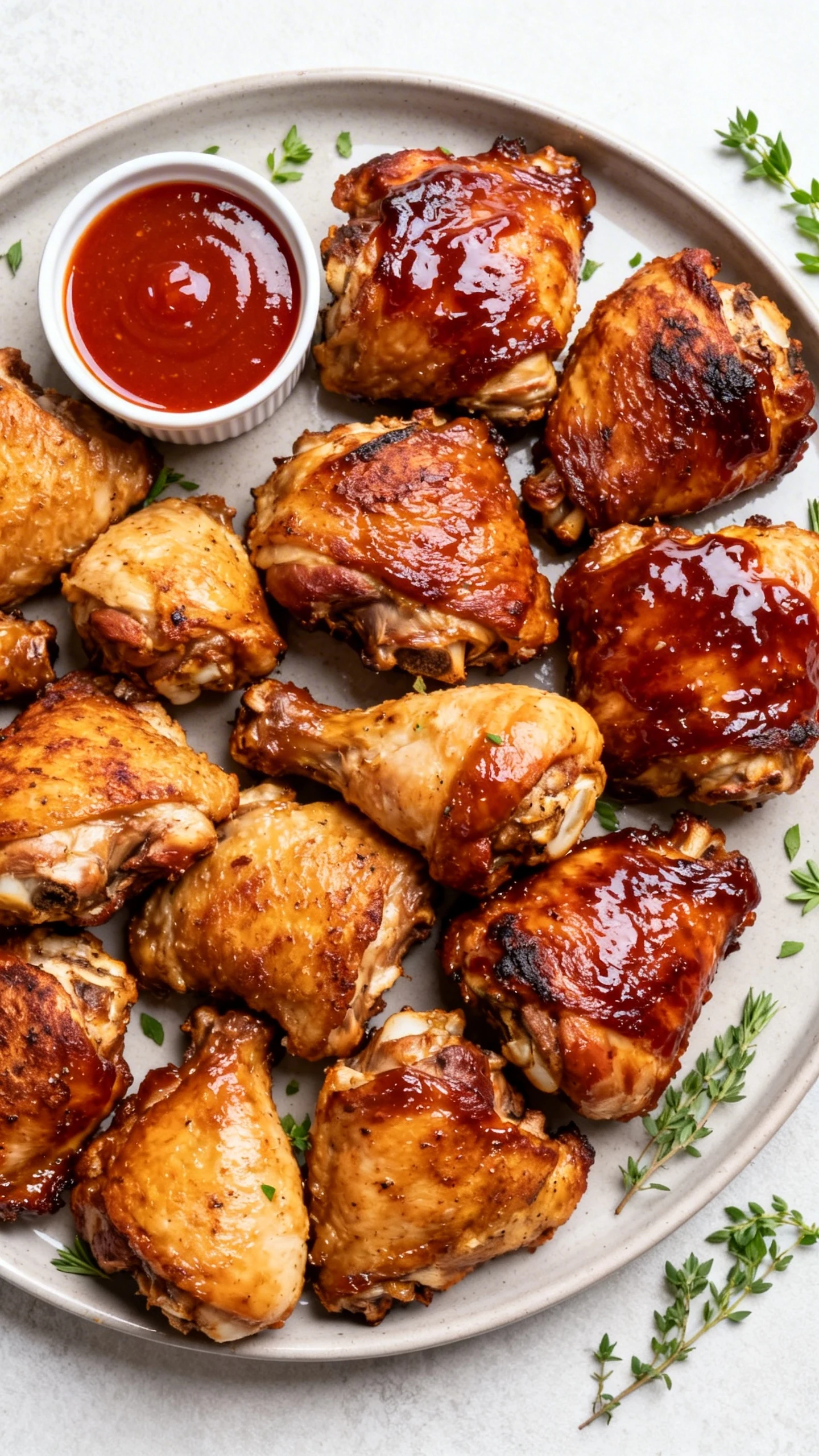
Most “bad BBQ chicken” isn’t bad because the cook lacks talent. It’s bad because the order of operations got ignored. Here’s what can sabotage you and how to avoid it.
- Saucing too early: Sugar burns fast. Cook first, sauce late, then finish hot.
- Skipping the dry pat: Wet skin steams and turns floppy. Dry chicken equals better browning.
- Only using high heat: You’ll char the outside before the inside gets tender. Two-zone heat fixes everything.
- Undercooking thighs “like breasts”: Thighs taste best at 175–190°F, not 165°F and hoping.
- Too much sauce at once: Thick layers slide off. Do thin coats and build the glaze.
Also, don’t crowd the grill or pan. Give each piece space to brown, or you’ll end up with steamed chicken and regrets.
Mix It Up
Once you nail the base technique, you can swap flavors endlessly without changing the core steps. Keep the rub-to-cook-to-glaze rhythm and you’ll always land it.
- Spicy-sweet: Add extra cayenne and a spoon of honey to the sauce.
- Carolina-inspired: Use a vinegar-forward sauce and add more cider vinegar plus black pepper.
- Korean-ish twist: Mix sauce with gochujang and a splash of soy sauce; finish with sesame seeds.
- Citrus smoke: Add lime zest to the rub and squeeze lime over the finished chicken.
- Herby: Add dried thyme or oregano to the rub and garnish with parsley.
Want extra crunch? Finish skin-on thighs under the broiler for 60 seconds after saucing. Watch it like a hawk, unless you enjoy the scent of “almost.”
FAQ
Can I use boneless, skinless thighs instead?
Yes. They cook faster and won’t get that crispy-skin moment, but they stay juicy. Grill or bake at similar temps, start checking around 12–15 minutes total, then glaze at the end and finish hot.
What internal temperature should I aim for?
For the best bite, target 175–190°F in the thickest part. Thighs get more tender as the connective tissue breaks down, so a little higher than the minimum is a good thing here.
How do I keep the sauce from burning on the grill?
Cook the chicken nearly all the way first, then brush on a thin layer of sauce for the last few minutes. Use the cooler zone if flare-ups start, and avoid dripping sauce directly over flames.
Do I need to marinate?
No. A dry rub plus a short rest gives you big flavor without planning your entire day around chicken. If you want more depth, season a few hours ahead and leave the thighs uncovered in the fridge for better browning.
Can I bake them if I don’t have a grill?
Absolutely. Roast at 425°F on a rack over a sheet pan, then brush with sauce and broil briefly to set the glaze. You’ll still get great texture and a sticky finish.
What’s the best barbecue sauce to use?
Use one you actually like straight from the bottle, then brighten it with a splash of vinegar. If it’s very sweet, skip extra honey. If it’s tangy, add a touch of maple for shine.
How do I avoid rubbery skin?
Dry the skin well, cook hot enough to render fat, and avoid drowning it in sauce early. Crisp first, glaze last. If needed, finish with a quick broil to tighten everything up.
The Bottom Line
This recipe gives you tender, flavorful chicken with a glossy, caramelized finish—without needing chef-level patience. Nail the sequence: season hard, cook with smart heat, sauce late, then blast to set the glaze. Keep it simple, keep it hot, and watch how fast the platter empties.