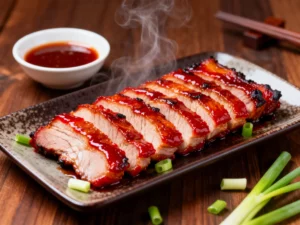
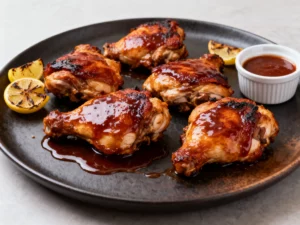
Get smoky, juicy, crowd pleasing results fast with smart prep, easy sauces, and a foolproof home grilling game plan.
You do not need a fancy restaurant, a built in tabletop grill, or a dramatic chef entrance to pull this off. You need heat, good meat, sharp timing, and enough confidence to act like you planned the whole thing for weeks. That is the magic here: a meal that looks expensive, feels social, and tastes like a weekend flex without turning your kitchen into chaos. If dinner has felt boring lately, this is the kind of upgrade that makes everyone sit down faster. And yes, people will suddenly volunteer to help once the sizzling starts.
What Makes This Special
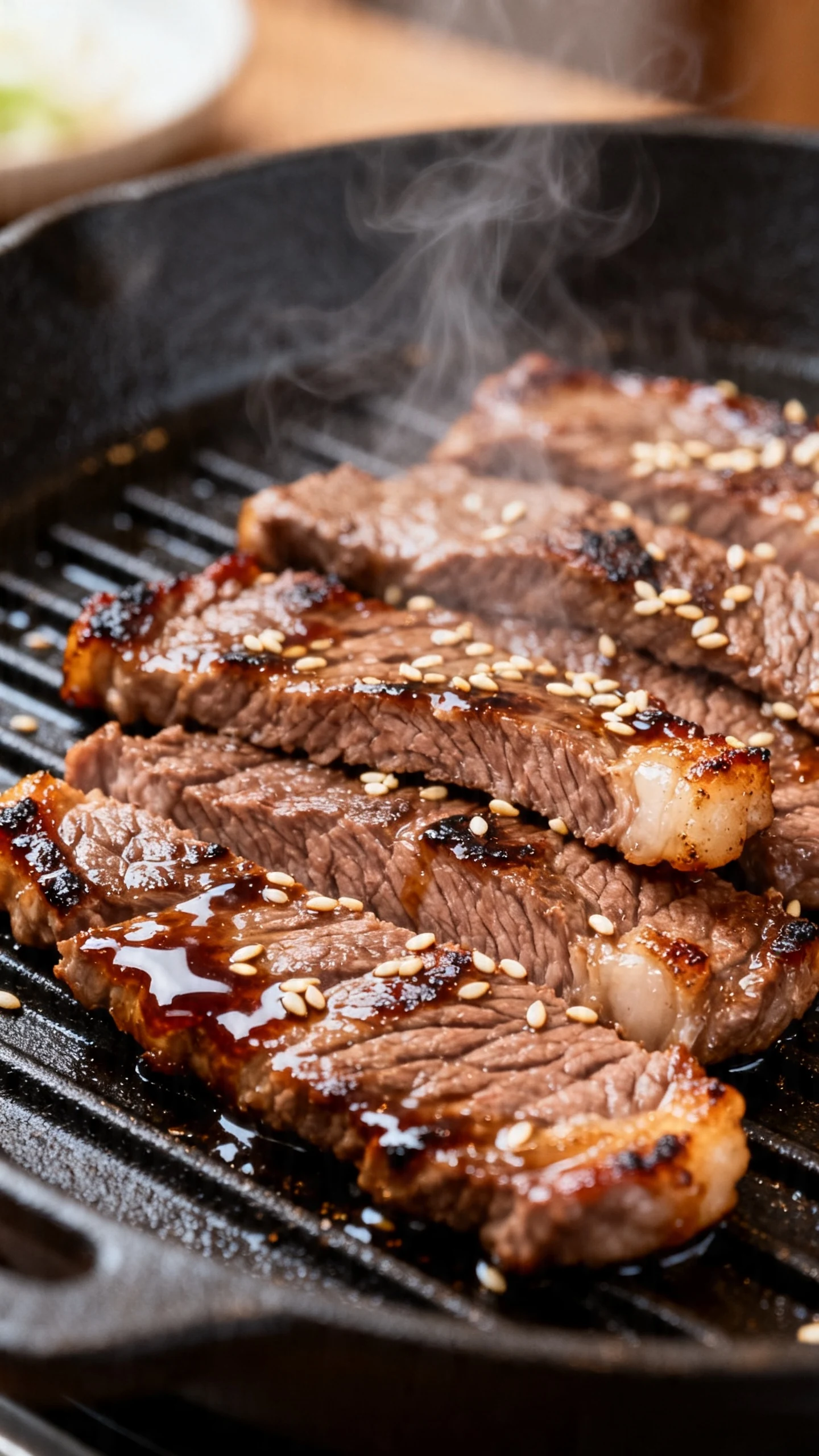
This style of grilling wins because it turns dinner into an event. You are not just serving food, you are building a table full of color, texture, smoke, crunch, and sauces that make every bite slightly different from the last. It is interactive in the best way, which means people stay engaged instead of inhaling one plate and wandering off to stare at their phones.
The flavor balance also does a lot of heavy lifting. You get savory meat, sweet notes from pear or sugar, salty depth from soy sauce, nuttiness from sesame oil, fresh bite from garlic and scallions, and spicy contrast if you add gochujang or kimchi. That combination hits hard without being complicated. IMO, that is why this meal keeps showing up at parties, date nights, and random Tuesdays when you want to feel a little cooler than usual.
Another reason it stands out: it is flexible. Use beef, pork, chicken, shrimp, mushrooms, tofu, or all of the above if you want to impress people who say, “I am easy, I will eat anything,” and then somehow have seven preferences. You can scale it up for a crowd or keep it simple for two. It feels generous either way.
What You’ll Need (Ingredients)
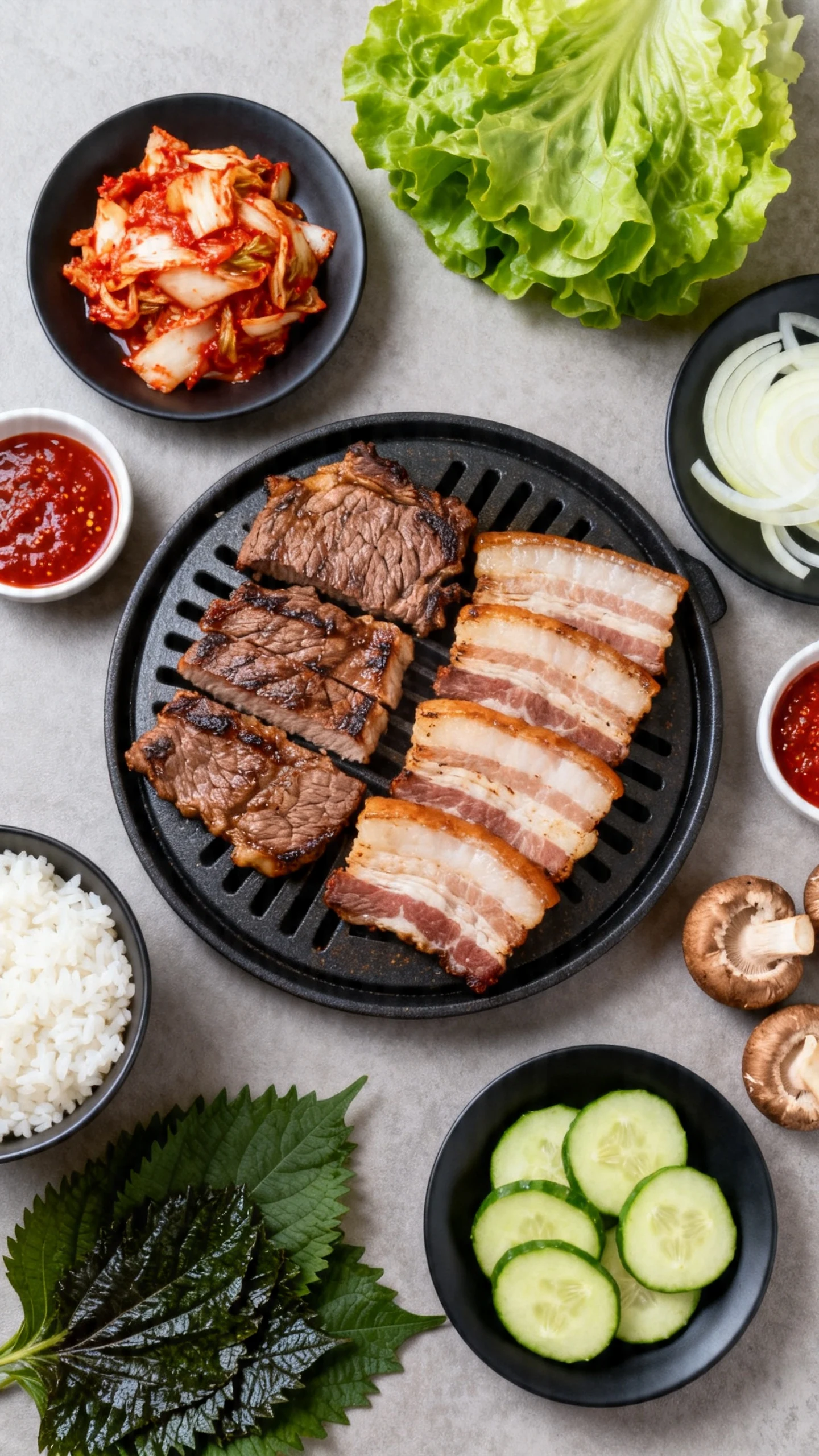
You can keep this classic and straightforward or build a full spread. The core idea stays the same: marinated protein, a hot cooking surface, rice, fresh greens, and sauces that tie everything together.
- Thinly sliced beef, such as ribeye, sirloin, or short rib
- Pork belly or thinly sliced pork shoulder
- Chicken thighs, thinly sliced, optional
- Firm tofu, sliced, optional
- Soy sauce
- Brown sugar or honey
- Sesame oil
- Garlic, minced
- Fresh ginger, grated
- Asian pear or apple, grated, optional for tenderness and sweetness
- Scallions, sliced
- Black pepper
- Gochujang for heat
- Gochugaru, optional, for extra spice
- Rice vinegar
- Sesame seeds
- Cooked white rice
- Lettuce leaves for wraps
- Perilla leaves, if available
- Kimchi
- Sliced cucumbers
- Sliced onions
- Mushrooms, such as king oyster or shiitake
- Zucchini, sliced, optional
- Carrots, julienned, optional
- Salt
- Neutral oil for the pan or grill
For a simple beef marinade, combine soy sauce, brown sugar, sesame oil, garlic, ginger, grated pear, scallions, and black pepper. For a spicy version, stir in gochujang and a splash of rice vinegar. If you want a dipping sauce, mix gochujang with sesame oil, sesame seeds, and a touch of sweetness, or just serve ssamjang if you have it.
How to Make It – Instructions
-
Pick your proteins and slice smart. Thin slices cook fast, caramelize well, and keep the whole meal moving. If your meat feels hard to slice, chill it in the freezer for 20 to 30 minutes first. Suddenly your knife skills look suspiciously professional.
-
Make the marinades. In one bowl, stir together soy sauce, brown sugar or honey, sesame oil, garlic, ginger, grated pear, scallions, and black pepper. In another bowl, add a spoonful of gochujang if you want heat. Taste the mixture before adding the meat so you can adjust sweetness, saltiness, or spice.
-
Marinate the meat. Toss the beef or chicken in the marinade until coated well. Let it sit for at least 30 minutes, or refrigerate for a few hours if you have time. Pork belly often tastes great with just salt, pepper, and sesame oil, so do not overcomplicate it for the sake of drama.
-
Prep the table. Cook rice, wash lettuce leaves, slice vegetables, and set out kimchi and sauces. Put everything in small bowls or plates so people can build their own bites. This is where the meal goes from dinner to experience, which sounds cheesy until everyone starts hovering around the table.
-
Heat the grill or pan hard. Use a grill pan, cast iron skillet, electric grill, or outdoor grill. High heat matters because it gives you color and char without steaming the meat into sadness. Lightly oil the surface, but do not drown it.
-
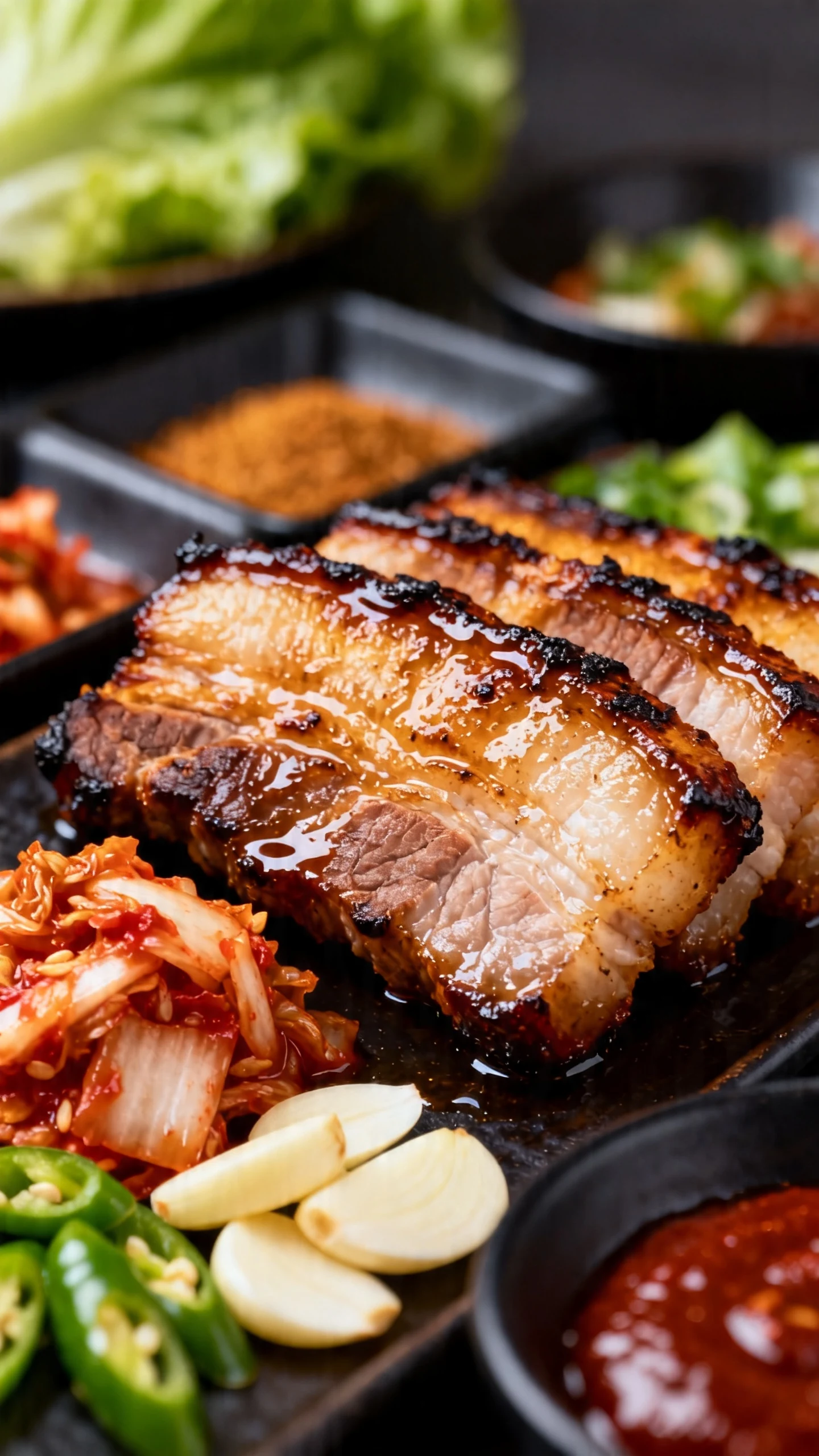
Cook in batches. Lay the meat in a single layer and avoid crowding. Thin beef may need only 1 to 2 minutes per side, while chicken takes longer and must cook through fully. Pork belly should render and crisp at the edges, which is exactly the kind of detail that makes people go quiet for a second.
-
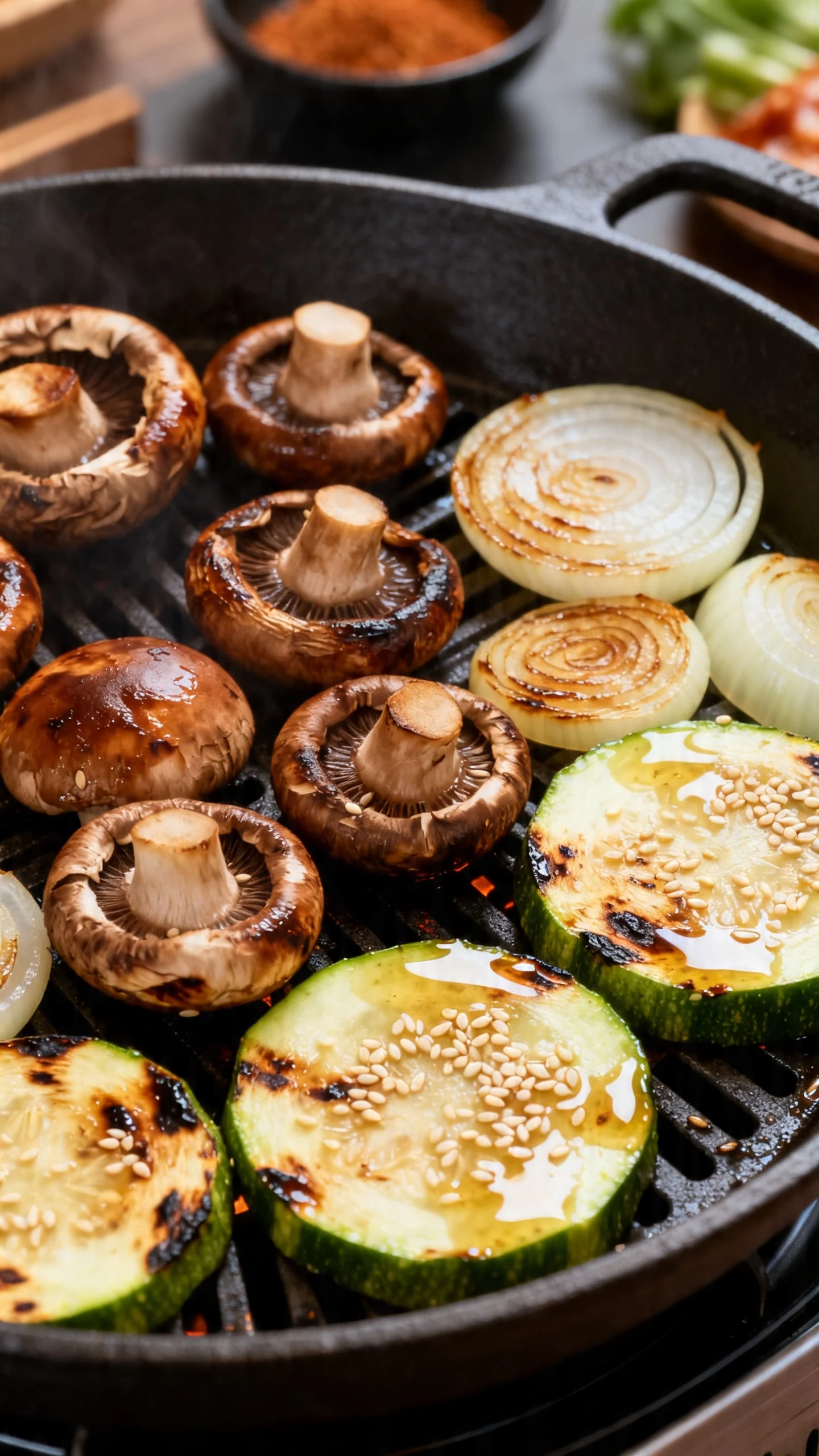
Grill the vegetables too. Mushrooms, onions, and zucchini soak up flavor and add balance to the spread. Give them a little salt and sesame oil, then sear until tender with browned edges. They are not an afterthought, FYI. They are how you pretend this feast is all about balance.
-
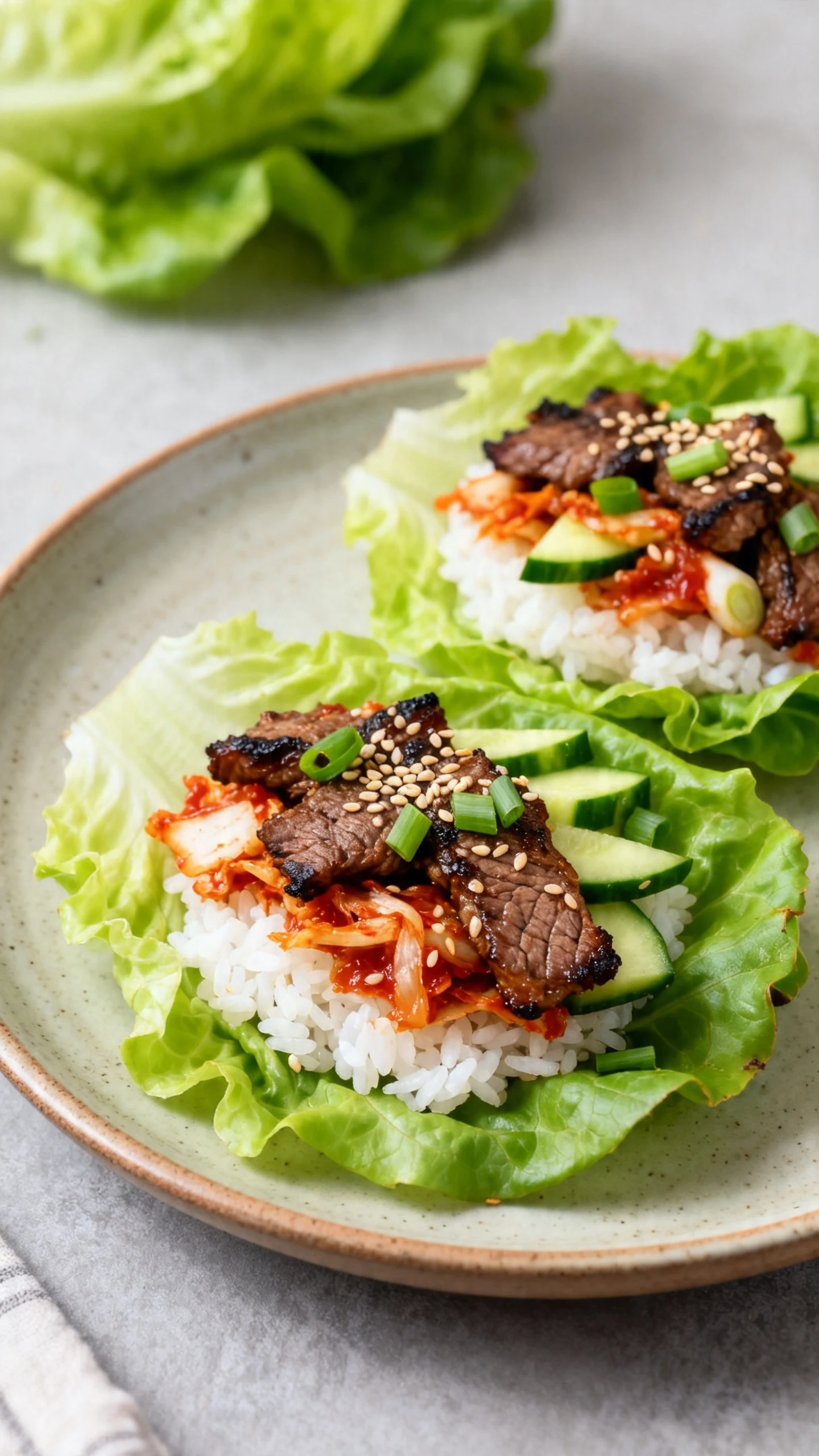
Build wraps and bowls. Spoon rice into lettuce leaves, add meat, kimchi, vegetables, and a little sauce. Fold and eat in two bites if possible, unless you enjoy testing gravity in front of other people. You can also serve everything over rice in bowls if you want less assembly and more speed.
-
Keep serving while the grill stays hot. This meal works best when fresh batches keep coming. Cook, eat, repeat. It is basically controlled chaos, but the fun kind.
Storage Tips
Store cooked meat in an airtight container in the refrigerator for up to 3 days. Keep rice, vegetables, and sauces in separate containers so textures stay better. Lettuce and fresh herbs wilt fast, so wash and dry them well before storing.
Raw marinated meat can stay in the refrigerator for about 24 hours, depending on the protein. If you want to prep further ahead, freeze the meat in marinade in sealed bags. Thaw it overnight in the fridge, then cook as usual.
Reheat leftovers in a hot skillet instead of the microwave if you can. The microwave works, sure, but it can make thin meat rubbery and weird. A quick pan reheat brings back better texture and a little color.
Benefits of This Recipe
It is social. People build their own bites, choose their sauces, and stay at the table longer. That makes it ideal for family dinners, casual parties, and low effort entertaining that somehow looks high effort.
It is customizable. You can make it spicy, mild, meaty, veggie heavy, gluten aware, or lighter with more greens and less rice. Everyone gets control over their plate, which means fewer complaints disguised as “just curious questions.”
It cooks quickly. Once prep is done, thin sliced ingredients move fast. That gives you fresh, hot food without waiting forever between batches. Fast cooking also means less time to overthink everything.
It delivers big flavor. You get sweet, salty, spicy, smoky, and tangy notes in one meal. That depth makes even a simple home version feel restaurant level. Not bad for a dinner built on a pan and some confidence.
Common Mistakes to Avoid
-
Using low heat. If the surface is not hot enough, the meat releases liquid and steams instead of searing. You want caramelization, not gray disappointment.
-
Overcrowding the pan. Too much meat at once drops the temperature fast. Cook in batches and give each piece room to brown.
-
Marinating too little or too long. Thin meat needs enough time to absorb flavor, but not forever. A few hours usually works best. Very long marinating can make the texture too soft, especially with fruit in the mix.
-
Skipping the sides. Rice, lettuce, kimchi, and sauces are not optional extras if you want the full effect. Without contrast, the meal feels heavier and less dynamic.
-
Forgetting to prep before cooking. Once the grill is hot, everything moves fast. Slice, sauce, and organize first so you are not scrambling with raw meat in one hand and lettuce in the other.
Variations You Can Try
Spicy chicken version: Use boneless chicken thighs with gochujang, soy sauce, garlic, ginger, and a touch of honey. Grill until lightly charred and juicy, then serve with cucumbers and extra scallions.
Pork belly spread: Season simply with salt and pepper, then grill until crisp at the edges. Pair it with kimchi, sliced garlic, green chile, and ssamjang for rich, bold bites.
Vegetarian option: Use tofu, king oyster mushrooms, and zucchini. Marinate the tofu lightly, sear everything well, and serve with rice, greens, and spicy sauce. It is genuinely good, not “good for vegetarian food.”
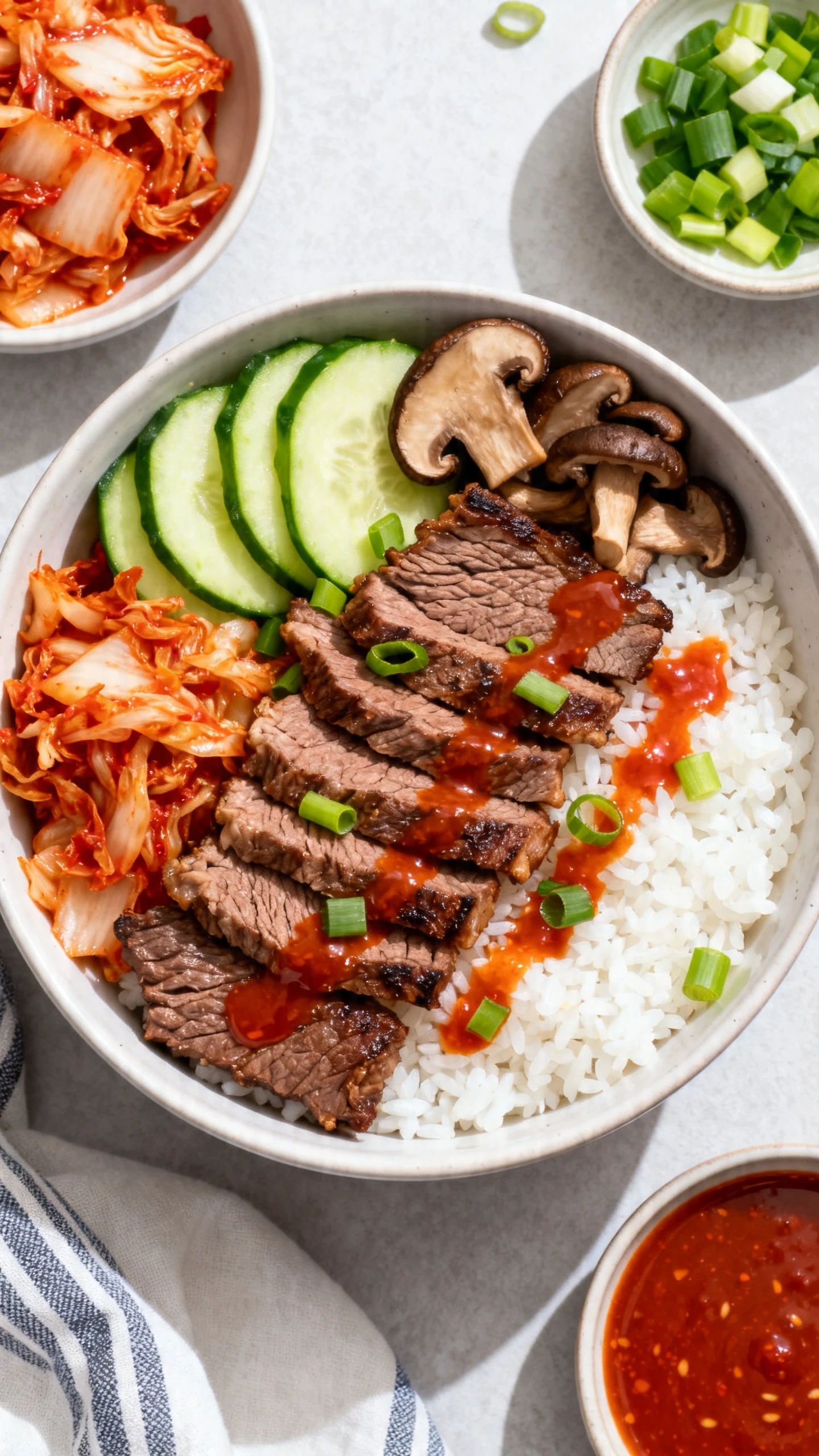
Bowl style dinner: Skip the wraps and build rice bowls with grilled meat, vegetables, kimchi, and sauces. This version is easier for weeknights and meal prep.
Outdoor grill party: Cook everything outside for extra smoky flavor and less indoor splatter. If your smoke alarm has a dramatic personality, this is the move.
FAQ
What cut of beef works best?
Thinly sliced ribeye, sirloin, and short rib all work well. Ribeye gives you rich flavor and tenderness, while sirloin offers a leaner option. If you can buy meat already sliced thin, that saves time and makes cooking easier.
Can I make this without a tabletop grill?
Yes, absolutely. A cast iron skillet, grill pan, electric griddle, or outdoor grill all do the job. The key is high heat and cooking in small batches.
How spicy should the sauce be?
That depends on your crowd. Start mild with a little gochujang, then add more if people want extra heat. You can always serve additional sauce at the table so everyone controls the spice level.
Do I need all the side dishes?
No, but a few sides make the meal much better. Rice, lettuce, kimchi, and one good sauce create the core experience. After that, add cucumbers, onions, mushrooms, or extra greens if you want more variety.
Can I prep everything ahead of time?
Yes. Marinate the meat, cook the rice, wash the greens, and mix the sauces in advance. Then when it is time to eat, you only need to heat the grill and cook the meat fresh.
What do I do with leftovers?
Turn them into rice bowls, lettuce wraps, fried rice, or even a quick omelet filling. Leftover grilled meat also tastes great reheated in a skillet with kimchi on the side. Few leftovers get this kind of second life, honestly.
My Take
This is one of those meals that feels bigger than the ingredient list. It turns a normal dinner into something people remember, and it does that without demanding chef level skills or a six hour timeline. You get speed, flavor, and a built in social vibe, which is a pretty unfair advantage for one meal.
I like it because it rewards good prep more than complicated technique. Slice things thin, season them well, get the pan hot, and let the table do the rest. The result feels generous, a little flashy, and completely worth the cleanup.
If you want a dinner that tastes special and gets real reactions, this is it. It is loud, fun, and deeply satisfying in a way that plain grilled meat rarely is. Make it once, and there is a very real chance it becomes your go to move when you want maximum payoff without maximum stress.