Sweet, savory, and fast to whisk together, this glossy homemade favorite upgrades meats, bowls, and weeknight meals.
Some sauces sit in the fridge and collect dust. This one becomes the reason people suddenly “just happen” to stop by around dinner. It hits sweet, salty, tangy, and spicy in one move, which is basically unfair to every bland chicken breast in your kitchen. Make it once, and store bought bottles start looking like overpriced syrup with commitment issues.
The best part? You do not need a specialty market, a culinary degree, or three hours of free time. You just need a bowl, a saucepan, and a few pantry staples that know how to work together. If your meals have felt a little flat lately, this is the flavor fix that shows up fast and does not ask for applause, even though it deserves it.
The Secret Behind This Recipe
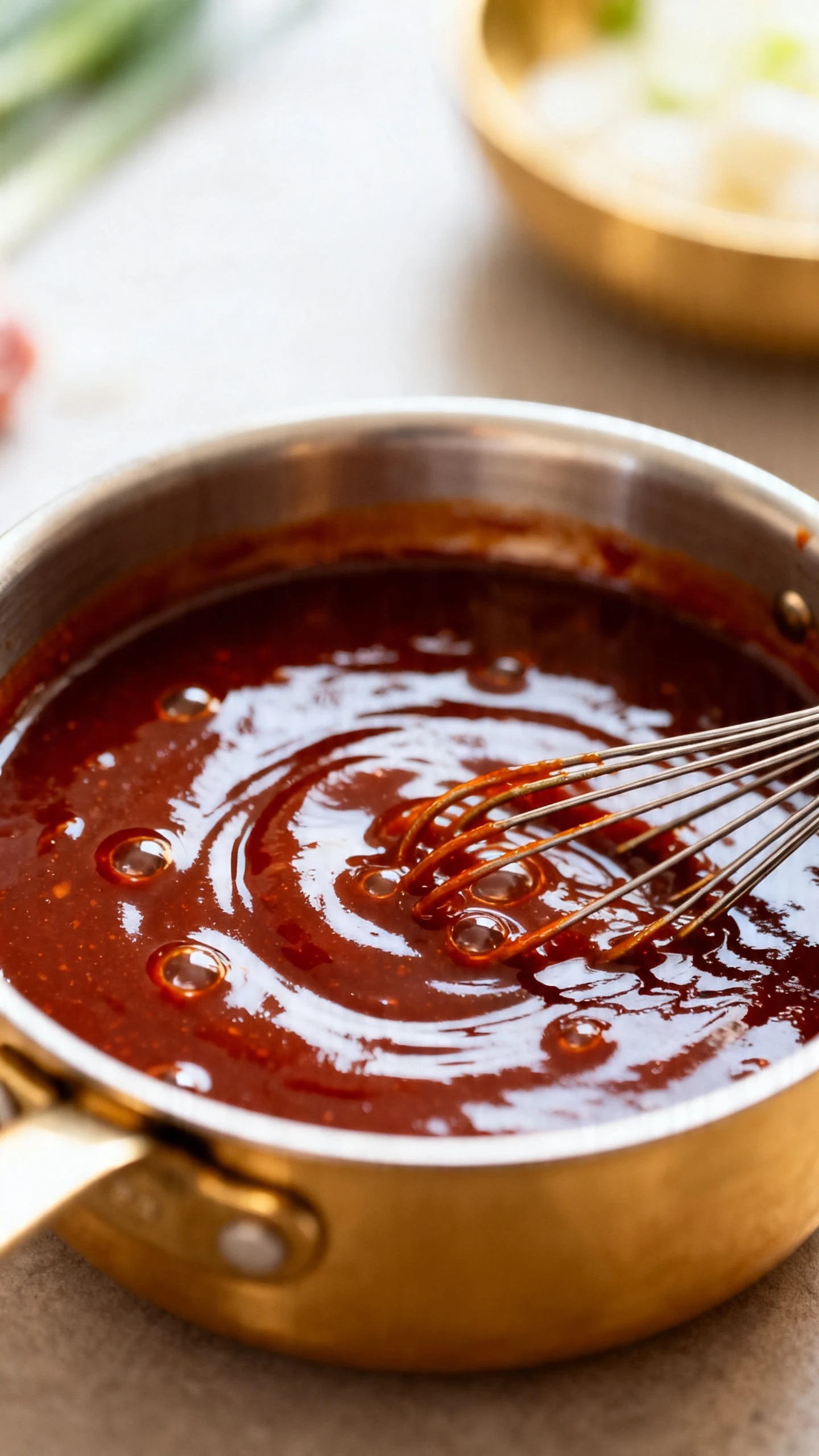
The real magic comes from balance. A great Korean style barbecue sauce does not lean too hard into sweetness or heat. It layers soy sauce for umami, brown sugar or honey for body, garlic and ginger for sharp warmth, and a little acid to wake everything up.
Texture matters too. A proper sauce should coat a spoon, cling to meat, and still drizzle easily over rice or vegetables. That means simmering just enough to thicken without turning it into sticky candy. Nobody wants a glaze that behaves like cement.
The final secret is flexibility. You can use it as a marinade, basting sauce, dipping sauce, or finishing drizzle. IMO, that kind of range deserves a permanent spot in your fridge.
What Goes Into This Recipe – Ingredients
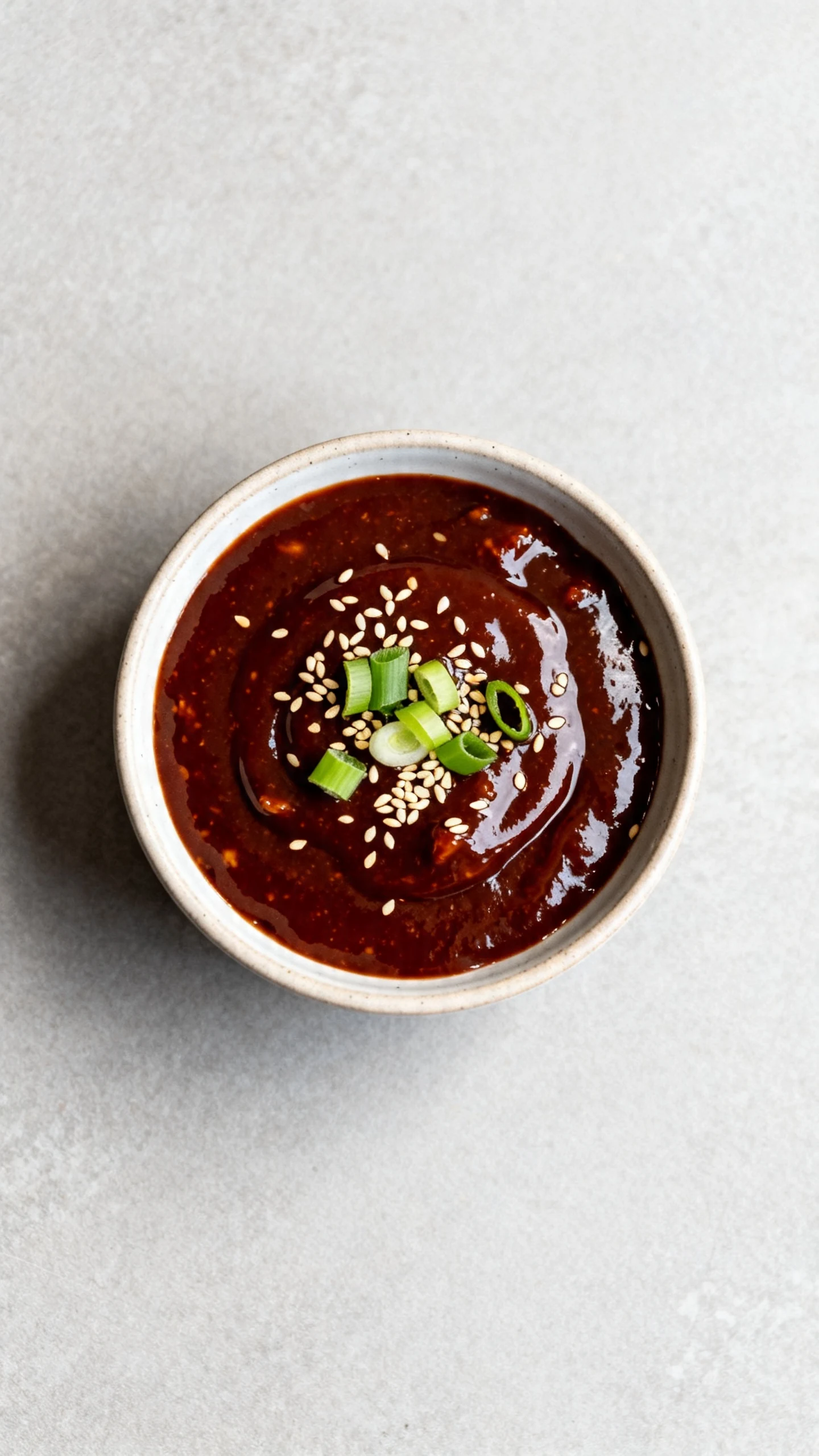
This version keeps things simple while delivering that bold restaurant style flavor. Most ingredients are easy to find in any regular grocery store.
- Soy sauce for the salty, savory base
- Brown sugar for deep sweetness and caramel notes
- Honey for gloss and a smoother finish
- Sesame oil for nutty richness
- Rice vinegar for brightness and balance
- Garlic, minced fresh for punchy flavor
- Fresh ginger, grated for heat and freshness
- Gochujang for that signature spicy fermented depth
- Ketchup for body and a subtle tang
- Water to loosen the sauce as it simmers
- Cornstarch mixed with a little water if you want it thicker
- Sesame seeds for garnish and texture
- Green onions sliced thin for a fresh finish
If you want a milder sauce, reduce the gochujang slightly. If you want more sweetness, add a bit more honey. If you want it hotter, add a pinch of red pepper flakes and let your taste buds file the complaint later.
Let’s Get Cooking – Instructions
This recipe comes together quickly, so measure everything before you start. Once the saucepan heats up, the process moves fast.
-
Combine the base ingredients. In a medium saucepan, add soy sauce, brown sugar, honey, sesame oil, rice vinegar, ketchup, minced garlic, grated ginger, gochujang, and water. Whisk until the sugar starts to dissolve and the mixture looks smooth.
-
Bring it to a gentle simmer. Set the pan over medium heat and stir often. You want small bubbles, not a wild boil that sends sticky lava onto your stovetop.
-
Cook until the flavors blend. Let the sauce simmer for about 5 to 7 minutes. The garlic softens, the ginger mellows, and the whole mixture starts smelling like you absolutely know what you are doing.
-
Thicken if needed. If you want a glaze style texture, stir together cornstarch and a little water in a small bowl. Pour it into the saucepan and whisk for 1 to 2 minutes until the sauce thickens.
-
Taste and adjust. Add more honey for sweetness, more vinegar for tang, or more gochujang for heat. This is the moment to make it yours instead of pretending every palate wants the same thing.
-
Cool slightly before using. Remove the pan from the heat and let the sauce sit for a few minutes. It thickens more as it cools, so do not panic if it looks a little loose at first.
-
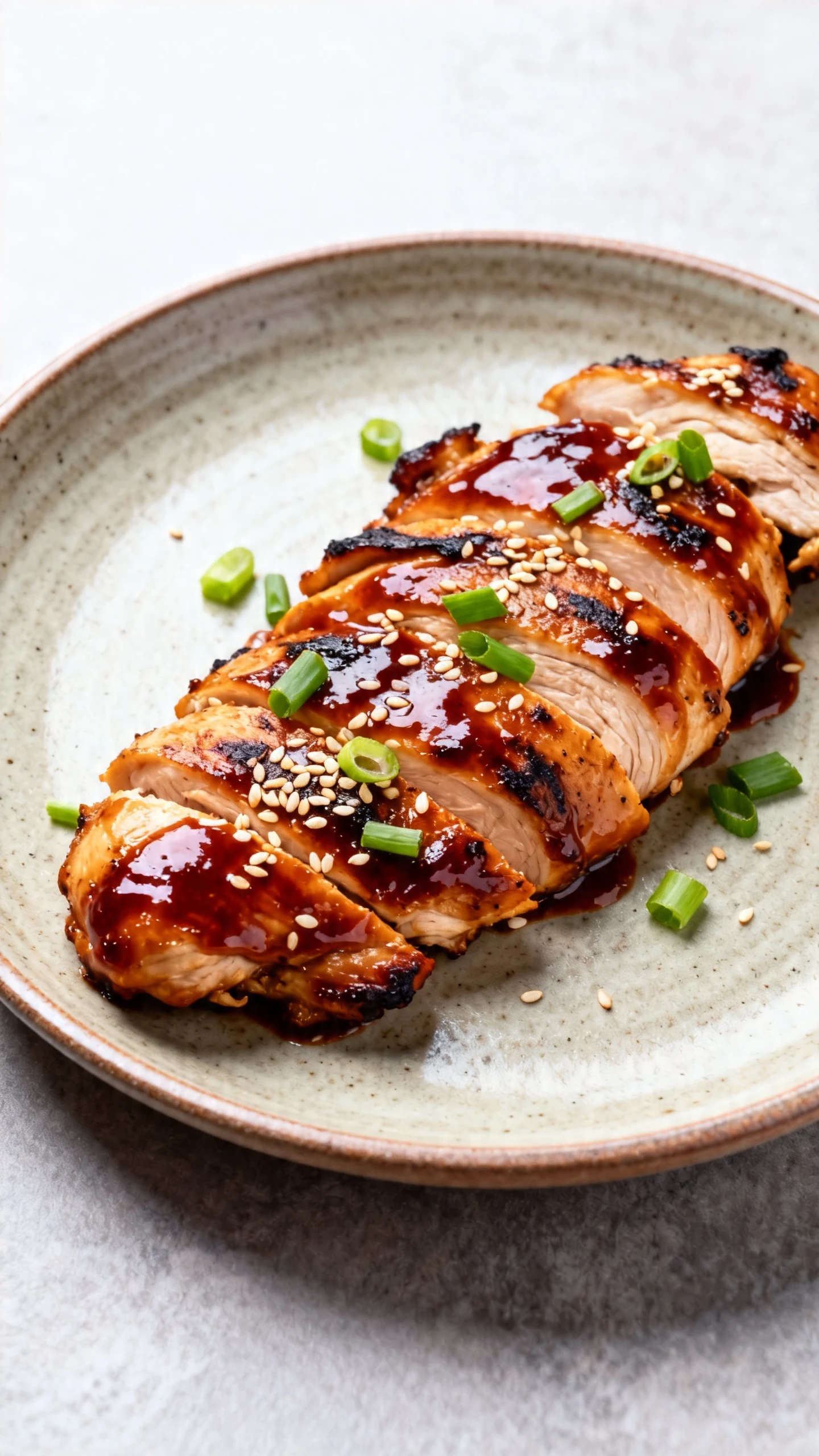
Finish and serve. Sprinkle with sesame seeds and green onions if you like. Use it right away on grilled beef, chicken, tofu, wings, burgers, rice bowls, or roasted vegetables.
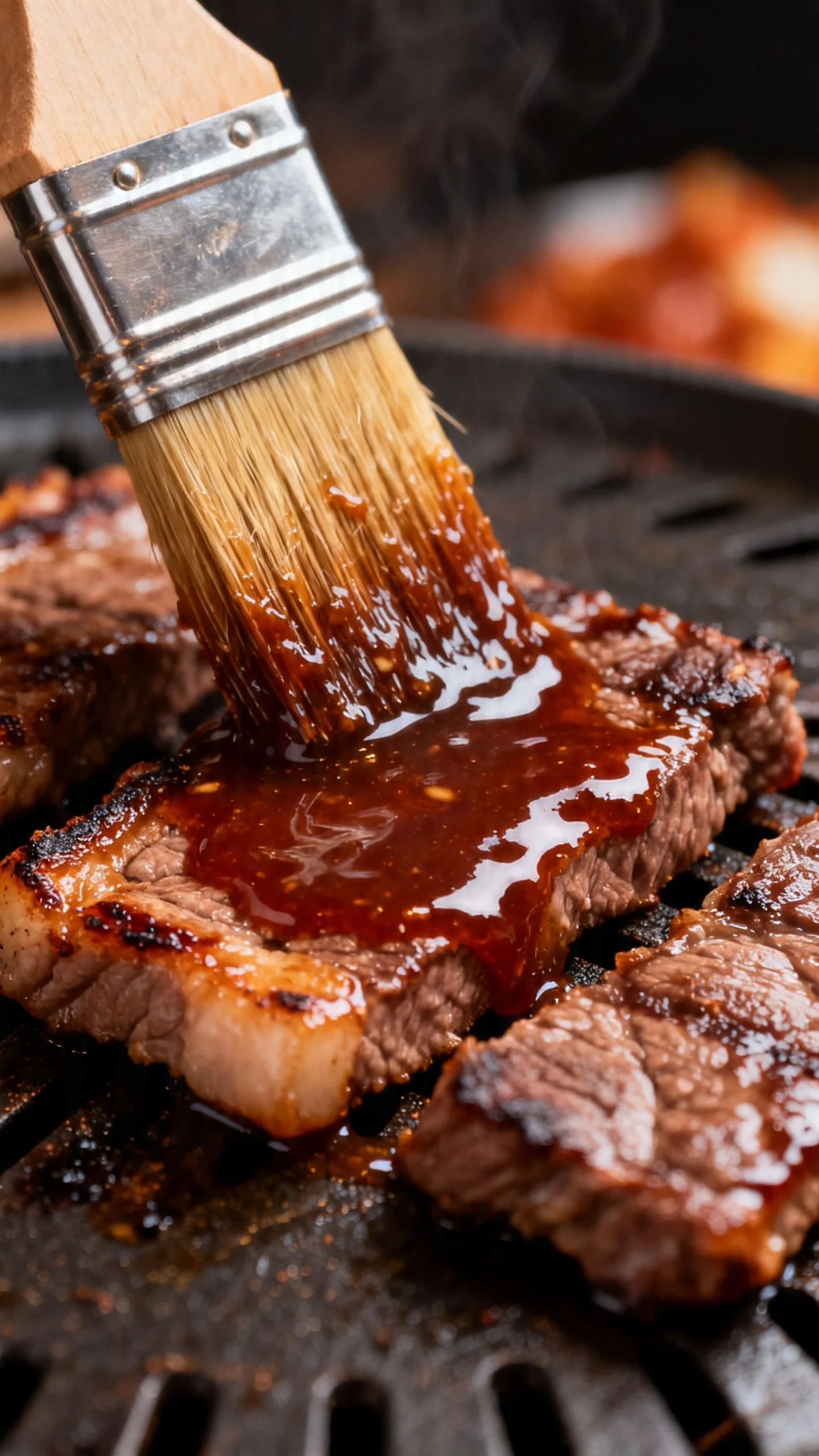
FYI, this sauce also works beautifully brushed onto meat during the last few minutes of grilling. Add it too early, and the sugars can burn before the food finishes cooking. Char is good. Blackened sadness is not.
Keeping It Fresh
Store the cooled sauce in an airtight jar or container in the refrigerator. It will usually keep well for about one week, sometimes a little longer if your ingredients were very fresh and you handled it cleanly.
If the sauce thickens too much in the fridge, warm it gently on the stove or in short microwave bursts. You can also stir in a teaspoon or two of water to loosen it back up. It is a sauce, not a science fair gel.
For longer storage, freeze it in small portions. Ice cube trays work especially well because you can thaw just what you need. That means fewer excuses to serve dry, boring leftovers.
Health Benefits
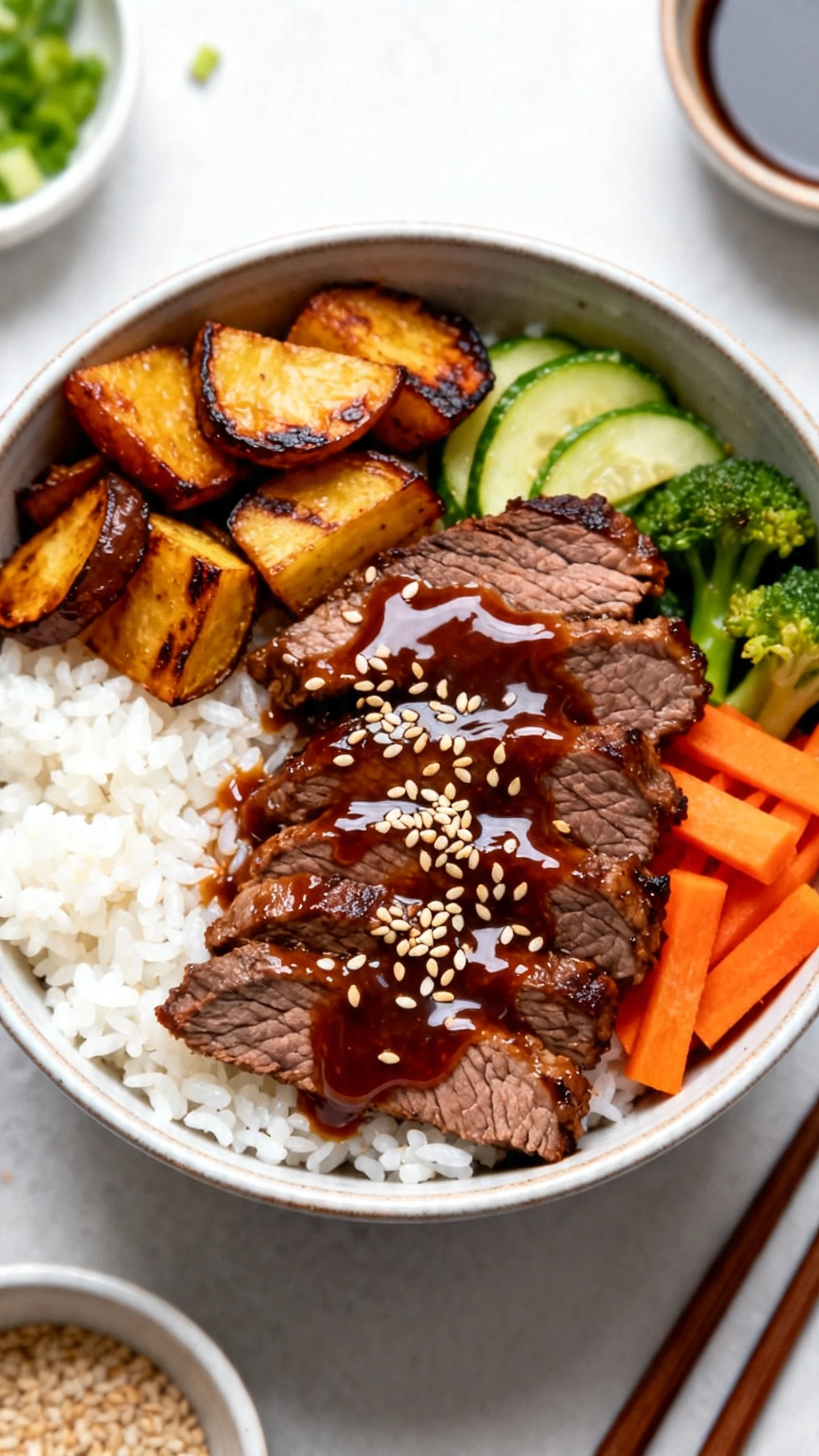
While this sauce is all about flavor first, it brings a few nutritional upsides too. Garlic and ginger contain compounds that may support immune health and digestion. Ginger also adds anti inflammatory benefits, which is a nice bonus from something that tastes this good.
Using homemade sauce gives you more control over the sugar and sodium. You can choose lower sodium soy sauce, reduce the sweetener, or skip extra additives commonly found in bottled versions. That is a smart move if you want bold flavor without mystery ingredients.
Pairing the sauce with lean proteins, grilled vegetables, or rice bowls can help build a balanced meal. In other words, the sauce is not the villain. The third plate might be the issue.
What Not to Do
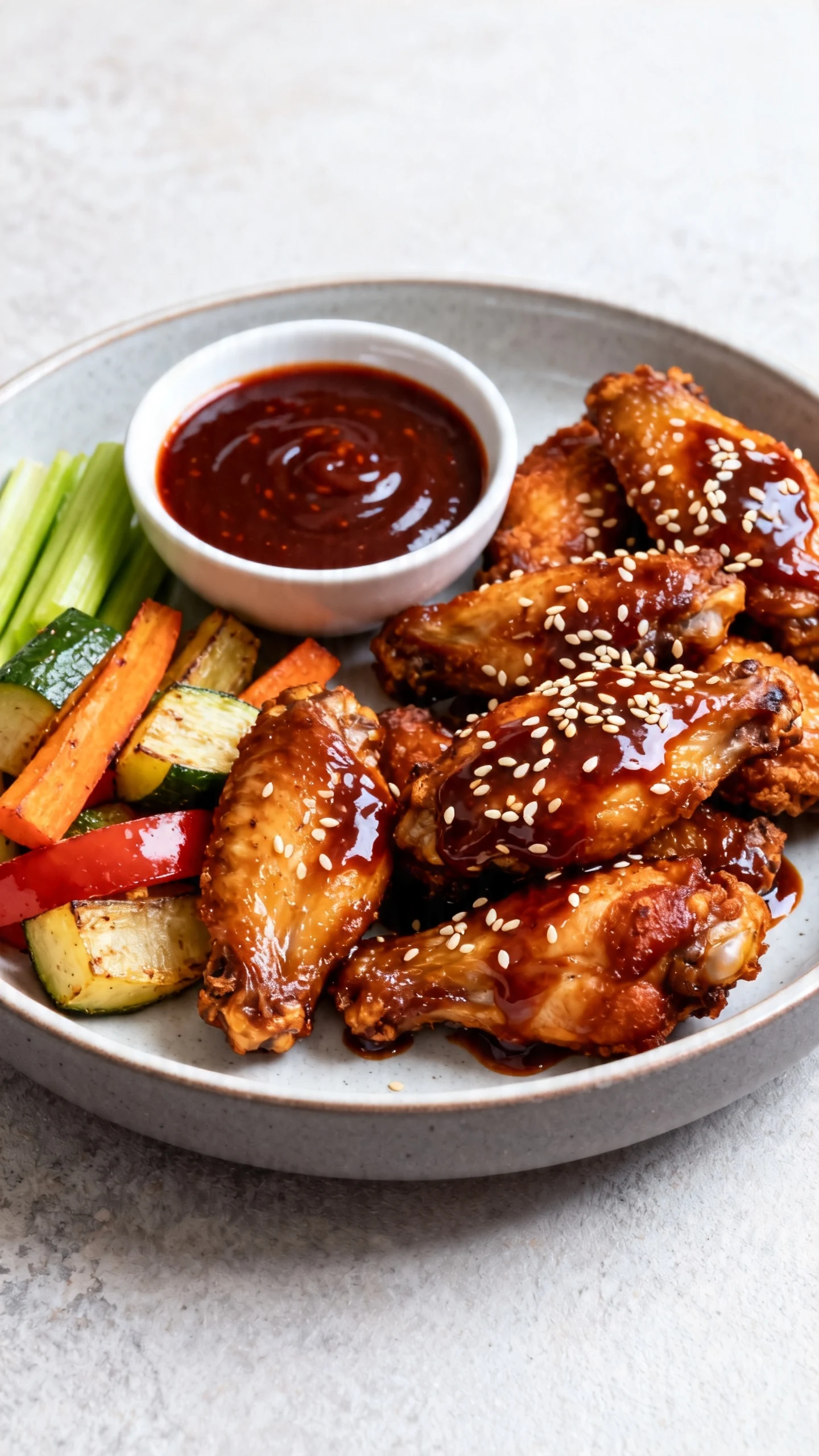
Even easy recipes have a few traps. Skip these mistakes, and your sauce will turn out glossy, punchy, and actually useful.
- Do not boil it aggressively. High heat can scorch the sugars and make the sauce taste bitter.
- Do not add too much cornstarch. A little goes a long way, and too much creates a gummy texture.
- Do not skip tasting. Sweetness, saltiness, and heat can shift depending on the brand of soy sauce or gochujang you use.
- Do not use it as a raw marinade after touching uncooked meat. Set some aside first if you plan to use it for serving.
- Do not pour it on too early when grilling. The sugars can burn before your food is done.
Also, resist the urge to dump in every “Asian inspired” ingredient from the pantry. This sauce does not need peanut butter, orange marmalade, and five kinds of hot sauce fighting for attention. Let the core flavors do their job.
Different Ways to Make This
One of the best things about this recipe is how easy it is to customize. Start with the base, then tweak it depending on what you plan to serve.
Make It Spicier
Add more gochujang or a small pinch of red pepper flakes. If you really love heat, a drizzle of chili oil can add another layer without changing the texture much.
Make It Sweeter
Use extra honey or brown sugar for a stickier, more glaze like finish. This works especially well for wings, ribs, or grilled chicken thighs.
Make It Smokier
Add a touch of smoked paprika for a deeper barbecue vibe. It is not traditional, but it tastes great and plays nicely with grilled meats.
Make It Gluten Free
Swap regular soy sauce for tamari or a certified gluten free soy alternative. Double check your gochujang too, since some brands contain barley or wheat.
Make It Vegan
Replace the honey with maple syrup or more brown sugar. The result still turns glossy and delicious, with a slightly different sweetness.
Make It Fruit Forward
Blend in grated pear or a little apple puree. Korean marinades often use fruit for sweetness and tenderness, and it gives the sauce a fresh twist.
FAQ
Is this sauce the same as bulgogi sauce?
Not exactly. Bulgogi sauce is usually more marinade focused and often includes pureed pear, onion, or apple for sweetness and tenderizing power. This version is thicker and more versatile, so you can use it for marinades, glazing, dipping, or drizzling.
Can I use this sauce on chicken, beef, and pork?
Yes, absolutely. It works especially well on thin sliced beef, grilled chicken thighs, pork chops, ribs, and even meatballs. It also tastes great on tofu, mushrooms, and roasted cauliflower.
How spicy is it?
That depends on how much gochujang you add and which brand you use. Most versions land in the mild to medium range with a warm, lingering heat rather than a face melting burn. You can easily adjust it up or down.
Can I make it ahead of time?
Yes. In fact, the flavor often gets even better after a few hours in the fridge because the ingredients settle and blend together. Just stir it well before serving.
Do I need cornstarch to thicken it?
No. If you simmer the sauce a little longer, it will naturally reduce and thicken somewhat on its own. Cornstarch simply speeds things up and creates a more glossy, clingy texture.
What should I serve it with?
Try it with grilled meats, rice bowls, lettuce wraps, burgers, stir fried noodles, roasted vegetables, or as a dip for wings and fries. Yes, fries. No, I am not apologizing for that.
Can I buy gochujang if I do not live near an Asian market?
Usually, yes. Many regular grocery stores now carry it in the international aisle, and it is easy to find online. Once you buy a tub, you will start finding excuses to use it in everything.
Wrapping Up
If you want one homemade sauce that instantly makes dinner more exciting, this is it. It is fast, flexible, and packed with the kind of layered flavor that makes simple food taste restaurant worthy. Whether you brush it on grilled meat, spoon it over rice, or use it as a dip, it brings big payoff with very little effort.
Make a batch, stash it in the fridge, and watch how often you reach for it. That bland weeknight meal you were about to settle for just got a serious upgrade. And honestly, your leftovers deserve better too.