Sticky, smoky, weeknight-friendly chicken with big cookout flavor—fast prep, easy grilling, and juicy results even for beginners.
You know that moment when someone takes a bite, pauses, and suddenly gets very quiet? That’s the moment you’re aiming for. This is the kind of chicken that turns “we’re just grilling” into “who made this?” without you breaking a sweat. It’s juicy, sweet-smoky, and lacquered with that glossy BBQ finish that looks like you tried way harder than you did. And yes, you can pull it off even if your grill skills currently peak at “successfully made toast.”
This recipe wins because it respects reality: people get hungry, grills run hot, and nobody wants dry chicken. We’ll layer flavor in the right order so the sauce doesn’t burn, the meat stays tender, and the outside gets that craveable char. You’ll end up with a main dish that works for weeknights, parties, meal prep, and “I need a win today” dinners. Ready to smell like summer?
What Makes This Recipe So Good
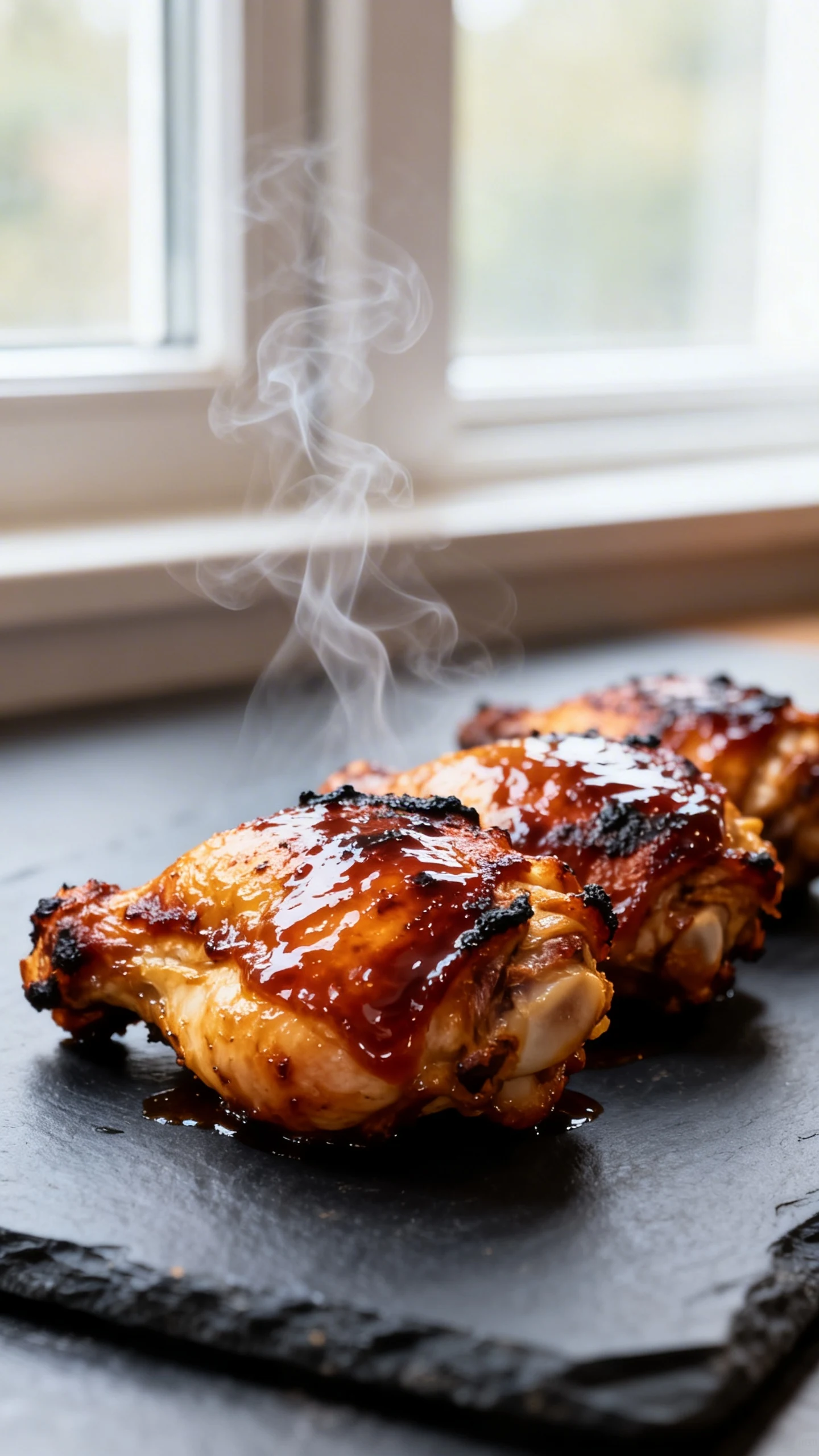
The secret is timing and structure, not some mystical pitmaster gene. We season first, grill second, then sauce at the end so the sugar in BBQ sauce doesn’t torch into bitterness. That gives you clean smoke, real char, and a sticky glaze that tastes like it belongs on a billboard.
We also use a quick marinade strategy that boosts juiciness without demanding an overnight commitment. A little acid, a little salt, and a little fat work together to keep the chicken tender and flavorful. It’s the “do less, get more” approach—IMO the only approach worth living by.
Finally, we build in a rest period, because cutting into chicken too early is basically asking it to betray you. Resting lets the juices redistribute so each bite stays moist instead of drying out on your plate. It’s a tiny step that makes you look like a pro.
What You’ll Need (Ingredients)
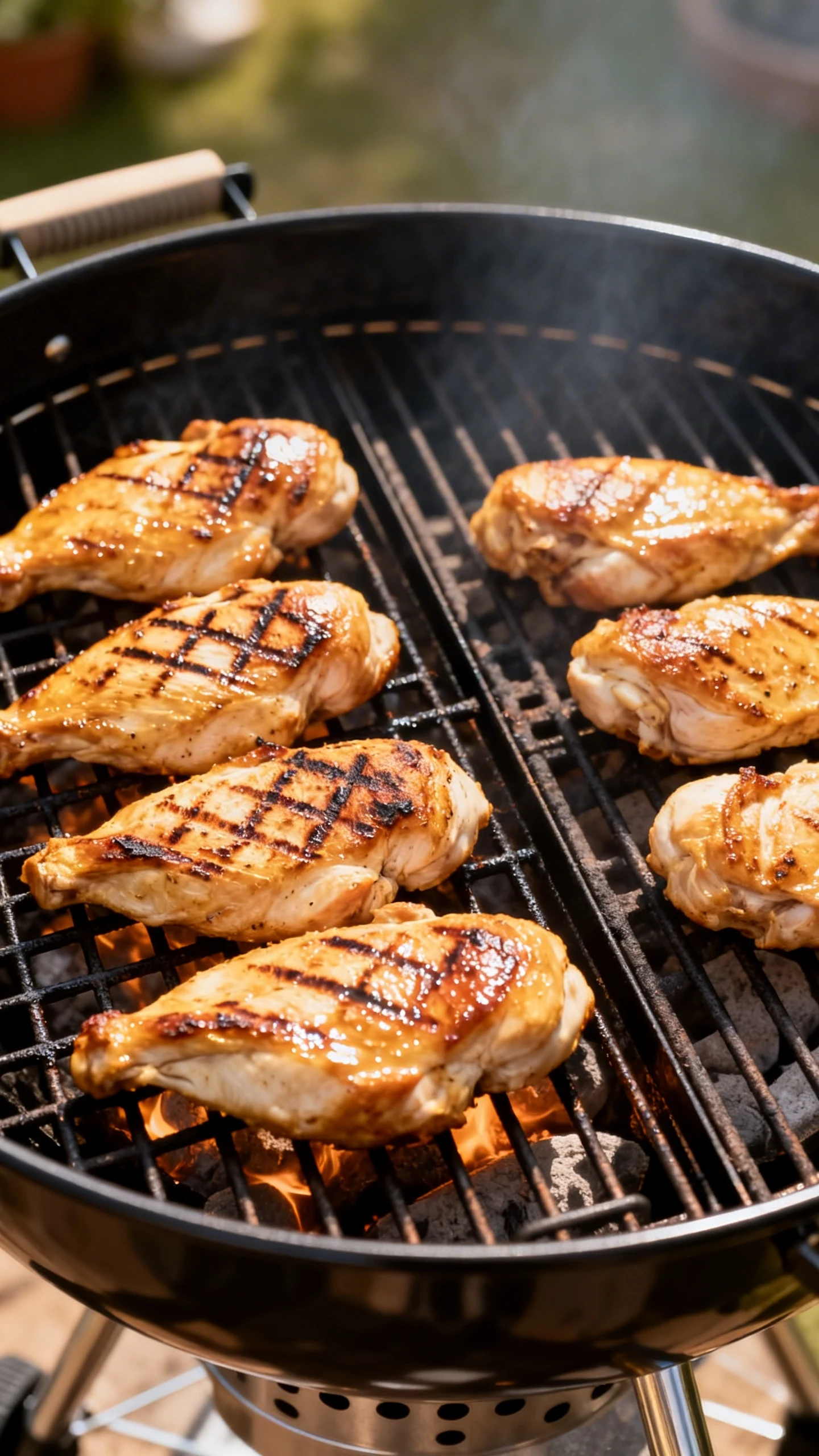
- Chicken: 2 pounds bone-in thighs or drumsticks, or boneless skinless thighs (breasts work too, see alternatives)
- BBQ sauce: 1 cup, plus more for serving
- Olive oil: 2 tablespoons
- Apple cider vinegar: 1 tablespoon
- Brown sugar: 1 tablespoon (optional, for extra gloss)
- Kosher salt: 1 1/2 teaspoons
- Black pepper: 1 teaspoon
- Smoked paprika: 2 teaspoons
- Garlic powder: 1 1/2 teaspoons
- Onion powder: 1 teaspoon
- Chili powder: 1 teaspoon
- Cayenne: 1/4 teaspoon (optional, for heat)
- Optional finishing: chopped parsley or sliced green onions
Ingredient note: choose a BBQ sauce you’d happily eat with a spoon. If it tastes “fine” cold, it’ll taste incredible hot and caramelized. If it tastes like candy or corn syrup, your grill will not magically fix it.
How to Make It – Instructions
-
Pick your chicken cut. Bone-in thighs and drumsticks stay juicier and forgive mistakes. Boneless thighs cook faster and still stay tender. Breasts can work, but they demand attention like a high-maintenance houseplant.
-
Mix the flavor base. In a bowl, combine olive oil, apple cider vinegar, salt, pepper, smoked paprika, garlic powder, onion powder, chili powder, and cayenne. Add brown sugar if you want extra shine and sweetness.
-
Season the chicken aggressively. Coat the chicken with the spice-oil mix. Let it sit 20 to 30 minutes at room temp, or refrigerate up to 8 hours. FYI, even 20 minutes makes a difference.
-
Preheat the grill for two-zone heat. Aim for medium-high on one side and medium-low on the other. On gas, leave one burner lower. On charcoal, pile coals on one side. This is your “don’t burn my dinner” insurance policy.
-
Oil the grates. Use a folded paper towel dipped in oil and tongs. Don’t skip this unless you enjoy scraping chicken off the grill like a sad archaeologist.
-
Grill to build char first. Place chicken on the hotter side. Grill 3 to 5 minutes per side to get color. If using bone-in pieces, keep the lid closed as much as possible to trap heat.
-
Move to the cooler side to finish cooking. Shift chicken to indirect heat and close the lid. Cook until the thickest part hits 165°F. For thighs, you can take them to 175–185°F for even better texture.
-
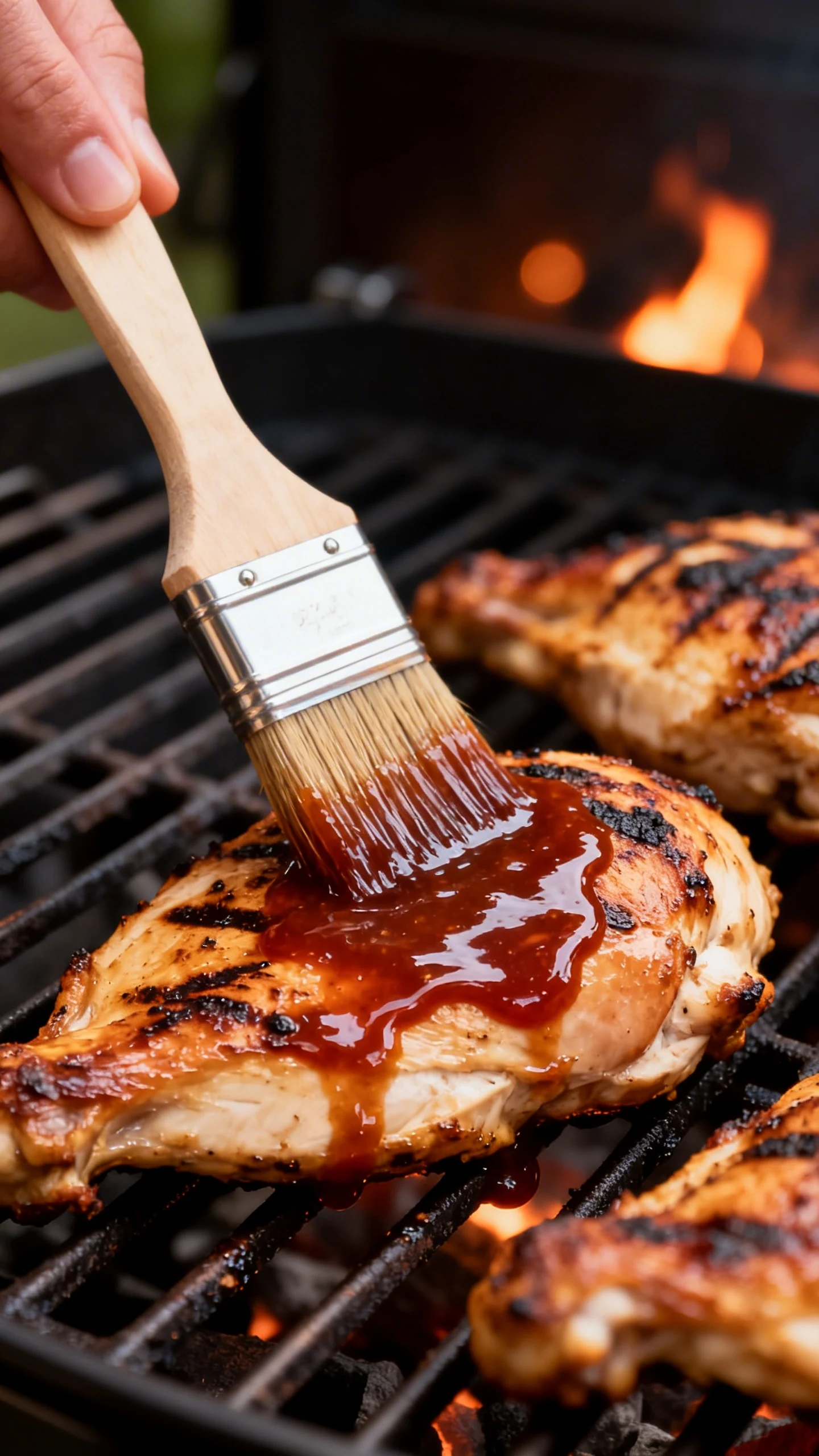
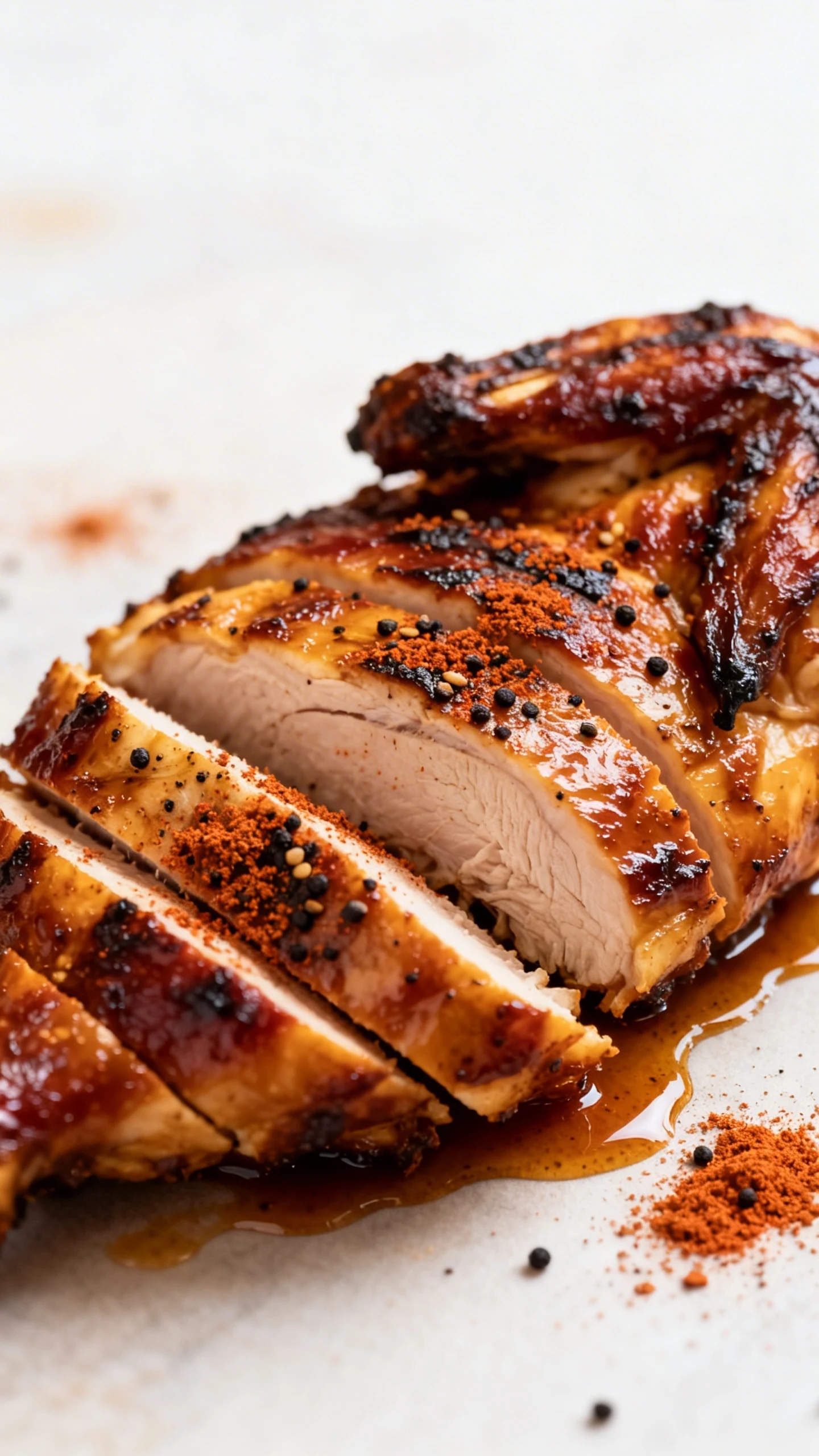
Sauce late, not early. When the chicken is within about 10°F of done, brush on a thin layer of BBQ sauce. Close the lid 2 to 3 minutes, then flip and brush again. Repeat once more if you want a thicker glaze.
-
Watch for flare-ups. If sauce drips and flames jump up, move the chicken to indirect heat. Char is good; “tastes like lighter fluid and regret” is not.
-
Rest, then serve. Pull chicken off the grill and rest 5 to 8 minutes. Finish with herbs if you want, and serve with extra sauce on the side for the sauce-maximalists.
Quick temperature tip: if you don’t have a thermometer, you’re basically guessing with vibes. And vibes don’t keep chicken juicy.
Keeping It Fresh
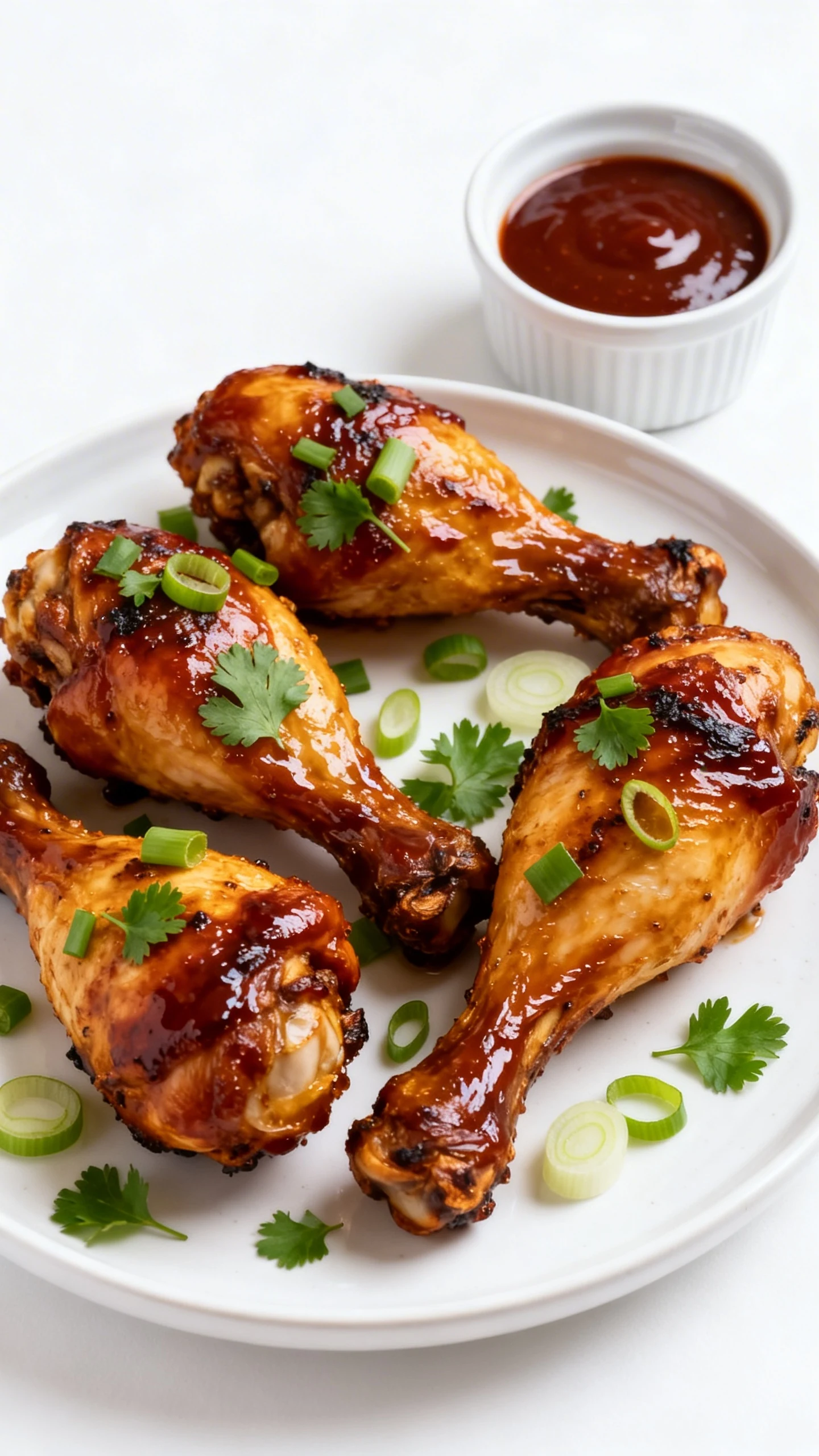
Store leftovers in an airtight container in the fridge for up to 4 days. Keep extra sauce separate if you can, because sauce-heavy storage can soften the char. Still tasty, just less “fresh off the grill” energy.
For reheating, go low and gentle. Warm in a 325°F oven until heated through, or use a covered skillet with a splash of water to prevent drying out. Microwaving works in a pinch, but it can turn perfect chicken into “rubbery lunchtime compromise.”
You can also freeze cooked chicken for up to 2 months. Wrap tightly, then thaw overnight in the fridge before reheating. Add a fresh brush of sauce at the end to revive the glaze.
Benefits of This Recipe
- High flavor for low effort: the seasoning does the heavy lifting, and the grill adds instant wow.
- Juicy and forgiving: thighs and drumsticks handle heat swings like champs.
- Meal-prep friendly: leftovers stay delicious in salads, wraps, and rice bowls.
- Easy to scale: double the batch for parties without doubling the work.
- Customizable: dial the heat, sweetness, and smokiness to your taste.
Also, it makes your backyard smell like you know what you’re doing. That’s not technically a nutritional benefit, but it’s a social one.
Common Mistakes to Avoid
- Saucing too early: BBQ sauce burns fast; add it near the end for shine without bitterness.
- Only using high heat: you’ll get char outside and raw inside. Two-zone heat fixes this.
- Skipping salt: bland chicken with BBQ sauce tastes like a missed opportunity.
- Overcooking breasts: they dry out quickly, so use a thermometer and pull at 160–165°F.
- Cutting right away: let it rest, unless you enjoy watching juices run away.
If something goes wrong, it’s usually not the grill’s fault. It’s timing, temperature, or impatience—three things you can absolutely control.
Alternatives
Want to switch things up without losing the whole point? Here are solid variations that still deliver that sticky, smoky payoff.
- Oven-baked version: Roast at 425°F on a foil-lined sheet pan, sauce during the last 10 minutes, then broil briefly for caramelization.
- Air fryer version: Cook seasoned chicken at 375°F until nearly done, then brush with sauce and air fry 3 to 5 minutes to set the glaze.
- Spicy version: Add more cayenne, a pinch of crushed red pepper, or mix hot sauce into the BBQ sauce.
- Honey-lime version: Swap vinegar for lime juice and add a drizzle of honey to the sauce for a bright, sweet finish.
- Smokier version: Add a small pinch of chipotle powder or use a smokier BBQ sauce style.
If you’re cooking for a crowd with different spice tolerances, keep the base mild and offer a spicy sauce on the side. Everyone wins, and nobody cries into their coleslaw.
FAQ
What temperature should the grill be?
Aim for medium-high heat on the direct side and medium to medium-low on the indirect side. You want strong heat for searing, then gentler heat to finish without burning the sauce.
How do I know when the chicken is done?
Use an instant-read thermometer and target 165°F in the thickest part. Thighs taste even better closer to 175–185°F because the connective tissue melts and turns silky.
Can I marinate it overnight?
Yes, and it can improve flavor. Just keep it covered in the fridge and don’t go past about 8 to 12 hours with the vinegar-based mix, especially for breasts, so the texture stays pleasant.
Should I use bone-in or boneless?
Bone-in gives you extra juiciness and more grill flavor, but it takes longer. Boneless thighs cook faster and stay forgiving. Pick based on your time and patience level.
What sides go best with this?
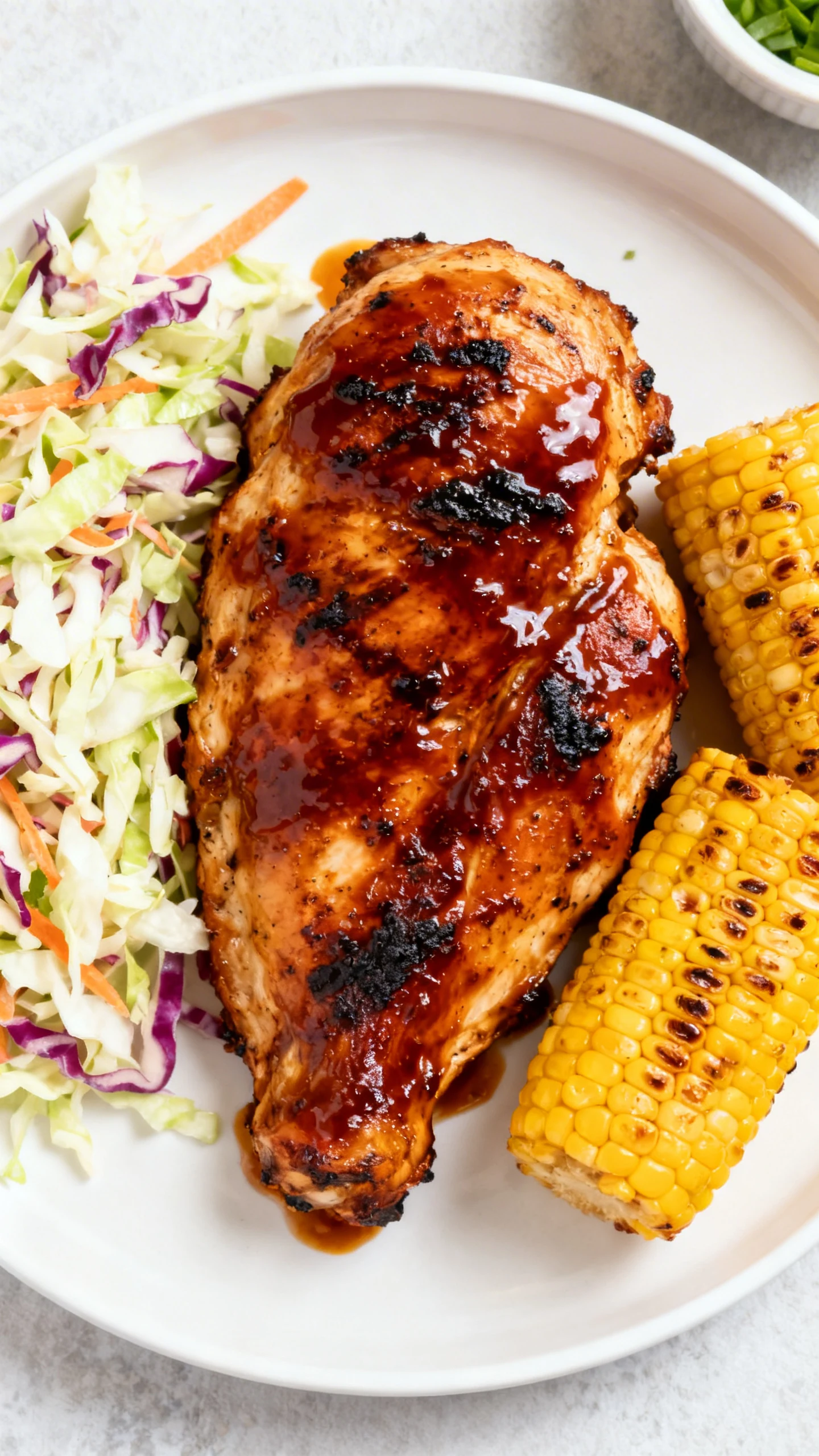
Think crunchy, fresh, and a little tangy: slaw, corn, grilled veggies, potato salad, or a simple cucumber salad. Basically, anything that can handle getting accidentally dragged through extra sauce.
How do I prevent flare-ups?
Trim excess fat, keep a cooler zone ready, and move chicken away from flames when they spike. Also, brush sauce in thin layers and avoid letting it drip directly onto the coals or burners.
My Take
I like BBQ chicken that tastes bold but doesn’t feel like dessert. So I go heavier on smoked paprika and garlic, lighter on sugar, and I always sauce late so the glaze tastes rich instead of burnt. When I’m feeling extra, I do one final quick sear after the last sauce layer to get those little sticky edges that make people suddenly “need” seconds.
If you take only one thing from this, let it be this: two-zone heat plus late saucing turns average grilling into reliably great results. You don’t need fancy gear or secret techniques. You just need a plan and the self-control to wait five minutes before cutting into it. Hard, but worth it.