Bake crowd-pleasing cakes with simple pantry staples, foolproof steps, and big flavor, even if you’re “not a baker.”
You don’t need a pastry degree. You need a plan, a bowl, and the audacity to believe your oven can produce happiness.
Most cakes fail for boring reasons: wrong pan, rushed mixing, or guessing measurements like it’s a personality trait.
This guide gives you a tight framework and three go-to cakes that hit every vibe: chocolate, vanilla, and lemon.
Make one today and watch people ask, “Where did you buy this?” Then enjoy your smug silence.
What Makes This Special
These cakes prioritize repeatable results over fancy techniques. You get formulas that work with everyday ingredients and standard equipment.
Each recipe uses a simple mixing method and includes “why it matters” moments, so you stop baking by hope and start baking by logic.
You’ll also get smart swaps, storage advice, and the most common mistakes that sabotage texture. Because dry cake is a crime, IMO.
Ingredients
Pick one cake to bake today, or keep this as your master shopping list. Many ingredients overlap, so you won’t buy a pantry’s worth of one-time-use stuff.
- All-purpose flour
- Granulated sugar
- Brown sugar (optional for chocolate depth)
- Unsweetened cocoa powder (for chocolate cake)
- Baking powder
- Baking soda
- Fine salt
- Eggs
- Milk (or buttermilk for extra tenderness)
- Plain yogurt or sour cream (moisture insurance)
- Neutral oil (canola, vegetable, or avocado)
- Unsalted butter (for vanilla cake and frosting)
- Vanilla extract
- Fresh lemons (zest and juice for lemon cake)
- Powdered sugar (for frosting or glaze)
- Cream cheese (optional frosting style)
- Heavy cream (optional, for whipped frosting)
- Hot coffee or hot water (for chocolate bloom)
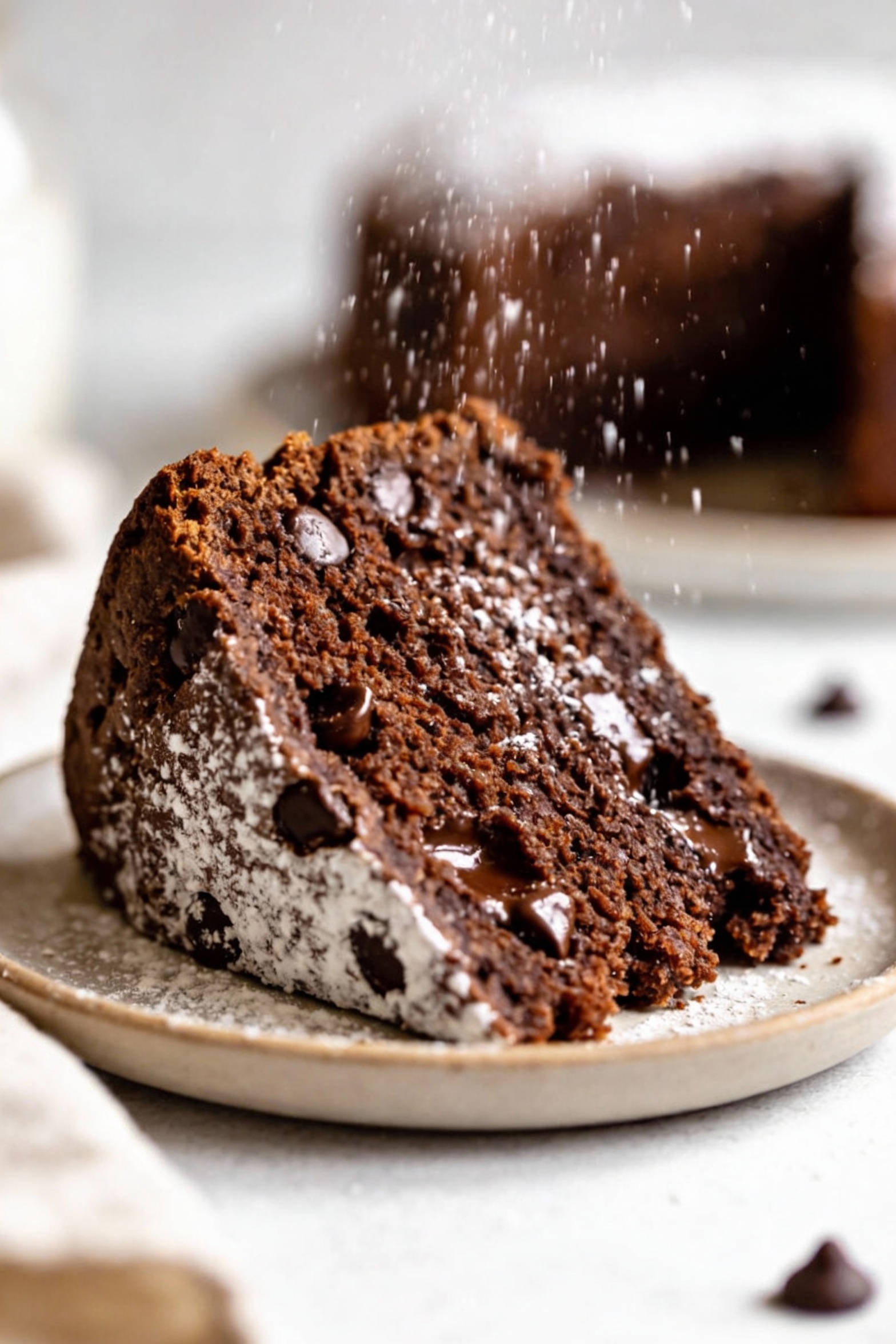
- Chocolate chips (optional mix-in)
- Fresh berries (optional topping)
Let’s Get Cooking – Instructions
Choose one of the three cakes below. Each one includes a tight list of steps so you can bake with confidence, not vibes.
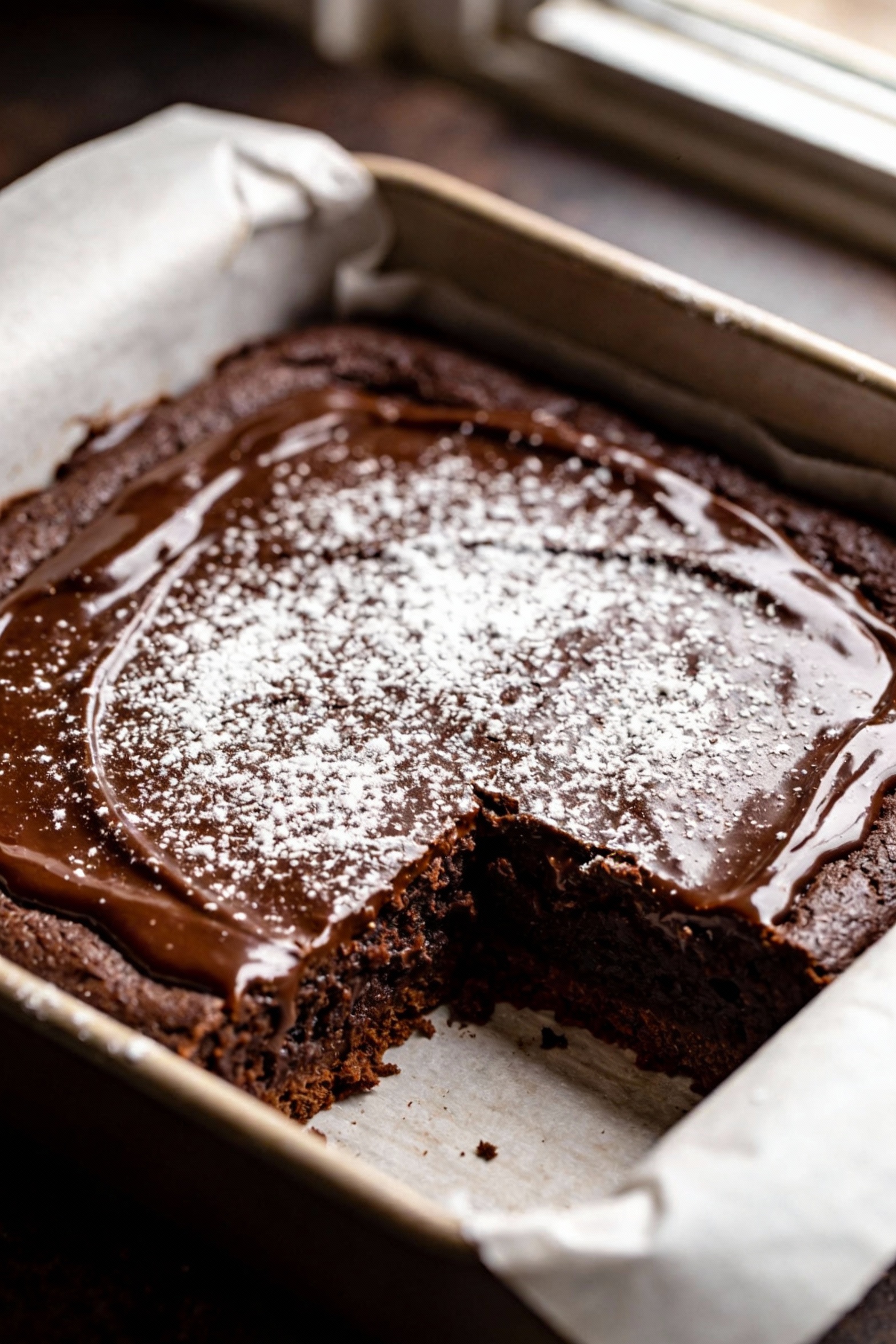
Option A: The Ultra-Moist Chocolate Snacking Cake
This is the “people ask for the recipe” cake. It stays soft for days and forgives small mistakes, which is basically the best kind of friend.
-
Prep your setup. Heat oven to 350°F. Grease and line an 8×8-inch pan or a 9-inch round. Lining means you can lift it out like a genius later.
-
Mix dry ingredients. Whisk flour, cocoa, baking powder, baking soda, and salt until the cocoa looks evenly distributed.
-
Whisk the wet base. In another bowl, whisk sugar, eggs, milk, oil, yogurt or sour cream, and vanilla until smooth.
-
Combine without overthinking it. Stir dry into wet just until you stop seeing streaks of flour. Over-mixing makes tough cake, and nobody asked for that.
-
Bloom the cocoa. Slowly whisk in hot coffee or hot water. The batter will look thin; that’s not a bug, it’s the secret.
-
Bake and don’t open the door. Bake 28 to 35 minutes until a toothpick comes out with a few moist crumbs. Clean toothpick often means overbaked.
-
Cool like you mean it. Let cool 20 minutes in the pan, then lift out and cool fully before frosting or glazing.
-
Finish your way. Dust with powdered sugar, spread a quick chocolate buttercream, or just eat it warm and pretend you have self-control.
Option B: The Soft Vanilla Celebration Layer Cake
This is the classic “birthday energy” cake: fluffy, buttery, and perfect with any frosting. You can make it as two layers or a tall single layer.
-
Prep pans and oven. Heat oven to 350°F. Grease and line two 8-inch pans, or use one 9-inch pan for a thicker single layer.
-
Cream butter and sugar. Beat softened butter with sugar until pale and fluffy. If it looks like wet sand, keep going.
-
Add eggs the smart way. Beat in eggs one at a time, then add vanilla. Scrape the bowl so you don’t get butter clumps hiding like villains.
-
Alternate dry and milk. Add flour, baking powder, and salt in parts, alternating with milk. Mix just until smooth.
-
Level for even layers. Divide batter evenly between pans. Tap pans gently to pop big bubbles.
-
Bake until springy. Bake 24 to 30 minutes until the center springs back when lightly pressed.
-
Cool fully before frosting. Cool in pans 10 minutes, then turn out onto a rack. Frosting warm cake equals melted sadness.
-
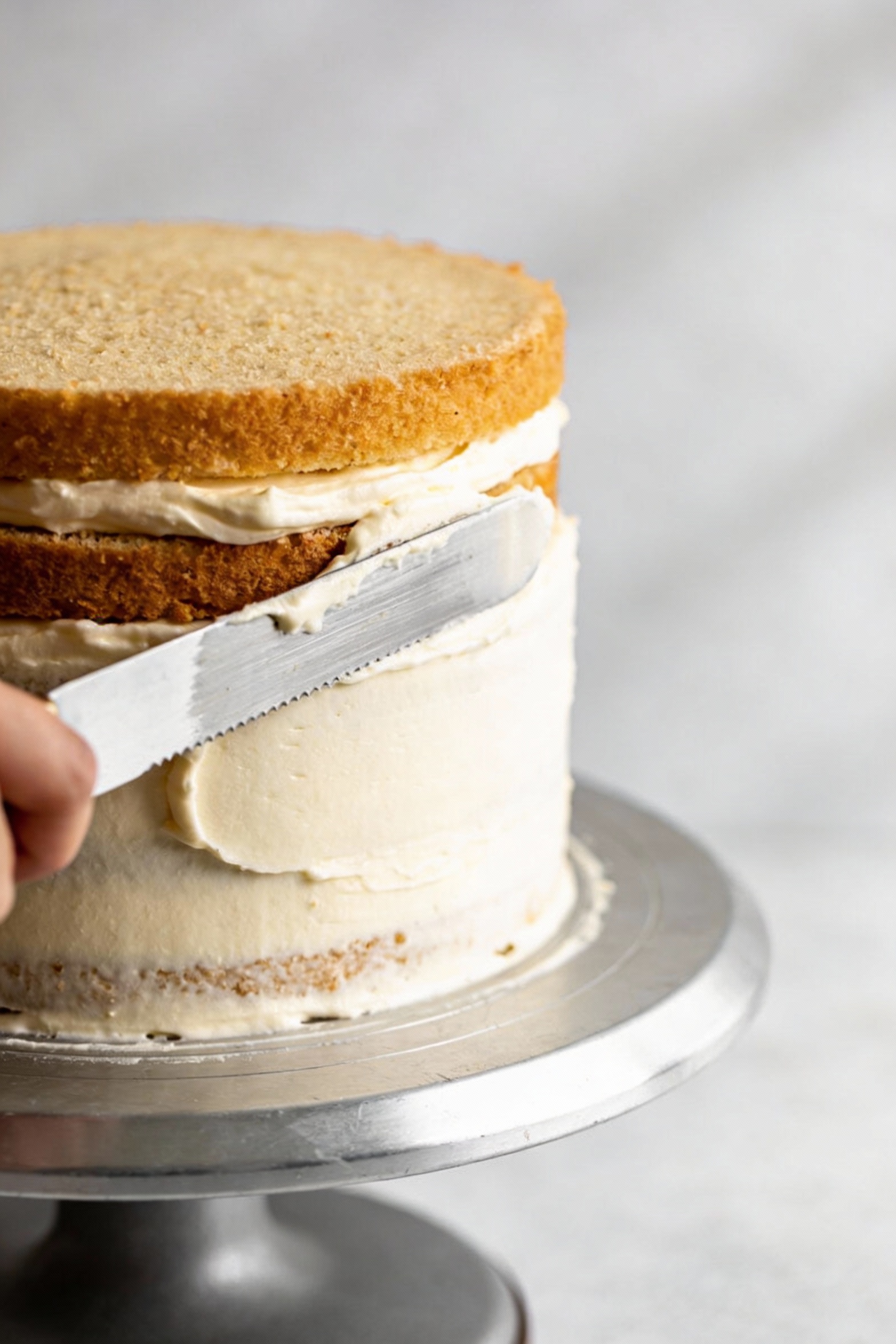
Frost and assemble. Use buttercream, cream cheese frosting, or whipped cream frosting. Chill 20 minutes after a crumb coat for clean edges.
Option C: Bright Lemon Yogurt Loaf Cake
This is the weeknight hero: one bowl, bold citrus, and a glaze that makes it look way more high-effort than it is. FYI, lemon zest does most of the heavy lifting here.
-
Prep and preheat. Heat oven to 350°F. Line a loaf pan with parchment and lightly grease the exposed sides.
-
Wake up the sugar. Rub lemon zest into granulated sugar with your fingers until it smells like lemon candy. This takes 30 seconds and makes a huge difference.
-
Whisk wet ingredients. Whisk eggs, lemon-sugar, yogurt, oil, lemon juice, vanilla, and a pinch of salt until glossy.
-
Add dry ingredients. Fold in flour and baking powder just until combined. Stop when you stop seeing flour; that’s the moment.
-
Bake low and slow. Bake 45 to 55 minutes until a tester comes out with a few moist crumbs. If the top browns too fast, tent loosely with foil.
-
Glaze for drama. Mix powdered sugar with lemon juice to make a thick drizzle. Pour over the cooled loaf and let it set.
Storage Tips
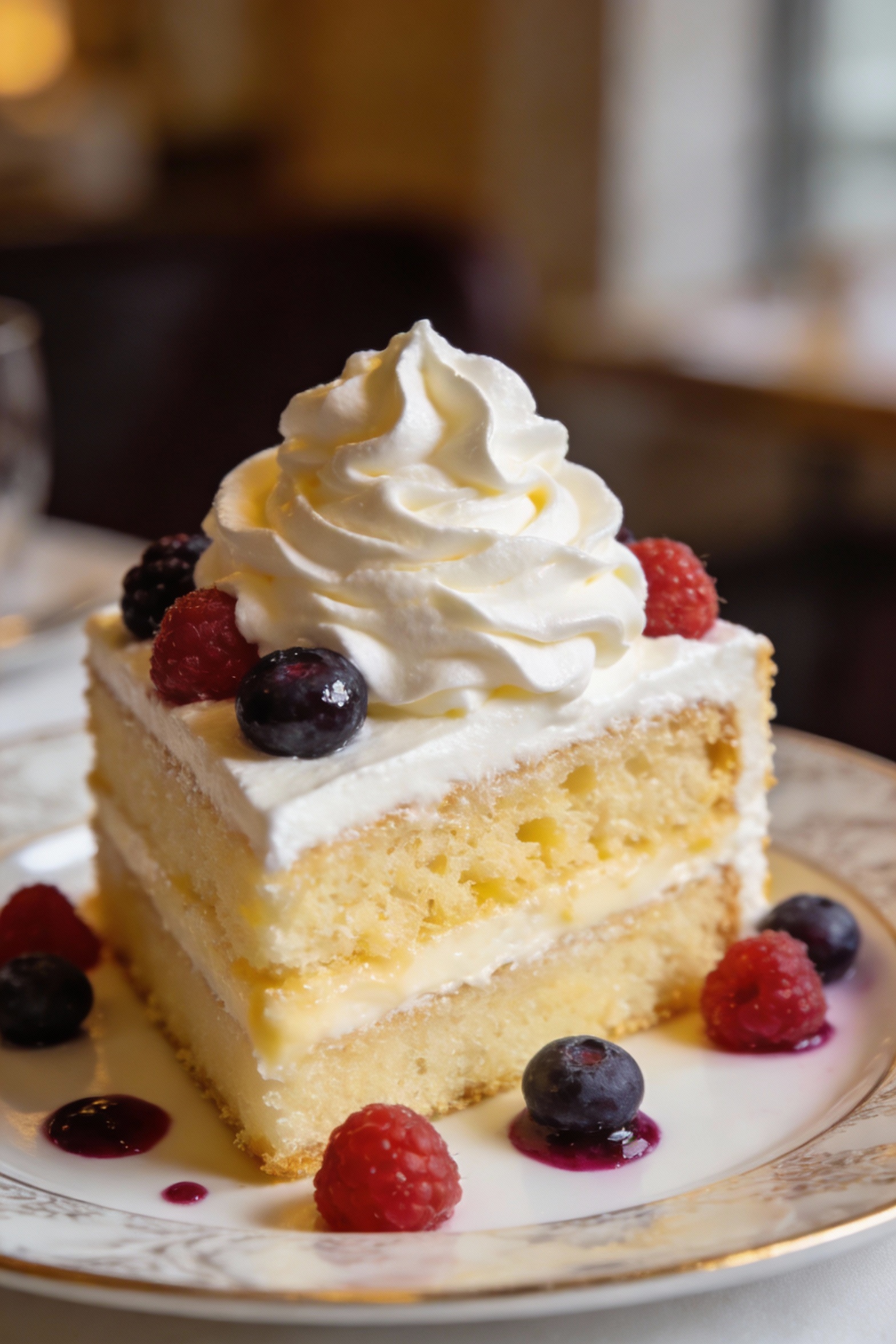
Store unfrosted cake tightly wrapped at room temperature for up to 2 days. If your kitchen runs warm, move it to the fridge earlier.
Frosted cakes keep best in the fridge, especially if you use cream cheese or whipped frosting. Let slices sit 15 to 20 minutes before eating so the texture softens.
For freezing, wrap slices in plastic wrap, then seal in a freezer bag. Freeze up to 2 months and thaw at room temperature for a fast dessert that feels suspiciously responsible.
Health Benefits
Cake won’t replace your salad, but homemade versions give you control. You can reduce sugar a bit, use better fats, and skip mystery additives.
Using yogurt or sour cream improves tenderness and adds a small protein boost. Adding fruit toppings can bump up fiber and micronutrients without turning dessert into a lecture.
The biggest benefit might be stress relief and connection. Baking gives you a win you can taste, then share, and that counts for something.
Pitfalls to Watch Out For
Most cake problems come from a few repeat offenders. Fix these and your success rate spikes immediately.
- Over-measuring flour: Spoon into the cup and level it, or weigh it. Scooping packs flour and dries out cake.
- Over-mixing: Mix until combined, then stop. Gluten builds fast and ruins the soft crumb.
- Wrong oven temp: Ovens lie. If your cakes always overbrown or sink, use an oven thermometer.
- Under-cooling: Frosting warm cake melts and slides. Cool completely unless you enjoy chaos.
- Old leaveners: Baking powder and soda lose power. If they’ve lived in your cabinet since a previous life, replace them.
Recipe Variations
Once you nail the base, you can remix it endlessly. These swaps keep the method the same and change the vibe fast.
- Chocolate cake: Add a teaspoon of espresso powder for deeper flavor, or fold in chocolate chips for pockets of joy.
- Vanilla cake: Add almond extract alongside vanilla, or fold in sprinkles for a funfetti moment without buying a box mix.
- Lemon loaf: Swap lemon for orange, or add poppy seeds for crunch and bakery vibes.
- Dairy swaps: Use kefir or buttermilk in place of milk; both boost tenderness and flavor.
- Gluten-friendly option: Use a 1:1 gluten-free baking blend and avoid over-mixing. Texture may be slightly more tender and delicate.
FAQ
How do I know when a cake is done without overbaking it?
Look for a tester with a few moist crumbs, not a perfectly clean toothpick. The cake should spring back when lightly pressed and pull slightly from the pan edges.
Why did my cake sink in the middle?
The usual culprits are opening the oven early, underbaking, or too much leavener. Measure carefully and keep the oven door closed until the minimum bake time.
Can I make these cakes ahead of time?
Yes. Bake layers a day ahead, cool fully, then wrap tightly and store at room temperature. Frost the next day, or freeze the layers for longer storage and thaw before decorating.
What frosting is easiest for beginners?
Powdered-sugar glaze is the easiest and still looks impressive. For a step up, buttercream is forgiving if your butter is soft and you beat it until fluffy.
Can I reduce the sugar without ruining the cake?
You can usually cut sugar by about 10% to 15% with minimal texture changes. Beyond that, cakes may bake up drier and less tender, so add a moisture helper like yogurt.
What pan size should I use if I don’t have the exact one?
You can often swap similar-volume pans, but adjust bake time. A larger pan makes a thinner cake that bakes faster, while a smaller pan makes it thicker and needs more time.
The Bottom Line
Great cake isn’t about rare ingredients or perfect piping. It’s about a few smart rules: measure well, don’t over-mix, and bake until just set.
Pick one option, follow the steps, and you’ll get a cake that feels bakery-level without the bakery price. Then enjoy the best part: people thinking you’re secretly talented.