Turn one box into crowd-pleasing desserts with minimal effort, a few smart add-ins, and foolproof steps for busy weeknights.
You know what’s unfair? A $6 slice of “artisan” cake that tastes like sweet air and regret.
Meanwhile, a humble boxed mix is sitting in your pantry like a cheat code you’re ignoring.
With a couple of upgrades, you get a cake that feels like you tried, even if you absolutely did not.
This is the kind of dessert that gets people asking, “Where did you buy this?” and you get to lie politely.
Ready to win the bake sale, the birthday, and the random Tuesday? Good. Let’s make the box work overtime.
The Secret Behind This Recipe
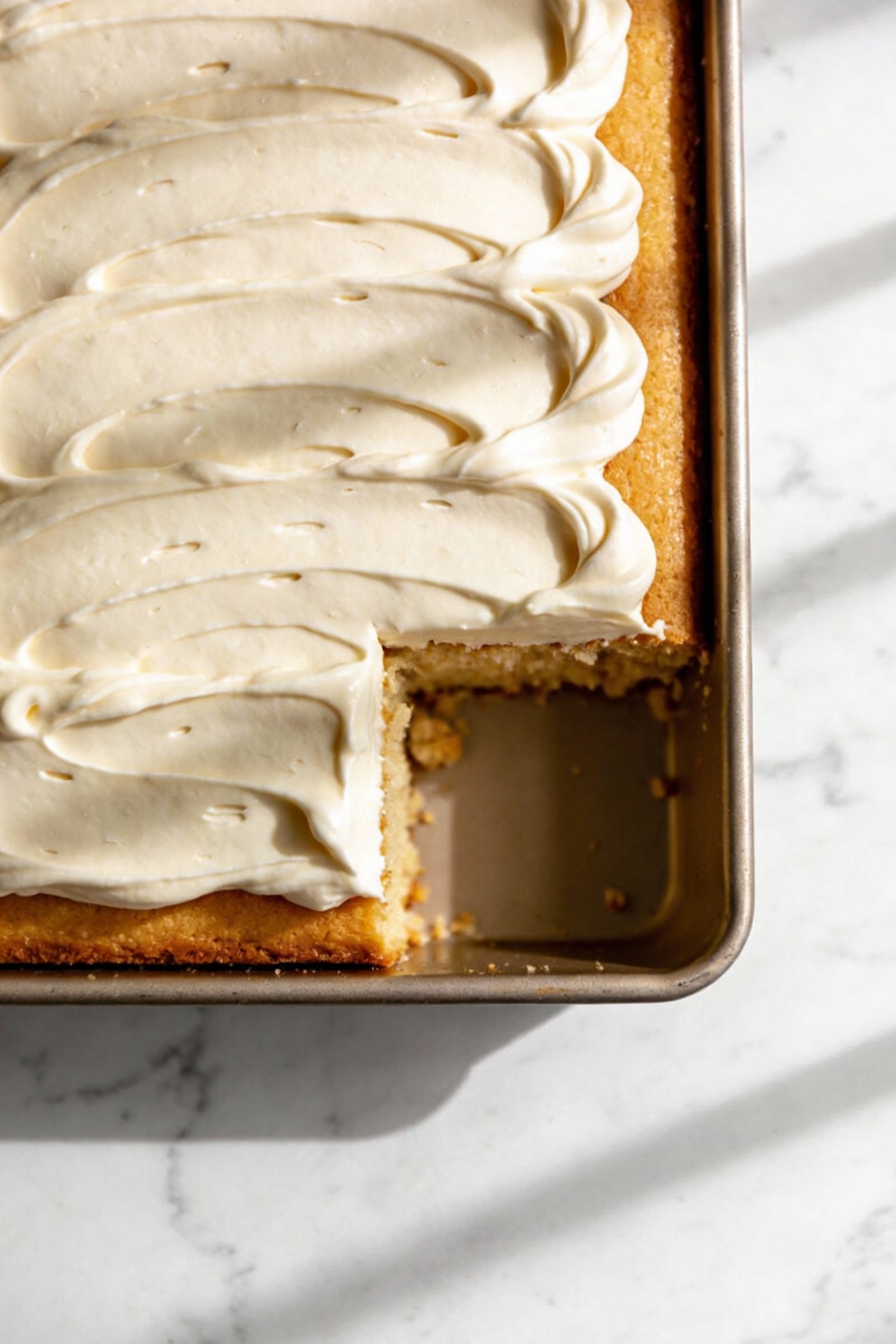
The “secret” is not magic. It’s structure and fat.
Most boxed mixes aim for consistency, not luxury. You add richness and moisture by swapping water for dairy, bumping flavor with real extracts, and boosting tenderness with a little extra fat.
Then you stop overmixing like you’re training for an arm workout. Mix just enough, bake with confidence, and suddenly the box feels like a personal pastry chef.
Ingredients
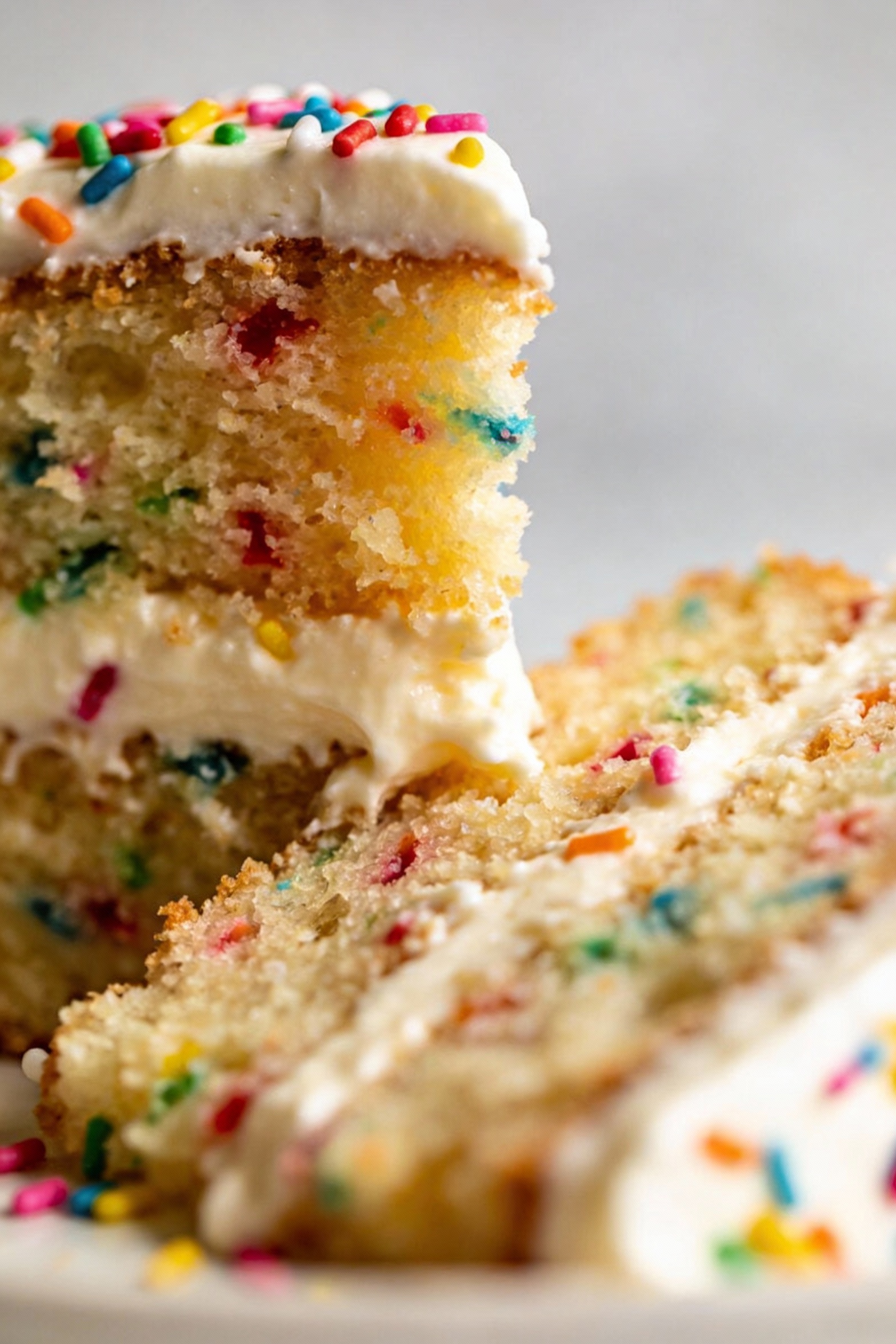
Use this as a master base, then choose one flavor path in the “Mix It Up” section.
- 1 box yellow or vanilla cake mix (15.25 oz or similar)
- 3 large eggs (room temperature if you remember)
- 1/2 cup melted butter (instead of oil, unless you prefer oil)
- 1 cup whole milk (or buttermilk for extra tang)
- 1 teaspoon vanilla extract
- 1/2 teaspoon fine salt (optional but smart)
- 1/2 cup sour cream or plain Greek yogurt
- Nonstick spray or butter for the pan
- 2 tablespoons flour for dusting the pan (optional)
Optional frosting (fast and unfairly good): 1/2 cup butter, 3 cups powdered sugar, 2 to 4 tablespoons milk, 1 teaspoon vanilla, pinch of salt.
Cooking Instructions
This listicle format is here to keep you from “freestyling” your way into a sad, dense brick.
- Preheat like you mean it. Set the oven to 350°F. Grease a 9×13 pan or two 8-inch rounds, then dust lightly with flour if you want easy release.
- Pick your dairy upgrade. Pour the milk (or buttermilk) into a measuring cup. You want it cold-to-cool, not steaming. Hot liquid plus eggs equals chaos.
- Build the batter in one bowl. Add cake mix, eggs, melted butter, milk, vanilla, salt, and sour cream to a large bowl. Yes, all at once. Minimal dishes is the point.
- Mix less than your instincts demand. Use a hand mixer on low for 30 seconds, then medium for about 1 minute. Stop when you see no dry streaks. Overmixing makes it tough, and no one wants a cake with an attitude.
- Do a quick reality check. Batter should look thick, smooth, and glossy. If it seems too thick, add 1 to 2 tablespoons milk. If it seems too thin, you probably mismeasured, but it will likely still bake fine.
- Pour and level. Spread batter evenly in the pan. Tap the pan once on the counter to pop big air pockets. Don’t slam it like you’re mad at it.
- Bake with a timer, not vibes. Bake 28 to 35 minutes for 9×13, or 24 to 30 minutes for 8-inch rounds. Ovens lie. Start checking early.
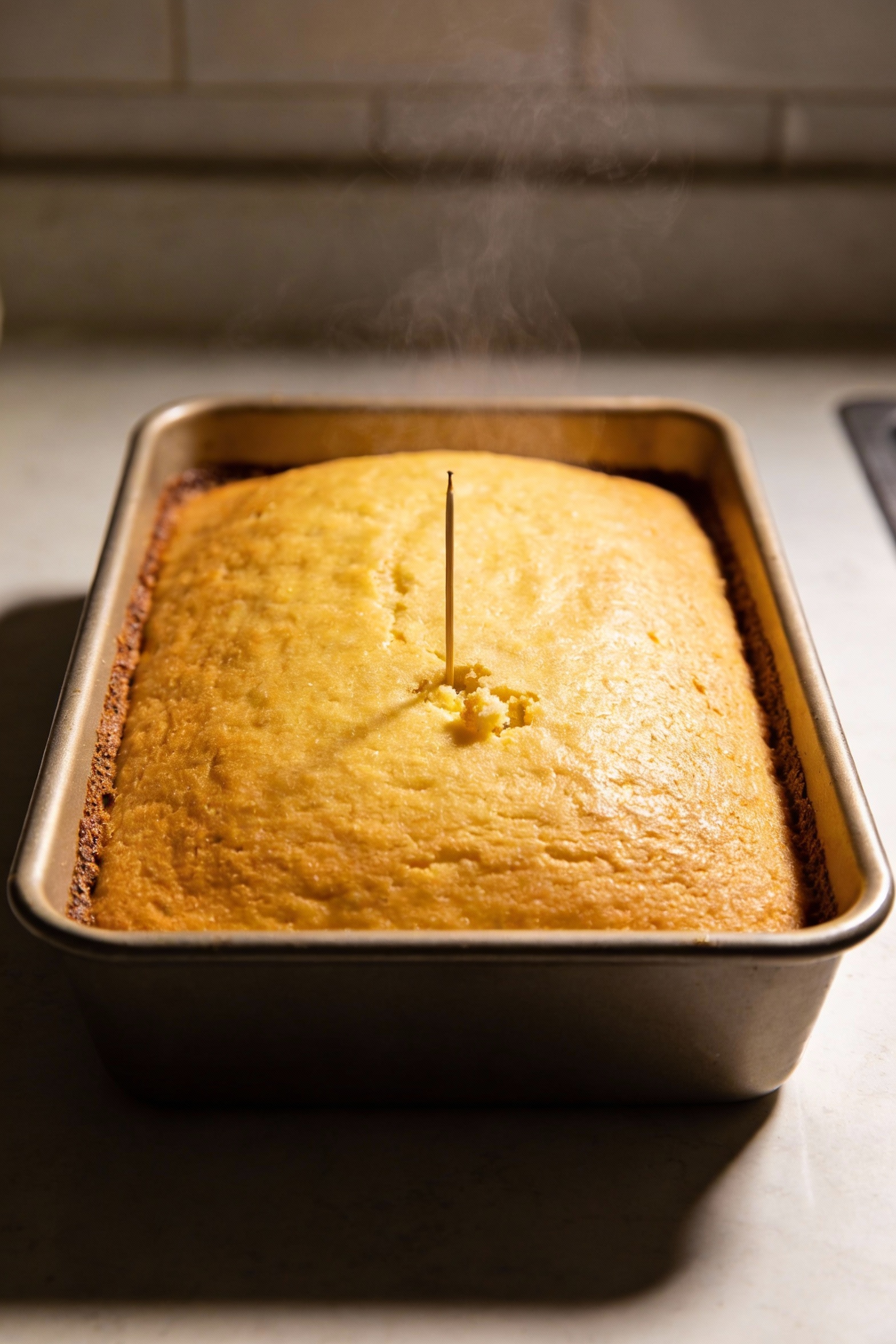
- Use the toothpick test correctly. Insert a toothpick in the center. You want a few moist crumbs, not wet batter. Clean toothpick can mean “slightly overbaked,” so don’t chase perfection.
- Cool before you frost. Let the cake cool 15 minutes in the pan, then turn out for layer cakes. If you frost warm cake, the frosting will melt and slide off like it’s escaping.
- Frost fast, frost smart. Beat butter until fluffy, add powdered sugar, vanilla, salt, then milk to reach a spreadable texture. Spread thick. Be generous. This is dessert, not a tax form.
Storage Instructions
Room temperature: Store unfrosted cake tightly wrapped for up to 2 days. Frosted cake can sit 1 to 2 days if your kitchen isn’t tropical.
Refrigerator: If you use cream cheese frosting or whipped toppings, refrigerate in an airtight container up to 5 days. Let slices sit 20 minutes before eating so the texture softens.
Freezer: Wrap unfrosted layers in plastic wrap, then foil, and freeze up to 2 months. Thaw overnight in the fridge, then bring to room temp before frosting.
Benefits of This Recipe
- High reward for low effort. It tastes like you did a lot more than you did.
- Reliable texture. The sour cream and milk combo keeps it moist without turning gummy.
- Flexible flavor. You can pivot from birthday cake to lemon loaf energy in minutes.
- Budget-friendly. One box plus a few fridge staples beats bakery prices, IMO.
- Scales for any occasion. Sheet cake for parties, layers for fancy, cupcakes for chaos.
Common Mistakes to Avoid
- Overmixing the batter. You’re not aerating a soufflé. Stop when it’s combined.
- Guessing the bake time. Set a timer and check early. Dry cake is forever.
- Using cold eggs straight from the fridge. They can make batter clumpy. If you forget, place eggs in warm water for 5 minutes.
- Skipping the pan prep. The cake will weld itself to the pan like it owns the place.
- Frosting too soon. Melted frosting looks like a mistake you tried to cover up with sugar.
- Adding too many mix-ins. A cup of extras is fun. Three cups is structural failure.
Mix It Up
Pick one combo to keep the cake balanced. Yes, you can experiment, but let’s not turn your kitchen into a science fair.
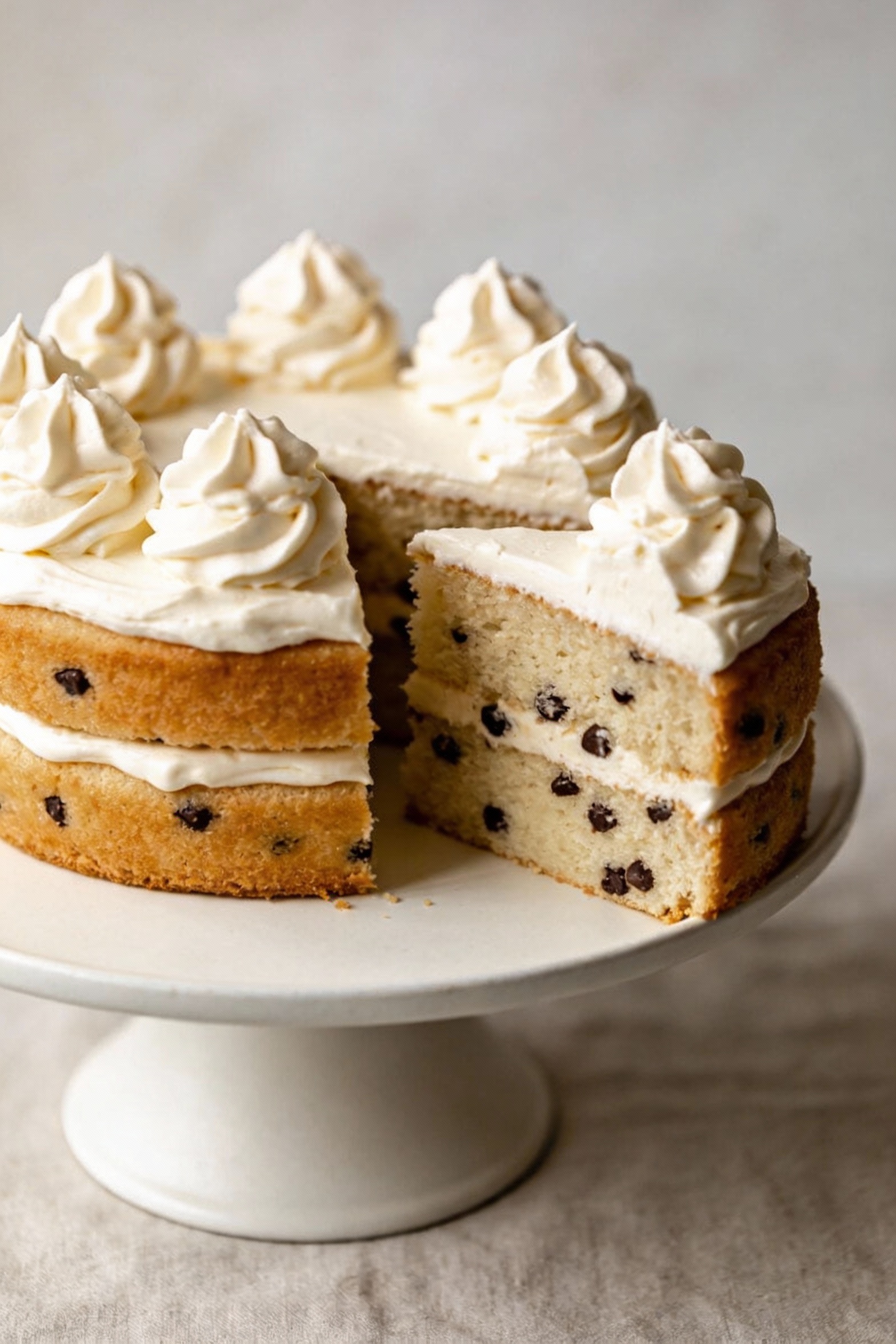
- Chocolate chip vanilla: Fold in 3/4 cup mini chocolate chips tossed with 1 teaspoon flour.
- Lemon pop: Use lemon cake mix, replace vanilla with 1 teaspoon lemon extract, and add 1 tablespoon lemon zest.
- Strawberry shortcake vibe: Use white cake mix, fold in 1/2 cup crushed freeze-dried strawberries, top with whipped cream and berries.
- Funfetti upgrade: Add 1/3 cup rainbow sprinkles and a tiny splash of almond extract for that “bakery” flavor.
- Mocha moment: Dissolve 1 tablespoon instant espresso in the milk, then use chocolate cake mix.
- Spice cake glow-up: Use spice mix, add 1 teaspoon cinnamon, and fold in 3/4 cup chopped toasted pecans.
FYI, if you want cupcakes: fill liners 2/3 full and bake at 350°F for 16 to 20 minutes.
FAQ
Can I replace the oil with butter in any boxed mix?
Yes. Melted butter adds flavor and a tighter crumb. If you want a softer, more “bouncy” texture, use oil instead or do half butter and half oil.
What does sour cream actually do in cake batter?
It adds fat and acidity, which keeps the cake moist and tender. It also gives a richer mouthfeel so the cake tastes less “boxy.”
Can I make this without dairy?
Yes. Use an unsweetened plant milk and a dairy-free yogurt. The texture will be slightly lighter, but it still works well if you don’t overmix.
How do I stop my cake from sinking in the middle?
Don’t open the oven early, don’t overbeat the batter, and make sure your oven temperature is accurate. Also avoid adding heavy mix-ins without tossing them in a little flour first.
What pan size works best for a moist cake?
A 9×13 pan gives an even bake and plenty of frosting surface area. Two 8-inch rounds look fancy, but they can dry out if you overbake by even a few minutes.
Can I turn this into a bundt cake?
Yes, but grease the bundt pan aggressively and bake longer, usually 40 to 50 minutes at 350°F. Start checking at 38 minutes and don’t rush the cooldown.
How do I make the frosting taste less sweet?
Add a pinch more salt, use a little less powdered sugar, and beat the butter longer for fluff. You can also add 2 tablespoons cream cheese for tang.
My Take
I love baking from scratch, but I also love shortcuts that don’t taste like shortcuts.
This method hits the sweet spot: predictable, fast, and honestly kind of smug when people compliment it.
If you only remember one rule, make it this: upgrade the liquid, add sour cream, and stop mixing early.
Because life is short, and nobody should suffer through dry cake when the fix takes five extra minutes.