One pan, big flavor, zero drama: bake crowd-pleasing cakes with foolproof timing, easy frosting, and upgrades that look bakery-level.
You don’t need fancy layers to get loud compliments. You need a big pan, a bold flavor, and a frosting that doesn’t slide off like it’s trying to escape. Sheet cakes are the “show up with dessert” cheat code: high reward, low chaos. They feed a crowd, slice clean, and forgive your measuring “vibes.” And if someone asks for the recipe, you get to pretend it was hard.
What Makes This Special
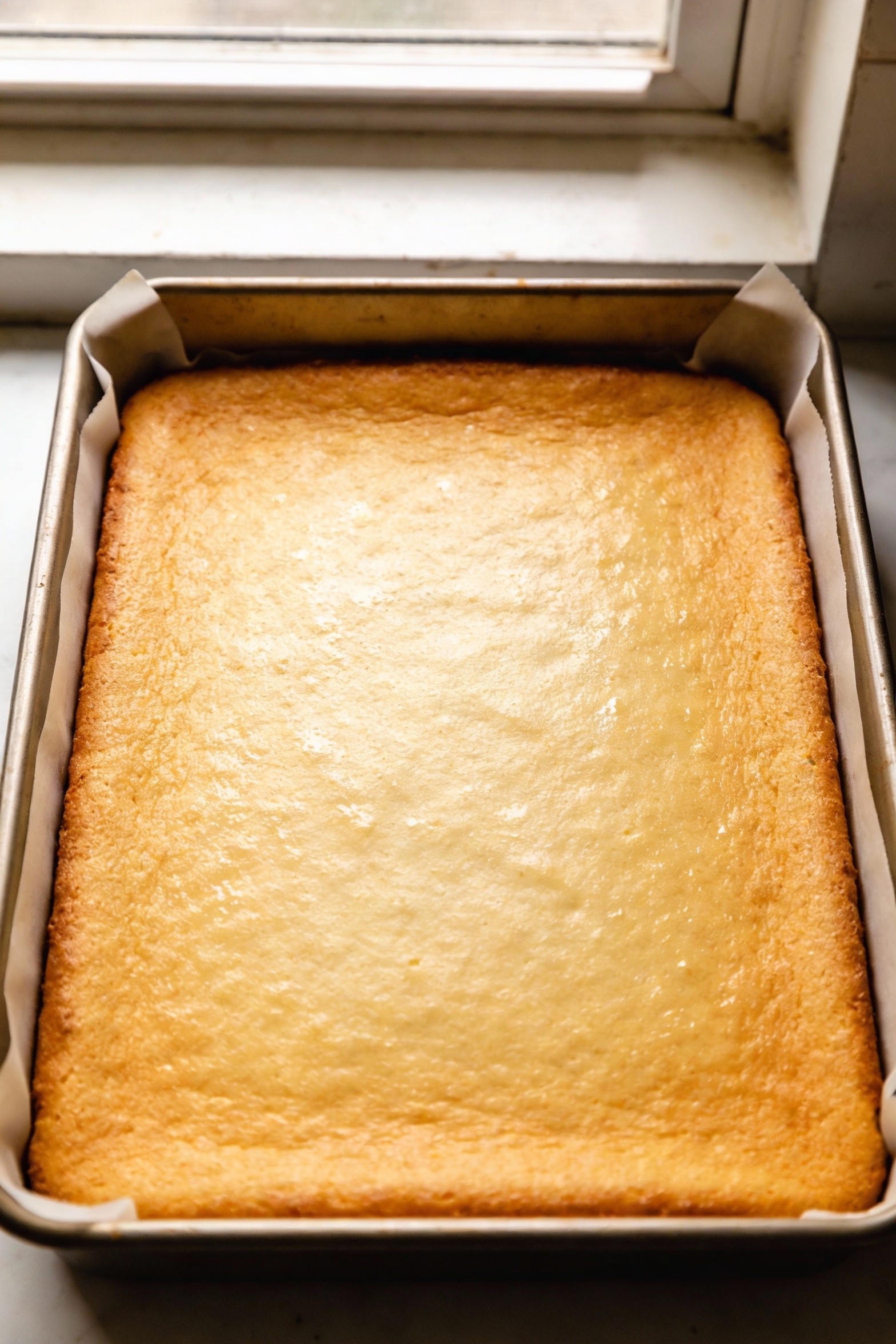
Sheet cake is the ultimate efficiency dessert: one bake, one frost, dozens of happy people. You get a tender crumb because the batter bakes evenly in a shallow layer, so you avoid dry edges and raw centers. The surface area also means more frosting per bite, which feels like a luxury even when you’re being wildly practical.
It’s also insanely customizable. You can go classic chocolate, bright lemon, cozy spice, or funfetti chaos without changing your whole life. Plus, sheet cakes travel well, store well, and slice like a dream, which is more than I can say for some “Pinterest-perfect” layer cakes that collapse under pressure.
Ingredients
Use this as a master list for a classic vanilla base with options to spin into chocolate, lemon, or spice. For a standard 9×13-inch sheet cake (about 12 to 20 servings depending on slice size), gather the following.
- All-purpose flour: 2 1/2 cups
- Baking powder: 2 1/2 teaspoons
- Baking soda: 1/2 teaspoon
- Fine salt: 1 teaspoon
- Unsalted butter, room temperature: 3/4 cup
- Granulated sugar: 1 3/4 cups
- Eggs, room temperature: 3 large
- Vanilla extract: 1 tablespoon
- Buttermilk, room temperature: 1 1/4 cups
- Neutral oil (canola/avocado): 1/4 cup
- Sour cream or plain Greek yogurt: 1/2 cup
- Optional add-ins: 1 to 2 cups sprinkles, chocolate chips, toasted nuts, shredded coconut, or berries
- For vanilla buttercream: unsalted butter 1 cup, powdered sugar 3 1/2 to 4 cups, vanilla 2 teaspoons, salt pinch, milk or cream 2 to 4 tablespoons
- Optional frosting swap: cream cheese 8 ounces plus butter 1/2 cup for a tangy frosting
- Optional flavor boosts: lemon zest 1 to 2 tablespoons, cocoa powder 3/4 cup, espresso powder 1 teaspoon, cinnamon 2 teaspoons, brown sugar 1/2 cup (replace some white sugar)
Cooking Instructions
This is a listicle-style roadmap so you can move fast, avoid surprises, and still look like you planned everything. Read it once, then bake like you own the place.
-
Pick your pan and commit. Use a 9×13-inch metal pan for the most even bake. Grease it, line with parchment if you want easy lift-out, then grease the parchment too.
-
Preheat like you mean it. Set the oven to 350°F. Give it at least 15 minutes to fully preheat, because “warm-ish oven” is how cake gets petty.
-
Mix dry ingredients first. Whisk flour, baking powder, baking soda, and salt in a bowl. This prevents those random bitter baking soda pockets that ruin your reputation.
-
Cream butter and sugar for lift. Beat butter and granulated sugar until pale and fluffy, about 2 to 3 minutes. This step builds structure, so don’t rush it like it owes you money.
-
Add eggs and vanilla smoothly. Beat in eggs one at a time, scraping the bowl. Stir in vanilla, and keep the batter glossy and cohesive.
-
Bring the moisture squad. In a separate cup, stir buttermilk, oil, and sour cream until smooth. This combo makes a cake that stays tender even on day two, which is the real flex.
-
Alternate wet and dry like a pro. Add dry ingredients in three additions, alternating with the buttermilk mixture in two additions. Mix just until you don’t see flour. Overmixing turns cake into “polite bread.”
-
Customize without chaos. Fold in sprinkles, chips, zest, or spices gently. If adding berries, toss them with a spoonful of flour so they don’t sink like they’re avoiding responsibility.
-
Bake with a timer and common sense. Spread batter evenly and bake 28 to 35 minutes. It’s done when a toothpick comes out with a few moist crumbs, and the top springs back when lightly pressed.
-
Cool before frosting, unless you enjoy regret. Cool in the pan 15 minutes, then cool completely. If you frost a warm cake, the frosting turns into a sad glaze and slides around like it’s on a slip-n-slide.
-
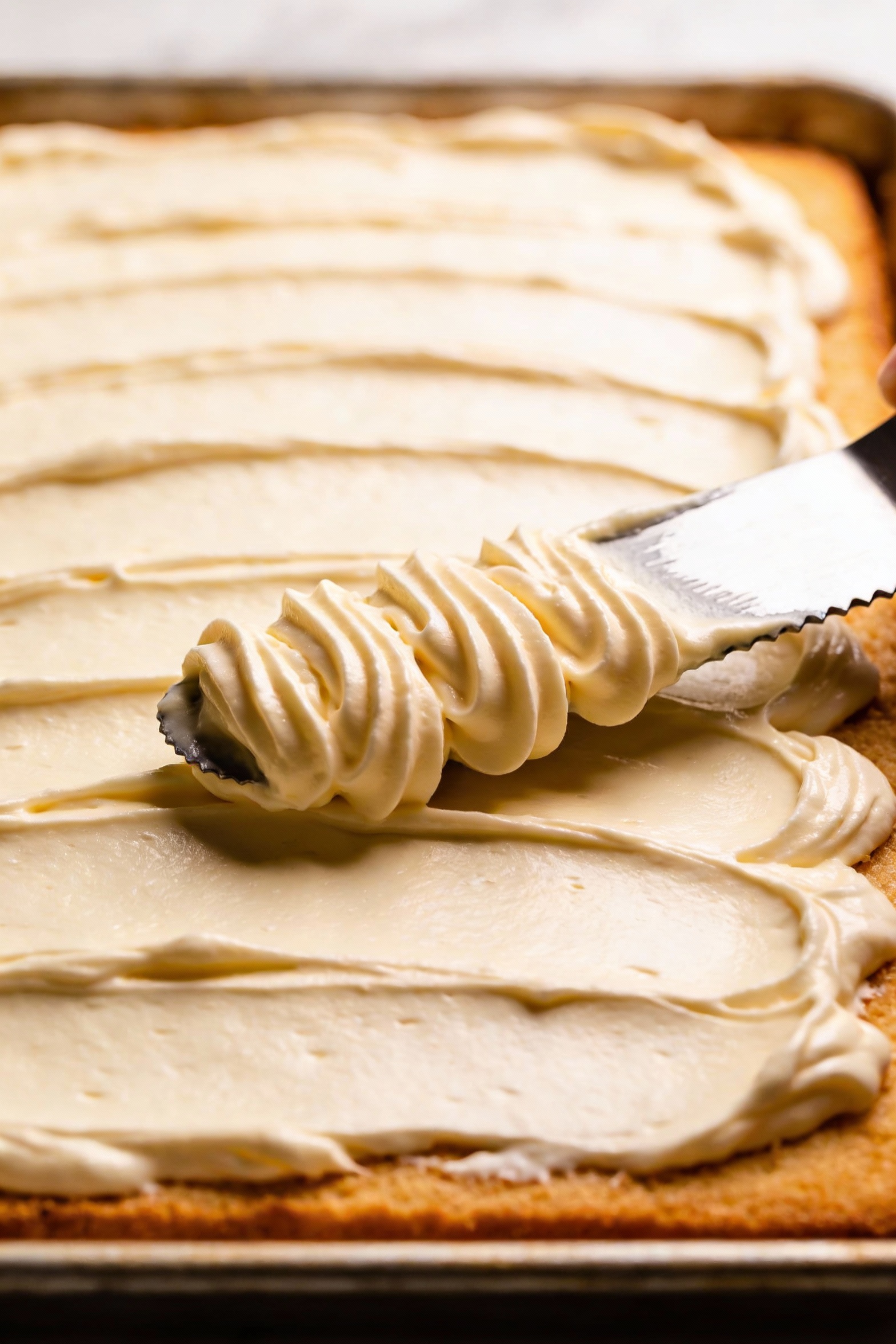
Make frosting that actually spreads. Beat butter until creamy, then add powdered sugar gradually. Add vanilla, a pinch of salt, and enough milk or cream to reach a smooth, spreadable consistency. FYI, the pinch of salt is what makes it taste “bakery,” not just “sweet.”
-
Frost, slice, and accept praise. Spread frosting in swoops, keep it rustic, or go sharp with an offset spatula. Chill 20 minutes for cleaner slices, then cut and serve.
Keeping It Fresh
Room temperature works great for 2 days if the cake is unfrosted or topped with a butter-based frosting. Cover it tightly with foil or a lid, because dry air is the enemy and it never takes a day off. If your kitchen runs warm, store it somewhere cool and shaded, not on the counter next to the toaster oven that radiates chaos.
For cream cheese frosting or fruit fillings, refrigerate in an airtight container for up to 5 days. Let slices sit at room temperature 20 to 30 minutes before serving so the crumb softens and the frosting tastes richer. IMO, cold cake tastes fine, but room-temp cake tastes like you know what you’re doing.
Sheet cake also freezes beautifully. Wrap individual slices in plastic wrap, then stash them in a freezer bag for up to 3 months. Thaw in the fridge overnight or at room temperature for about an hour, depending on thickness.
Why This is Good for You
Let’s be real: cake isn’t kale. But sheet cake can still fit into a balanced life because it makes portioning easy and sharing effortless. When you can cut smaller squares, you get the treat without the “I accidentally ate half a layer cake” situation.
Homemade versions also give you control. You can reduce sugar slightly, use Greek yogurt for extra protein, add fruit, or choose a lighter frosting and still get big flavor. And there’s a sneaky mental-health benefit too: bringing a simple dessert to a gathering makes you feel useful, welcomed, and slightly superior to store-bought cupcakes.
Common Mistakes to Avoid
- Skipping the preheat: uneven oven temperature leads to a dense center and dry edges.
- Overmixing after flour goes in: it develops gluten and makes the crumb tough.
- Wrong pan size: a smaller pan overflows, a larger pan bakes thin and dries out.
- Not measuring flour correctly: pack it and you’ll get a heavy cake; spoon and level for consistency.
- Frosting while warm: the frosting melts and turns into a slippery mess.
- Overbaking “just to be sure”: the cake keeps cooking as it cools, so pull it when it’s just done.
Different Ways to Make This
Use the same basic method and pivot flavors like it’s your personality. These variations keep the bake time similar and deliver totally different vibes.
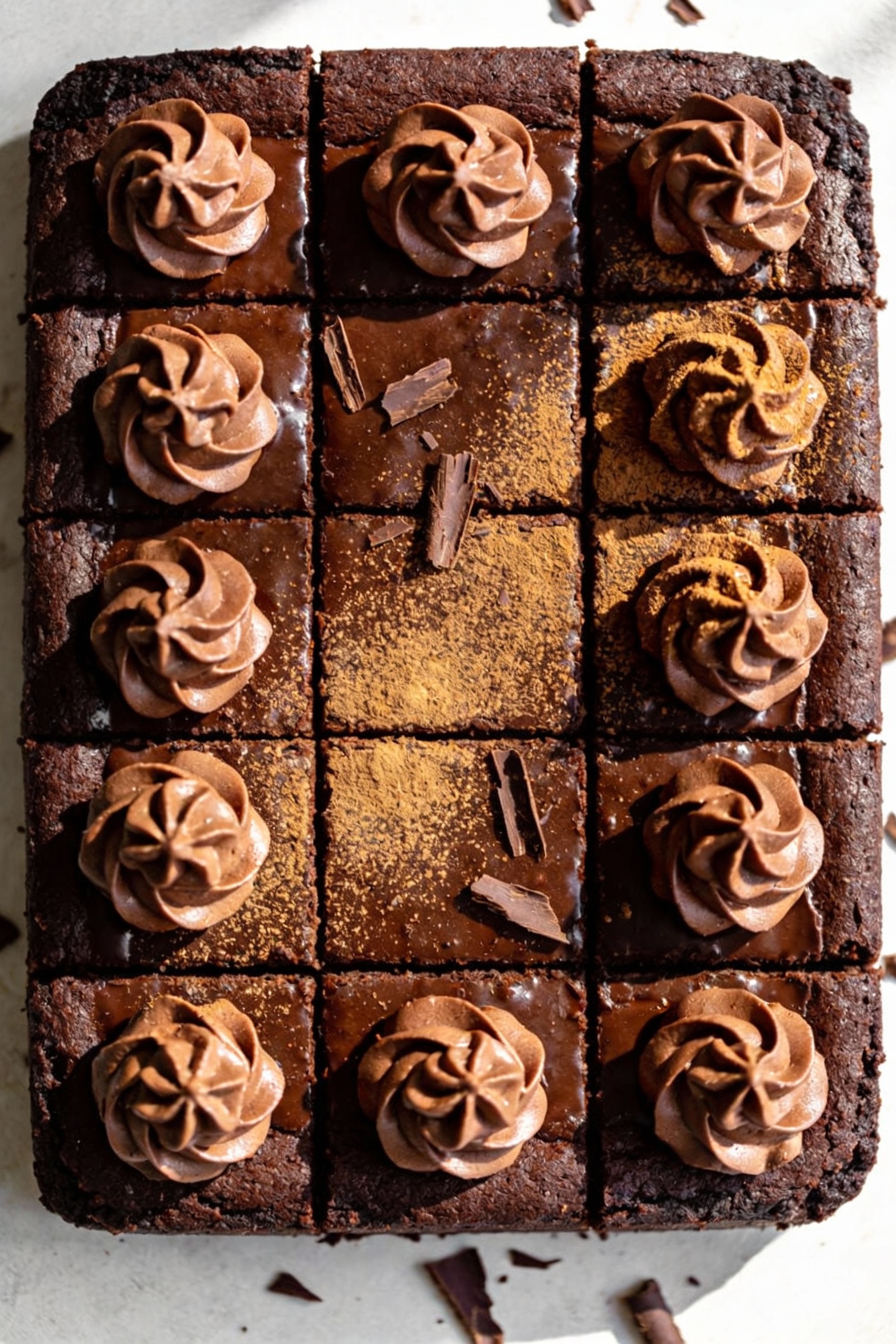
- Chocolate Fudge Sheet Cake: Replace 1/2 cup flour with 1/2 cup cocoa powder, add 1 teaspoon espresso powder, and frost with chocolate buttercream or a warm pour-over glaze.
- Lemon Zest Celebration Cake: Add 1 to 2 tablespoons lemon zest and replace 2 tablespoons buttermilk with lemon juice. Frost with cream cheese frosting and top with extra zest.
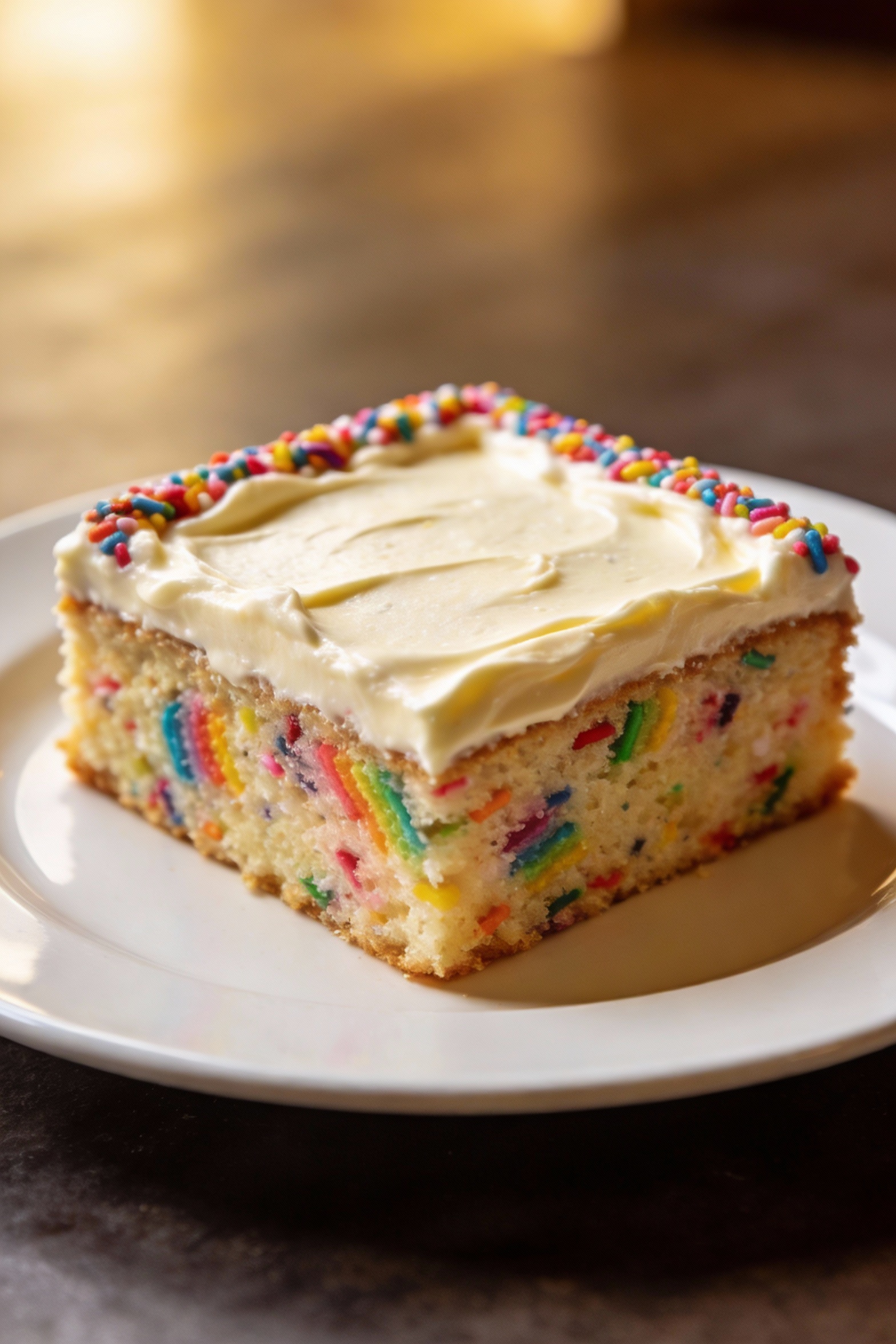
- Funfetti Party Classic: Fold in 3/4 cup rainbow sprinkles at the end. Use vanilla buttercream and add a sprinkle border so it looks “professional” with almost no effort.
- Spiced Carrot-Style Sheet Cake: Add 2 teaspoons cinnamon, 1/4 teaspoon nutmeg, and fold in 1 1/2 cups finely grated carrot plus 1/2 cup chopped walnuts. Cream cheese frosting makes it unstoppable.
- Strawberries and Cream: Fold in 1 cup diced strawberries tossed in a little flour, then top with a whipped cream cheese frosting. Serve same day for the freshest flavor.
- Brown Butter Vanilla: Brown the butter, cool until spreadable, then cream with sugar. It adds a nutty depth that makes people ask, “What is that flavor?” like you performed sorcery.
FAQ
What’s the best pan for a sheet cake at home?
A 9×13-inch metal pan works best for even heat and clean edges. Glass pans can work, but they often bake slower and can brown more on the sides, so watch timing closely and consider lowering the oven temp by 25°F.
How do I keep a sheet cake moist for days?
Use a mix of buttermilk plus sour cream or yogurt, don’t overbake, and store it airtight. If you want maximum softness, brush the cooled cake lightly with simple syrup before frosting.
Can I make it ahead for a party?
Yes. Bake the cake 1 to 2 days ahead, wrap it tightly, and frost the day of for the freshest look. If you must frost early, refrigerate and bring it to room temperature before serving for better texture.
How do I scale this for a bigger crowd?
For a half-sheet pan, you’ll typically double the recipe and bake in a rimmed baking sheet. Keep the layer thickness similar and start checking doneness earlier, since larger pans can bake faster depending on depth.
What frosting is easiest for beginners?
Vanilla buttercream is the most forgiving because you can adjust thickness with milk and powdered sugar. If you want something even simpler, a warm chocolate glaze or a powdered sugar icing sets quickly and hides imperfections.
Why did my cake sink in the middle?
Common causes include opening the oven too early, overmixing the batter, or using expired leavening. Also make sure you measure correctly and bake until the center springs back and a toothpick shows moist crumbs, not wet batter.
In Conclusion
Sheet cake is the smartest dessert you can bring when you want maximum impact with minimum effort. It bakes evenly, slices clean, and gives you endless flavor options without turning your kitchen into a disaster zone. Nail the basics, don’t overbake, and let the frosting do some of the heavy lifting.
Pick a flavor, bake it once, and you’ll understand why sheet cakes quietly run every potluck, birthday, and “I forgot I needed dessert” moment. The best part? You’ll look like the hero, even though you basically just used a rectangle. Which, honestly, is the dream.