Make smoky, sweet, craveable ribs with a simple spice blend that builds bold bark fast and works for oven or grill.
Some rib recipes act like you need a smokehouse, a meteorology degree, and twelve free hours. You do not. You need a killer dry rub, a little patience, and the confidence to ignore anyone who says, “I have a secret blend.” Cute. This one brings big barbecue flavor with pantry spices, a deep crust, and that sticky, smoky aroma that makes people hover near the grill like unpaid interns.
The magic here is balance. Sweetness helps the ribs caramelize, salt wakes up the meat, paprika brings color, and a hit of spice keeps every bite interesting. You can use this blend for baby back ribs, spare ribs, or St. Louis style ribs without turning dinner into a chemistry experiment. IMO, that is the kind of kitchen win worth repeating.
What Makes This Recipe Awesome
This dry rub works because it covers all the flavor bases without getting messy or complicated. You get sweet, savory, smoky, spicy, and a little earthy depth in one bowl. That means the ribs taste layered, not flat, and you do not need a ten ingredient sauce to rescue them later.
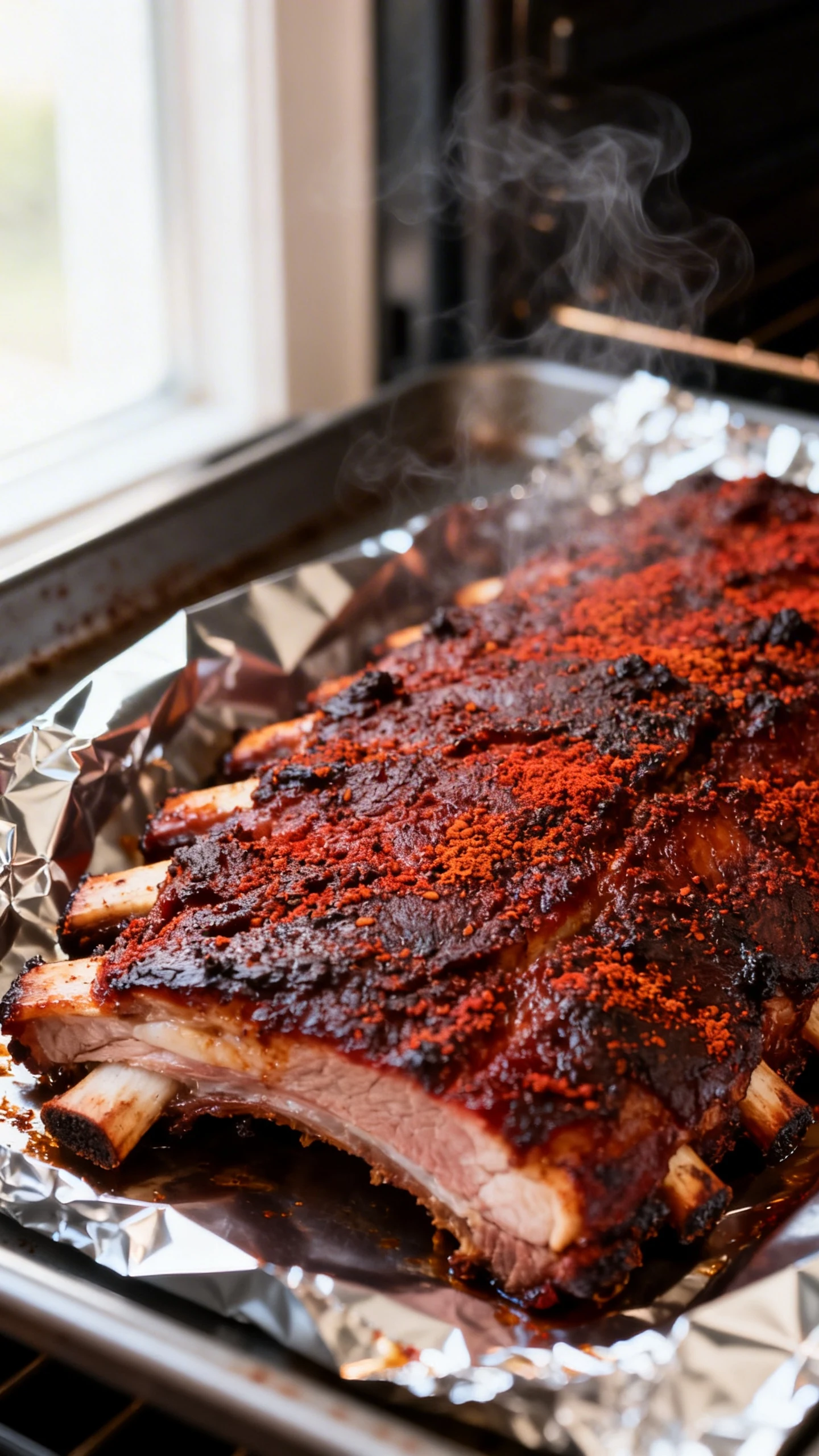
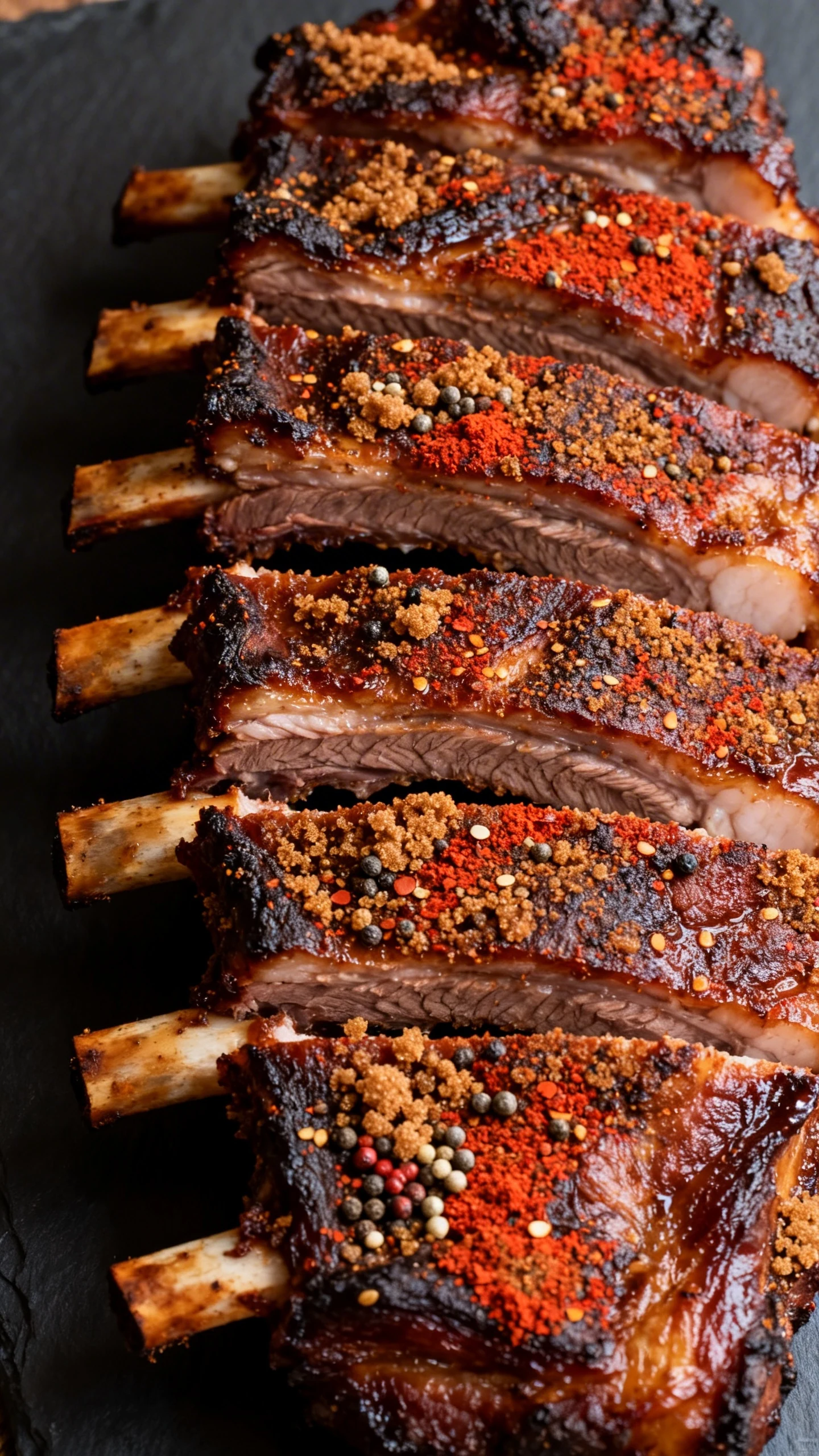
It also creates a beautiful bark. As the ribs cook, the sugar and spices cling to the surface and form a deeply flavored crust that looks as good as it tastes. Translation: your ribs come out looking like they know they are the main event.
Another win is flexibility. You can cook these ribs in the oven, on a grill, or in a smoker. The rub plays nicely with all three methods, so you can make great ribs even when the weather decides to be rude.
Best of all, the ingredients are easy to find. No rare chile powders, no mystery packets, no special shopping trip across town. Just real spices, real flavor, and ribs people actually remember.
Ingredients Breakdown
Here is everything you need for the dry rub and the ribs themselves. This amount seasons about 2 racks of ribs, depending on size.
- 2 racks pork ribs such as baby back, spare, or St. Louis style
- 1/4 cup brown sugar for sweetness and caramelization
- 2 tablespoons smoked paprika for color and smoky depth
- 1 tablespoon sweet paprika to round out the peppery notes
- 1 tablespoon kosher salt to season the meat properly
- 2 teaspoons black pepper for bite and balance
- 2 teaspoons garlic powder for savory backbone
- 2 teaspoons onion powder for mellow allium flavor
- 1 teaspoon chili powder for gentle warmth
- 1 teaspoon ground mustard for tangy depth
- 1 teaspoon cumin for earthy barbecue character
- 1/2 teaspoon cayenne pepper optional, for heat
- 1/2 teaspoon celery salt optional, for extra savory pop
- 1 tablespoon yellow mustard or oil optional binder for the ribs
If you like sweeter ribs, add another tablespoon of brown sugar. If you want more heat, bump up the cayenne or add chipotle powder. The beauty of a homemade rub is that you stay in charge, not some dusty bottle from the back of the spice aisle.
Step-by-Step Instructions
-
Prep the ribs. Remove the ribs from the packaging and pat them dry with paper towels. If the thin membrane on the back is still attached, loosen it with a butter knife and pull it off. This small move helps the seasoning penetrate and saves you from chewy surprises later.
-
Mix the dry rub. In a medium bowl, combine the brown sugar, smoked paprika, sweet paprika, salt, black pepper, garlic powder, onion powder, chili powder, ground mustard, cumin, cayenne, and celery salt. Stir until the mixture looks even and no sugar lumps remain. You want every shake of the rub to deliver the full flavor lineup.
-
Add a binder if you want. Lightly coat both sides of the ribs with yellow mustard or a small amount of oil. This step is optional, but it helps the rub stick better. And no, the ribs will not taste like a hot dog.
-
Season generously. Sprinkle the rub all over both sides of the ribs and press it in with your hands. Do not rub aggressively like you are polishing furniture. Just press so the spices cling well and form an even layer.
-
Let the ribs rest. For the best flavor, let the seasoned ribs sit for 30 minutes at room temperature before cooking, or refrigerate them for up to 12 hours. This gives the salt time to work and helps the spices settle into the meat. FYI, overnight seasoning usually tastes even better.
-
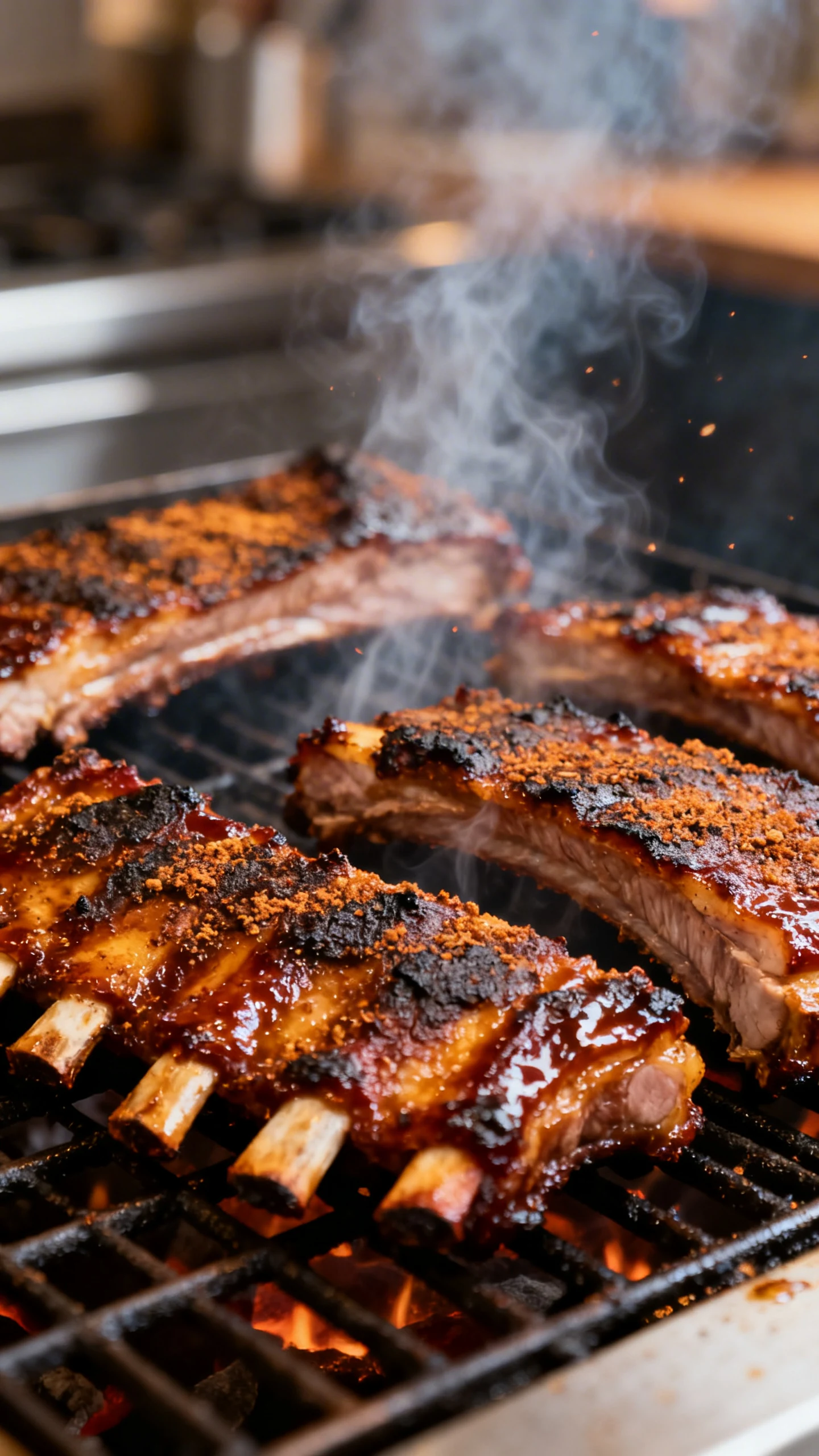
Cook low and slow. For oven ribs, heat your oven to 300°F. Wrap the racks tightly in foil, place them on a baking sheet, and bake for 2 1/2 to 3 hours, depending on thickness, until tender. For grill or smoker cooking, keep the temperature around 250°F to 275°F and cook until the ribs bend easily and the meat pulls back from the bones.
-
Finish for bark. If you baked the ribs in foil, unwrap them for the last 20 to 30 minutes and return them to the oven or grill. This helps the rub darken and the outside firm up. If you like sauce, brush on a light layer at the end so it does not bury the dry rub flavor.
-
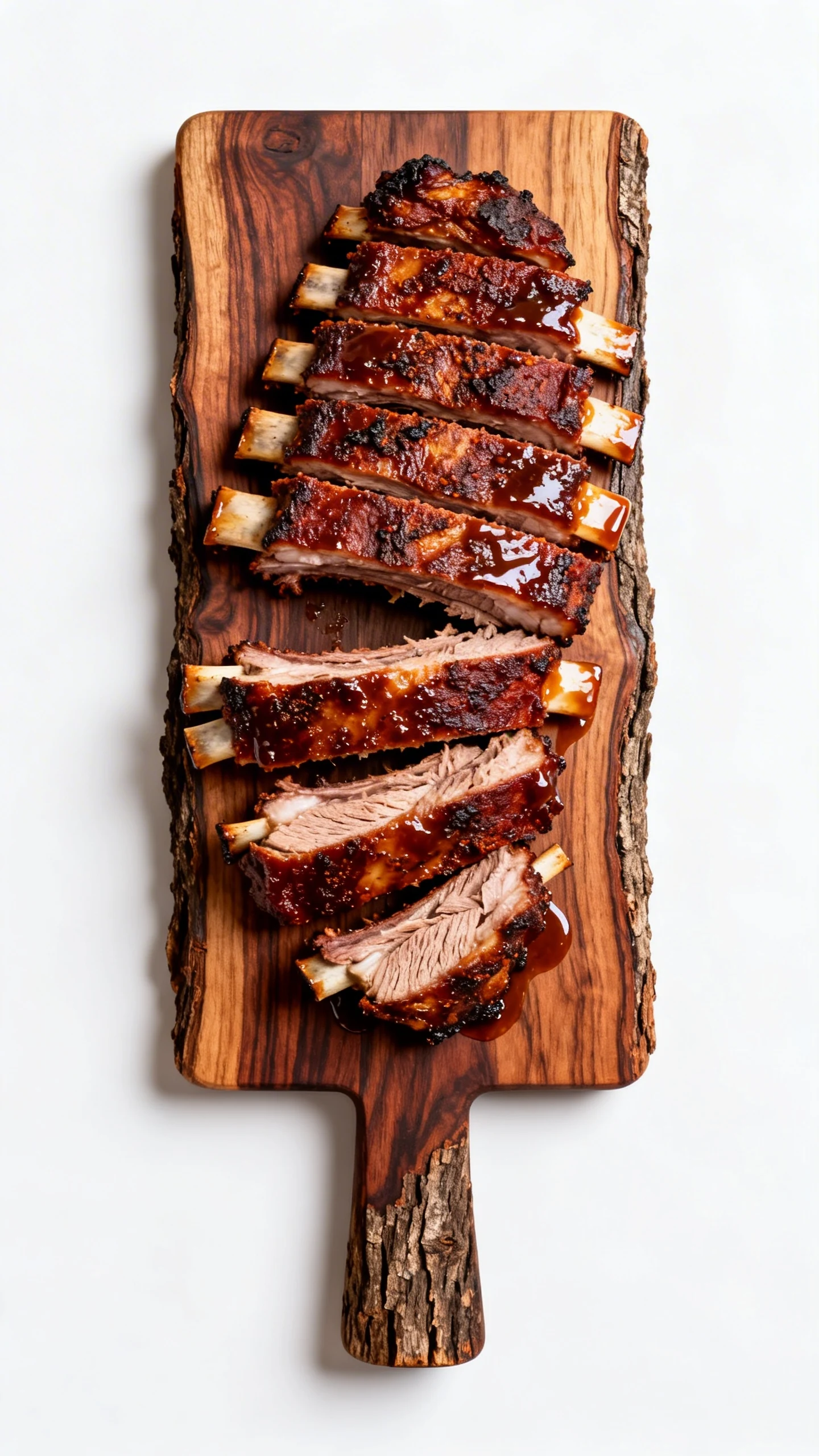
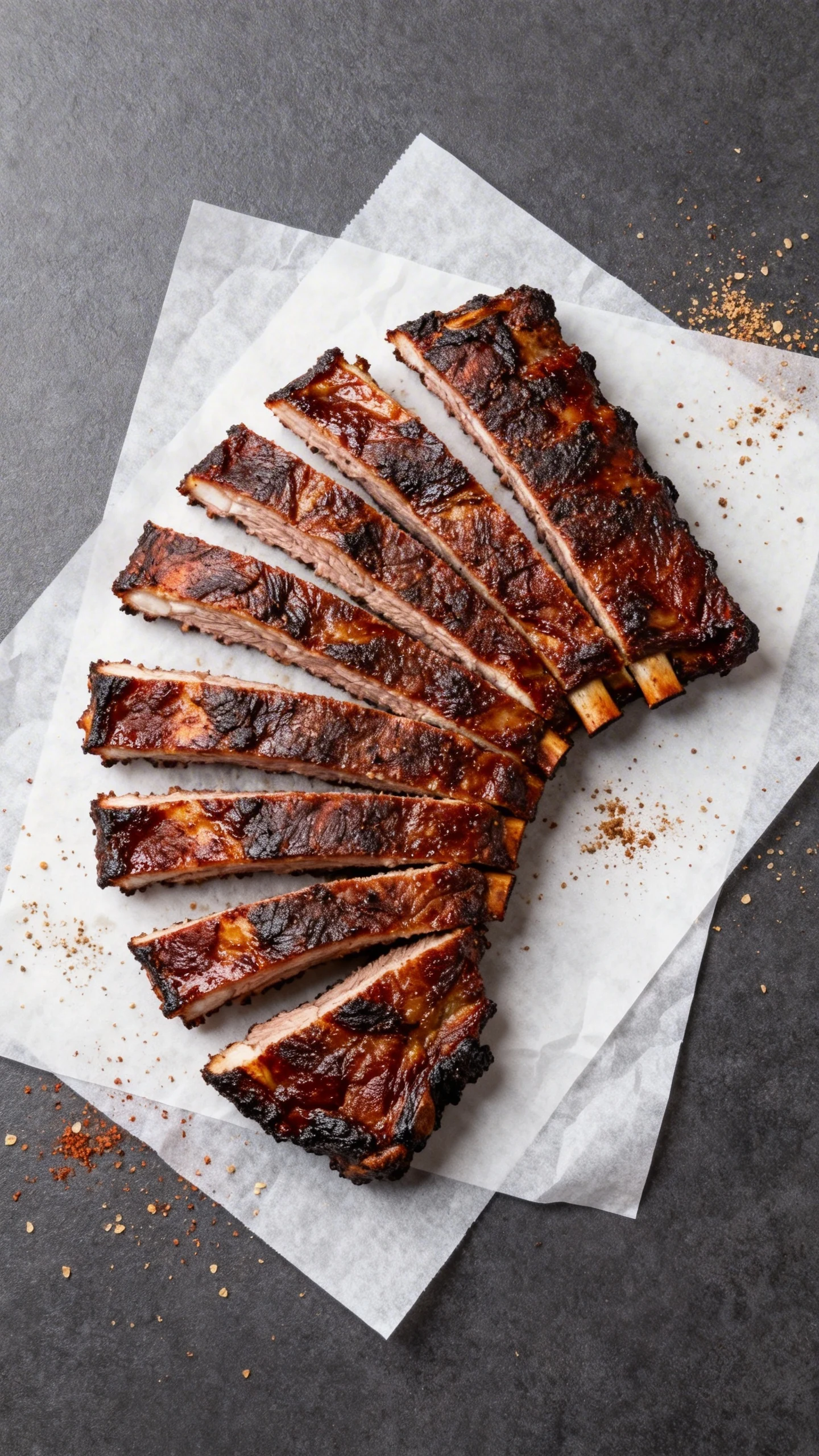
Rest and slice. Let the ribs rest for 10 minutes before slicing. This keeps the juices in the meat instead of all over your cutting board. Then cut between the bones and serve while everyone suddenly becomes your best friend.
Keeping It Fresh
The dry rub itself stores beautifully. Keep it in an airtight jar or spice container in a cool, dark place for up to 3 months. Label it, unless you enjoy playing “Is this rib rub or taco seasoning?” at dinner time.
Cooked ribs keep well in the refrigerator for up to 4 days. Wrap them tightly in foil or place them in an airtight container. When you reheat them, add a splash of apple juice or water and cover them so they stay moist.
You can also freeze cooked ribs for up to 2 months. Wrap portions tightly, then place them in a freezer bag. Thaw overnight in the refrigerator before reheating for the best texture.
What’s Great About This
It saves money. Store bought rubs add up fast, especially the “artisan” ones with labels that look like a beard oil brand. With pantry spices, you make a bigger batch for less and control every ingredient.
It works with different cooking methods. Oven, grill, smoker, even air fryer for smaller portions. The flavor profile stays strong and adaptable, so you do not need separate recipes for every setup.
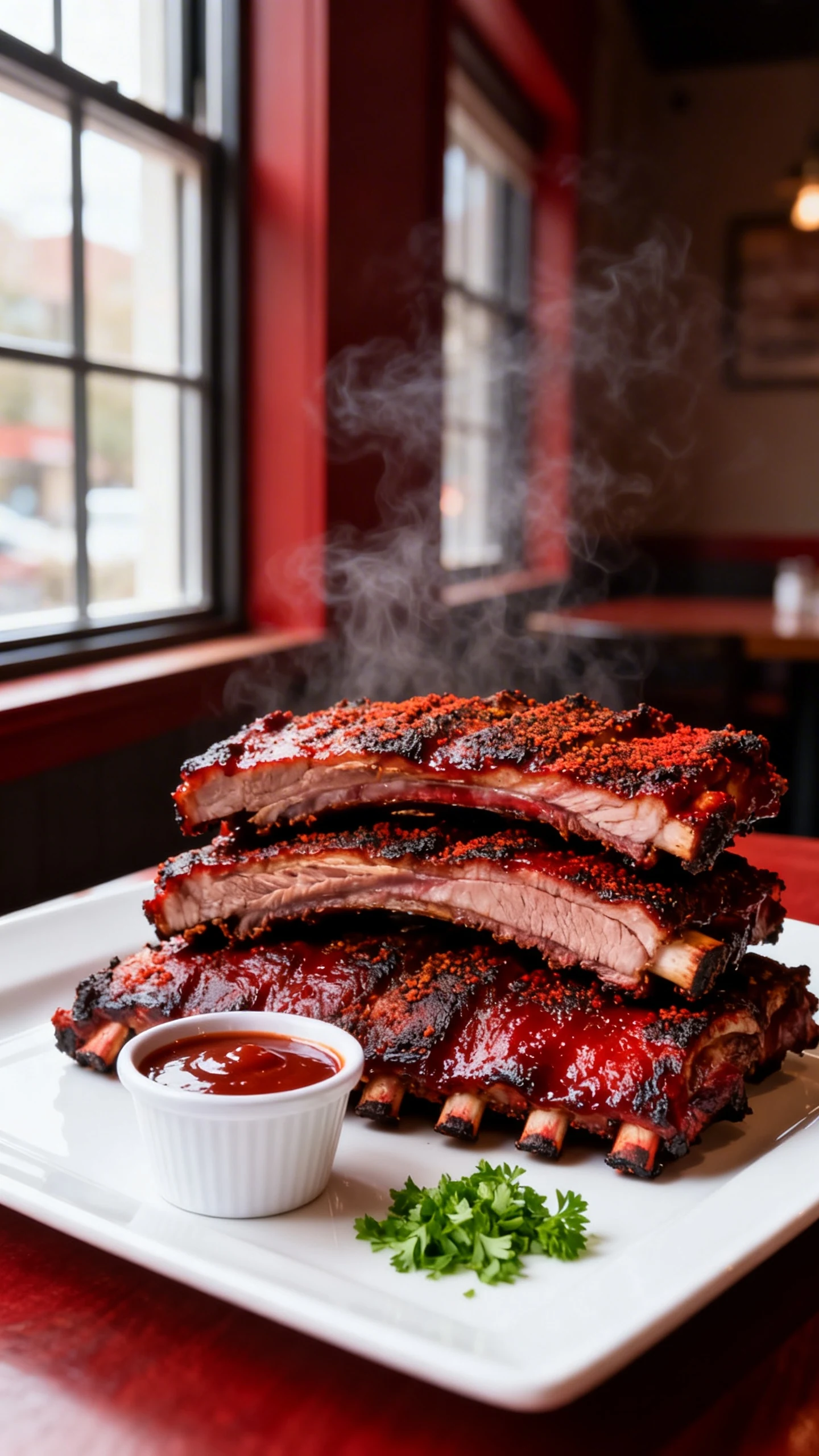
It gives you that barbecue look and taste. The paprika and brown sugar help create deep color and crust. That means your ribs come out looking rich, glossy, and seriously tempting before anyone even takes a bite.
It is easy to customize. More sweet, more heat, more smoke, less salt, no problem. You can tweak the blend without breaking the whole recipe, which makes it beginner friendly and repeatable.
Pitfalls to Watch Out For
Using too much salt. If you swap kosher salt for fine table salt in the same amount, the rub can turn overly salty fast. Measure carefully and adjust based on the type of salt you use. Tiny crystals, big attitude.
Cooking too hot. Ribs need time to become tender. High heat can burn the sugar in the rub before the meat softens, which gives you charred outside and tough inside. That is not rustic. That is disappointing.
Skipping the membrane. Leaving the membrane on the back of the ribs can create a chewy layer and block seasoning. Remove it when possible for better texture and flavor penetration.
Over saucing. A dry rub recipe should still taste like the rub. If you drown the ribs in sauce too early, the sugars can burn and the spice crust disappears. Add sauce at the end, and keep it light unless your goal is sticky chaos.
Variations You Can Try
Sweet heat version. Add an extra tablespoon of brown sugar and 1 teaspoon of cayenne. This version gives you a stronger sweet start and a warmer finish that lingers nicely.
Smokier version. Increase the smoked paprika and add 1 teaspoon chipotle powder. Great for oven baked ribs when you want that smoker vibe without actually managing fire for half a day.
Savory Texas style version. Reduce the sugar by half and increase the black pepper and garlic powder. This creates a bolder, less sweet crust that lets the pork flavor stand out more.
Herb forward version. Add 1 teaspoon dried thyme and 1 teaspoon oregano. The herbs bring freshness and complexity, especially if you plan to finish the ribs with a vinegar based sauce.
No sugar version. Skip the brown sugar and use more paprika, garlic powder, and a touch of monk fruit sweetener if desired. You will get less caramelization, but the rub still packs serious flavor.
FAQ
Can I make the dry rub ahead of time?
Yes. Mix the rub in advance and store it in an airtight container for up to 3 months. Shake the jar before using it so the spices redistribute evenly.
Do I have to use mustard as a binder?
No. Mustard helps the rub stick, but it is optional. You can use a little oil or skip the binder entirely if the ribs are slightly moist when you season them.
What type of ribs works best with this rub?
Baby back ribs, spare ribs, and St. Louis style ribs all work well. Baby backs cook a bit faster and tend to be leaner, while spare ribs and St. Louis cuts offer more richness and meat.
Can I use this rub on other meats?
Absolutely. This blend tastes great on chicken, pork chops, pork shoulder, and even grilled vegetables. It is a flexible barbecue seasoning, not a one hit wonder.
How do I know when the ribs are done?
Look for tender meat that bends easily when you lift the rack with tongs. The meat should also pull back slightly from the bones. If you want extra precision, the internal temperature usually lands around 190°F to 203°F when ribs turn tender.
Should I marinate the ribs too?
No need. The dry rub provides plenty of flavor on its own, and a wet marinade can interfere with bark formation. If you want extra moisture, use the foil wrap method during cooking instead.
Can I make these ribs spicy?
Yes. Increase the cayenne, add chipotle powder, or include a little hot smoked paprika. Start small, taste the rub, and build from there so you do not accidentally create a dare instead of dinner.
Wrapping Up
This dry rub turns ordinary ribs into cookout level bragging rights with basic pantry spices and simple technique. It gives you bold flavor, rich color, and a craveable crust without demanding a complicated process. That is the kind of recipe that earns a permanent spot in the rotation.
Whether you bake, grill, or smoke your ribs, this blend sets you up for success. Make a batch, tweak it to your taste, and keep it on hand for the next time you want barbecue that actually delivers. Because bland ribs are a waste of perfectly good pork, and frankly, we can do better.