Lock in smoky-sweet flavor with a fast grill method, a smart brine, and a glaze that clings instead of burning.
You know what ruins dinner faster than a bad haircut? Dry chicken. One minute you’re feeling like a backyard legend, the next you’re chewing on something that tastes like regret. This recipe fixes that with a simple system: season deep, cook smart, sauce late. If you can set a timer and resist the urge to “just flip it again,” you can make it outrageously juicy.
The Secret Behind This Recipe
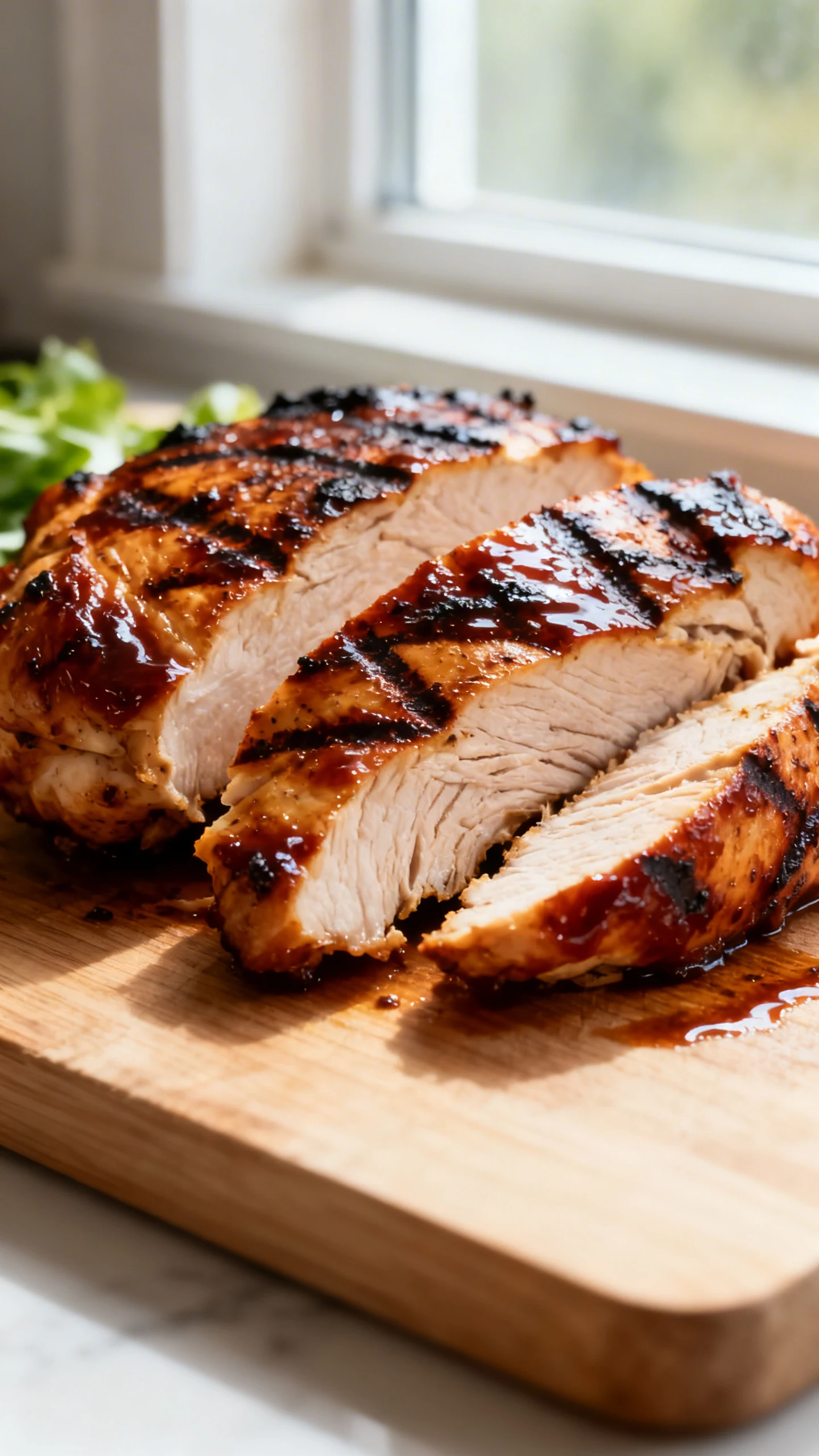
The secret is a two-part strategy: a quick brine for moisture, then a late-stage glaze for sticky flavor. Most people do the opposite: they skip brining and paint sauce on too early. That’s how you get dry meat and burnt sugar.
The quick brine uses salt (and a little sugar) to help the meat hold onto water while it cooks. It also seasons the chicken all the way through, not just on the outside like a last-minute sprinkle. Think of it as insurance you can taste.
Then we cook over two-zone heat: one side hot, one side cooler. You sear for color, then finish gently so the center reaches the right temp without turning into a protein brick. Finally, you glaze during the last few minutes so the sauce caramelizes but doesn’t scorch.
Shopping List – Ingredients
- Chicken: 4 boneless, skinless chicken breasts (6 to 8 ounces each)
- For the quick brine: 4 cups cold water
- 2 tablespoons kosher salt
- 1 tablespoon brown sugar or white sugar
- For the seasoning: 1 tablespoon smoked paprika
- 2 teaspoons garlic powder
- 1 teaspoon onion powder
- 1 teaspoon chili powder (optional, for warmth)
- 1 teaspoon black pepper
- 1 teaspoon kosher salt (skip if your rub is already salty)
- For grilling: 1 to 2 tablespoons neutral oil (avocado, canola, or grapeseed)
- For the glaze: 3/4 cup barbecue sauce (your favorite)
- 1 tablespoon apple cider vinegar
- 1 tablespoon honey or brown sugar (optional for extra shine)
- Optional finishing: 1 tablespoon butter (for richer glaze)
- Optional serving: lemon wedges, sliced scallions, or chopped parsley
Instructions
-
Brine it fast. Stir water, kosher salt, and sugar until dissolved. Add the chicken and brine for 20 to 30 minutes in the fridge. Don’t go hours here or the texture can get weird, and nobody wants “ham vibes” at the cookout.
-
Mix your rub. Combine smoked paprika, garlic powder, onion powder, chili powder (if using), black pepper, and salt. This blend brings smoke and color without needing a smoker. Convenient, right?
-
Dry the chicken like you mean it. Remove from brine and pat very dry with paper towels. Moisture on the surface creates steam, and steam is the enemy of browning. We want grill marks, not sadness.
-
Oil, then season. Lightly coat the chicken with oil, then apply the rub on all sides. The oil helps the spices stick and improves browning. Use a firm hand with seasoning, but don’t bury it.
-
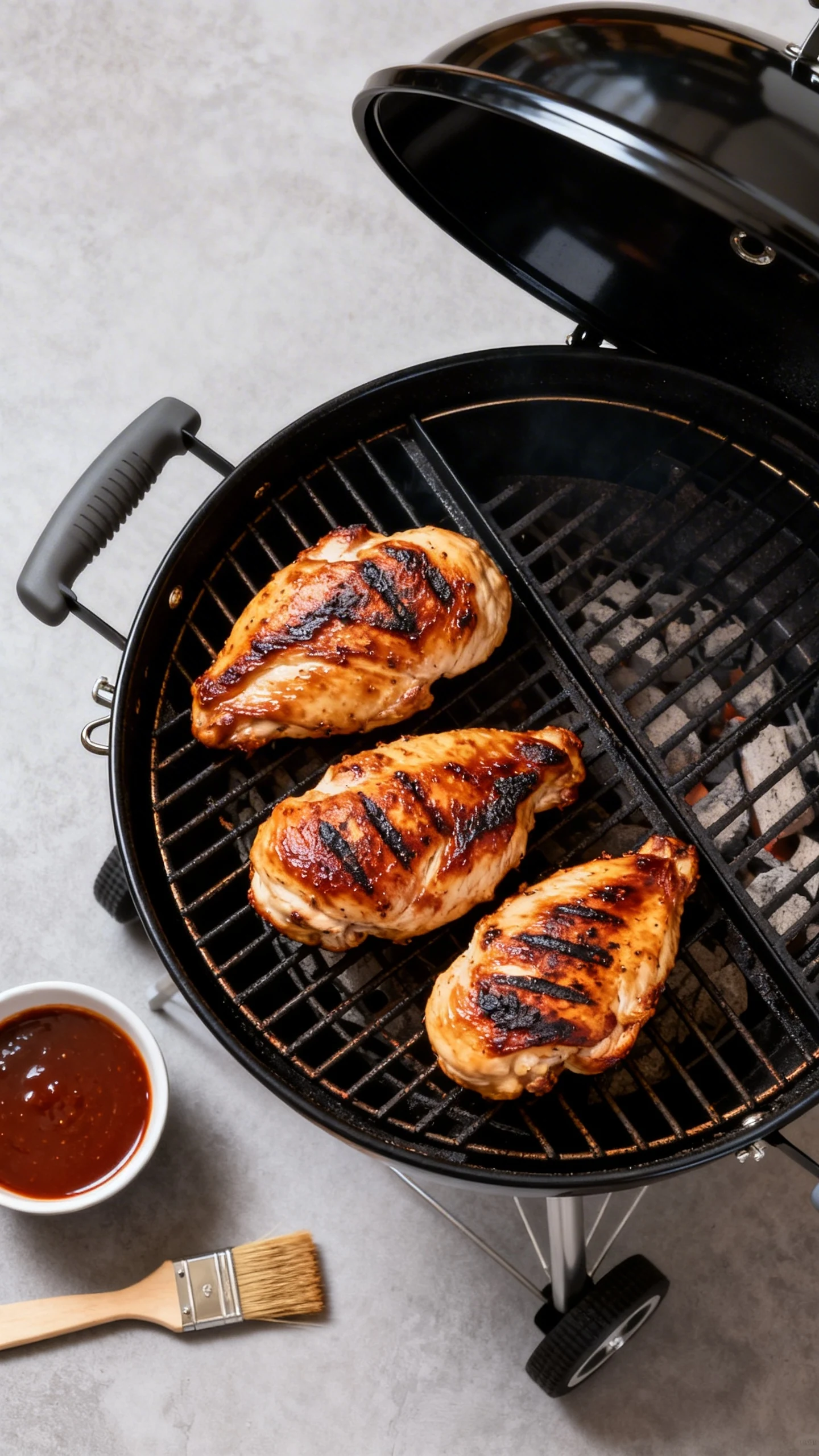
Set up two-zone heat. Heat the grill to medium-high on one side and medium-low (or off) on the other. Clean and oil the grates. This is the control panel for juicy chicken, FYI.
-
Sear first for color. Place the chicken on the hot side and cook 2 to 3 minutes with the lid closed. Flip and cook another 2 minutes. You’re not trying to finish it here, just building a golden crust.
-
Move to the cooler side to finish. Slide the chicken to indirect heat, close the lid, and cook until it reaches 160°F in the thickest part, about 6 to 10 minutes depending on thickness. Use a thermometer and save yourself the guesswork Olympics.
-
Make the glaze. Stir barbecue sauce with apple cider vinegar and honey (optional). Warm it briefly on the grill in a small heat-safe pan, or just mix in a bowl. The vinegar brightens everything so it doesn’t taste flat and overly sweet.
-
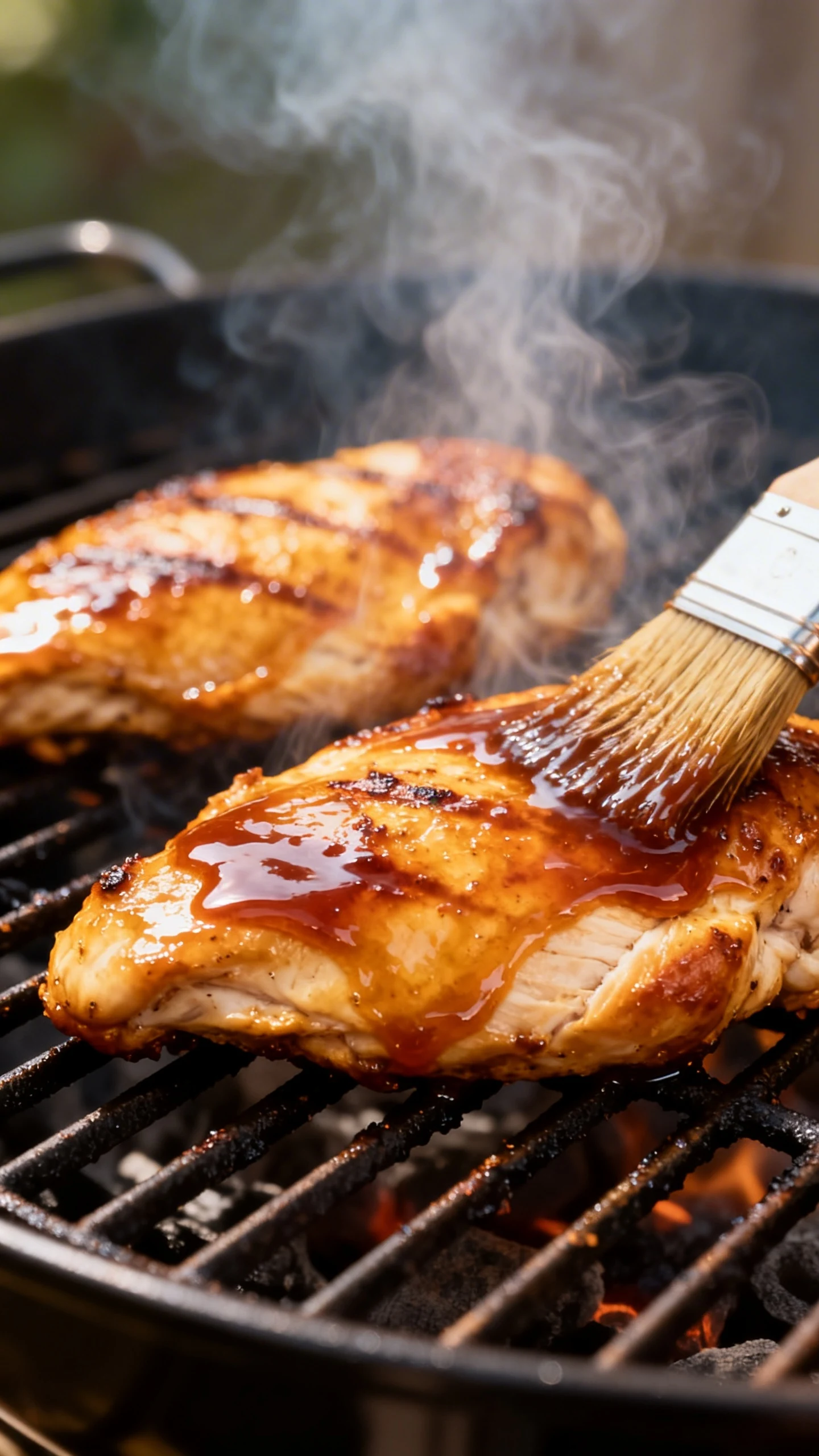
Glaze late. Brush sauce on both sides during the final 2 to 4 minutes of cooking. Flip once or twice to set it. Sugar burns fast, so keep the chicken on the cooler side while glazing.
-
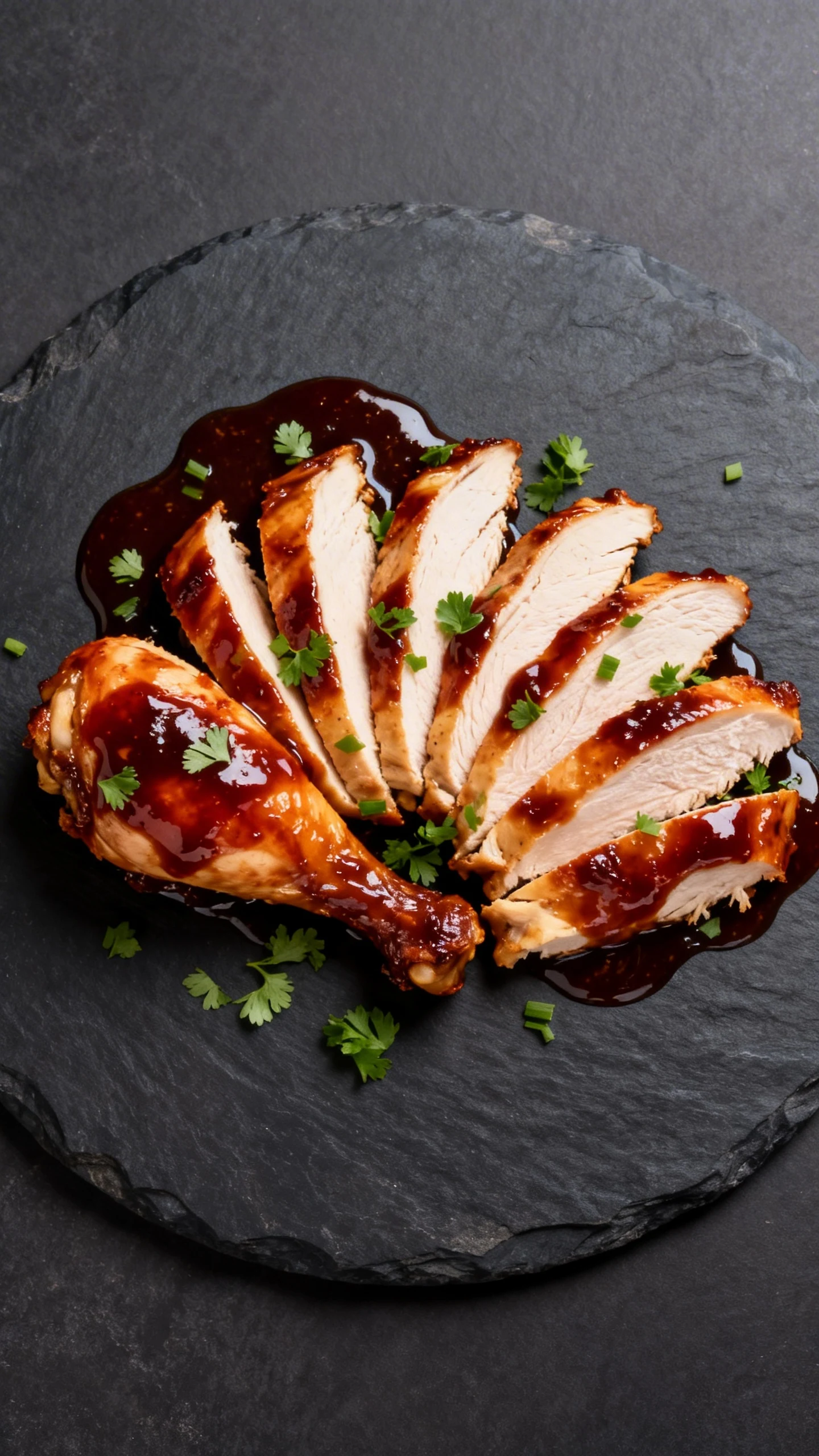
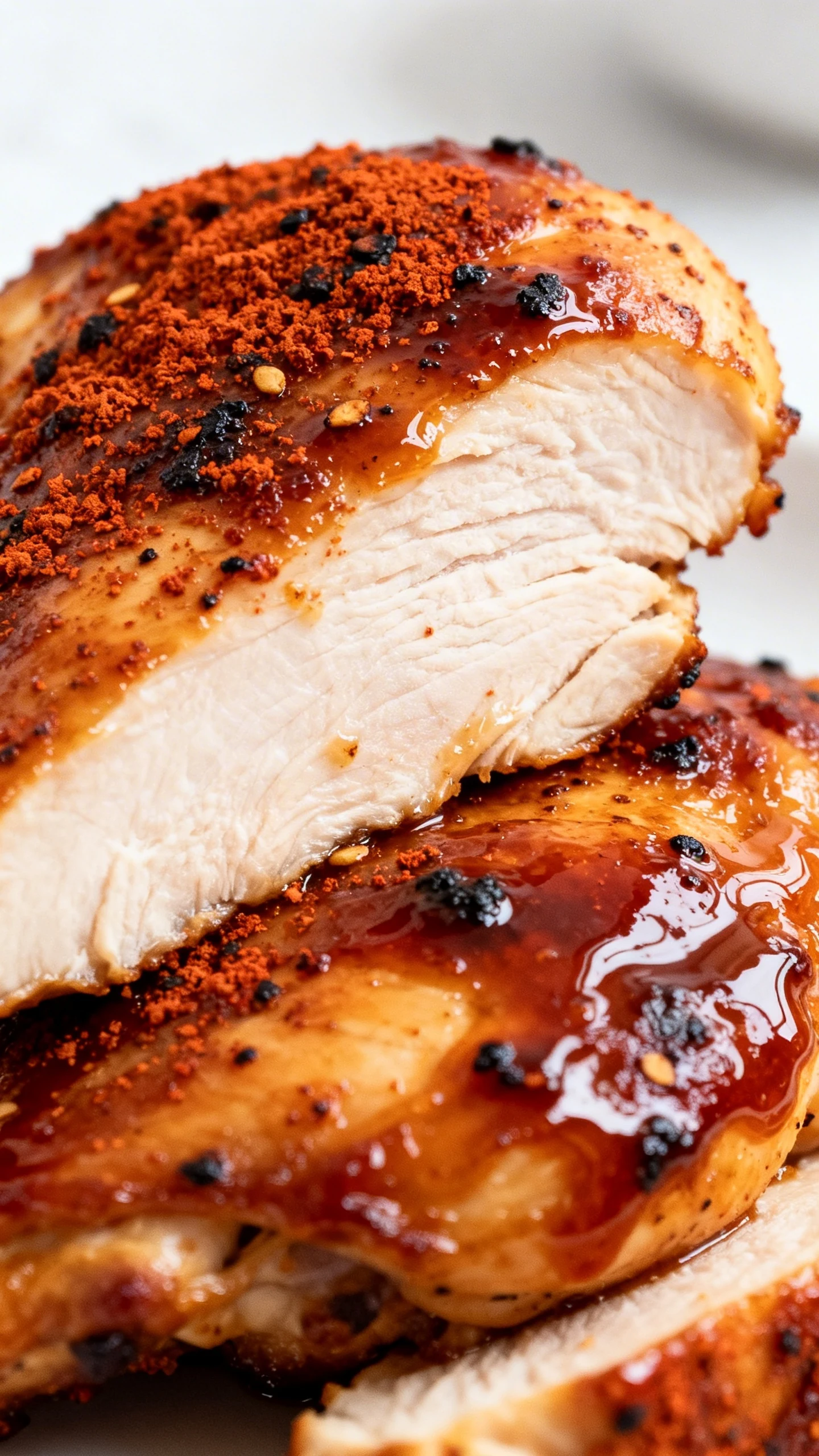
Rest, then slice. Pull the chicken at 165°F (it may climb a couple degrees while resting). Rest 5 to 8 minutes, then slice against the grain. If you cut instantly, the juices will sprint out like they’re late for work.
-
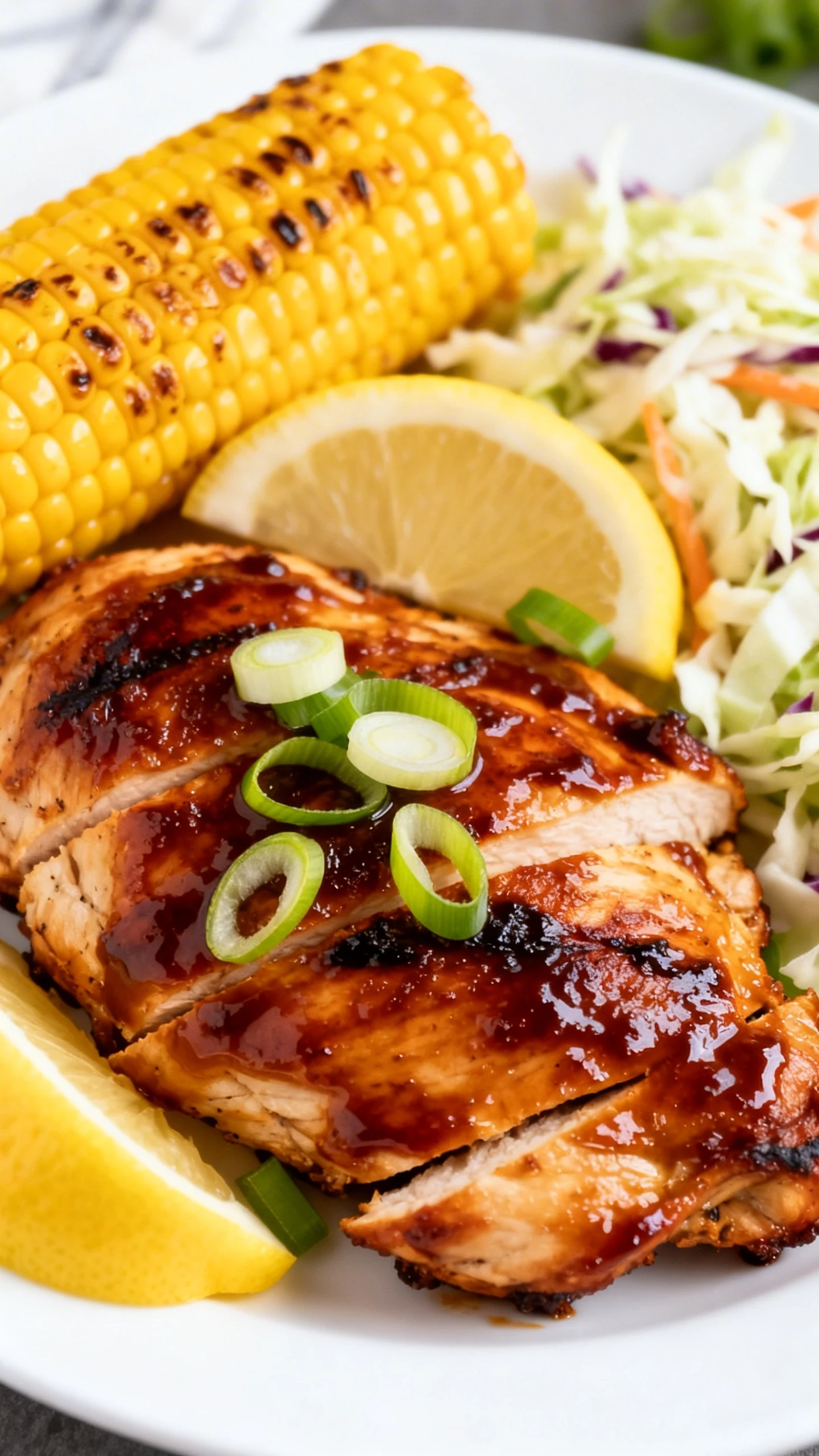
Finish and serve. Add a final brush of warm sauce, a squeeze of lemon, or a tiny pat of butter melted into the glaze for extra shine. Serve with grilled corn, slaw, or whatever makes you feel like summer has a theme song.
Preservation Guide
Store leftovers in an airtight container in the fridge for up to 4 days. Keep extra sauce separate if possible, because it helps the chicken reheat without drying out. If you already sauced everything, it’s still fine, just reheat gently.
For the freezer, wrap portions tightly and freeze for up to 2 months. Add a spoonful of sauce before sealing to protect the meat from freezer dryness. Label it, unless you enjoy mystery food roulette.
To reheat, use low heat: microwave at 50 to 70% power in short bursts, or warm in a covered skillet with a splash of water or sauce. Avoid blasting it until it squeaks. IMO, slicing before reheating also helps it warm evenly.
Nutritional Perks
This meal delivers a big dose of lean protein, which supports muscle repair and keeps you full longer. Chicken breast also brings B vitamins like niacin and B6, which help your body turn food into energy. Translation: it’s not just tasty, it actually does something.
If you keep the sauce portion reasonable, the overall macro profile stays solid. You can also choose a lower-sugar barbecue sauce or make your own to control sweetness. Pair it with fiber-rich sides like beans, slaw, or grilled veggies and you’ve got a balanced plate.
One more underrated perk: this recipe scales easily. Meal prep it, slice it, and use it in wraps, salads, rice bowls, or sandwiches without feeling like you’re eating the same thing on repeat. Different formats, same win.
Don’t Make These Errors
-
Skipping the thermometer. Overcooking by even a few degrees dries it out fast. Aim for 160°F, then rest to 165°F.
-
Using one heat zone. Direct high heat the whole time turns the outside dark before the inside cooks. Two-zone heat gives you control.
-
Saucing too early. Most barbecue sauces contain sugar, and sugar burns. Glaze at the end for sticky, glossy perfection.
-
Not drying after brining. Wet chicken steams and won’t brown well. Pat it dry until the surface feels tacky, not slick.
-
Constant flipping and poking. Let it cook. Your grill is not a fidget toy.
-
Serving immediately. Resting isn’t optional if you want juicy slices. Give it 5 to 8 minutes.
Recipe Variations
Want to switch the vibe without changing the method? Easy. Keep the brine and two-zone grilling, then swap rubs and sauces like you’re building a flavor playlist.
-
Spicy honey. Add hot sauce or cayenne to the glaze and use honey for sweet heat.
-
Carolina tang. Use a vinegar-forward sauce and add extra cider vinegar and black pepper.
-
Chipotle-lime. Add chipotle powder to the rub and finish with lime juice and cilantro.
-
Garlic-herb. Skip barbecue sauce, brush with melted butter, garlic, and herbs at the end for a lighter profile.
-
Sweet and smoky. Add a pinch of ground cumin and extra smoked paprika, then use a molasses-style sauce.
-
Oven option. Sear in a hot skillet, then bake at 425°F until 160°F, glaze, and broil briefly to set.
FAQ
How long should I grill chicken breast?
Most average-sized breasts take about 12 to 18 minutes total using two-zone heat. Time varies by thickness and grill temperature, so cook to temperature instead: pull at 160°F, rest to 165°F.
How do I keep it from drying out?
Use a quick brine, avoid overcooking, and let it rest before slicing. Two-zone grilling matters because it prevents the outside from overcooking while the center catches up.
Should I pound the chicken to an even thickness?
Yes, if your pieces look like they came from different species. Pounding to an even thickness helps everything cook at the same speed, which makes juiciness way easier to control.
What’s the best internal temperature to aim for?
Aim for 160°F in the thickest part, then rest so it reaches 165°F safely. If you cook to 170°F on the grill, it will likely overshoot and dry out.
Can I marinate instead of brine?
You can, but many marinades don’t penetrate deeply and can burn because of sugar. The brine handles moisture and seasoning reliably, and you still get big flavor from the rub and late glaze.
What barbecue sauce works best?
Use a sauce you already like, then balance it with a splash of apple cider vinegar to brighten it. If your sauce is very sweet, skip extra honey so it doesn’t turn into candy.
Can I make it ahead for a party?
Yes. Grill until 160°F, cool, and refrigerate. Reheat gently with a little sauce, then add a fresh glaze right before serving for that just-grilled shine.
Wrapping Up
This recipe gives you a repeatable win: juicy meat, bold smoky seasoning, and a sticky glaze that actually stays on the chicken. The quick brine handles the moisture problem, and the two-zone grill setup handles the control problem. Everything else is just flavor and confidence.
Once you nail this, you can remix it endlessly with different sauces and rubs. Keep the method, change the personality. And next time someone says chicken breast is “boring,” you can politely disagree while they ask for seconds.