Get tender slices, a glossy sweet savory marinade, and a quick cooking method that turns dinner into a repeat request.
You know that meal people “accidentally” hover around in the kitchen for? This is that meal. It hits sweet, salty, smoky, garlicky, and just enough heat to make plain dinners feel like a scam. The best part: you do not need a tabletop grill, a restaurant budget, or a three hour monologue from a marinade expert. You need a hot pan, a smart sauce, and a little confidence.
This recipe wins because it gives you maximum flavor for very reasonable effort. Thin beef cooks fast, the marinade does the heavy lifting, and the leftovers somehow taste even better. IMO, that is the kind of efficiency we should all respect. If dinner can taste this good in under an hour, why would we choose boring?
What Makes This Recipe So Good
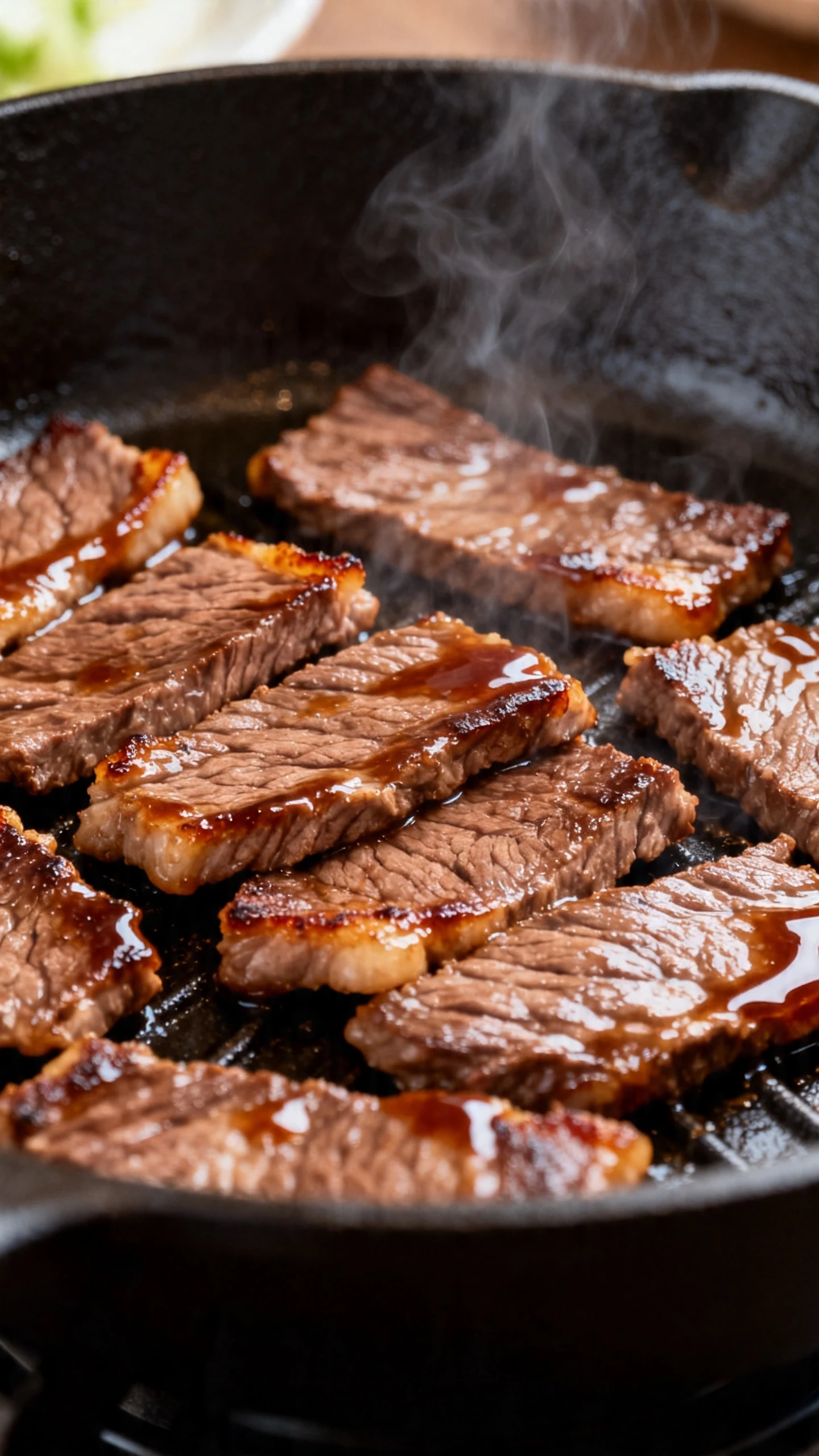
The magic starts with the balance. You get savory depth from soy sauce, sweetness from brown sugar or pear, freshness from garlic and ginger, and rich nuttiness from sesame oil. When that mixture hits hot beef, it caramelizes at the edges and creates the glossy finish everyone wants.
Texture matters too. Thinly sliced beef absorbs marinade quickly and cooks in minutes, which means you get juicy pieces instead of dry, chewy disappointment. Nobody wants jaw exercise at dinner. Slice it right, cook it hot, and the result feels far fancier than the actual work involved.
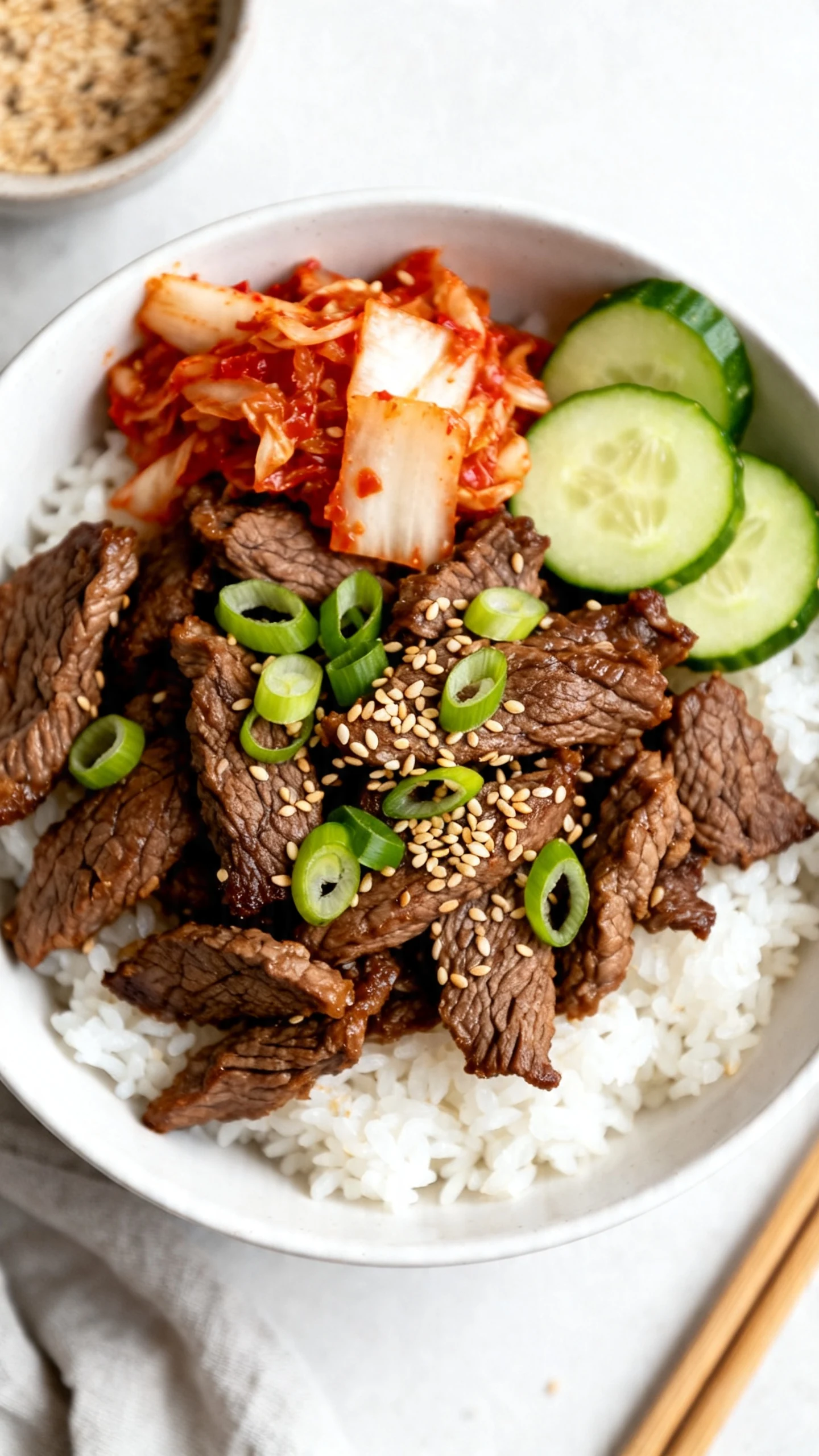
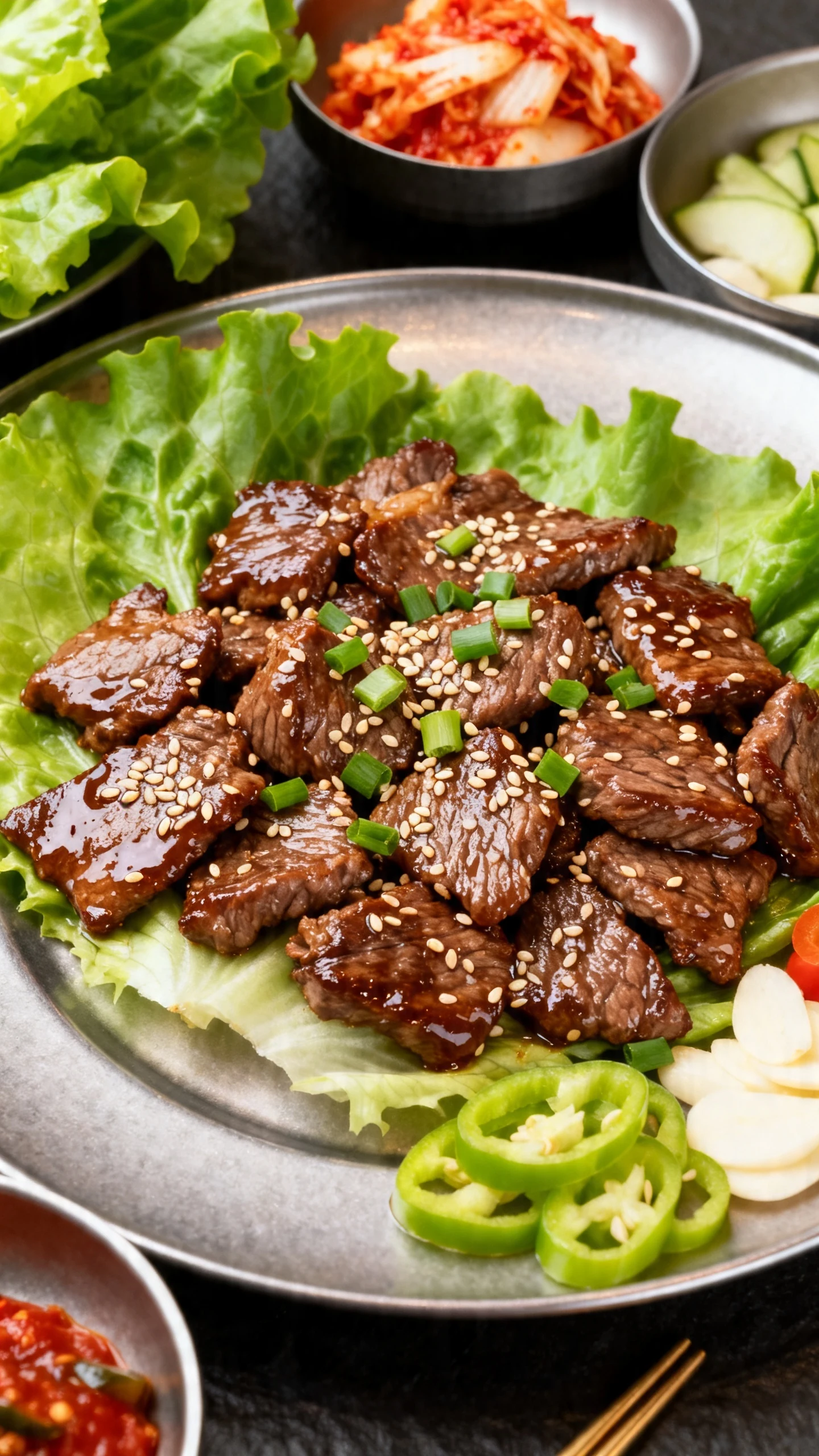
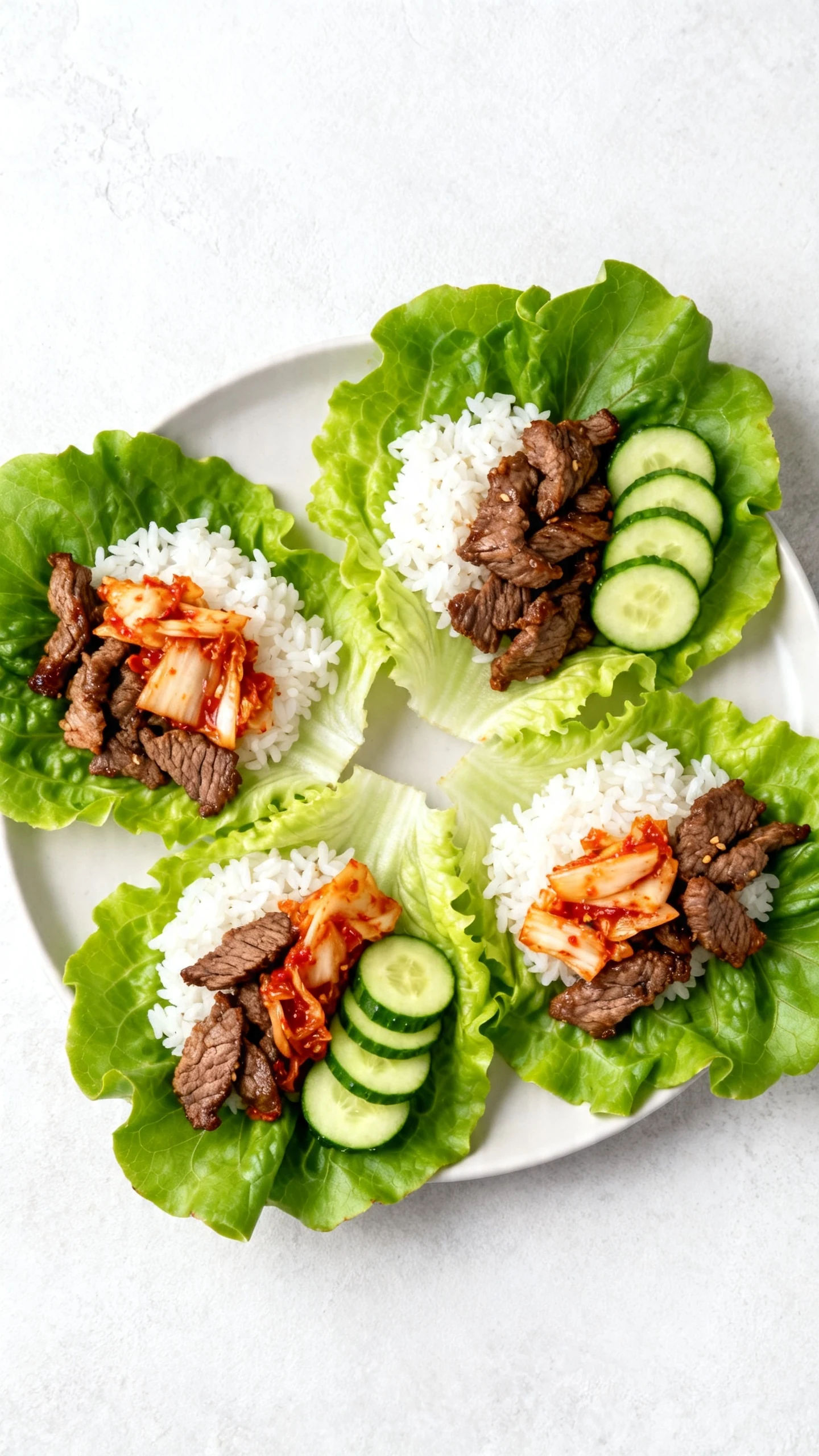
This dish also plays well with almost anything. Serve it over rice, tuck it into lettuce wraps, pile it into bowls with pickled vegetables, or add it to noodles. It can be casual enough for Tuesday and impressive enough for guests who suddenly “were in the neighborhood.”
Another reason it works: it is flexible. You can adjust sweetness, heat, salt, and garnish without ruining the recipe. Love spice? Add more gochujang or red pepper flakes. Want extra tenderness? Use grated Asian pear or kiwi in the marinade. The formula stays solid even when you personalize it.
What You’ll Need (Ingredients)
Choose a tender, well marbled cut if possible. Ribeye, sirloin, strip steak, or shaved beef all work well. If you can slice the meat very thin, you are already halfway to success.
- 1 1/2 pounds beef, thinly sliced against the grain
- 1/3 cup soy sauce
- 2 tablespoons brown sugar or honey
- 1 tablespoon gochujang for mild heat and depth
- 2 tablespoons sesame oil
- 4 cloves garlic, minced
- 1 tablespoon fresh ginger, grated
- 1/2 small onion, grated or very finely minced
- 1/2 Asian pear, grated, or 1 small kiwi if needed
- 1 tablespoon rice vinegar
- 1 tablespoon mirin or a little extra sugar plus water
- 1/2 teaspoon black pepper
- 2 green onions, sliced
- 1 teaspoon toasted sesame seeds
- Neutral oil for cooking, if using a skillet
For serving, these extras make the meal feel complete and highly photogenic, FYI.
- Steamed white rice or short grain rice
- Lettuce leaves for wraps
- Kimchi
- Sliced cucumbers or quick pickled vegetables
- Extra green onions and sesame seeds
- Red pepper flakes for more heat
Instructions
-
Slice the beef thin. If the beef feels too soft to cut neatly, freeze it for 20 to 30 minutes first. That small trick makes thin slicing much easier and saves you from hacking at it like you are in a cooking competition.
-
Make the marinade. In a bowl, mix soy sauce, brown sugar, gochujang, sesame oil, garlic, ginger, onion, pear, rice vinegar, mirin, and black pepper. Stir until the sugar dissolves and the sauce smells so good that you briefly consider drinking it. Do not do that.
-
Marinate the beef. Add the sliced beef and toss until every piece gets coated. Cover and refrigerate for at least 30 minutes. If you have time, marinate for 2 to 4 hours for deeper flavor, but do not leave it overnight if you used kiwi because it can soften the meat too much.
-
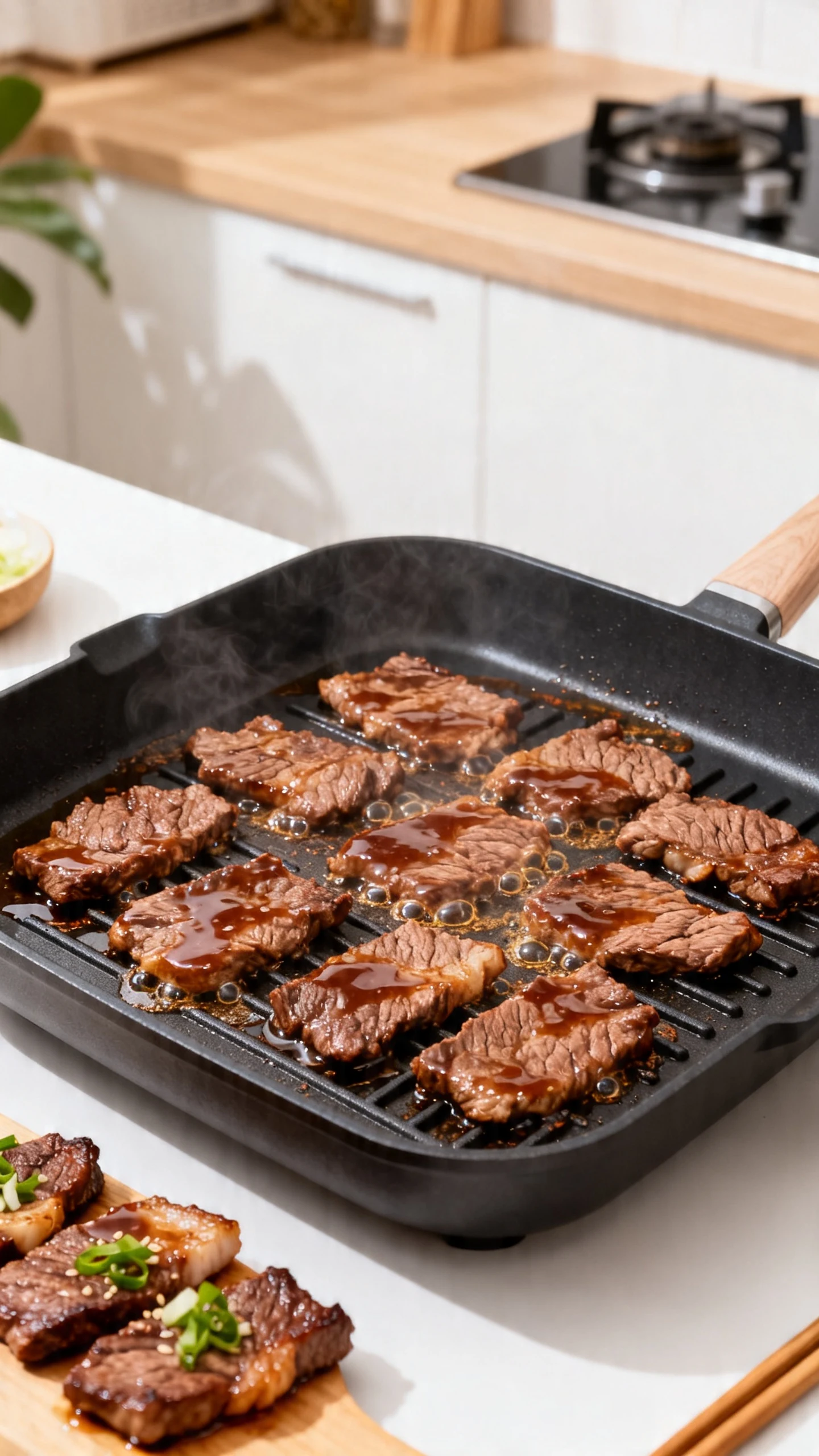
Preheat your cooking surface. Use a grill, grill pan, cast iron skillet, or heavy stainless steel pan. Get it very hot before the beef goes in. Heat creates caramelization, and caramelization creates happiness.
-
Cook in batches. Add a small amount of oil if needed, then spread the beef in a single layer. Cook for 1 to 2 minutes per side, depending on thickness. Do not crowd the pan or the meat will steam, and steamed marinated beef is not exactly the flex you want.
-
Reduce any extra marinade only if boiled separately. If you want a little sauce for serving, pour unused marinade into a small saucepan and boil it for several minutes until safe and slightly thickened. Never spoon raw marinade straight onto cooked meat. Delicious is great, food poisoning is not.
-
Finish with garnishes. Transfer the cooked beef to a platter and top with green onions and sesame seeds. The garnish adds crunch, freshness, and that restaurant style look that makes people think you did a lot more than you actually did.
-
Serve immediately. Pair it with rice, lettuce wraps, kimchi, cucumbers, or all of the above. If the table gets quiet for a minute, that is the highest possible compliment.
How to Store
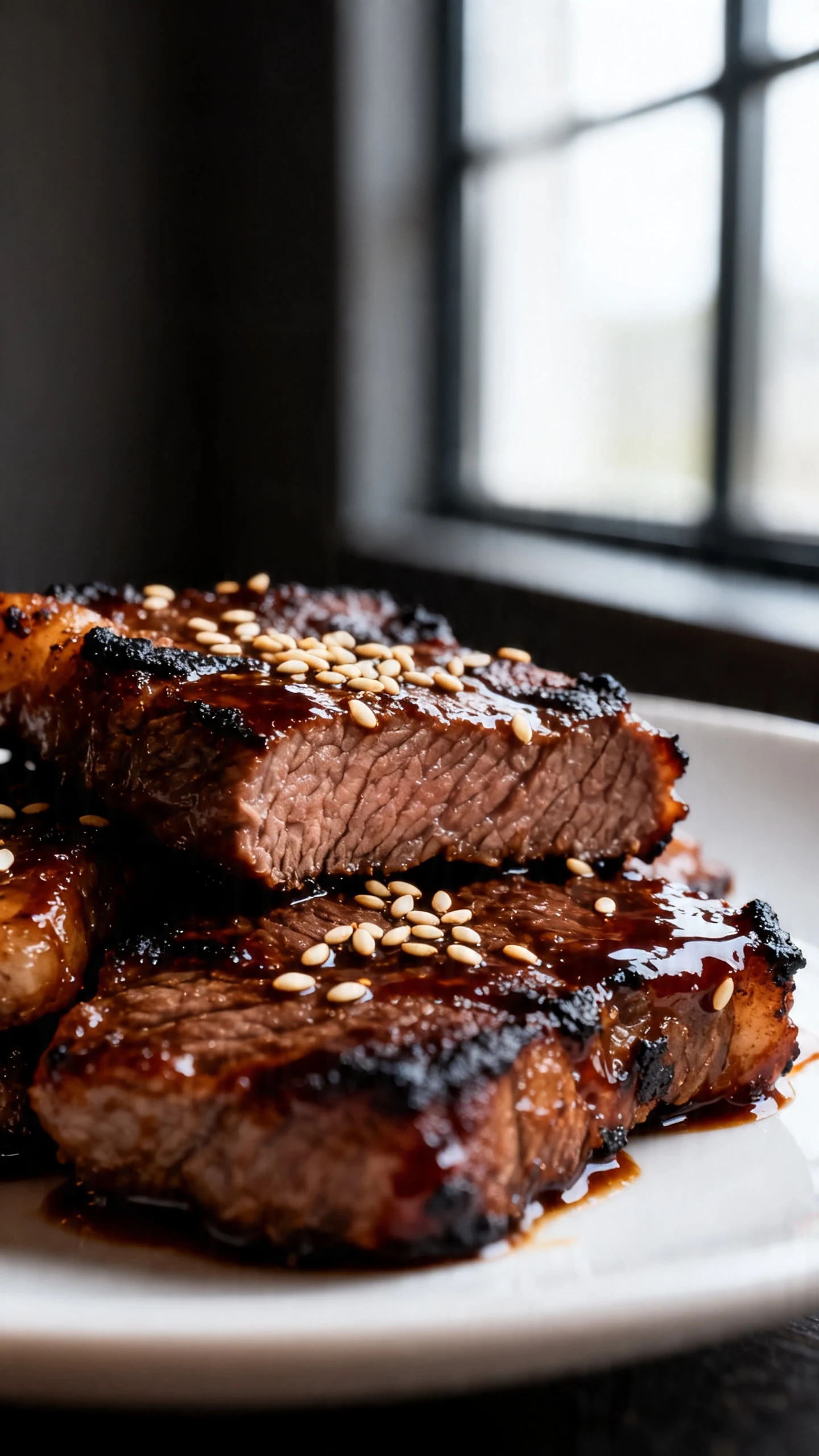
Let the cooked beef cool slightly, then place it in an airtight container. Store it in the refrigerator for up to 4 days. Keep rice and vegetables separate if you want the best texture when reheating.
For reheating, use a skillet over medium heat for a few minutes or microwave in short bursts. Add a tiny splash of water if the meat looks dry. Do not overcook it on the second round, unless your goal is beef jerky with emotional damage.
You can also freeze cooked portions for up to 2 months. Wrap them tightly or use freezer safe containers. Thaw overnight in the refrigerator before reheating for the best texture.
If you want to prep ahead, freeze the raw beef directly in the marinade. Thaw it in the refrigerator, then cook as usual. That move turns future you into a very smart person.
Benefits of This Recipe
It is fast. Thin beef cooks in minutes, so this recipe fits busy weeknights without tasting rushed. You get bold flavor without babysitting a pot for hours.
It feels special. The sweet savory glaze, sesame aroma, and charred edges create that restaurant style payoff at home. This is the kind of meal that makes plain chicken look a little nervous.
It is customizable. You control the heat level, sweetness, and serving style. Bowl, wrap, plate, noodle topping, meal prep container, midnight snack fork raid, all valid.
It works for groups. You can scale it up easily and cook it in batches. Put out rice, lettuce, kimchi, sauces, and vegetables, and suddenly dinner feels interactive in a fun way instead of a chaotic way.
It pairs with balanced sides. Add rice, leafy greens, crunchy vegetables, and fermented sides for a meal with protein, texture, and contrast. Big flavor does not have to mean heavy or complicated.
Don’t Make These Errors
Slicing the beef too thick. Thick slices take longer to cook and do not absorb the marinade as well. Thin slices give you tenderness and those signature caramelized edges.
Skipping the hot pan. If the pan is lukewarm, the meat releases liquid and steams. You want sizzle on contact. That sound means flavor is happening.
Crowding the pan. This one ruins texture fast. Cook in batches so the beef sears instead of simmering in its own juices.
Marinating too long with tenderizing fruit. Pear is forgiving, but kiwi works faster and can turn the texture mushy if you leave it too long. Soft is good. Mysterious paste is not.
Using too much sesame oil. Sesame oil adds amazing flavor, but it is strong. Treat it like a finishing note, not the entire orchestra.
Forgetting balance. Taste your marinade before adding the meat. If it tastes too salty, add a little sweetness. If it tastes flat, add acid or heat. Good cooking is often just tiny adjustments with great timing.
Alternatives
If you cannot find the ideal beef cut, use shaved steak, flank steak, or even ground beef in a pinch. Ground beef will not mimic the exact texture, but it still tastes great with the same flavor profile. Purists may sigh dramatically, but dinner will still disappear.
Want a lighter option? Try thin sliced chicken thighs or boneless pork shoulder. Both handle the marinade well and stay juicy with fast cooking.
For a lower sugar version, reduce the brown sugar and rely more on grated pear for natural sweetness. You can also use coconut aminos instead of some of the soy sauce if you want a slightly different balance.
If you do not have gochujang, substitute a little sriracha plus a pinch of miso or extra soy sauce. It will not taste identical, but it will still bring heat and depth. Close enough for a Tuesday.
Need a vegetarian version? Use king oyster mushrooms, portobello slices, tofu, or tempeh. Mushrooms especially soak up the marinade beautifully and develop rich edges when cooked hard and fast.
FAQ
What cut of beef is best for this recipe?
Ribeye gives the richest flavor and tenderness because of its marbling. Sirloin is a great budget friendly option, and shaved beef works perfectly when you want speed and convenience. The key matters more than the exact cut: slice it thin and against the grain.
How long should I marinate the beef?
Thirty minutes gives you good flavor, while 2 to 4 hours gives you great flavor. If your marinade includes kiwi, stay on the shorter side because it tenderizes aggressively. You want tender meat, not a science experiment.
Can I make this without a grill?
Yes, absolutely. A cast iron skillet, grill pan, or heavy stainless pan works very well. High heat matters more than grill marks, even if grill marks do make people weirdly emotional.
Is this recipe very spicy?
No, not by default. The gochujang adds warmth and depth more than intense heat when used in a moderate amount. If you want it spicier, add more gochujang or sprinkle on red pepper flakes.
Can I prep this ahead for meal planning?
Yes. You can marinate the beef in advance, refrigerate it for several hours, or freeze it in the marinade for later. Cooked portions also reheat well, which makes this a strong meal prep choice.
What should I serve with it?
Steamed rice, lettuce leaves, kimchi, cucumber salad, and quick pickled vegetables all pair beautifully. If you want a bigger spread, add noodles, a fried egg, or simple sautéed greens. The beef brings enough flavor to carry very basic sides.
Can I use store bought marinade?
Yes, but homemade usually tastes fresher and lets you control the sweetness and salt. If you use store bought, add fresh garlic, ginger, and green onion to wake it up. A small upgrade goes a long way.
The Bottom Line
This recipe works because it gives you huge flavor with simple technique and flexible ingredients. The marinade creates sweet savory depth, the thin beef cooks fast, and the finished dish fits everything from meal prep bowls to dinner party platters. It looks impressive, tastes even better, and does not ask for much in return.
If you want a dinner that earns repeat requests, this is it. Cook it hot, slice it thin, and do not skip the garnishes. Once you make it right, you will understand why people keep coming back for another bite and then “just one more” after that.