Build a fast, crowd pleasing grill night with bold marinades, easy sides, and simple tricks that keep cleanup sane.
You do not need a packed restaurant, a smoky dining room, or a $300 tabletop grill to pull this off. You need good meat, a bold marinade, hot heat, and the confidence to cook in rounds like you actually planned it that way. The magic of this meal is simple: people cook, snack, laugh, and somehow think you worked way harder than you did. That is the kind of dinner flex we respect.
Korean barbecue feels expensive because restaurants sell the experience, not just the food. But once you understand the formula, you can make the same big flavors with supermarket ingredients and a pan, grill, or broiler. Sweet, savory, garlicky, a little spicy, slightly smoky, absurdly snackable. One bite in a lettuce wrap and suddenly everyone gets very quiet, which is how you know dinner won.
This setup also works for real life. Weeknight? Keep it simple with one protein and rice. Hosting friends? Add banchan, sauces, and two marinades, then let everyone build their own perfect bite. Either way, you get maximum flavor and surprisingly minimal drama.
What Makes This Recipe Awesome
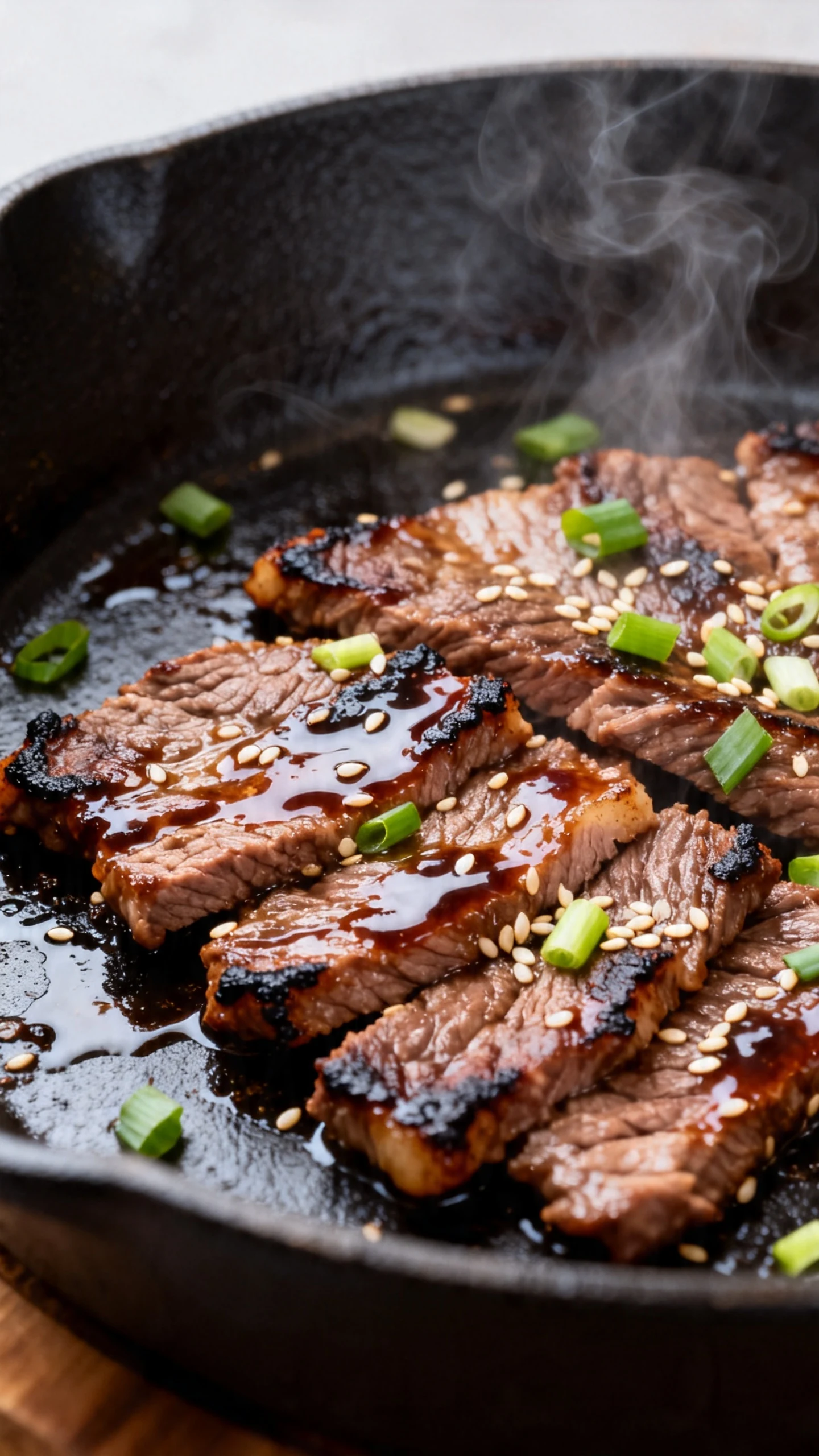
This meal wins because it turns dinner into an event without turning your kitchen into a disaster movie. Everyone gathers around, cooks a few pieces at a time, and customizes each bite with rice, lettuce, kimchi, and sauces. It feels interactive, generous, and just chaotic enough to be fun.
The flavors hit every major craving at once. You get sweet from pear or brown sugar, salty depth from soy sauce, punch from garlic, richness from sesame oil, and heat from gochujang if you want it. That balance makes even basic cuts of meat taste like they have a better publicist.
It is also flexible. Use beef bulgogi, spicy pork, chicken thighs, shrimp, mushrooms, tofu, or all of the above. If your budget says choose one protein and load up on vegetables, that still works beautifully.
Best of all, you can scale it. Make a cozy dinner for two or build a full spread for a crowd. The method stays the same, and the payoff stays huge.
Ingredients
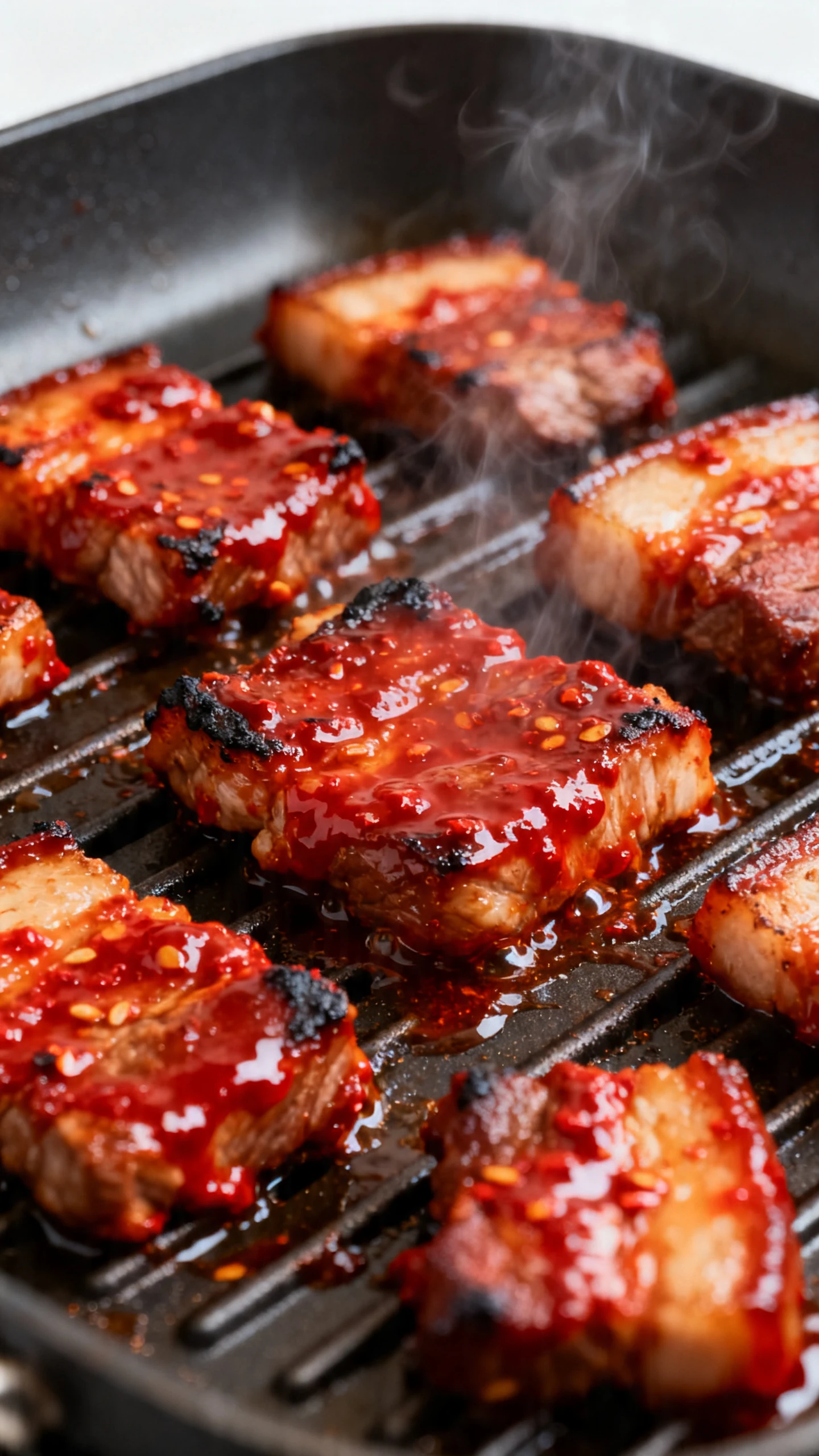
Below is a practical, crowd friendly setup for about four to six people. You can mix and match based on what you love and what your grocery store actually has in stock, which is often a humbling experience.
- For the beef bulgogi: 1 1/2 pounds thinly sliced ribeye, sirloin, or shaved beef
- For the spicy pork: 1 1/2 pounds thinly sliced pork shoulder or pork belly
- Soy sauce: 1/2 cup
- Brown sugar or honey: 3 to 4 tablespoons
- Asian pear or apple, grated: 1/2 cup
- Garlic: 8 cloves, minced
- Fresh ginger: 1 tablespoon, grated
- Sesame oil: 3 tablespoons
- Gochujang: 2 to 3 tablespoons
- Gochugaru: 1 tablespoon, optional
- Rice vinegar: 1 tablespoon
- Mirin or rice syrup: 1 tablespoon, optional
- Black pepper: 1 teaspoon
- Green onions: 4, sliced
- White onion: 1/2, thinly sliced
- Sesame seeds: 2 tablespoons
- Short grain rice: 2 cups uncooked
- Red leaf lettuce or butter lettuce: 2 heads
- Perilla leaves: 1 bunch, optional
- Kimchi: 2 cups
- Cucumber: 1 large, sliced
- Carrots: 2, julienned
- Mushrooms: 12 ounces, sliced
- Zucchini: 2, sliced
- Onions: 1 extra, sliced into wedges
- Firm tofu: 14 ounces, optional
- Salt: to taste
- Neutral oil: for cooking
For ssamjang dipping sauce:
- Doenjang: 2 tablespoons
- Gochujang: 2 tablespoons
- Sesame oil: 1 tablespoon
- Honey: 1 teaspoon
- Garlic: 1 small clove, grated
- Sesame seeds: 1 teaspoon
- Green onion: 1 tablespoon, finely chopped
Optional extras:
- Pickled radish
- Steamed egg
- Japchae
- Bean sprouts
- Scallion salad
- Fried garlic chips
Let’s Get Cooking – Instructions
-
Cook the rice first. Rinse the rice until the water runs mostly clear, then cook it according to package directions. Keep it warm while you prep everything else. Warm rice under grilled meat is not optional, IMO.
-
Make the beef marinade. In a bowl, mix soy sauce, brown sugar, grated pear or apple, half the garlic, half the ginger, 1 tablespoon sesame oil, sliced onion, black pepper, and 2 sliced green onions. Toss with the beef and let it marinate for at least 30 minutes. One to four hours is even better.
-
Make the spicy pork marinade. In another bowl, combine gochujang, gochugaru if using, 2 tablespoons soy sauce, rice vinegar, mirin, the remaining garlic and ginger, 1 tablespoon sesame oil, and a little honey. Coat the pork well and marinate for 30 minutes to 4 hours. The color alone tells you this is going to be a good decision.
-
Mix the ssamjang. Stir doenjang, gochujang, sesame oil, honey, garlic, sesame seeds, and green onion in a small bowl. Taste and adjust. It should feel savory, slightly spicy, and powerful enough to wake up lettuce wraps instantly.
-
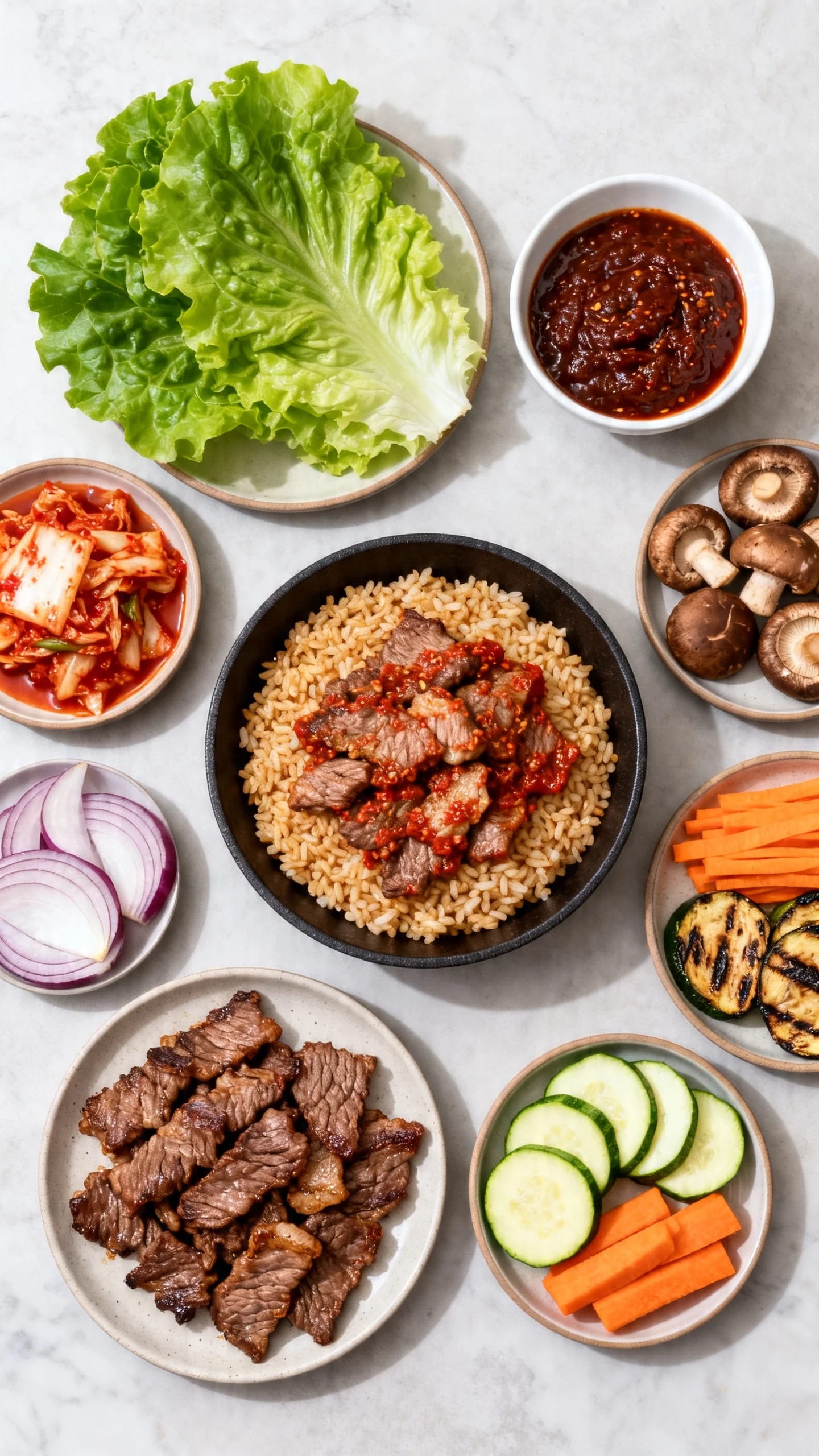
Prep the sides. Wash and dry the lettuce leaves. Arrange kimchi, cucumber, carrots, perilla leaves, and any other sides on plates or in small bowls. Slice mushrooms, zucchini, and onions so they cook fast and fit neatly into wraps.
-
Choose your heat source. Use an outdoor grill, a grill pan, a cast iron skillet, or even your broiler. Heat it until very hot before the meat touches it. If the pan barely sizzles, the meat will steam and punish you with sadness.
-
Cook the vegetables. Lightly oil the pan or grill and cook mushrooms, zucchini, and onion wedges until tender and charred at the edges. Season lightly with salt. Set aside and keep warm.
-
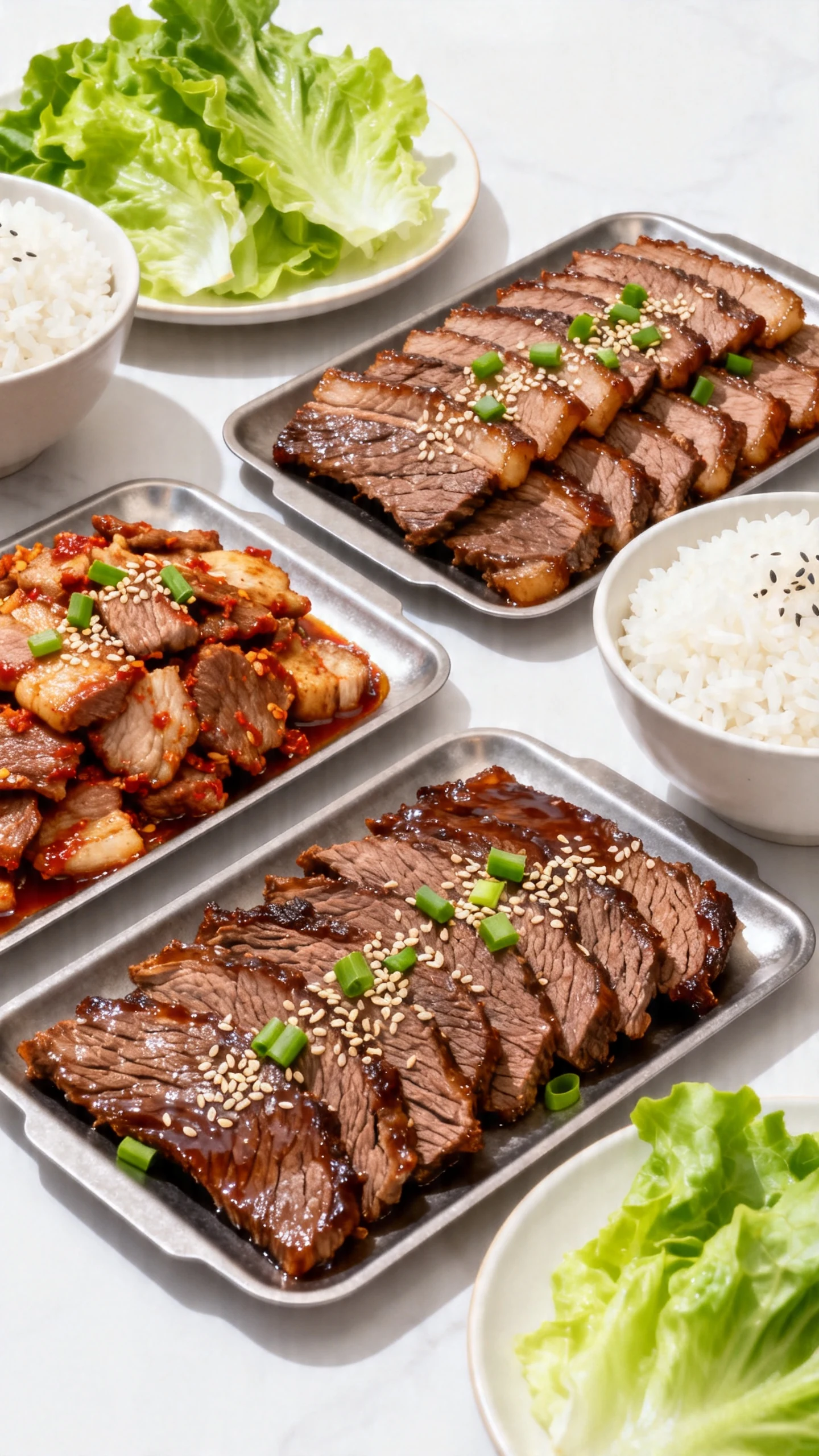
Cook the beef in batches. Spread a single layer in the hot pan or on the grill. Let it sear quickly, then flip and cook just until done, usually 2 to 4 minutes total depending on thickness. Do not crowd the pan unless your goal is gray meat with no charisma.
-
Cook the pork. Use the same hot surface and cook in batches until caramelized and fully cooked. Pork shoulder usually takes 4 to 6 minutes, while pork belly may need a little longer to crisp. Let the edges char slightly because that is where the flavor gets cocky.
-
Warm the kimchi if you want. Toss it into the pan for 30 to 60 seconds for extra depth. This step is optional, but warm kimchi with pork is elite.
-
Set up the table. Put the meat, vegetables, rice, lettuce, sauces, and sides in the center. Give everyone small bowls, chopsticks, and napkins. Many napkins. This is not a clean sleeve activity.
-
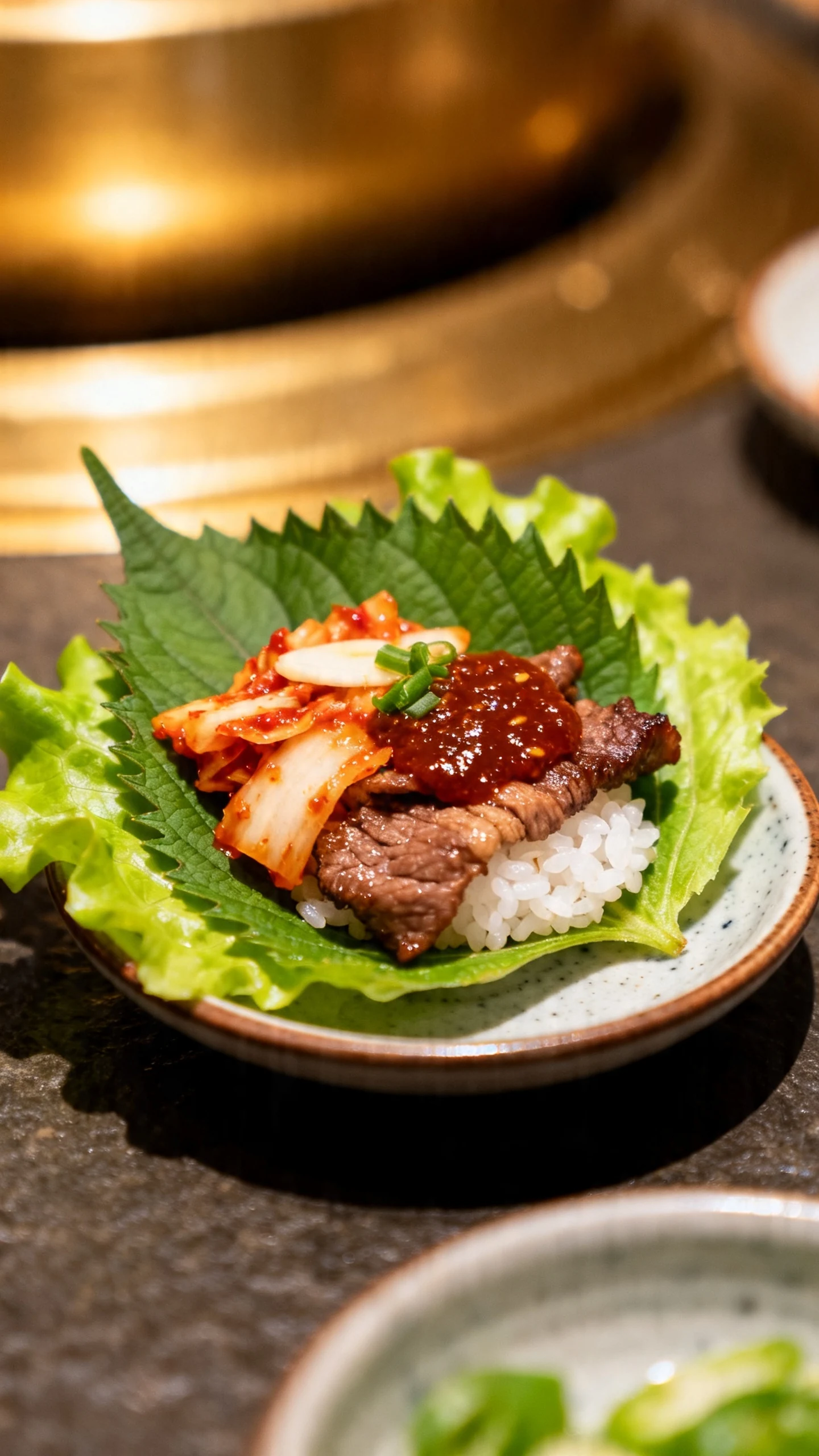
Build the perfect bite. Start with lettuce, add rice, meat, ssamjang, kimchi, and any extras you like. Fold and eat in one bite if possible. Yes, one bite. No, nobody looks graceful doing it.
Preservation Guide
Store cooked meat in airtight containers in the refrigerator for up to 4 days. Keep sauces and fresh vegetables in separate containers so nothing turns soggy and tragic overnight. Rice holds well for about 3 to 4 days when chilled promptly.
If you want to prep ahead, marinate the meat a day in advance and keep it tightly covered in the fridge. You can also wash lettuce, mix sauces, and portion sides earlier in the day. That makes dinner assembly feel suspiciously easy.
For freezing, raw marinated beef or pork works best. Freeze it flat in zip bags for up to 2 months, then thaw in the refrigerator before cooking. Cooked meat can freeze too, but it loses a little texture, so fresh is better if you can manage it.
Reheat leftovers in a hot skillet for the best flavor and texture. A microwave works in a pinch, but it can make thin meat rubbery. Nobody asked for bouncy bulgogi.
Health Benefits
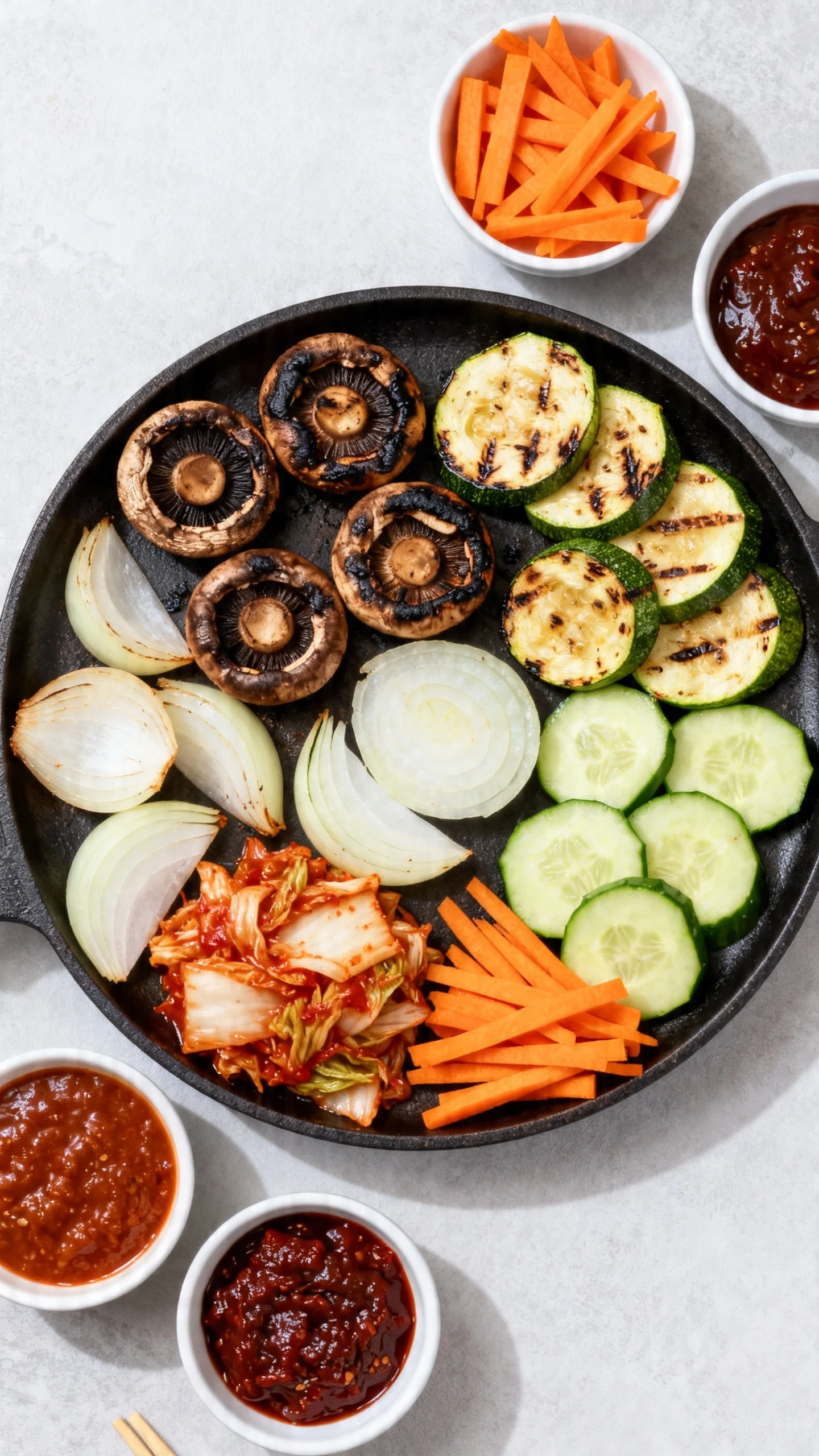
This meal can be surprisingly balanced when you build it thoughtfully. You get protein from the meat or tofu, fiber and crunch from lettuce and vegetables, and fermented benefits from kimchi. It is rich, yes, but rich does not automatically mean reckless.
Using lettuce wraps helps lighten the meal without making it feel like diet food in disguise. You still get satisfying bites, but with more freshness and less heaviness. Add extra grilled vegetables and you increase volume without much extra effort.
Kimchi may support gut health thanks to fermentation, and garlic, ginger, and vegetables add useful antioxidants and plant compounds. If you want a leaner spread, choose sirloin, chicken thighs with trimmed fat, shrimp, or tofu. You can also reduce sugar in the marinades without losing the core flavor.
Watch sodium if that matters for your needs. Soy sauce, doenjang, gochujang, and kimchi all bring salt, so balance with fresh vegetables and water at the table. FYI, low sodium soy sauce helps, but good seasoning still matters.
Avoid These Mistakes
-
Using low heat. Korean barbecue needs aggressive heat for caramelization and char. If the pan is lukewarm, the meat releases moisture and steams instead of searing.
-
Skipping the marinade time. Even 30 minutes makes a difference. Give the flavors time to move beyond the surface and into the meat.
-
Crowding the pan. Cook in batches. It takes a little longer, but the texture improves dramatically.
-
Buying thick cuts without slicing them thin. Thin slices cook fast and absorb marinade better. Partially freeze the meat for 20 to 30 minutes if you need cleaner slices.
-
Forgetting contrast. Great bites need hot meat, cool lettuce, punchy sauce, and something acidic like kimchi or pickled radish. Without contrast, the meal tastes flatter than it should.
-
Overloading every wrap. Bigger is not better here. Build small wraps you can eat in one bite unless you enjoy wearing ssamjang.
Mix It Up
Swap the proteins based on your mood and budget. Thinly sliced chicken thighs work beautifully with a soy garlic marinade, and shrimp cooks in minutes with sesame oil, garlic, and a little gochujang. Tofu also shines when pressed, marinated, and seared until crisp.
Want a milder version for kids or spice cautious friends? Keep one marinade soy based and serve heat on the side through ssamjang or extra gochujang. Want bigger heat? Add sliced fresh chiles and more gochugaru.
You can also change the whole vibe with the side dishes. Add quick pickled cucumbers for brightness, cheesy corn for comfort, or scallion salad for sharp freshness. A soft cooked egg over rice with leftover meat the next day also goes absurdly hard.
If you do not own a grill or grill pan, use your broiler. Spread marinated meat on a foil lined sheet pan and cook it fast, watching closely. It is not identical, but it still delivers huge flavor with less table side smoke.
FAQ
What meat is best for Korean barbecue at home?
Thinly sliced ribeye, sirloin, pork shoulder, and pork belly are all excellent choices. Ribeye gives you tenderness and rich flavor, while pork shoulder offers a great balance of meat and fat. If you want the easiest, most forgiving option, start with thin beef bulgogi.
Can I make this without a tabletop grill?
Yes, absolutely. A cast iron skillet, grill pan, outdoor grill, or broiler works well. The key is high heat and cooking in small batches so the meat sears instead of steaming.
How long should I marinate the meat?
A minimum of 30 minutes works, but 1 to 4 hours gives better flavor. Very thin cuts do not need overnight marinating, especially if the marinade contains fruit, which can soften the texture too much. Aim for enough time to season, not enough time to turn things mushy.
What do I serve with it?
Serve rice, lettuce, kimchi, ssamjang, sliced vegetables, and grilled vegetables at minimum. If you want a fuller spread, add pickled radish, bean sprouts, scallion salad, or japchae. The more contrast you build into the table, the better each bite gets.
Is Korean barbecue spicy?
It can be, but it does not have to be. Soy based bulgogi is usually more sweet and savory than spicy, while gochujang marinated pork brings more heat. You can easily adjust spice levels by controlling the amount of gochujang and gochugaru.
Can I prepare everything in advance?
Yes. Marinate the meat, cook the rice, wash the lettuce, and mix the sauces ahead of time. Then when it is time to eat, you only need to cook the meat and vegetables and set the table.
What is the best way to eat it?
Place a little rice on a lettuce leaf, add meat, sauce, kimchi, and maybe a vegetable or herb, then fold and eat it in one bite. That one bite gives you hot, cool, crunchy, spicy, savory, and fresh all at once. It is messy, but that is part of the point.
The Bottom Line
Korean barbecue works at home because the formula is simple and the payoff feels huge. Marinate thin meat, cook it hot, serve it with rice, lettuce, sauces, and sharp sides, then let everyone build their own perfect bite. It feels festive without requiring restaurant money or professional equipment.
If you want a meal that impresses guests, keeps the table lively, and actually tastes worth the effort, this is it. Start with one protein and a few classic sides, then expand once you get comfortable. After that, you may still go out for barbecue, but mostly for someone else to do the dishes.