Make a rich, smoky, sweet tangy sauce fast with pantry basics, easy steps, and flavor that wins on any grill night.
You do not need a fancy smoker, a secret uncle from Texas, or a $12 bottle with a fake rustic label. You need one saucepan, a few pantry staples, and about 20 minutes of low effort for high reward. This sauce hits sweet, tangy, smoky, and just spicy enough to keep things interesting. Once you make it, that dusty store bought bottle in the fridge starts looking a little embarrassing.
Homemade sauce gives you control, and control is where the magic lives. Want it sweeter? Done. More heat? Easy. Less sugar, more smoke, extra garlic, no weird preservatives? Congrats, you are now the boss of your barbecue.
What Makes This Recipe So Good
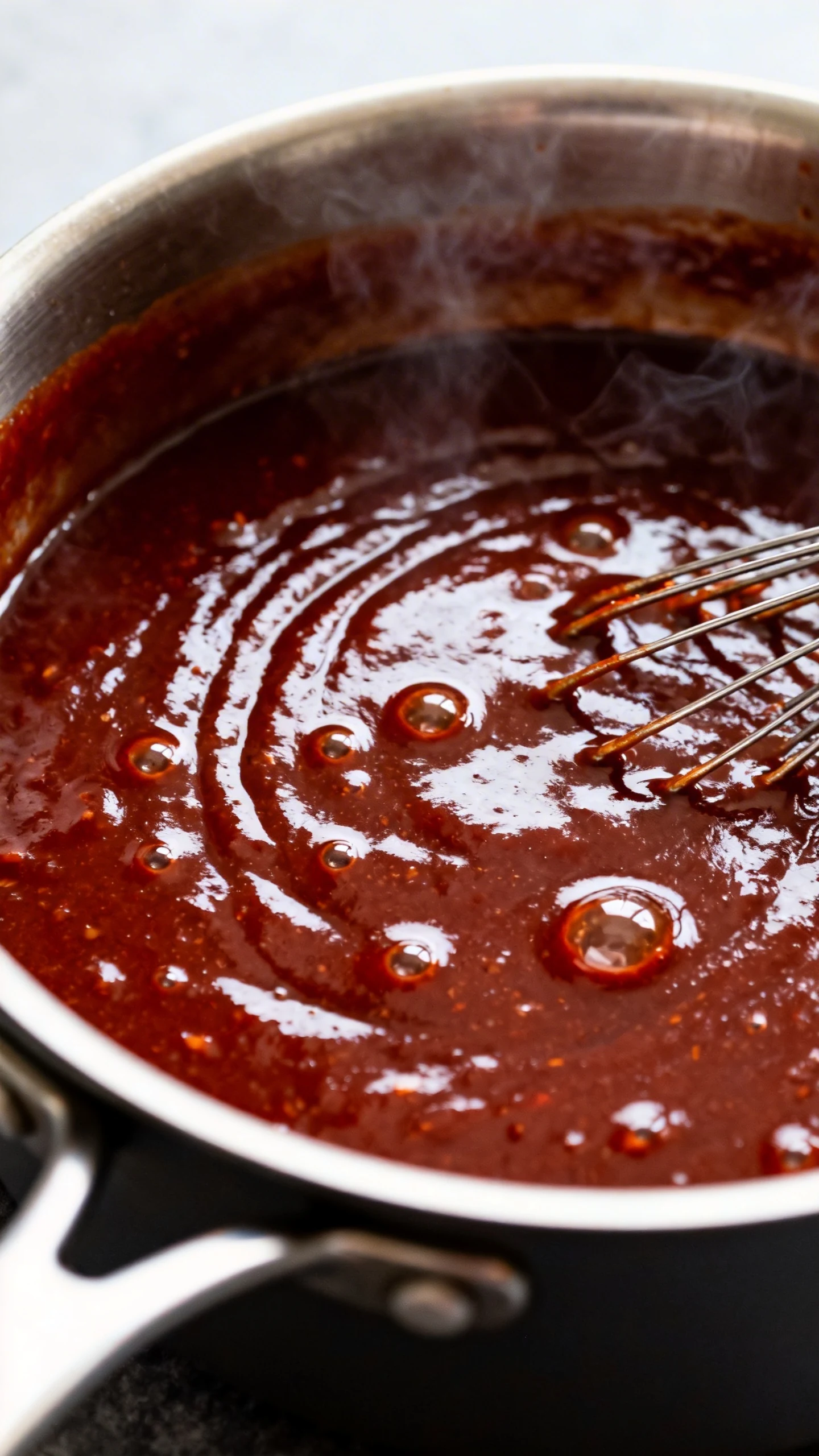
This recipe works because it balances the four flavors that matter most in a great barbecue sauce: sweetness, acidity, savoriness, and smoke. Ketchup builds a familiar tomato base, brown sugar adds depth, vinegar cuts through the richness, and Worcestershire brings that sneaky umami punch. The result tastes layered, not flat.
It also comes together fast. You whisk everything in one pot, simmer it until glossy, and let time do the heavy lifting. No reducing for hours, no mystery ingredients, no culinary drama.
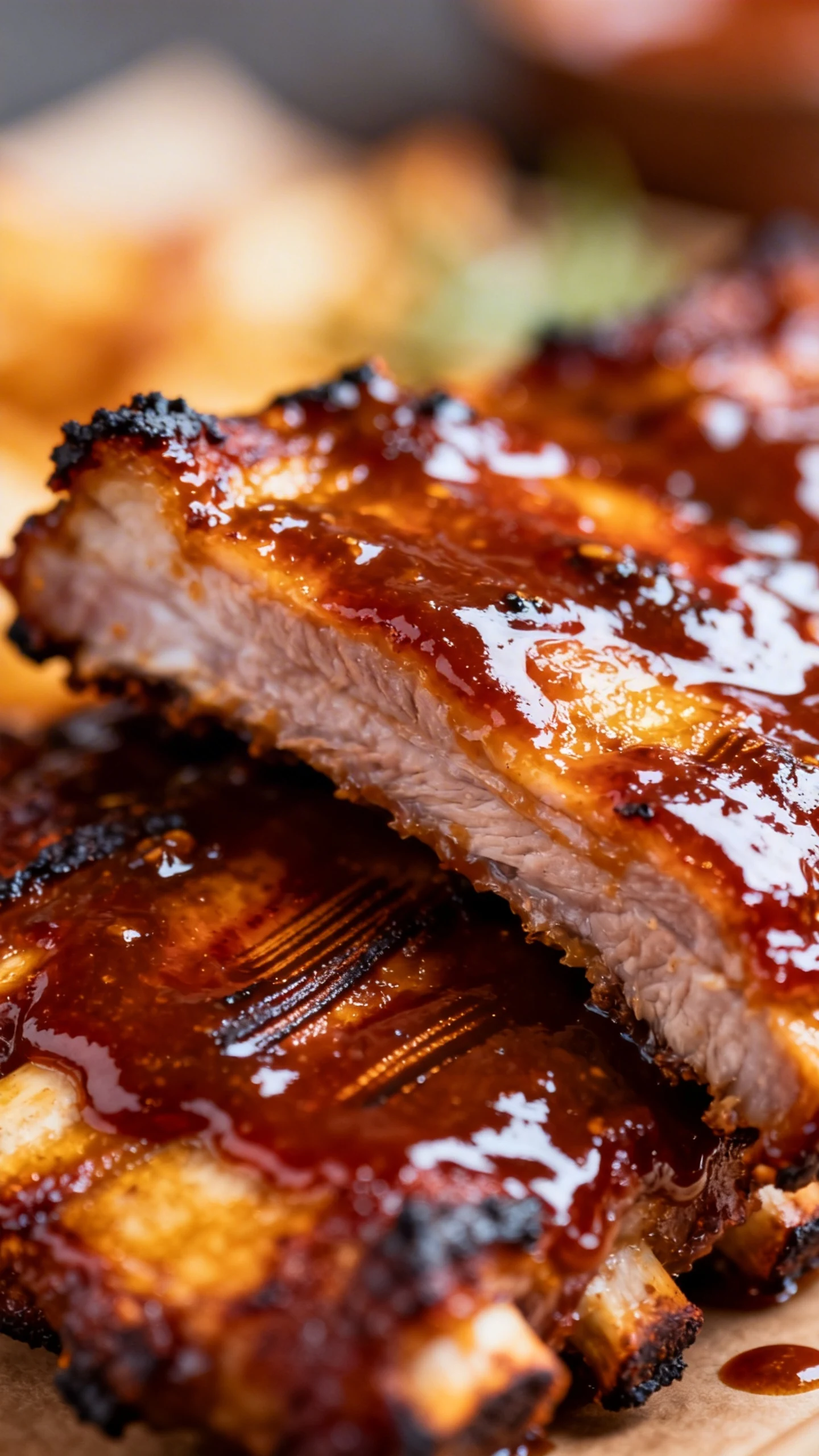
Another reason it shines: it is ridiculously flexible. Use it as a dipping sauce, glaze, marinade, burger spread, or pizza drizzle if you enjoy making your food more fun. IMO, a good sauce should do more than sit beside ribs and act important.
And yes, it tastes better the next day. The flavors settle in, mellow out, and become more cohesive after a little rest. Like most of us, it improves when left alone for a bit.
Ingredients Breakdown
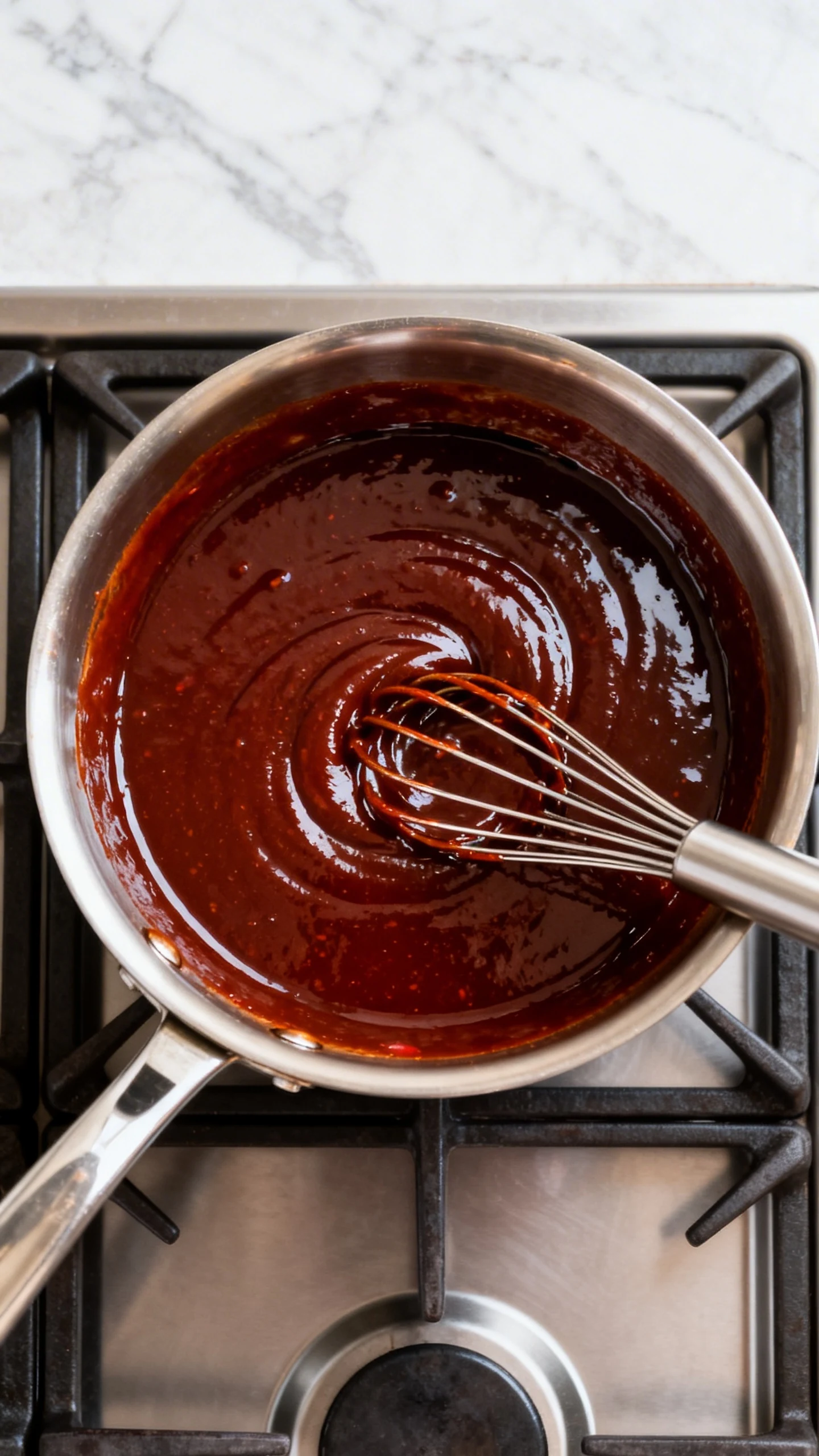
Here is everything you need to make a classic homemade barbecue sauce with bold flavor and zero nonsense.
- 1 cup ketchup for the tomato rich base
- 1/4 cup apple cider vinegar for bright tang
- 1/4 cup brown sugar for sweetness and caramel notes
- 2 tablespoons molasses for deeper, darker flavor
- 2 tablespoons Worcestershire sauce for savory umami
- 1 tablespoon yellow mustard for zip and balance
- 1 tablespoon tomato paste to intensify the tomato flavor
- 1 tablespoon smoked paprika for smoky warmth
- 1 teaspoon garlic powder for easy all around flavor
- 1 teaspoon onion powder for subtle sweetness and depth
- 1/2 teaspoon black pepper for gentle heat
- 1/2 teaspoon salt to sharpen every flavor
- 1/4 teaspoon cayenne pepper optional, for extra kick
- 2 teaspoons liquid smoke optional, for stronger smoky flavor
- 2 to 4 tablespoons water to thin the sauce if needed
Every ingredient has a job. Skip one and the sauce can still work, but the full combo gives you that proper restaurant style taste. If you like your sauce more sweet than tangy, add another tablespoon of brown sugar. If you like it sharper, add a splash more vinegar.
Let’s Get Cooking – Instructions
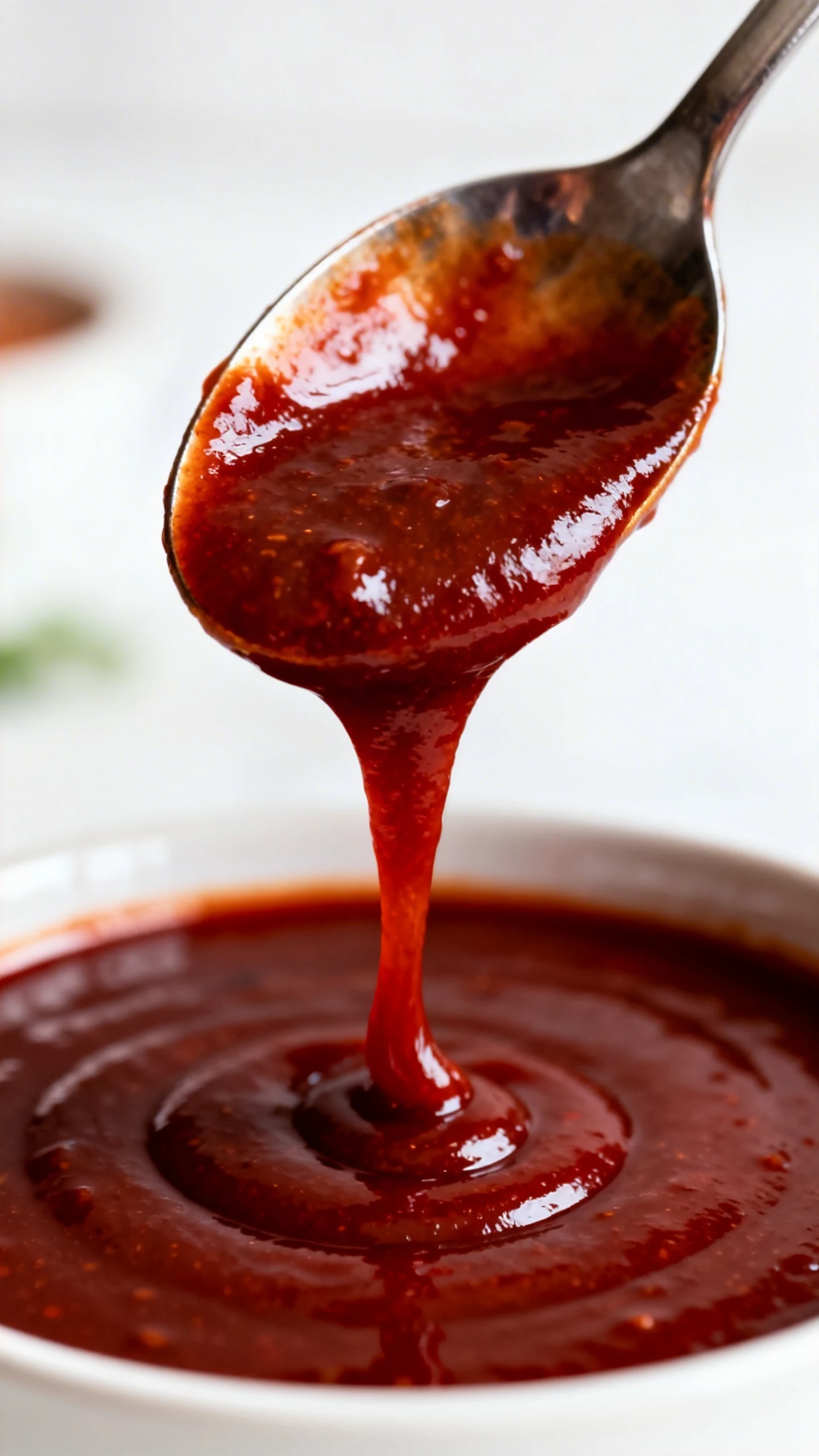
-
Gather and measure everything first. This sauce moves quickly once the heat goes on, so set out your ingredients before you start. It is not a hard recipe, but searching for Worcestershire with one hand while stirring with the other feels needlessly heroic.
-
Add all ingredients to a saucepan. Put the ketchup, vinegar, brown sugar, molasses, Worcestershire, mustard, tomato paste, smoked paprika, garlic powder, onion powder, black pepper, salt, cayenne, and liquid smoke into a medium saucepan. Add 2 tablespoons of water to help it blend.
-
Whisk until smooth. Before you turn on the heat, whisk everything together well. Break up the tomato paste and dissolve the sugar as much as possible so you get a smooth, even sauce instead of random intense pockets of flavor.
-
Bring it to a gentle simmer. Set the pan over medium heat and stir often until the sauce starts to bubble lightly. Do not blast it on high unless you enjoy sauce splatter on your stove and minor regret.
-
Lower the heat and cook for 15 to 20 minutes. Once it simmers, reduce the heat to low. Stir every few minutes as it thickens and darkens slightly. This step mellows the vinegar, blends the spices, and creates that glossy texture you want.
-
Taste and adjust. This is where homemade wins. If it tastes too sharp, add a little more brown sugar. If it feels too sweet, add a teaspoon of vinegar. If it needs more punch, a pinch of salt or cayenne can wake everything up fast.
-
Thin it if needed. For dipping, keep it thick. For brushing onto ribs, chicken, or grilled veggies, add another tablespoon or two of water until it reaches the texture you like.
-
Cool before storing. Take the pan off the heat and let the sauce cool for 10 to 15 minutes. It will thicken a bit more as it rests, so do not panic if it looks slightly loose at first.
You can use the sauce right away, but FYI, it gets even better after a few hours in the fridge. The flavors mingle, calm down, and stop shouting over each other.
Keeping It Fresh
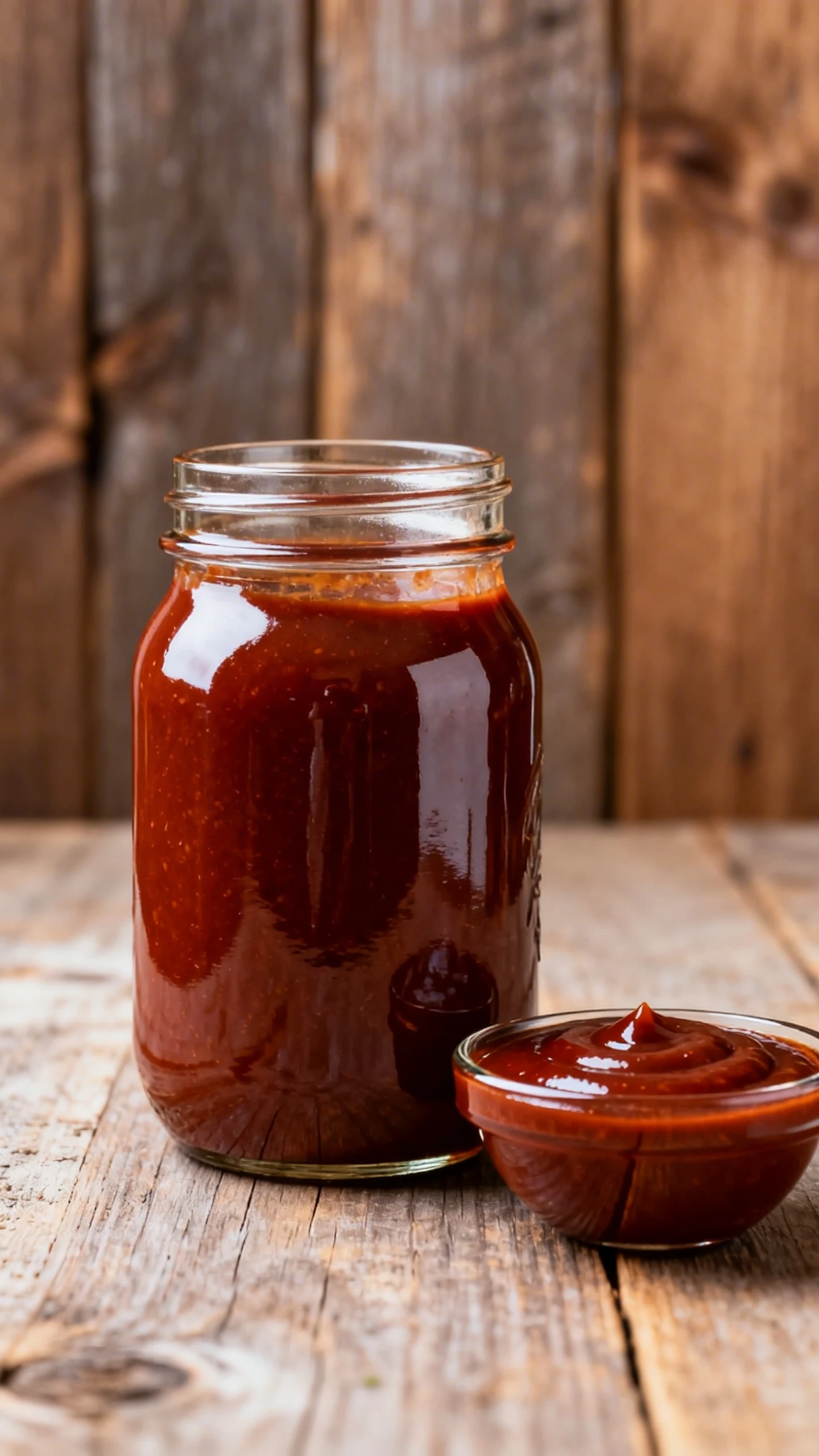
Store the cooled sauce in an airtight jar or container in the refrigerator. It should stay fresh for about 1 to 2 weeks, depending on how clean your storage habits are. Yes, using the same spoon after licking it absolutely counts.
If you want to keep it longer, freeze it in small portions. Ice cube trays work well for tiny servings, while freezer safe jars handle bigger batches. Thaw it overnight in the fridge and stir before using.
Always check for changes in smell, color, or texture before serving. If it smells strange or looks separated in a suspicious way, let it go. Barbecue is supposed to be memorable for good reasons.
Benefits of This Recipe
You control the flavor. That is the big win. You can make it sweeter, tangier, smokier, spicier, or lower in sugar without begging a brand to care about your preferences.
You know every ingredient. No long ingredient list full of stabilizers, corn syrup overload, or vague flavoring language that sounds like it came from a lab. Just real pantry staples doing actual work.
It saves money. A homemade batch often costs less than premium bottled sauce and usually tastes better. That is a rare combo, like affordable and cute storage containers that actually match.
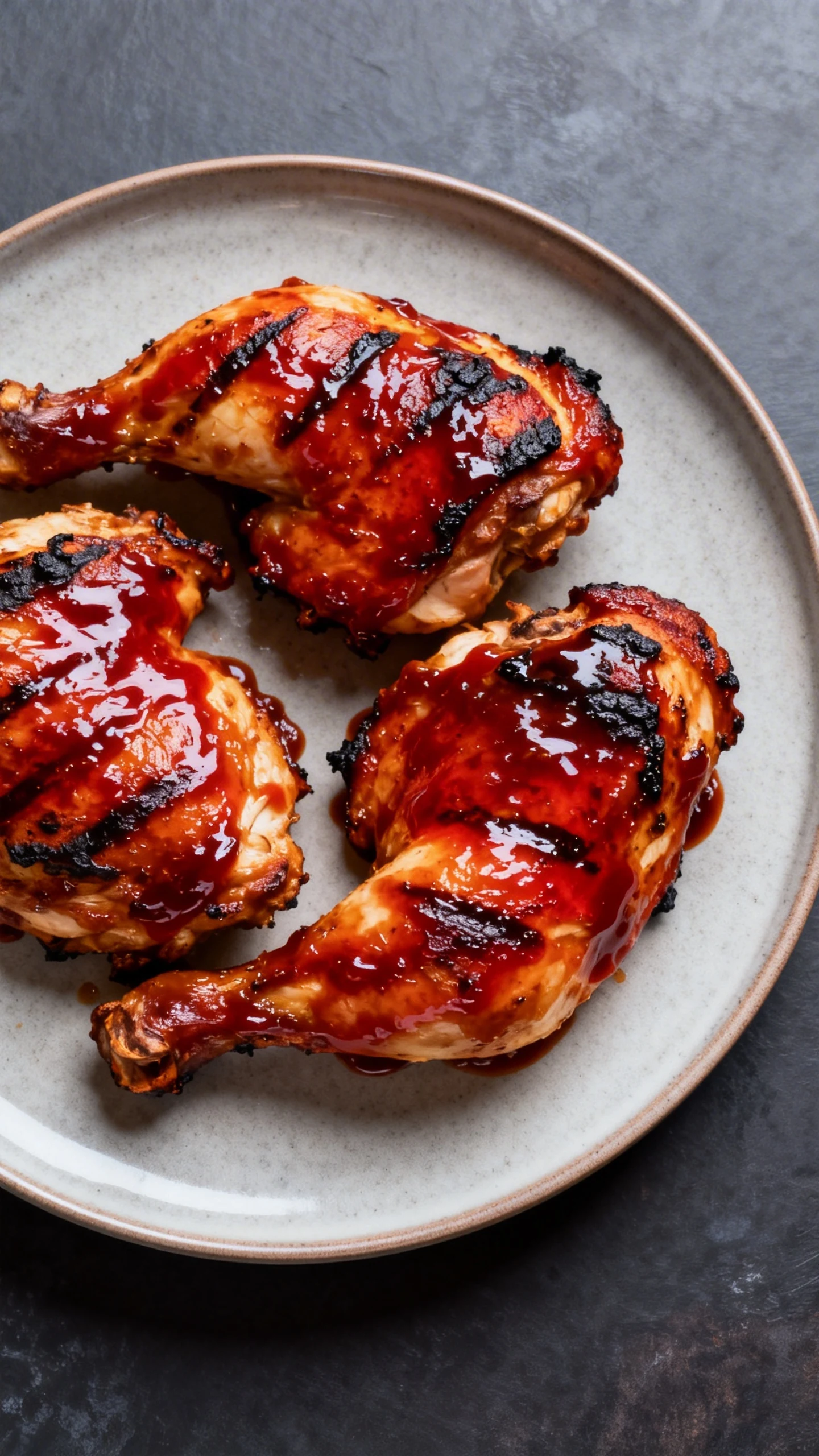
It works with almost everything. Brush it onto chicken, ribs, burgers, tofu, meatballs, roasted cauliflower, or baked wings. You can even stir a spoonful into chili or use it as a sandwich spread for extra punch.
Don’t Make These Errors
Do not cook it on high heat. Sugar burns fast, and burned sauce tastes bitter. Gentle heat gives you control and keeps the texture smooth.
Do not skip tasting as you go. Ingredients vary by brand, especially ketchup, mustard, and Worcestershire sauce. One ketchup might taste sweeter than another, so a quick taste test keeps the balance right.
Do not add too much liquid smoke. A little adds depth. Too much makes the whole thing taste like your sauce got trapped in a campfire. Start small and adjust.
Do not use it as a glaze too early when grilling. Brush it on near the end of cooking so the sugars caramelize instead of burn. Char is good. Blackened sugar paste is not the vibe.
Different Ways to Make This
The base recipe is classic, but you have options if you want to play around with the flavor.
- Honey version: Replace some or all of the brown sugar with honey for a smoother sweetness.
- Spicy version: Add extra cayenne, hot sauce, or chipotle powder for more heat.
- Bourbon version: Stir in a splash of bourbon and simmer a few extra minutes to cook off the alcohol.
- Maple version: Use maple syrup instead of molasses for a softer, woodsy sweetness.
- Low sugar version: Reduce the sugar and use unsweetened tomato sauce with a little ketchup.
- Kansas City style feel: Keep it thick, sweet, and smoky with extra molasses.
- Carolina inspired twist: Increase the vinegar and mustard for a sharper tangier finish.
You can also blend the finished sauce if you want it perfectly silky. It is not required, but it does make the texture look extra polished. Fancy, without acting fancy.
FAQ
Can I make this sauce without molasses?
Yes. You can replace it with honey, maple syrup, or extra brown sugar. Molasses adds deep richness, but the sauce still tastes great without it.
Is this barbecue sauce spicy?
Not by default. The cayenne adds mild warmth, but you can leave it out for a kid friendly version. If you want more heat, add cayenne, hot sauce, or chipotle.
Can I use this as a marinade?
Yes, but it works best as a finishing marinade or glaze because of the sugar content. For longer marinating, thin it with a little oil or vinegar so it coats more evenly and burns less easily.
Can I make it smoother?
Absolutely. Blend it with an immersion blender or regular blender after it cools slightly. This helps if your brown sugar did not fully dissolve or if you want a more bottled style finish.
How long does homemade barbecue sauce last?
It usually lasts 1 to 2 weeks in the refrigerator when stored in a clean airtight container. For longer storage, freeze it in portions and thaw as needed.
What foods go best with this sauce?
It tastes amazing on ribs, grilled chicken, pulled pork, burgers, meatloaf, wings, and roasted vegetables. It also works as a dipping sauce for fries, nuggets, and onion rings, because restraint is overrated.
Can I make it vegan?
Yes. Swap the Worcestershire sauce for a vegan version or use soy sauce plus a tiny splash of vinegar. Check your sugar and ketchup if you want to be extra careful with ingredients.
Wrapping Up
This homemade barbecue sauce proves that big flavor does not require complicated steps or a pantry full of specialty items. It is fast, flexible, and easy to customize, which makes it perfect for weeknight dinners and weekend cookouts alike.
If you want a sauce that tastes fresher, richer, and more personal than anything off the shelf, this recipe delivers. Make one batch, tweak it to your taste, and keep it on hand for all your grilling plans. Your burgers, ribs, and random late night sandwich experiments will thank you.