Make sticky, smoky, crowd winning sauce fast with pantry staples, easy tweaks, and a flavor balance that actually lands.
You can spend eight hours smoking perfect ribs, then ruin the entire flex with bland sauce. Tragic. The good news: a great rib sauce does not require chef magic, rare ingredients, or a secret uncle named Rick from Kansas City. It needs balance, confidence, and a little heat at the right moment. Get that right, and suddenly people act like you opened a barbecue joint in your backyard.
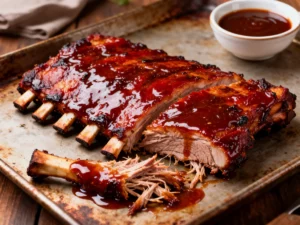
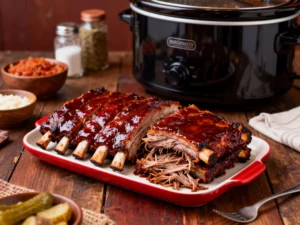
This recipe hits the sweet spot between tangy, smoky, sweet, and just spicy enough to keep things interesting. It clings to ribs instead of sliding off like a bad idea. It caramelizes beautifully, tastes bigger than the ingredient list suggests, and works whether you bake, grill, or smoke your ribs. In other words, it does its job so well that the ribs get all the credit.
What Makes This Recipe Awesome
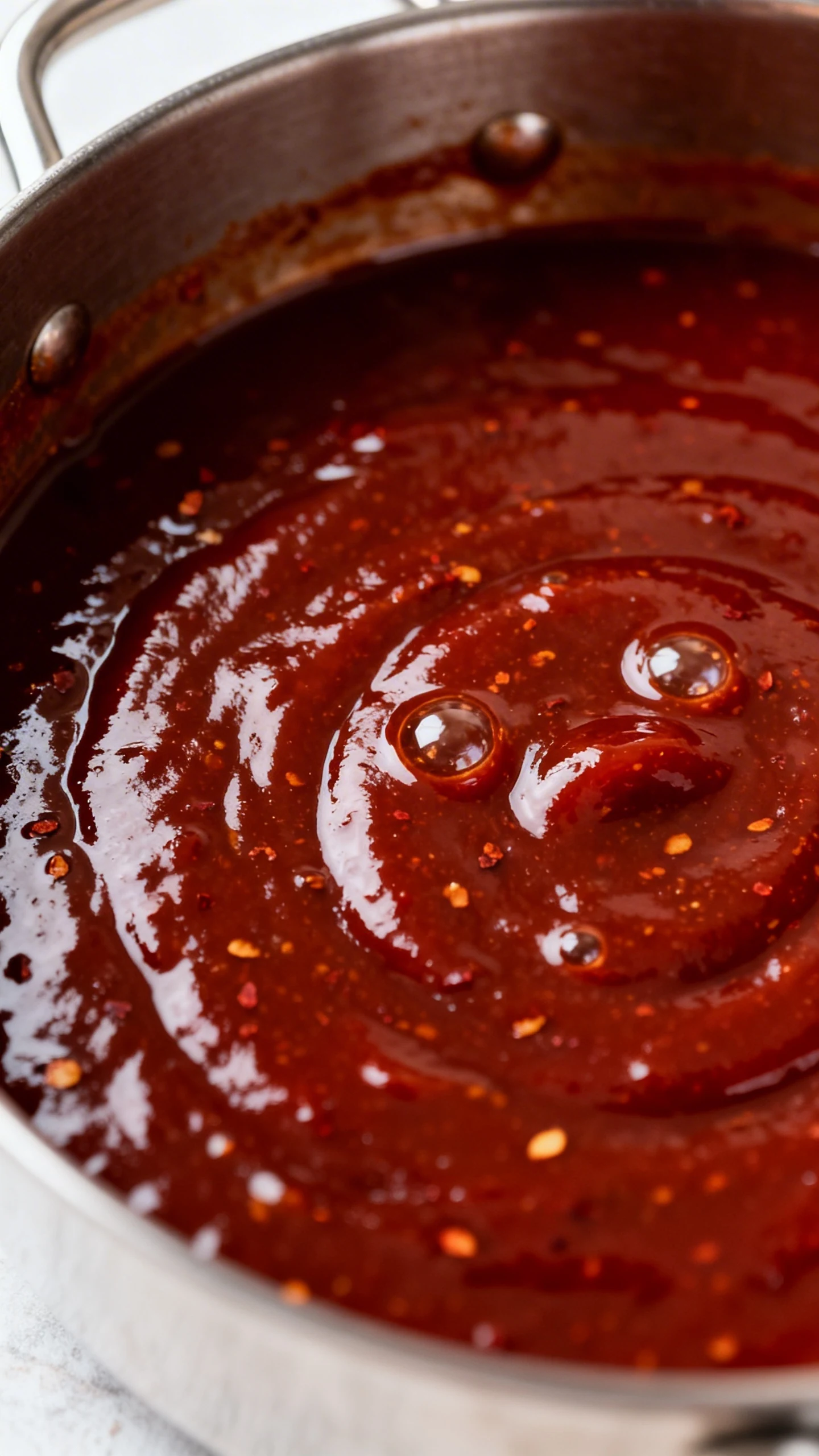
The balance is the whole game. Good rib sauce should not taste like straight sugar, pure vinegar, or liquid smoke with a superiority complex. This version blends ketchup, brown sugar, vinegar, Worcestershire sauce, mustard, and spices into a sauce that tastes rounded and bold.
It is easy to customize. Want it sweeter, spicier, smokier, or more tangy? You can adjust it in minutes without wrecking the batch. That matters because everyone says they like barbecue sauce, but somehow every person means a different sauce.
It actually works on ribs. Some sauces taste fine from a spoon but burn too fast or turn watery on meat. This one thickens enough to glaze the ribs and sets nicely during the final cooking stage. FYI, that sticky finish is not luck. It comes from the right ratio of sugar, acid, and simmer time.
It uses pantry staples. No scavenger hunt. No tiny jar of something you will use once and then ignore for a year. If you keep basic condiments and spices around, you can probably make this tonight.
Ingredients
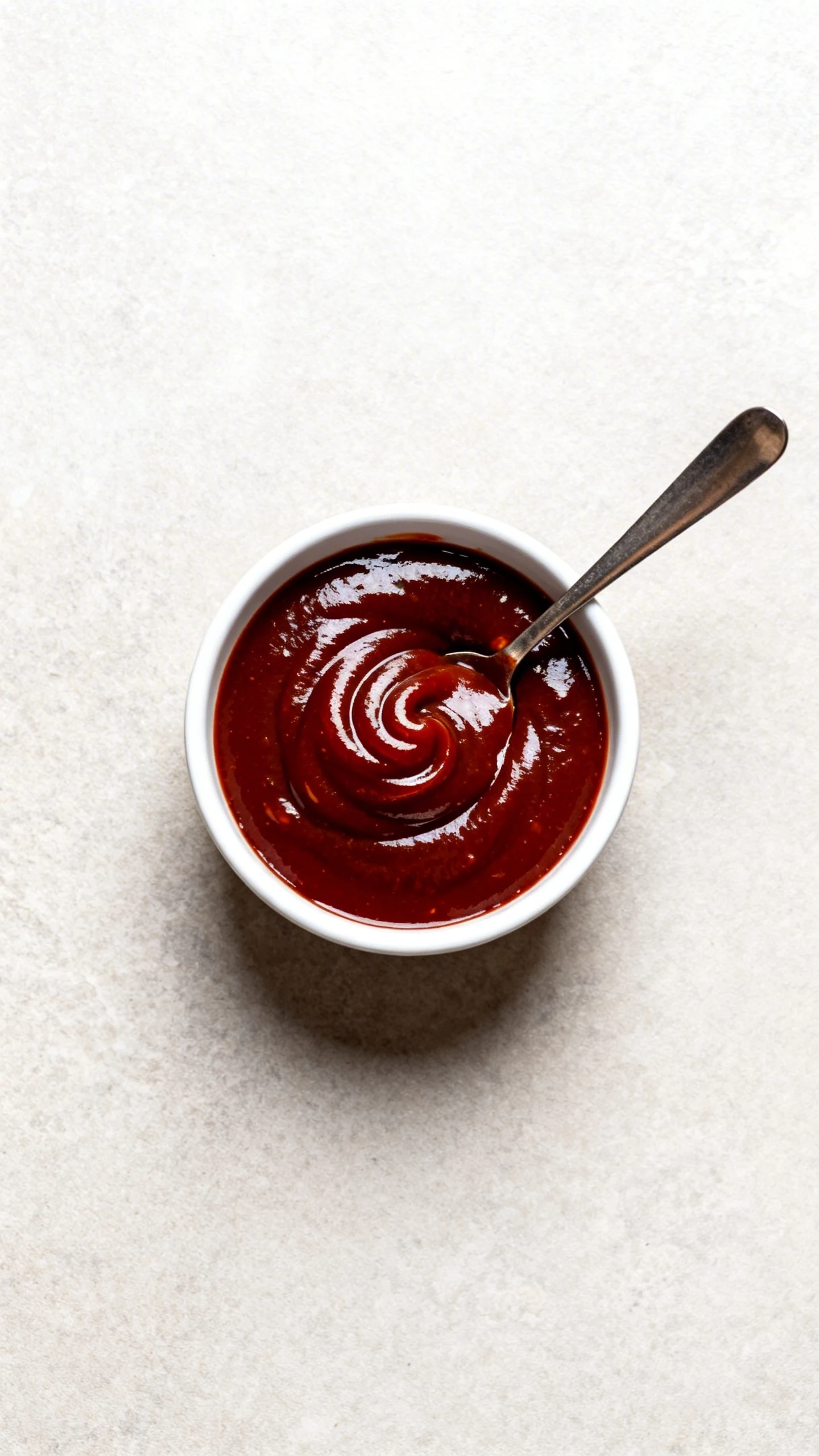
Here is everything you need for a classic, deeply flavorful sauce that makes ribs taste expensive.
- 2 cups ketchup
- 1/2 cup brown sugar, packed
- 1/4 cup apple cider vinegar
- 1/4 cup molasses
- 2 tablespoons Worcestershire sauce
- 2 tablespoons yellow mustard
- 1 tablespoon smoked paprika
- 1 teaspoon garlic powder
- 1 teaspoon onion powder
- 1 teaspoon black pepper
- 1/2 teaspoon chili powder
- 1/4 teaspoon cayenne pepper, or more to taste
- 1/2 teaspoon kosher salt
- 1 tablespoon butter
- 1 tablespoon honey, optional for extra gloss
- 1 teaspoon liquid smoke, optional
If you want a slightly brighter finish, add a small squeeze of lemon juice at the end. If you prefer a smoother texture, you can whisk aggressively while it simmers or blend it briefly after cooking. Neither step is required, but both make you look organized.
Instructions
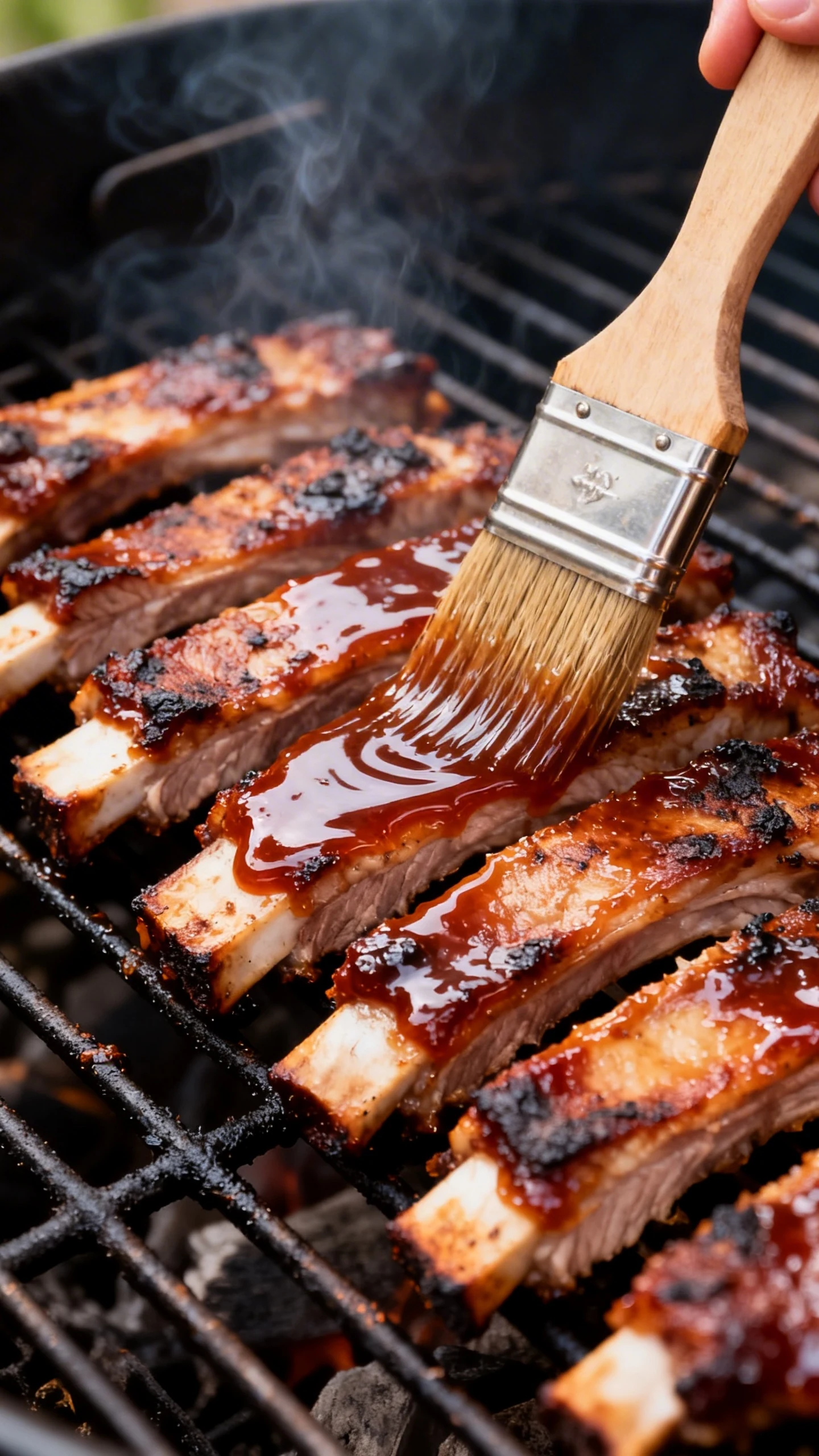
Follow these steps for a sauce that tastes layered, rich, and ready to glaze like a pro.
-
Combine the base ingredients. Add ketchup, brown sugar, apple cider vinegar, molasses, Worcestershire sauce, and mustard to a medium saucepan. Stir until the mixture looks uniform and the sugar starts dissolving.
-
Add the spices. Sprinkle in smoked paprika, garlic powder, onion powder, black pepper, chili powder, cayenne, and salt. Stir well so you do not end up with spice clumps ambushing one random bite.
-
Simmer gently. Set the pan over medium heat until the sauce starts to bubble, then lower the heat. Let it simmer for 15 to 20 minutes, stirring every few minutes, until it thickens slightly and the flavors meld.
-
Finish with richness. Stir in the butter and honey, if using. Add liquid smoke only if you want more smoky depth, especially if your ribs are baked instead of smoked.
-
Taste and adjust. This is where good sauce becomes your sauce. Add more vinegar for tang, more brown sugar or honey for sweetness, more cayenne for heat, or a pinch more salt if the flavor feels flat.
-
Cool slightly before using. The sauce thickens a little as it cools. Brush it onto ribs during the last 15 to 20 minutes of cooking so it glazes instead of burning into a sticky science experiment.
-
Layer for best results. Brush on one thin coat, let it set, then add another. IMO, two light coats beat one heavy slather every single time because the sauce grabs the meat better and caramelizes more evenly.
If you serve extra sauce on the side, warm it slightly first. Cold sauce straight from the fridge on hot ribs is not illegal, but it should be.
Storage Tips
Refrigerate leftovers promptly. Let the sauce cool, then transfer it to a clean jar or airtight container. It will keep in the fridge for up to 1 week and often tastes even better the next day once the flavors settle in.
Freeze for longer storage. Portion the sauce into freezer safe containers or small bags and freeze for up to 3 months. Thaw overnight in the fridge, then reheat gently on the stove or in short microwave bursts, stirring in between.
Watch the texture after chilling. Cold sauce thickens. That is normal, not a personality flaw. Just warm it a bit or stir in a teaspoon of water or vinegar if you want it looser for brushing.
What’s Great About This
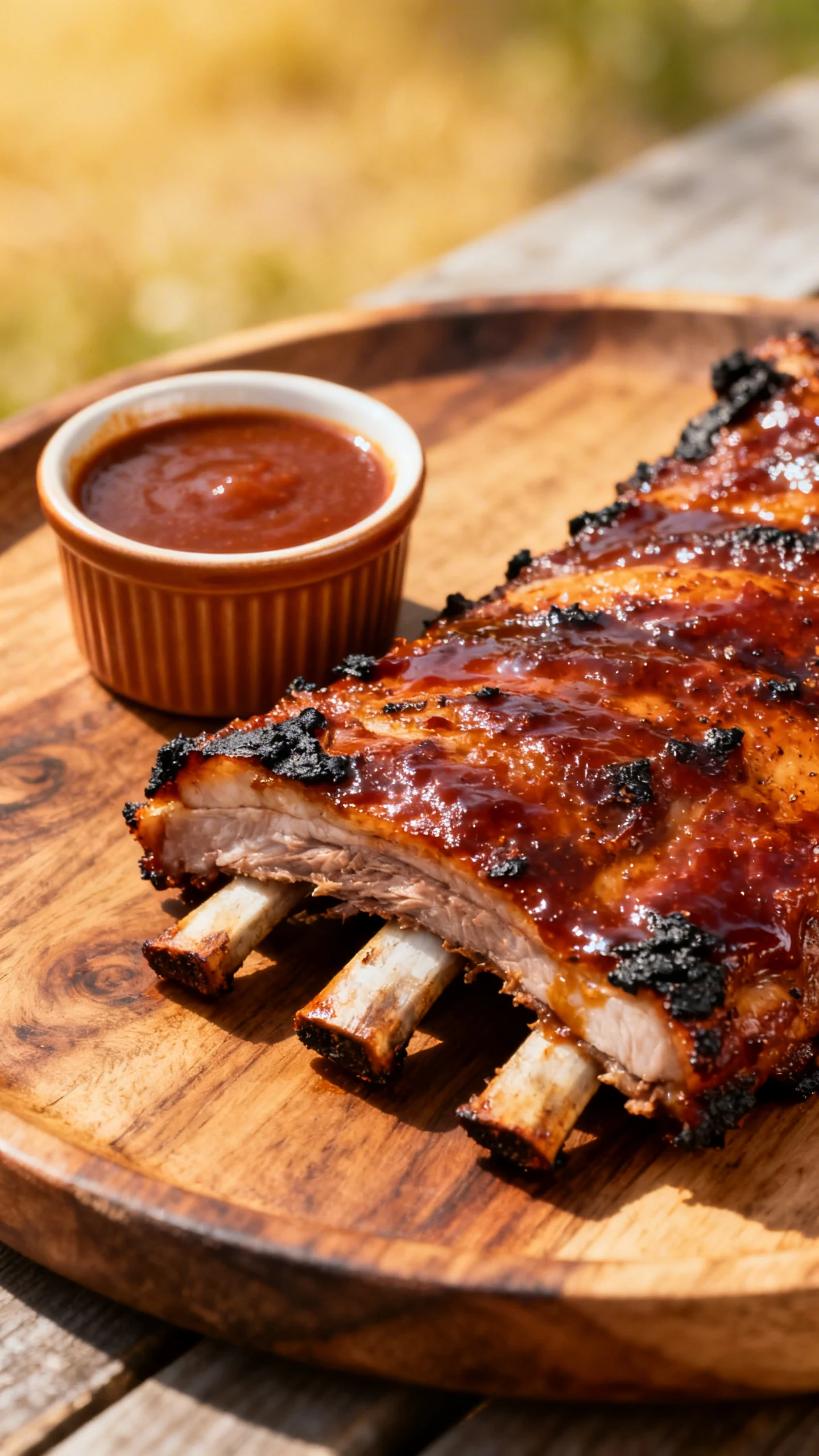
It plays well with different cooking methods. Smoked ribs, oven baked ribs, grilled ribs, even air fryer finishers if that is your thing. The flavor profile stays classic and crowd friendly without turning boring.
It gives you control. Store bought sauces often come in two moods: candy sweet or aggressively smoky. This one lets you steer the flavor exactly where you want it, which means fewer compromises and fewer bottles cluttering the fridge door.
It creates that glossy barbecue finish. The sugars and tomato base help it cling and caramelize, while the vinegar keeps it lively. You get shine, depth, and that sticky bite people associate with great ribs.
It is budget friendly. A homemade batch usually costs less than premium bottled sauce and tastes fresher. Plus, you know exactly what went in, which is nice when you do not want your sauce reading like a chemistry pop quiz.
Pitfalls to Watch Out For
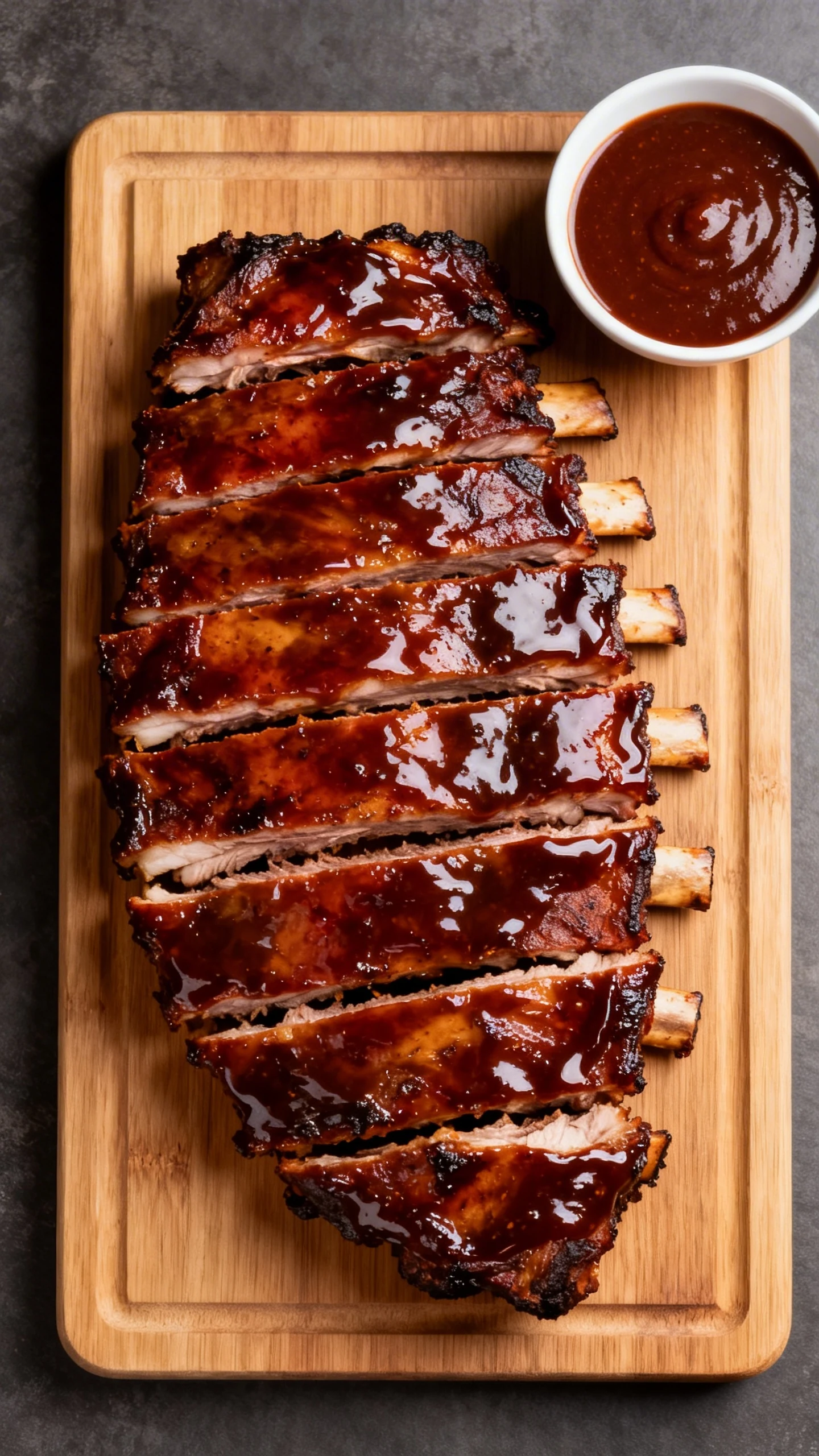
Do not sauce too early. Sugar burns. If you brush this on at the start of a long cook over direct heat, the sauce can darken too much or turn bitter. Add it near the end so it sets instead of scorches.
Do not skip tasting. Brands vary. One ketchup may taste sweeter, one mustard sharper, one molasses stronger. Taste before serving and adjust so the final sauce feels balanced instead of weirdly one note.
Do not boil it aggressively. A hard boil can thicken the sauce too quickly and dull the flavor. Keep it at a gentle simmer so the ingredients melt together without reducing into tomato candy.
Do not drown the ribs. More sauce does not always mean more flavor. Too much can overpower the meat and create a messy, heavy finish. Let the ribs still taste like ribs. Revolutionary concept, I know.
Alternatives
If you want to switch up the flavor profile, this recipe gives you plenty of room to improvise without losing the barbecue spirit.
- For a spicier version: Add extra cayenne, chipotle powder, or a spoonful of hot sauce.
- For a sweeter version: Increase the honey or brown sugar slightly, or use maple syrup for a different kind of sweetness.
- For a tangier version: Add more apple cider vinegar or a little Dijon mustard.
- For a smokier version: Use liquid smoke sparingly or add chipotle in adobo for smoky heat.
- For a less sugary version: Reduce the brown sugar and honey, then boost paprika and vinegar to keep the sauce bold.
- For a fruitier version: Stir in a little peach preserves, apple butter, or pineapple juice for a sweet savory twist.
You can also swap ketchup for tomato sauce plus a bit of tomato paste if you want a less sweet, more savory base. That version tastes a little more grown up, if your barbecue sauce has reached that phase in life.
FAQ
Can I make this sauce ahead of time?
Yes. In fact, making it a day ahead often improves the flavor because the spices and acids have more time to settle into each other. Store it in the fridge and reheat gently before using.
When should I put sauce on ribs?
Brush it on during the last 15 to 20 minutes of cooking. That timing lets the sauce glaze and caramelize without burning. If you want a thicker finish, apply two light coats instead of one heavy one.
Can I use this on other meats?
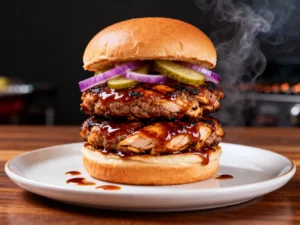
Absolutely. It works well on chicken, pulled pork, pork chops, burgers, and even grilled meatballs. It is also solid as a dipping sauce if you thin it slightly with a splash of vinegar or water.
How do I make it less sweet?
Reduce the brown sugar or skip the honey. Then add a little more vinegar, mustard, or smoked paprika to keep the flavor bold and balanced. The goal is not just less sweet, but still full flavored.
Is liquid smoke necessary?
No. If you smoke your ribs, you probably do not need it at all. If you bake them in the oven, a small amount can help mimic that outdoor barbecue vibe without overdoing it.
Why is my sauce too thick?
It probably simmered a bit too long or cooled down. Add a teaspoon or two of water, apple cider vinegar, or even apple juice, then stir over low heat until it reaches the consistency you want.
Why is my sauce too thin?
Let it simmer a few minutes longer over low heat, stirring often. It will reduce and thicken as moisture cooks off. Remember that it also thickens more as it cools.
Can I make this sauce without molasses?
Yes. You can replace it with more brown sugar, honey, or maple syrup. Molasses adds depth and a slightly darker flavor, but the sauce still works without it.
Final Thoughts
A great rib sauce does not need to be complicated. It just needs to hit the right notes: sweet, tangy, smoky, savory, and bold enough to stand up to rich, meaty ribs. This recipe does that with basic ingredients and a simple method, which is exactly why it earns repeat status.
Make one batch as written, then tweak the next batch to match your perfect version. Add more heat, pull back the sweetness, or lean into the smoke. Once you lock in your ideal balance, you will stop buying random bottles and hoping for the best. Your ribs deserve better, and honestly, so do you.