Get smokehouse flavor, tender texture, and crowd-winning results with a simple method that works for weekend cookouts.
Some foods whisper. These ribs absolutely do not. They hit the table like a victory lap, with deep smoky crust, juicy meat, and that dramatic bone pull everyone suddenly becomes an expert about. If you want a recipe that makes people hover near the grill and ask, “Wait, how did you make these?” this is the one.
The best part is you do not need a secret ranch in Texas or a pit trailer the size of a studio apartment. You need solid beef ribs, a balanced rub, steady heat, and a little patience. That is it. The result tastes expensive, looks impressive, and makes basic cookout food feel a little embarrassed.
These ribs bring big flavor without forcing you into culinary chaos. You can keep them classic, push them sweet and sticky, or go peppery and bold. Either way, once that bark forms and the meat turns tender, dinner stops being dinner and becomes an event.
What Makes This Special
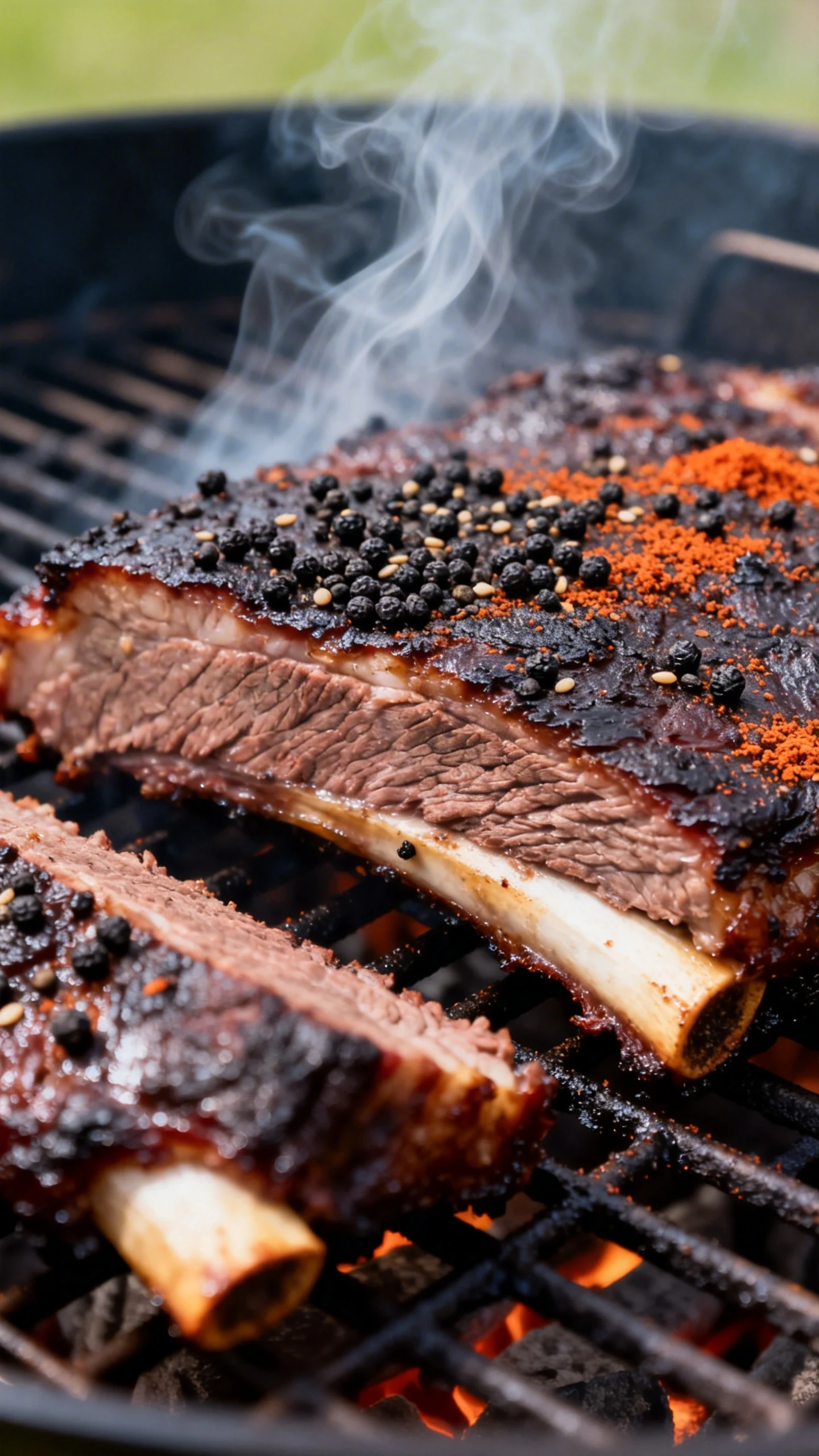
Beef ribs offer a richer, meatier bite than pork ribs, which is why they feel so satisfying. They carry smoke beautifully, hold up well to assertive seasoning, and reward slow cooking with incredible texture. When done right, every bite tastes deep, savory, and just a little dramatic in the best way.
This method keeps things approachable while still delivering serious backyard bragging rights. You get a flavorful rub, a low-and-slow cooking process, and a finishing option for sauce if you want that glossy, sticky look. IMO, it is the sweet spot between authentic barbecue and something real people can pull off on a Saturday.
Another reason these stand out: they do not need a mile-long ingredient list. The meat does a lot of the work. A few spices, some smoke, and proper timing build the kind of flavor that makes everyone suspicious you suddenly became much better at cooking than last month.
Ingredients
Here is everything you need for a classic batch of rich, smoky ribs with a balanced bark and optional sauce finish.
- Beef ribs, 4 to 5 pounds, plate ribs or back ribs
- Kosher salt, 2 tablespoons
- Coarse black pepper, 2 tablespoons
- Smoked paprika, 1 tablespoon
- Garlic powder, 2 teaspoons
- Onion powder, 2 teaspoons
- Brown sugar, 1 tablespoon
- Chili powder, 1 teaspoon
- Cayenne pepper, 1/4 teaspoon, optional
- Yellow mustard, 2 tablespoons, optional binder
- Apple cider vinegar, 1/4 cup, for spritzing
- Water or beef broth, 1/4 cup, for spritzing
- Barbecue sauce, 1/2 to 1 cup, optional for glazing
- Wood chunks or chips, such as oak, hickory, or mesquite
If you want a slightly more complex flavor, add a teaspoon of cumin or a pinch of dry mustard to the rub. If you prefer a Texas-style profile, skip the sugar and lean harder on salt and coarse pepper. There is no barbecue police officer hiding behind your grill, FYI.
Instructions
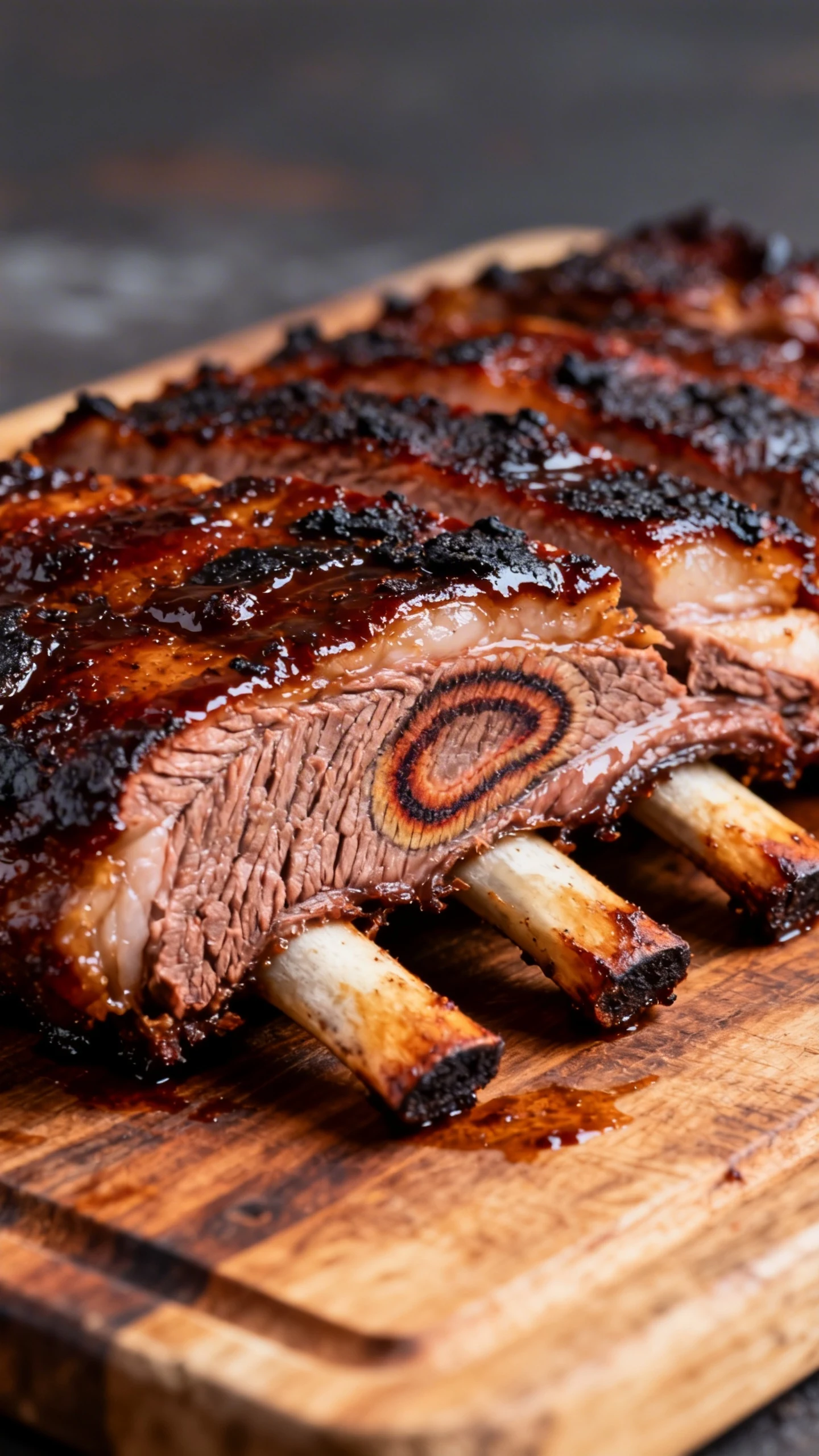
Follow these steps for tender ribs with a dark bark, juicy interior, and enough flavor to make side dishes feel decorative.
-
Prep the ribs. Pat the ribs dry with paper towels. If the rack has a thick membrane on the bone side, loosen and remove it for better texture and seasoning penetration. Trim only excess surface fat, because a little fat helps keep everything luscious while cooking.
-
Make the rub. In a bowl, combine the salt, black pepper, smoked paprika, garlic powder, onion powder, brown sugar, chili powder, and cayenne if using. Mix well so every spoonful tastes balanced. This blend gives you savory depth, gentle heat, and just enough sweetness to support the bark.
-
Season generously. If you like, rub the ribs lightly with yellow mustard as a binder. Coat all sides with the seasoning mix, pressing it into the meat so it adheres well. Let the ribs sit for 20 to 30 minutes at room temperature while the grill or smoker heats up.
-
Set up for low heat. Preheat your smoker or grill to 250°F. If using a charcoal grill, bank the coals to one side for indirect cooking and add wood chunks for smoke. You want steady heat, clean smoke, and zero chaos, which sounds obvious until someone keeps opening the lid every six minutes.
-
Start smoking. Place the ribs bone-side down on the cool side of the grill or directly on the smoker grates. Close the lid and let them cook low and slow. Add wood as needed during the first few hours to maintain a gentle stream of smoke, not a bonfire worthy of local news coverage.
-
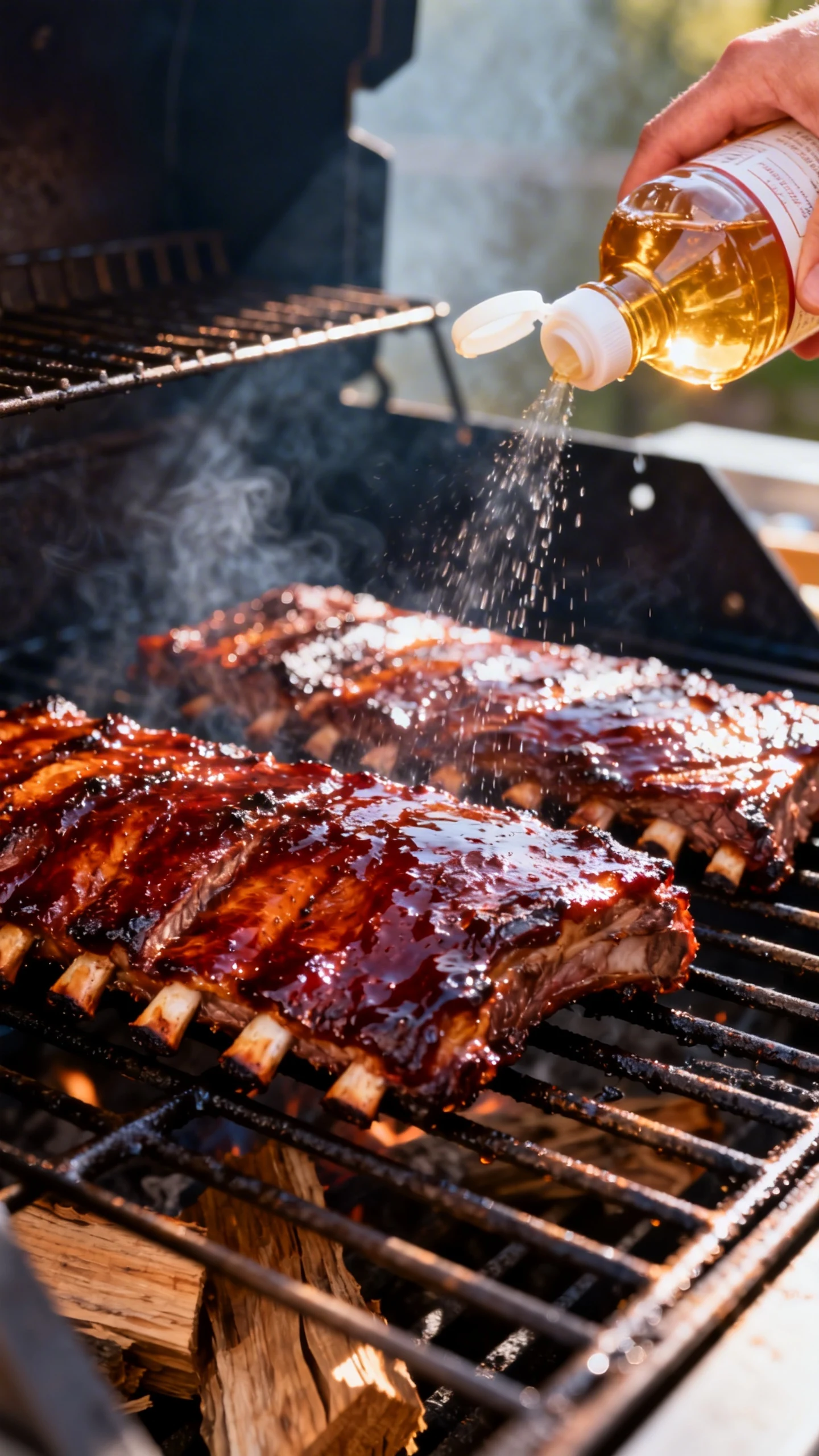
Spritz during the cook. Mix the apple cider vinegar with water or beef broth in a spray bottle. After the first 90 minutes, lightly spritz the ribs every 45 to 60 minutes if the surface looks dry. This helps maintain color and moisture without washing away the rub.
-
Cook until tender. Beef ribs usually take 5 to 7 hours, depending on thickness and type. Start checking for doneness when the meat has pulled back from the bones and the bark looks dark and set. A probe or skewer should slide into the meat with very little resistance.
-
Optional wrap step. If the ribs stall and you want to speed things up, wrap them in butcher paper or foil once the bark forms, usually around the 3 to 4 hour mark. This helps preserve moisture and push them through the stall. Purists may sigh dramatically, but dinner still matters.
-
Glaze if you want sauce. During the last 20 to 30 minutes, brush on barbecue sauce if you like a sticky finish. Let it set with the lid closed so it turns glossy instead of runny. If you love bark more than sauce, skip this and keep it dry-rubbed.
-
Rest before slicing. Remove the ribs from the heat and rest them loosely tented for 15 to 20 minutes. This gives the juices time to settle and makes slicing cleaner. Cut between the bones and serve while hot, preferably to people who appreciate greatness.
Storage Instructions
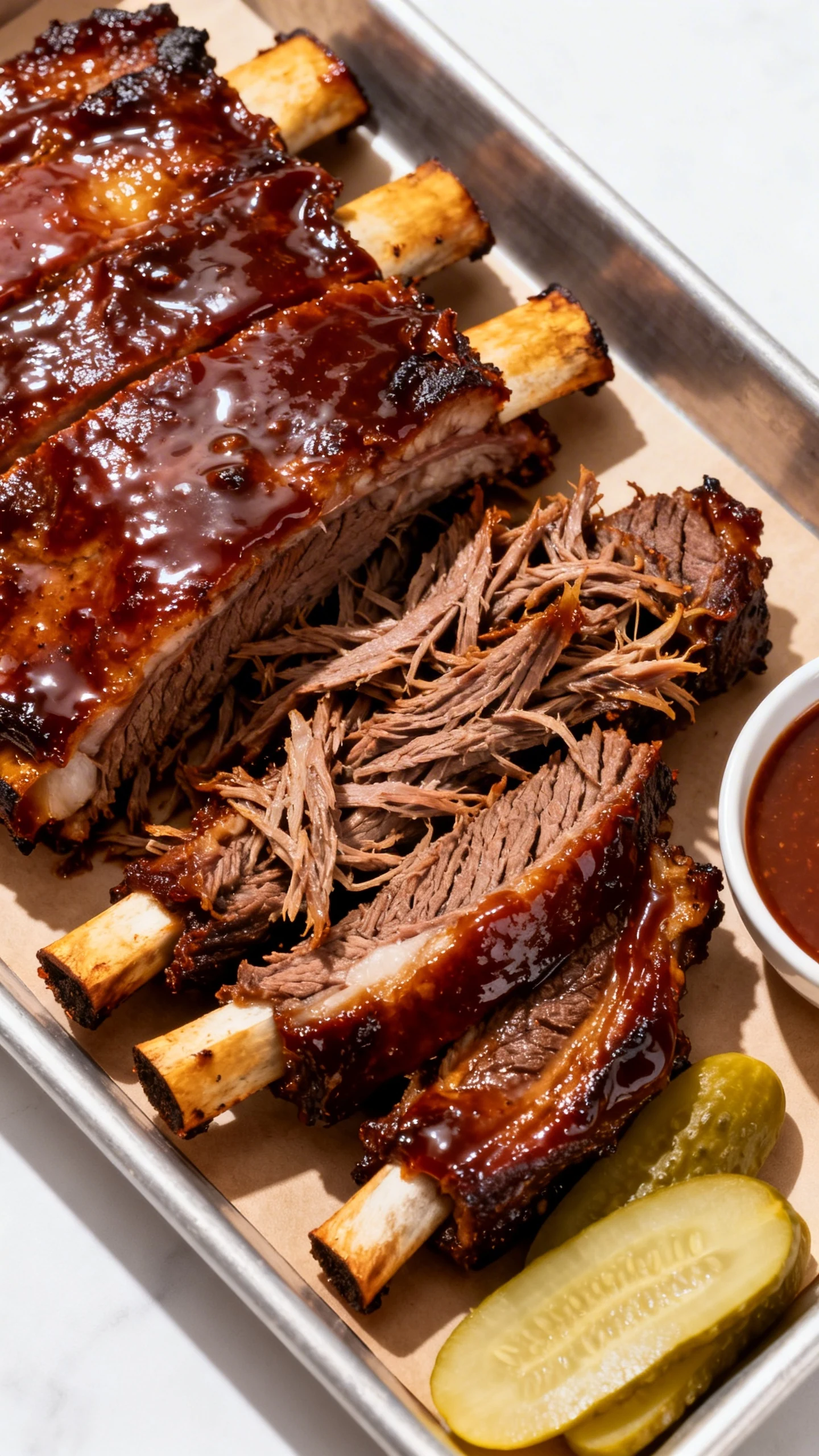
Let the ribs cool slightly before storing, but do not leave them out for more than 2 hours. Place leftovers in an airtight container or wrap them tightly in foil. Refrigerate for up to 4 days.
For longer storage, wrap portions well and freeze them for up to 3 months. Label the package with the date, because every freezer eventually becomes a time capsule. Thaw overnight in the refrigerator before reheating for the best texture.
To reheat, place the ribs in a baking dish with a splash of broth or water, cover with foil, and warm at 300°F until heated through. You can also reheat them gently on a grill over indirect heat. Microwaving works in an emergency, but let us not pretend it does the meat any favors.
Why This is Good for You
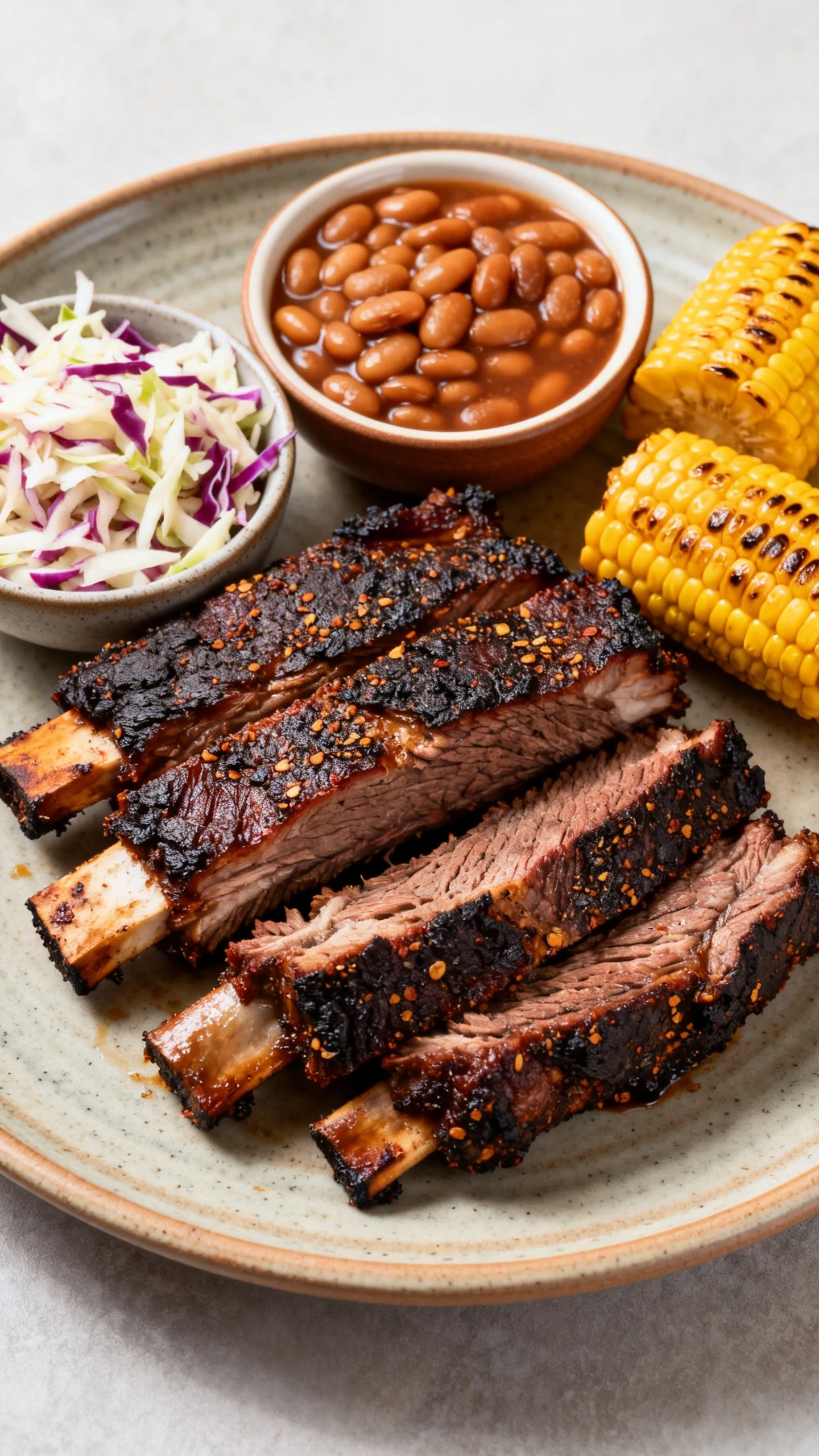
Beef ribs provide a solid amount of protein, which helps support muscle maintenance and keeps meals satisfying. They also contain important nutrients like iron, zinc, and vitamin B12. That means this is not just indulgent cookout food; it brings real nutritional value to the plate.
When you cook them low and slow at home, you control the ingredients. You can reduce sugar, choose a lower-sodium rub, or skip bottled sauce if you want a cleaner flavor profile. Homemade barbecue often ends up tasting better and containing fewer random extras than store-bought versions.
Pairing the ribs with grilled vegetables, a vinegar slaw, or beans can turn the meal into a more balanced spread. Rich main, fresh sides, happy guests. Funny how that works.
Pitfalls to Watch Out For
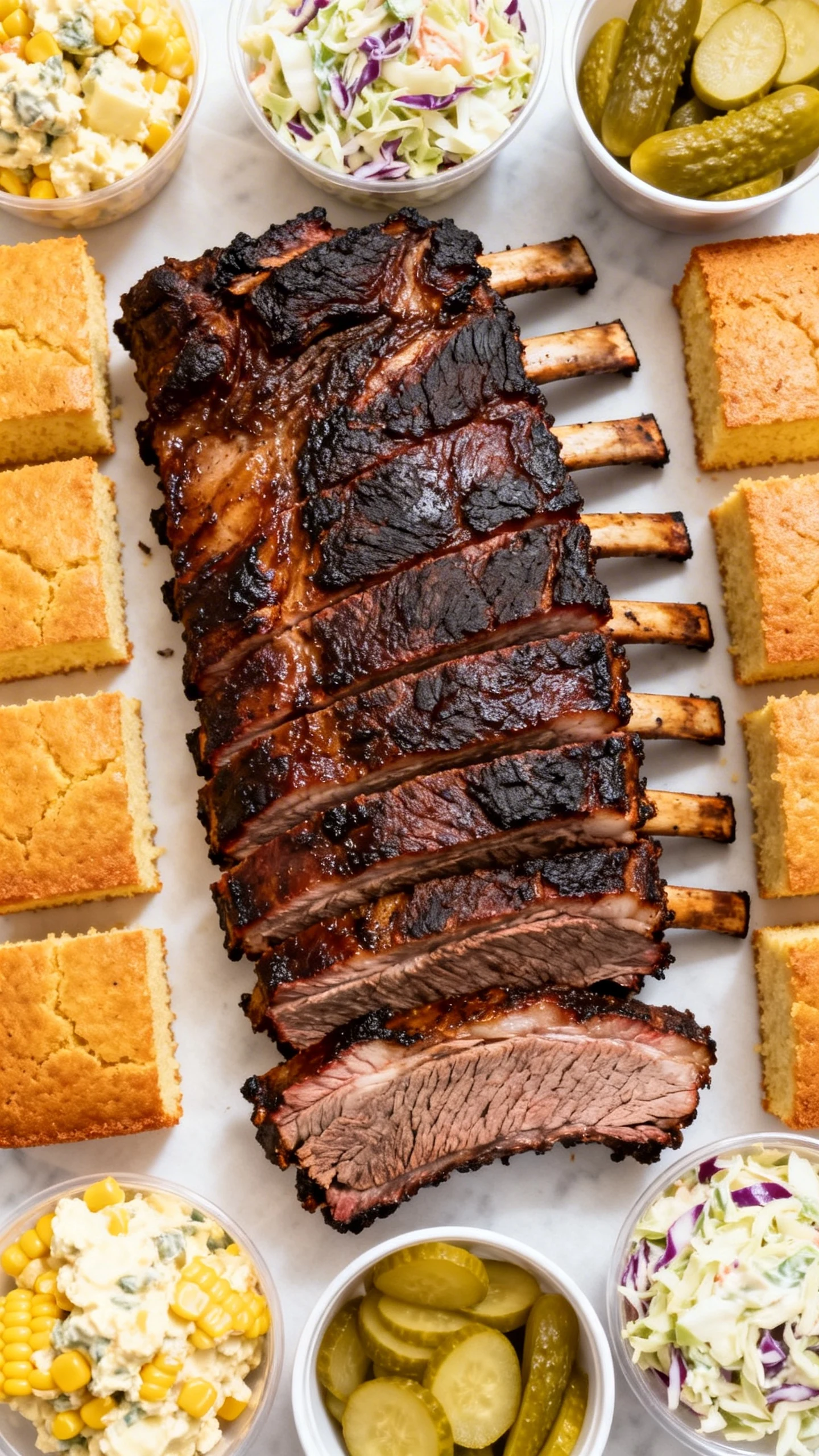
Cooking too hot ranks near the top of the mistake list. High heat can toughen the exterior before the connective tissue has time to break down properly. Keep the temperature steady and resist the urge to rush, because these ribs do not respond well to impatience.
Using too much sugar in the rub can also cause problems, especially if the heat spikes. Sugar burns faster than people expect and can turn your bark bitter. A little sweetness works well, but a candy-coated crust is not the mission.
Pulling them too early ruins a lot of otherwise promising ribs. Beef ribs need enough time for the collagen to melt and the meat to relax into tenderness. If they still feel tight when probed, they are not done, no matter how hungry everyone acts.
Over-smoking is another common issue. Meat should taste kissed by smoke, not like it spent the afternoon inside a campfire. Use clean-burning fuel and avoid thick, dirty smoke that leaves harsh flavor behind.
Alternatives
If you cannot find plate ribs, beef back ribs make a great substitute. They have a little less meat on top, but they still develop excellent bark and rich flavor when smoked properly. Just monitor them a bit more closely because they may finish faster.
If you do not have a smoker, use a charcoal grill set up for indirect heat. Add wood chunks to the coals and keep the lid closed as much as possible. A gas grill can work too, especially with a smoker box, though the smoke flavor may come out a little lighter.
Want a faster path? You can braise the ribs in the oven at low heat, then finish them on the grill for color and char. It is not exactly the same as full smoked barbecue, but it still produces tender, delicious results for days when your schedule acts rude.
You can also switch up the seasoning profile. Go classic with salt and pepper, add coffee for a darker crust, or use chipotle for extra heat. The meat is robust enough to handle bold choices, so feel free to make it yours.
FAQ
What is the best cut for barbecue beef ribs?
Plate ribs usually deliver the meatiest, most dramatic result. They have thick layers of meat and fat that turn beautifully tender during a long cook. Back ribs are still delicious, but they tend to carry less meat.
How long do beef ribs take to smoke?
Most racks need about 5 to 7 hours at 250°F, though thick plate ribs can sometimes take longer. Time helps, but tenderness matters more than the clock. Probe the meat and look for little resistance before pulling them off.
Should I wrap the ribs while cooking?
You can, but you do not have to. Wrapping helps speed up the cook and retain moisture, especially once the bark has already formed. If you want a firmer bark, leave them unwrapped the whole time.
Do I need barbecue sauce?
No. Good beef ribs taste fantastic with just a well-balanced rub and smoke. Sauce adds sweetness and shine, but it should support the meat, not bury it.
How do I know when they are done?
Look for bark that feels set, meat that has pulled back from the bones, and a probe that slides in easily. The internal temperature often lands around 200°F to 210°F, but texture gives the final answer. Tender wins over numbers every time.
Can I make these in the oven?
Yes. Season the ribs, cook them covered at a low temperature until tender, then uncover or finish under high heat for color. You will miss some smoke flavor, but you can still get deeply savory, satisfying ribs.
What sides go well with them?
Classic pairings include coleslaw, baked beans, potato salad, cornbread, and grilled corn. Acidic sides work especially well because they balance the richness of the meat. A crisp pickle on the plate does more work than people give it credit for.
Final Thoughts
Great barbecue feels a little theatrical, and beef ribs absolutely understand the assignment. They bring bold flavor, impressive presentation, and that low-and-slow magic that makes a meal feel memorable. Once you learn the rhythm, the process becomes simple and the payoff gets huge.
If you want a dish that tastes like effort without requiring culinary wizardry, this is it. Keep the heat steady, season with confidence, and give the meat the time it deserves. Then serve it up and act humble when everyone loses their minds.