Sticky, savory, weeknight-friendly ribs with big char, bold flavor, and simple steps that actually work.
Some recipes ask for a full day, a smoker, and the patience of a monk. This one asks for a bowl, a rack of ribs, and a very reasonable amount of confidence. You get glossy, sticky, deeply savory meat with that sweet-spicy edge people fake politeness over while taking the last piece. Make these once, and suddenly every casual dinner turns into a crowd event.
The magic here is contrast. Salty soy, sweet brown sugar, sharp garlic, warm sesame, and a little heat hit the ribs from every angle. Then the oven or grill does the heavy lifting while you act suspiciously calm, like this outcome was inevitable. Honestly, that is the kind of kitchen energy we should all bring more often.
Why This Recipe Works
It balances sweet, salty, and savory in a way that keeps every bite interesting. Korean-style rib marinades usually lean on soy sauce, sugar, garlic, ginger, and sesame oil, and for good reason. Those ingredients build layers fast without turning your kitchen into a science lab.
The marinade does real work, not decorative work. Soy sauce seasons the meat, sugar helps caramelization, and garlic plus ginger add that unmistakable punch. Pear or apple adds gentle fruitiness and helps tenderize the ribs, which is a nice bonus from produce doing something useful for once.
You can cook these several ways and still get excellent results. Use the oven for consistency, the grill for char, or finish under the broiler for sticky edges. That flexibility matters because not everyone wants to stand outside babysitting fire on a Tuesday.
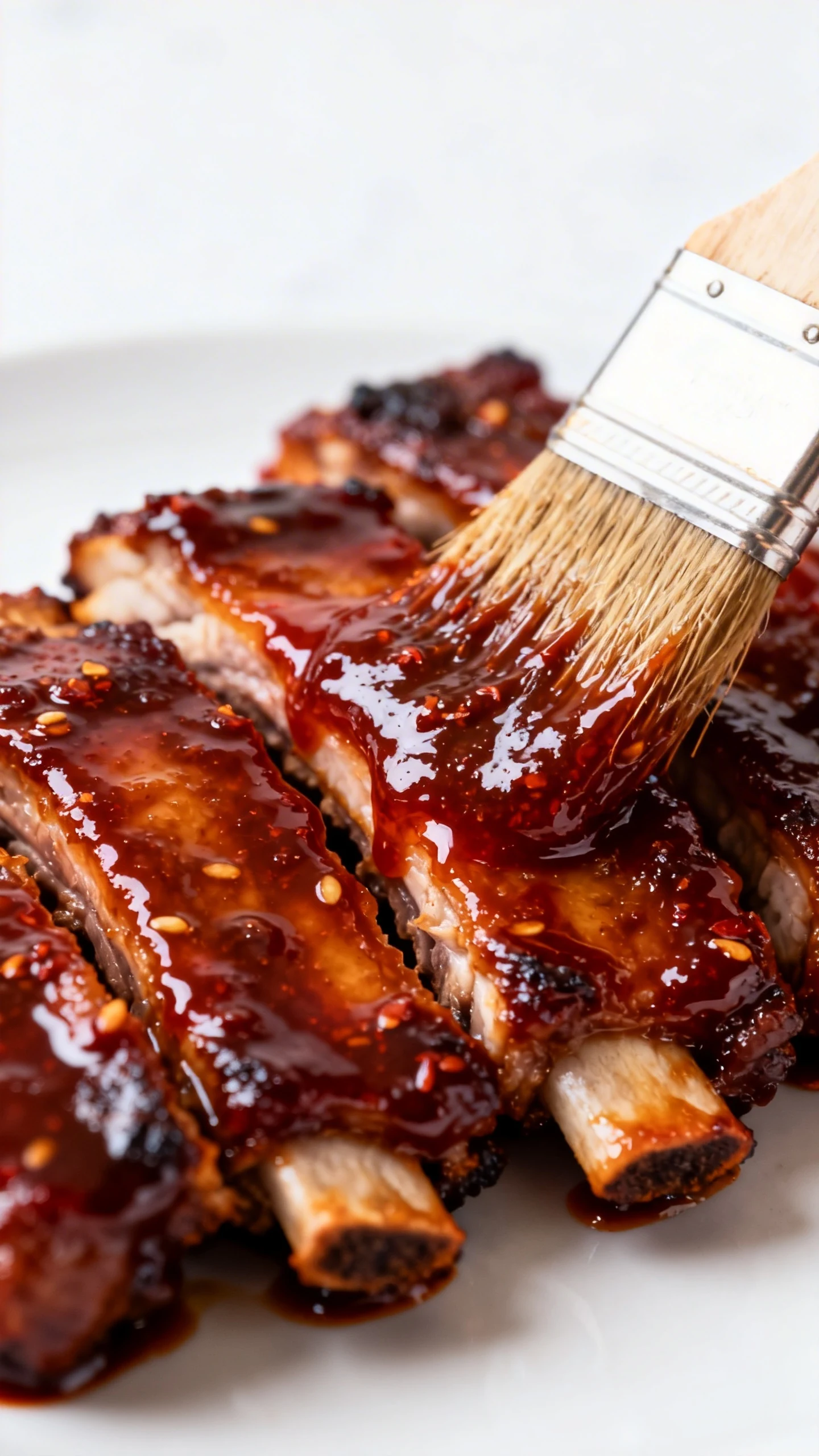
The texture hits hard. The ribs turn tender inside while the glaze reduces into a shiny, lacquered coating outside. You want meat that yields, not meat that makes dinner feel like upper-body training.
What You’ll Need (Ingredients)
These ingredients make enough for about 4 to 6 servings, depending on whether your guests show restraint. Plan on 2 racks of pork ribs for a generous meal.
- 2 racks pork baby back ribs or St. Louis-style ribs
- 1/2 cup soy sauce
- 1/3 cup brown sugar
- 3 tablespoons gochujang, for heat and depth
- 2 tablespoons honey
- 2 tablespoons sesame oil
- 1 Asian pear, grated, or 1 small apple, grated
- 6 garlic cloves, minced
- 1 tablespoon fresh ginger, grated
- 2 tablespoons rice vinegar
- 2 tablespoons mirin or a little extra brown sugar
- 1 tablespoon neutral oil
- 1 teaspoon black pepper
- 1/2 teaspoon kosher salt, adjust depending on your soy sauce
- 1 tablespoon toasted sesame seeds, for garnish
- 3 green onions, thinly sliced, for garnish
If you want a little more heat, add 1 teaspoon red pepper flakes or extra gochujang. If you want a sweeter finish, keep a little extra honey nearby for the final glaze.
Cooking Instructions
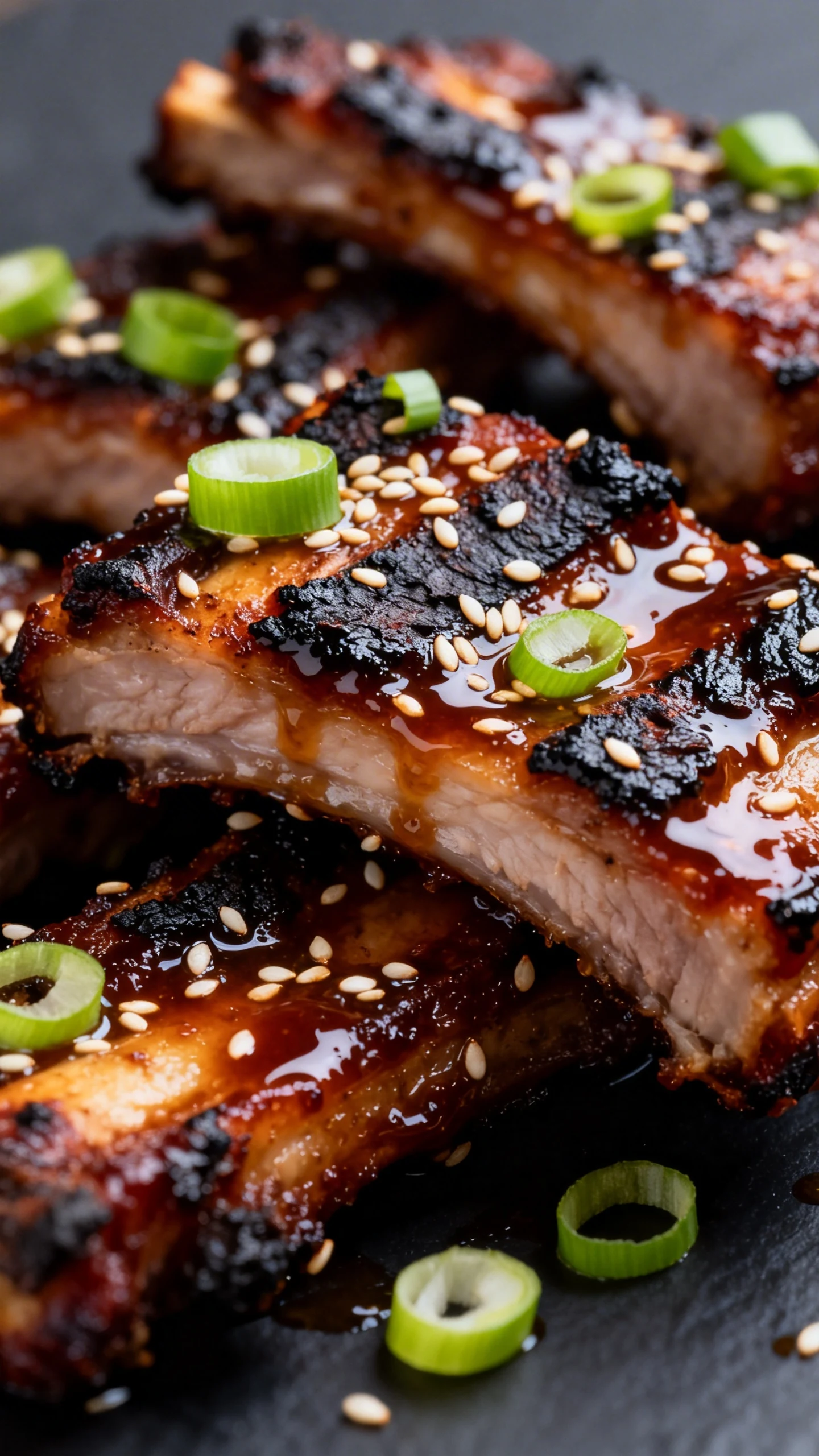
You can marinate overnight if you plan ahead, or go for a shorter soak if life is doing its usual nonsense. Either way, the result still lands.
-
Prep the ribs. Remove the thin membrane from the back of the ribs if it is still attached. Pat the racks dry with paper towels, then cut each rack into halves if that makes them easier to handle. Dry ribs take marinade better than wet ribs. Shocking, I know.
-
Make the marinade. In a large bowl, whisk together soy sauce, brown sugar, gochujang, honey, sesame oil, grated pear, garlic, ginger, rice vinegar, mirin, neutral oil, black pepper, and salt. Stir until the sugar dissolves as much as possible. The mixture should smell bold and slightly sweet with a spicy edge.
-
Marinate. Place the ribs in a large dish or zip-top bag and pour the marinade over them. Turn the ribs so every surface gets coated. Refrigerate for at least 4 hours, but overnight gives the best flavor. FYI, putting them in the fridge and forgetting them for 24 hours is not gourmet sabotage. It usually helps.
-
Bring the ribs closer to room temperature. Take the ribs out 30 minutes before cooking. This helps them cook more evenly. While they sit, preheat your oven to 300°F.
-
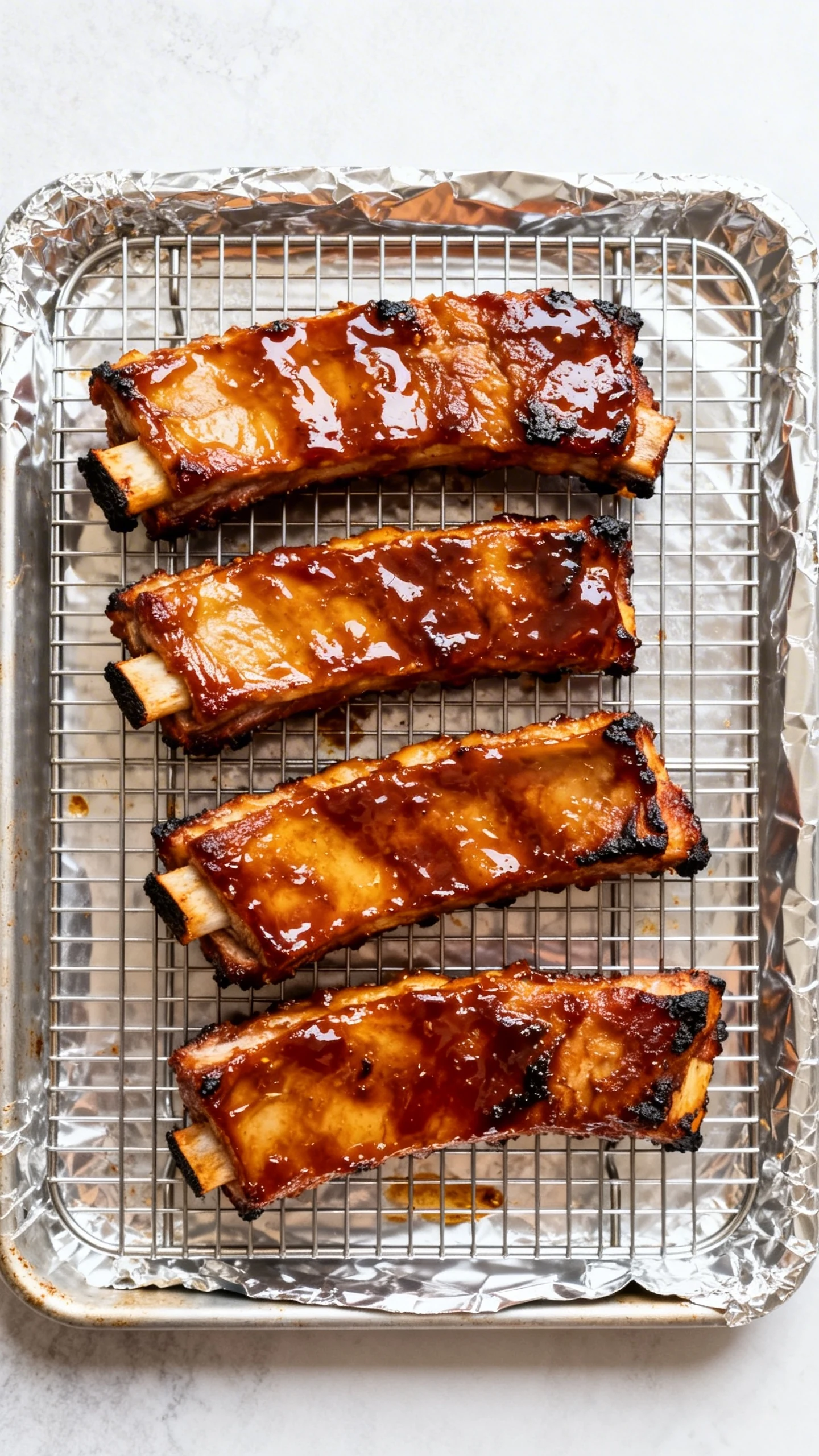
Bake low and slow. Line a baking sheet or roasting pan with foil, then place a wire rack on top if you have one. Arrange the ribs meaty side up and cover loosely with foil. Bake for 2 to 2 1/2 hours, until the ribs feel tender when pierced with a knife.
-
Make the glaze from the marinade. Pour the leftover marinade into a saucepan and bring it to a full boil. Reduce the heat and simmer for 10 to 15 minutes until slightly thickened. This step matters because raw marinade touched raw meat, and food safety is not a place to freestyle.
-
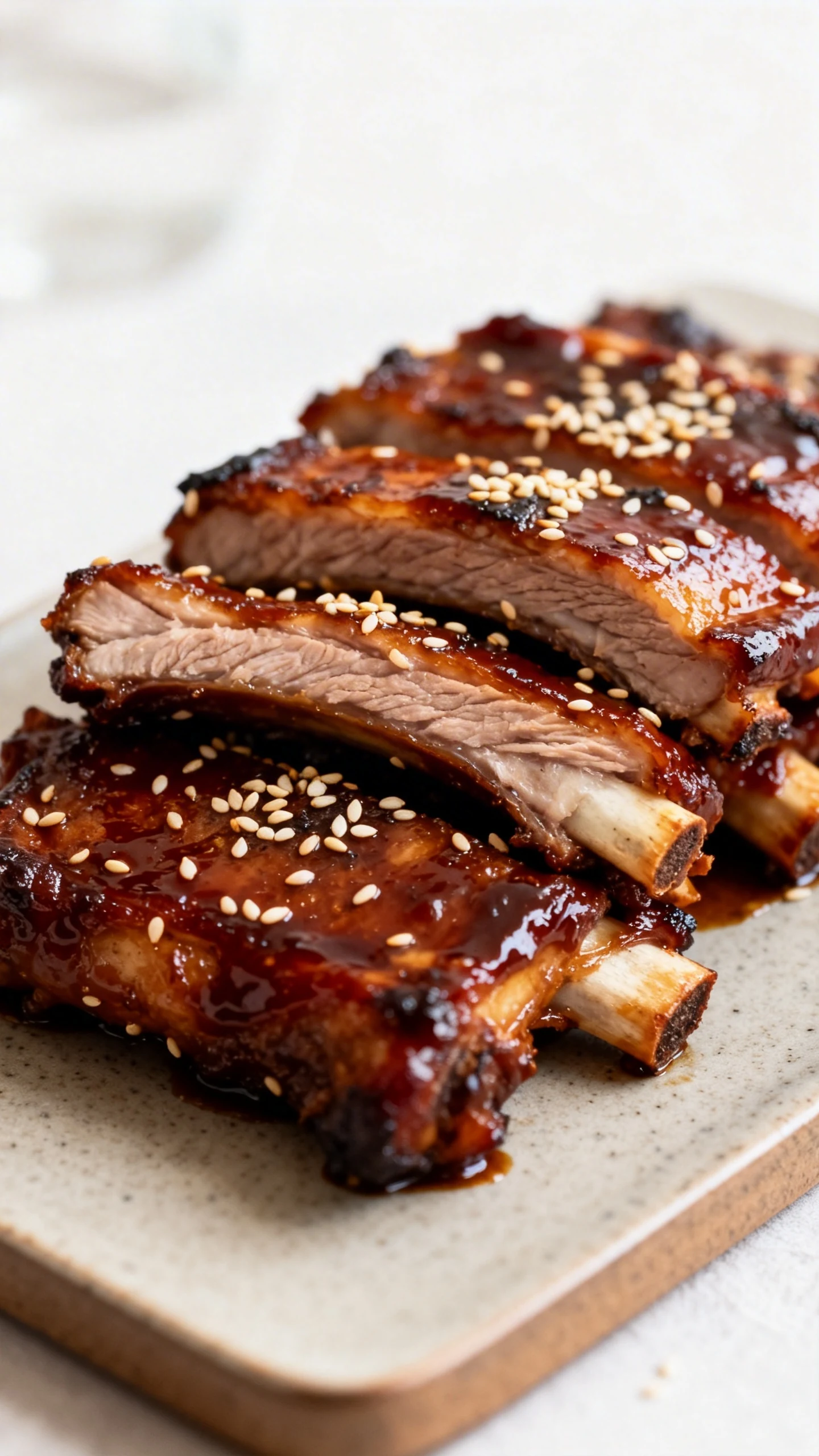
Glaze the ribs. Remove the foil from the ribs and brush them generously with the reduced sauce. Return them to the oven at 425°F for 10 to 15 minutes. Brush again once or twice until the surface looks shiny and caramelized.
-
Optional grill finish. For extra char, move the baked ribs to a hot grill for 2 to 3 minutes per side. Brush with more glaze as they cook. Watch closely because sugar burns fast and turns your masterpiece into a cautionary tale.
-
Rest and garnish. Let the ribs rest for 5 to 10 minutes before slicing. Sprinkle with sesame seeds and green onions. Serve with rice, quick pickled cucumbers, kimchi, or all three if you want the full experience.
How to Store
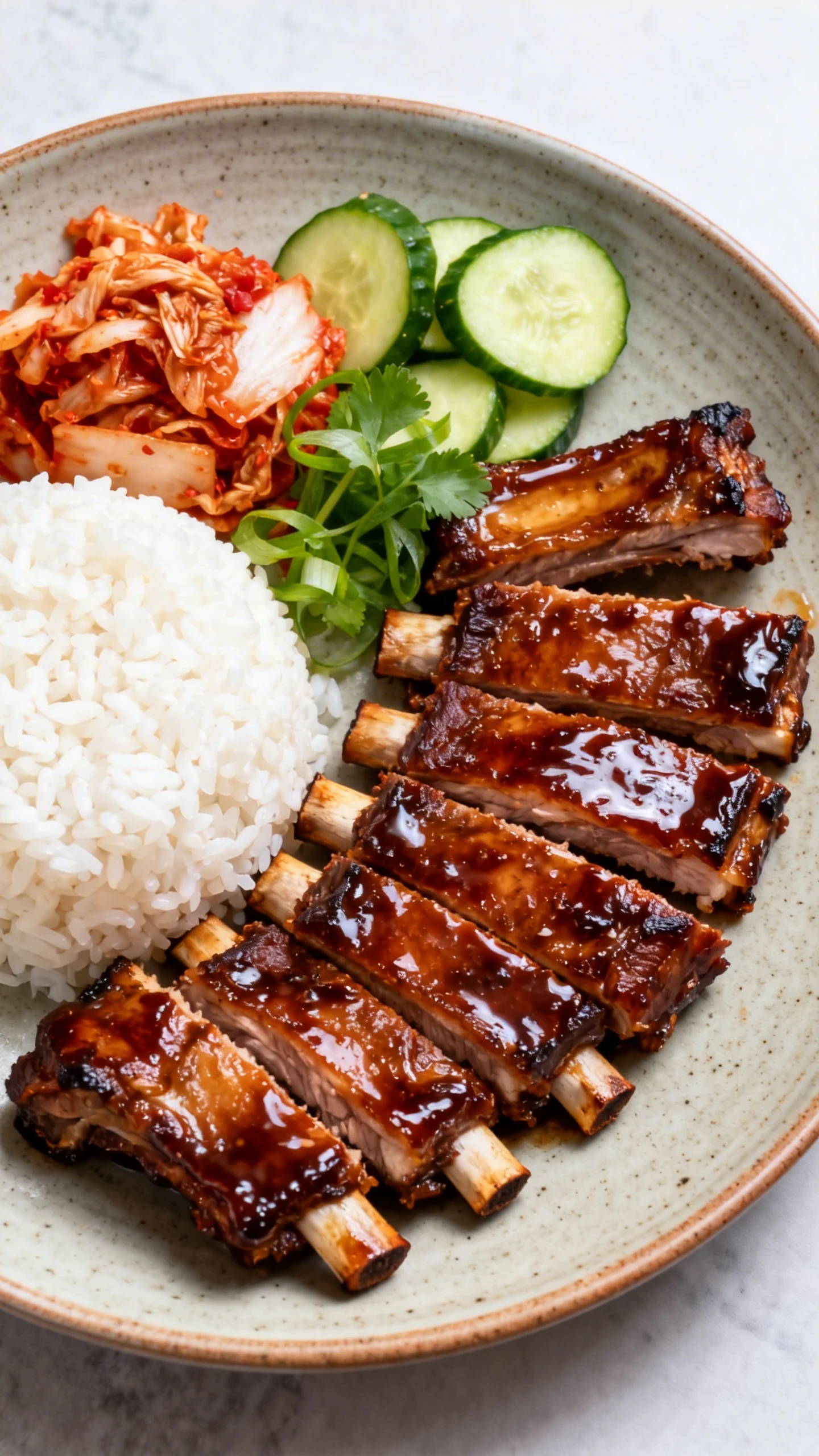
Let the ribs cool before storing, but do not leave them out forever. Refrigerate leftovers in an airtight container for up to 4 days. Keep extra glaze in a separate container so the ribs do not get soggy.
To reheat, place the ribs in a baking dish, add a spoonful of water or extra sauce, cover with foil, and warm at 300°F until hot. You can also microwave them, but the texture softens more. Convenient, yes. Ideal, not exactly.
For longer storage, freeze cooked ribs for up to 2 months. Wrap them tightly, then store them in a freezer-safe bag or container. Thaw overnight in the refrigerator before reheating for the best texture.
Why This is Good for You
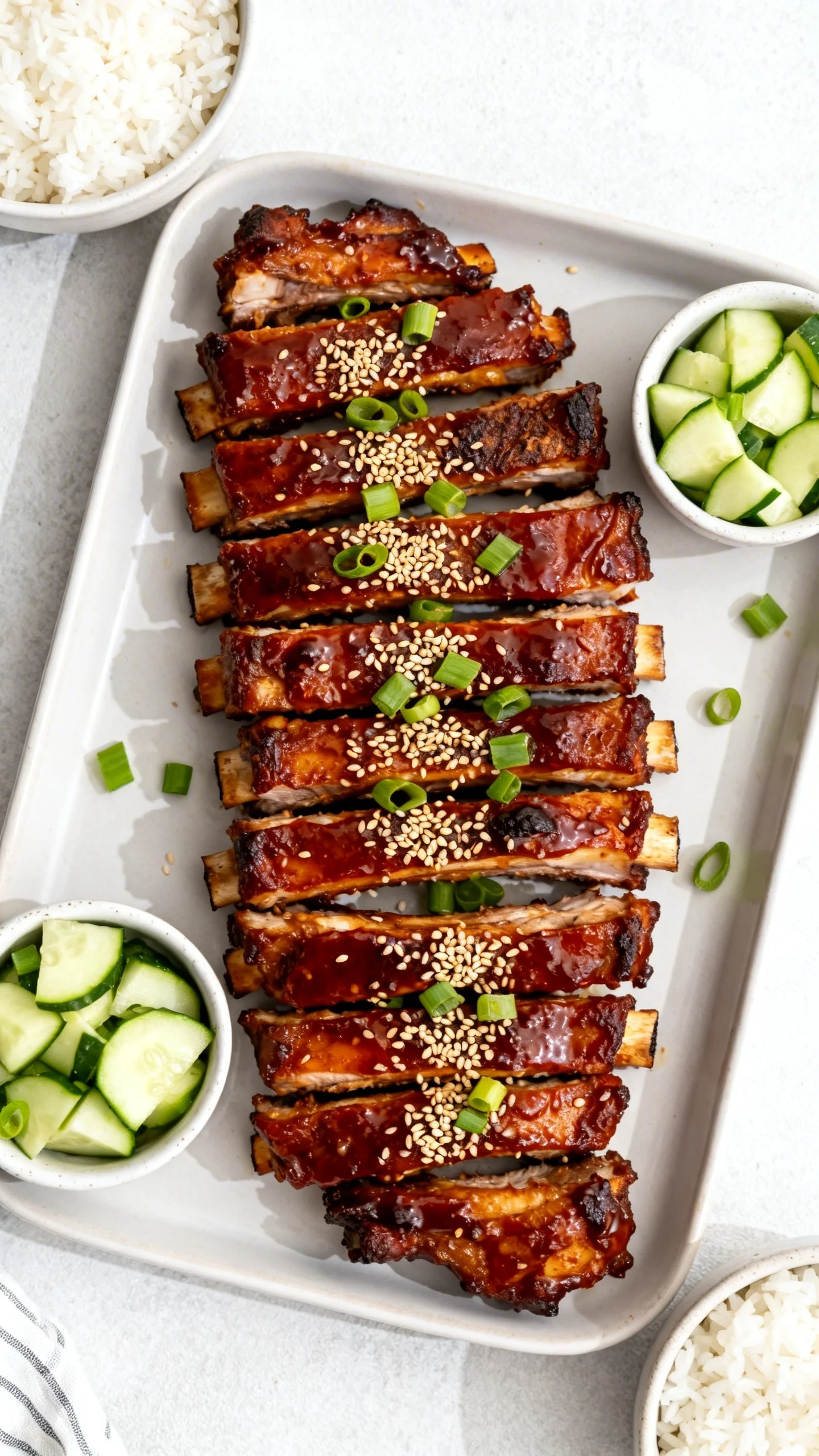
Pork ribs provide protein, which helps support muscle maintenance and keeps meals satisfying. They also contain minerals like iron and zinc. So yes, this dish brings more than just sauce-related joy.
Garlic and ginger add more than flavor. Both contain plant compounds people often associate with wellness benefits, especially in balanced diets. They also make the kitchen smell like you know what you are doing, which has emotional value IMO.
Homemade sauce gives you control. You decide the sugar, the heat, and the sodium level. That usually beats bottled sauces that sneak in extra sweetness and preservatives like they are doing you a favor.
Pairing matters. Serve these ribs with rice, lettuce wraps, cucumbers, or a crunchy slaw to make the meal feel balanced. A good dinner does not need to pretend it is a salad, but it can still bring some freshness to the table.
Don’t Make These Errors
-
Skipping the membrane removal. If the membrane stays on, the ribs can turn chewy and the marinade will not penetrate as well. It takes a minute to remove and saves a lot of regret.
-
Using the marinade raw as a finishing sauce. Always boil it first if it touched the ribs. This is not optional kitchen creativity.
-
Cooking too hot too early. High heat from the start can toughen the meat and burn the sugars. Tender first, char later. That order exists for a reason.
-
Under-marinating. Thirty minutes will add some flavor, but several hours do much more. If you want that full sweet-savory depth, give it time.
-
Overdoing the salt. Soy sauce already brings plenty. Taste the marinade before adding more, especially if your soy sauce is not low sodium.
-
Cutting immediately after cooking. A short rest helps juices stay in the meat. Slice too soon and the board gets dinner instead.
Alternatives
If pork ribs are not your thing, use the same flavor profile on beef short ribs or flanken-style ribs. Those cuts work especially well on the grill and cook faster in thinner slices. They also bring a richer, beefier bite that stands up to the bold marinade.
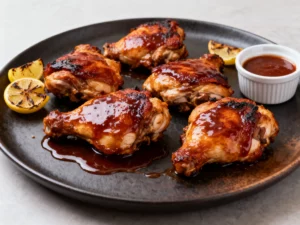
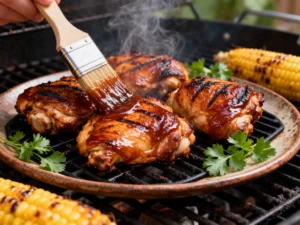
For a lighter option, try chicken thighs or drumsticks. Marinate for 4 to 8 hours, then roast or grill until fully cooked. You still get the sticky glaze and deep flavor without committing to ribs.
You can also make this recipe less spicy by reducing the gochujang and adding a little extra honey. If you want more heat, add more gochujang or a spoonful of chili crisp on the side. Adjusting the fire level is a lot easier than explaining to your guests why their lips are numb.
Need a different cooking method? Use a slow cooker for tenderness, then finish the ribs under the broiler for caramelization. It is not the exact same as grilling, but it gets surprisingly close with far less drama.
FAQ
Can I make these ahead of time?
Yes. You can marinate the ribs a day ahead, or fully cook them and reheat before serving. If you cook them in advance, save some glaze for brushing on during reheating so they still look fresh and glossy.
What kind of ribs work best?
Baby back ribs cook a little faster and tend to be leaner. St. Louis-style ribs have more fat and a meatier bite. Both work well, so choose based on your texture preference and what looks best at the store.
Do I need gochujang?
Gochujang gives the sauce its signature sweet heat and fermented depth. If you cannot find it, use a mix of chili paste and a small pinch of sugar, though the flavor will be less complex. It will still be tasty, just not quite as dialed in.
Can I cook these entirely on the grill?
Yes, but use indirect heat for most of the cooking. Keep the grill around a moderate temperature, cook slowly with the lid closed, then move the ribs over direct heat at the end to caramelize the glaze. That helps you avoid the classic burned-outside, stubborn-inside situation.
How do I know when the ribs are done?
The meat should feel tender when pierced, and it should pull back slightly from the bones. If you lift the rack with tongs, it should bend easily without falling completely apart. You want tender, not shredded beyond recognition.
What should I serve with them?
Steamed rice, kimchi, pickled radishes, cucumber salad, and grilled vegetables all pair well. A crisp slaw also cuts through the richness. Basically, you want something fresh and crunchy next to all that sticky glaze.
Final Thoughts
These ribs bring the kind of flavor that makes people pause mid-bite and look at you differently. They are sweet, savory, a little spicy, and ridiculously satisfying without requiring pro-level equipment. That combination tends to win hearts and empty platters.
If you want a recipe that feels special but stays realistic, this is it. Make them for a weekend dinner, a backyard hang, or any night that needs a little upgrade. Then act humble when everyone asks for the recipe, even though you absolutely saw it coming.