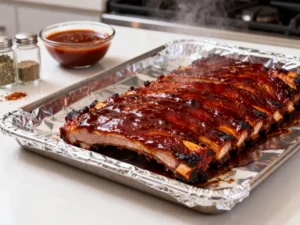
Big-smoke flavor, sticky-sweet bark, and juicy slices—built for backyard bragging rights with simple pantry staples and zero stress.
You don’t need a competition smoker or a secret handshake to pull off a pork roast that makes people hover near the cutting board. You need a plan, a few bold flavors, and the patience to let heat do its quiet magic. This is the kind of meal that turns “just grilling” into a neighborhood event. And yes, someone will ask, “What did you put in this?” like you’re hiding a family heirloom.
The best part: this recipe scales up without getting complicated. Cook one roast for dinner and you’ll still have leftovers that taste like you tried even harder the next day. It’s the rare dish that feels impressive but behaves like a low-maintenance friend. If your grill can get hot, you’re already qualified.
What Makes This Recipe Awesome
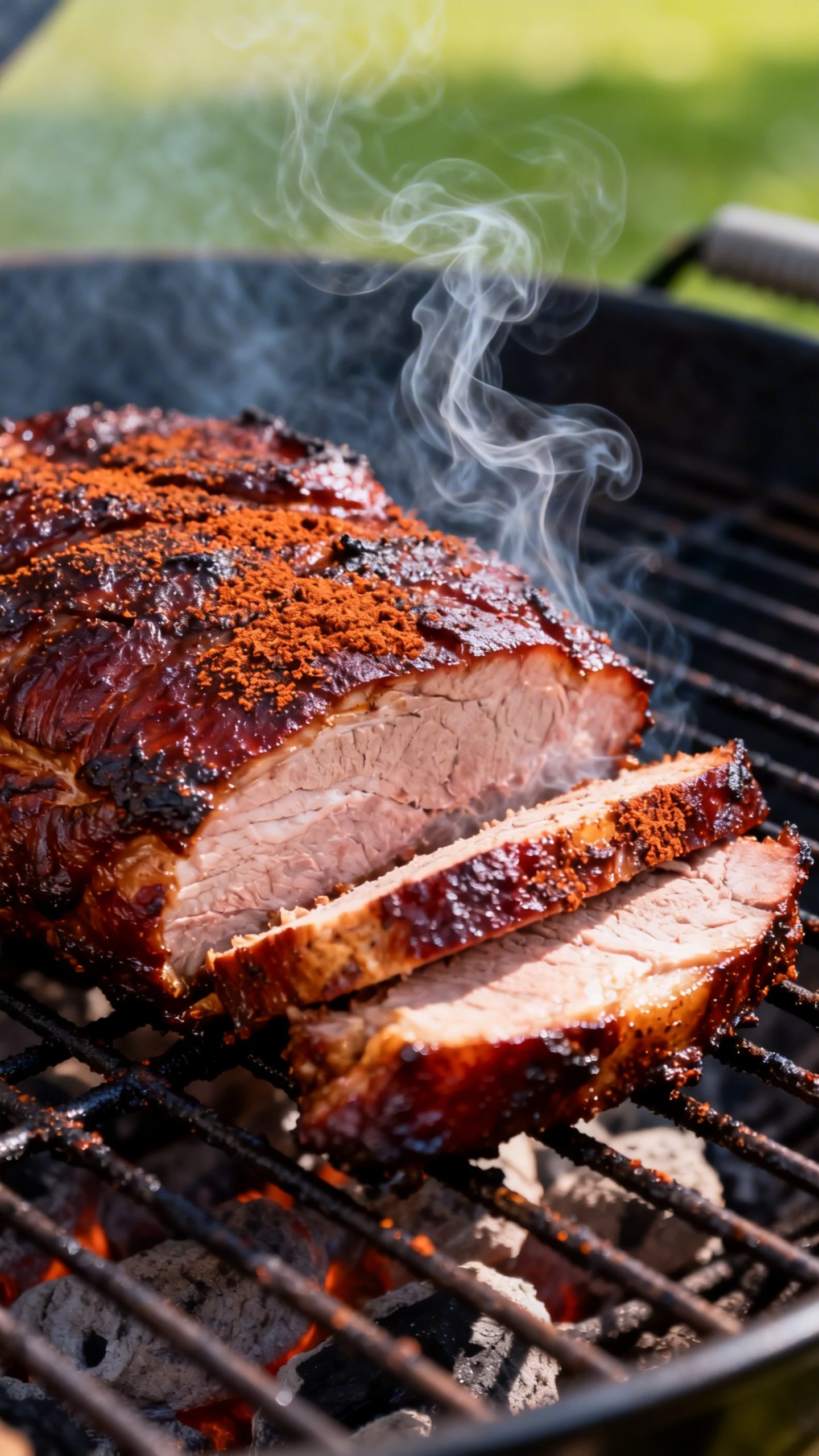
This roast hits the sweet spot between hands-off and show-stopping. You build a seasoned crust, cook it low and steady, then finish with a glaze that caramelizes into that “how is this so good?” surface.
You also get control. Want it sweeter? Add more honey. Want it louder and smokier? Add chipotle. Want it tangy enough to wake up your taste buds? Apple cider vinegar has your back.
- Juicy texture: A simple brine-like rub plus gentle heat keeps it tender.
- Bark for days: Brown sugar and spices create a deep, sticky crust.
- Real BBQ vibe: Smoke + sauce + patience equals bragging rights.
- Leftovers become upgrades: Sandwiches, tacos, rice bowls, ramen—yes, ramen.
What Goes Into This Recipe – Ingredients
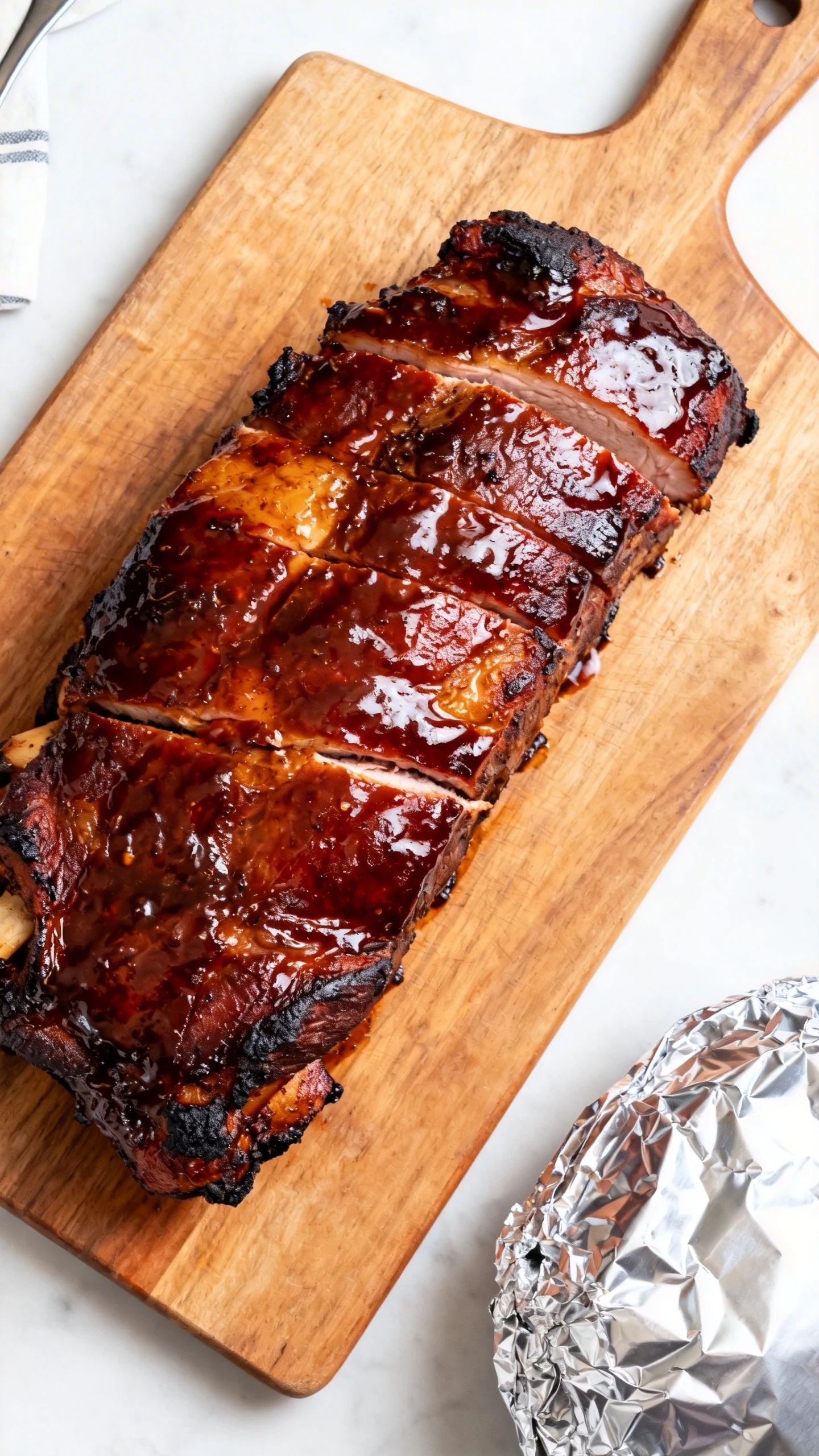
Pick a pork roast that suits your vibe and your grill space. Pork shoulder gives you maximum juiciness and forgiveness. Pork loin slices beautifully and cooks faster, but it punishes overcooking like it’s a hobby.
- Pork roast: 4–6 lb pork shoulder (preferred) or pork loin
- Kosher salt: 2 1/2 teaspoons
- Brown sugar: 3 tablespoons
- Paprika: 2 tablespoons (smoked paprika if you have it)
- Garlic powder: 2 teaspoons
- Onion powder: 2 teaspoons
- Black pepper: 1 1/2 teaspoons
- Ground cumin: 1 teaspoon
- Chili powder: 1 teaspoon
- Cayenne: 1/4 to 1/2 teaspoon (optional)
- Yellow mustard: 2 tablespoons (binder)
- Apple cider vinegar: 2 tablespoons
- Worcestershire sauce: 1 tablespoon
- BBQ sauce: 3/4 cup (your favorite)
- Honey: 2 tablespoons
- Butter: 2 tablespoons
- Wood chunks or chips: hickory, apple, or cherry (optional but recommended)
- Neutral oil: for grill grates
Step-by-Step Instructions
This is a list you can actually follow while holding tongs and pretending you’re on a cooking show. Read it once, then act confident. Confidence adds flavor, probably.
-
Choose your roast and trim smart. Pat the pork dry. Trim only thick, hard fat caps; leave a thin layer for flavor and moisture. If using loin, keep trimming minimal so you don’t sabotage tenderness.
-
Mix the rub. In a bowl, combine salt, brown sugar, paprika, garlic powder, onion powder, black pepper, cumin, chili powder, and cayenne if using. Stir until it looks like something you’d pay $12 for in a “small-batch” jar.
-
Make the binder. Mix mustard, apple cider vinegar, and Worcestershire. Rub it all over the pork. This helps the spices stick and adds tang; no, it won’t taste like straight mustard.
-
Season aggressively (in a loving way). Coat the roast with the rub on all sides. Press it in, don’t just sprinkle and hope. Let it sit 20–30 minutes while you heat the grill, or refrigerate uncovered up to overnight for a deeper crust.
-
Set up your grill for indirect heat. Aim for 250–275°F. On a gas grill, leave one side off and the other on low. On charcoal, bank coals to one side. Add wood chunks/chips for smoke if you want that backyard perfume.
-
Oil the grates, then place the roast on the cool side. Put pork over indirect heat, close the lid, and let it cook. Don’t keep peeking; your grill isn’t a TV. FYI, every lid lift slows the cook and steals bark development.
-
Cook to temperature, not vibes. Use a thermometer. For pork shoulder, target 195–203°F for pull-apart tenderness. For pork loin, target 140–145°F for juicy slices. Start checking after 2 hours, then every 30–45 minutes.
-
Optional: Spritz for shine. If the surface looks dry, lightly spritz with apple cider vinegar every 45–60 minutes after the first hour. Keep it light; you’re building bark, not rinsing it off.
-
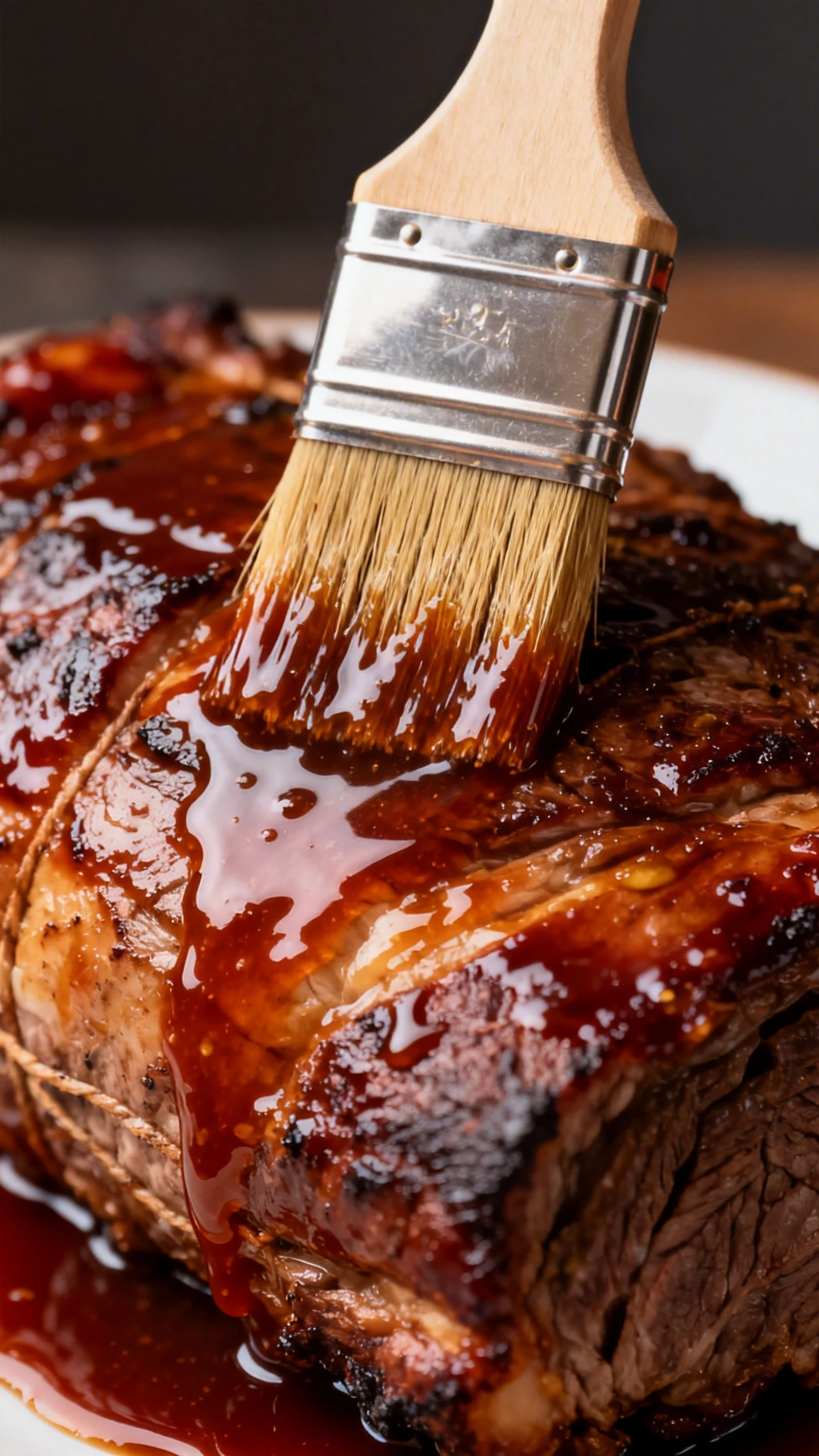
Glaze near the end. In a small pan, warm BBQ sauce, honey, and butter until smooth. Brush on during the last 20–30 minutes of cooking so it caramelizes without burning.
-
Rest like you mean it. Remove the roast and rest 20–30 minutes (loin) or 45–60 minutes (shoulder) loosely tented with foil. Resting keeps juices in the meat instead of on your cutting board.
-
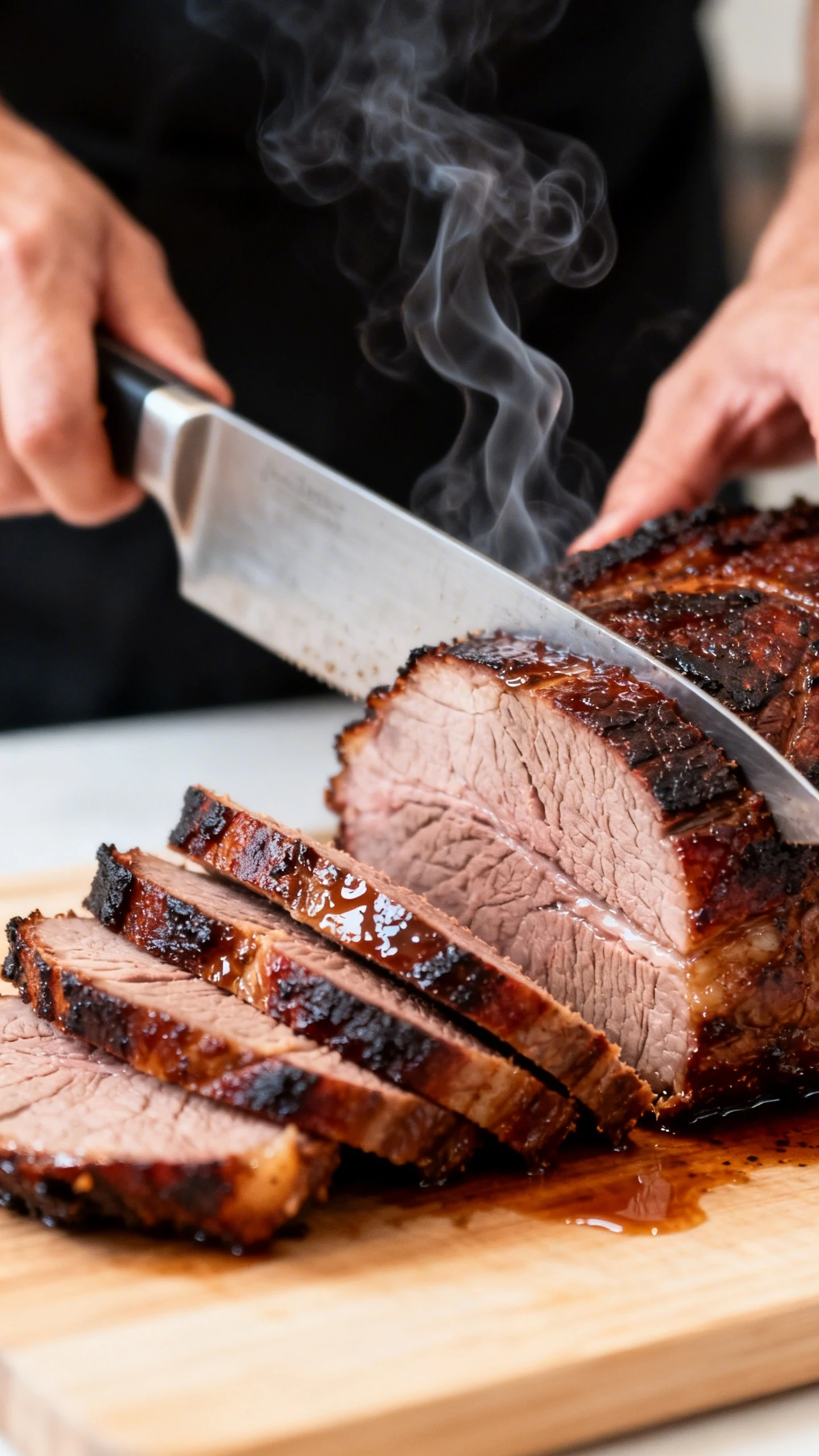
Slice or shred, then sauce to finish. Slice against the grain for loin. For shoulder, shred with forks or gloved hands. Toss lightly with a little extra warm sauce for that glossy, “I totally planned this” finish.
Preservation Guide
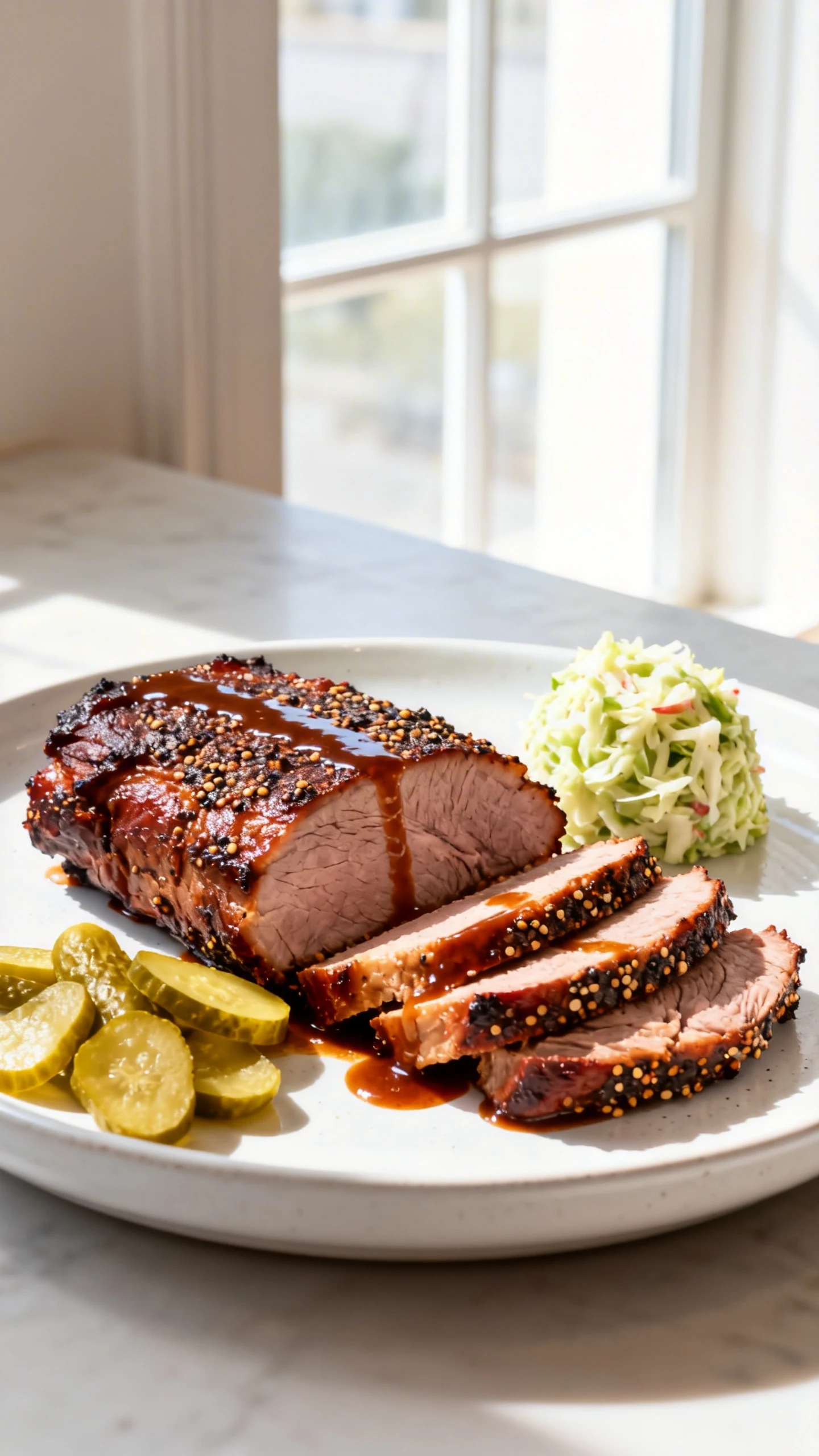
If you somehow end up with leftovers, congratulations on your self-control. Store them correctly and they’ll taste even better tomorrow, because the flavors get cozy overnight.
- Refrigerator: Cool within 2 hours, then store in an airtight container for up to 4 days.
- Freezer: Freeze sliced or shredded portions with a bit of sauce or cooking juices for up to 3 months.
- Best reheating: Warm gently in a covered skillet with a splash of water, broth, or sauce to keep it moist.
- Oven method: 300°F, covered, until warmed through; add sauce at the end.
IMO, the secret is moisture insurance. A little sauce or drippings prevents the “sad leftover meat” situation that nobody asked for.
Nutritional Perks
This roast brings more to the table than just applause. Pork supplies high-quality protein plus key micronutrients that help with energy, muscle function, and recovery.
- Protein: Helps keep you full and supports muscle maintenance.
- B vitamins: Especially B6 and B12, important for metabolism and nervous system support.
- Minerals: Zinc and selenium support immune function and overall health.
- Customizable sugar: Control sweetness by adjusting honey and sauce quantity.
If you want it leaner, choose pork loin and go lighter on the glaze. If you want it richer, shoulder delivers that “wow” texture with zero apologies.
Pitfalls to Watch Out For
Most BBQ disappointments come from a few predictable moves. Avoid these and you’ll look like you’ve been doing this forever, even if you just bought your thermometer yesterday.
- Cooking too hot: High heat dries the exterior before the inside gets tender.
- Skipping the thermometer: “Looks done” is not a measurement unit.
- Saucing too early: Sugar-heavy sauces burn fast; glaze at the end.
- Not resting: Slice immediately and you’ll watch juices sprint away.
- Over-spritzing: Too much liquid can soften bark and wash off seasoning.
If your grill runs hot, don’t fight it with hope. Adjust vents, lower burners, and trust slow heat. Your patience will taste like success.
Mix It Up
Once you nail the base method, you can spin this recipe in a dozen directions without changing the fundamentals. Same cook, different personality.
- Carolina-style tang: Swap glaze for a vinegar sauce with apple cider vinegar, a little mustard, and crushed red pepper.
- Spicy-sweet: Add chipotle powder to the rub and stir hot sauce into the glaze.
- Maple-bourbon: Replace honey with maple syrup and add a splash of bourbon to the sauce.
- Garlic-herb lean roast: Use pork loin, add dried rosemary and thyme, and keep sauce on the side.
- Tropical twist: Add pineapple juice to the glaze and use cherry wood for smoke.
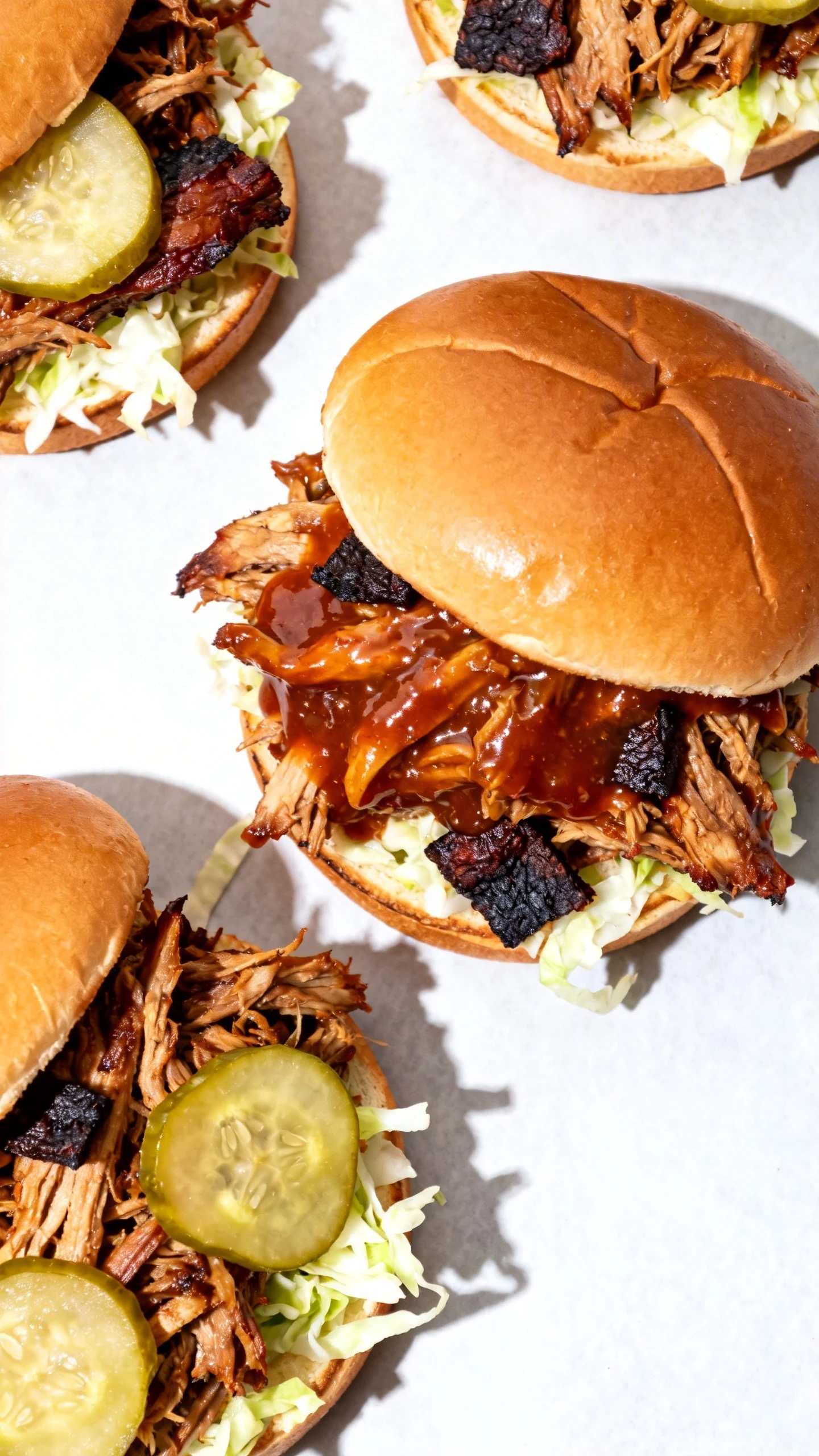
Want to go full chaos in the best way? Serve it on toasted buns with pickles, slaw, and an extra drizzle of sauce. People will suddenly “just stop by” around dinner time.
FAQ
Do I need a smoker to make this taste like real BBQ?
No. A grill with indirect heat and optional wood chunks gets you most of the way there. The rub and glaze do the rest of the heavy lifting, and your guests won’t be running lab tests on the smoke ring.
What internal temperature should I aim for?
Pork shoulder shines at 195–203°F for shreddable tenderness. Pork loin should stop at 140–145°F for juicy slices. Use a thermometer and you’ll never have to “guess and regret.”
How long does it take to cook?
Time depends on roast size, grill stability, and wind doing its annoying little thing. Roughly, plan 1.5–2 hours per pound for shoulder at 250–275°F, and much less for loin. Cook to temperature, not the clock.
Can I prep this ahead of time?
Yes. Season the pork the night before and refrigerate uncovered for better bark. You can also make the glaze in advance and reheat it gently when you’re ready to brush it on.
What’s the best wood for smoke flavor?
Hickory gives classic bold BBQ flavor. Apple and cherry add a sweeter, milder smoke that plays nicely with pork. If you’re new to smoke, start with fruit woods so you don’t accidentally create a campfire cologne situation.
How do I keep the roast from drying out?
Keep the grill at steady low heat, avoid overcooking, and rest the meat before slicing or shredding. For leftovers, store with sauce or juices and reheat gently covered. Dry meat usually comes from rushing, not from bad luck.
The Bottom Line
This is the kind of roast that makes an ordinary weekend feel like a planned event. You get bold seasoning, a sticky glaze, and tender pork that works for dinner, leftovers, and “oops we invited people over” moments.
Stick to indirect heat, trust your thermometer, and glaze at the end. Do that, and you’ll serve a roast that tastes expensive without acting difficult. Honestly, that’s the best kind of recipe.