Sticky-sweet, smoky pork steaks with caramelized edges—no grill needed, just a hot oven, smart timing, and bold sauce.
You want that backyard BBQ flavor, but the weather, the grill, or your schedule says “cute idea.” Good news: your oven doesn’t care. With the right heat strategy, you get pork steaks that turn glossy, sticky, and loud with flavor. The kind that makes people hover near the pan pretending they’re “just checking.” And yes, you can pull this off on a random Tuesday like it’s a flex.
This recipe is built for maximum payoff with minimum drama. You’ll season hard, roast hot, then finish with a sauce glaze that clings like it pays rent. The result: tender inside, caramelized outside, and a pan that smells like you’ve been cooking all day. Ready to make your kitchen smell like a summer weekend?
The Secret Behind This Recipe
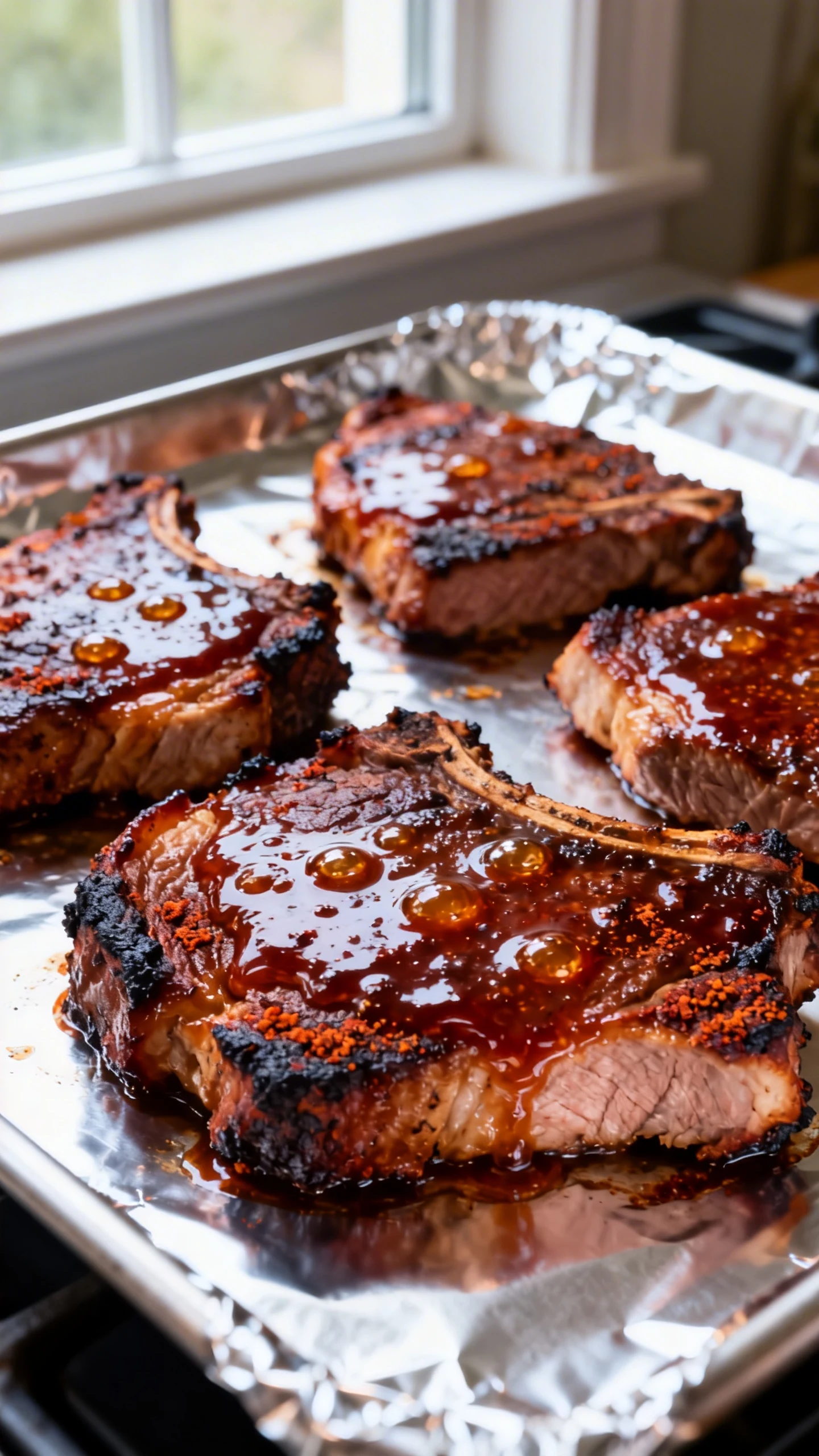
The “secret” is not some mythical spice blend you can only buy from a guy named Rick at a competition. It’s two-stage heat: roast first to cook the meat evenly, then glaze under high heat so the sauce caramelizes instead of turning watery. Most oven BBQ fails because people drown the pork in sauce too early and basically steam it. That’s not BBQ, that’s sweet meat soup.
Another key move: dry surface plus real seasoning. Pork steaks have enough fat and connective tissue to stay juicy, but only if you let them roast uncovered and develop color. Color equals flavor, and flavor equals people asking, “Wait, you made this in the oven?” Yes. Yes you did.
Finally, you’ll rest the meat like it’s earned a break. Resting keeps juices from sprinting onto the cutting board the second you slice. It’s a small step that turns “pretty good” into “why is this so tender?”
Ingredients Breakdown
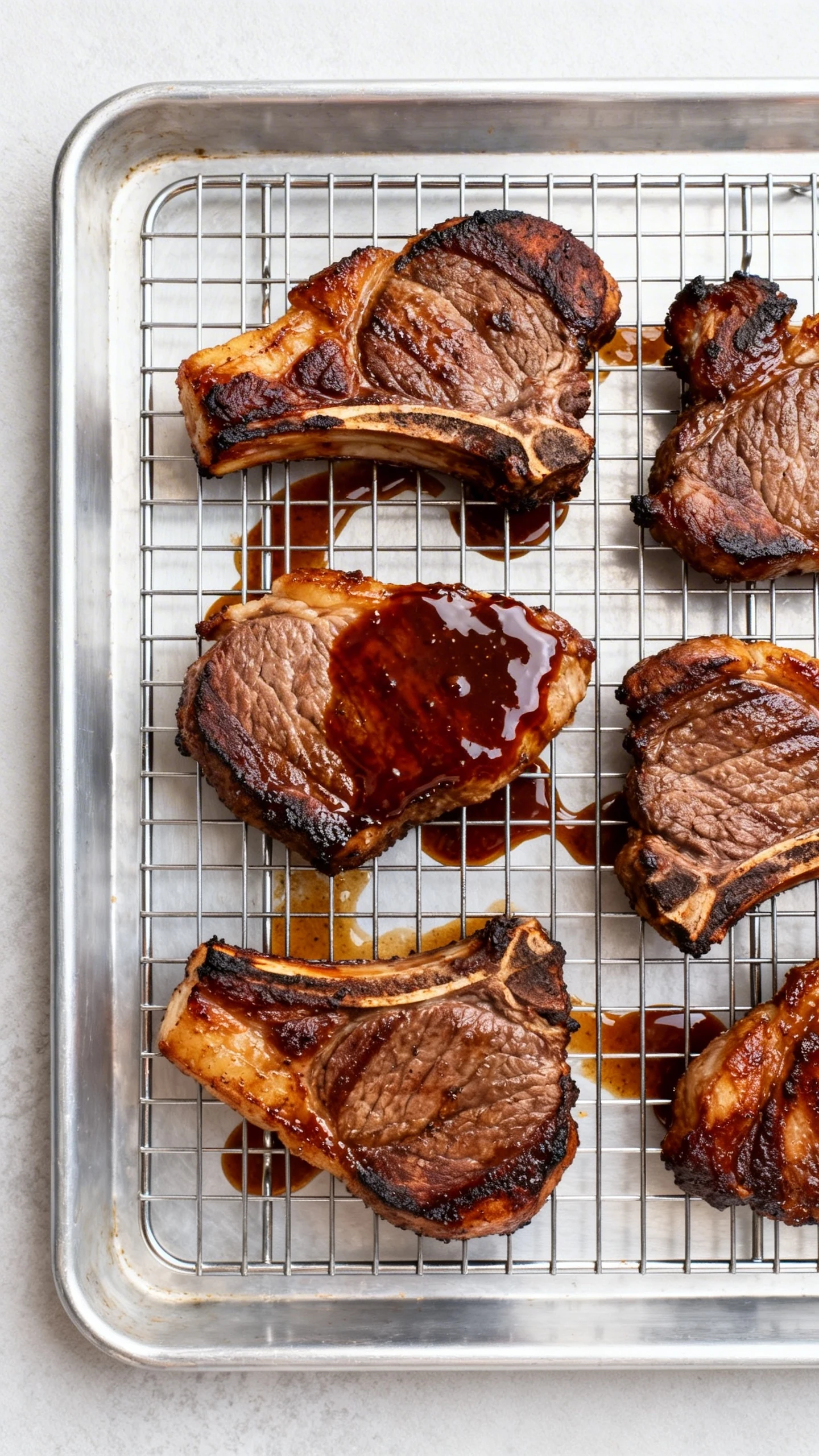
- Pork steaks (2 to 3 pounds total, about 4 pieces, 3/4 to 1 inch thick)
- Kosher salt (about 1 1/2 teaspoons, adjust to taste)
- Black pepper (1 teaspoon)
- Smoked paprika (2 teaspoons)
- Garlic powder (1 teaspoon)
- Onion powder (1 teaspoon)
- Brown sugar (1 tablespoon)
- Chili powder (1 teaspoon, optional for a warmer bite)
- Cayenne pepper (pinch, optional)
- Neutral oil (1 tablespoon, like canola or avocado)
- BBQ sauce (3/4 to 1 cup, your favorite)
- Apple cider vinegar (1 tablespoon, to brighten sauce)
- Worcestershire sauce (1 teaspoon, optional but clutch)
- Butter (1 tablespoon, optional for a glossy finish)
If your BBQ sauce runs very sweet, the vinegar matters more. If your sauce is already tangy, go easy. And if you’re thinking, “Do I need the butter?” No. But also yes, if you enjoy happiness.
Cooking Instructions
-
Heat the oven and set up the pan. Preheat to 425°F. Line a rimmed baking sheet with foil for easy cleanup, then place a wire rack on top if you have one. The rack helps the edges caramelize instead of simmering in juices.
-
Dry the pork like you mean it. Pat the pork steaks dry with paper towels. Moisture on the surface blocks browning. Browning is the whole point, so don’t sabotage yourself.
-
Mix the rub. In a small bowl, combine salt, pepper, smoked paprika, garlic powder, onion powder, brown sugar, and any optional heat. Stir until evenly blended.
-
Oil and season. Rub the pork steaks lightly with oil, then coat all sides with the seasoning blend. Press it in so it sticks. This is not the time for gentle vibes.
-
Roast first for real color. Arrange pork steaks on the rack or directly on the lined sheet. Roast for 18 minutes, then flip and roast another 12 to 18 minutes. You want deep browning on the edges.
-
Check doneness like a pro. Aim for 145°F to 160°F internal temperature, depending on your preference. Pork steaks handle a little extra cooking well because of their fat, but don’t turn them into jerky out of fear.
-
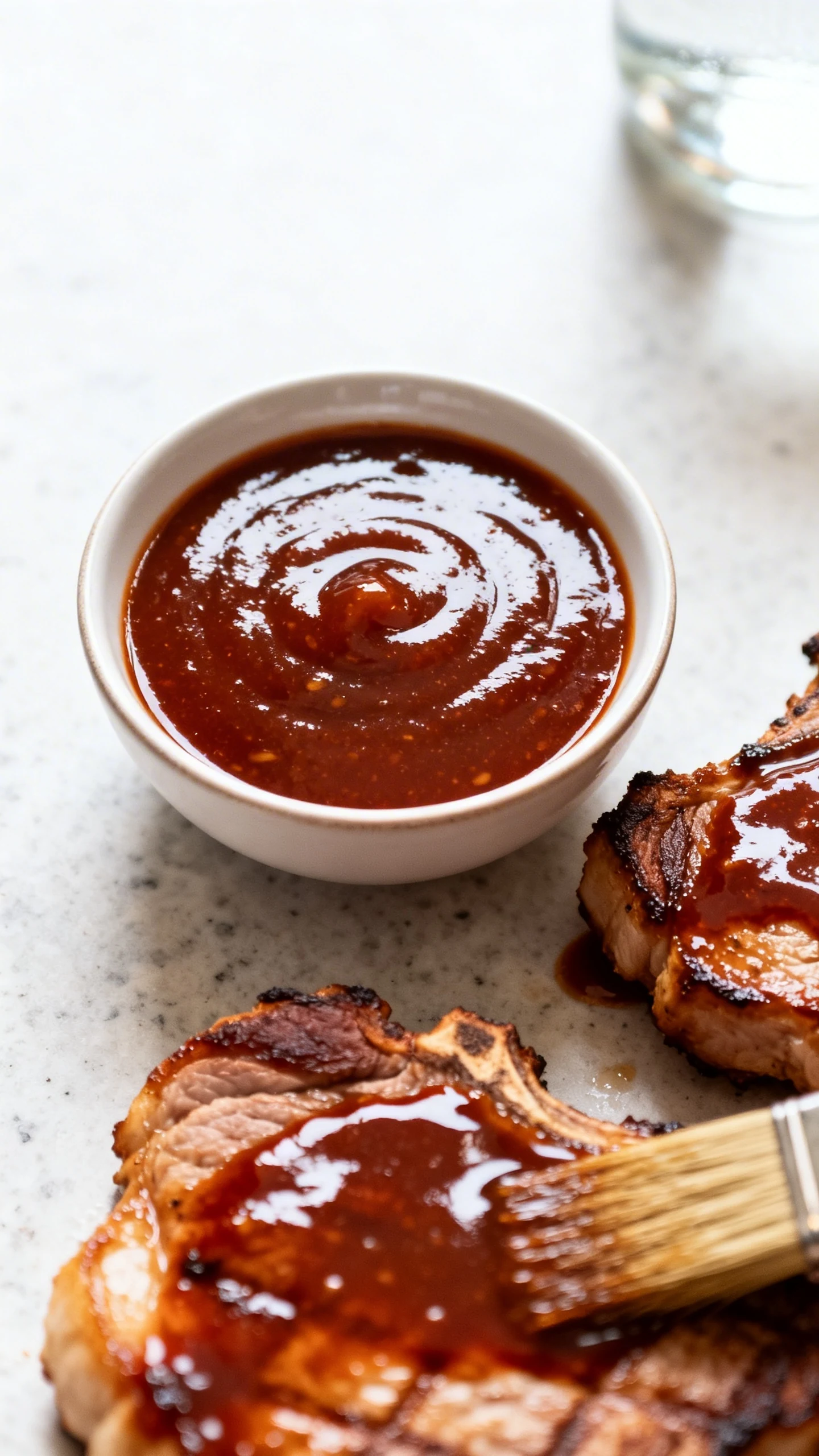
Make the glaze. While the pork roasts, stir BBQ sauce with apple cider vinegar and Worcestershire. Taste it. If it feels flat, add another tiny splash of vinegar. If it feels too sharp, add a teaspoon of brown sugar. Balance is the cheat code.
-
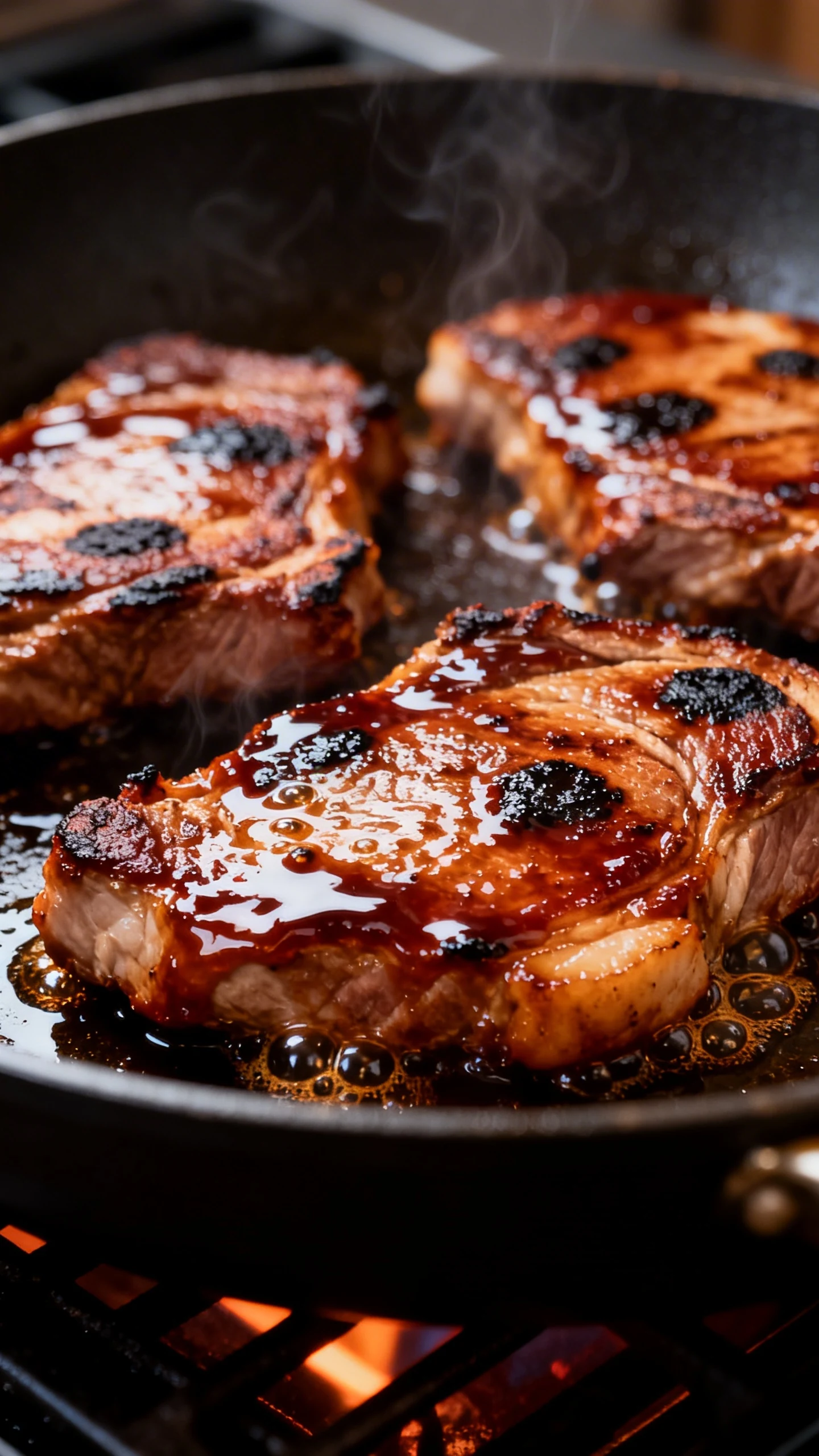
Glaze and blast. Brush a generous layer of sauce on top of each steak. Turn the oven to broil on high. Broil 2 to 4 minutes, watching closely. You want bubbling and caramelized spots, not a smoke alarm audition.
-
Flip, glaze again, and finish. Flip the steaks, brush the other side, and broil another 2 to 3 minutes. If you want a thicker lacquer, repeat with one more quick coat.
-
Optional gloss move. If using butter, melt it and brush a tiny amount over the finished steaks for shine and richness. It’s like adding a filter, but for meat.
-
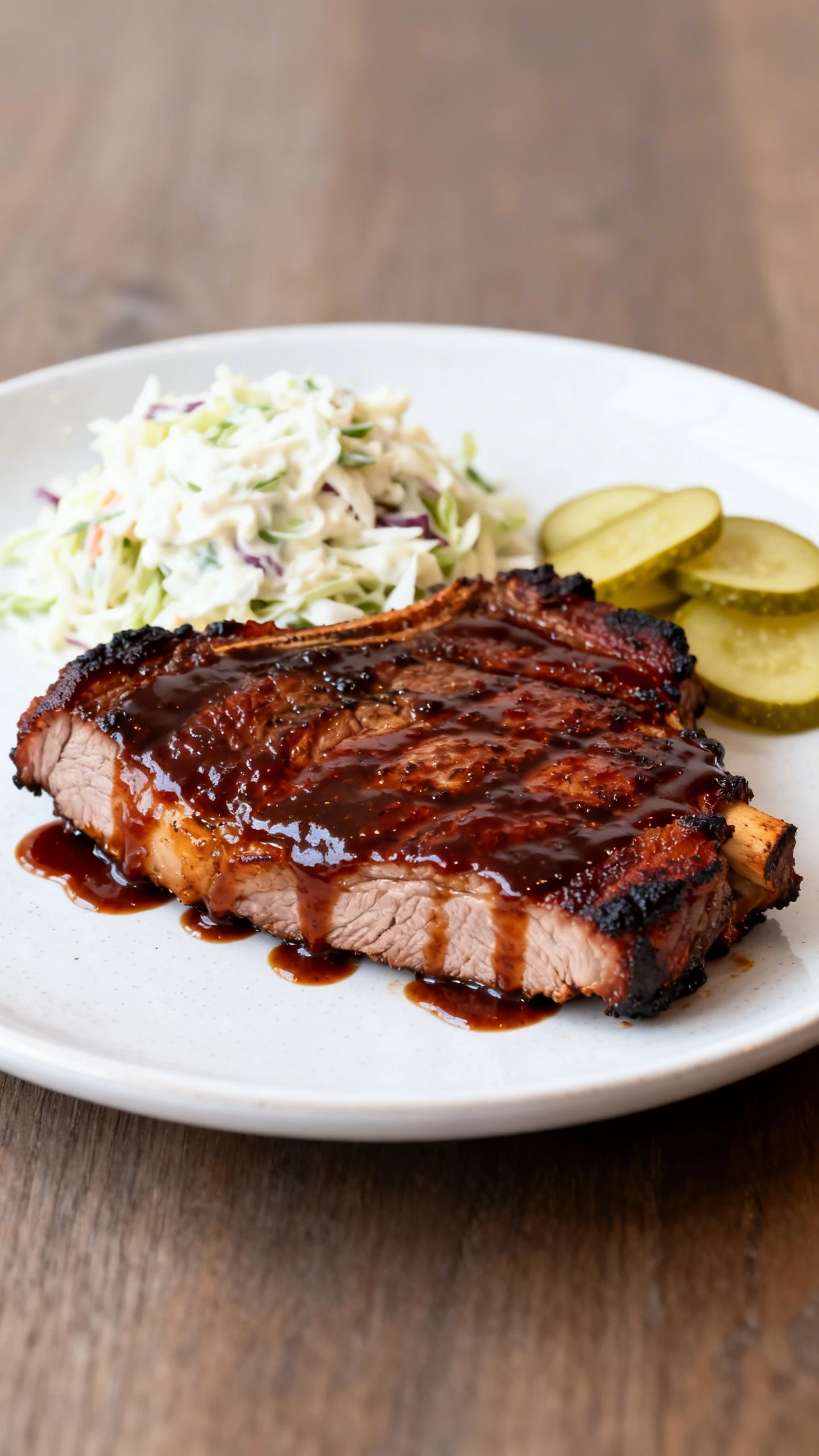
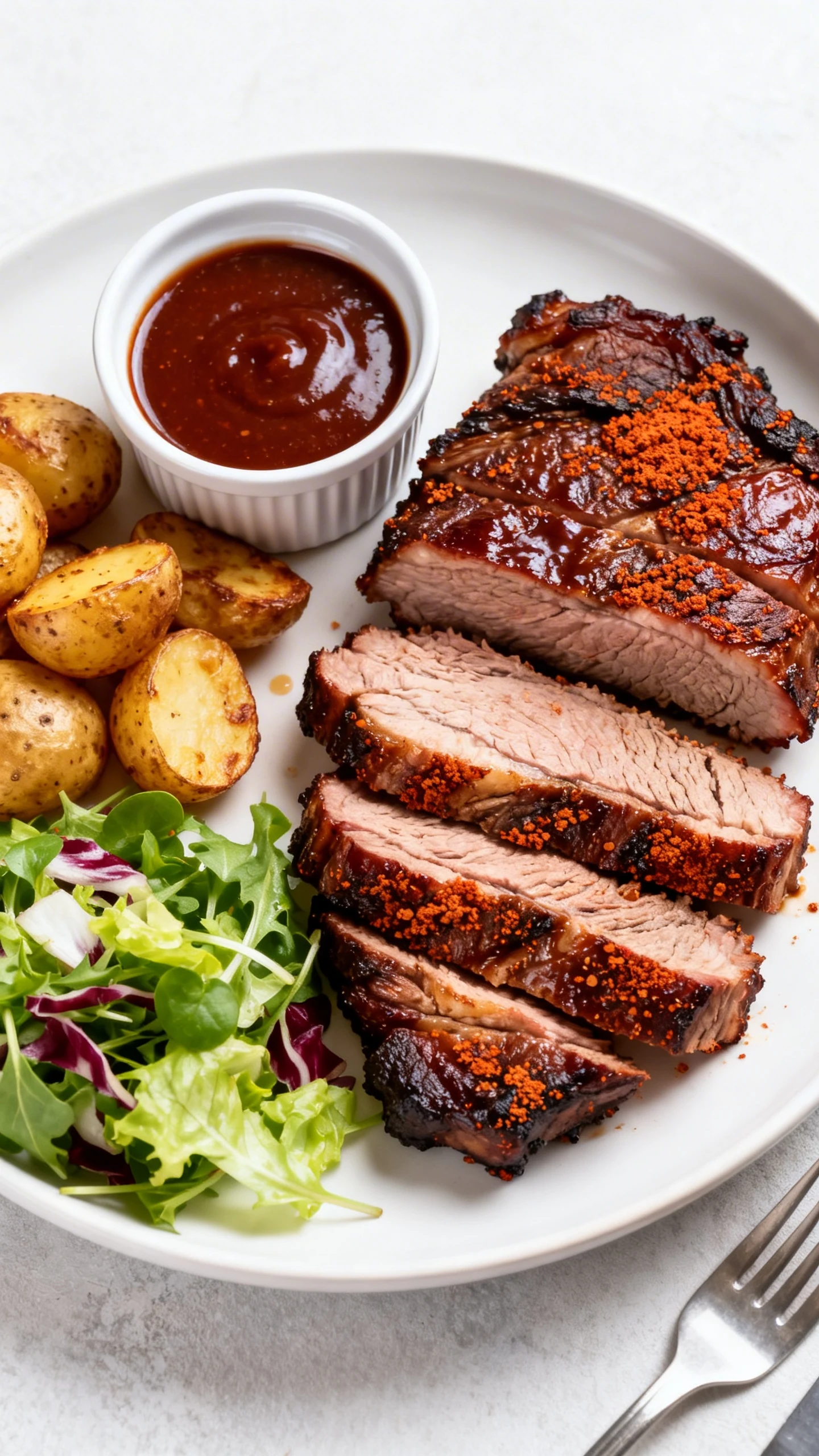
Rest, then serve. Rest the pork steaks 5 to 10 minutes. Serve with extra sauce on the side, because someone will ask for it like they didn’t just watch you glaze twice.
Storage Instructions
Cool leftovers to room temperature, then store in an airtight container in the fridge for up to 4 days. Keep any extra sauce separate if possible, so the pork doesn’t get overly soft. If you already sauced everything, it’s fine, just expect a more “pulled” texture when reheated.
For freezing, wrap portions tightly and freeze up to 2 months. Thaw overnight in the fridge before reheating. FYI, the flavor holds great, but the texture stays best if you don’t overcook during the reheat.
Reheat in a 325°F oven, covered, with a splash of water or a spoon of sauce to keep it moist. Heat until warmed through, then uncover for a few minutes to bring back some edge caramelization.
What’s Great About This
- Cookout flavor without a grill, even in bad weather
- Big payoff for small effort, because the oven does the heavy lifting
- Caramelized glaze that actually sticks instead of sliding off
- Flexible heat level, from family-friendly to “I regret nothing”
- Meal-prep friendly with leftovers that reheat well
IMO, this is the weeknight BBQ hack everyone should have. It’s bold, messy in the best way, and it makes basic sides like salad or microwaved corn suddenly feel like a planned dinner.
Common Mistakes to Avoid
- Saucing too early. Sauce burns or turns watery if you start with it. Roast first, glaze late.
- Skipping the pat-dry step. Wet pork won’t brown. You’ll get pale meat with “sad sauce.”
- Using low heat the whole time. Low-and-slow can work, but this recipe relies on high heat for color and texture.
- Walking away during broil. Broilers move fast. Like, “fine to charcoal” fast.
- Not resting. Slice immediately and you donate all the juices to the plate.
If you’ve ever wondered why restaurant BBQ looks glossy and yours looks… damp, it’s usually one of these. Fix the process and the food magically gets better. Weird how that works.
Mix It Up
Want to make it your signature instead of “that one recipe from the internet”? Here are easy twists that don’t mess up the method.
- Sweet and smoky: Add 1 teaspoon of molasses to the glaze and a little extra smoked paprika.
- Carolina-style: Use a vinegar-forward BBQ sauce and add an extra tablespoon of apple cider vinegar.
- Spicy: Add hot sauce to the glaze and double the cayenne in the rub.
- Garlic-forward: Add 1 grated garlic clove to the glaze, but only after roasting so it doesn’t burn.
- Maple twist: Swap half the brown sugar for maple syrup in the sauce mix.
You can also swap sides to match the vibe: creamy slaw, roasted potatoes, skillet cornbread, or a simple pickle situation. The pork does the talking; your sides just need to nod along.
FAQ
What cut are pork steaks, exactly?
Pork steaks usually come from the shoulder, sliced into steak-like pieces. That means more fat and connective tissue than pork chops, which makes them forgiving and super flavorful when cooked correctly.
Do I need a wire rack for this?
No, but it helps with browning. If you skip it, flip once and consider draining excess juices halfway through roasting so the surface can caramelize instead of steaming.
What internal temperature should I aim for?
You can serve at 145°F for juicier slices, but many people prefer pork shoulder-based steaks closer to 155°F to 165°F for a more tender bite. Use a thermometer and decide based on texture, not anxiety.
Can I use homemade BBQ sauce?
Absolutely. Just keep the glaze thick enough to cling and include a touch of acid for balance. If it’s very thin, reduce it briefly on the stovetop before brushing it on.
How do I stop the sauce from burning under the broiler?
Broil briefly and watch it the whole time. Keep the pan a bit farther from the broiler if your oven runs aggressive, and use a sauce that isn’t pure sugar. Adding vinegar also helps keep the flavor bright even when caramelized.
Can I make these ahead for a party?
Yes. Roast the pork until nearly done, cool, and refrigerate. Before serving, warm in a 325°F oven, then glaze and broil at the end for fresh caramelized edges.
Wrapping Up
You don’t need a grill, perfect weather, or a full Saturday to get real BBQ energy. You need a hot oven, a confident rub, and a glaze that hits at the end like a mic drop. That’s it.
Make these once and you’ll start keeping pork steaks in the freezer “just in case.” Because when dinner tastes like a cookout and takes under an hour, why wouldn’t you? Serve it loud, pass the extra sauce, and let everyone assume you’ve been doing this forever.