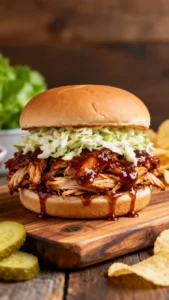
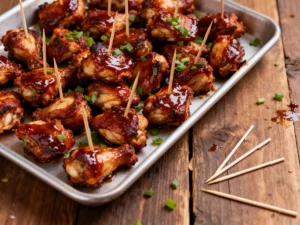
Sticky-sweet, smoky oven chicken with crisp edges and zero grill drama, ready for busy weeknights and crowd-pleasing leftovers.
You want the “everyone shuts up and eats” kind of dinner, right? This is that, without babysitting a grill or praying your chicken stays juicy. You get glossy barbecue glaze, caramelized edges, and meat that still has actual moisture (wild concept). It looks like you worked hard, but the oven does the heavy lifting. And yes, people will ask what sauce you used like it’s a secret family recipe.
This recipe hits the sweet spot: minimal prep, maximum flavor, and a repeatable result you can pull off on a Tuesday. It’s the kind of meal that makes your kitchen smell like confidence. If you’ve ever overcooked chicken and tried to pretend it was “lean,” this is your redemption arc.
What Makes This Recipe Awesome
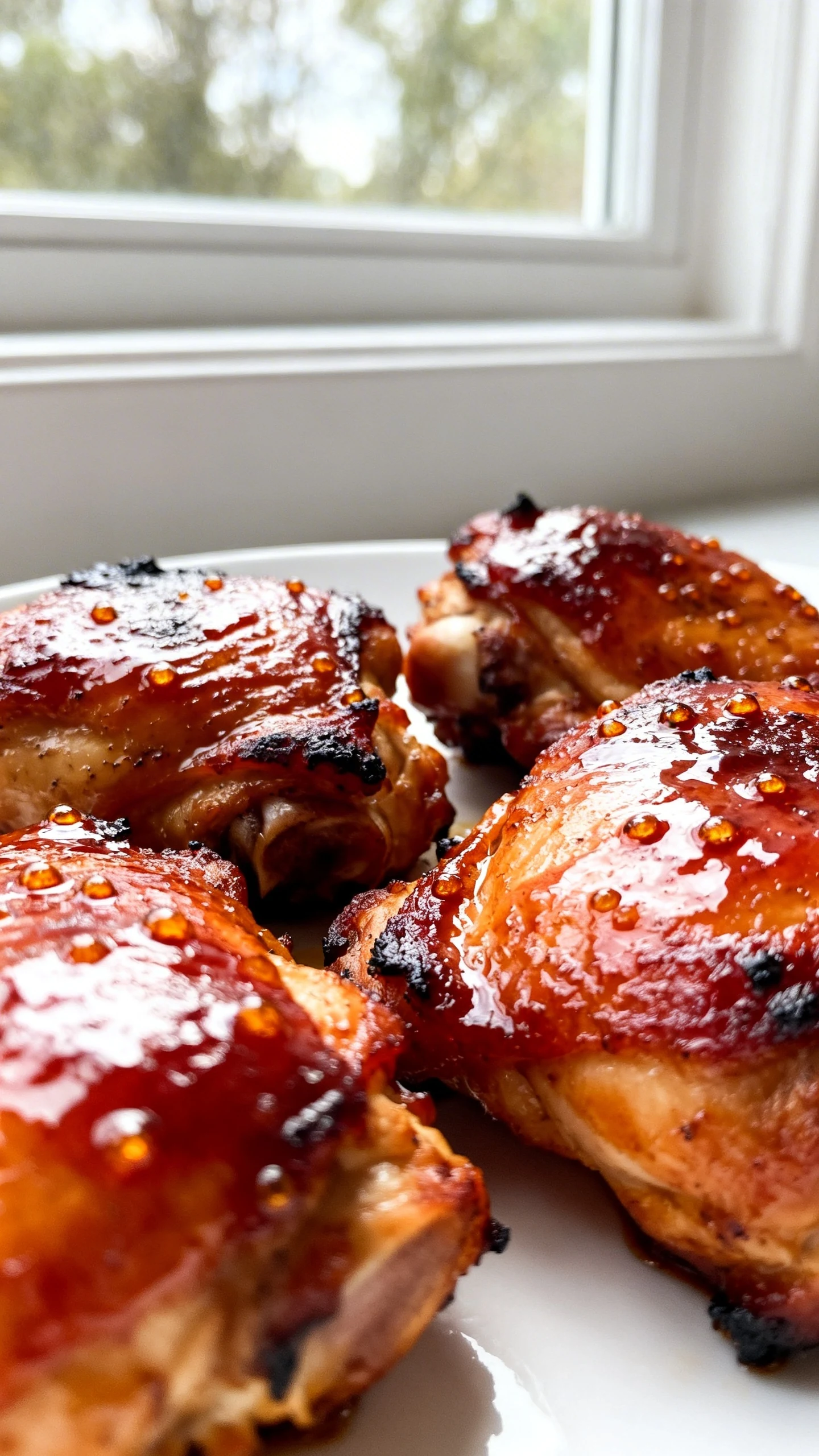
First, it’s built for juiciness. The chicken cooks hot enough to brown, but not so long that it turns into protein jerky. Second, the sauce goes on in layers, so it bakes in instead of sliding off like a sad, sugary raincoat.
It also gives you that grilled vibe without any outdoor equipment. The oven heat concentrates the sauce, creates sticky edges, and makes the skin (if you use it) actually pull its weight. Plus, cleanup stays reasonable, which matters because nobody dreams of scrubbing sheet pans for fun.
Finally, it’s flexible. Use thighs, drumsticks, breasts, or a mix. Make it sweeter, smokier, spicier, or tangier depending on your mood and who you’re trying to impress.
What Goes Into This Recipe – Ingredients
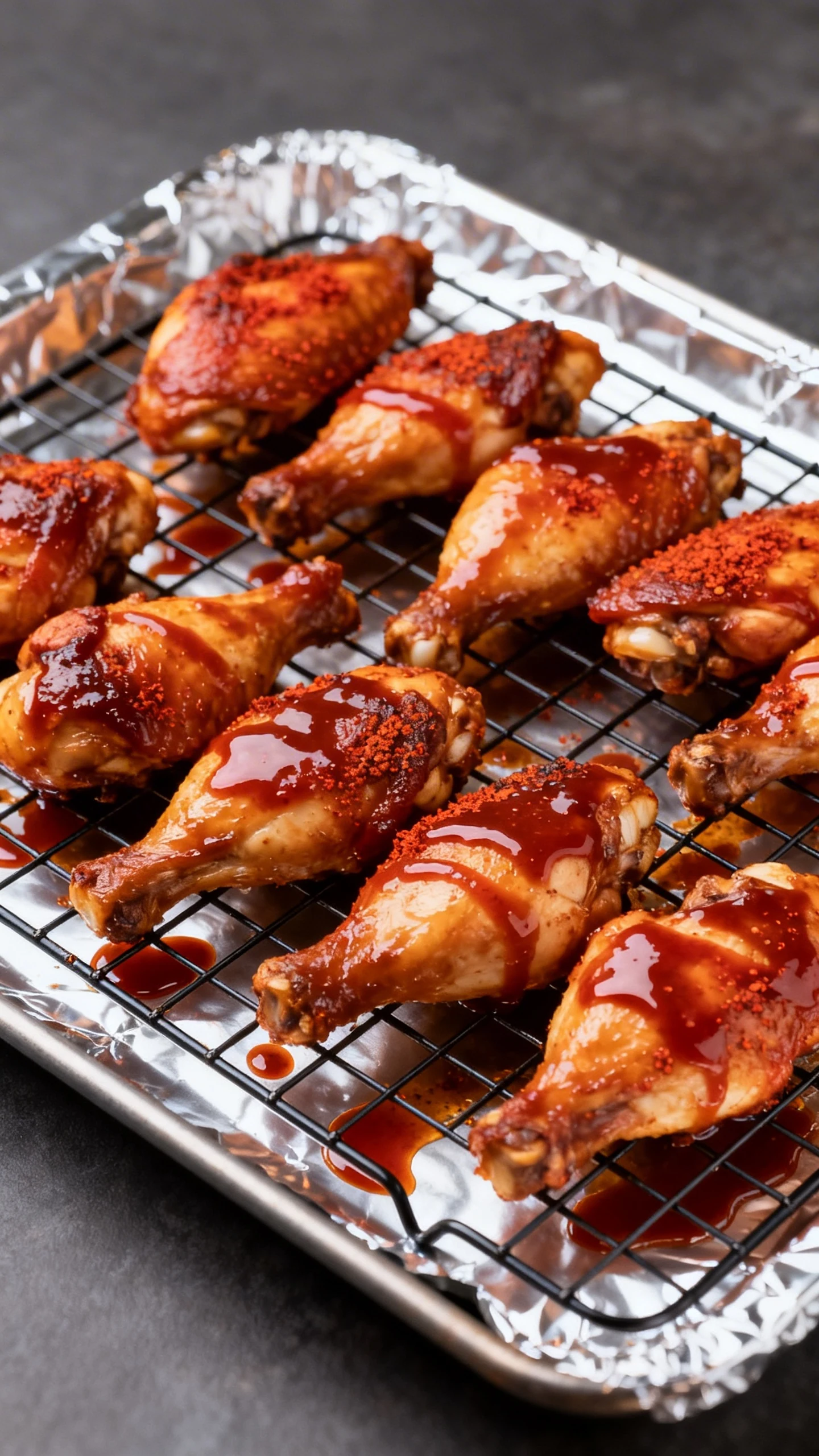
- Chicken: 2 to 2 1/2 pounds bone-in, skin-on thighs or drumsticks (or boneless thighs)
- Barbecue sauce: 3/4 to 1 cup, your favorite brand or homemade
- Olive oil: 1 tablespoon (helps seasoning stick and promotes browning)
- Kosher salt: 1 1/2 teaspoons (use less if your sauce is very salty)
- Black pepper: 1 teaspoon
- Garlic powder: 1 teaspoon
- Smoked paprika: 1 teaspoon (for that backyard smoke illusion)
- Onion powder: 1/2 teaspoon
- Optional heat: 1/4 to 1/2 teaspoon cayenne or chipotle powder
- Apple cider vinegar: 1 tablespoon (wakes up the sauce)
- Honey or brown sugar: 1 tablespoon (optional, for extra sticky glaze)
- Worcestershire sauce: 1 teaspoon (optional, adds savory depth)
- Cooking spray or foil: for the pan
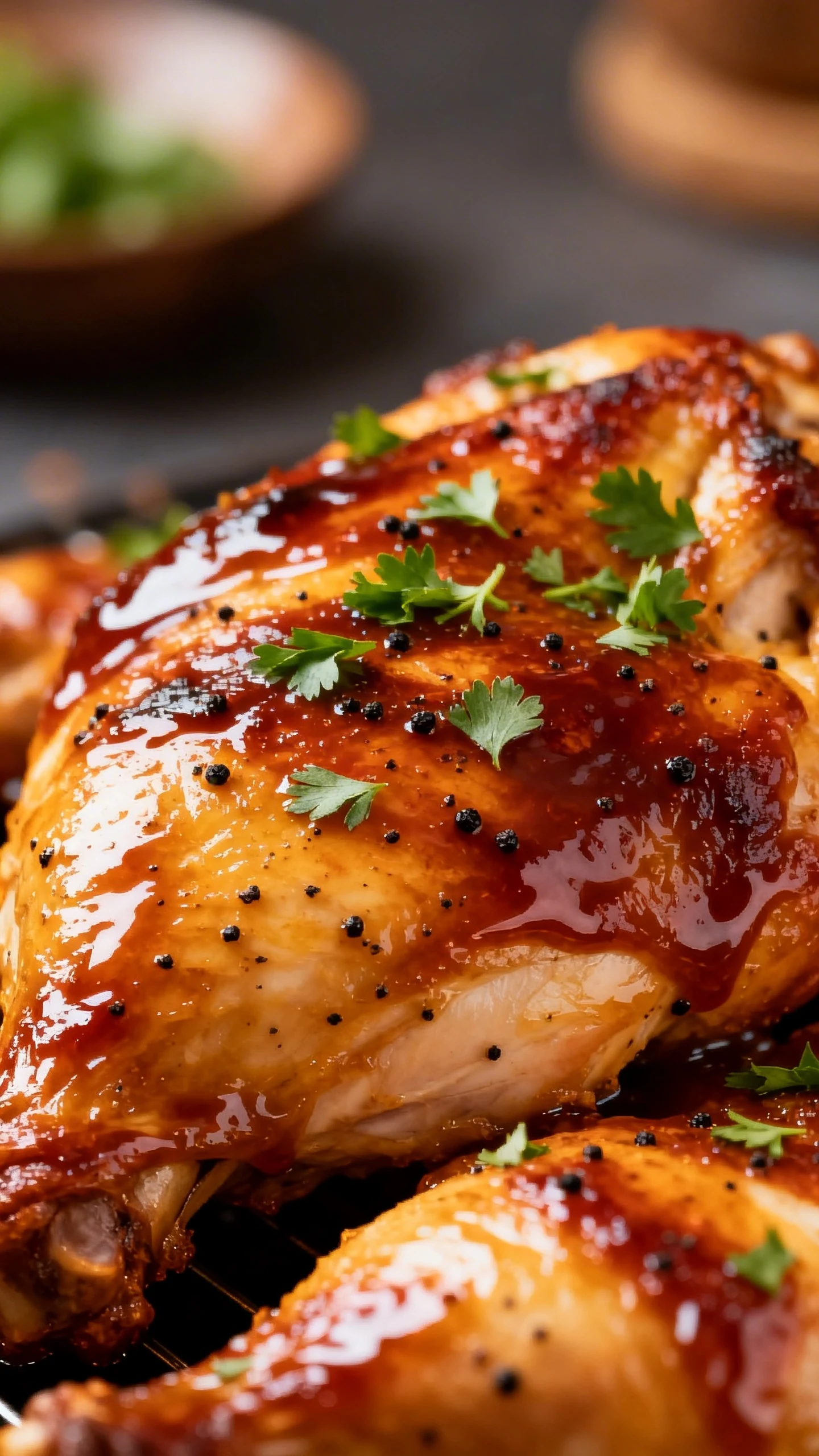
- Optional garnish: sliced green onions or chopped parsley
The Method – Instructions
-
Heat the oven like you mean it. Set it to 425°F. Line a sheet pan with foil for easy cleanup, then lightly oil it or use a rack if you want extra airflow.
-
Pat the chicken dry. Moisture is the enemy of browning. Use paper towels and don’t be shy about it.
-
Season first, sauce later. Toss chicken with olive oil, salt, pepper, garlic powder, smoked paprika, and onion powder. If you like heat, add cayenne or chipotle now.
-
Start baking uncovered. Arrange pieces skin-side up with space between them. Bake for 20 minutes so the surface can brown before you introduce the sugar in the sauce.
-
Upgrade the sauce (optional but smart). Stir vinegar into your barbecue sauce. Add honey or brown sugar for extra gloss, and Worcestershire for depth. This is the difference between “tastes fine” and “who taught you this?”
-
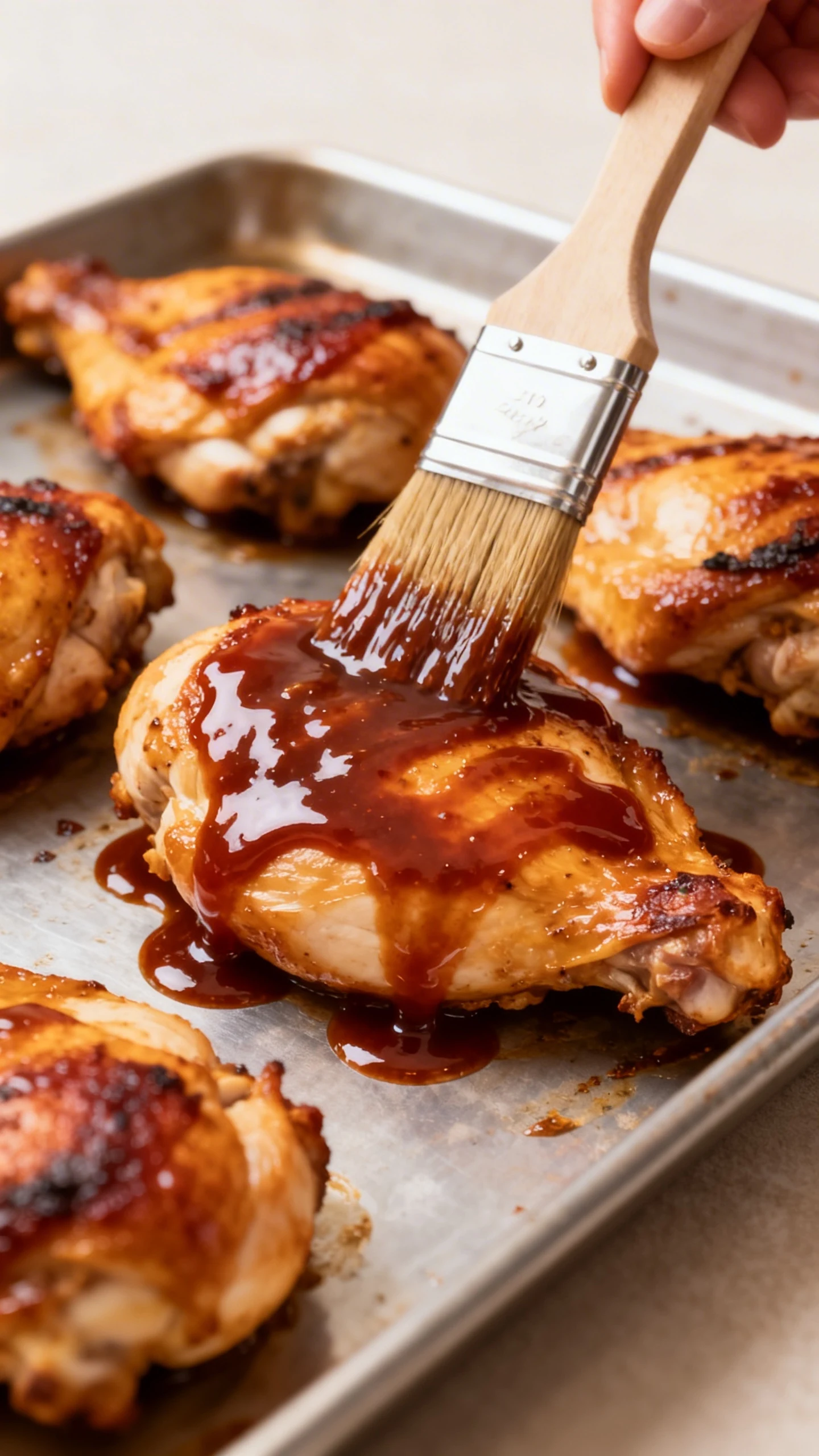
Brush on the first layer. Pull the pan out and brush a generous coat of sauce over each piece. Put it back in the oven for 10 minutes.
-
Flip for coverage (optional). If you want sauce on every nook, flip pieces, brush the second side, and bake 5 minutes. Then flip back skin-side up for the final stretch.
-
Brush again for that sticky finish. Add another layer of sauce and bake 8 to 12 minutes more, until the chicken hits 165°F in the thickest part (175°F to 185°F for thighs if you want them extra tender).
-
Broil for caramelized edges. Broil 1 to 3 minutes, watching closely. Sugar burns fast, and nobody wants “campfire glaze.”
-
Rest, then serve. Let the chicken rest 5 minutes so the juices stay put. Garnish if you want to look fancy, and serve with extra sauce on the side.
Quick serving ideas: pile it over coleslaw, serve with roasted potatoes, or go full comfort-food mode with mac and cheese. IMO, a simple cucumber salad on the side makes the sweet glaze taste even better.
Storage Tips
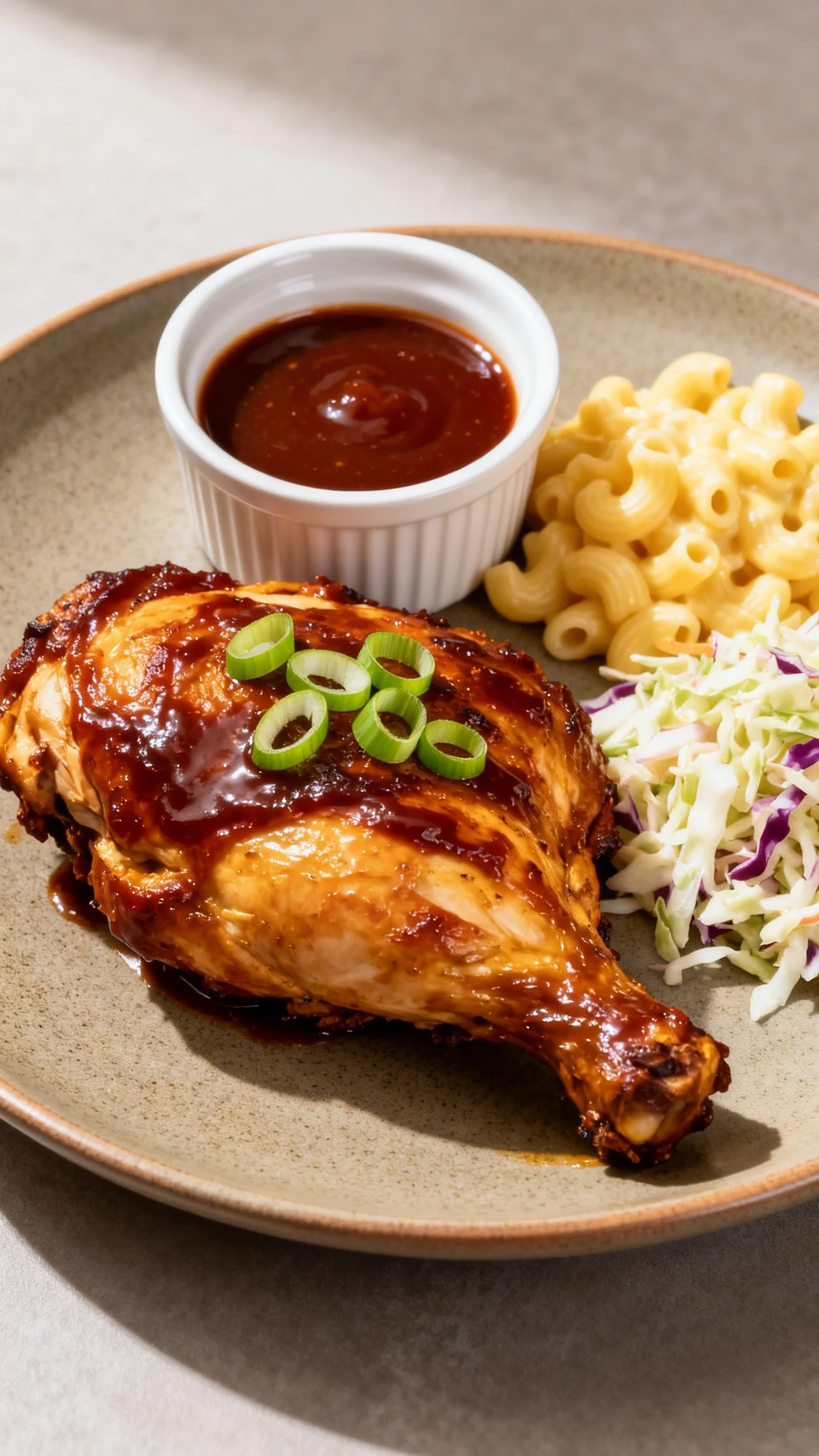
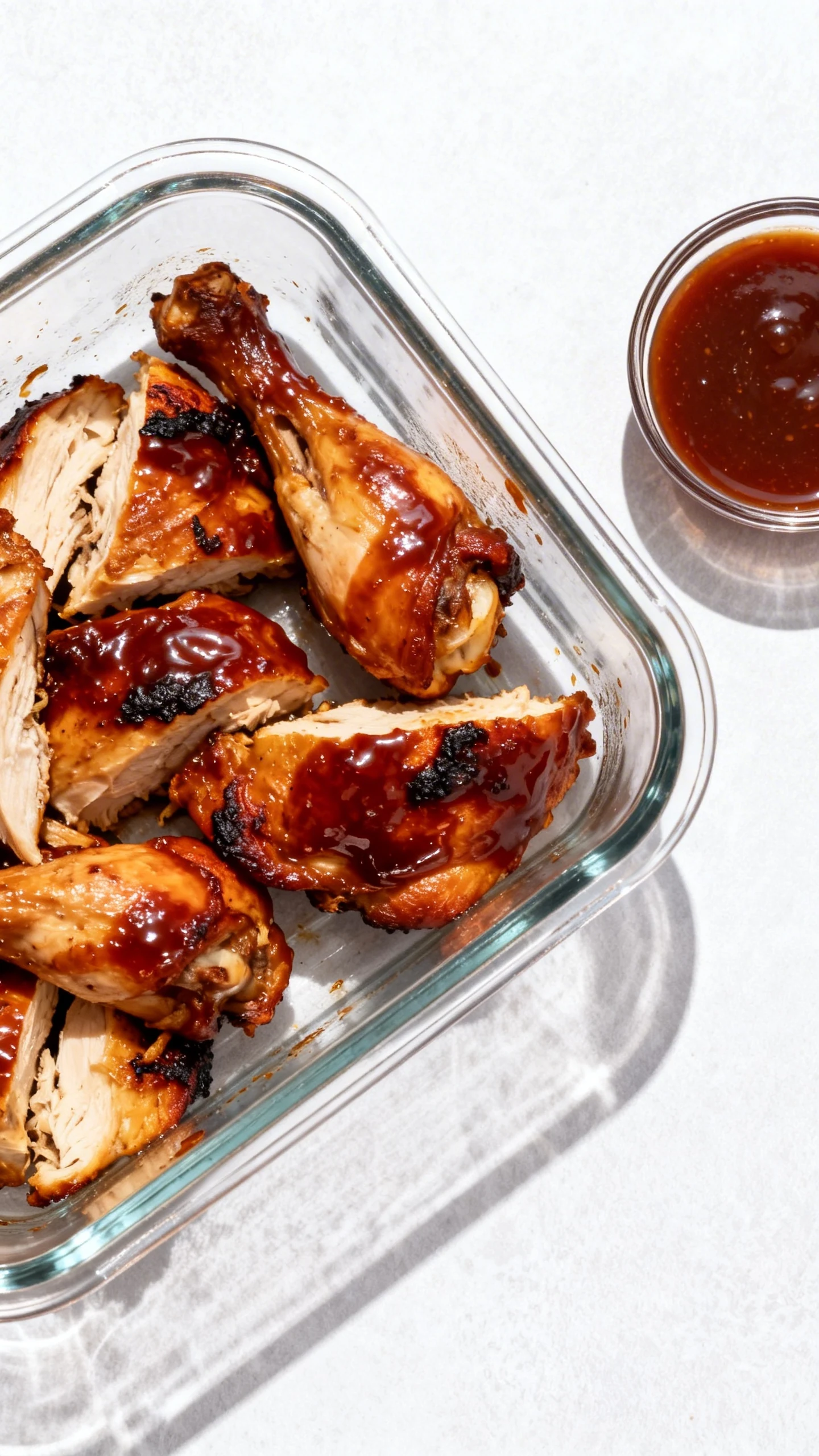
Store leftovers in an airtight container in the fridge for up to 4 days. Keep a little extra sauce separate if you can, because reheating can dull the shine and you’ll want a fresh brush to bring it back to life.
For freezing, wrap cooled pieces tightly and freeze up to 2 months. Thaw overnight in the fridge, then reheat gently so the glaze doesn’t scorch.
Reheat in a 350°F oven until warmed through, about 12 to 18 minutes depending on the size of the pieces. The microwave works in emergencies, but it can soften the edges, and you deserve better than that.
Why This is Good for You
You get a solid hit of protein, which helps with satiety and muscle repair. Chicken thighs also bring more flavor and tenderness, so you don’t need a ton of extra fat to make them taste good.
Because you bake instead of deep-fry, you keep the texture without turning it into an oil festival. You also control the sugar and sodium by choosing your sauce, or tweaking it with vinegar and spices to balance the sweetness.
Pair it with fiber-forward sides like beans, slaw, roasted vegetables, or a big salad. Suddenly your plate looks like it has a plan, not just vibes.
Don’t Make These Errors
-
Saucing too early. Barbecue sauce contains sugar, and sugar burns. Bake first, glaze later.
-
Skipping the dry pat-down. Wet chicken steams. Steamed chicken tastes like regret.
-
Crowding the pan. No airflow means no browning. Give each piece room like it pays rent.
-
Overcooking breasts. If you use chicken breasts, pull them at 160°F to 165°F and rest them. Otherwise, you’ll need a beverage just to swallow.
-
Blind broiling. Broilers move fast. Stay there, watch it, and don’t get “just one more thing” distracted.
Different Ways to Make This
This recipe plays well with your preferences, your pantry, and your schedule. Choose your path and pretend it was the plan all along.
-
Boneless thigh version: Bake at 425°F for about 18 to 22 minutes total, glazing during the last 8 to 10 minutes.
-
Chicken breast version: Use cutlets or pound them to even thickness for faster, juicier results. Glaze late and rest well.
-
Spicy-sweet: Add chipotle powder and a spoon of honey. Sweet first, then a little slap of heat.
-
Carolina-inspired tang: Mix sauce with extra vinegar and a pinch of mustard powder. Bright, sharp, and addictive.
-
Smokier: Add a dash of liquid smoke (go easy) and extra smoked paprika. FYI, too much liquid smoke tastes like a tire fire.
-
Crispier skin: Use a wire rack on the sheet pan and skip flipping. Glaze only on the top, then broil briefly.
FAQ
What temperature should I bake it at?
425°F gives you browning and faster cooking without drying out the meat. If your oven runs hot or your sauce is very sugary, you can use 400°F and add a few extra minutes.
How do I know it’s done without guessing?
Use a meat thermometer in the thickest part without touching bone. Aim for 165°F minimum, and consider 175°F to 185°F for thighs for the most tender bite.
Can I use store-bought barbecue sauce?
Absolutely. Choose one you actually like straight from the bottle, then sharpen it with a little vinegar and spice so it tastes less one-note.
Should I cover the chicken with foil?
No, keep it uncovered so it browns. Covering traps steam and makes the surface softer, which is the opposite of what we’re trying to accomplish.
Can I make it ahead for a party?
Yes. Bake until just cooked through, cool, and refrigerate. Before serving, reheat at 350°F, brush with fresh sauce, and broil briefly to restore the sticky finish.
What sides go best with this?
Classic picks: coleslaw, corn, potato salad, roasted sweet potatoes, or baked beans. For a lighter plate, do a big crunchy salad with a tangy dressing to balance the glaze.
My Take
I like this best with bone-in thighs because they forgive you if you get distracted for five minutes. The trick is treating the sauce like a finish, not a marinade you burn for sport. Two or three thin layers beat one thick flood every time.
If you want it to taste “restaurant,” add vinegar to the sauce and broil at the end. That little tang plus caramelized edges makes the whole thing feel bigger than the effort. Also, make extra because the leftovers have a weird habit of disappearing overnight. Who could explain that mystery?