Bake a tender, crowd-pleasing cake from pantry basics in under an hour, with simple swaps, foolproof steps, and big flavor.
You don’t need a stand mixer, a culinary degree, or “room-temp eggs measured by vibes” to make a great cake.
You need a plan that forgives you when you’re tired, distracted, or aggressively multitasking.
This recipe is built for real kitchens: one bowl, basic ingredients, and results that make people ask, “Wait… you made this?”
And yes, it works even if your oven runs a little dramatic and your measuring cups have seen things.
Let’s get you a cake that looks like effort and tastes like you care, without actually sacrificing your entire day.
What Makes This Special
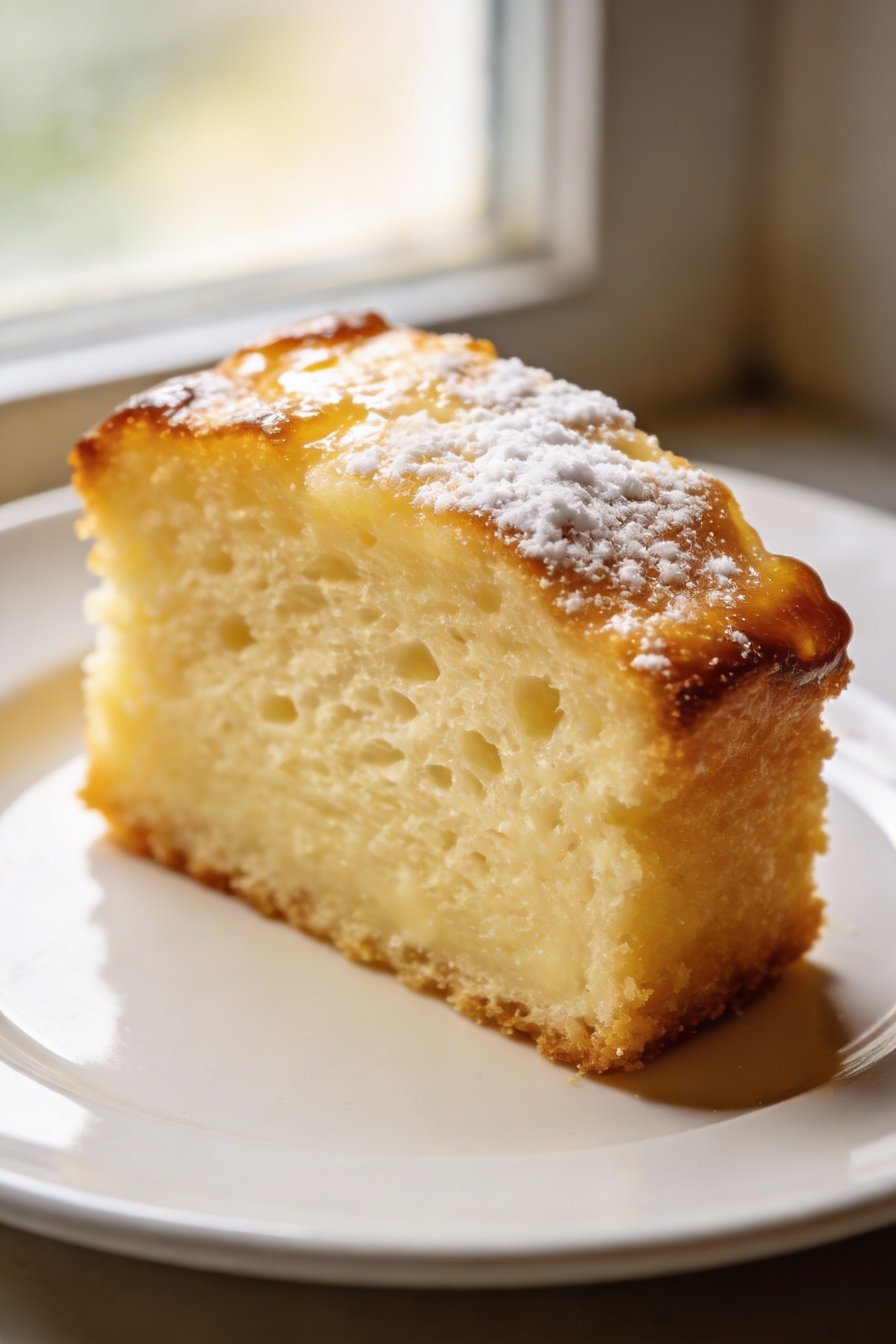
This is a simple vanilla butter cake that bakes up fluffy, moist, and reliably tender without fancy techniques.
It uses a balanced ratio of fat, sugar, and milk so the crumb stays soft for days instead of turning into sweet drywall.
You mix it in one bowl with a whisk, which means fewer dishes and fewer chances to overwork the batter.
It also plays well with add-ins and toppings, so you can keep it classic or turn it into something extra with minimal effort.
Ingredients
- All-purpose flour: 2 cups
- Baking powder: 2 teaspoons
- Baking soda: 1/2 teaspoon
- Fine salt: 1/2 teaspoon
- Granulated sugar: 1 cup
- Unsalted butter (melted and cooled slightly): 1/2 cup
- Neutral oil (canola or avocado): 1/4 cup
- Eggs: 2 large
- Vanilla extract: 2 teaspoons
- Milk (dairy or unsweetened oat): 1 cup
- Plain yogurt or sour cream: 1/2 cup
- Optional: 1 tablespoon lemon zest or 1/2 teaspoon almond extract for a flavor twist
If you want frosting, keep it simple: powdered sugar, butter, a splash of milk, and vanilla. Or be a legend and dust it with powdered sugar and call it “minimalist.”
How to Make It – Instructions
-
Preheat and prep. Heat your oven to 350°F. Grease a 9-inch round pan or an 8×8-inch square pan and line the bottom with parchment if you have it.
-
Mix the dry ingredients. In a large bowl, whisk flour, baking powder, baking soda, and salt until evenly combined.
-
Add sugar and the fats. Whisk in the sugar, then add melted butter and oil. Mix until the texture looks like damp sand and smells like good decisions.
-
Add eggs and vanilla. Whisk in the eggs one at a time, then whisk in vanilla. The batter should look glossy and slightly thick.
-
Stir in yogurt and milk. Add yogurt (or sour cream) and milk, then whisk just until smooth. Stop when you don’t see flour streaks; don’t audition for “World’s Strongest Forearms.”
-
Pour and tap. Pour into the pan and tap it gently on the counter a few times to pop big air bubbles. This helps the cake bake evenly.
-
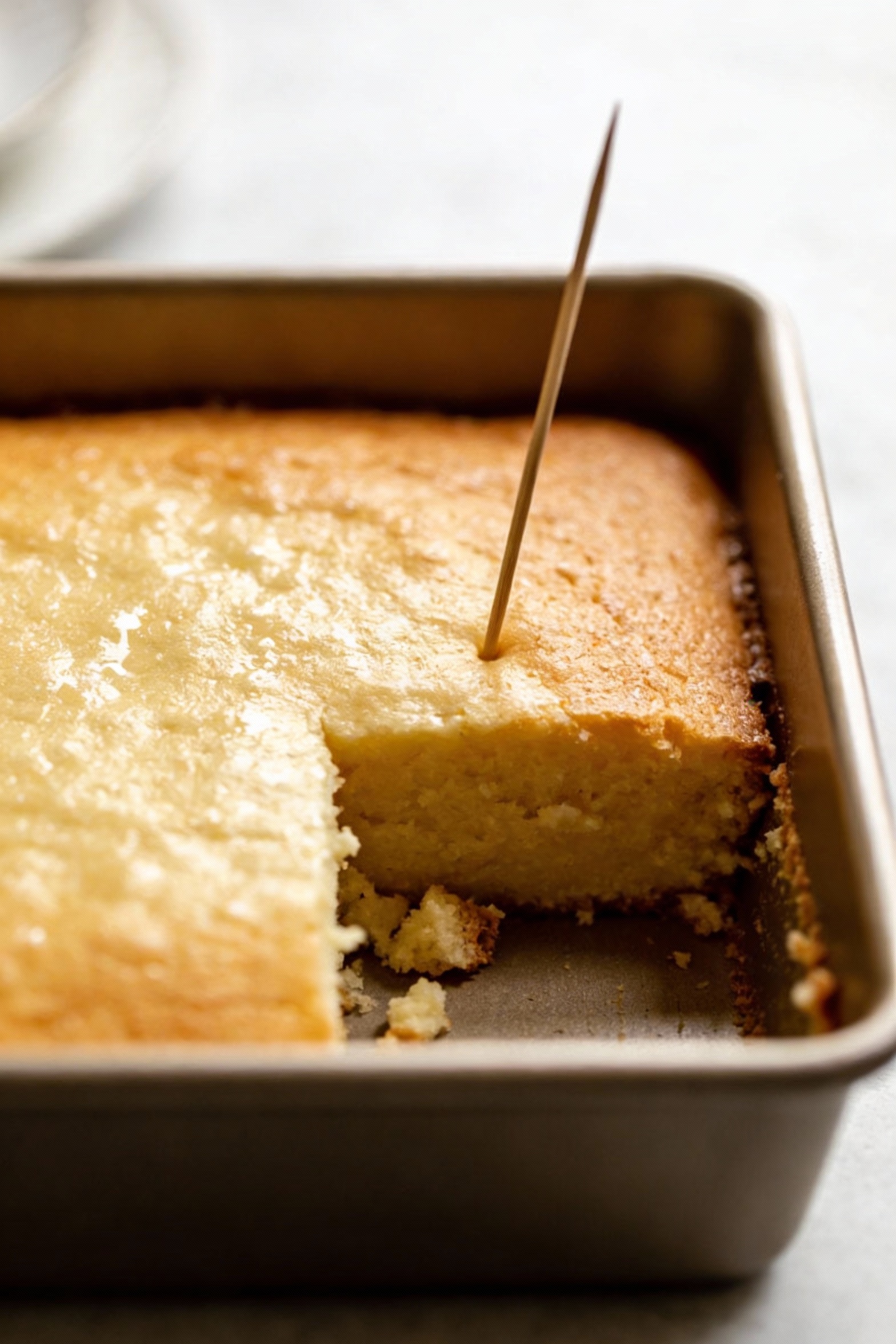
Bake. Bake 30 to 38 minutes, depending on pan shape and your oven’s personality. It’s done when the center springs back and a toothpick comes out with a few moist crumbs.
-
Cool like a pro. Cool in the pan 10 minutes, then turn out onto a rack to cool completely. Frosting a warm cake feels rebellious, but it ends in a butter-sugar landslide.
-
Finish and serve. Keep it plain, add a quick glaze, or frost it. Slice with confidence and accept compliments graciously.
FYI: This cake tastes even better after it sits for a couple hours because the crumb settles and the vanilla comes through stronger.
Preservation Guide
At room temperature, keep the cake in an airtight container for up to 3 days. If your kitchen runs warm or humid, store it in the fridge.
In the refrigerator, it keeps 5 to 6 days, but the crumb can firm up. Bring slices to room temp for 20 to 30 minutes to restore softness.
For freezing, wrap individual slices tightly in plastic wrap, then place in a freezer bag. Freeze up to 2 months for best texture.
To thaw, leave wrapped slices on the counter for 1 to 2 hours, or microwave for 10 to 20 seconds. Don’t nuke it into a lava sponge, okay?
Nutritional Perks
Is cake a “health food”? No. But it can still bring a few wins to the table, especially when you bake at home and control what goes in.
Using yogurt or sour cream adds protein and helps keep the cake moist with less butter than some classic recipes.
Homemade cake avoids extra preservatives and stabilizers common in boxed mixes, which your body never asked for, IMO.
You can also reduce sugar slightly or add fruit without wrecking the structure, making it easier to fit your preferences.
Common Mistakes to Avoid
-
Overmixing the batter. Once flour hydrates, mixing too much toughens the cake. Whisk just until smooth.
-
Cold ingredients. Ice-cold milk and yogurt can make the melted butter seize. Let them sit out for 10 to 15 minutes.
-
Guessing the bake time. Ovens vary. Start checking at 28 minutes and trust the toothpick plus spring-back test.
-
Skipping pan prep. A stuck cake steals joy. Grease well, and use parchment if you can.
-
Frosting too soon. Warm cake melts frosting into a sweet puddle. Cool completely unless you love chaos.
-
Wrong measuring technique. Spoon flour into the cup and level it. Scooping packs flour and dries the crumb.
Recipe Variations
This base recipe acts like a blank canvas that actually tastes good before you paint on it.
-
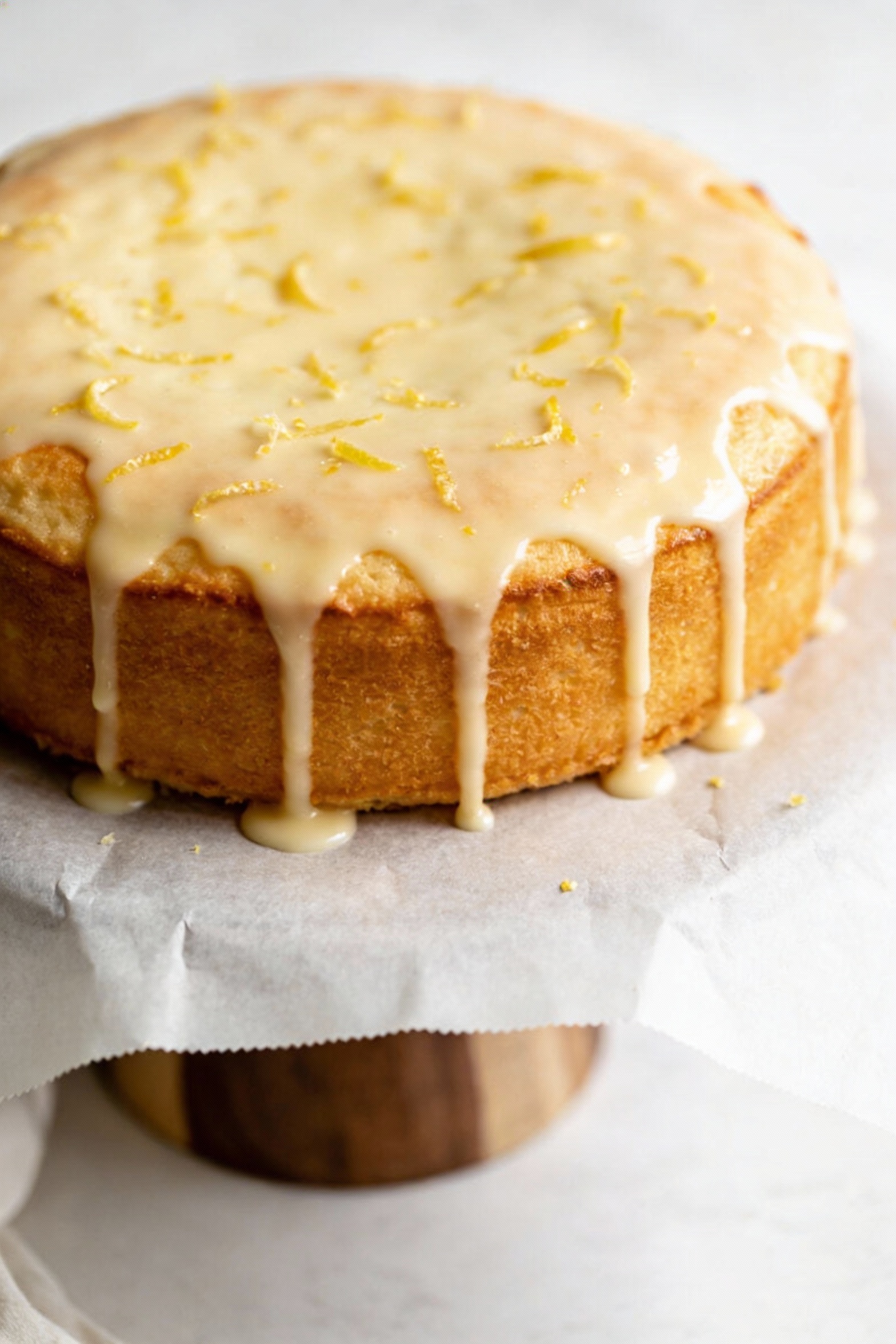
Lemon Vanilla Cake: Add 1 tablespoon lemon zest and replace 2 tablespoons milk with lemon juice for brightness.
-
Chocolate Chip Snack Cake: Fold in 3/4 cup mini chocolate chips tossed with 1 teaspoon flour.
-
Cinnamon Swirl: Mix 1/3 cup brown sugar with 1 teaspoon cinnamon, sprinkle half into the batter, swirl, repeat.
-
Berry Fold-In: Add 1 cup blueberries or raspberries. Use fresh or frozen; don’t thaw frozen berries first.
-
Simple Sheet Cake: Bake in a 9×13-inch pan; start checking at 22 to 28 minutes for doneness.
-
Dairy-Light Option: Use unsweetened oat milk and dairy-free yogurt. The crumb stays surprisingly tender.
If you want a quick topping, mix powdered sugar with a splash of milk and vanilla for a drizzle glaze. It’s the easiest way to make it look “bakery” with zero drama.
FAQ
Can I make this cake without eggs?
Yes. Replace each egg with 1/4 cup unsweetened applesauce or a flax egg (1 tablespoon ground flax + 3 tablespoons water). Expect a slightly denser crumb, but still moist and tasty.
What pan size works best?
A 9-inch round pan or an 8×8-inch square pan gives a thick, soft slice. For a taller cake, use a smaller pan and bake longer, checking early to avoid overbaking.
How do I know when it’s done without overbaking?
Look for a lightly golden top, edges pulling away slightly, and a center that springs back when pressed gently. A toothpick should come out with a few moist crumbs, not wet batter.
Can I turn this into cupcakes?
Yes. Fill liners about 2/3 full and bake at 350°F for 16 to 20 minutes. Cool completely before frosting unless you want frosting soup.
Why did my cake sink in the middle?
Common causes include underbaking, opening the oven door too early, or too much leavening. Measure baking powder and soda carefully and avoid peeking until the cake has set.
What frosting pairs best with this cake?
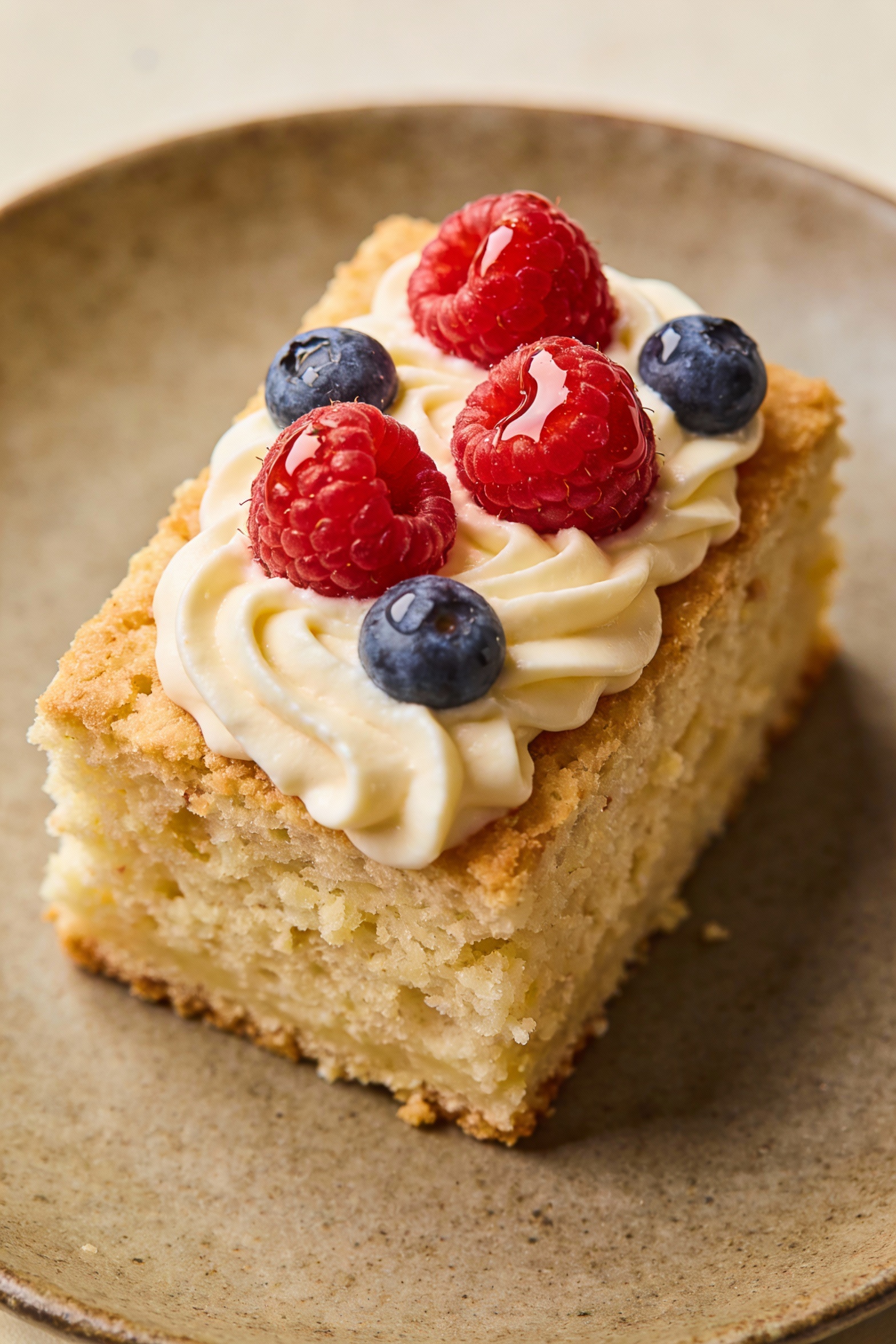
Vanilla buttercream, cream cheese frosting, or a simple glaze all work. If you want a lighter finish, try whipped cream and berries right before serving.
Final Thoughts
This cake proves you can get bakery-level comfort from pantry basics and a regular whisk.
Keep it simple when you need a dependable win, then remix it with fruit, spices, or chocolate when you want to flex.
The best part: you’re not chasing perfection, you’re chasing a slice that makes people go back for “just one more.”
Make it once, save the method, and you’ll always have a homemade fallback for birthdays, cravings, and random Tuesday celebrations.