Get tender, sticky, crowd pleasing ribs with simple pantry spices, easy timing, and big backyard flavor from your kitchen.
You do not need a smoker, a grill, or a weekend-long meat obsession to make ribs people talk about. You need one oven, a rack of spare ribs, and enough patience to let low heat do the heavy lifting. The result? Tender meat, caramelized sauce, and that glorious moment when everyone goes quiet because chewing becomes the top priority. If dinner that looks expensive but feels easy is your thing, this one hits hard.
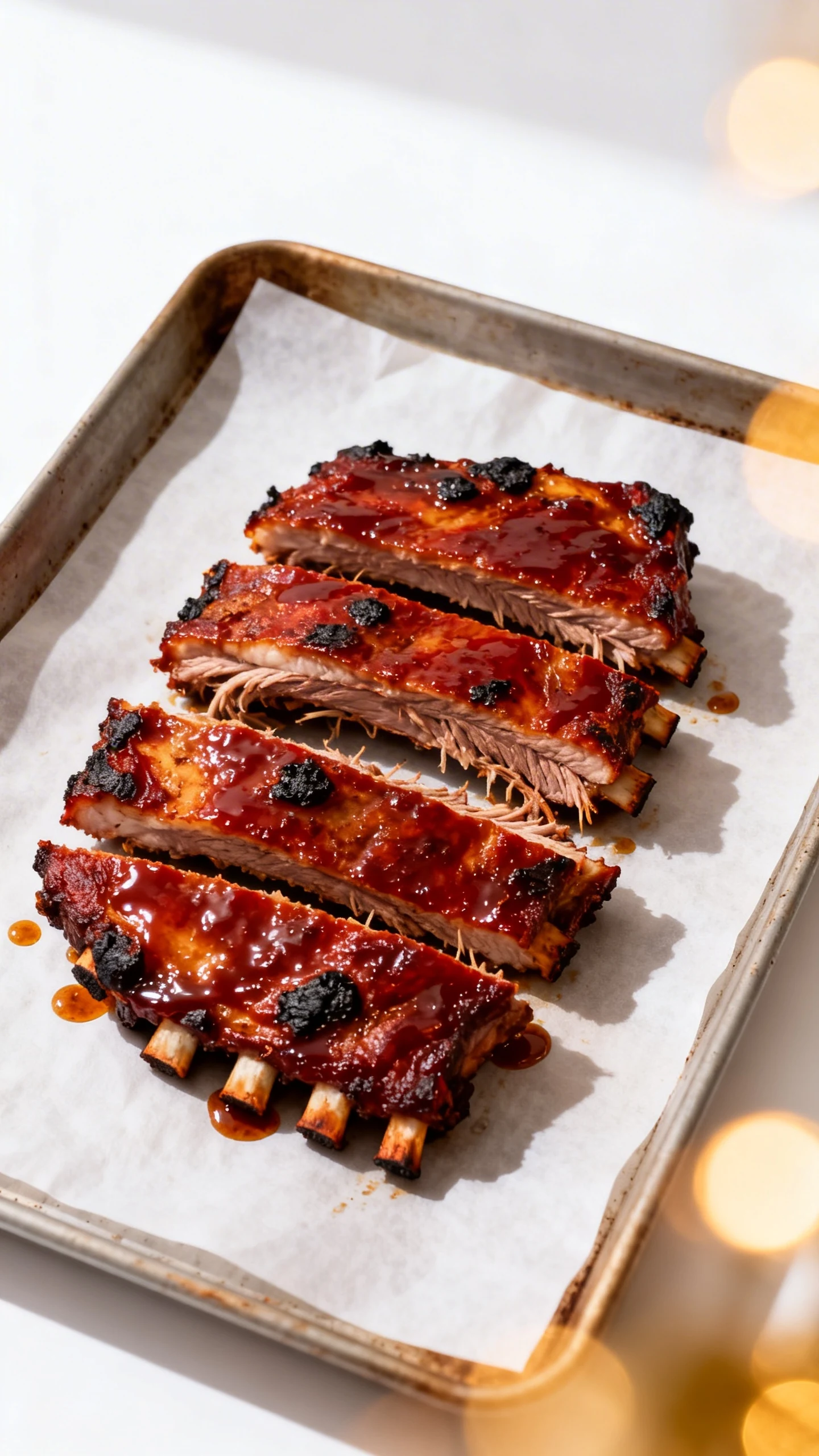
These ribs solve a very real problem: you want barbecue flavor, but the weather is rude, your grill is out of gas, or your apartment manager thinks charcoal is a personality flaw. Oven baked spare ribs bring the same sticky, savory satisfaction without the outdoor drama. They come out juicy, deeply seasoned, and lacquered with sauce that clings in all the right places. Honestly, it is a little unfair how good they are.
Why You’ll Love This Recipe
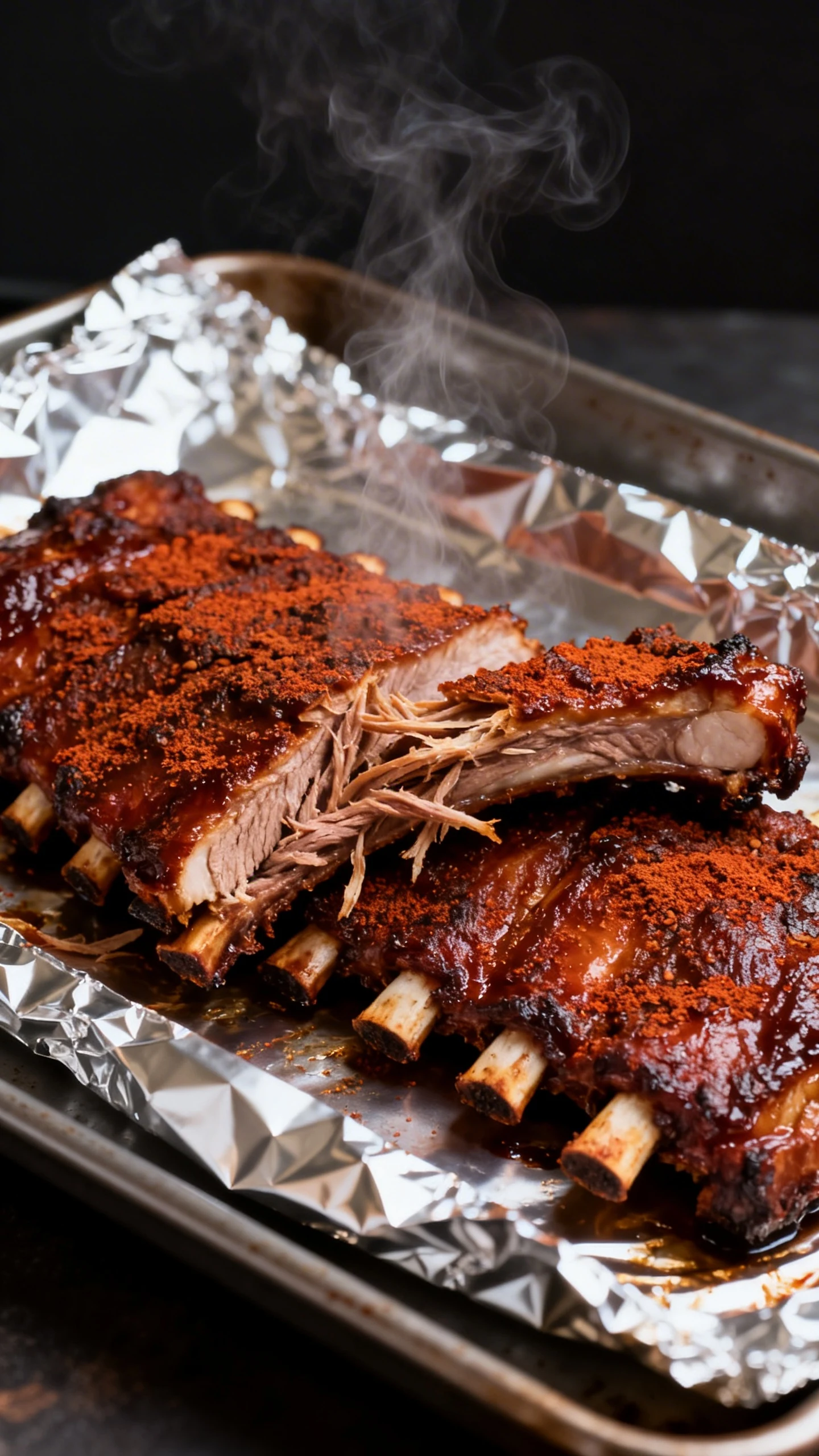
This recipe keeps things simple while still delivering serious flavor. You season the ribs, bake them low and slow, then finish with sauce until glossy and irresistible. No complicated gear, no mystery steps, no culinary gymnastics.
- Reliable results: The oven gives you steady heat, which means tender ribs every time.
- Big flavor: A dry rub builds a deep savory base, and the barbecue sauce adds sweet, smoky punch.
- Easy prep: Most of the magic happens while the ribs bake, so you are not stuck hovering over dinner.
- Great for gatherings: These ribs feel special enough for game day, family dinner, or that random Tuesday when you need a win.
- Budget friendly: Spare ribs usually cost less than baby back ribs, but they still bring major comfort food energy.
IMO, this is one of the smartest ways to cook ribs at home. The oven softens the meat slowly, then a final blast of heat sets the sauce into a sticky, glossy coat. That is the kind of kitchen math we like.
Ingredients Breakdown
You do not need a giant shopping list here. The beauty of this recipe lives in familiar ingredients working together like a very competent group project.
- 2 racks pork spare ribs: Look for ribs with good marbling and even thickness.
- 2 tablespoons brown sugar: Adds sweetness and helps the surface caramelize.
- 1 tablespoon paprika: Brings warm color and a mild smoky note.
- 1 teaspoon smoked paprika: Optional, but highly recommended for extra barbecue flavor.
- 1 tablespoon kosher salt: Essential for seasoning the meat all the way through.
- 2 teaspoons black pepper: Gives the rub a little bite.
- 1 teaspoon garlic powder: Adds savory depth without any chopping.
- 1 teaspoon onion powder: Rounds out the rub with mellow flavor.
- 1 teaspoon chili powder: Adds warmth and complexity, not overwhelming heat.
- 1 teaspoon mustard powder: Sharpens the overall flavor profile.
- 1/2 teaspoon cayenne pepper: Optional if you like a little kick.
- 2 tablespoons apple cider vinegar: Helps balance sweetness and keeps things lively.
- 1 to 1 1/2 cups barbecue sauce: Use your favorite thick sauce, sweet, smoky, spicy, or tangy.
- 1 tablespoon yellow mustard or olive oil: Helps the dry rub stick to the ribs.
If your barbecue sauce runs very sweet, choose a rub that leans savory. If your sauce tastes tangy, the brown sugar in the rub will smooth it out. It is all about balance, not chaos.
Let’s Get Cooking – Instructions
This method works because it respects what spare ribs need: time, gentle heat, and a proper finish. Try to rush them and they will remind you who is boss.
-
Prep the ribs. Heat your oven to 300°F. Remove the ribs from the packaging, pat them dry with paper towels, and place them on a cutting board. Flip them over and peel off the thin membrane on the bone side if it is still attached. That membrane turns chewy fast, and nobody asked for meat gum.
-
Mix the dry rub. In a small bowl, combine the brown sugar, paprika, smoked paprika, salt, black pepper, garlic powder, onion powder, chili powder, mustard powder, and cayenne. Stir until evenly blended. This is where a lot of the flavor gets built, so do not half-heartedly toss it together.
-
Season generously. Rub the ribs lightly with mustard or olive oil, then coat both sides with the spice mix. Press the rub into the meat so it actually sticks. A little falls off, sure, but most of it should stay put and get to work.
-
Wrap for tenderness. Place each rack on a large sheet of foil. Sprinkle or brush the apple cider vinegar over the ribs, then wrap them tightly in foil to trap moisture. Set the wrapped racks on a baking sheet, seam side up or folded securely.
-
Bake low and slow. Put the baking sheet in the oven and bake for 2 1/2 to 3 hours. The ribs are ready for the next step when the meat has visibly pulled back from the bones and a knife slides in with very little resistance. You want tender, not falling into soup.
-
Unwrap carefully. Remove the ribs from the oven and open the foil carefully because the steam is hot enough to ruin your mood. Transfer the ribs to a clean foil lined sheet pan or leave them on the same pan if it is not swimming in burnt bits. Raise the oven temperature to 425°F.
-
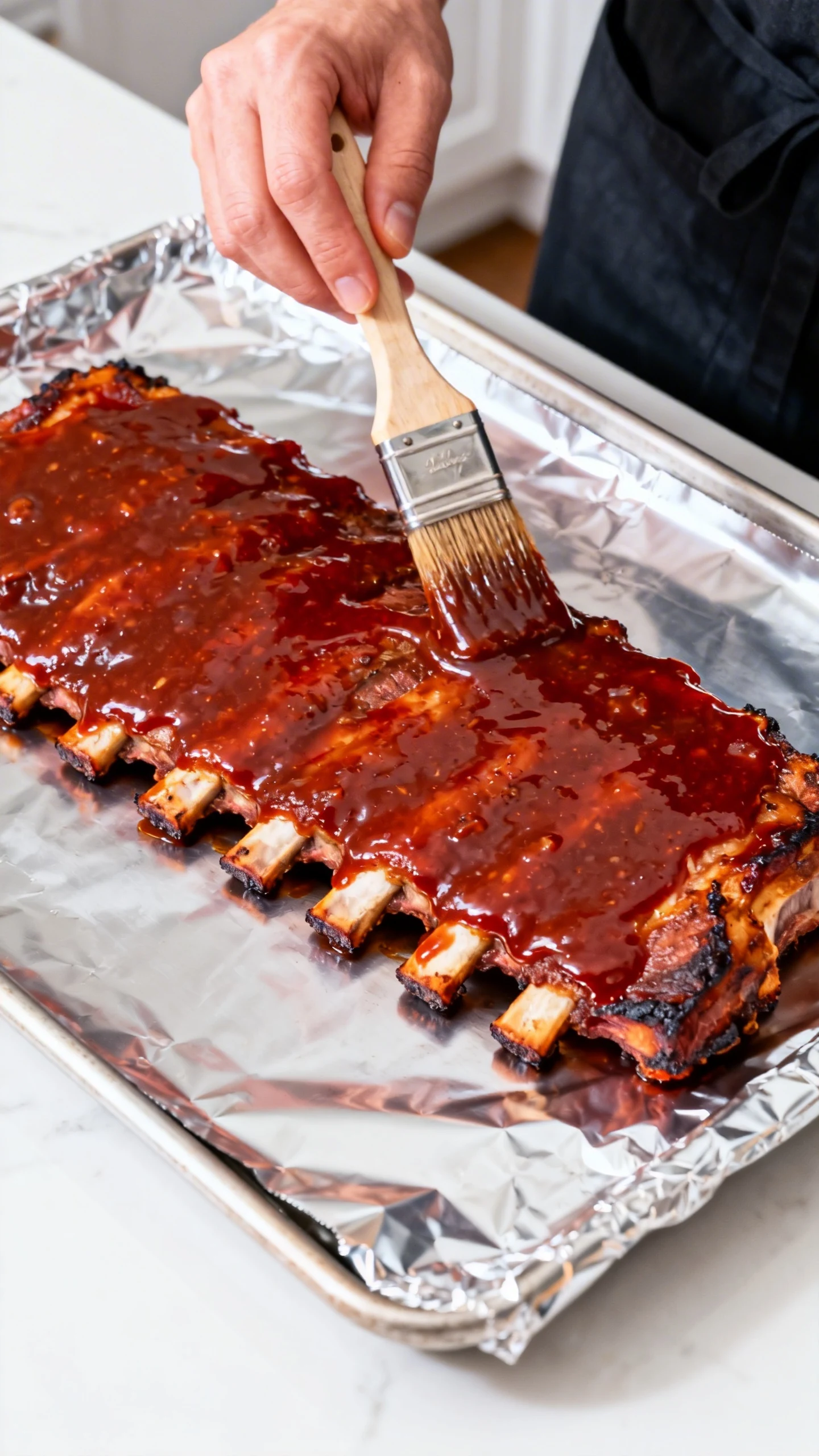
Sauce and set. Brush a layer of barbecue sauce over the ribs. Return them to the oven uncovered for 10 minutes. Pull them out, brush on another layer, and bake 5 to 10 minutes more until the sauce looks sticky, glossy, and slightly caramelized at the edges.
-
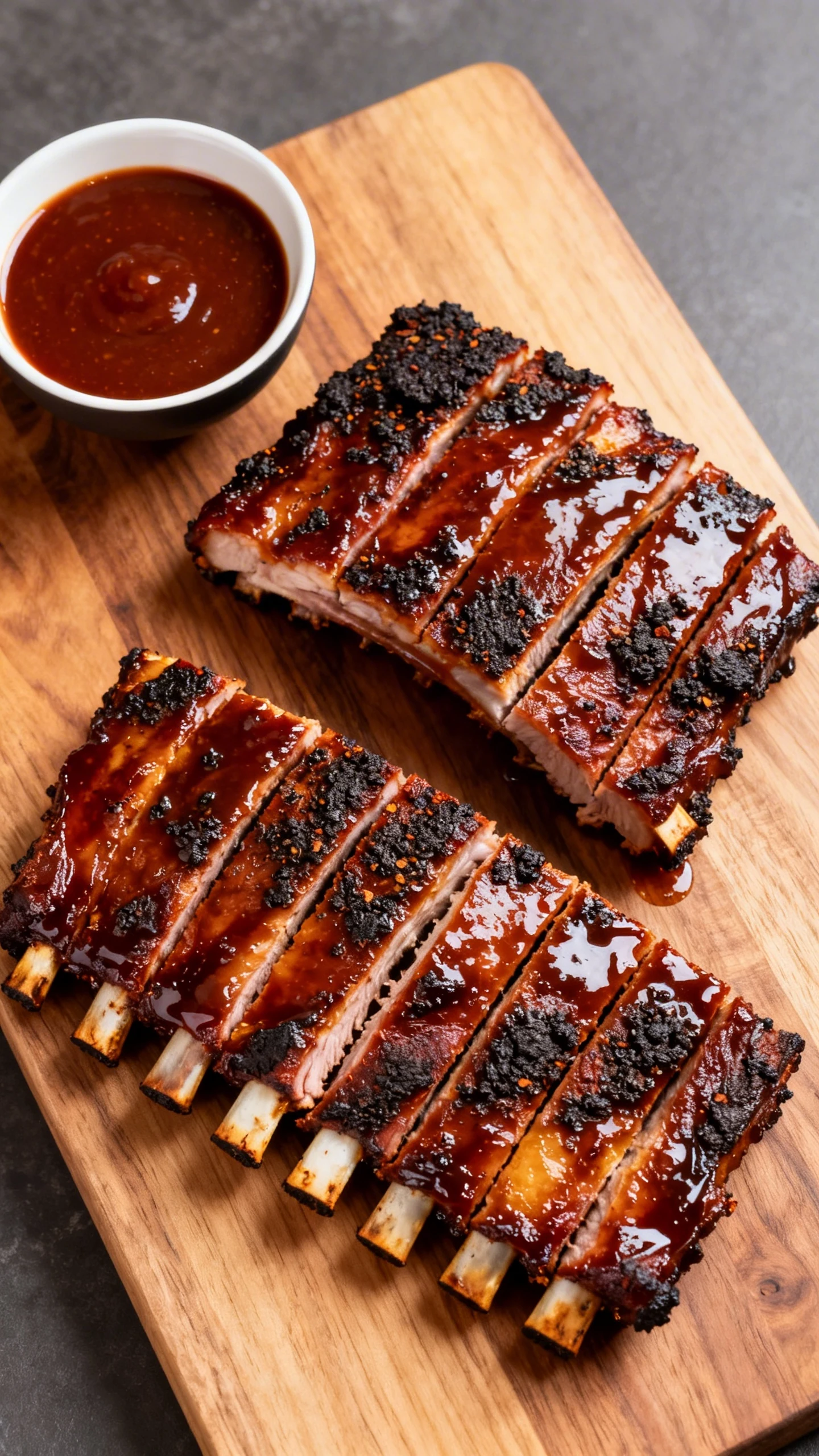
Rest, slice, and serve. Let the ribs rest for 10 minutes before cutting between the bones. This keeps the juices in the meat instead of all over your cutting board. Serve with extra sauce if you like, though these usually do not need much help.
If you want even more char on top, place the sauced ribs under the broiler for 1 to 2 minutes at the end. Watch them closely. Sauce can go from lacquered perfection to burnt sugar tragedy very fast.
Storage Tips
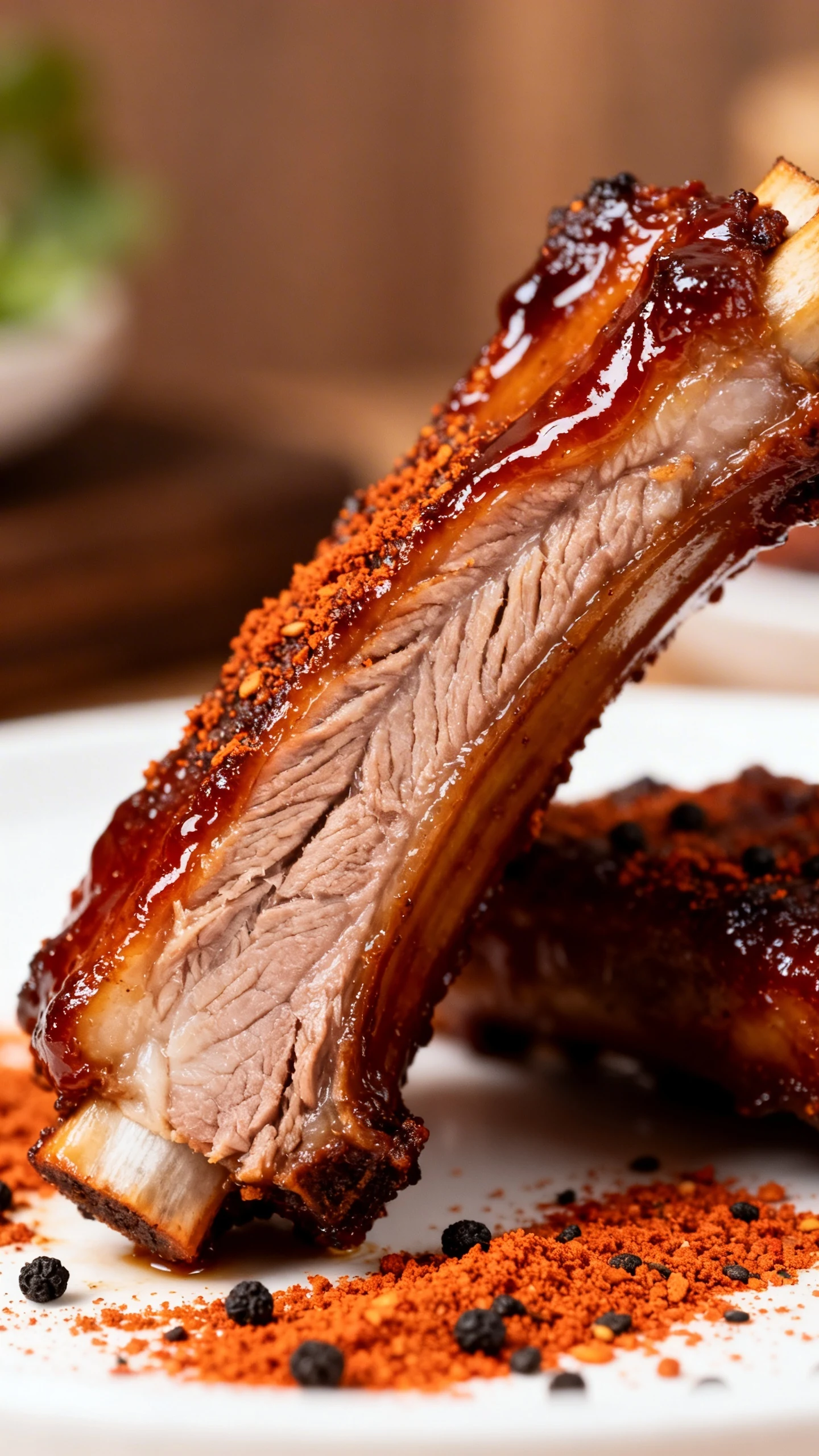
Leftover ribs store surprisingly well, which is great because cold-rib self control is not a skill everyone has. Let the ribs cool slightly before packing them away, but do not leave them out for hours. Food safety still matters, even when dinner is amazing.
- Refrigerator: Store cooled ribs in an airtight container for up to 4 days.
- Freezer: Wrap portions tightly and freeze for up to 3 months.
- Reheating: Place ribs in a baking dish with a splash of water, broth, or extra sauce, cover with foil, and warm at 275°F until heated through.
Microwaving works in an emergency, but it can make the meat unevenly hot and oddly chewy. The oven takes a bit longer, but the texture stays much better. FYI, leftovers also make a ridiculous sandwich.
Nutritional Perks
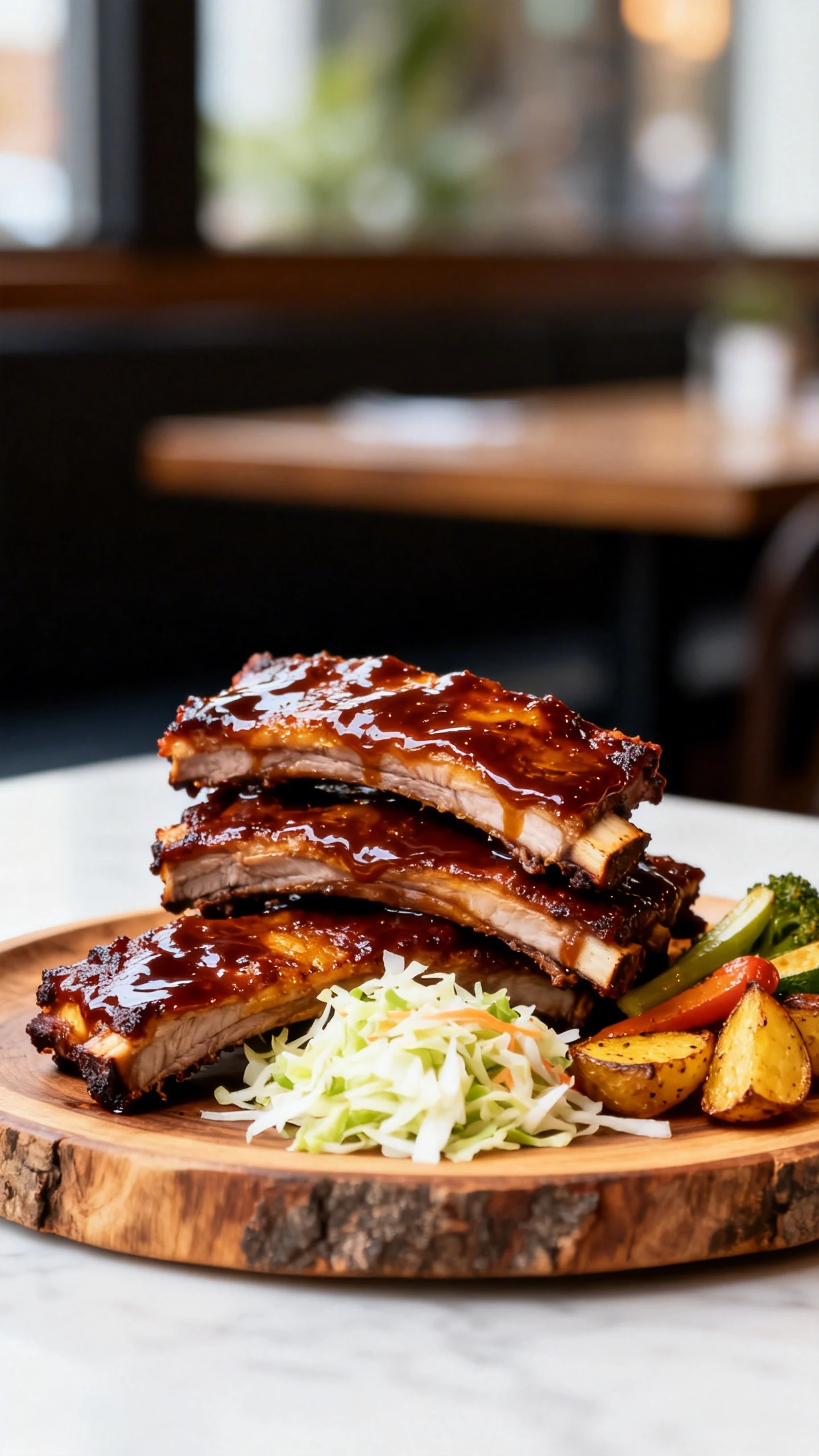
These ribs are definitely comfort food, but they still bring some useful nutrition to the table. Pork spare ribs provide protein, which helps keep meals satisfying and filling. They also contain important minerals like iron, zinc, and B vitamins.
The exact nutrition depends on the cut, portion size, and barbecue sauce you use. If you want to lighten things up a bit, serve the ribs with roasted vegetables, slaw, or a crisp salad instead of heavier sides. Balance exists, even next to sticky ribs and extra napkins.
Avoid These Mistakes
Ribs are not hard, but they do appreciate respect. A few wrong moves can take them from tender and glorious to dry and disappointing.
- Skipping membrane removal: Leave it on and the ribs may turn tough on the underside.
- Using high heat from the start: Spare ribs need low, slow cooking to break down properly.
- Under-seasoning: Ribs are thick and rich, so bland seasoning will disappear fast.
- Saucing too early: Apply sauce near the end so it caramelizes instead of burning.
- Not resting before slicing: Give the meat a few minutes so the juices stay where they belong.
- Overcooking until mushy: Yes, ribs should be tender, but they should still hold together when sliced.
If your first rack is not perfect, do not panic. Even slightly imperfect homemade ribs still beat a lot of expensive takeout. That is just the truth.
Variations You Can Try
Once you nail the basic method, you can switch up the flavor profile however you want. Same technique, different personality.
- Honey garlic ribs: Use a sauce with honey, garlic, and a splash of soy sauce for sticky sweet flavor.
- Spicy chipotle ribs: Add chipotle powder or adobo sauce to the rub and barbecue sauce.
- Memphis style: Skip the heavy sauce and let the dry rub do most of the talking.
- Kansas City inspired: Use a thick, sweet, tomato based sauce with extra brown sugar.
- Tangy vinegar finish: Brush lightly with a vinegar pepper sauce after baking for a sharper bite.
- Maple bourbon twist: Stir a little maple syrup and bourbon into your sauce for deeper sweetness.
You can also adjust heat levels, sweetness, and smokiness based on who is eating. Feeding kids? Go mild. Feeding spice lovers? Let the cayenne and chipotle have a meeting.
FAQ
How long do spare ribs take in the oven?
At 300°F, spare ribs usually need 2 1/2 to 3 hours, depending on size and thickness. Then they need another 15 to 20 minutes at higher heat with sauce to finish. The meat should feel tender and pull back from the bones.
Should ribs be covered or uncovered in the oven?
Cover them tightly with foil during the low and slow baking stage. That traps moisture and helps tenderize the meat. Uncover them only near the end so the sauce can thicken and caramelize.
Do I need to boil ribs before baking?
No, and honestly, you should not. Boiling can wash away flavor and mess with the texture. The oven already gives you the tender result you want without turning the ribs into a sad compromise.
How do I know when the ribs are done?
Check for a few signs: the meat pulls back from the ends of the bones, a knife slides in easily, and the rack bends slightly when lifted. You want tender meat with some structure, not total collapse.
Can I make these ribs ahead of time?
Yes. Bake the ribs until tender, cool them, and refrigerate them for up to a day before finishing with sauce. When ready to serve, reheat, sauce, and bake until hot and glossy.
What barbecue sauce works best?
Any thick sauce you genuinely like will work well. Sweet sauces caramelize beautifully, smoky sauces deepen the barbecue vibe, and tangy sauces cut through the richness. If the sauce tastes good on a spoon, it will probably taste great on ribs.
Wrapping Up
These oven baked spare ribs prove you do not need fancy equipment to make barbecue worthy of a victory lap. With a bold rub, low heat, and a sticky final glaze, you get tender ribs that feel big, indulgent, and absolutely worth the napkins. They are easy enough for a weeknight flex and impressive enough for guests who suddenly linger near the kitchen.
So the next time a rib craving shows up, skip the weather check and use your oven. You will get deep flavor, juicy meat, and that glossy barbecue finish without babysitting a smoker all day. And if someone asks where you ordered them from, you can enjoy the moment and act mysterious.