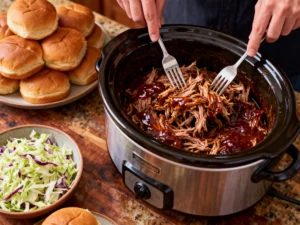
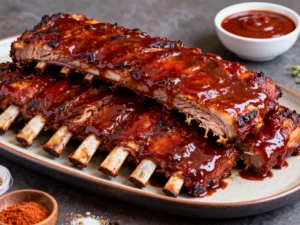
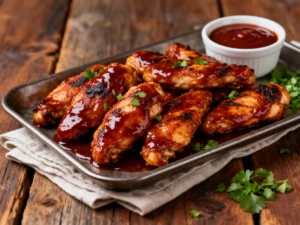
Get crackly, smoky, juicy pork belly with simple rubs and sauces, plus foolproof timing so your cookout feels like a flex.
You know that moment when the grill lid lifts and everyone suddenly “just happens” to be nearby? That’s the power of properly cooked pork belly. The secret isn’t fancy gear or chef vibes; it’s a few smart moves that turn fat into flavor and bark into bragging rights. Do it right and you’ll get crispy edges, sticky glaze, and slices so tender they almost whisper. Do it wrong and you’ll serve chewy regret with a side of smoke. Let’s make the first thing.
Why You’ll Love This Recipe
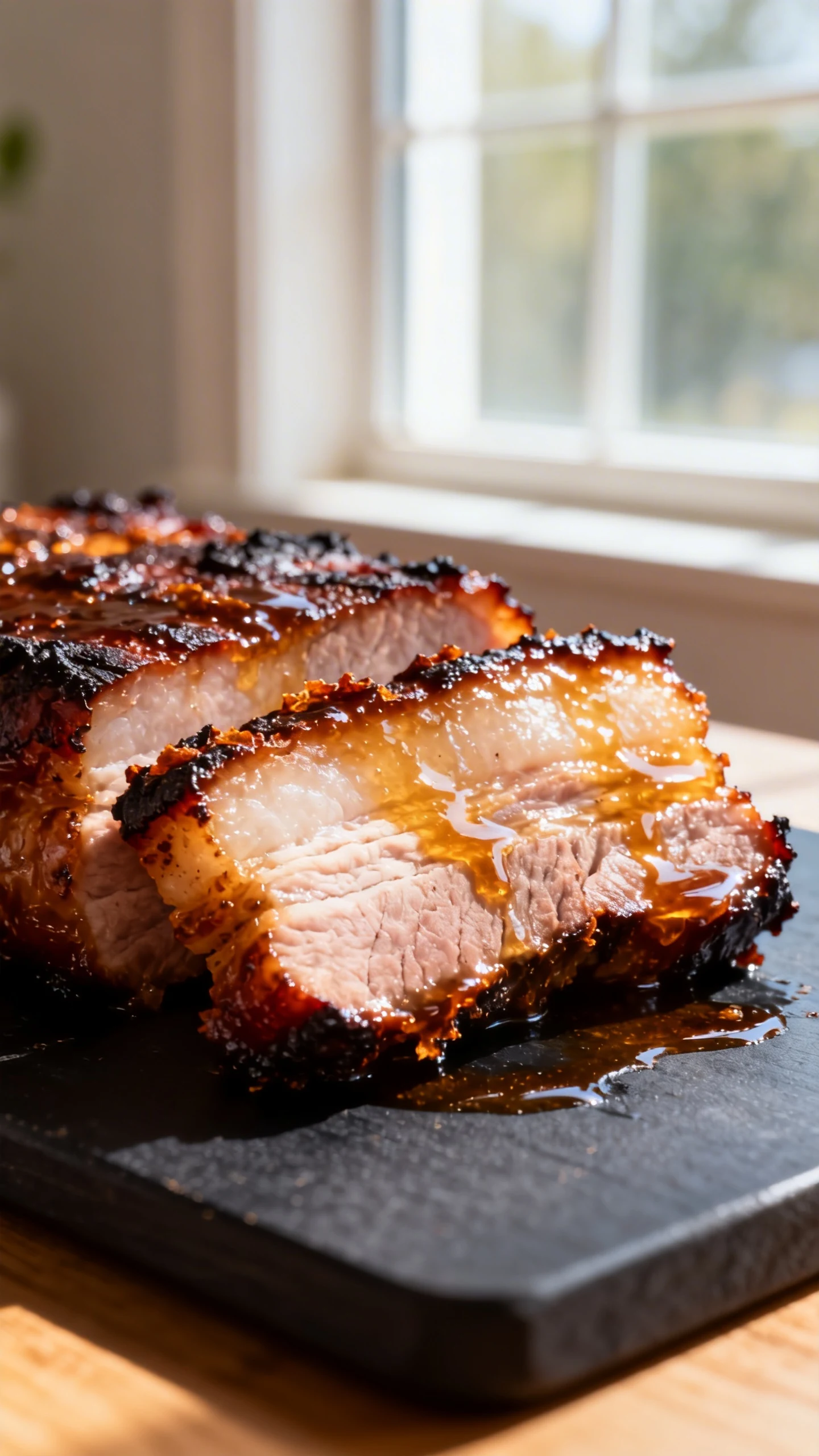
Pork belly brings the best of both worlds: rich meat and buttery fat that melts into every bite. When you smoke it low and slow, then finish it hot, you get that “how is this even real?” texture. The seasoning options also feel endless, so you can go sweet, spicy, tangy, or all three without breaking a sweat.
It’s also surprisingly forgiving if you follow temperature cues, not vibes. You can serve it sliced, cubed into burnt ends, tucked into buns, or piled onto rice. And yes, it makes you look like you know what you’re doing, which is the whole point.
Ingredients
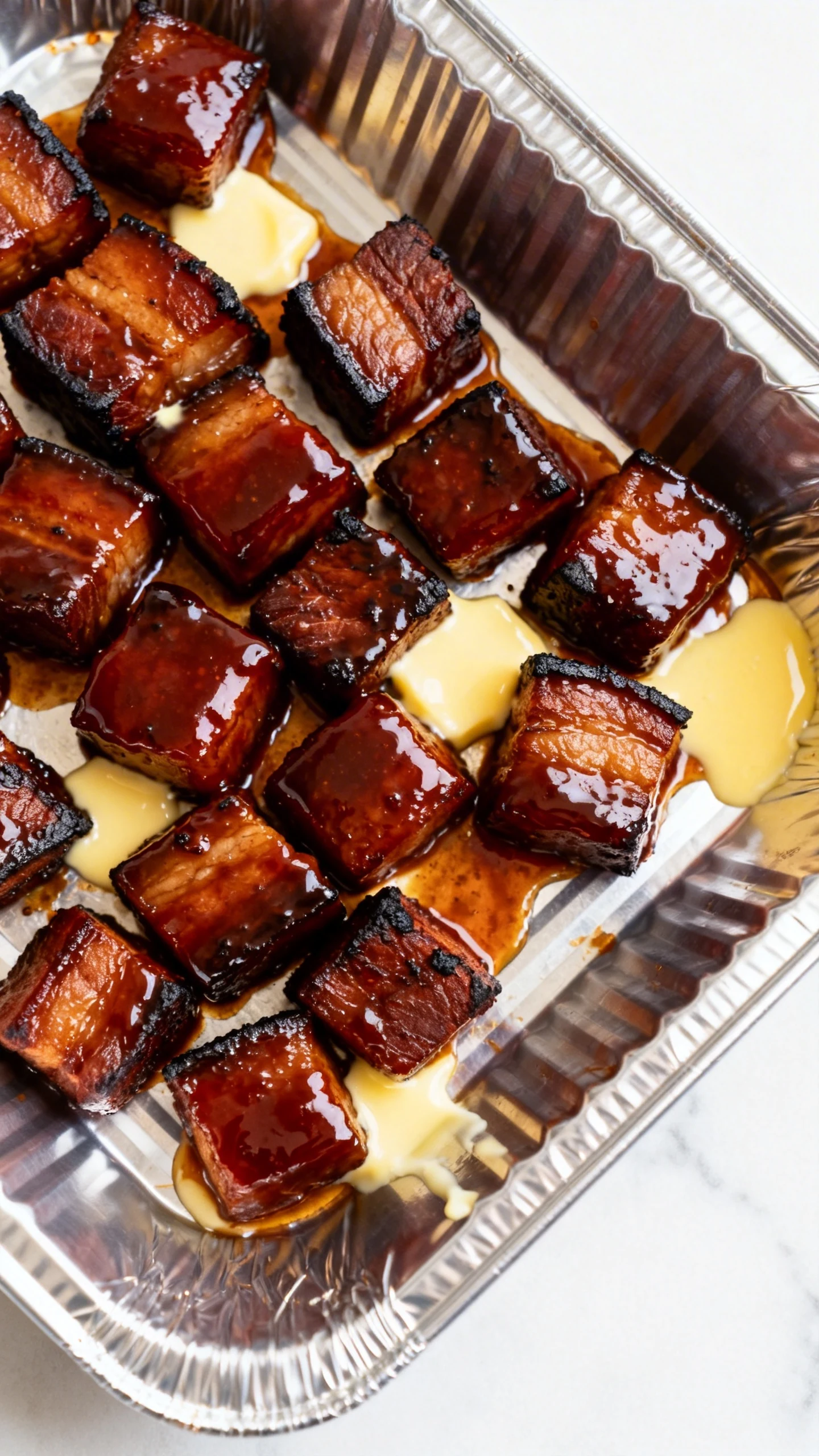
- Pork belly (skin-off preferred for bark, 3 to 5 pounds)
- Kosher salt
- Black pepper (freshly cracked)
- Smoked paprika
- Garlic powder
- Onion powder
- Brown sugar (for caramelized crust)
- Cayenne or chili powder (optional heat)
- Mustard (yellow or Dijon, as a binder)
- BBQ sauce (your favorite, thicker works best)
- Apple cider vinegar (brightens and balances)
- Honey or maple syrup (optional sticky glaze)
- Butter (optional for wrap/finishing)
- Wood chunks or pellets (apple, cherry, hickory, or pecan)
- Neutral oil (only if your grill grates need it)
How to Make It – Instructions
-
Choose your cut and trim smart. Pick pork belly with even thickness so it cooks evenly. Trim ragged edges and any loose flaps that will burn. If the fat cap looks wildly thick in spots, shave it down a bit for more consistent rendering.
-
Score the fat (optional, but satisfying). Lightly score the fat in a crosshatch pattern, cutting just into the fat and not deep into the meat. This helps seasoning cling and lets heat render the fat more efficiently. It also looks cool, which matters.
-
Season like you mean it. Pat the pork belly dry, then rub a thin layer of mustard all over. Mix salt, pepper, smoked paprika, garlic powder, onion powder, brown sugar, and optional cayenne. Coat generously and press it in so it sticks.
-
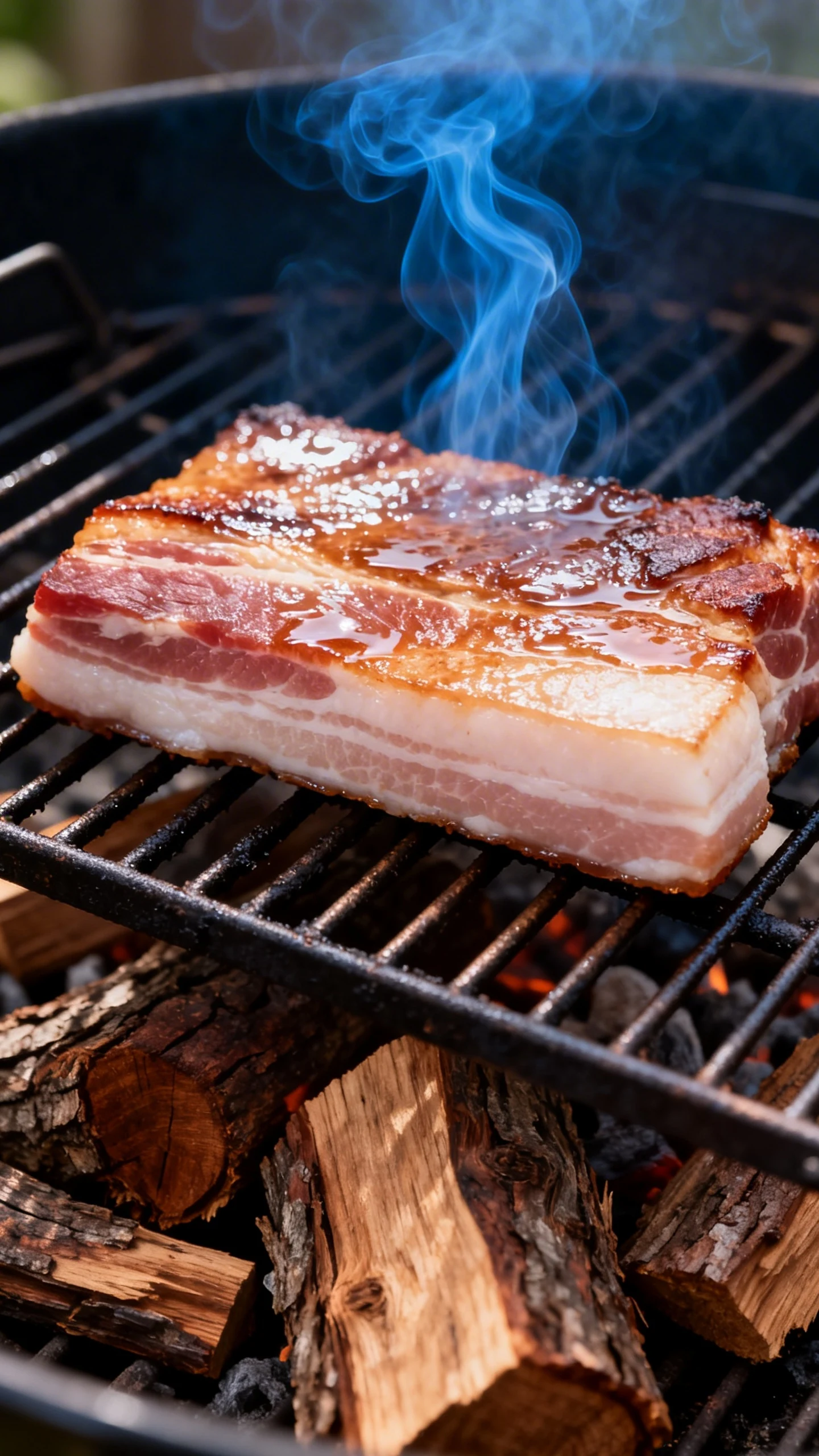
Set up for low-and-slow smoke. Preheat your smoker or grill for indirect cooking at 250°F to 275°F. Add wood for a steady, clean smoke. If you see thick white smoke, fix your fire because that’s the flavor of bad decisions.
-
Smoke until the bark sets. Place pork belly fat-side up on the grates. Smoke for 2.5 to 4 hours until the exterior looks mahogany and dry-to-the-touch, and the internal temp reaches roughly 165°F. Spritz lightly with a mix of apple cider vinegar and water if the surface looks dry.
-
Pick your path: slices or burnt ends. For slices, keep it whole. For burnt ends, cut into 1.5-inch cubes once the bark is set, then toss in a pan with a little butter, BBQ sauce, and a drizzle of honey. Either way, you’re about to level up.
-
Wrap or pan to power through tenderness. Put the belly (or cubes) in a foil pan and cover tightly with foil, or wrap in foil. Add a splash of apple cider vinegar and a small dot of butter if you want extra richness. Cook until the internal temp hits 195°F to 203°F and it probes like soft butter.
-
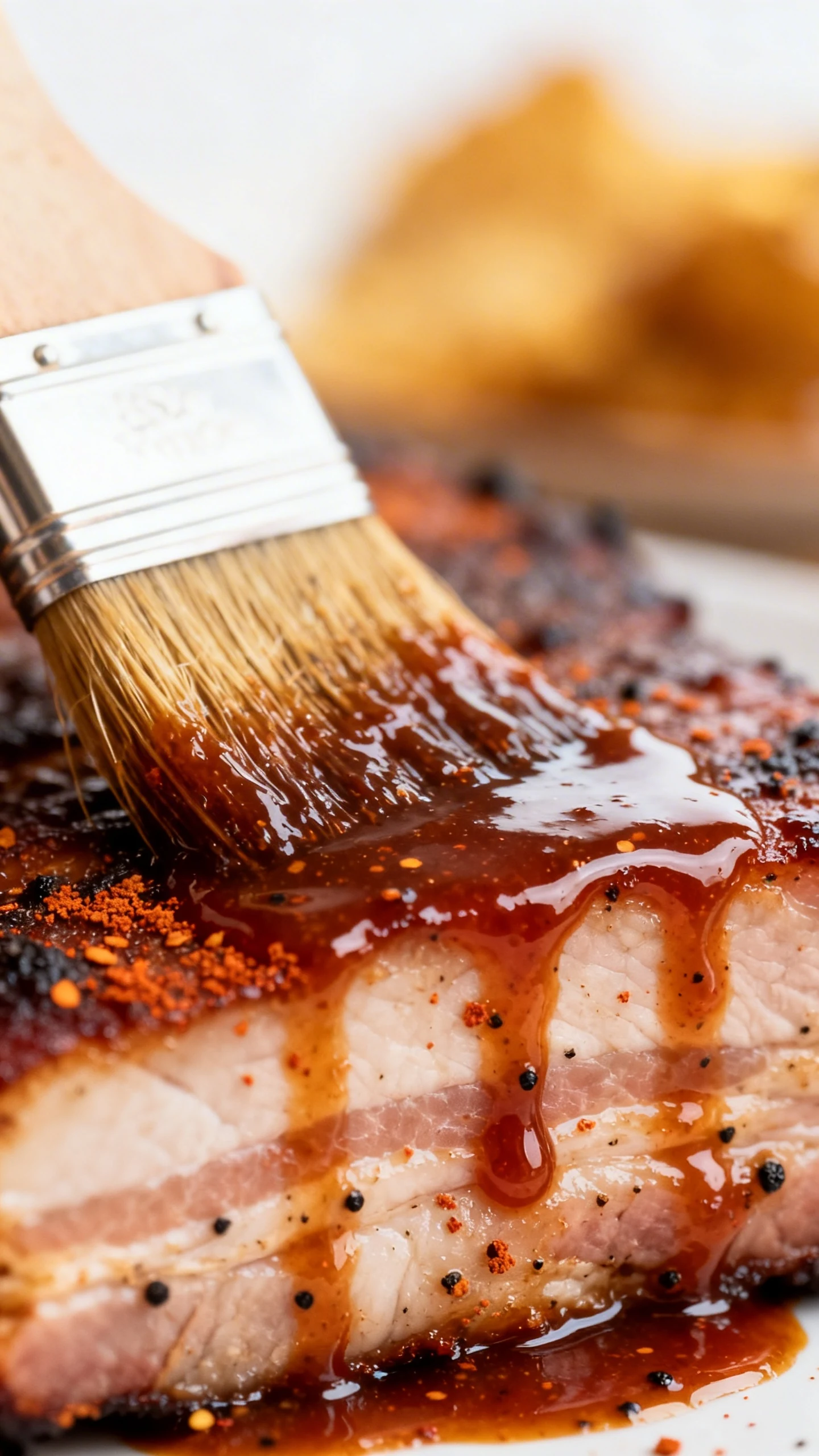
Glaze for that sticky, glossy finish. Uncover, brush with BBQ sauce, and return to the cooker uncovered for 15 to 30 minutes to tack up. If you want extra shine, mix sauce with a little honey or maple syrup. This is the “camera eats first” stage.
-
Finish hot for crisp edges (optional but elite). Crank heat to 350°F to 425°F for 5 to 10 minutes to crisp the exterior. Watch closely because sugar goes from “caramel” to “charcoal” faster than your friend says, “I’m on my way.”
-
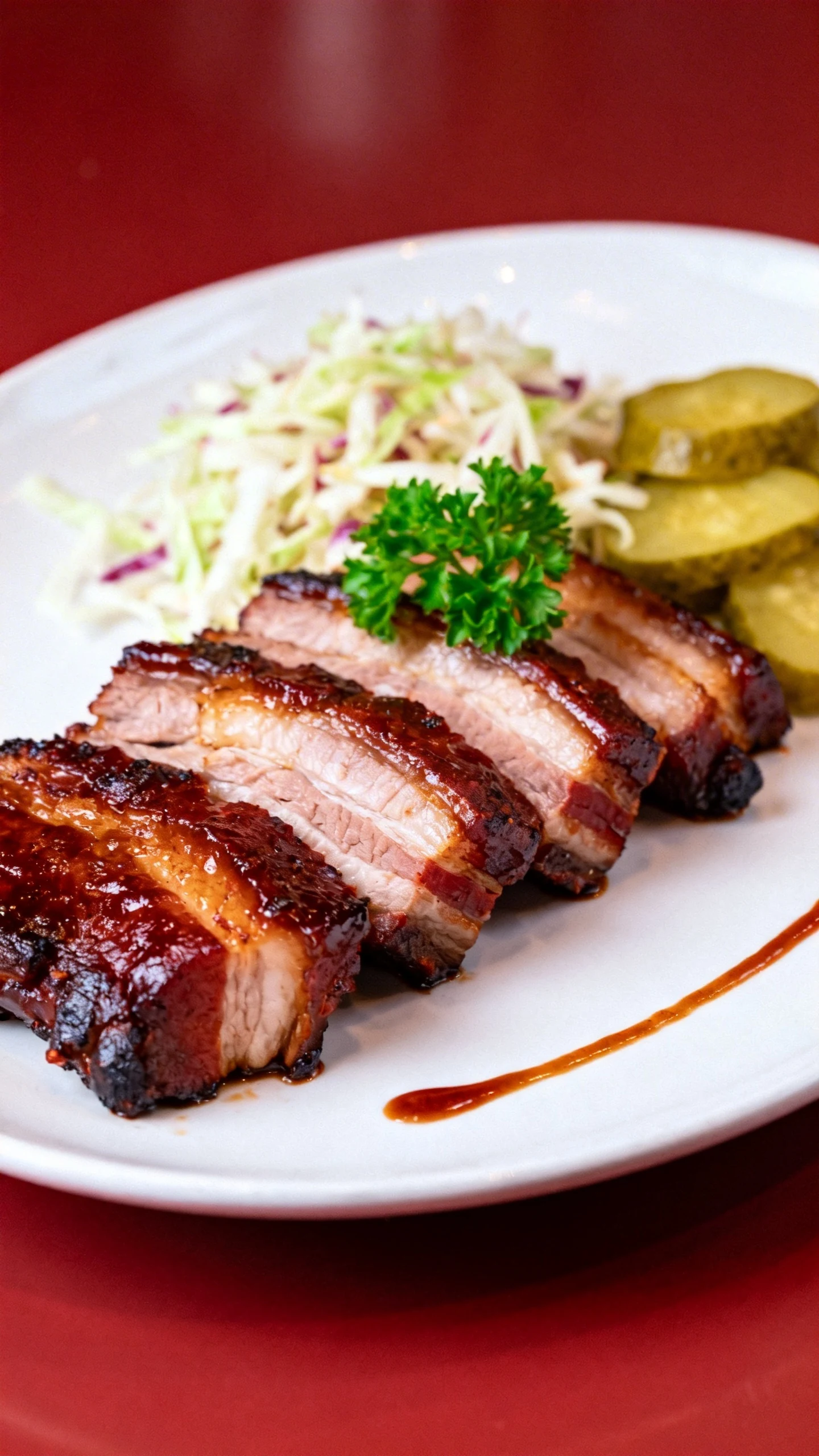
Rest, then slice correctly. Rest for 15 to 20 minutes so juices settle. Slice against the grain into thick slabs or bite-size pieces. For burnt ends, toss once more in the pan sauce and serve immediately.
Storage Instructions
Cool leftovers quickly, then store in an airtight container in the fridge for up to 4 days. Keep any extra sauce separate if you can, because it reheats cleaner and prevents soggy bark. FYI, pork belly somehow tastes even richer the next day, which feels unfair in the best way.
For longer storage, freeze portions tightly wrapped for up to 2 months. Thaw overnight in the fridge. Reheat in a 300°F oven covered with foil until warmed through, then uncover for a few minutes to bring back texture. A quick finish on a hot grill works too if you like living deliciously.
Health Benefits
Pork belly is rich and indulgent, but it still offers real nutrition when you treat it like a feature, not a food group. You’ll get protein for satiety and muscle support, plus B vitamins like niacin and B12 that help with energy metabolism. It also contains minerals like selenium and zinc that support immune function.
The main tradeoff is obvious: it’s higher in calories and saturated fat than lean cuts. Balance it with high-fiber sides like slaw, grilled veggies, or a bean salad, and keep portions reasonable. IMO, a smaller plate of incredible pork beats a mountain of “meh” meat every time.
What Not to Do
-
Don’t chase time over temperature. Pork belly finishes when it’s tender, not when the clock hits a number.
-
Don’t blast it with heavy smoke the whole cook. Clean, light smoke builds flavor; thick smoke builds bitterness.
-
Don’t skip resting. Slice too early and you’ll watch juices run out like they’re trying to escape responsibility.
-
Don’t over-sauce too soon. Sugar burns, and burnt sugar tastes like sadness. Glaze near the end.
-
Don’t cook direct heat without control. Pork belly drips fat, and fat plus flames equals surprise fireworks.
Alternatives
If you want the vibe without committing to a full slab, you’ve got options. The method stays the same: build bark, render fat, finish with heat and sauce. Swap the cut, adjust the timing, and keep your thermometer close.
-
Pork shoulder “belly-style” cubes: Less fatty, still great for sticky bites. Cook to probe-tender and sauce late.
-
Thick-cut pork belly strips: Faster cook, more edge-to-center bark ratio. Watch the glaze carefully since strips can dry out.
-
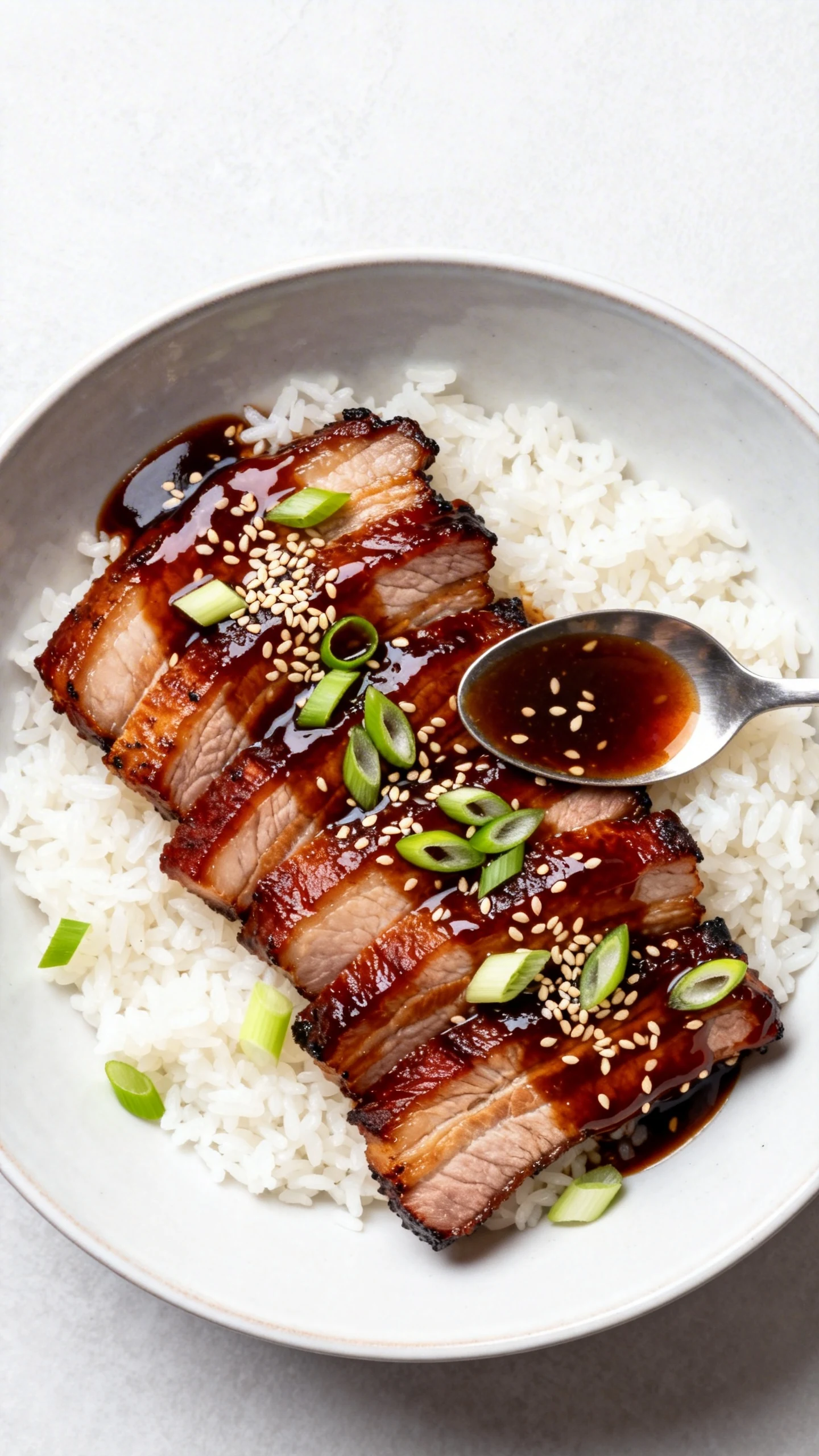
Asian-inspired glaze: Use soy sauce, brown sugar, garlic, ginger, and a touch of rice vinegar, then finish with sesame seeds and scallions.
-
Spicy-sweet rub: Add chipotle powder and a bit of cinnamon for a bold, smoky heat that doesn’t mess around.
-
Oven-to-broiler method: Roast covered low-and-slow, then broil to crisp and glaze. You lose some smoke, but you keep the wow.
FAQ
What temperature should pork belly be when it’s done?
Aim for 195°F to 203°F internal, but judge by tenderness. If a probe slides in with little resistance, you nailed it. If it still feels tight, keep going even if the number looks “close.”
Should I leave the skin on?
For most BBQ-style cooks, skin-off makes it easier to get a proper bark and slice cleanly. Skin-on can work, but it tends to get leathery unless you commit to crisping it hard. If you love crackling, finish at higher heat and watch closely.
How do I keep it from being greasy?
Render time and heat control solve most of it. Cook long enough for the fat to soften and the collagen to break down, then rest before slicing. Serving with something acidic, like a vinegar slaw or pickles, also cuts richness instantly.
Can I make pork belly burnt ends without a smoker?
Yes. Roast low and covered in the oven until tender, then sauce and finish uncovered to caramelize. Add a pinch of smoked paprika and use a touch of liquid smoke only if you like it, because that stuff can go from “BBQ” to “campfire candle” fast.
What wood works best for pork belly?
Apple and cherry give a sweet, friendly smoke that pairs well with the richness. Hickory adds classic BBQ punch, and pecan sits nicely in the middle. If you’re new, start with apple or cherry for a safer win.
How thick should I slice it?
For serving slices, go for 1/2 inch so you get tender meat with a solid bite. For sandwiches or tacos, thinner slices work great. For burnt ends, 1.5-inch cubes give the best balance of bark and soft center.
Final Thoughts
Pork belly is the cheat code of backyard BBQ: it forgives small mistakes and rewards smart finishing. Focus on clean smoke, a set bark, and tender doneness, then glaze late and crisp if you want that extra flex. Serve it with something crunchy and acidic, and watch it disappear like it had somewhere else to be.
If you want, tell me your cooker setup (pellet, offset, kettle, or oven) and whether you prefer sweet, spicy, or tangy, and I’ll tailor a version with exact times for your gear.