Get tender, smoky-sweet pork with a glossy bark—weekday-simple, party-ready, and built for leftovers that stay juicy.
You know that moment when everyone “isn’t that hungry” and then magically crowds the kitchen? This is the recipe that causes it. The smell alone turns casual guests into self-appointed taste-testers. You don’t need a fancy smoker or a PhD in fire management, either. You just need a solid cut of pork, a bold rub, a sticky sauce, and the confidence to let heat do its job.
What Makes This Special
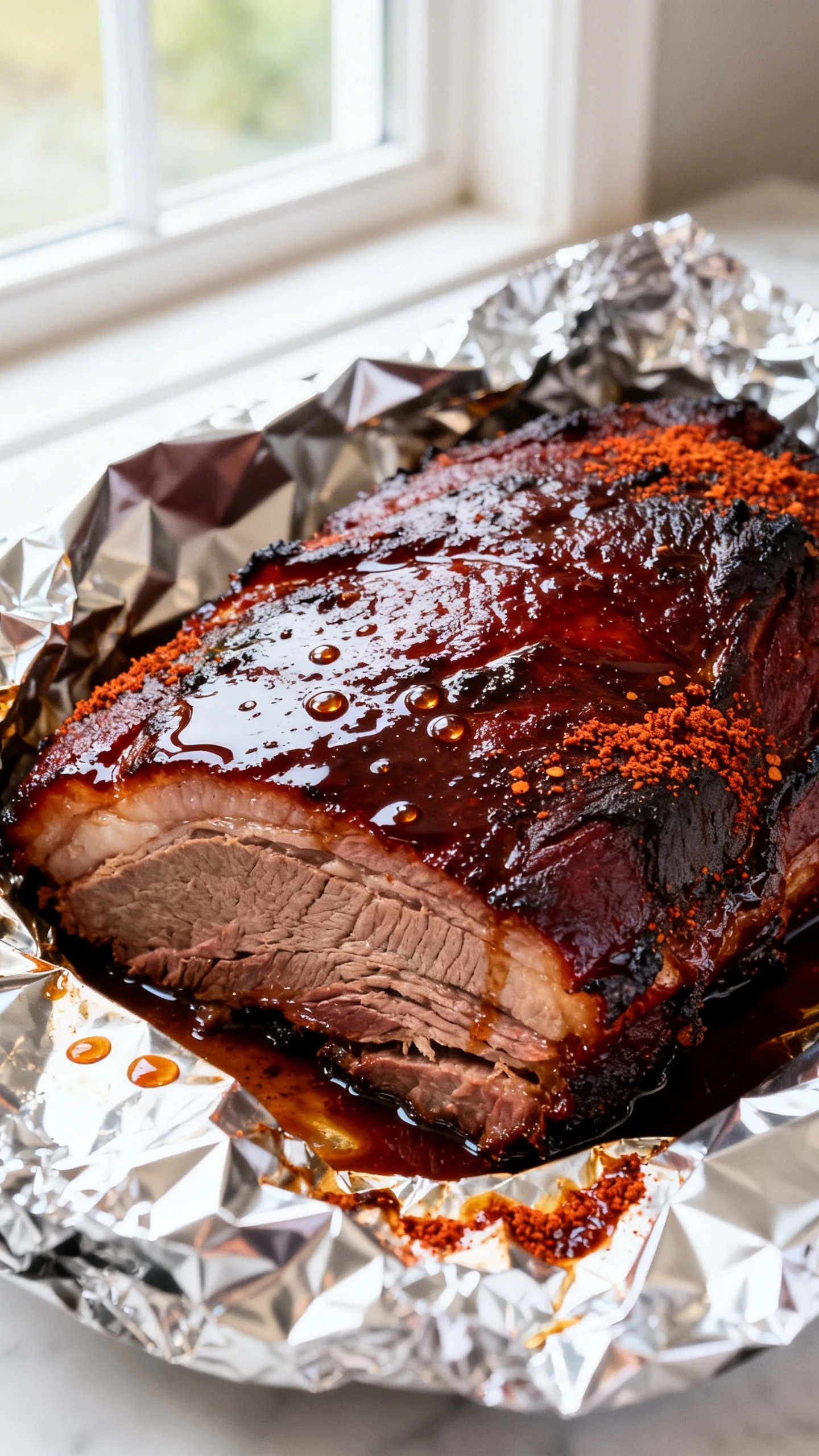
This version hits the holy trinity: deep seasoning, tender bite, and caramelized edges. It’s designed to work whether you cook on a grill, in the oven, or even finish on a hot pan for that “did you secretly use a restaurant broiler?” effect.
The flavor strategy is simple: a dry rub builds the base, a low-and-steady cook keeps it juicy, and a sauce glaze at the end creates that glossy, sticky finish. The glaze goes on late so it doesn’t burn and turn into sad, bitter candy. IMO, that last step is where most home cooks accidentally fumble the win.
It also scales easily. Cooking for two? Make less. Feeding a crowd? Double the rub and keep the method the same. The real flex: leftovers taste even better the next day, because the flavors keep mingling like they’re gossiping in group chat.
What You’ll Need (Ingredients)
- Pork shoulder (butt), 4 to 5 pounds, boneless or bone-in
- Kosher salt, 2 teaspoons
- Brown sugar, 2 tablespoons
- Smoked paprika, 1 tablespoon
- Garlic powder, 2 teaspoons
- Onion powder, 2 teaspoons
- Ground black pepper, 1 1/2 teaspoons
- Ground cumin, 1 teaspoon
- Chili powder, 1 teaspoon
- Cayenne pepper, 1/4 to 1/2 teaspoon (optional)
- Yellow mustard, 2 tablespoons (binder)
- Apple cider vinegar, 2 tablespoons
- Worcestershire sauce, 1 tablespoon
- BBQ sauce, 3/4 to 1 cup, plus more for serving
- Apple juice or chicken broth, 1/2 cup (for moisture)
- Neutral oil, 1 tablespoon (if searing)
- Optional smoke: wood chips or chunks (hickory, apple, or cherry)
How to Make It – Instructions
-
Pick your cooking lane. Grill/smoker gives the most smoke, oven delivers consistency, and both make incredible results. Preheat to 275°F to 300°F for low-and-slow cooking.
-
Mix the rub. Combine salt, brown sugar, smoked paprika, garlic powder, onion powder, pepper, cumin, chili powder, and cayenne if you like heat. This is your flavor insurance policy.
-
Prep the pork. Pat it dry. Trim any thick, hard fat cap down to a thin layer so seasoning actually reaches the meat. Leave the softer fat; it melts into flavor.
-
Apply the binder. Rub the mustard over the surface. It won’t taste like mustard later; it just helps the spices stick like they mean it.
-
Season like you’re serious. Coat all sides with the rub. Press it in. If you have time, rest it in the fridge for 2 to 12 hours uncovered for better bark. If you don’t, cook now and don’t feel guilty.
-
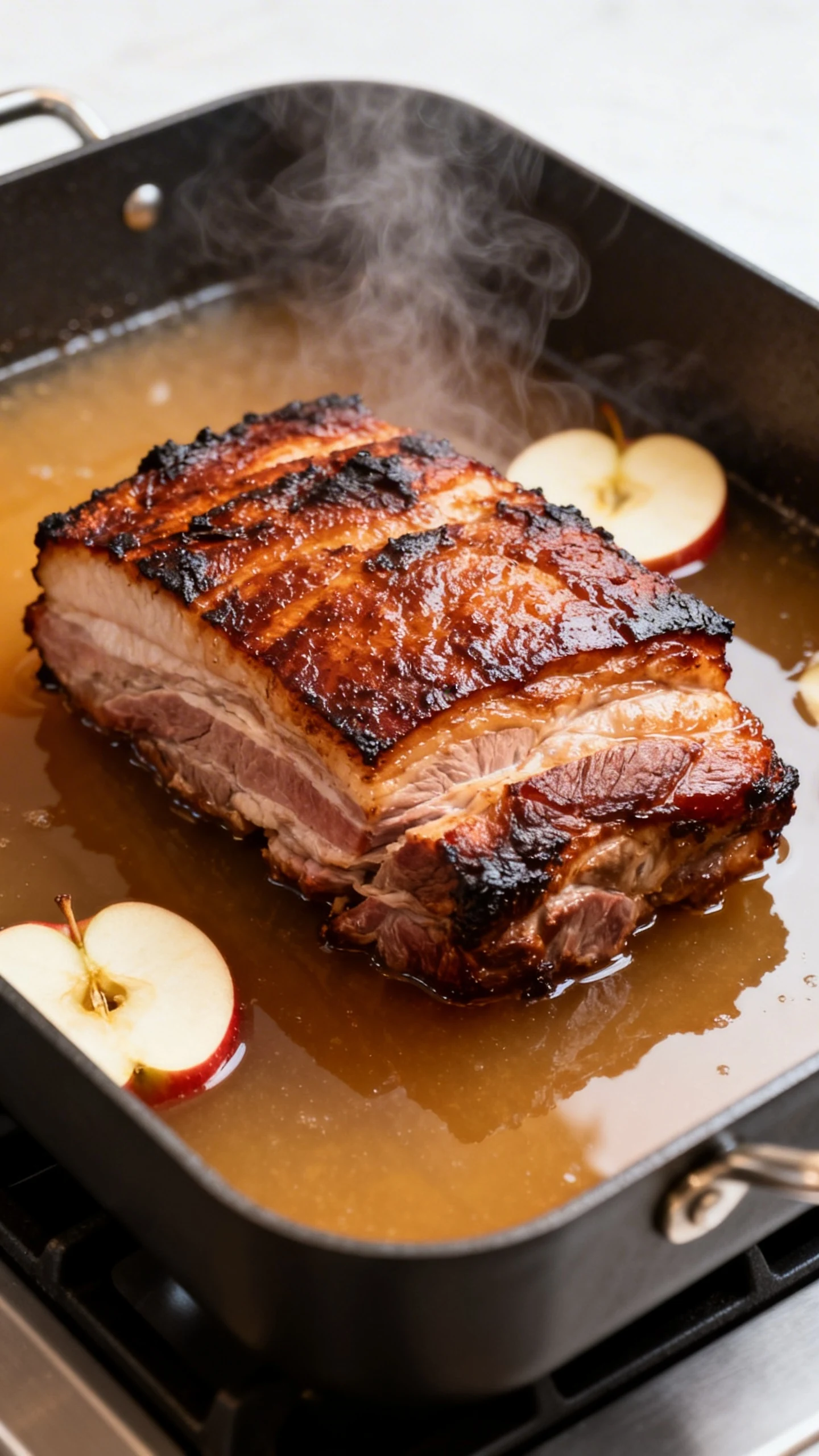
Cook low and steady. Place pork on the grill/smoker or in a roasting pan in the oven. Add apple juice or broth to the bottom of the pan if using the oven. Cook until it reaches 160°F to 170°F internal, usually 3 to 5 hours depending on size and heat.
-
Wrap for tenderness. Once the bark looks deep and set, wrap tightly in foil (or butcher paper if you’re fancy). Add a splash of apple cider vinegar and Worcestershire inside the wrap for a little punch.
-
Finish to “pull-apart” perfection. Keep cooking until it hits 195°F to 203°F and a probe slides in with little resistance. Temperature matters, but tenderness is the real boss.
-
Rest like it’s mandatory. Rest wrapped for 30 to 60 minutes. This keeps juices inside instead of spilling out like a tragic kitchen scene.
-
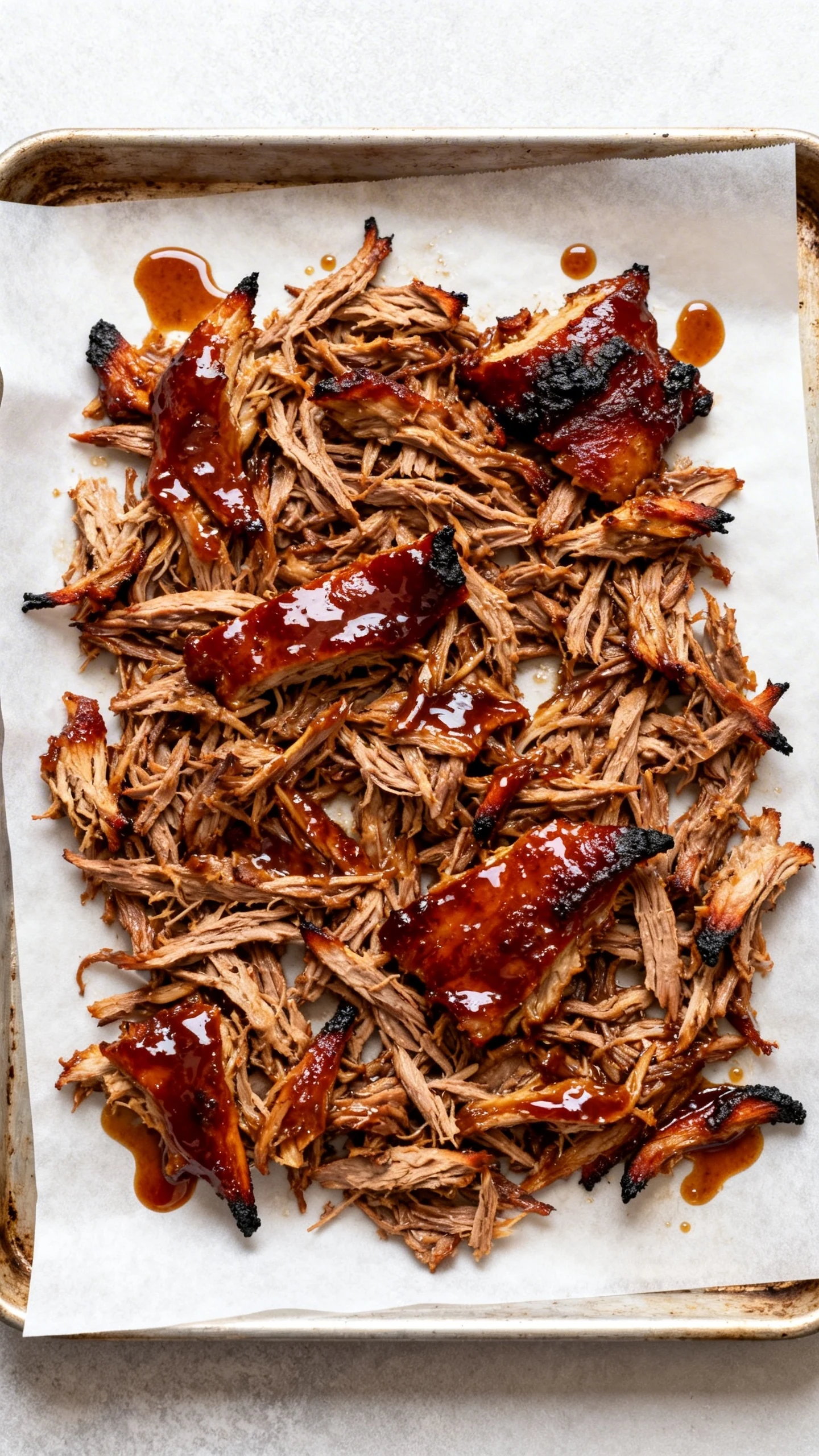
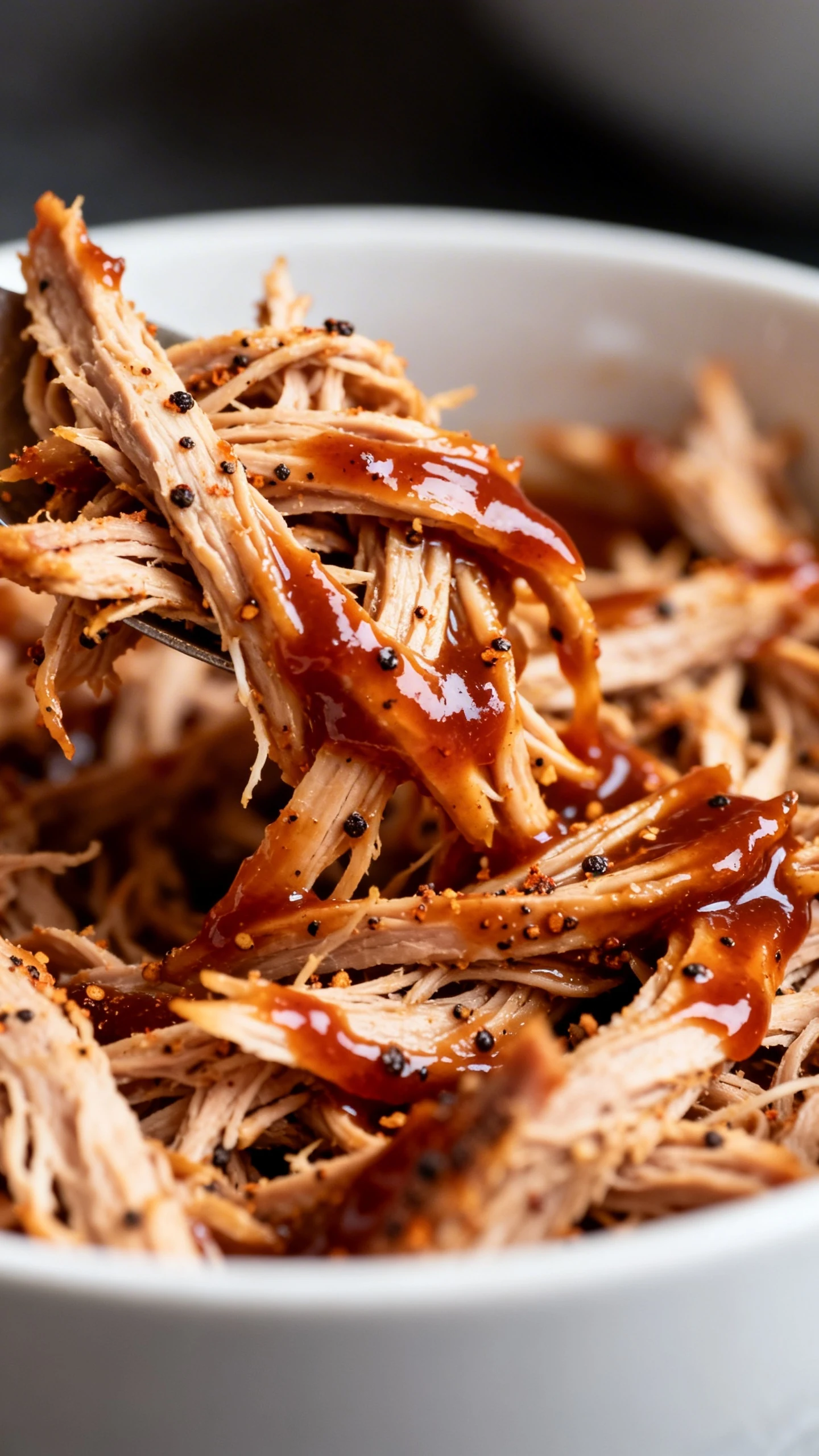
Shred and sauce strategically. Pull the pork with forks or gloved hands. Toss with a little BBQ sauce to coat, not drown. Serve extra sauce on the side so everyone can customize their level of chaos.
-
Optional glaze move. Want sticky edges? Spread shredded pork on a sheet pan, brush lightly with sauce, then broil for 2 to 4 minutes until caramelized. Watch it closely unless you enjoy the smell of regret.
Keeping It Fresh
Store leftovers in an airtight container for up to 4 days. Keep some cooking juices (or a splash of broth) mixed in so the meat stays moist instead of turning into edible packing material.
For reheating, go gentle: a covered skillet on low with a splash of water, broth, or apple juice works great. The microwave also works if you cover it and stop pretending it doesn’t. FYI, adding sauce before reheating helps protect moisture, but add more after if you want that fresh punch.
Freezing is easy. Portion into freezer bags, press flat, and freeze up to 3 months. Thaw overnight in the fridge, then reheat slowly and re-sauce to bring it back to life.
Nutritional Perks
Pork shoulder brings solid protein, which helps keep meals satisfying and supports muscle repair. It also provides B vitamins like B6 and B12, plus minerals such as zinc and selenium.
The tradeoff: it can be higher in fat, depending on trimming and portion size. The good news is you control the sauce and sugar. Choose a lower-sugar BBQ sauce, or thin it with vinegar for brightness without adding sweetness.
Pair it with high-fiber sides like slaw, beans, or roasted veggies. That balance makes the plate feel less like a nap trap and more like a victory lap.
Common Mistakes to Avoid
-
Cooking too hot. High heat dries pork fast and makes the outside burn before the inside tenderizes.
-
Skipping the rest. If you shred immediately, juices run out and the texture goes from silky to stringy.
-
Saucing too early. Most sauces contain sugar, and sugar burns. Glaze near the end for shine without bitterness.
-
Under-seasoning. Big cuts need bold rub. Don’t be shy or you’ll taste “pork” and not “wow.”
-
Chasing time over tenderness. Every piece cooks differently. Trust the probe test more than the clock.
-
Forgetting moisture insurance. A splash of broth or juice in the pan or wrap helps protect against dry air and long cooks.
Recipe Variations
Want to make it yours without wrecking the method? Here are swaps that keep the core technique intact while changing the vibe.
-
Carolina-style tang. Mix sauce with extra apple cider vinegar and a pinch of red pepper flakes for a brighter, sharper finish.
-
Honey-chipotle heat. Add minced chipotle in adobo and a spoon of honey to your sauce for smoky sweet heat.
-
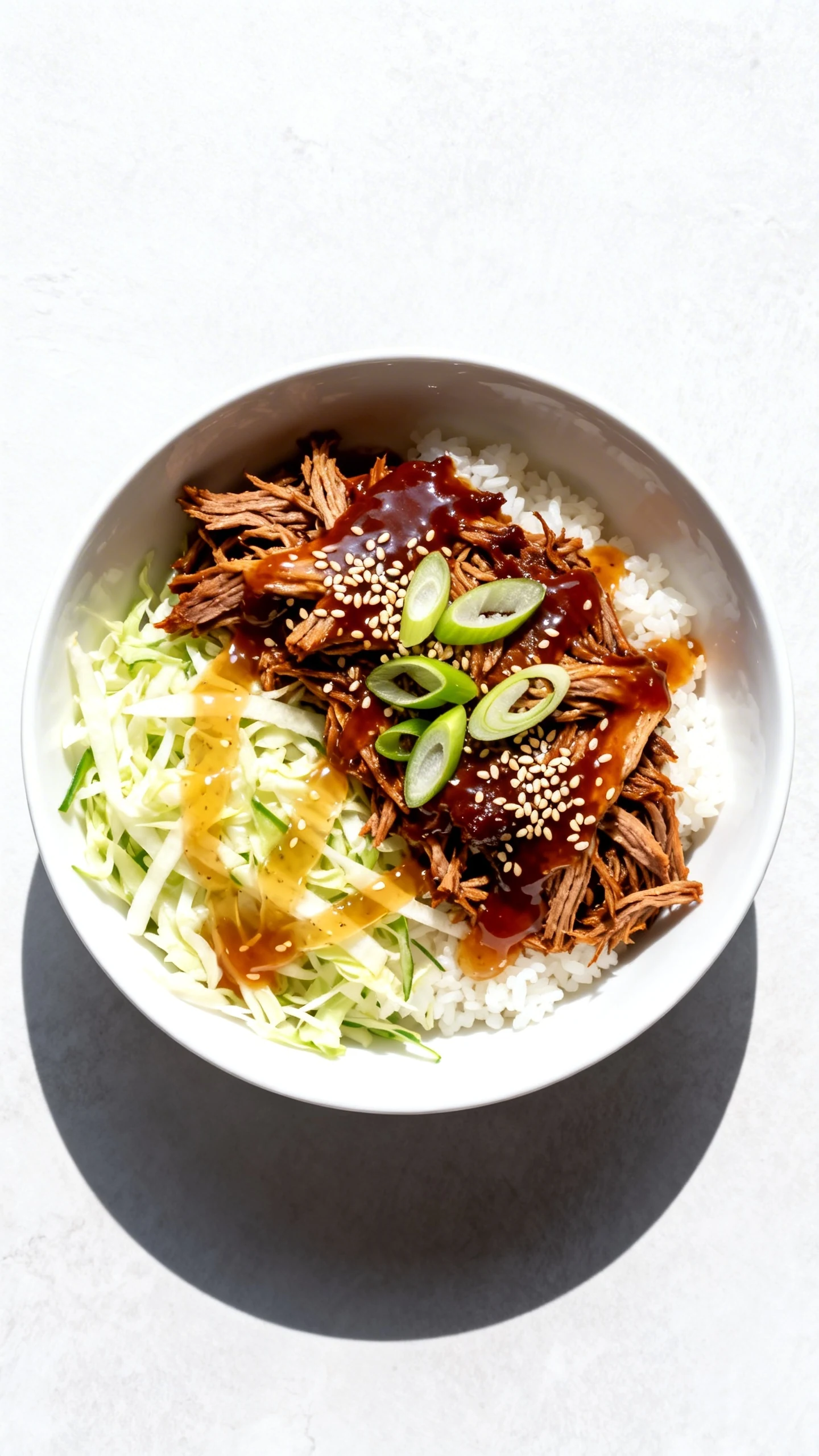
Korean-inspired twist. Replace Worcestershire with soy sauce, add a little gochujang to the sauce, and finish with sesame seeds and sliced scallions.
-
Coffee-cocoa rub. Add 1 teaspoon instant espresso powder and 1 teaspoon unsweetened cocoa to the rub for deeper bitterness and complexity.
-
Pineapple boost. Swap apple juice for pineapple juice in the wrap and add a squeeze of lime at the end for tropical brightness.
FAQ
Can I make this in the oven and still get great flavor?
Yes. Use smoked paprika in the rub, add a little broth or apple juice in the pan, and finish with a quick broil glaze for caramelized edges. You’ll miss some smoke, but you’ll keep the tenderness and that sticky, bold finish.
What cut of pork works best?
Pork shoulder (butt) wins because it has enough connective tissue and fat to turn tender during long cooking. Pork loin cooks faster but dries out more easily and won’t shred the same way.
How do I know it’s done if my thermometer says 195°F but it feels tough?
Keep cooking. Toughness means collagen hasn’t fully broken down yet. You’re aiming for “probe slides in like warm butter,” often closer to 200°F to 203°F, but texture is the real indicator.
Do I have to wrap it?
No, but wrapping speeds up the finish and protects moisture during the stall. If you love extra-crispy bark, you can delay wrapping or skip it, but plan for a longer cook and watch moisture closely.
What’s the best way to serve it?
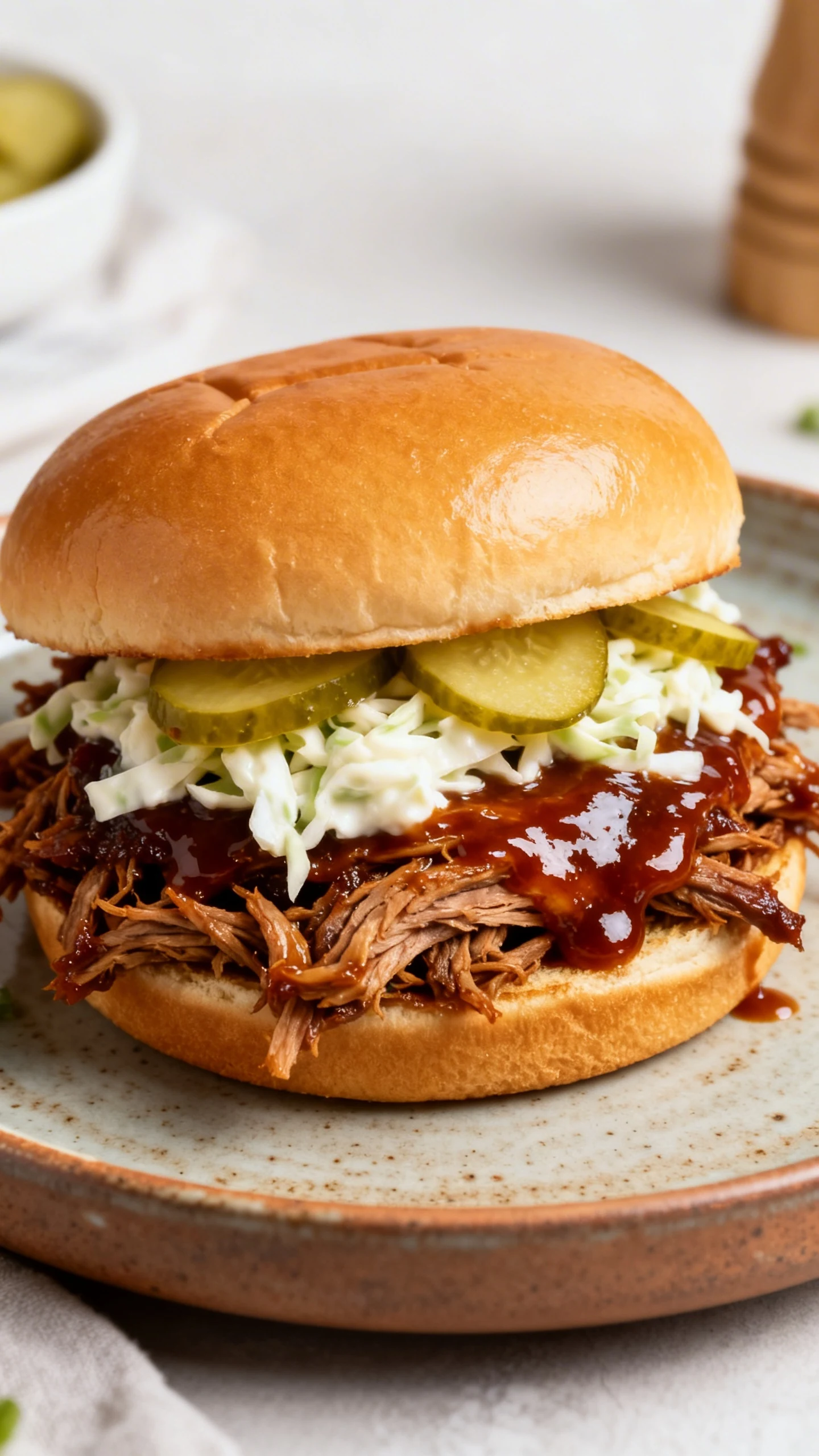
Classic: piled on buns with slaw and pickles. Also great in tacos, over rice bowls, stuffed into baked potatoes, or folded into mac and cheese if you’re feeling aggressively happy.
How can I keep it from tasting too sweet?
Reduce the brown sugar in the rub and choose a tangier sauce. You can also thin sauce with apple cider vinegar and a little salt to bring balance back fast.
The Bottom Line
This is the kind of pork that makes people hover near the cutting board “just to help.” Season boldly, cook low, wrap for tenderness, and sauce at the end for that glossy finish. Keep it simple, respect the rest time, and you’ll get juicy shreds and caramelized edges without needing pro gear. Make extra on purpose, because tomorrow’s leftovers might be the best part.