Bake fluffy, bakery-style cakes without wheat, weird grit, or dry crumbs, using simple swaps and foolproof steps.
You want cake that makes people stop talking mid-bite. Not “good for gluten-free” cake. Real cake.
Here’s the uncomfortable truth: most failed cakes aren’t ruined by missing gluten. They’re ruined by sloppy moisture, lazy mixing, and the wrong flour blend.
This article gives you a repeatable system plus a few go-to formulas, so you can bake for birthdays, potlucks, or “Tuesday was rude” evenings.
And yes, you’ll get a tender crumb, a high rise, and frosting-worthy layers without playing ingredient roulette.
Why This Recipe Works
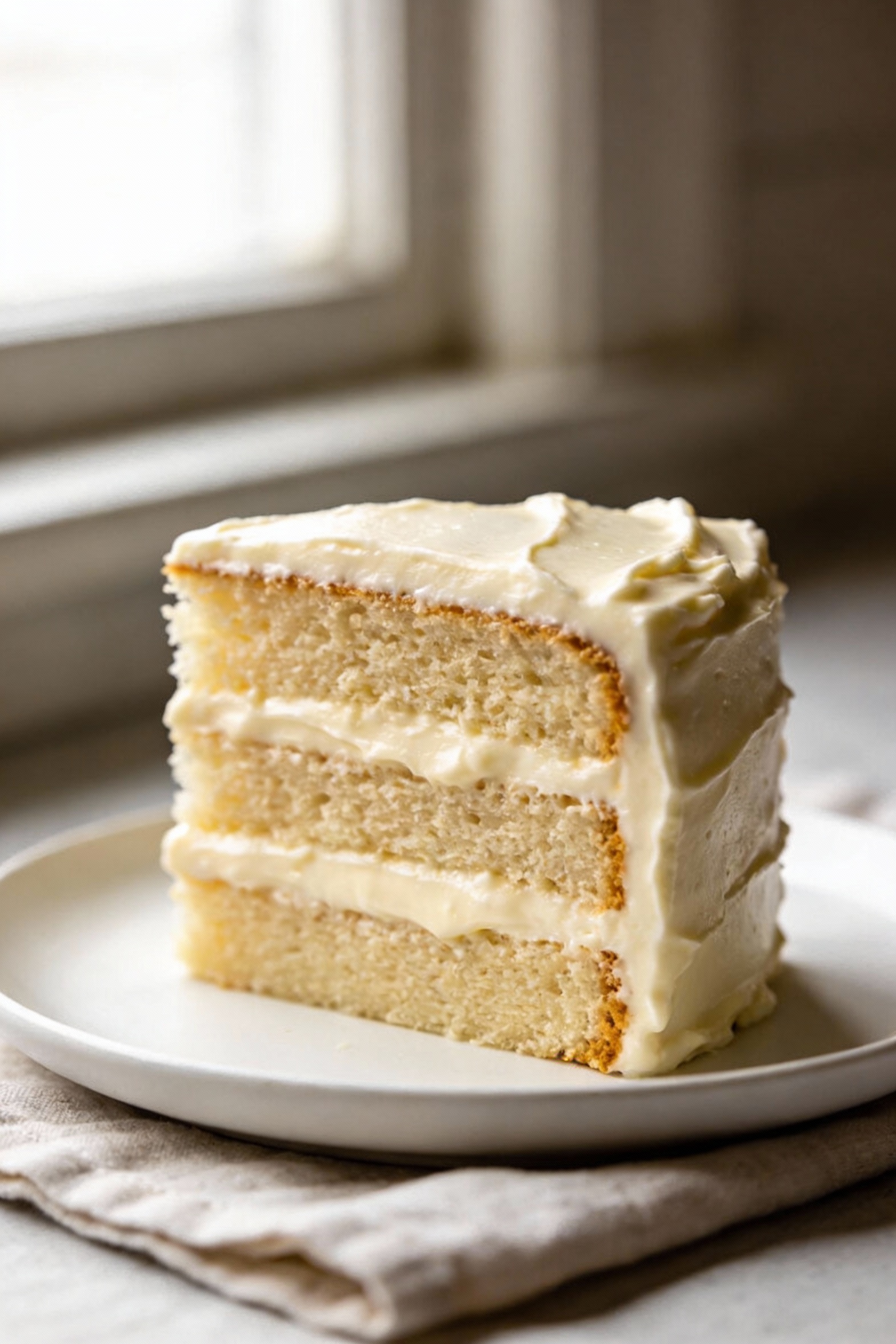
Gluten-free cakes win when you control three things: structure, moisture, and lift. Instead of relying on gluten strands, you build structure with a balanced flour blend and a small amount of binder.
Moisture comes from smart fats and liquids, plus the right sugar ratio, so the cake stays soft the next day. Lift comes from fresh leaveners and a batter that holds air without collapsing like your motivation at 3 p.m.
Most importantly, this approach scales. Use it for vanilla, chocolate, lemon, and even carrot cake without reinventing baking every single time.
Shopping List – Ingredients
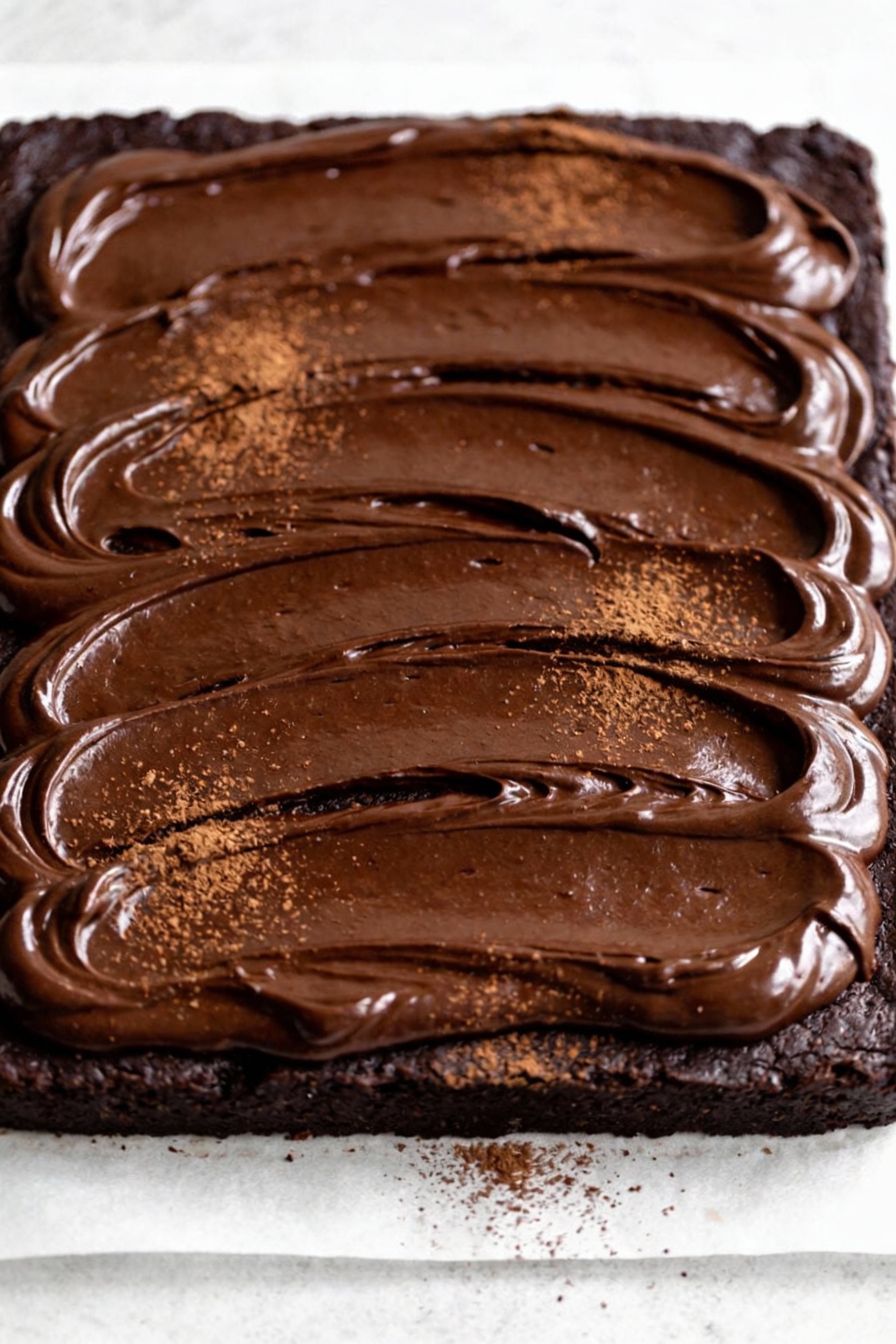
Use this list as your master kit. You won’t need every item for every cake, but keeping these on hand makes baking feel unfairly easy.
- Gluten-free all-purpose flour blend (with xanthan gum, or plain if you add your own)
- Fine almond flour (optional, for richness and moisture)
- Cornstarch or tapioca starch (for a lighter crumb)
- Xanthan gum or psyllium husk powder (binder, if your blend lacks it)
- Granulated sugar and brown sugar
- Powdered sugar (for frosting)
- Unsalted butter and/or neutral oil (canola, avocado, grapeseed)
- Eggs (room temperature)
- Buttermilk or milk plus vinegar/lemon (for tenderness)
- Sour cream or Greek yogurt (for moisture)
- Vanilla extract
- Unsweetened cocoa powder (for chocolate cakes)
- Baking powder and baking soda (check freshness)
- Salt (don’t skip)
- Lemons (zest and juice, for bright cakes)
- Spices: cinnamon, nutmeg, ginger (for carrot or spice cakes)
- Mix-ins: chocolate chips, berries, shredded carrot, chopped nuts
- Frosting basics: cream cheese, butter, heavy cream
The Method – Instructions
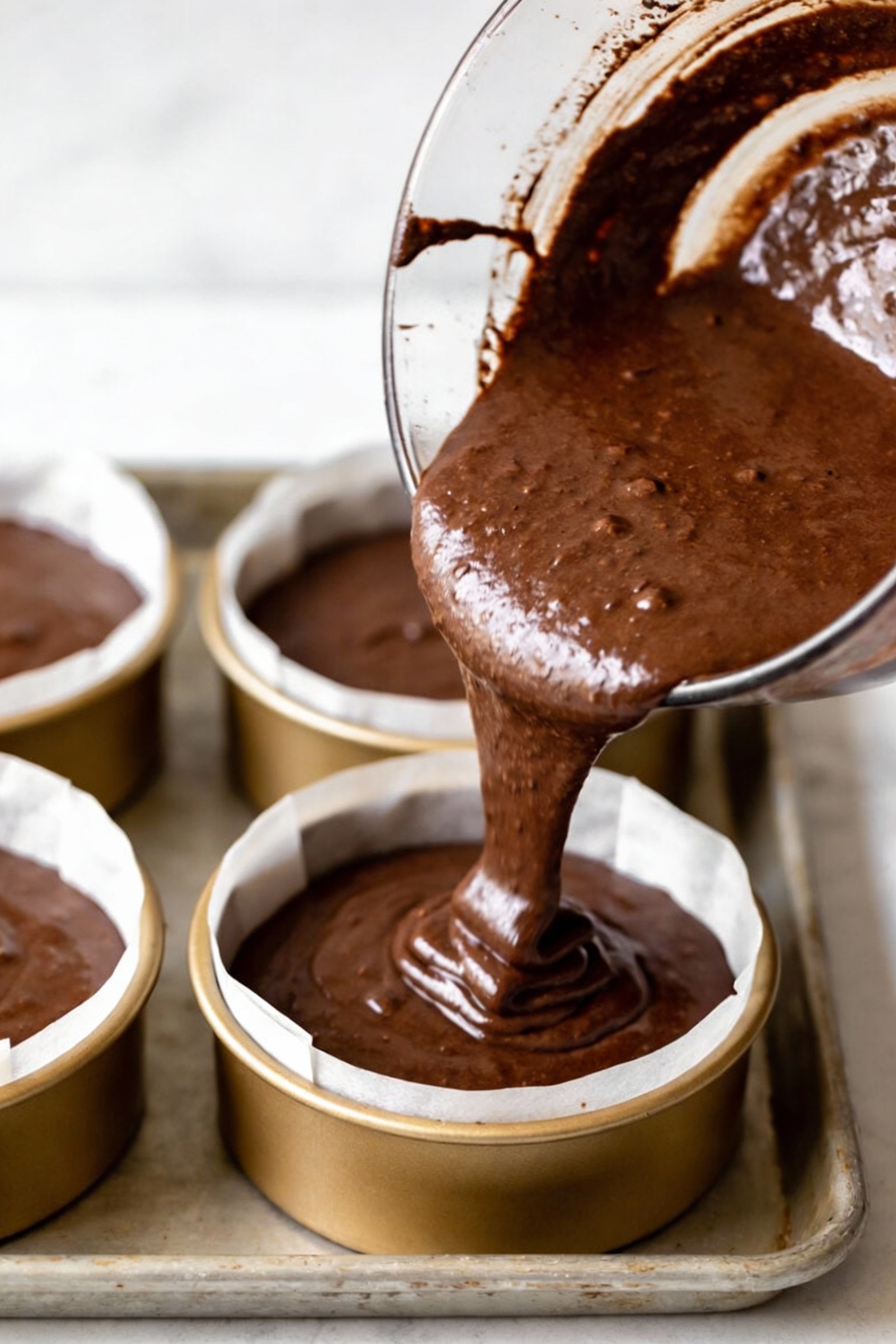
This method works for most gluten-free layer cakes, sheet cakes, and cupcakes. Follow it like it’s a contract.
-
Choose the right flour blend. Pick a blend made for baking, not bread. If it includes xanthan gum, great. If not, plan to add it so your cake doesn’t crumble like a sandcastle.
-
Get everything to room temp. Eggs, dairy, and butter mix smoother and trap air better. Cold ingredients make batter lumpy and dense, which is not the vibe.
-
Preheat and prep your pan properly. Heat the oven fully before you start mixing. Grease pans, line bottoms with parchment, and dust with gluten-free flour for clean release.
-
Whisk dry ingredients like you mean it. Mix flour, starch, leaveners, salt, and cocoa or spices until evenly distributed. This prevents bitter baking soda pockets that ruin your day.
-
Cream butter and sugar, or whisk oil and sugar thoroughly. Creaming builds tiny air cells for lift. If using oil, whisk hard until glossy to help emulsify and lighten the batter.
-
Add eggs one at a time. Beat well after each egg so the mixture stays smooth. If it curdles, add a spoonful of dry mix to bring it back.
-
Alternate dry and wet additions. Add dry mix in three parts and dairy in two parts, beginning and ending with dry. This keeps batter stable and prevents overmixing.
-
Mix just until combined, then stop. Gluten-free batters can handle a bit more mixing than wheat batter, but “more” isn’t “forever.” Overmixing can still make a gummy crumb.
-
Rest the batter for 10 minutes. This small pause hydrates starches and reduces grittiness. FYI, this is the quiet trick that makes your cake taste like it came from an actual bakery.
-
Bake and don’t play with the oven door. Bake until the center springs back and a toothpick comes out with a few moist crumbs. Opening the door early invites sinking.
-
Cool correctly for clean layers. Let cakes cool in the pan 10 to 15 minutes, then turn out onto a rack. Cool completely before frosting unless you enjoy melted buttercream soup.
Keeping It Fresh
Gluten-free cakes dry out faster when left uncovered, so storage matters more than you think. Once fully cool, wrap layers tightly in plastic wrap, then add a second layer of protection with a container or foil.
Room temperature works for most frosted buttercream cakes for up to two days, as long as your kitchen isn’t a sauna. For cream cheese frosting, refrigerate and bring slices to room temp before serving for the best texture.
Freezing is your secret weapon. Freeze unfrosted layers wrapped tightly for up to two months, then thaw overnight in the fridge and frost the next day like a person with their life together.
What’s Great About This
You get cake that tastes like cake, not a “wellness compromise.” The crumb turns out tender, the edges stay soft, and the flavor actually shows up instead of hiding behind floury weirdness.
The method is flexible, so you can make a simple vanilla layer cake or go full chocolate with ganache without changing your whole routine. IMO, the best part is how predictable it becomes once you nail the flour and moisture balance.
Don’t Make These Errors
- Using a random flour without a blend. One flour rarely gives structure and tenderness. Blends exist because cake chemistry is not impressed by optimism.
- Skipping salt. Salt doesn’t make cake salty. It makes it taste like you used better ingredients than you did.
- Old baking powder and baking soda. Flat cake usually means dead leaveners. Replace them if they’ve been open forever.
- Overbaking “just to be safe.” That turns moist crumbs into drywall. Pull the cake when a tester shows moist crumbs, not when it’s bone-dry.
- Frosting while warm. Warm cake plus frosting equals sliding layers and greasy icing. Let it cool completely, even if you’re impatient.
- Not letting the batter rest. That 10-minute rest helps hydrate starches and improves texture. Skipping it is like refusing to preheat the oven.
Recipe Variations
Use the same framework, then swap flavors like you’re building a playlist. These are reliable crowd-pleasers that don’t require special equipment or a pastry degree.
- Classic Vanilla Celebration Cake: Use buttermilk, vanilla extract, and a touch of almond extract. Frost with vanilla buttercream for birthday energy.
- Deep Chocolate Fudge Cake: Add cocoa powder and hot coffee or hot water to bloom the cocoa. Finish with chocolate ganache if you want applause.
- Lemon Olive Oil Cake: Use olive oil, lemon zest, and lemon juice. Top with a simple glaze for a bright, not-too-sweet bite.
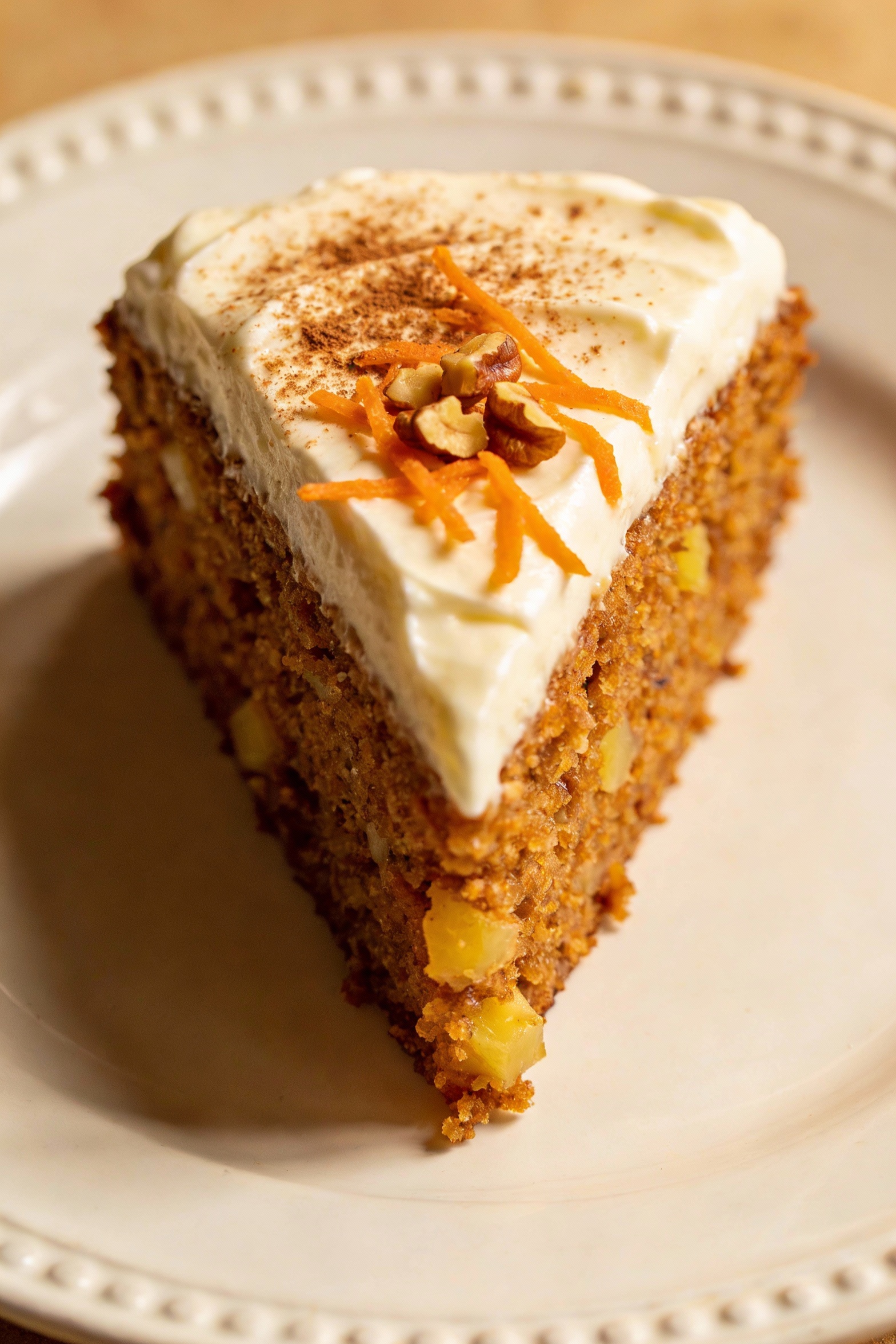
- Carrot Spice Cake: Add cinnamon, nutmeg, shredded carrots, and crushed pineapple for moisture. Pair with cream cheese frosting, obviously.
- Berry Almond Snack Cake: Fold in blueberries or raspberries and use almond flour for richness. Sprinkle sliced almonds on top for crunch.
- Confetti Cupcakes: Use a vanilla base and add gluten-free sprinkles. Bake shorter, frost high, pretend you’re not eating three.
FAQ
What’s the best flour for gluten-free cake?
A gluten-free all-purpose baking blend gives the most consistent results because it balances rice flour, starches, and sometimes binders. If you choose a blend without xanthan gum, add a small amount so the cake holds together and slices cleanly.
Why did my gluten-free cake turn out gritty?
Grittiness usually comes from under-hydrated rice flour or a blend with coarse grind. Rest the batter for 10 minutes before baking, and consider a higher-quality, finer-milled blend for smoother texture.
How do I keep a gluten-free cake from drying out?
Use moisture boosters like sour cream, yogurt, or buttermilk, and avoid overbaking. After cooling, wrap the cake tightly and store it sealed so it doesn’t lose moisture to the air.
Can I make these cakes dairy-free too?
Yes. Swap butter for a neutral oil or dairy-free butter, and use a dairy-free milk plus vinegar to mimic buttermilk. Choose a dairy-free frosting like chocolate ganache made with coconut cream or a plant-based buttercream.
Do I need xanthan gum in every gluten-free cake?
Not always, but it helps with structure and prevents crumbling, especially for layer cakes. If your flour blend already includes it, don’t add more, because too much can create a gummy texture.
Can I bake this as cupcakes or a sheet cake?
Yes. Cupcakes bake faster and can dry out if overdone, so start checking early. Sheet cakes bake evenly and frost easily, which makes them great for parties and low-stress serving.
Final Thoughts
Great gluten-free cake isn’t magic. It’s a few smart ingredients, a consistent method, and refusing to overbake because you got nervous.
Start with a reliable blend, balance moisture with dairy or yogurt, and give the batter a short rest so texture improves. Then pick a flavor variation and make it your signature, because everyone deserves a cake they can brag about.