Turn one pantry staple into bakery-level desserts in under an hour, with simple upgrades, zero stress, and big crowd-pleasing flavor.
You know that moment when you need a dessert and you have exactly 38 minutes of motivation? Perfect. A boxed mix is basically a shortcut with a good PR team, and you’re about to make it taste like you “baked all day.” No fancy tools, no obscure ingredients, no emotional support whisk required. And yes, people will ask for the recipe like you didn’t start with a box. Are you going to tell them? IMO, absolutely not.
Why This Recipe Works
It uses a boxed mix for reliable structure, then upgrades the flavor, moisture, and texture with small swaps that matter. The method also stays flexible, so you can spin one base into multiple desserts without learning a new technique every time. You get a consistent crumb because you control the fat and liquid balance instead of just following the back of the box. And the add-ins layer in “homemade” cues like vanilla, browned butter notes, and mix-ins that feel intentional.
Think of it like this: the box handles the boring math, and you handle the glow-up. That’s the deal.
Ingredients
Use this as a master “upgrade formula,” then pick one flavor path in the Alternatives section.
- 1 box cake mix (any flavor, 15.25 oz-ish)
- 3 large eggs (use 4 for extra richness, optional)
- 1 cup whole milk (or buttermilk for tang)
- 1/2 cup melted butter (or neutral oil if you prefer)
- 1 tablespoon vanilla extract (skip only if the mix is strongly flavored)
- 1/2 teaspoon fine salt (optional but highly recommended)
- 1/2 cup sour cream or Greek yogurt (for moisture and a tighter crumb)
- 1 to 1 1/2 cups mix-ins (choose one: chocolate chips, sprinkles, crushed cookies, toasted nuts, berries)
- Frosting or glaze (store-bought or homemade)
- Nonstick spray or butter for the pan
Instructions
This listicle format keeps you moving fast and prevents the classic “why is it rubbery” situation.
-
Pick your endgame. Cake, cupcakes, or a loaf-style snack cake all work. Preheat the oven to 350°F (or the box temperature if it specifies something different).
-
Prep the pan like you mean it. Grease and lightly flour a 9×13 pan, two 8-inch rounds, or line a cupcake tin. Nobody wants to perform cake surgery with a spatula later.
-
Mix the wet first. In a large bowl, whisk eggs, milk, melted butter, vanilla, sour cream, and salt until smooth. This spreads the fat evenly so the crumb turns out tender.
-
Add the mix and stop overthinking. Pour in the cake mix. Stir just until you don’t see dry pockets. Overmixing is how you get “birthday cake flavored sponge brick.”
-
Fold in your flex. Add mix-ins and gently fold. If using berries, toss them in a teaspoon of dry cake mix first to reduce sinking.
-
Rest the batter for 5 minutes. This tiny pause hydrates the starches and helps the cake bake up more evenly. FYI, it also reduces bubbles that cause weird tunnels.
-
Bake with a timer, not vibes. Start checking early: 9×13 usually takes 28 to 35 minutes, cupcakes 16 to 20, round layers 22 to 28. A toothpick should come out with a few moist crumbs, not wet batter.
-
Cool before frosting. Let it cool in the pan 15 minutes, then fully cool before frosting. Warm cake plus frosting equals a delicious-looking landslide.
-
Finish like a bakery. Add a pinch of salt to frosting, a splash of vanilla, or a spoon of espresso powder for chocolate. Top with flaky salt, toasted nuts, or cookie crumbs for instant “I tried” energy.
Storage Tips
Keep unfrosted cake tightly wrapped at room temperature for up to 2 days. Frosted cakes can stay at room temp for about a day if the frosting is shelf-stable, but refrigerate if you used cream cheese or whipped toppings. In the fridge, store covered for up to 5 days, and let slices sit at room temp 20 minutes before serving for the best texture.
For freezing, wrap individual slices in plastic wrap, then place in a freezer bag for up to 2 months. Thaw overnight in the fridge or for 60 to 90 minutes at room temperature. If you plan ahead, freeze the cake unfrosted and frost after thawing for a cleaner finish.
Health Benefits
Let’s not pretend cake is a salad, but you can still make smarter choices without ruining the fun. Adding Greek yogurt or sour cream can boost protein and improve satiety, so you feel satisfied with a normal slice instead of “oops, I ate half the pan.” Using milk instead of water adds calcium and a slightly richer mouthfeel, which can reduce the urge to over-frost.
If you choose mix-ins like nuts or berries, you add fiber and micronutrients while keeping the dessert interesting. You can also control portion size by baking cupcakes or mini loaves, which makes “one serving” feel less like a joke. Balance is the actual flex.
Don’t Make These Errors
-
Overmixing the batter. Stir until just combined. More mixing does not mean more love; it means more gluten and a tougher bite.
-
Ignoring pan prep. Even nonstick pans betray you sometimes. Grease, flour, or line every time.
-
Frosting too early. Heat melts frosting and makes the top slide around like it’s trying to escape.
-
Adding too many mix-ins. Keep it to about 1 to 1 1/2 cups. More than that can weigh the cake down and create gummy pockets.
-
Opening the oven every five minutes. Temperature swings can cause sinking. Trust the timer and the light.
-
Baking until “totally dry.” Pull it when moist crumbs cling to the tester. Dry cake is forever.
Alternatives
Use the same base method and swap flavor paths depending on your mood, your pantry, and whether you’re trying to impress someone who “doesn’t even like sweets.” Sure.
-
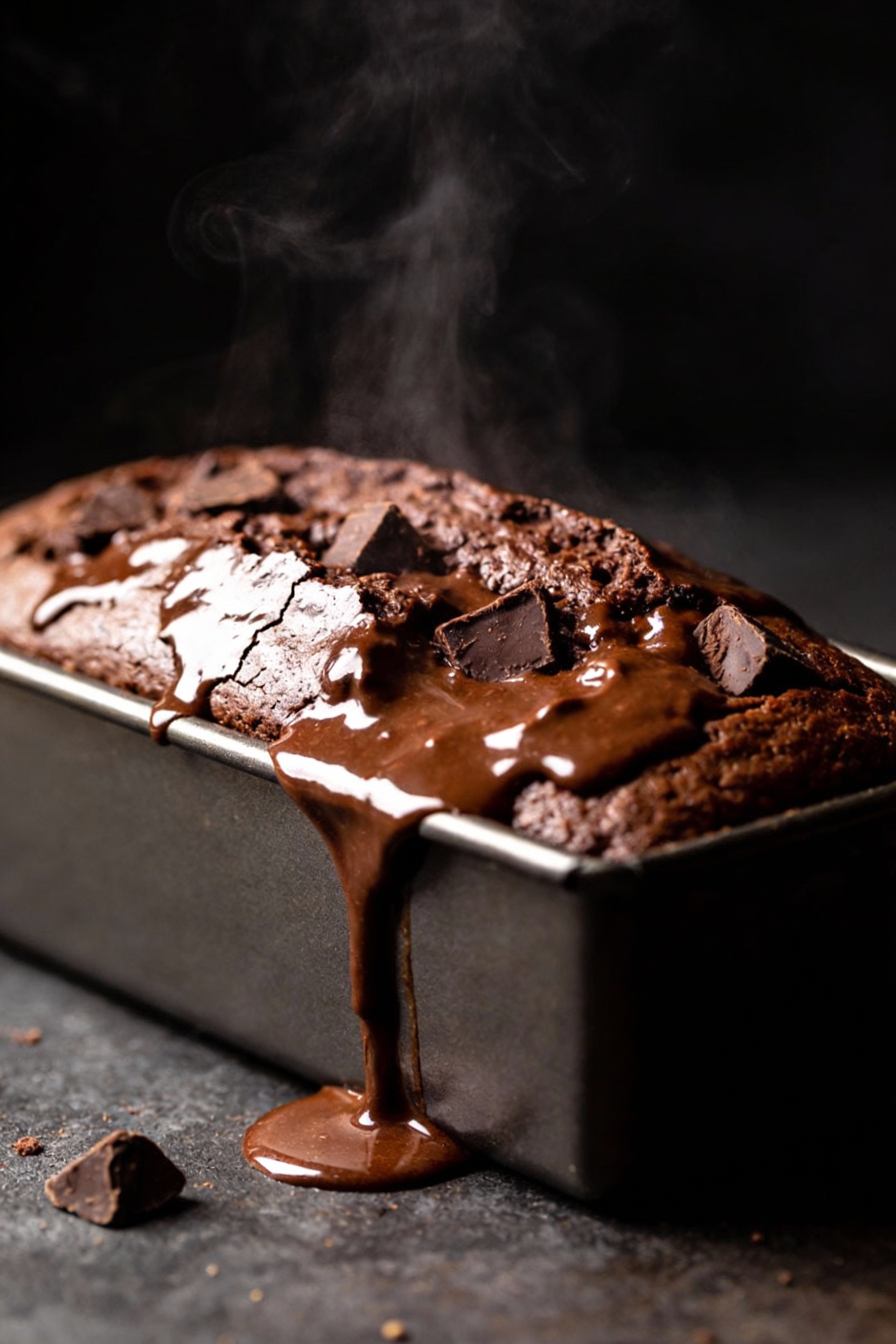
Chocolate lava-ish snack cake: Use chocolate mix, add 1 teaspoon espresso powder, fold in 1 cup chocolate chunks, top with a quick ganache.
-
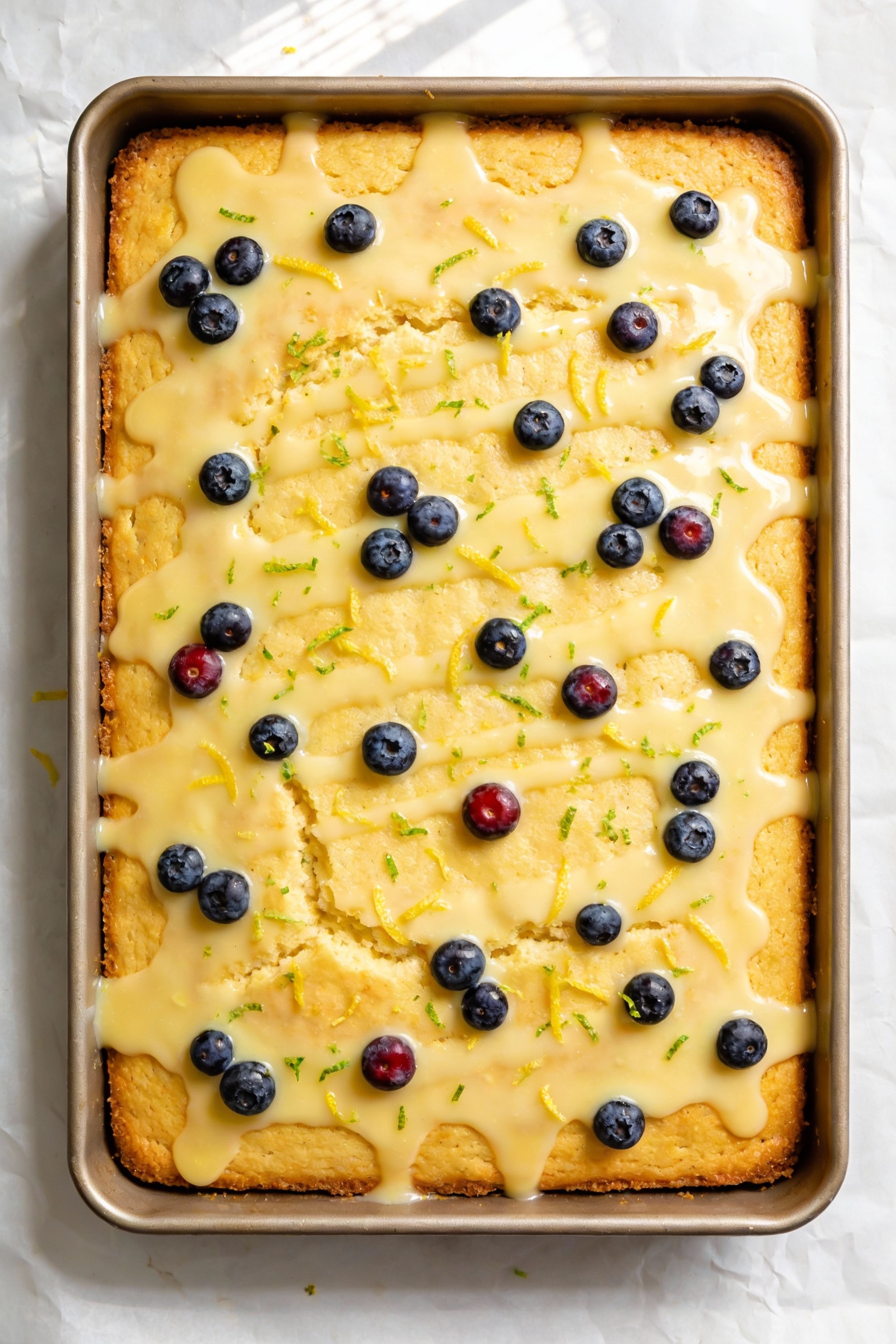
Lemon blueberry bakery vibe: Use lemon mix, swap milk for buttermilk, add lemon zest, fold in blueberries, finish with a lemon glaze.
-
Strawberry shortcake upgrade: Use vanilla or white mix, fold in crushed freeze-dried strawberries, top with whipped cream and fresh berries.
-
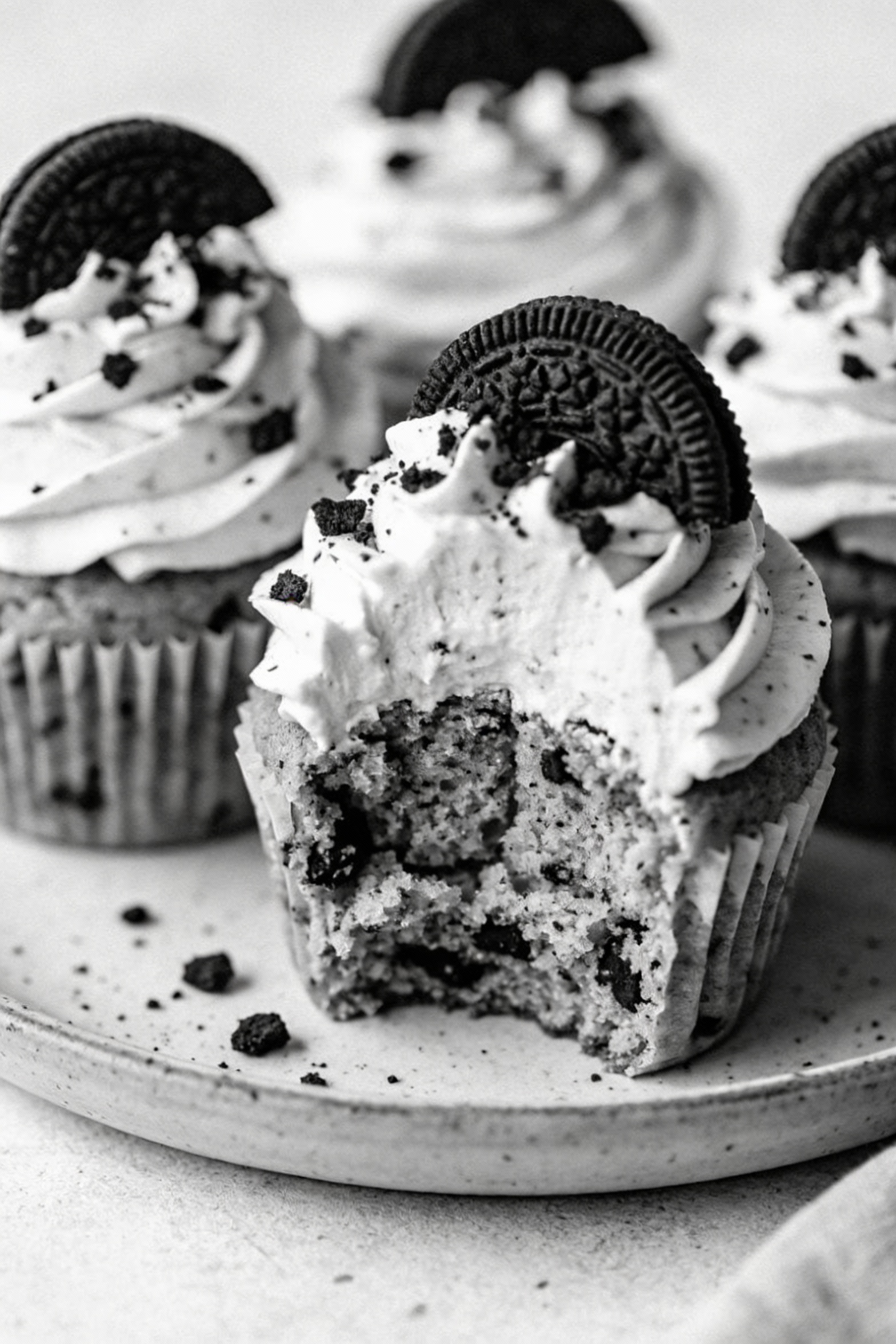
Cookies-and-cream party cake: Use white mix, fold in crushed chocolate sandwich cookies, frost with vanilla and more cookie crumbs.
-
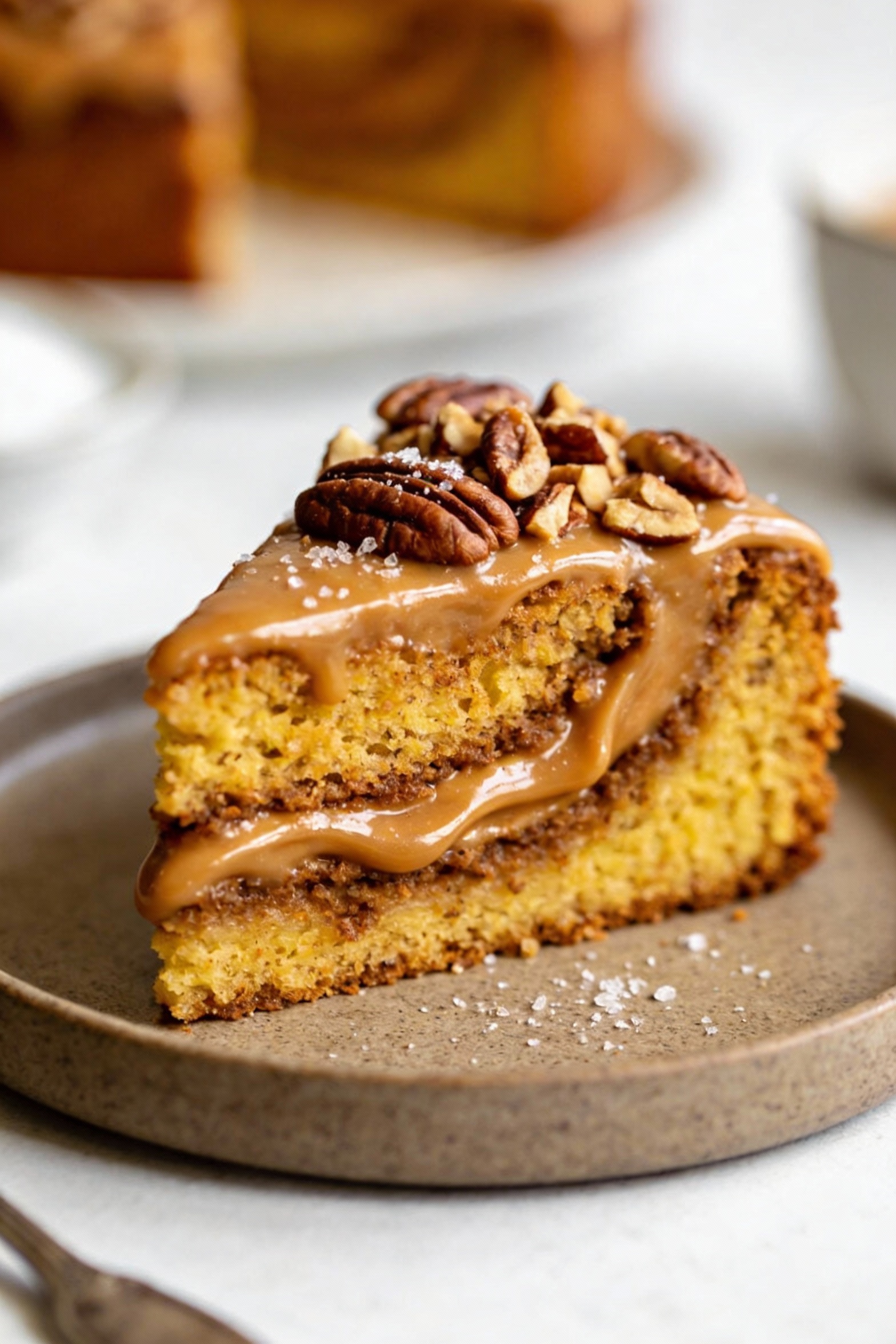
Spiced caramel comfort cake: Use yellow mix, add cinnamon and a pinch of nutmeg, swirl in thick caramel, top with chopped toasted pecans.
-
Mocha marble show-off: Split batter, add cocoa to half and espresso to the other, swirl lightly, finish with a coffee glaze.
FAQ
Can I replace the water with milk in a boxed mix?
Yes, and it’s one of the easiest upgrades. Milk adds fat and protein, which improves flavor and makes the crumb feel more tender and “real.” Whole milk works best, but any milk will do.
Should I use butter or oil for a softer cake?
Oil usually gives the softest, most moist texture, especially after a day in the fridge. Butter gives better flavor and a slightly tighter crumb. If you want both, use melted butter and add sour cream for extra moisture.
How do I make a box cake taste homemade without extra work?
Add vanilla, a pinch of salt, and swap in milk for water. Then choose one mix-in that fits the flavor, like chocolate chips or citrus zest. Those small changes create a “from scratch” impression fast.
Can I make cupcakes with this upgrade method?
Absolutely. Line the tin, fill each cup about two-thirds full, and bake until a tester comes out with moist crumbs. Cool fully before frosting so the tops stay neat.
Why did my cake sink in the middle?
Common causes include underbaking, opening the oven too early, or using too much liquid. Start checking a few minutes before the expected time, and keep the oven door closed until the cake sets.
Can I bake this in a bundt pan?
Yes, but prep matters more because bundt pans love to cling. Grease thoroughly, flour well, and bake longer at the same temperature. Let it cool 15 to 20 minutes before turning out.
What’s the best way to upgrade store-bought frosting?
Whip it for 1 to 2 minutes to make it lighter, then add a pinch of salt and a splash of vanilla. For chocolate frosting, a little espresso powder makes it taste deeper and less sugary.
How do I prevent mix-ins from sinking?
Toss heavier add-ins like berries or chocolate chunks with a teaspoon of dry cake mix before folding in. Also avoid overmixing, which can thin the batter and make sinking more likely.
The Bottom Line
A boxed mix gives you speed and consistency, and a few smart swaps give you the flavor and texture people remember. Use milk, butter, and sour cream for a richer crumb, then choose one strong mix-in so it tastes intentional. Bake until moist crumbs appear, cool fully, and finish with a simple frosting upgrade. You’ll get a dessert that looks effortless because it is, and that’s kind of the point, right?