Butter-forward, golden, and foolproof: bake a rich, tender loaf with simple steps, plus smart swaps and pro-level troubleshooting.
You know that moment when you slice into a cake and the crumb looks like velvet? That’s the standard here. This isn’t “pretty good for homemade” energy; it’s “who made this and why are you withholding more?” energy. Pound cake rewards the basics: real butter, proper creaming, and patience for a full bake. Do that, and you get a loaf that flexes for brunch, gifting, or midnight-snack therapy.
Also, it’s the ultimate quiet flex dessert: it looks humble, then ruins every dry coffee cake you’ve ever tolerated. No fancy layers, no fragile frosting, no drama. Just a golden crust, a tender center, and a buttery aroma that makes people wander into the kitchen “for no reason.” Ready to become that person who “just throws together” incredible cake?
Why You’ll Love This Recipe
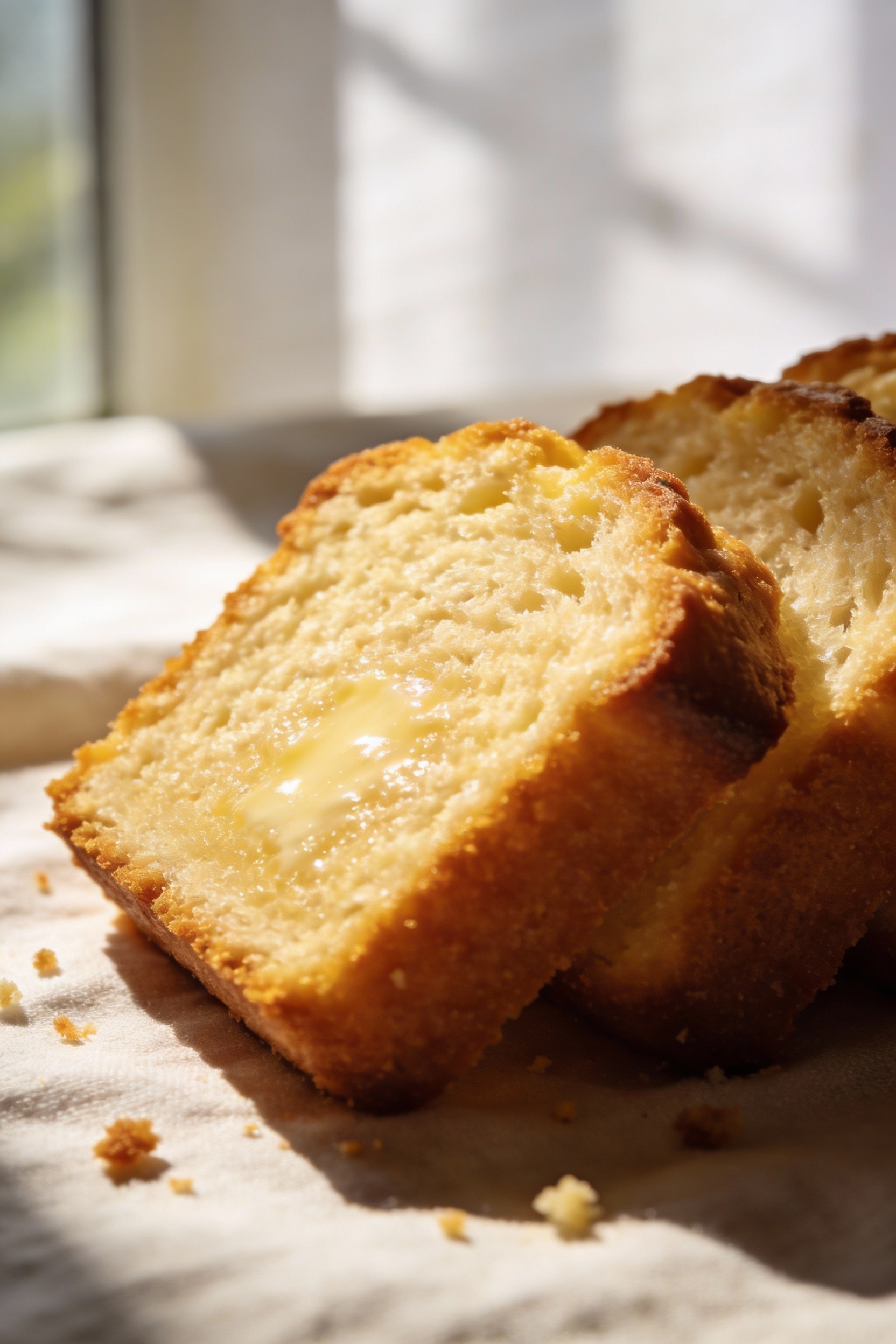
- Classic flavor, modern results: Big butter and vanilla taste with a tight, tender crumb that stays moist.
- One batter, many vibes: Serve it plain, glaze it, toast it, or turn leftovers into next-level French toast.
- Beginner-friendly technique: Simple steps that prevent the usual issues: sinking, dryness, or gummy streaks.
- Perfect make-ahead: It actually tastes better the next day once the flavor settles in.
- Freezer hero: Slices thaw fast, so dessert is basically on-demand.
Ingredients Breakdown
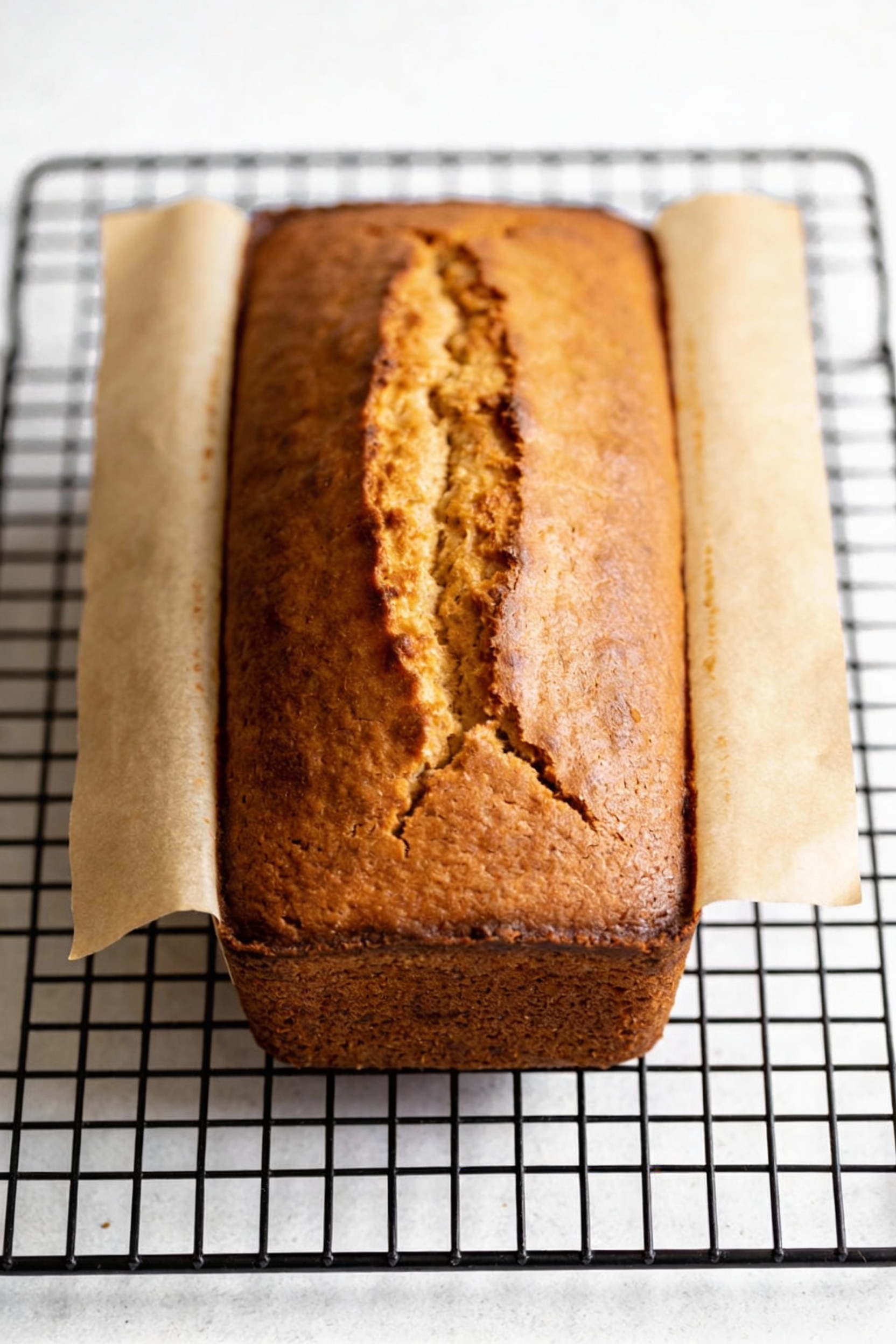
This formula makes one tall, bakery-style loaf in a standard 9×5-inch pan. Use room-temperature dairy and eggs so the batter emulsifies instead of acting chaotic.
- Unsalted butter: 1 cup (226 g), softened for creaming and rich flavor.
- Granulated sugar: 1 3/4 cups (350 g) for sweetness and structure.
- Large eggs: 4, room temperature for a stable, silky batter.
- Vanilla extract: 2 teaspoons for classic warmth.
- All-purpose flour: 2 cups (250 g), spooned and leveled for accuracy.
- Baking powder: 1 teaspoon for a little lift without turning it into sponge cake.
- Fine salt: 1/2 teaspoon to sharpen flavor and balance sweetness.
- Sour cream or full-fat Greek yogurt: 1/2 cup (120 g) for moisture and tenderness.
- Whole milk: 1/4 cup (60 ml) to loosen the batter just enough.
Optional finishing ideas: powdered sugar for dusting, a simple vanilla glaze, or a squeeze of lemon in the batter if you want a brighter bite.
How to Make It – Instructions
-
Prep like you mean it. Heat the oven to 325°F (163°C). Grease a 9×5-inch loaf pan and line it with parchment so you can lift the cake out without wrestling it.
-
Mix the dry team. Whisk flour, baking powder, and salt together in a bowl. This spreads the leavening evenly and avoids weird tunnels later.
-
Cream butter and sugar until fluffy. Beat softened butter and sugar on medium-high for 3 to 5 minutes. You want it pale and airy, not glossy and sad.
-
Add eggs slowly, one at a time. Beat in each egg fully before the next. Scrape the bowl often so you don’t end up with butter hiding at the bottom like it pays rent.
-
Flavor it. Beat in the vanilla. If you’re doing citrus zest, add it here so it perfumes the fat.
-
Alternate dry and dairy. On low speed, add half the flour mix, then sour cream, then the remaining flour. Stream in the milk last, just until the batter looks thick but spreadable.
-
Stop mixing before it turns on you. Once the flour disappears, stop. Overmixing makes pound cake tough, and nobody asked for chewy loaf energy.
-
Pan, tap, and smooth. Spoon batter into the pan, smooth the top, then tap the pan on the counter a couple times to pop big air pockets.
-
Bake low and steady. Bake 60 to 75 minutes. The top should be deeply golden, and a toothpick in the center should come out clean or with a few moist crumbs.
-
Cool the right way. Cool in the pan 15 minutes, then lift out and cool completely on a rack. If you slice hot, the crumb compresses and you’ll blame the recipe, which feels unfair.
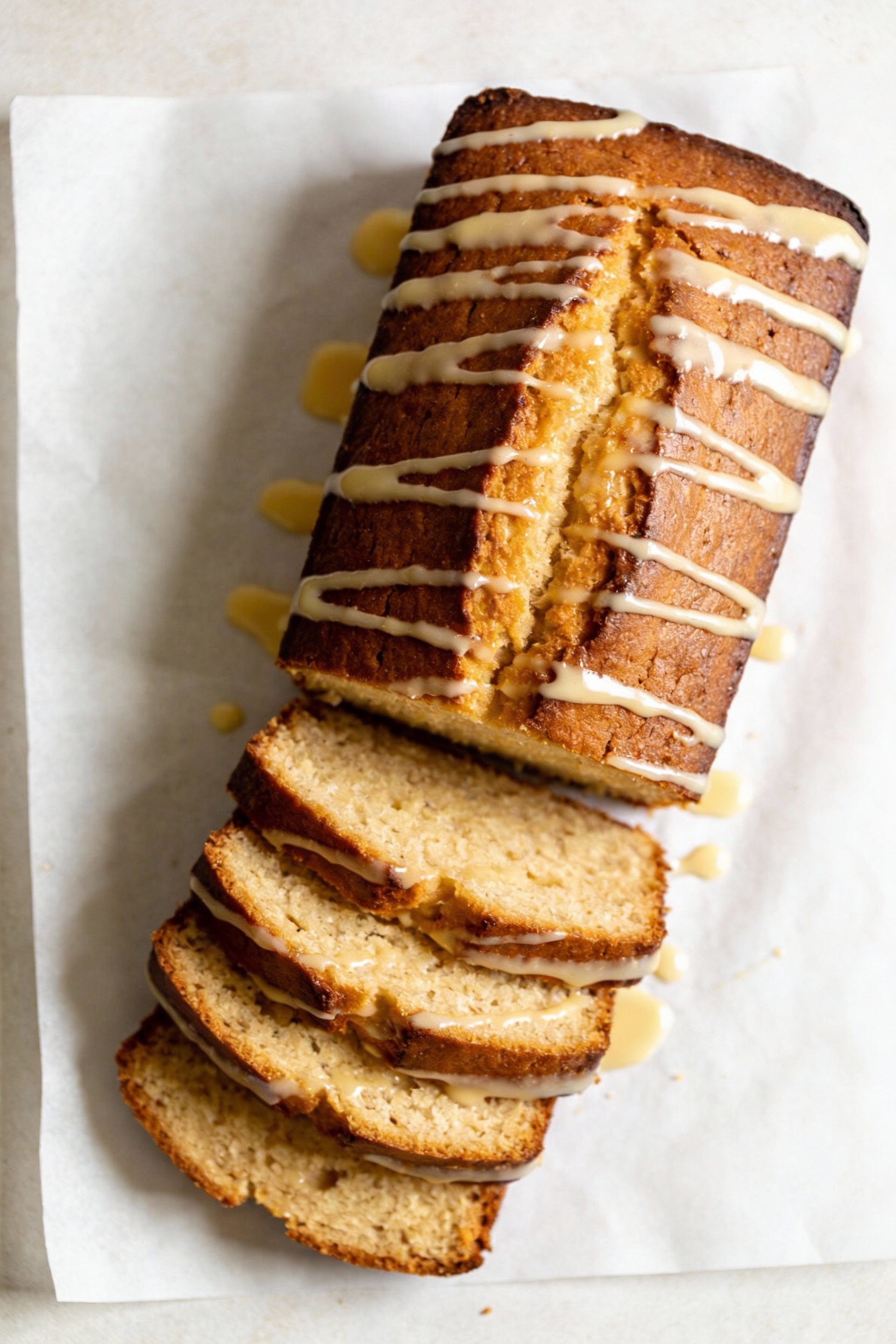
For a simple glaze: whisk 1 cup powdered sugar with 1 to 2 tablespoons milk and 1/2 teaspoon vanilla, then drizzle over the cooled loaf.
Storage Instructions
Keep the loaf wrapped tightly at room temperature for up to 3 days. Use plastic wrap or an airtight container so the crumb stays soft instead of turning into “toast-only” territory.
For longer storage, refrigerate up to 1 week, but bring slices to room temperature before serving for best texture. Cold pound cake tastes muted, like it’s holding back on purpose.
Freeze for up to 3 months: slice, wrap each piece, then store in a freezer bag. Thaw at room temperature for 30 to 60 minutes, or warm gently in a toaster oven for a crisp edge.
What’s Great About This
- Reliable crumb: The sour cream keeps it tender while the creaming step builds the right structure.
- Big payoff, low chaos: No decorating skills required, yet it still looks impressive on a plate.
- Flavor that scales: Vanilla-forward by default, but it welcomes lemon, almond, spice, and more.
- Texture that stays good: Day-two slices often taste even richer, FYI.
Avoid These Mistakes
- Using cold butter or eggs: Cold ingredients make the batter curdle and bake unevenly. Room temp isn’t a suggestion; it’s a shortcut to success.
- Not creaming long enough: If butter and sugar look grainy and heavy, the cake will too. Give it the full 3 to 5 minutes.
- Measuring flour wrong: Scooping straight from the bag packs it in and dries the cake out. Spoon and level like an adult.
- Overmixing after flour: Gluten builds fast, and pound cake holds grudges. Mix on low and stop early.
- Overbaking: A “just in case” extra 10 minutes can turn it dry. Pull it when crumbs look moist, not wet.
- Slicing too soon: Warm cake feels done, but it’s still setting. Wait, unless you enjoy crumb avalanches.
Mix It Up
Once you nail the base, you can remix it endlessly without turning the texture weird. Keep mix-ins moderate, and avoid adding lots of extra liquid unless you also adjust flour.
- Lemon pound cake: Add zest of 2 lemons and 2 tablespoons lemon juice; glaze with lemon juice instead of milk.
- Almond bakery vibe: Swap 1 teaspoon vanilla for almond extract, then top with sliced almonds before baking.
- Brown butter upgrade: Brown half the butter, cool until solid-but-soft, then cream it with the remaining butter.
- Marble swirl: Remove 1 cup batter, mix with 2 tablespoons cocoa plus 1 tablespoon milk, and swirl gently in the pan.
- Berry fold-in: Toss 1 cup blueberries or raspberries with 1 tablespoon flour, then fold in at the end.
- Cinnamon sugar crust: Sprinkle the pan with cinnamon sugar after greasing for a crackly edge.
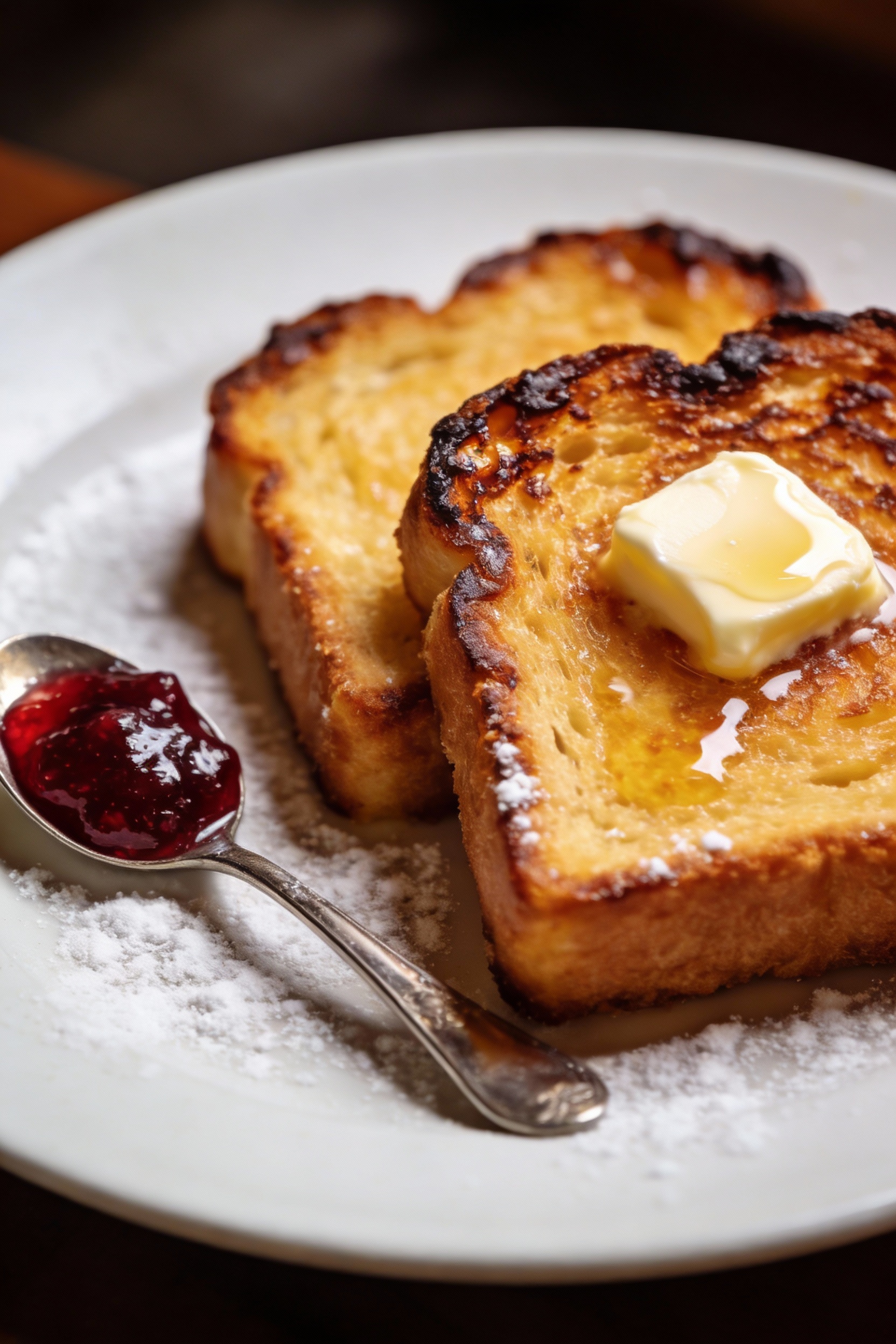
If you’re feeling bold, toast a slice and add salted butter and jam. It sounds basic, but IMO it’s dangerously good.
FAQ
Why did my pound cake crack on top?
That crack is normal and often a good sign: the top sets while the center keeps rising. If the crack looks extreme or the loaf domes too fast, your oven may run hot, so verify with an oven thermometer or lower the temperature by 15°F.
How do I keep pound cake from being dry?
Measure flour accurately, don’t overbake, and use sour cream or yogurt for moisture. Also, cool it fully before wrapping; trapping steam while it’s hot can make the crust soggy and the crumb feel dry later.
Can I use salted butter?
Yes. Reduce the added salt to about 1/4 teaspoon. The cake will still taste balanced, and the butter flavor stays front and center.
What pan size works best?
A 9×5-inch loaf pan gives a tall, classic shape and bakes evenly at 325°F. An 8.5×4.5-inch pan works too, but it may need a little longer bake time because the batter sits higher.
How do I tell when it’s done without drying it out?
Look for deep golden color, a firm top that springs back lightly, and a toothpick that comes out with a few moist crumbs. If the center still looks shiny or the toothpick shows wet batter, give it 5 more minutes and check again.
Can I make this in a bundt pan?
Yes, but grease every ridge aggressively and consider dusting with flour or sugar for extra release insurance. Bake time usually lands around 50 to 65 minutes depending on your pan and oven.
Why did my batter look curdled?
Cold eggs or butter cause the mixture to separate. Keep mixing and it often comes back together, but for best results start with room-temperature ingredients and add eggs slowly.
Wrapping Up
This is the kind of cake that makes your kitchen smell like you know what you’re doing. Master the creaming step, measure flour correctly, and bake it low and steady, and you’ll get a loaf that tastes expensive without the attitude.
Serve it plain for peak buttery nostalgia, or glaze it when you want that bakery finish. Either way, it’s the dependable dessert you’ll make once, then casually “end up” making every time someone asks you to bring something. Because why bring cookies when you can bring this?